Skip to content Skip to left sidebar Skip to footer

Municipal Health

19 January 2025 Media Release: Mattresses and blankets handed over to Graceland Crèche by GRDM

Media Release: Mattresses and blankets handed over to Graceland Crèche by GRDM

For immediate release
19 January 2026

Today, 19 January 2026, the Department Community Services, handed over mattresses and blankets to Graceland Crèche in Conville, George, as part of an Early Childhood Development Health and Hygiene Awareness session presented by Environmental Health Practitioners (EHPs) from GRDM.

EHPs Janine Koopman (left) and Lana Don (right) demonstrate proper hand wash techniques and an illegal dumping presentation to kids and caretakers of Graceland Crèche.

To start off the programme, the team of EHPs Janine Koopman and Lana Don, demonstrated how hands must be washed during the day in order to prevent the spread of germs and prevent illnesses. Another important aspect of concern in the environment, is illegal dumping of litter in the environment. During the presentation the team emphasised the importance how litter must be handled, that it must be put in a dustbin instead of littered in the communities. All kids present were also encouraged to share these messages with parents at home.

When handing over the items to the crèche, Cllr Hoogbaard emphasised that “although it might not be plenty items to fulfil all the needs of the creche, the gesture comes from a District Municipality that cares for its communities”.

Johan Compion, Senior Manager responsible for Municipal Health at GRDM, during his address emphasised the importance of proper rest in a learning environment stating that “good rest allows your body to restore enough energy in order for you to focus better in class, especially during lessons – you think better, you listen better and complete your tasks better in the class,” he emphasised.

The principal of the crèche, Mandy Booysen, extended words of gratitude to all EHPs who delivered presentations about good hygiene practices and the negative impact of illegal dumping on the environment. She also stated that “every single gesture of support to the facility is appreciated,” when she referred to how expensive daily essentials are to operate optimally and to provide the best possible service to the children enrolled at the crèche.

“We thank the District Municipality, Cllr Hoogbaard and the team for the visit today and for choosing Graceland Creche so early in the year,” Booysen added.

DID YOU KNOW?

  •  Illegal dumping causes the spread of bacteria, diseases, causes rodent infestations, causes water, soil, and air pollution and it also blocks our water network systems. It furthermore leads to pollution of air, water and soil, and can also attract pests and create unsanitary conditions. In addition, it can also decrease property values and negatively impact the overall aesthetic of an area.
  • Hand washing benefits both young and old and is the first line of defence in preventing the spread of disease and must be embraced vigorously by families, schools and health care professionals.

Gallery:

ENDS

16 January 2026 Media Release: Environmental Practitioners from GRDM ensured health and safety standards during holiday period

Media Release: Environmental Practitioners from GRDM ensured health and safety standards during holiday period

For immediately release
16 January 2026

The Garden Route District Municipality (GRDM) has implemented its Seasonal Municipal Health Safety Plan to ensure the health and safety of residents and visitors during the December holiday period.

As tourists entered the region GRDM Environmental Health Practitioners (EHPs) intensified their Municipal Health plans conducting inspections while monitoring and creating awareness across all seven local municipal areas to protect public health during the busiest time of the year.

The following inspections were conducted:

Knysna Region:

  • Formal food premises – 54
  • Informal food premises – 14

Pre-seasonal Health and Hygiene inspections were conducted of at major food outlets, malls and shopping centres. During this period no food related incidents were reported to this office.

George – Wilderness region:

  • Formal food premises – 44
  • Spaza shops – 25

Premises were under severe pressure due to the influx of tourists to the area. This made cleaning as-you-go challenging and most cleaning was done after business hours. Hiring more staff is an option that can help clean continuously, but it comes at a cost. Premises must not stretch beyond their reach in Decembers and accommodate more customers than they are able to handle – this is to ensure that food safety remains prioritised.

Although people followed health and hygiene standards, a possible scabies outbreak was reported in the area. Following inspections conducted, it was discovered that only two cases occurred, after which the facility acted to prevent further spread in the area. Health education was provided to the management of the facility.

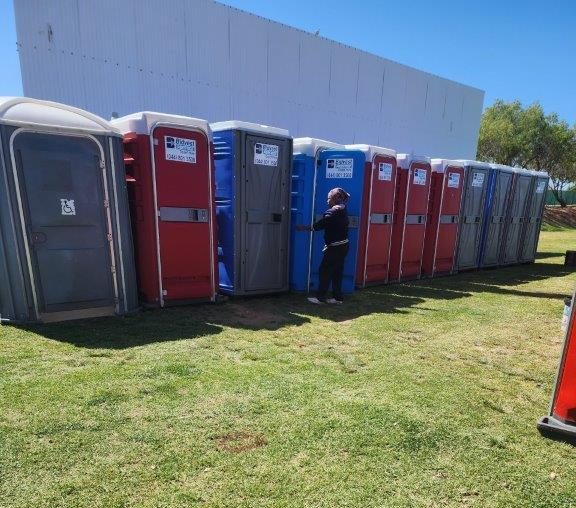
Another complaint of children defecating in the water at the Touws River was received and subsequently a swimming section was cornered off for no swimming due to contamination. It is important to be reminded that there are clean public bathroom facilities to use and that many people also swim in the same water, so the water must be left in the clean condition it was found in.

Stalls/markets in the area were also monitored to ensure ongoing compliance, and mostly everyone complied.

George – Outeniqua region:

  • Formal food premises: 86
  • Informal food premises: 107

Highlights experienced in this area were that all informal food stalls were registered prior to events; health and hygiene requirements were met by all food handlers/owners; and minor incidences were addressed and rectified immediately showing co-operation and willingness to adhere. Furthermore, no health and hygiene complaints were received from various platforms during the holiday period.

EHPs extended a message of gratitude to all businesses for their cooperation and the commitment that they have showed towards the environmental well-being of the communities of the Garden Route.

Bitou region:

The following inspections were conducted:

  • Formal food premises: 39
  • Information food premises: 1
  • In the Bitou area, residents and visitors followed and complied to health and hygiene standards – all inspected food premises complied, with no cases of food poisoning reported.

Mossel Bay region:

The Mossel Bay area hosted various events including the:

  • “Matriek Baai”
  • Jazz Festival
  • “Afrikaans is Groot” (2 events)
  • 2 x Christmas White Tents in Hartenbos
  • Markets – Brinkleys; Great Brak River
  • Amongst others.

With these events that were hosted in Mossel Bay, the EHPs also included inspections of these and other premises in their planning for the holiday period. The following premises were inspected:

  • Formal food premises (complied): 58
  • Informal food premises (complied): 70
  • Spaza shops (complied): 9
  • Other premises (complied): 18

A highlight of this area was that all informal food stalls were registered prior to events. Health and hygiene requirements were met by all food handlers/owners, however, minor incidences were addressed and rectified immediately’ showing co-operation and willingness by business owners and managers to adhere to the health and hygiene standards. No health and hygiene complaints were received from various platforms during the holiday period.

Furthermore, EHPs from the Mossel Bay region did regular monitoring of the bacteriological standard in the Hartenbos River during the holiday. From the total of four samples taken at two sampling points at the Hartenbos River, all the samples complied bacteriologically.

Hessequa region:

The following inspections were conducted:

  • Formal food premises: 37
  • Informal food premises: 14
  • Spaza shops: 52

Most of the inspections were follow-ups as to ensure compliance to relevant regulations. Caravan parks were well maintained by the Hessequa Municipality with excellent hygiene standards applied.

The following events took place:

  • 20 Dec 2025 – Cooler Box Chill out, Riversdale
  • 20 Dec 2025 – Cooler Box Chill out, Heidelberg
  • 21 Dec 2025 – Cooler Box Chill out, Albertinia
  • Christmas Outreach
  • 27 Dec 2025 – Summer Baze

These events were regarded as low-risk events as only one food trader were operating at the events. Hygiene aspects with regards to food safety, waste management and sanitation, were thus adhered to.

Oudtshoorn and Kannaland:

Between 15 December and the 5 January 2026, 41 inspections were conducted in the Klein Karoo region.  This included formal food premises and general surveillance inspections. No food related complaints were received over the festive season.

Regrettably, the water situation in Kannaland worsened to the point where water had to be transported to areas where there was no accessible water available.  Kannaland also received assistance from various sources to help alleviate the problem.

Two crucial lessons learned during the festive period, is communication and safety.

  1. Communication is critical: Effective and efficient Municipal Health Services requires constant dialogue between management and the public and that regular training and awareness sessions at business premises be conducted.
  2. Safety:  It is not just the EHPs responsibility; it is a cooperative effort involving everyone to maintain a healthy and safe environment.

The Municipal Health Services of GRDM extends a word of gratitude to the community for taking care over the festive season and wishing everyone a prosperous and blessed 2026.

ENDS

21 November 2025 Media Release: Comprehensive Seasonal Municipal Health Safety Plan ready as Holiday Season approaches

Media Release: Comprehensive Seasonal Municipal Health Safety Plan ready as Holiday Season approaches

21 November 2025

The Garden Route District Municipality (GRDM) has developed its Seasonal Municipal Health Safety Plan to ensure that residents and holiday visitors enjoy a safe and healthy environment during the peak holiday season.

According to Executive Mayor Marais Kruger, “every year, the region experiences a significant increase in food handling activities, temporary events, large tourist volumes, and higher temperatures. All of which heighten the risk of foodborne illnesses, water contamination, and general public health hazards”.

“In response to the influx of tourists, GRDM Environmental Health Practitioners (EHPs) will intensify their proactive inspections, monitoring and awareness operations across all seven local municipal areas from now to January 2026.”

Protecting public health during the busiest season

The plan is to ensure extensive monitoring of food premises, accommodation facilities, water quality, and hygiene compliance across the district. Activities will include blitz operations, joint enforcement actions, sampling programmes, community awareness campaigns, and extended standby coverage by EHPs.

“EHPs play a vital role in safeguarding lives, especially during the festive season when food consumption, mobility, and public interaction significantly increase,” said Mayor Marais Kruger.

“This plan strengthens our region’s resilience to prevent food poisoning, disease outbreaks and environmental contamination.”

Key activities will include:

Food Safety, Hygiene and Compliance Monitoring

  • Conduct inspections at spaza shops, formal food premises, informal food traders, mobile vendors, restaurants, accommodation establishments, school feeding schemes, soup kitchens, wholesalers, ECD centres, markets, festivals and event-based food stalls.
  • Monitor food handling practices, prevention of cross-contamination, temperature control, personal hygiene, structural compliance, sanitation practices, pest control and chemical safety.
  • Enforce compliance with Certificates of Acceptability (COA), including issuing fines or closing non-compliant shops.
  • Ensure labelling, supplier verification and safe storage of foodstuffs.

Sampling and Laboratory Testing

  • Take surface swabs and bacteriological food samples during November and December.
  • Conduct ongoing chemical and bacteriological food sampling.
  • Complete water and food-related samples during November and December across drinking water, river water, beach water, sewerage, final effluent and perishable food items.
  • Conduct monthly bacteriological sampling of the Knysna Estuary.
  • Collect bacteriological samples from foodstuffs and water samples

Awareness, Education and Community Engagement

  • Deliver weekly health and hygiene awareness sessions.
  • Conduct outreach and education with informal traders, schools, clinics, ECDs, the food industry, and the general public.
  • Provide hygiene training to food handlers before major holiday events.
  • Monitor community complaint platforms and respond to public health concerns.

Enforcement and Joint Operations

  • Undertake collaborative blitz operations with Law Enforcement, SAPS, Fire Services, Immigration, Electricity and Planning Departments.
  • Conduct compliance monitoring during roadblocks and at accident scenes involving foodstuffs or potential water contamination.

Administrative and Seasonal Support

  • Ensure administrative staff issue Certificates of Acceptability, COC Certificates and Health Certificates until 19 December 2025.

Implement a strengthened standby programme with Environmental Health Practitioners (EHPs) on duty across all regions between 12 December 2025 and 5 January 2026. “Our responsibility is to prevent avoidable harm.

This plan ensures we remain vigilant, responsive, and committed to protecting public health during the busiest season of the year,” said Compion.

For more information or to report unhygienic practices by food handlers, contact the following GRDM offices within the Garden Route:

Johan Compion
Senior Manager: Municipal Health, Solid Waste Management and Air Quality
E-mail: info@gardenroute.gov.za
Tel: 044 803 1300 / Cell: 082 803 516

Klein Karoo & Kannaland
Desmond Paulse – Manager: Municipal Health (Klein Karoo)
94 St John Street, Oudtshoorn
Tel: 044 272 2241 / Cell: 083 678 6530

Mossel Bay
Rinay Cloete – Acting Chief: Municipal Health
C/O Sampson & Marling Street, Ext 23, Mossel Bay
Tell: 044 693 0006 / Cell: 083 530 3709

George Outeniqua
Emmy Douglas – Chief: Municipal Health (Outeniqua)
Mission Street, Industrial Area, George, 6530
Tel: 044 803 1501 / Cell: 078 457 2824

George & Wilderness
Lusizo Kwetshube – Acting Chief: Municipal Health
Mission Street, Industrial Area, George, 6530
Tel: 044 803 1599 / Cell: 081 555 6992

Knysna
James McCarthy – Chief: Knysna
26A Queen Street, Knysna, 6571
Tel: 044 382 7214 / Cell: 082 805 9417

Bitou
Gawie Vos – Chief: Lakes (Bitou)
4 Virginia street, Plettenberg bay, 6600
Tel: 044 501 1600 / Cell: 083 557 1522

Hessequa
Haemish Herwels – Chief: Hessequa
24 Michell Street, Riversdale, 6670
Tel: 028 713 2438 / Cell: 083 678 6545


20 October 2025 Media Release: GRDM’s EHPs celebrate Global Handwash Day at Kwakhanya Crèche, Thembalethu

Media Release: GRDM’s EHPs celebrate Global Handwash Day at Kwakhanya Crèche, Thembalethu

For immediate release
20 October 2025

The team of Environmental Health Practitioners (EHPs) at Garden Route District Municipality (GRDM) serving the George (Outeniqua) region, on 15 October 2025 celebrated Global Handwashing Day at Kwakhanya Crèche in Zone 9, Thembalethu. Global Handwashing Day is a partnership of a group of international organisations, including UNICEF, the World Bank and public health agencies globally – this is why the GRDM forms part of this annual campaign.

The take-away message for this year was “Clean hands are within reach – a small action that creates a big impact on global health”
The localised campaign rightfully therefore focused on highlighting the importance of handwashing with soap and water as an effective and affordable way to prevent diseases and save lives. The GRDM team educated the learners/toddlers about the importance of washing hands with soap and the effects of germs on people’s health. Approximately 50 children displayed great excitement and enthusiasm, particularly during the handwashing demonstration, which was presented by EHP Lulamile Macala, which made the session engaging and enjoyable for all who participated.

Representatives from the Breede Olifant Catchment Management Agency were also in attendance.

In conclusion of the event programme, the team donated a few backpacks and water bottles which they handed over to the principal of the facility. This gesture, along with the overall celebration and educational activities at their creche, was warmly welcomed by the principal and the children who expressed their appreciation for the visit and programme.

The celebration also aligned with this year’s theme: “Be a Handwashing Hero!”

ENDS

30 September 2025 Media Release: GRDM EHPs in Knysna promote Clean Air Awareness at Nekkies/Sanlam Mall in celebration of World Environmental Health Day

GRDM EHPs in Knysna promote Clean Air Awareness at Nekkies/Sanlam Mall in celebration of World Environmental Health Day

For immediate release
30 September 2025

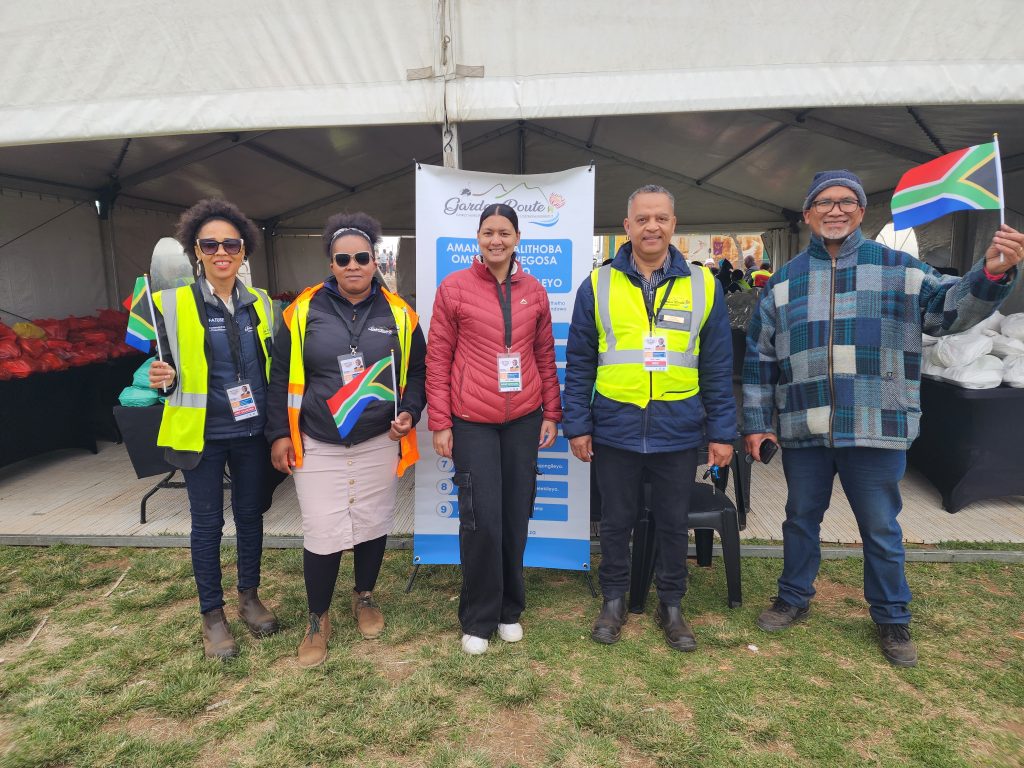
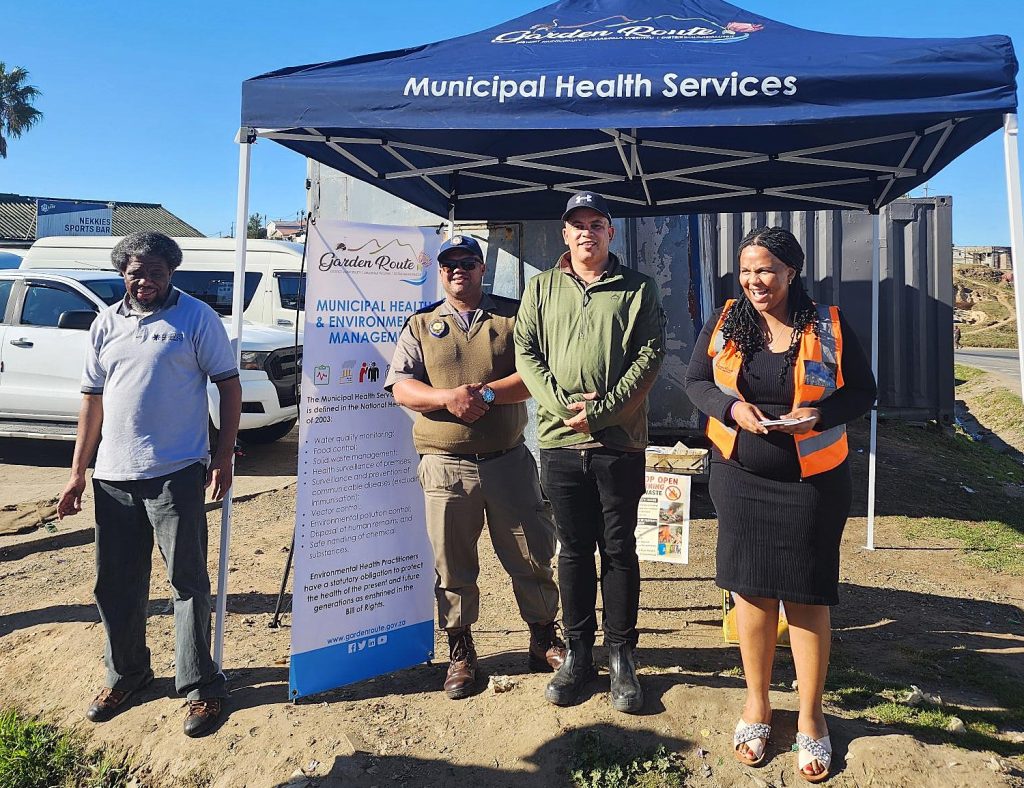
The Environmental Health Practitioners (EHPs) from the Municipal Health Section based in Knysna, rolled out a Clean Air Promotion Campaign at the Nekkies/Sanlam informal shopping and entertainment centre, in celebration of World Environmental Health Day.

This area, known for frequent open burning of waste, was strategically selected to raise awareness on 26 September 2025, about the dangers of open burning and its impact on both public health and the environment.

The primary goal of the campaign was to educate the public on the risks associated with open waste burning, including: The release of toxic air pollutants that contribute to respiratory illnesses and other chronic diseases. And the environmental impact, such as poor air quality and contribution to climate change.

Health related topics covered include:

  • The inhalation of smoke and toxic fumes;
  • Alternative waste management methods, such as waste separation and municipal collection;
  • Legal implications of open burning; and
  • The importance of community responsibility.

The campaign empowered the community with knowledge and tools to report and prevent illegal burning activities. Community members were provided with educational  magnets  designed to serve as reminders in their homes. The magnet papers include contact details to report incidents of illegal waste burning, helping residents take an active role in protecting their environment. Participants furthermore appreciated the visual and practical materials, which made the information easy to understand and applicable in daily life. The interactive approach encouraged open dialogue, where locals shared their experiences and challenges related to waste management.

Residents of the area welcomed the initiative, and others expressed their willingness to learn and their commitment towards change. The success of the campaign was due to the strong collaboration among key stakeholders, including the GRDM EHPs Sive None, Linden Herwels, Mthethwa Sithonga, led by Chief EHP, James McCarthy and the Law Enforcement Unit of the Knysna Municipality.

Feature Image: GRDM EHPs and Law Enforcement officials from Knysna Municipality during the campaign.

ENDS

29 Media Release:  GRDM Environmental Health Practitioners of Oudtshoorn Promote Clean Air and Healthier People during National Heritage Celebrations on 24 September 2025 in Oudtshoorn

Media Release:  GRDM Environmental Health Practitioners of Oudtshoorn Promote Clean Air and Healthier People during National Heritage Celebrations on 24 September 2025 in Oudtshoorn

29 September 2025

During the National Heritage Day celebrations in Oudtshoorn on 24 September 2025, attended by Deputy President Paul Mashatile, GRDM Executive Mayor Andrew Stroebel, and other national and provincial ministers, EHPs from the GRDM Oudtshoorn office incorporated the World Environmental Health Day theme, ‘Clean Air, Healthy People,’ into the health promotion activities.  They reached a broad audience of approximately 5000 people with vital health and environmental messages.

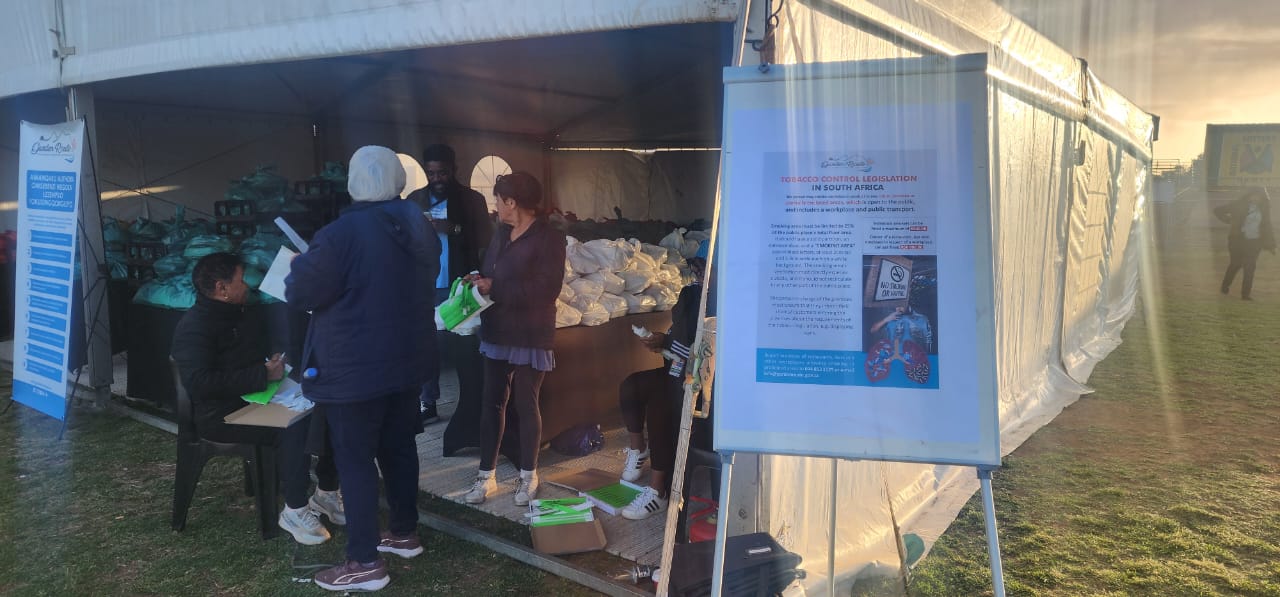
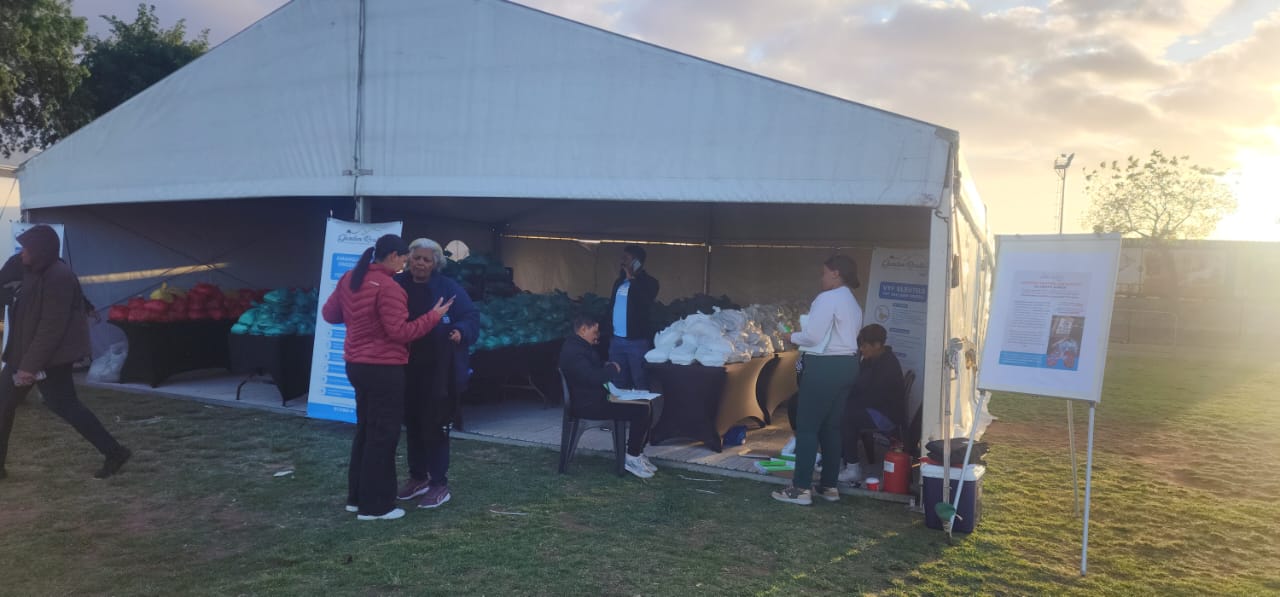
The attendees at the event included various cultural groups, schools, religious leaders, community leaders, and more. National Heritage Day educational activities, both before and during the celebrations, highlighted the adverse health effects of tobacco use and the importance of smoke-free environments. Awareness efforts emphasized tobacco control and the significance of clean air in promoting respiratory health and preventing pollution-related illnesses. The EHPs health promotional activities encouraged members of the public to adopt healthier lifestyle choices and support initiatives aimed at reducing tobacco consumption and improving air quality, ultimately fostering a healthier and a more sustainable environment for all.

By combining cultural celebration with health education, a joint health education team, including EHPs from GRDM, Community Development Workers (CDW) from Oudtshoorn Municipality, the Event Safety officer, catering unit of the Department of Sport, Arts and Culture, EHPs from the Presidential Medical Unit as well as community leaders and caterers, all work together.

Health education and awareness topics included the following:

  • Avoid smoking in buildings, tents and during food preparation, smoke only in demarcated areas;
  • Prevent smoke pollution;
  • Proper waste management;
  • Prevent littering and avoid environmental pollution;
  • Consume only drinking water from reputable and safe water sources;
  • Practice good sanitation; and
  • Ensure hygienic food preparation and food safety.

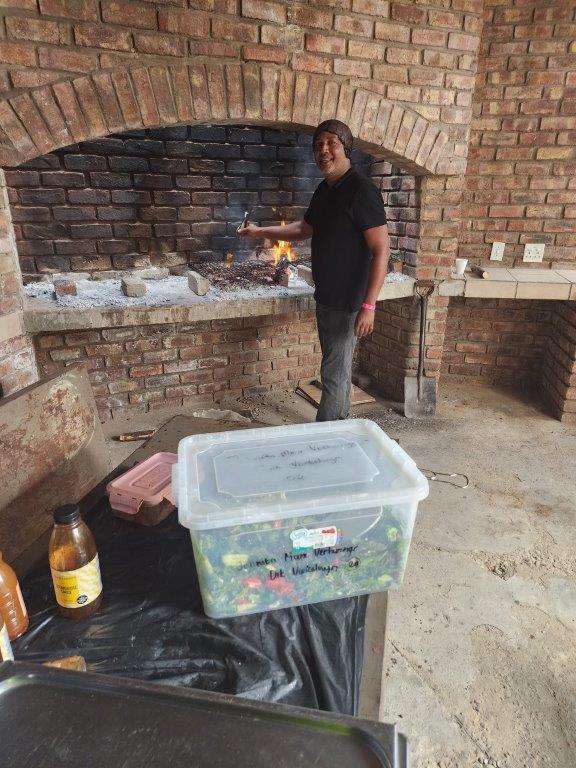
The VIP guests were treated to a mouth-watering braaivleis lunch that honoured our rich local culinary heritage. The meal was prepared under hygienic conditions in a braai area designed to release smoke without causing smoke pollution in the adjacent Bridgton Secondary school hall, where the guests enjoyed their lunch.

-END-

15 July 2025 Media Release: GRDM Environmental Health Practitioners Conducted Health Inspections at Oudtshoorn Recreation Grounds During SAMCA Nationals

Media Release: GRDM Environmental Health Practitioners Conducted Health Inspections at Oudtshoorn Recreation Grounds During SAMCA Nationals

15 July 2025

The SAMCA Nationals 2025 was hosted in Oudtshoorn at the Recreations Grounds until 12 July 2025. With athletes from across South Africa, the town’s Recreational Grounds transformed into a national stage for majorette and cheerleading excellence, with participants from provinces such as Gauteng, KwaZulu-Natal, the Free State, and the Western Cape. After the Nationals, standout athletes will go on to represent South Africa at international events such as the Majorette World Cup.

Since the Municipal Health Services function is defined in the National Health Act, 2003, and includes key performance areas such as Food Control, Solid Waste Management, and Health Surveillance of Premises, the Environmental Health Practitioners (EHPs) from the Garden Route District Municipality (GRDM) once again conducted inspections at the SAMCA National event food stalls to ensure compliance with Regulation No. 638 of 22 June 2018.

During the event, EHPs from the Klein Karoo Regional office conducted daily routine inspections at food stalls. EHPs also provided food hygiene education to food handlers during these inspections. This helps ensure that all food stored, handled, and prepared at food stalls is safe, wholesome, and fit for human consumption, while also meeting the applicable quality and safety standards prescribed by legislation.

Additionally, the EHP team carries out inspections and monitors public toilets, wastewater disposal systems, and refuse disposal and removal. They also ensure compliance with regulations relating to smoking in public places and certain outdoor public areas.

What are the Hygiene Guidelines for Food Stalls?

  1. Every food stall owner must be in possession of a Certificate of Acceptability (COA) in terms of R638 of 22 June 2018.
  2. The COA must be available at the food stall and be visible to the public.
  3. People working on the premises must be properly trained in food hygiene.
  4. Suitable protective clothing, which includes a full-length apron and head covering, must be worn by all food handlers.
  5. Proper facilities must be provided for the storage of perishable foodstuffs at temperatures under 5°C for cold food and above 65° for warm food.
  6. All working surfaces must be made of smooth, dust free, non-absorbent and washable material.
  7. Cover and protect all foodstuffs from contamination by dust and insects.
  8. Smoking in food stall is prohibited.
  9. Keep a bucket or bowl with water, soap and preferable paper towels at hand for the wash and drying of hands.
  10. A dustbin with a tight lid must be available for use at all times.
  11. Animals may not be allowed in the food stall.
  12. If the natural ground surface of the premises is dusty, it must be covered with a dustproof, washable ground sheet.
  13. All pre-packed food must be properly labelled. (Foodstuffs and Cosmetic and Disinfected Act, 1972) (Act no 54 of 1972). Provision must be made for the collection and storage of wastewater until disposal thereof.
  14. The stall / premises where food is handled, must always be kept clean and in a hygienic condition.
  15. Smoking in or near food stalls is prohibited and is only allowed in designated smoking area.

For any further information, please contact GRDM Klein Karoo Region Municipal Health Services:
Mr. Francois Koelman (acting)
Chief: Municipal Health (Klein Karoo)
Tel: 044 272 2241
Cell: 076 258 8960

Mr. Johan Compion
Senior Manager: Municipal Health Services, Waste Management and Air Quality Control
jcompion@gardenroute.gov.za

10 June 2025 Understanding the Role of Environmental Health Practitioners: A short Career Guide

Understanding the Role of Environmental Health Practitioners: A short Career Guide

10 June 2025

What if we told you that a single profession is responsible for inspecting everything from your local spaza shop to major hospitals, ensuring safe drinking water, and even managing hazardous waste? In the Garden Route, and across South Africa, these vital tasks fall to Environmental Health Practitioners (EHP). These dedicated professionals are focused on public health – committed to preventing illness by tackling environmental risks head-on. Read more below to understand the immense scope of their work and the academic journey required to join this essential field.

EHPs either hold a Diploma in Environmental Health or a Bachelor‘s Degree in Environmental Health. The Diploma has recently been phased out, but is still valid for those holding it. Each EHP must be registered with the Health Professions Council of South Africa (HPCSA) as an independent practitioner. Community services is compulsory for those who aspire to be registered as independent practitioners.

EHPs fall within the area of often referred to as municipal health services and is defined in the National Health Act, 2003. These professionals have to focus on the following areas during their practice: Water Quality Monitoring, Food Control, Solid Waste Management, Health Surveillance of Premises, Supervision and Prevention of Contagious Diseases (excluding Immunization), Vector Control, Environmental Pollution Control, Disposal of Human Remains and the Safe handling of Chemical Substances.

EHPs from Garden Route District Municipality (GRDM), conduct crucial inspections across a wide range of premises to enforce public health legislation and protect our communities. You might be surprised at just how many places fall under their watchful eye:

  • Food Establishments: This covers the entire spectrum, from formal restaurants, caterers, bakeries, dairy farms, and abattoirs, all the way to informal food vendors and spaza shops.
  • Business Sector: Inspections extend to places like old age homes, frail care homes, bed and breakfasts, Airbnbs, self-catering accommodation, caravan parks, campsites, hostels, and hotels.
  • Healthcare Facilities: Doctor’s rooms, dentists, veterinary practices, hospitals, and clinics are all subject to inspections to ensure health standards are met.
  • Personal Care Services: Barber shops, spas, tattoo parlours, beauticians, and piercing shops are also inspected to prevent the spread of infections.
  • Residential & Government Spaces: This includes private homes, government buildings, and funeral undertakers.
  • Industrial Sites: Both small and large industrial operations are inspected to ensure they comply with environmental health regulations.
  • Educational Facilities: Schools, crèches, aftercare premises, nurseries, colleges, and universities are checked to provide safe environments for learning.
  • Public Sanitation: Public ablution facilities in malls, petrol stations, and informal settlements are regularly inspected.
  • Waste Management: This is a huge area, encompassing landfill sites, recycling facilities, hazardous waste facilities, and even illegal dump sites.
  • Water Quality: Inspections include private and municipal wastewater treatment works, along with the critical sampling of river water, drinking water, and food samples for bacteriological contamination. 

Why are EHPs the cornerstone of community health?

EHPs are absolutely necessary for monitoring and upholding public safety and health. They focus on the environmental factors that may have a directly impact on the well-being of humans, covering the nine key performance areas within the scope of practice for EHPs. There’s a strong emphasis in this profession on the principle – ‘prevention is better than cure’. The goal is to eliminate a hazard before anyone’s health is affected, ensuring a proactive approach to the well-being of communities.

When are inspections scheduled?

Inspections and surveillance of all identified premises are determined and undertaken as per approved frequency schedule compiled for EHPs, however, random visits are also done and tip-offs from the public are welcome about unfavourable conditions.

How can the public report health concerns?

To report any Food Safety related complaints, contact your nearest GRDM Municipal Health Office:

Johan Compion
jcompion@gardenroute.gov.za
044 803 1550 / 082 803 5161

Desmond Paulse – Manager: Municipal Health Klein Karoo
desmond@gardenroute.gov.za
044 272 2241 / Cell: 083 678 6530
94 St John Street, Oudtshoorn

Rinay Cloete – Acting Chief: Municipal Health Mossel Bay
rinay@gardenroute.gov.za
044 693 0006 /Cell: 083 630 6108
C/O Sampson & Marling Street, Ext 23, Mossel Bay

Emmy Douglas – Chief: Municipal Health George (Outeniqua)
emmy@gardenroute.gov.za
044 803 1537 / Cell: 078 457 2824
Mission Street, Industrial Area, George, 6530

Jessica Erasmus – Acting Chief: Municipal Health George (Wilderness)
jessica@gardenroute.gov.za
044 803 1522 / Cell: 081 346 3118
Mission Street, Industrial Area, George

James McCarthy – Chief: Municipal Health Knysna (Lakes)
james@gardenroute.gov.za
044 382 7214 / Cell: 082 805 9417
26A Queen Street, Knysna

Gawie Vos – Chief: Municipal Health Bitou (Lakes)
Gjvos@gardenroute.gov.za
044 501 1600 / Cell: 083 557 1522
7 Gibb Street, Plettenberg Bay

Haemish Herwels – Chief: Municipal Health Hessequa (Langeberg)
haemish@gardenroute.gov.za
028 713 2438 / Cell: 083 678 6545
23 Mitchell Street, Riversdale

 *Landline numbers are only in use during weekdays

07 June 2025 Media Release: World Food Safety Day – The Role of Environmental Health Practitioners

Media Release: World Food Safety Day – The Role of Environmental Health Practitioners

For immediate release
7 June 2025

Today, 7 June 2025, Food Safety Day is commemorated across the globe, with the theme “Science in Action”.

Did you know? Approximately 200 diseases in humans are caused by the consumption of unsafe food, ranging from diarrhoea to cancers. On top of this, close to 1.6 million people world-wide fall ill daily due to them consuming unsafe food, according to the World Health Organisation.

Why is food safety important?

The World Health Organisation defines ‘Food Safety’ as the assurance that food will not harm consumers when prepared and eaten. ‘Food Hygiene’ encompasses measures to ensure food safety from production to consumption.

The purpose of food safety is to ensure that FOOD IS SAFE TO EAT. However, contaminated food and water sources are the main contributors to food borne illnesses that affect people, particularly across South Africa. This phenomenon is also noted globally.

When contaminated, foodstuff impose considerable health burdens, ranging in severity from being mildly sick, to fatalities. Related illnesses impact health, livelihoods, education and economies.

In South Africa, health authorities are continuously enforcing food safety principles to protect consumers. These principles focus on ensuring food safety during production, handling, storage, processing, and distribution.

While food safety increasingly becomes an important public health issue, governments all over the world are intensifying their efforts to improve food safety, according to the WHO. This is largely due to rapid globalisation, overpopulation and the importance of the safety when food gets transported from one country to another.

The role of Environmental Health Practitioners (EHP) in ensuring Food Safety within the Garden Route

Daily inspections 

According to the numerous of responsibilities of EHPs, Food Control is one of the areas which require the complex responsibilities. Food Control relates to a mandatory regulatory activity of enforcement to provide consumer protection and to ensure that food is:

  • Handled in a hygienic manner during production, storage, processing, distribution and sale;
  • safe, wholesome and fit for human consumption and conforms to safety, nutrition and quality requirements; and
  • honestly and accurately labelled as prescribed by law.

The role of the EHP includes, but is not limited to the following:

  • Inspection of food premises and vehicles;
  • Compliance monitoring in terms of legislative requirements and provisions and instituting remedial and preventative measures;
  • Issuing of Certificates of Acceptability;
  • Examining sampling and analysis of foodstuffs;
  • Examining food labels;
  • Addressing complaints;
  • ‘Law enforcement’ by serving compliance notices, or if deemed necessary, by issuing summonses to appear in Court (Sect 56 of Criminal Procedures Act. 1977)
  • Export control when requested; and
  • Health promotion and training, etc.

According to Johan Compion, Snr. Manager for Municipal Health, Solid Waste Management and Air Quality Control, “Many diseases can be prevented when the public is educated and informed; and action is taken”.

“Particularly during the month of June, in celebration of World Food Safety Day, the GRDM EHPs plan to visit various areas/premises in the Garden Route to conduct Food Safety awareness and education sessions.”

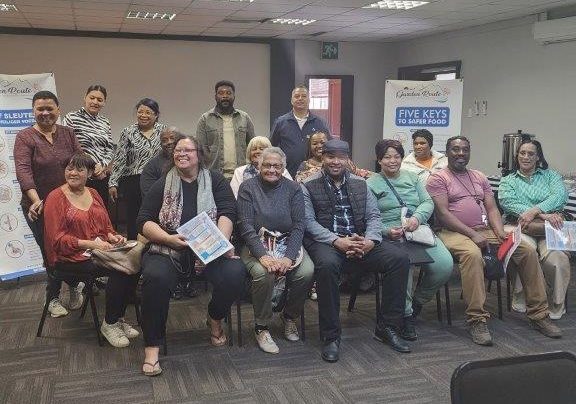
On 3 June, the GRDM EHPs serving the Klein Karoo area, conducted an educational and awareness session at Linza Sales Foods where they educated participants regarding the Five Keys to Safer Food.  On Thursday, 5 June, EHPs from GRDM, EHPs from Beaufort West and the Department of Agriculture engaged in discussions at the South Cape Central Karoo Forum held in Sedgefield on the status of meat production in the Western Cape. On 8 June, the Outeniqua team serving the George area will have a Health and Hygiene education and awareness session targeting communities they serve. In the Bitou area, the GRDM’s Bitou team plans to host a targeted food safety training session for managers of both formal and informal food premises in Plettenberg Bay.

To report any Food Safety related complaints, contact your nearest GRDM Municipal Health Office:

Johan Compion
jcompion@gardenroute.gov.za
044 803 1550 / 082 803 5161

Desmond Paulse – Manager: Municipal Health Klein Karoo
desmond@gardenroute.gov.za
044 272 2241 / Cell: 083 678 6530
94 St John Street, Oudtshoorn

Rinay Cloete – Acting Chief: Municipal Health Mossel Bay
rinay@gardenroute.gov.za
044 693 0006 /Cell: 083 630 6108
C/O Sampson & Marling Street, Ext 23, Mossel Bay

Emmy Douglas – Chief: Municipal Health George (Outeniqua)
emmy@gardenroute.gov.za
044 803 1537 / Cell: 078 457 2824
Mission Street, Industrial Area, George, 6530

Jessica Erasmus – Acting Chief: Municipal Health George (Wilderness)
jessica@gardenroute.gov.za
044 803 1522 / Cell: 081 346 3118
Mission Street, Industrial Area, George

James McCarthy – Chief: Municipal Health Knysna (Lakes)
james@gardenroute.gov.za
044 382 7214 / Cell: 082 805 9417
26A Queen Street, Knysna

Gawie Vos – Chief: Municipal Health Bitou (Lakes)
Gjvos@gardenroute.gov.za
044 501 1600 / Cell: 083 557 1522
7 Gibb Street, Plettenberg Bay

 Haemish Herwels – Chief: Municipal Health Hessequa (Langeberg)
haemish@gardenroute.gov.za
028 713 2438 / Cell: 083 678 6545
23 Mitchell Street, Riversdale

 *Landline numbers are only in use during weekdays

ENDS

30 May 2025 Media Release:  Kannaland Spaza Shop Owners receive refresher training about health, fire and legal compliance

Media Release:  Kannaland Spaza Shop Owners receive refresher training about health, fire and legal compliance

30 May 2025

The Garden Route District Municipality’s (GRDM) Environmental Health Practitioners (EHP) responsible for monitoring spaza shops in the Kannaland region recently held information session for all shop owners in the Kannaland municipal area on Regulation 638 promulgated under the Foodstuffs, Cosmetics and Disinfectants Act.

The first session was held on Tuesday, 20 May 2025, in Ladismith, followed by another session on 22 May 2025, in Calitzdorp, with a total of 40 spaza shop owners who attended it. The workshops were facilitated by EHPs Maxwelline Fatuse and Ikanya Hendricks, along with Keith Johannes and Hein-lee Oosthuizen from Kannaland Fire Services, and Courtney Ludick and Gershon Claasen from Kannaland Municipality’s Law Enforcement.

Participants engaging in various discussions during the two-day training programme.

The sessions primarily focused on health, fire, and legal compliance requirements necessary for the safe and lawful operation of spaza shops. During both sessions, spaza shop owners actively engaged in the discussions, expressed their appreciation and affirmed their respect for South African Constitution and relevant laws and their dedication to operate their businesses correctly.

Similar engagements are regularly being rolled out across the district by GRDM Environmental Health Practitioners as part of their day-to-day activities.

-END-