Skip to content Skip to left sidebar Skip to footer

Author: Marlene Nqumse

22 April 2026 Media Release: Planet vs. Plastics: Protecting the Garden Route’s Natural Systems and Biodiversity – Theme: “Planet vs. Plastics”

Media Release: Planet vs. Plastics: Protecting the Garden Route’s Natural Systems and Biodiversity – Theme: “Planet vs. Plastics”

22 April 2026

Globally, more than 400 million tonnes of plastic are produced each year, with an estimated 11 million tonnes entering the ocean annually threatening marine life, ecosystems, and biodiversity worldwide. As the world commemorates Earth Day on 22 April 2026, under the theme “Planet vs. Plastics”, this global crisis hits close to home in the Garden Route, where plastic pollution endangers sea turtles, marine birds, estuaries and the rich biodiversity that defines our coastline.

According to Dr Nina Viljoen, GRDM Head: Environmental Management, “plastic is the polar opposite of organic materials, it does not disappear, it accumulates”.

“The Garden Route District’s beaches, lagoons and indigenous fynbos are more than scenic landscapes; they are critical habitats that support the interconnected web of life. Plastic pollution, however, places these natural systems at risk,” said Viljoen.

Impacts on Biodiversity and Ecosystems

The effects of discarded plastics on wildlife in the Garden Route District are both direct and severe. Discarded fishing lines are major causes of death for seabirds and marine mammals, as it creates strong, non-biodegradable, near-invisible traps that remain in the environment for hundreds of years.

“Coastal birds such as gannets, terns, and gulls become entangled in discarded line and plastic fragments while feeding or nesting, reducing their breeding success and survival rates.”

Dr Viljoen says sea turtles often digest plastic bags, mistaking them for jellyfish, which leads to internal injury, starvation, and death. “Microplastics accumulate in estuaries such as Knysna, Wilderness and Swartvlei, disrupting the food chain that supports fish, crabs, mussels and the many species that depend on them”.

The Environmental Impact of Plastics

Plastics persists in the environment for decades, breaking down into smaller fragments that spread through coastal waters, estuaries and soil. In the Garden Route District, this results in direct harm to wildlife and long-term pressure on the natural systems that sustain biodiversity. Plastic accumulates in habitats where turtles’ nest, birds feed, and fish spawn.

Lightweight fragments are carried by wind and tides into remote stretches of coastline and fynbos, while microplastics settle in sediment, where they persist for generations.

Water Quality and Human Health Concerns

As plastics spread in rivers and estuaries, they enter the food web through filter feeders such as mussels and oysters, moving upwards through species that rely on these organisms.

Toxic additives from plastics also leach into waterways, affecting aquatic life and weakening the resilience of estuarine habitats that are already under pressure.

This contamination of water and food webs raises broader concerns for ecosystem and human health. When microplastics and associated chemical pollutants build up in fish and shellfish, such as mussels and oysters harvested along the Garden Route District’s coast, they enter the human food chain.

“Studies have linked these pollutants to hormone disruption and inflammation in wildlife, signalling a risk to the natural resources that communities depend on for food and livelihoods,” said Dr Viljoen.

These impacts extend beyond individual animals to entire ecological communities. As key species decline or change their behaviour, the balance of estuarine and coastal ecosystems is altered. Predator-prey relationships are disrupted, breeding grounds become less viable, and the resilience of habitats such as tidal flats and seagrass beds – which act as nurseries for marine life – is reduced. The loss is not only of species, but of the ecological functions that keep the Garden Route District’s natural systems healthy.

Looking Ahead

Earth Day 2026 serves as a reminder that the fight against plastic pollution is about protecting ecosystems, safeguarding the water resources that wildlife depends on, and preserving the biodiversity that makes the Garden Route District unique. The health of the Garden Route District’s environment is directly linked to the well-being of its communities. By reducing plastic pollution, we protect not only nature, but our shared future.

Join a clean-up event by contacting the GRDM Waste Management Section:

Ms Innocentia Sikweyiya, District Waste Management Officer
Email: Innocentia@edendm.co.za
Tel: +27 (0)44 693 0006

-END-

21 April 2026 Media Release: Garden Route Safety Summit Strengthening and Enhancing District Safety and Crime Prevention

Media Release: Garden Route Safety Summit Strengthening and Enhancing District Safety and Crime Prevention

21 April 2026

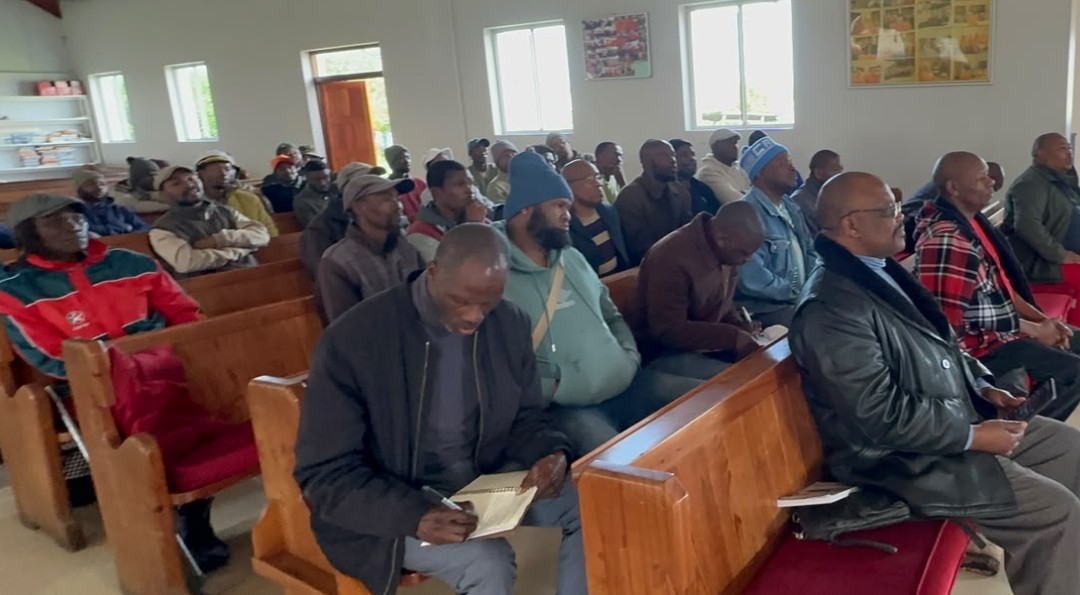
The annual Garden Route Safety Summit took place at the Garden Route District SAPS offices on 17 April, bringing together Mayors, senior management, Provincial Oversight Committees (POCs), SAPS, Law Enforcement, Safe Schools, and representatives from the Departments of Education, Social Development, Correctional Services and Department of Agriculture.

This summit aims to support planning with local municipalities for the 2026/27 business safety plan, while also reflecting on the successes and challenges of the past year. It further provides a platform for consultations to strengthen community dialogues and key programmes such as the:

  • Thembalethu Area-Based Team (ATB);
  • 16 Days of Activism campaign;
  • District Safety Summits;
  • law enforcement coordination;
  • Community Policing Forum (CPF) training; and
  • among others.

In a brief welcoming address, GRDM Executive Mayor, Alderman Marais Kruger, officially opened the gathering and highlighted that the summit forms part of the broader Safety Implementation Business Plan for 2026/2027 and is supported by a R1 million Whole-of-Society Approach (WOSA) investment by the Western Cape Provincial Government. “This approach strengthens partnerships between government, law enforcement, and communities, ensuring improved coordination and a more integrated response to safety challenges,” Mayor Kruger said.

Major General Cetyana, SAPS District Commander, presented a comprehensive overview of the Garden Route District’s nine-month crime statistics, including the district’s safety response and ongoing interventions aimed at combating crime. He also provided an update on the status of police stations and satellite stations in the Garden Route District identified for upgrades, including those in Kwanonqaba, Kwanokuthula, Dysseldorp, Sedgefield, and Herbertsdale.

Cetyana provided a breakdown of the 17 community-reported serious crimes, the root causes of these crimes, and the successes achieved during the period from 1 April to 31 December 2025. He concluded with an overview of current interventions aimed at addressing and reducing crime, and acknowledged the collaboration between the Garden Route District South African Police Service and all agencies within the Security Cluster, including Community Police Forums, Farm Watches, Neighbourhood Watches, Community in Blue, private security, as well as district and local municipalities, which contributed to the results achieved.  “The concerted efforts of all parties involved will most definitely ensure that the Garden Route District experiences a reduction and stabilisation in crime, ultimately creating a safer environment for both residents and visitors to our district,” he said.

Western Cape Department of Police Oversight and Community Safety representative, Vuyani Mbaqa, presented on the Western Cape Safety Plan for 2025–2030. He unpacked the vision and impact statement of the Western Cape Government, stating: “The impact that the Western Cape Safety Plan aims to achieve is to ensure that the Western Cape is a resilient and safe society.” Mbaqa commended GRDM for being the only district municipality in the Western Cape to comply with the Western Cape Business Plan.

Gail Bekeer, Senior Secretary and Administrator for District Safety, provided feedback on the Garden Route Business Plan for 2025/2026 and reflected on the successes of the past year. She also reported on funds allocated to the various local municipalities and consultations undertaken to facilitate community dialogues.

The second segment of the summit comprised a question-and-answer session based on the presentations delivered. This session was highly interactive and generated robust discussion among participants. One proposal was that all municipalities within the district should adopt standardised by-laws to more effectively combat crime.

The representative from the Department of Education expressed appreciation to the GRDM for including the department as a stakeholder, noting that by pooling resources, they can add value to, among others, the School Safety Project.

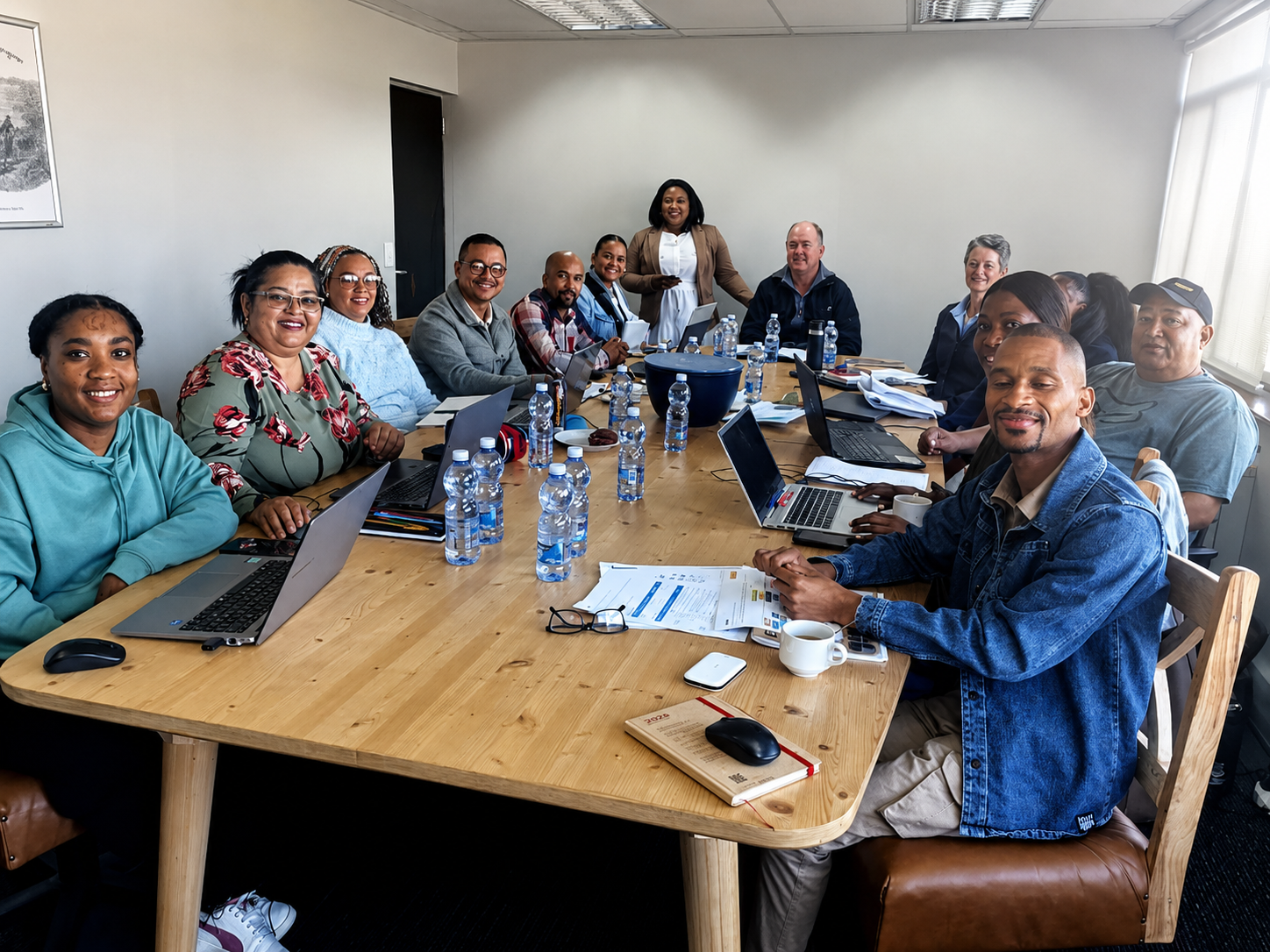
Featured image: Alderman Marias Kruger (GRDM Executive Mayor), Vuyani Mbaqa (Western Cape Department of Police Oversight and Community Safety), Cllr Jobieth Hoogbaard (Portfolio Chairperson: Community Services), and Major General Cetyana (Garden Route SAPS).

-END-

21 April 2026 Media Release:  Progress Update on the GRDM Regional Waste Management Facility Construction

Media Release:  Progress Update on the GRDM Regional Waste Management Facility Construction

Update 1

21 April 2026

After the termination of the contract with the previous contractor on 05 March 2025 due to poor performance, GRDM re-advertised a new tender (Tender No. GRDM/27/24/-25) for the construction of Phase 1 of the facility. Civils 2000 (Pty) Ltd was subsequently appointed at a contract value of R109 million.

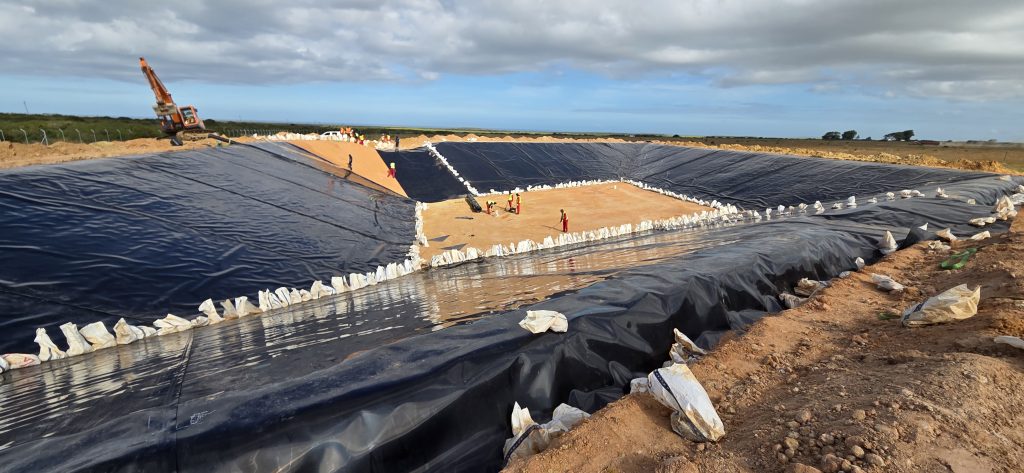
The project site was officially handed over to Civils 2000 on 11 February 2026, with site establishment commencing on 16 February 2026. Construction is currently in full swing, with the contractor progressing according to the pre-approved programme. The anticipated completion date for Phase 1 is 24 February 2027. Upon completion, GRDM will be required to obtain the necessary approvals from licensing authorities before waste disposal operations can commence.

Phase 1 focuses on the development of the minimum required infrastructure to enable the commencement of waste disposal. In the interim, the Department of Forestry, Fisheries and the Environment has approved a further height extension of the PetroSA landfill site, allowing for continued waste disposal while construction is underway.

Phase 2 of the project will be advertised on tender at a later stage and will include the appointment of new consulting engineers and a contractor for the construction of Cell 1B (domestic waste cell). The construction of a hazardous waste cell and associated infrastructure is also still considered to be part of Phase 2 of the project.

GRDM has noted a significant increase in waste disposal volumes generated by participating municipalities. Given the high costs associated with developing landfill sites, residents are encouraged to actively reduce waste by participating in local municipalities source separation and recycling programmes.

A monthly update will be provided about the progress of the project to ensure that the media and residents remain updated about milestones achieved.

Featured Image and above: Activities currently underway at the Regional Landfill Waste Management Facility.

Ends

31 March 2026 Public Notice: 2026/27 GRDM Top Layer Service Delivery & Budget Implementation Plan (SDBIP) open for public perusal

Public Notice: 2026/27 GRDM Top Layer Service Delivery & Budget Implementation Plan (SDBIP) open for public perusal.

31 March 2026

Notice is hereby given that the Garden Route District Municipality’s SDBIP is available for public perusal.

All questions and recommendations must be directed to:
GRDM Manager: Performance Management, Ms Ilse Saaiman
Tel: 044-803 1300 / E-mail: pms@gardenroute.gov.za.

Click here and download the document