Skip to content Skip to left sidebar Skip to footer

Waste Management

17 August 2026 Media Release: Education and Awareness Program on Recycling and Proper Waste Management held in Kurland, Bitou Municipality

Media Release: Education and Awareness Program on Recycling and Proper Waste Management held in Kurland, Bitou Municipality

17 Augustus 2026

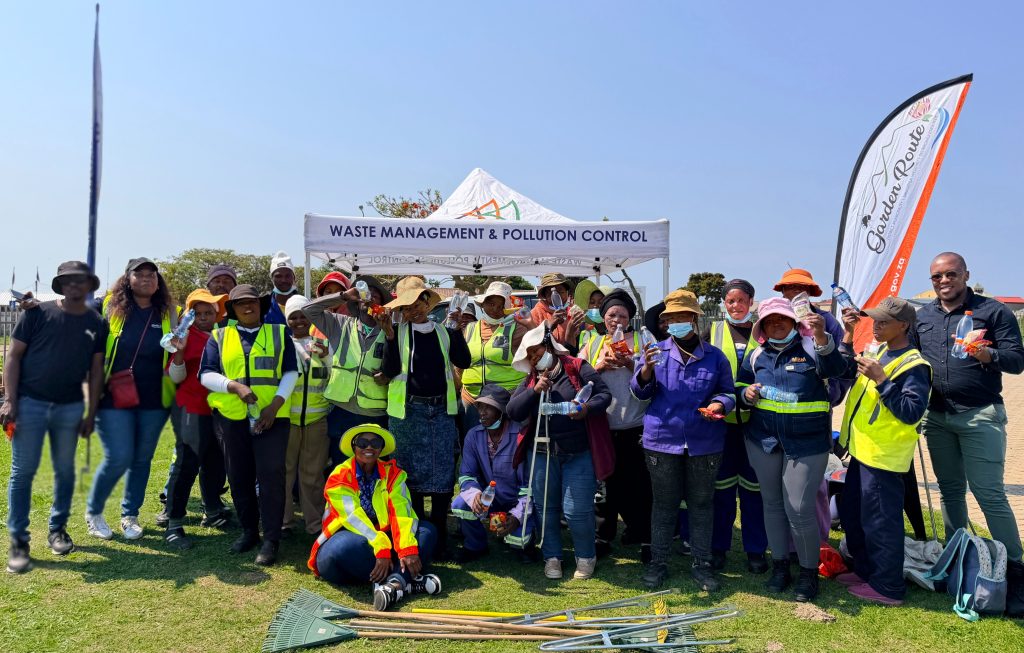
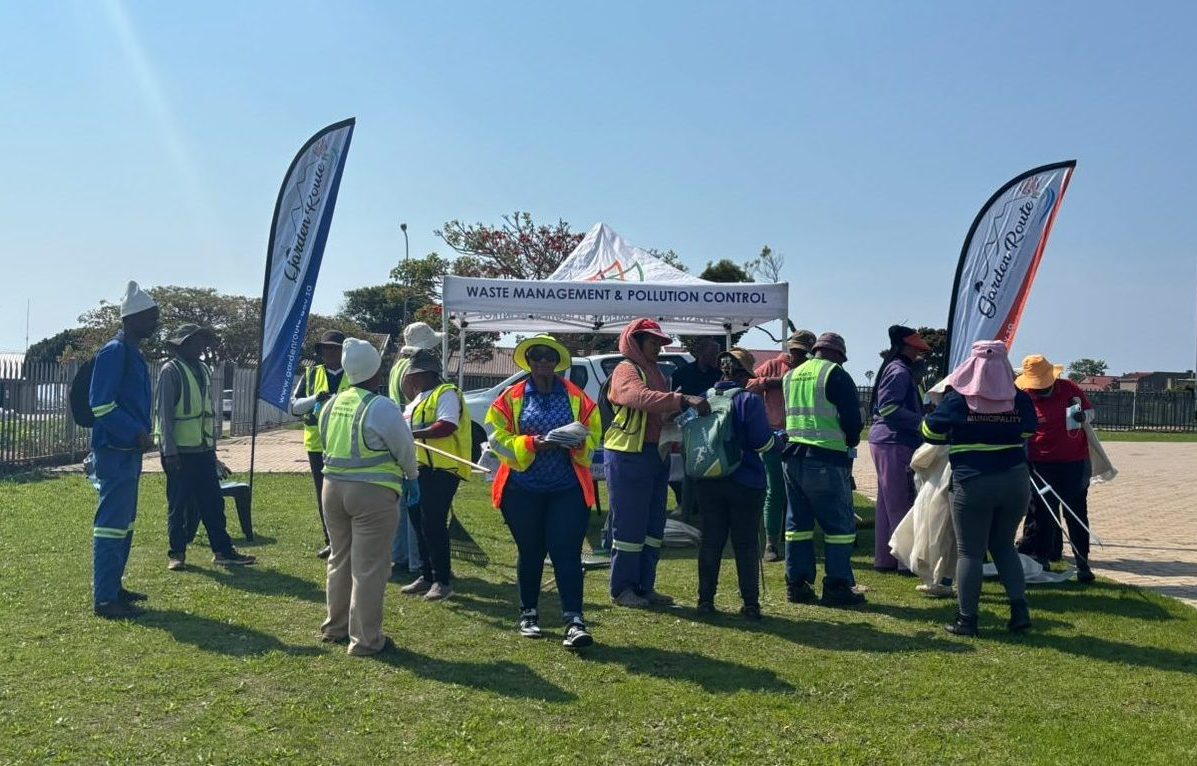
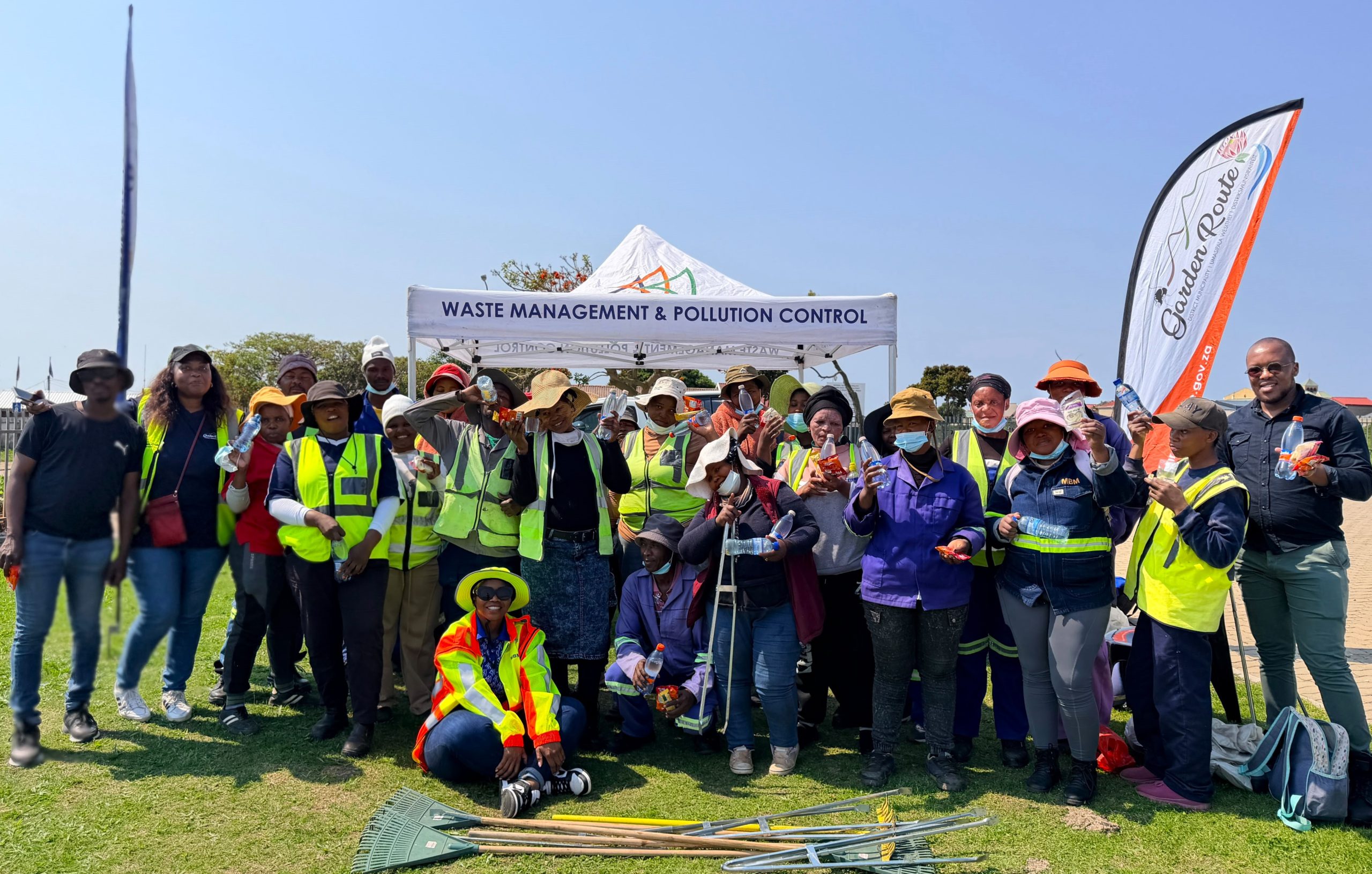
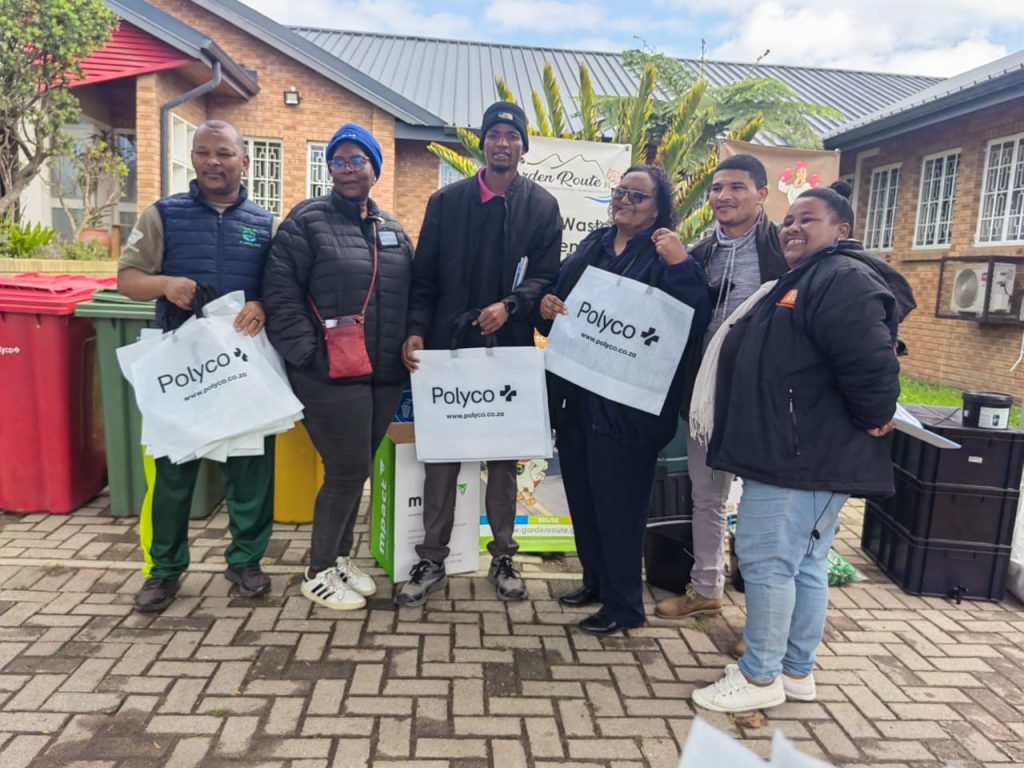
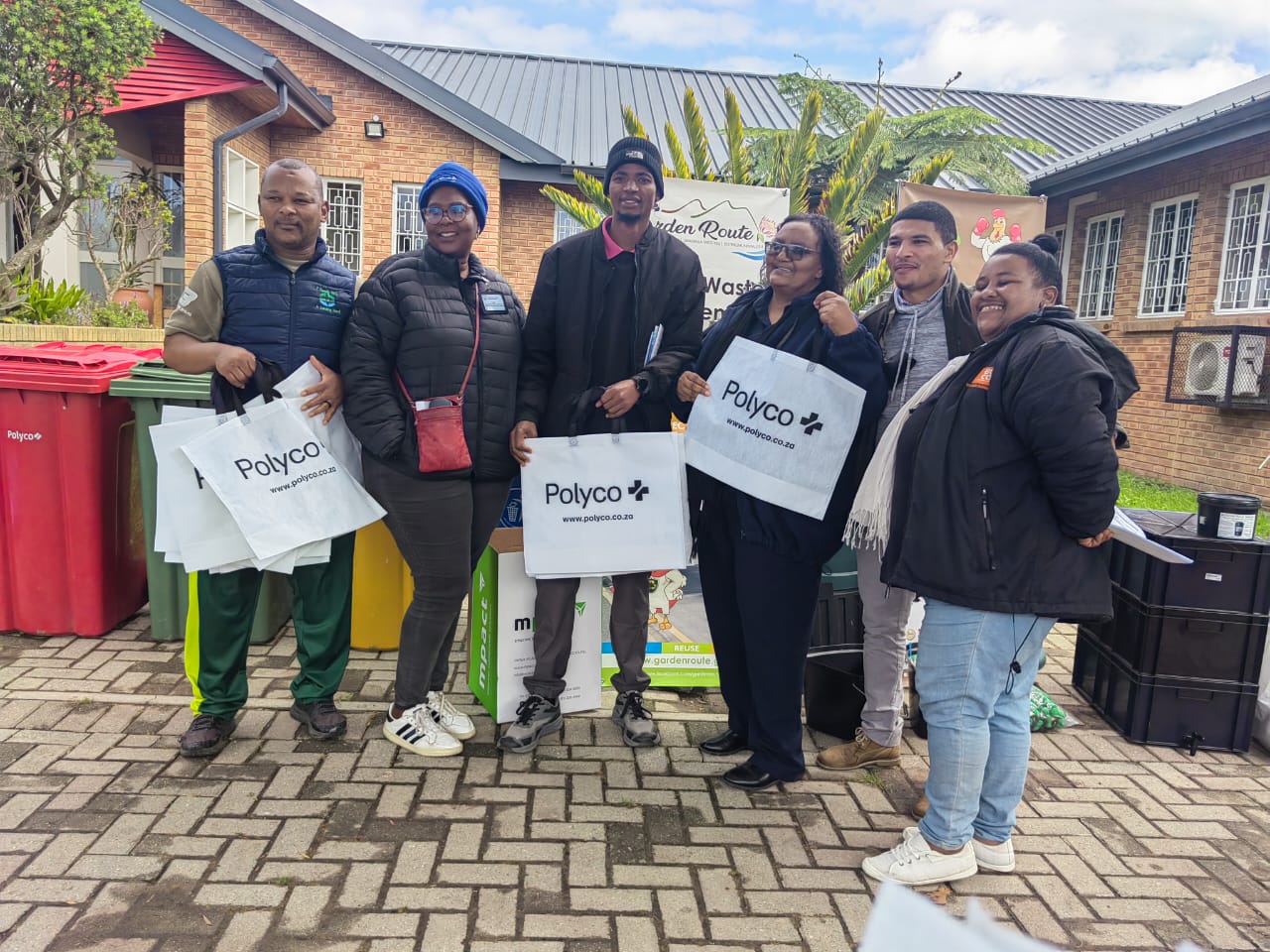
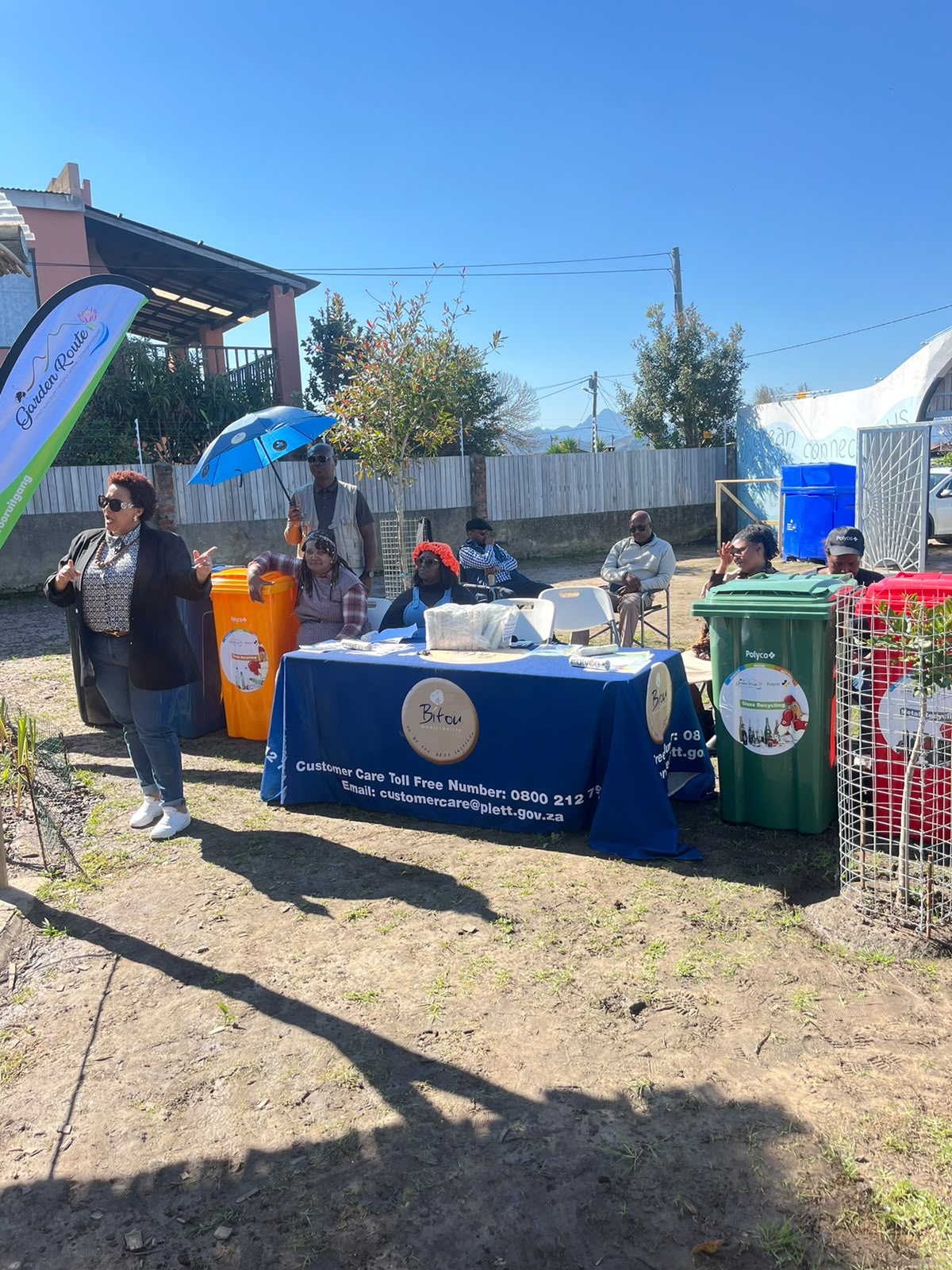
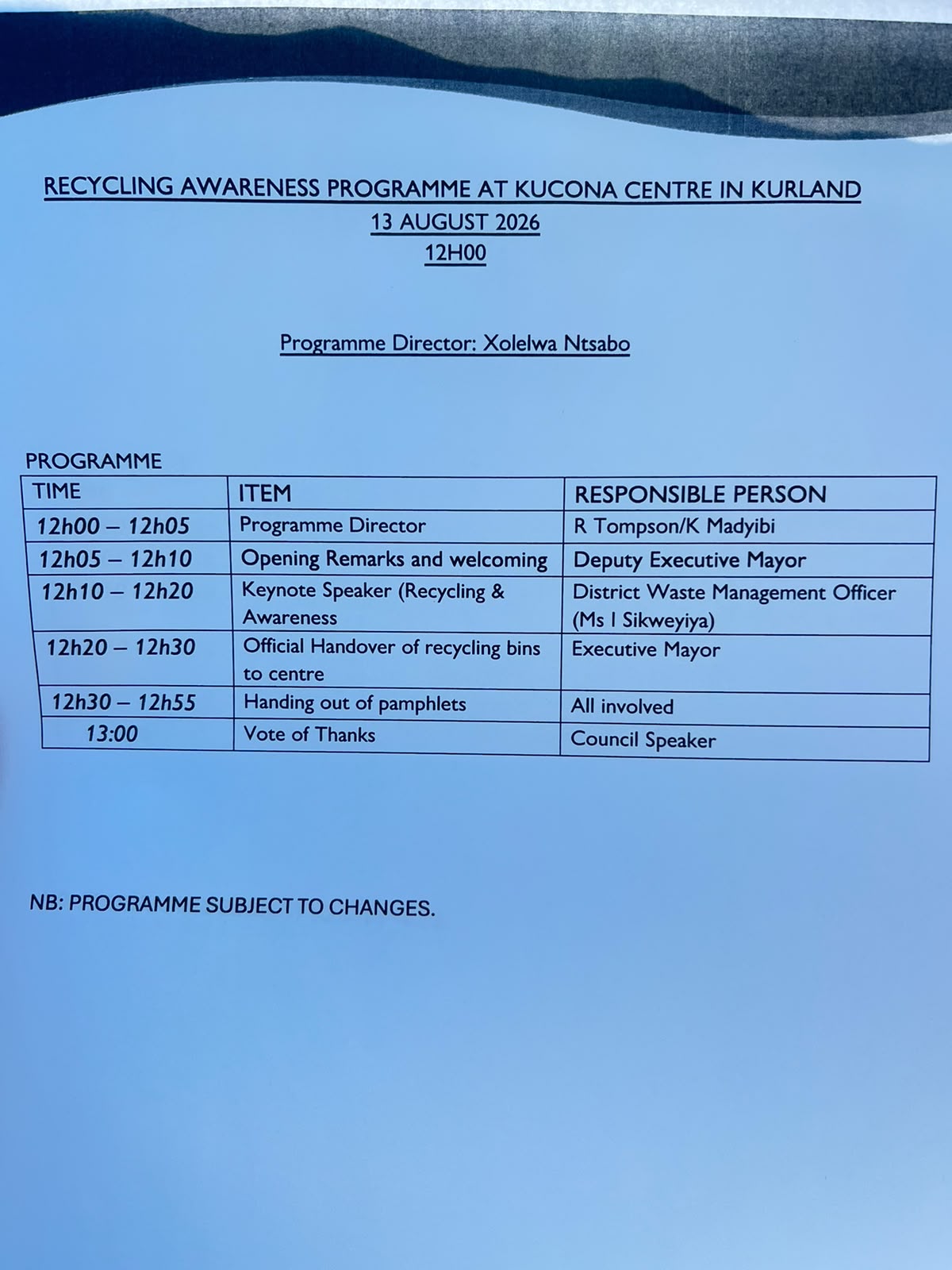
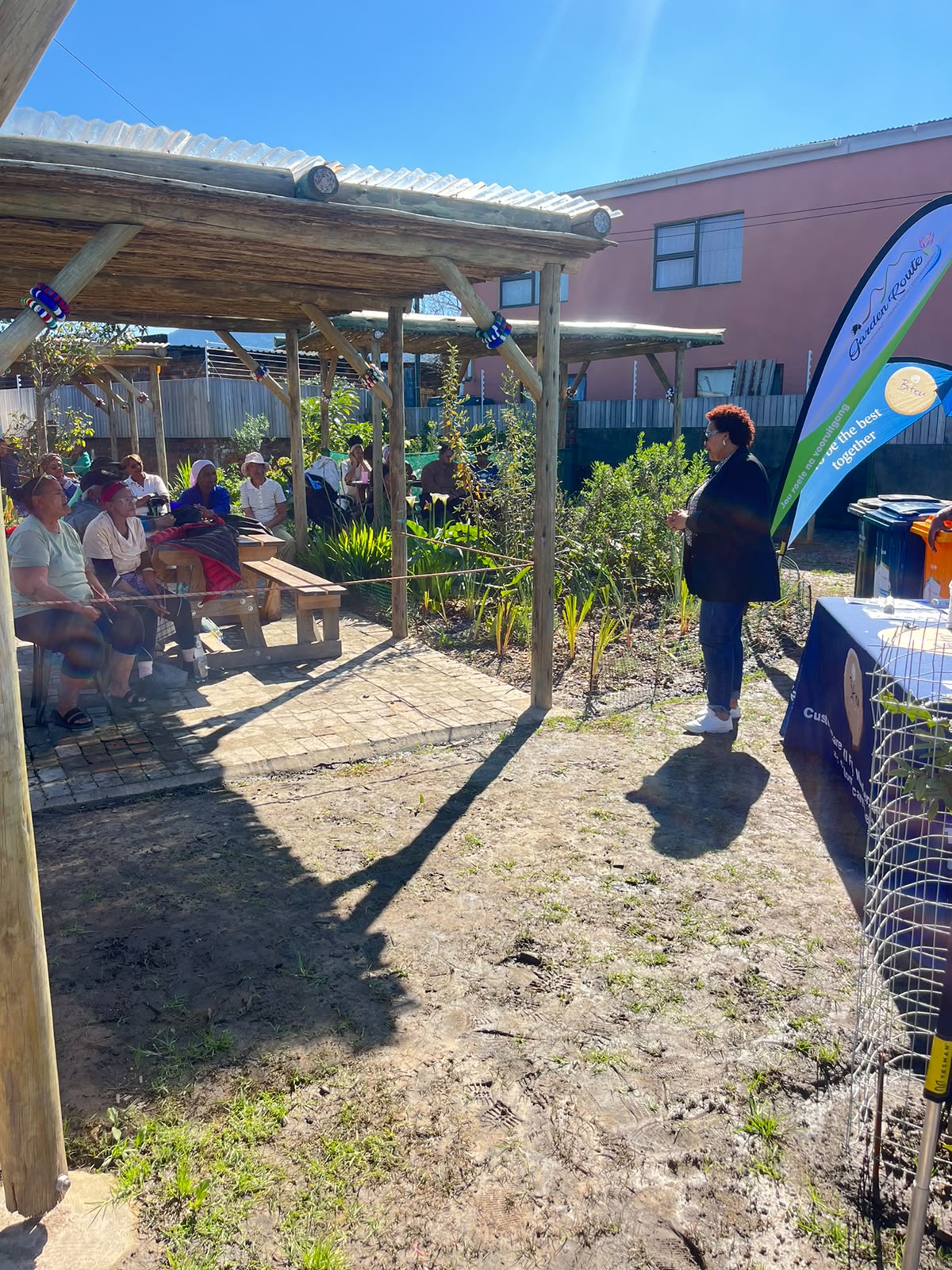
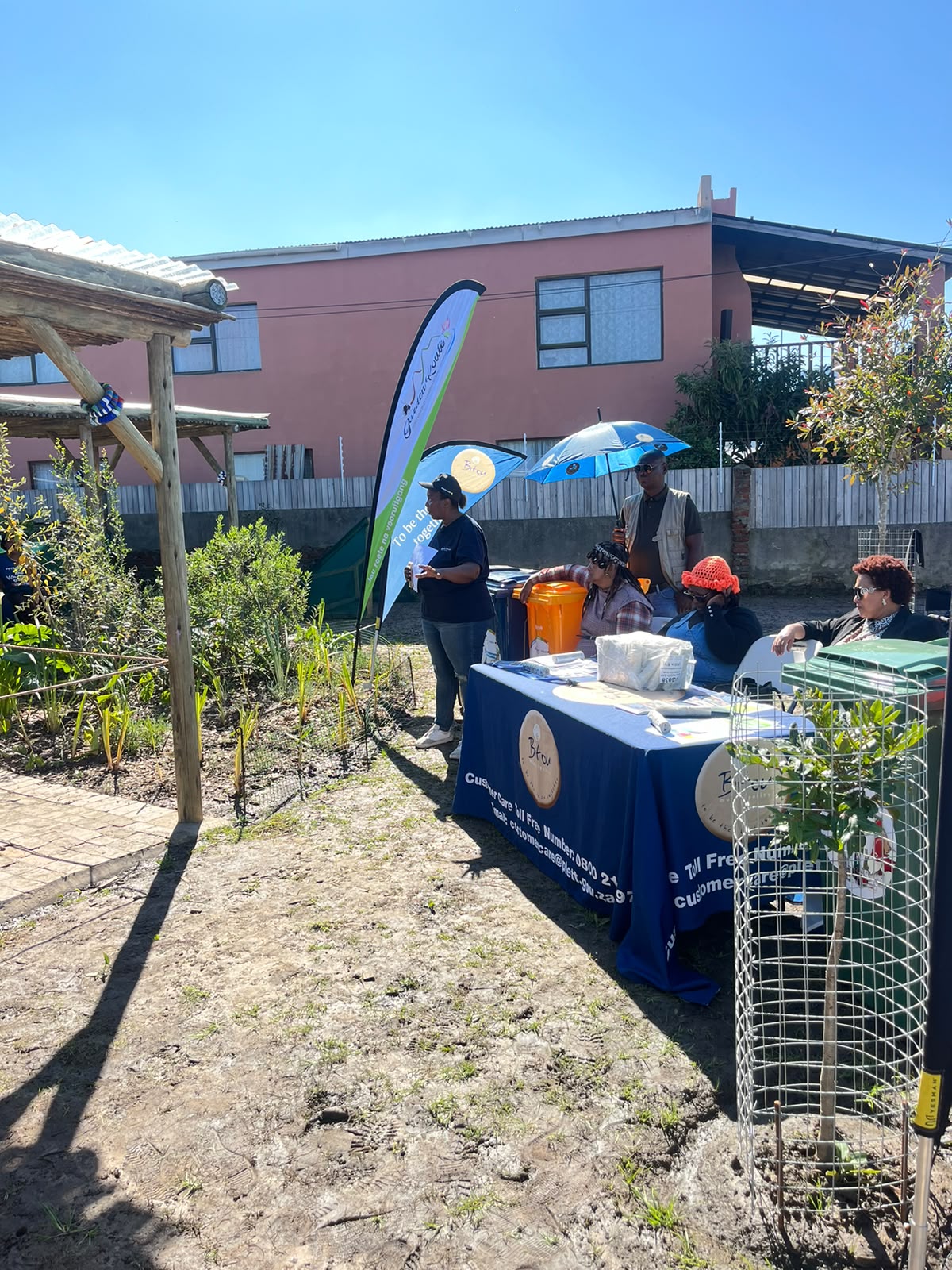
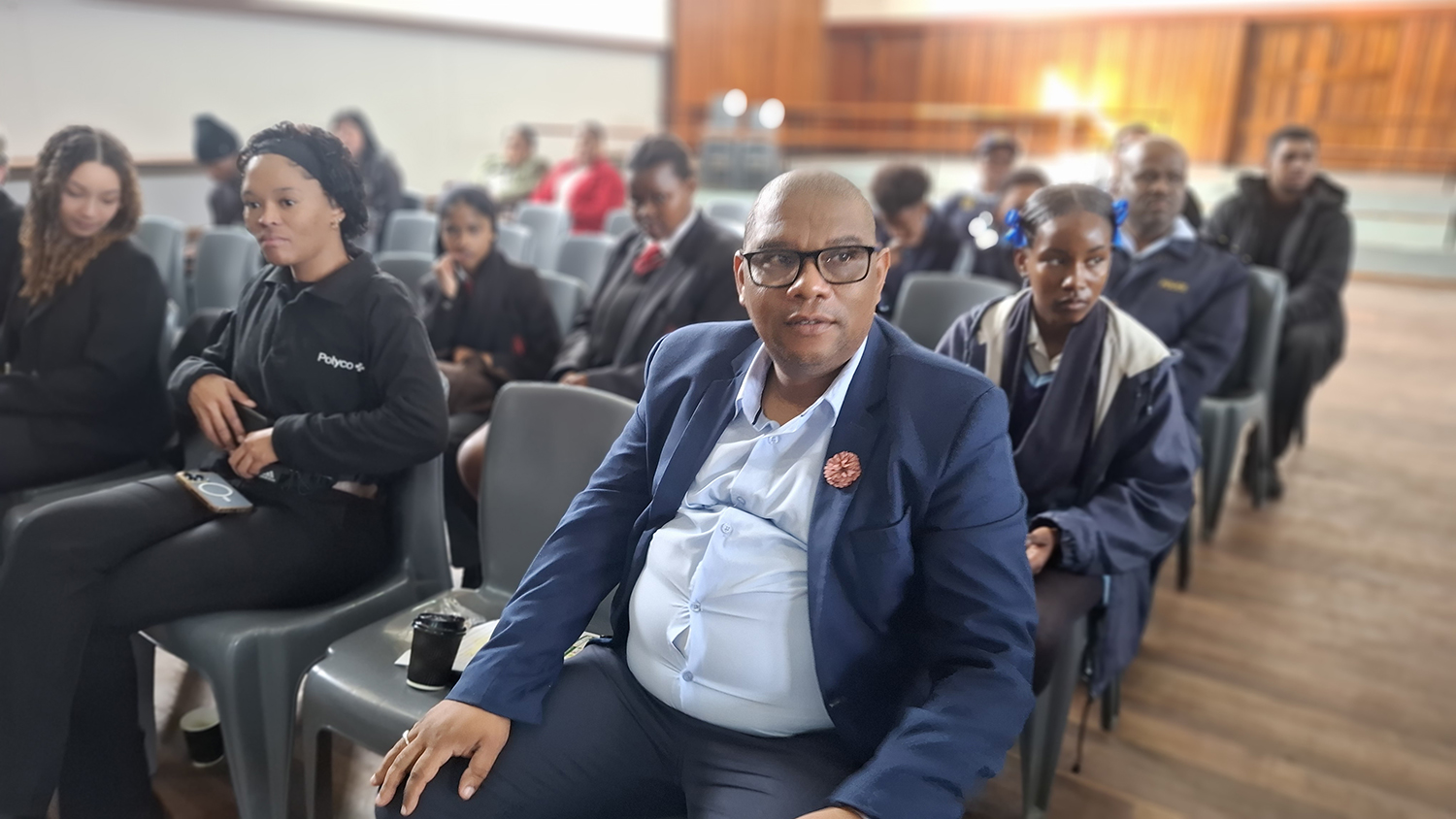
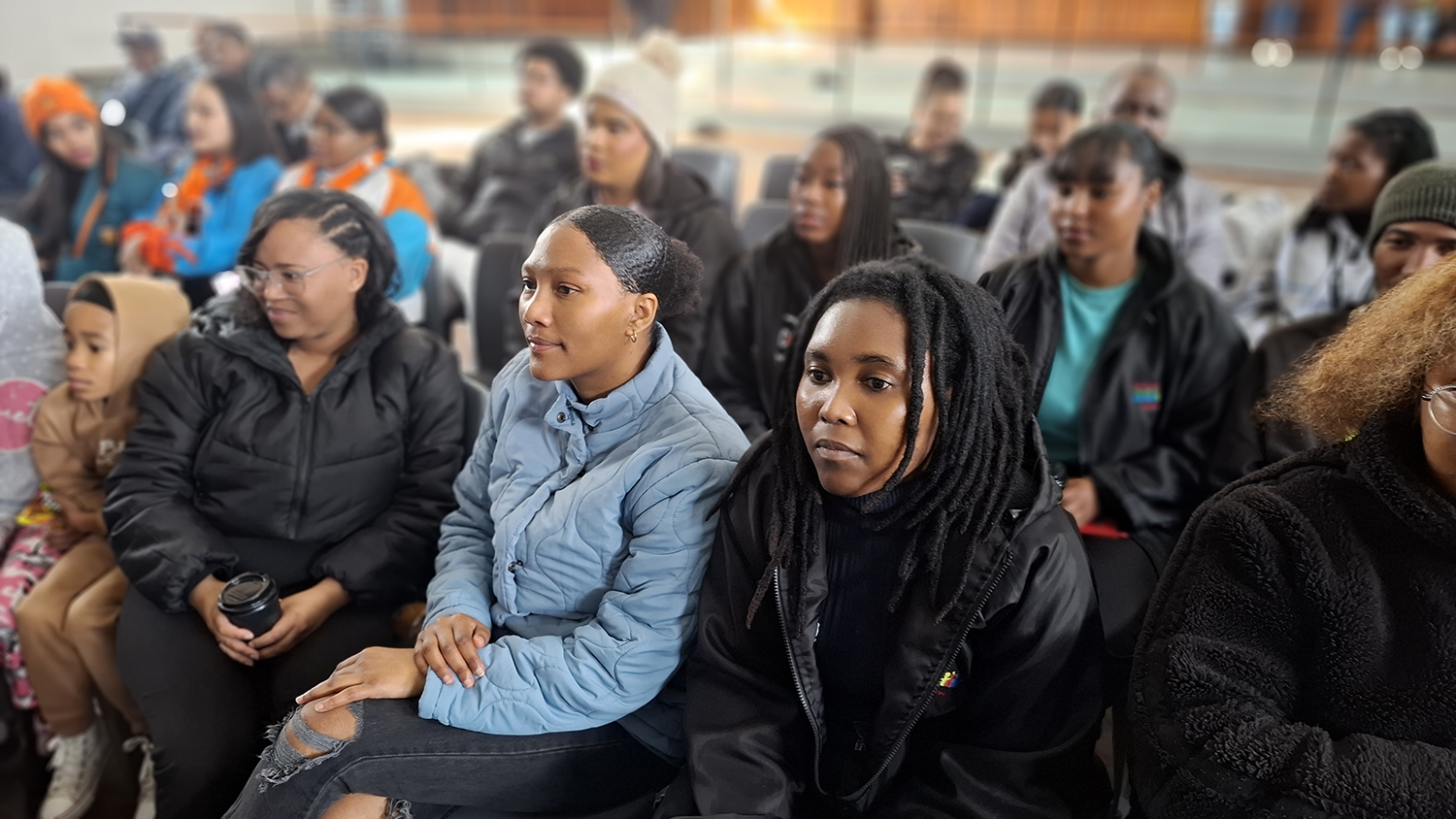
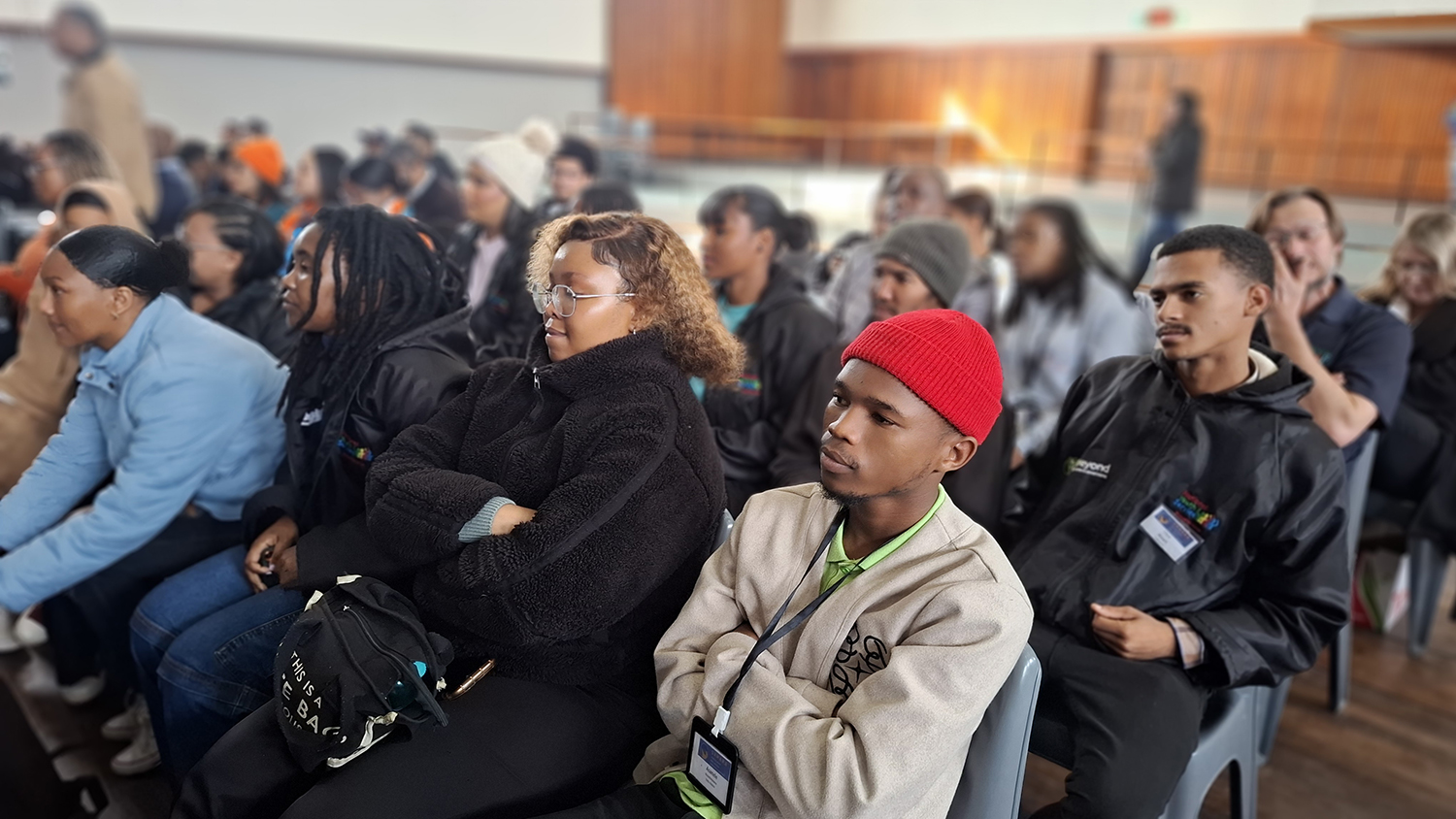
On Thursday, 13 August 2026, an Education and Awareness Program focusing on recycling and proper waste management was held in Kurland in the Bitou municipal area. The program brought together community members, stakeholders in waste management and local leadership to promote greater awareness of responsible waste disposal, recycling and environmental protection.

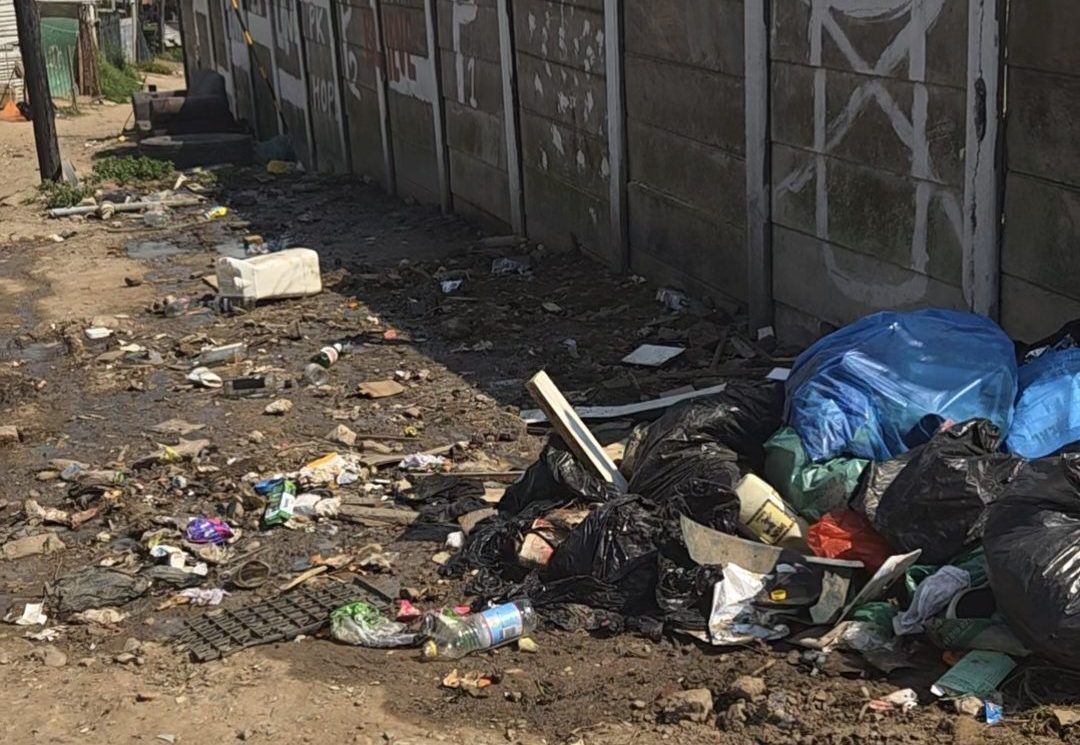
The programme aimed to educate the Kurland community about keeping their area clean, safe and environmentally friendly. Residents were encouraged to take responsibility for their surroundings and help address littering, illegal dumping and poor waste management.

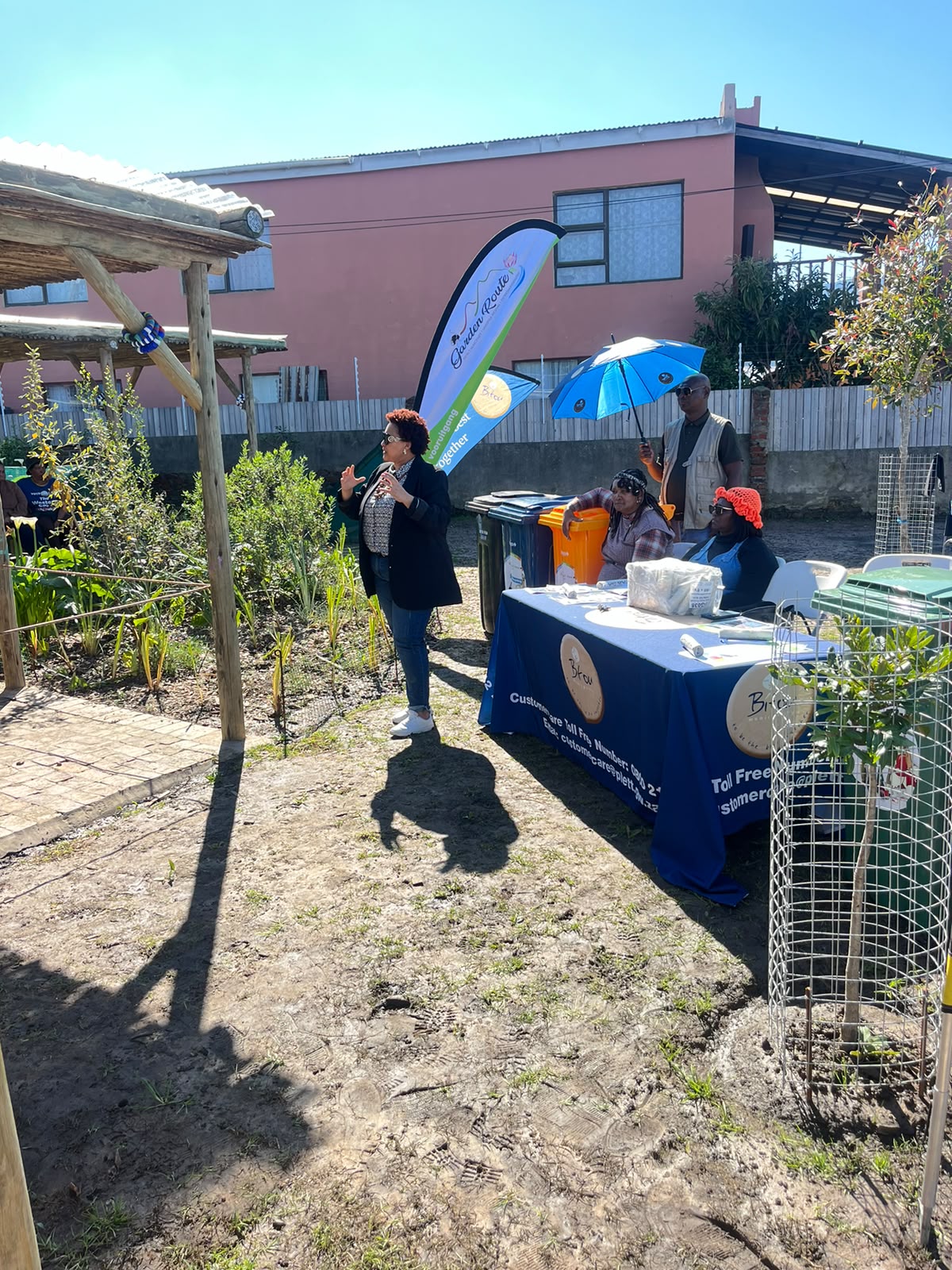
The Bitou Executive Mayor, Councillor Jessica Kamkam who is also the Kurland Ward Councillor, was also present during the event and welcomed the stakeholders to the program and expressed her support for the initiative. Mayor Kamkam highlighted the importance of bringing environmental education directly to communities and hoped the programme would help bring positive change to Kurland.

Garden Route District Municipality (GRDM) District Waste Management Officer, Innocentia Sikweyiya, delivered the keynote address and highlighted the importance of community participation in achieving effective and sustainable waste management.

Sikweyiya stressed that government cannot do it alone and that communities have an important role to play in protecting the environment. She called on residents, businesses and other stakeholders to work together to keep their surroundings clean, safe and sustainable.

“Take responsibility for the waste they generate and to make proper waste separation part of their daily practices,” she said.

Residents were encouraged to separate recyclable waste from general waste and take recyclables to the designated drop-off facility. Ms Sikweyiya explained that recycling helps reduce waste going to landfill, prevent littering and illegal dumping, and protect the environment. She also encouraged residents to see recyclable materials as valuable resources that can be reused and recycled.

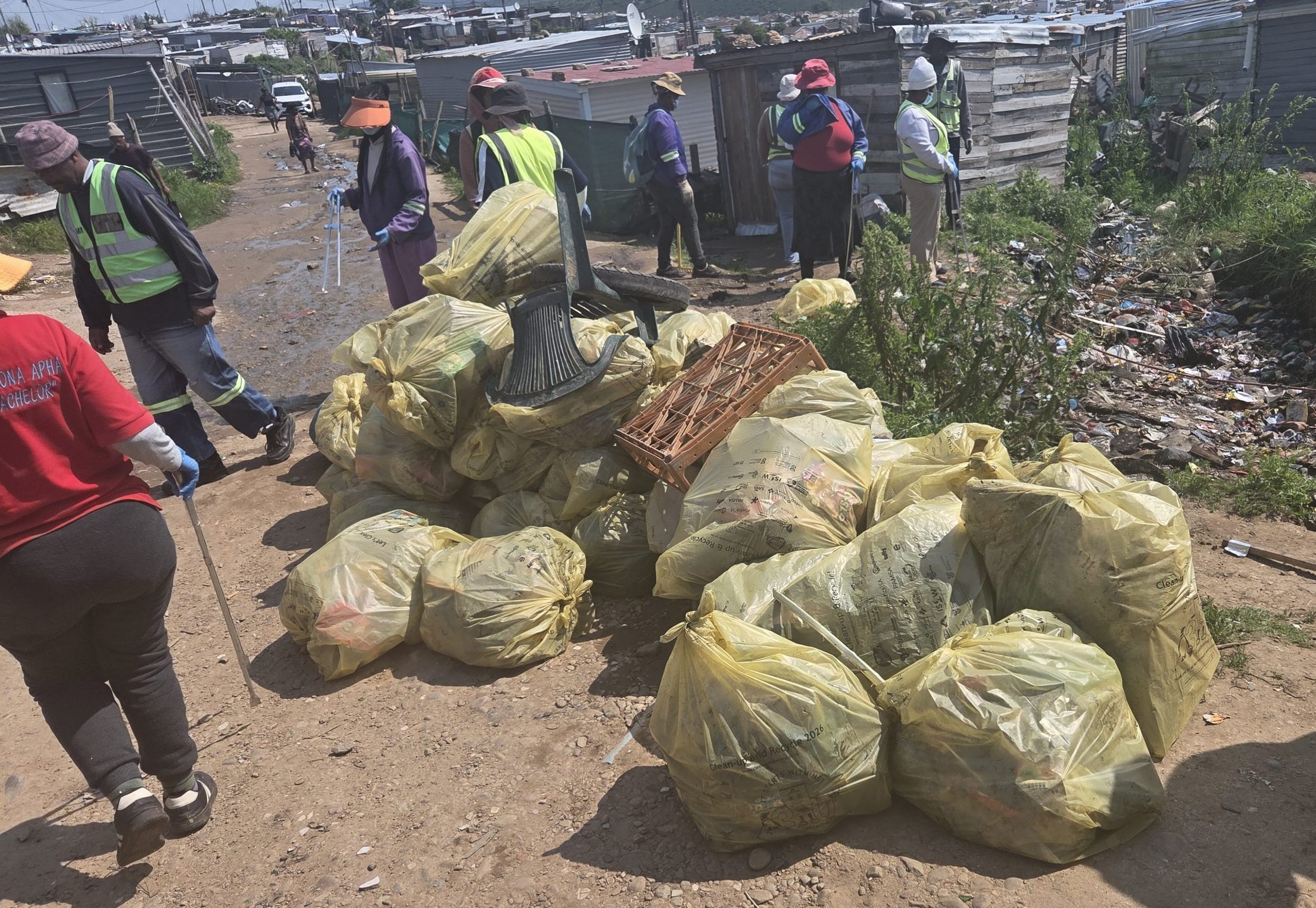
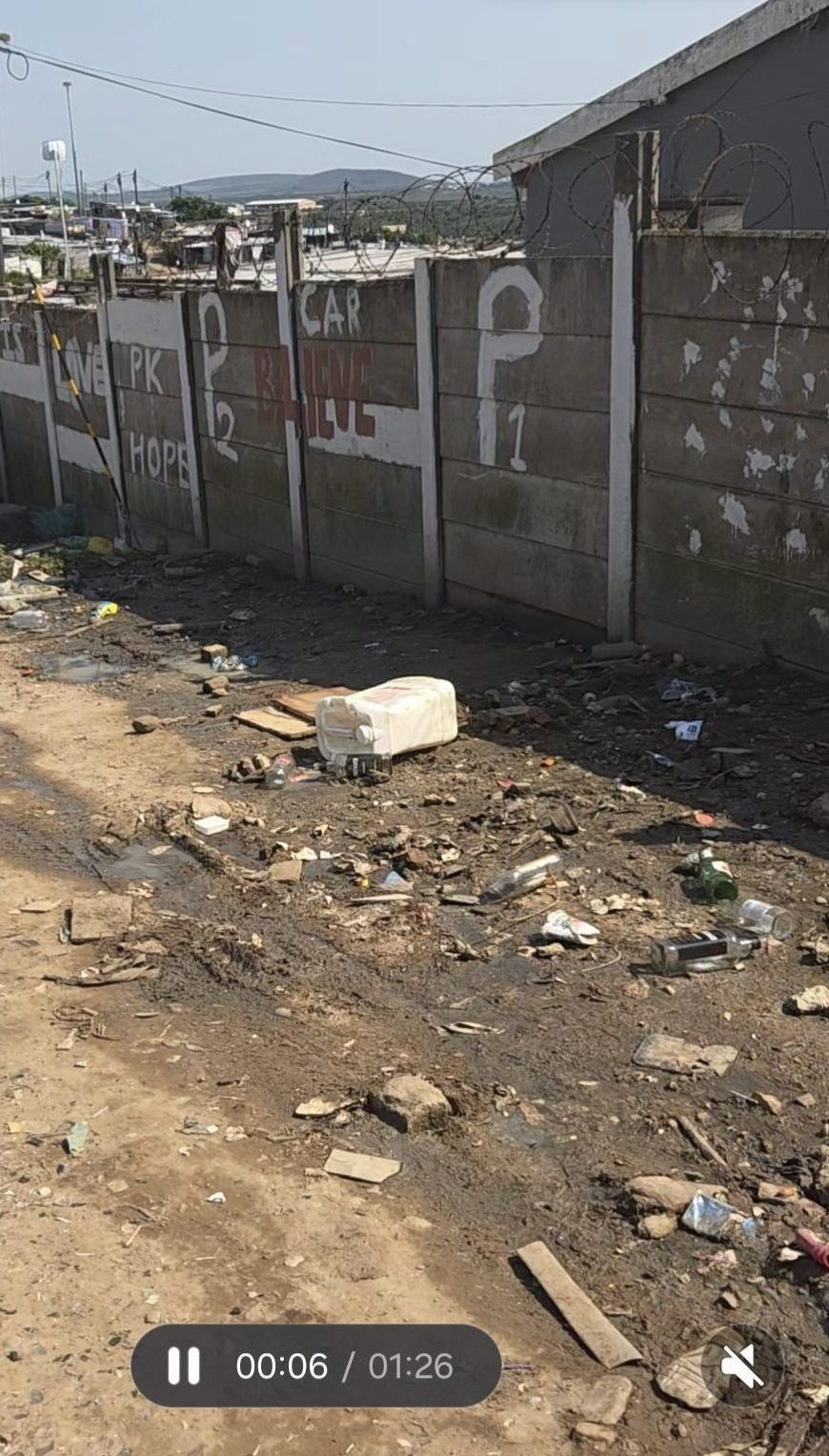
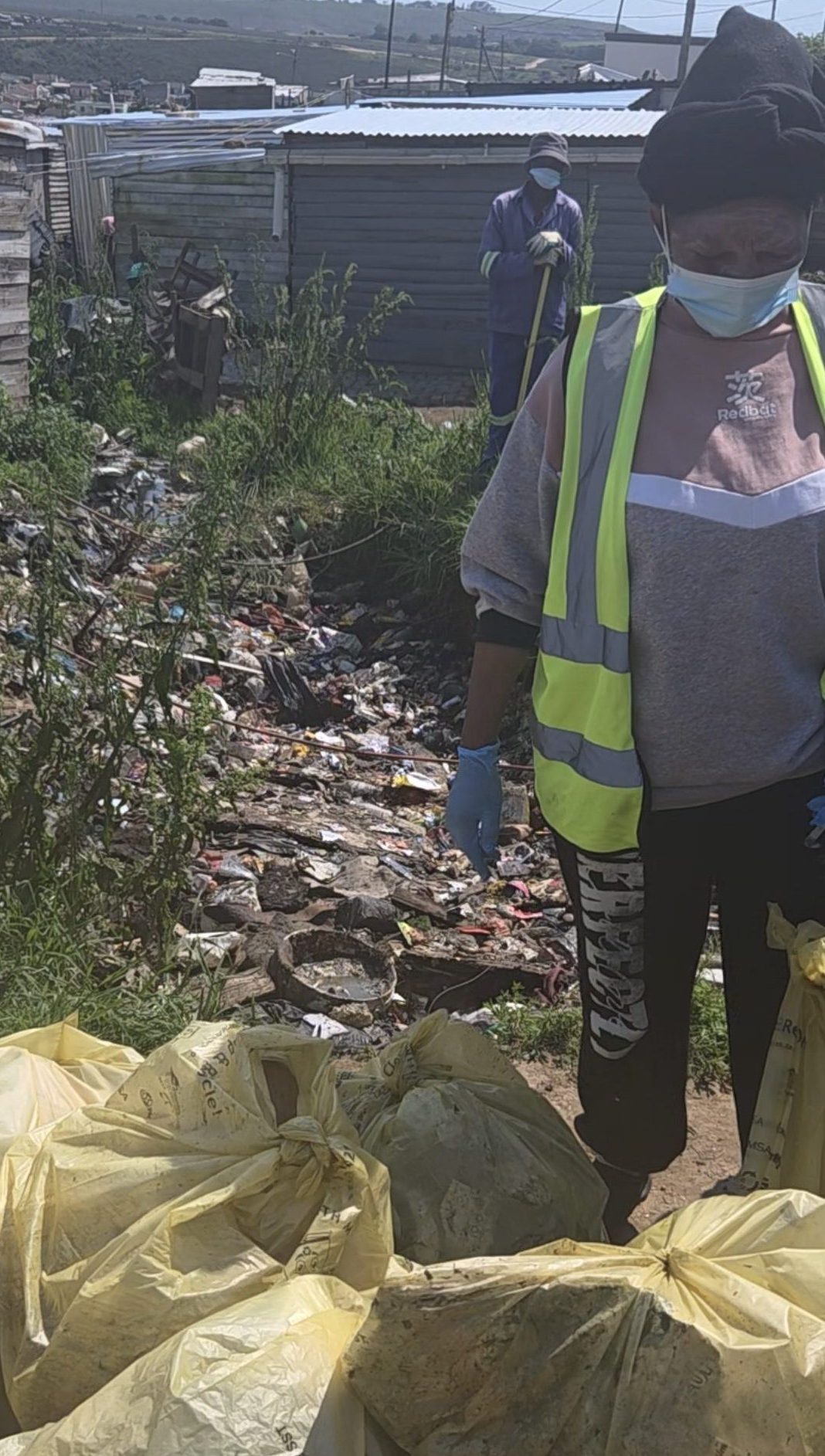
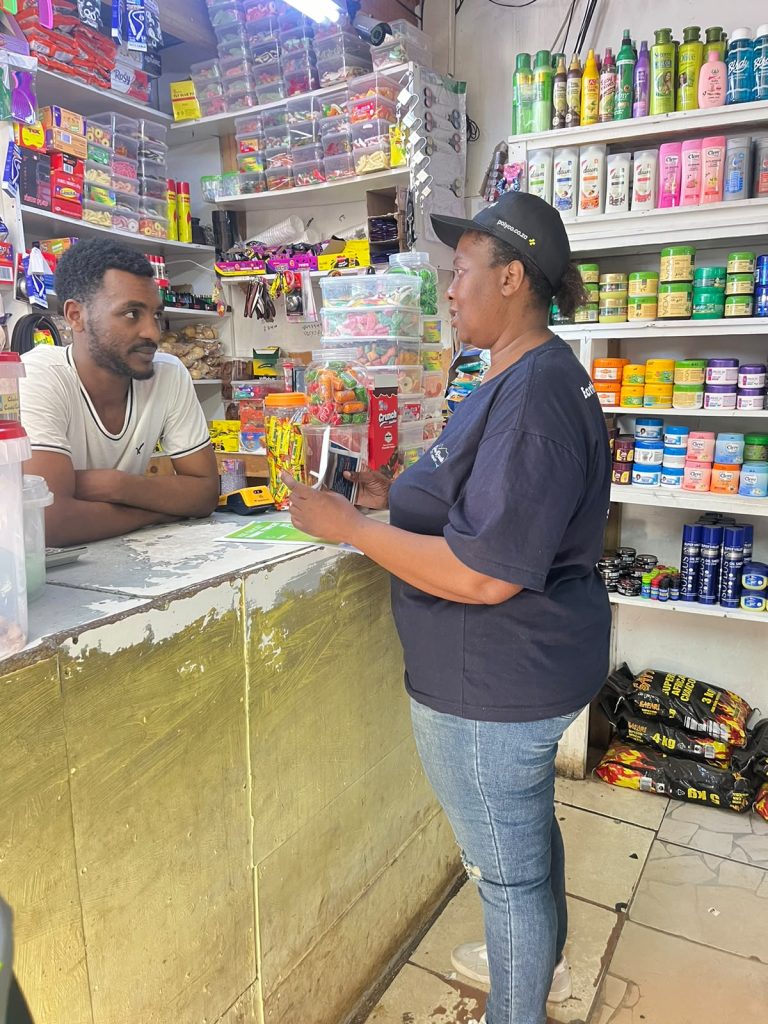
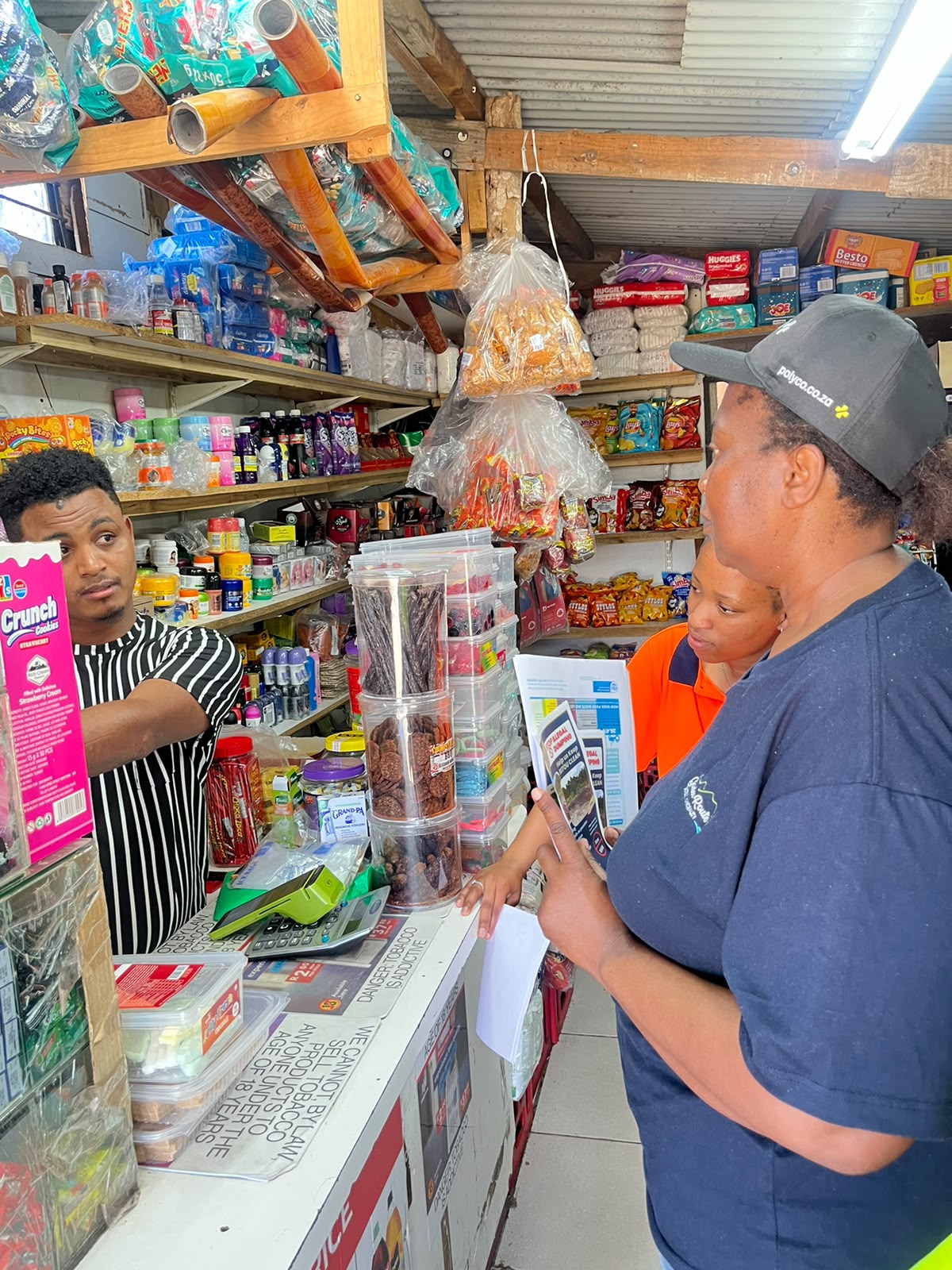
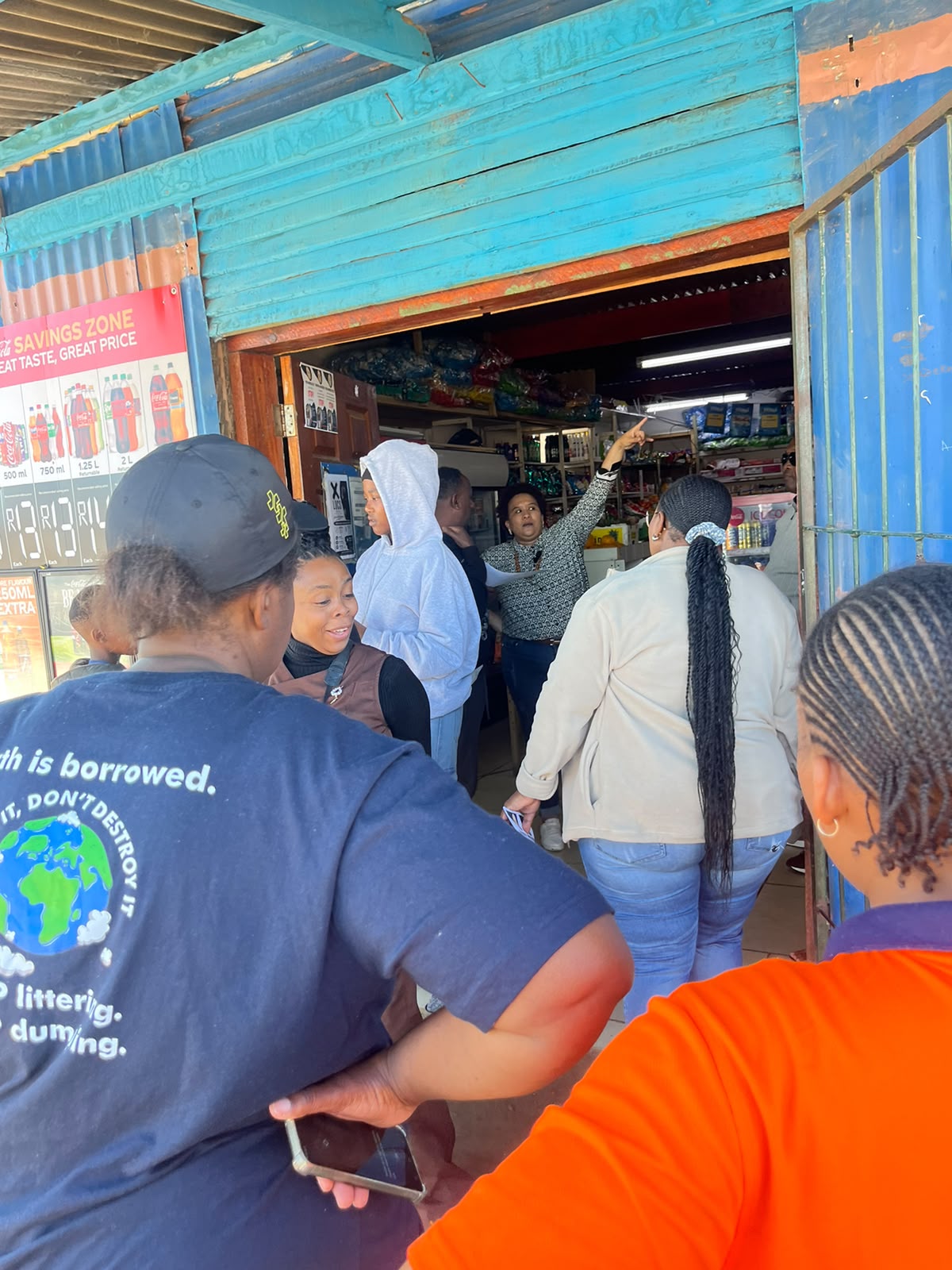
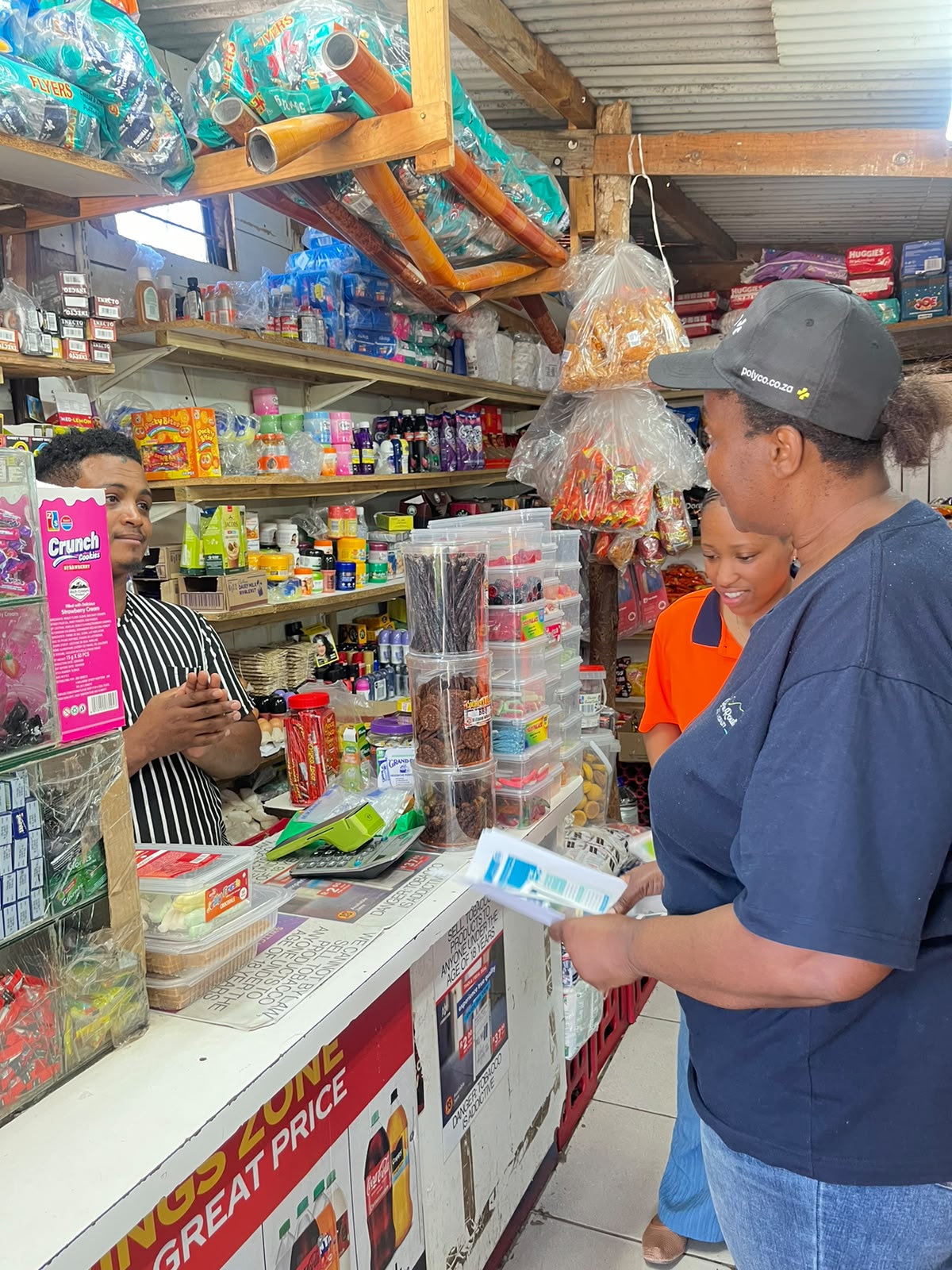
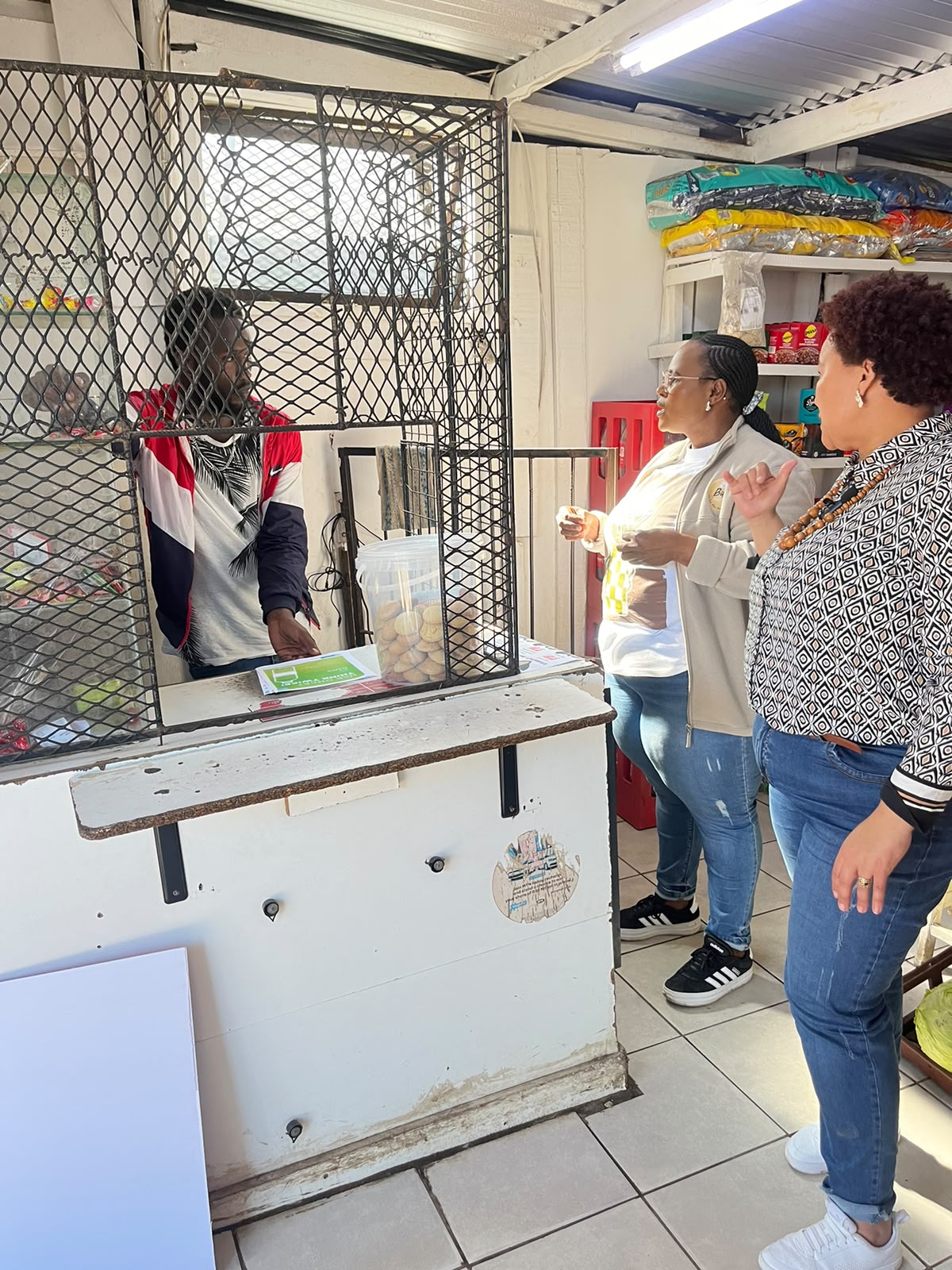
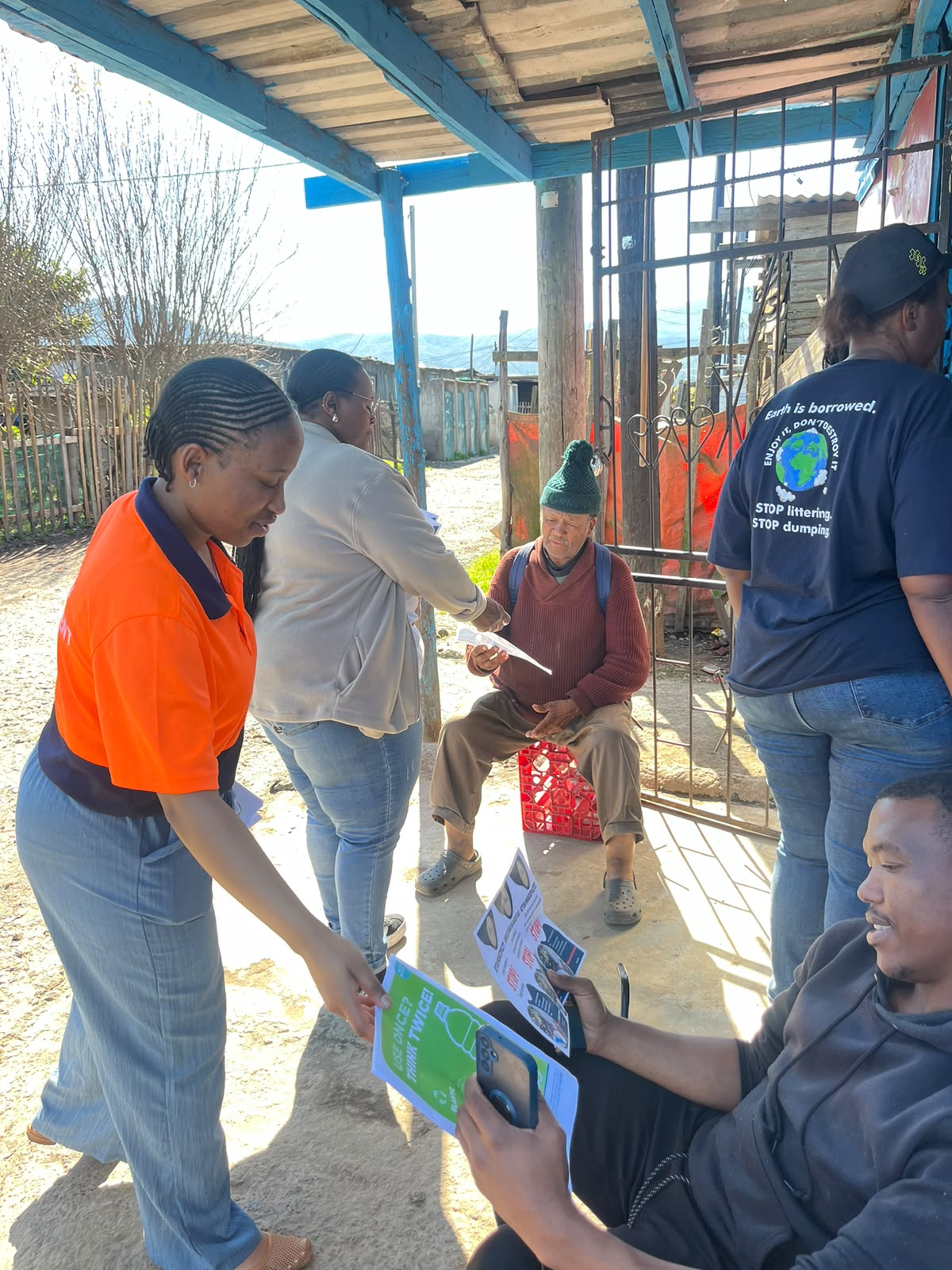
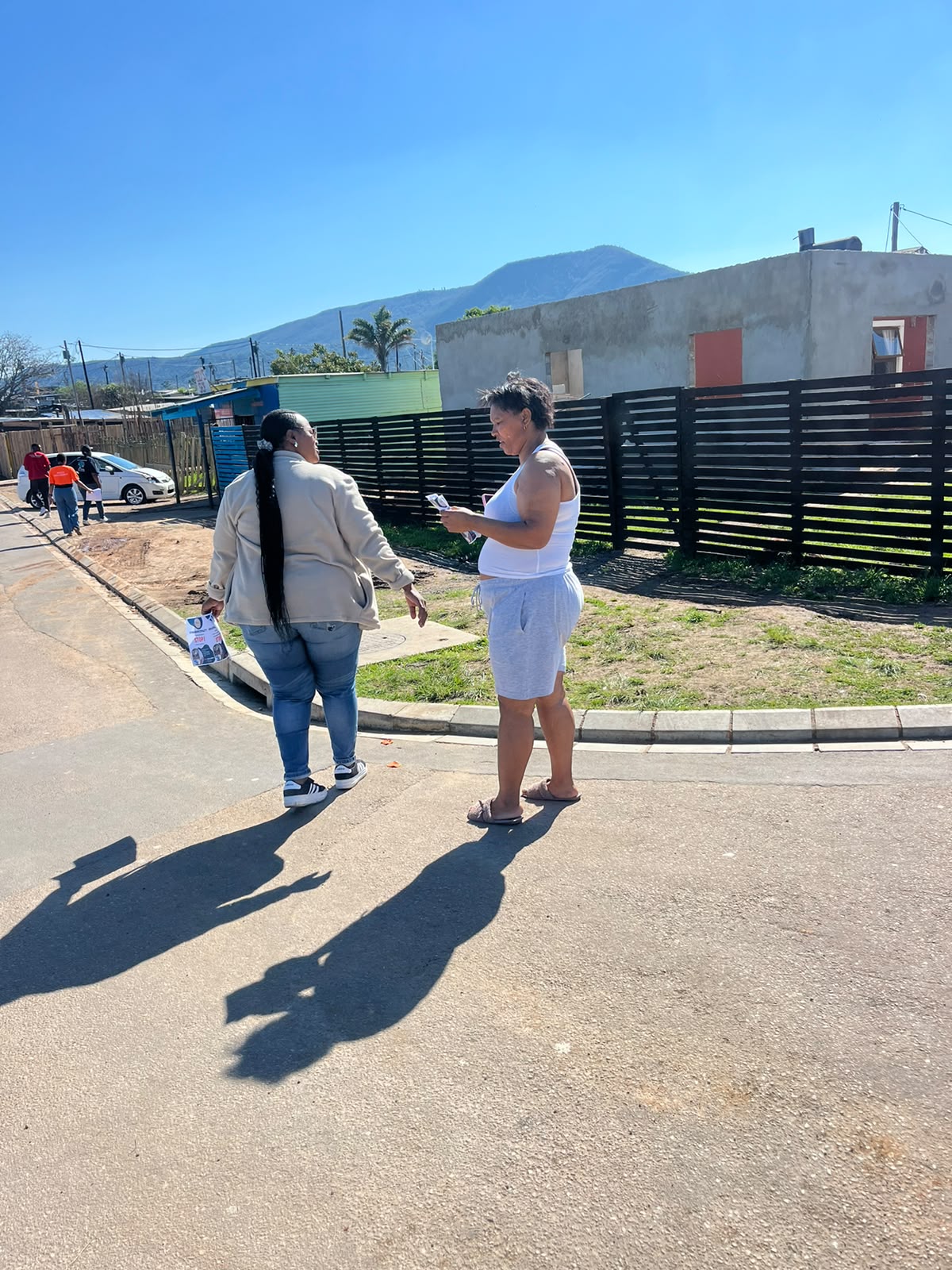
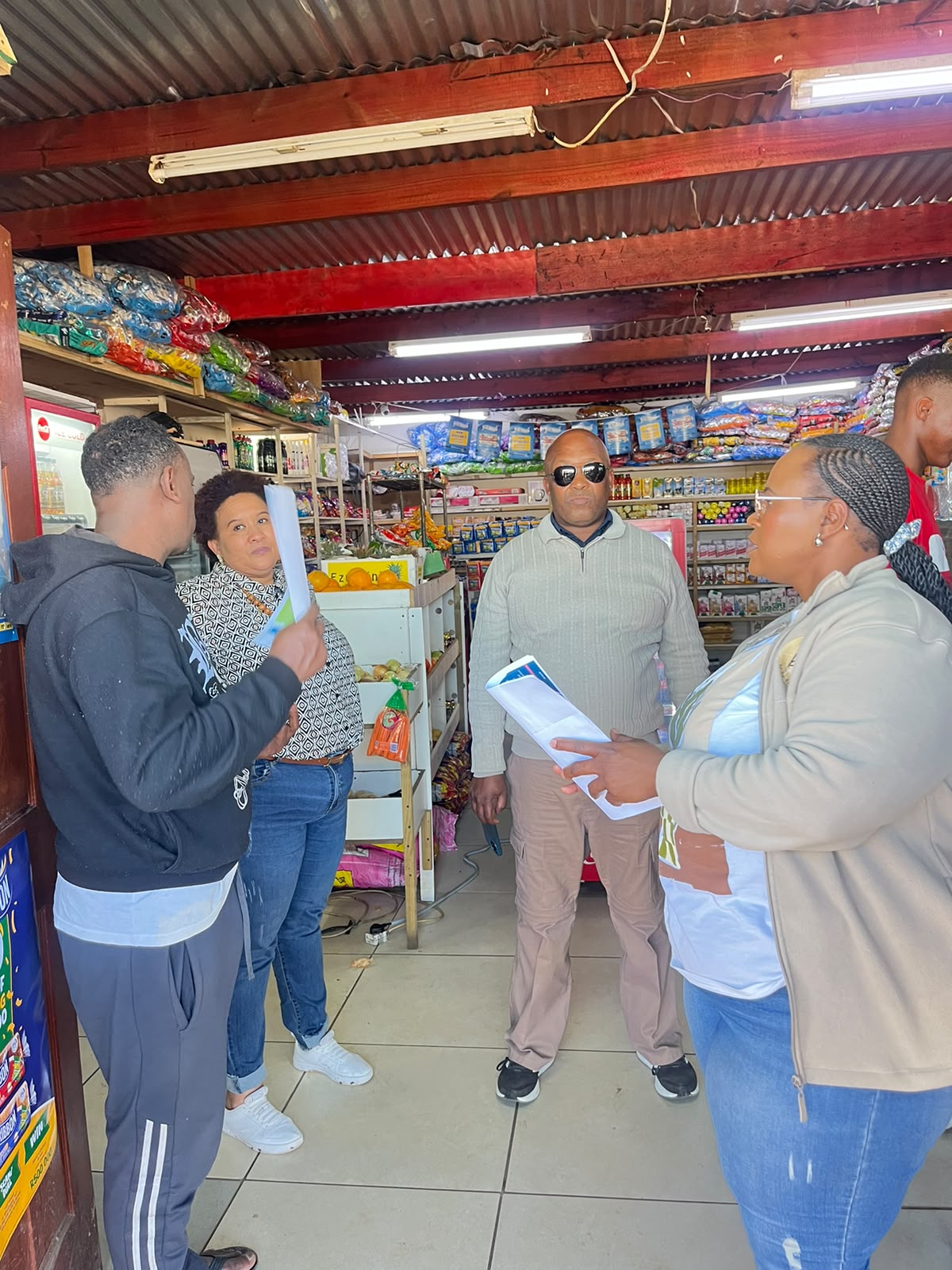
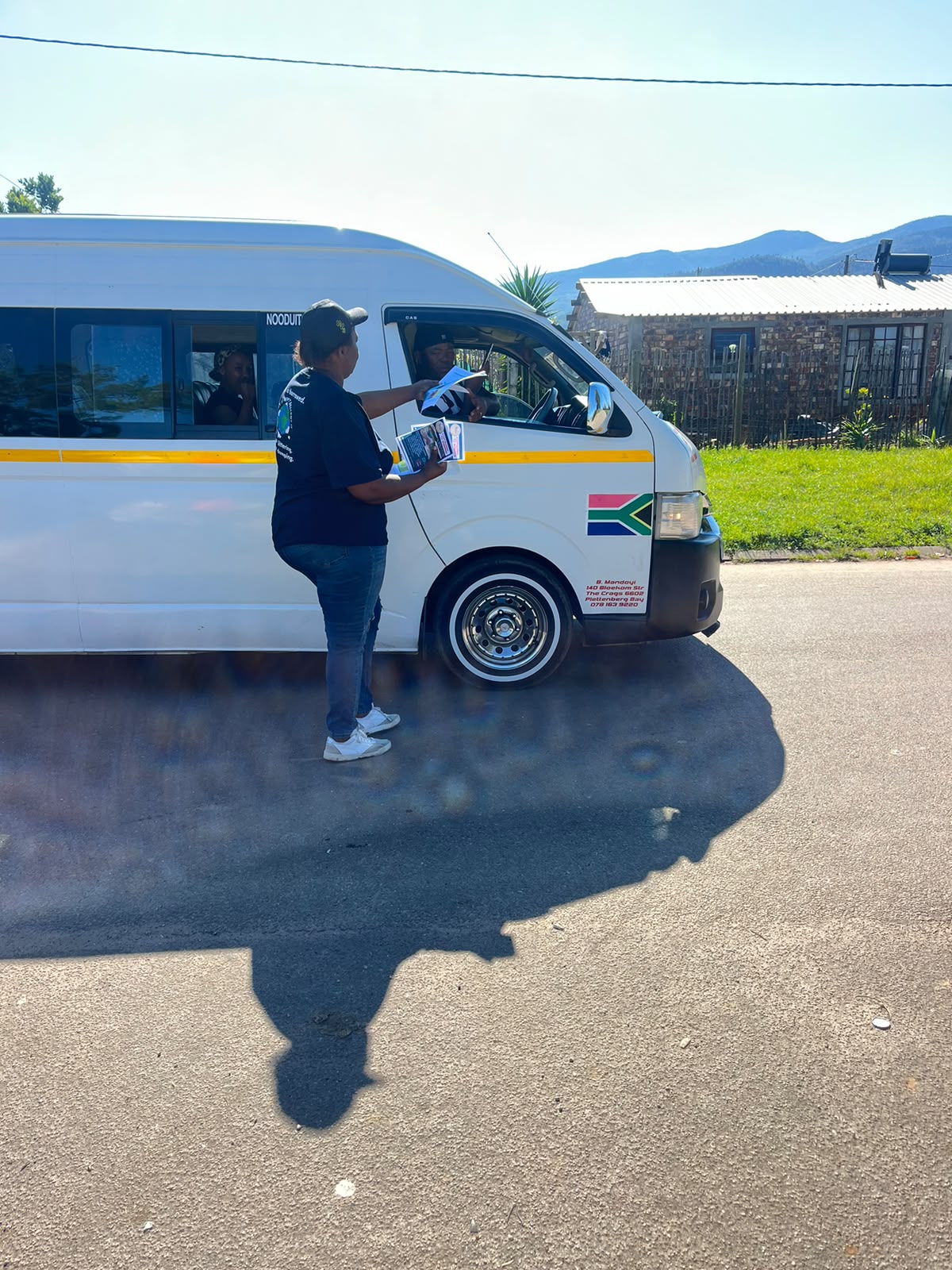
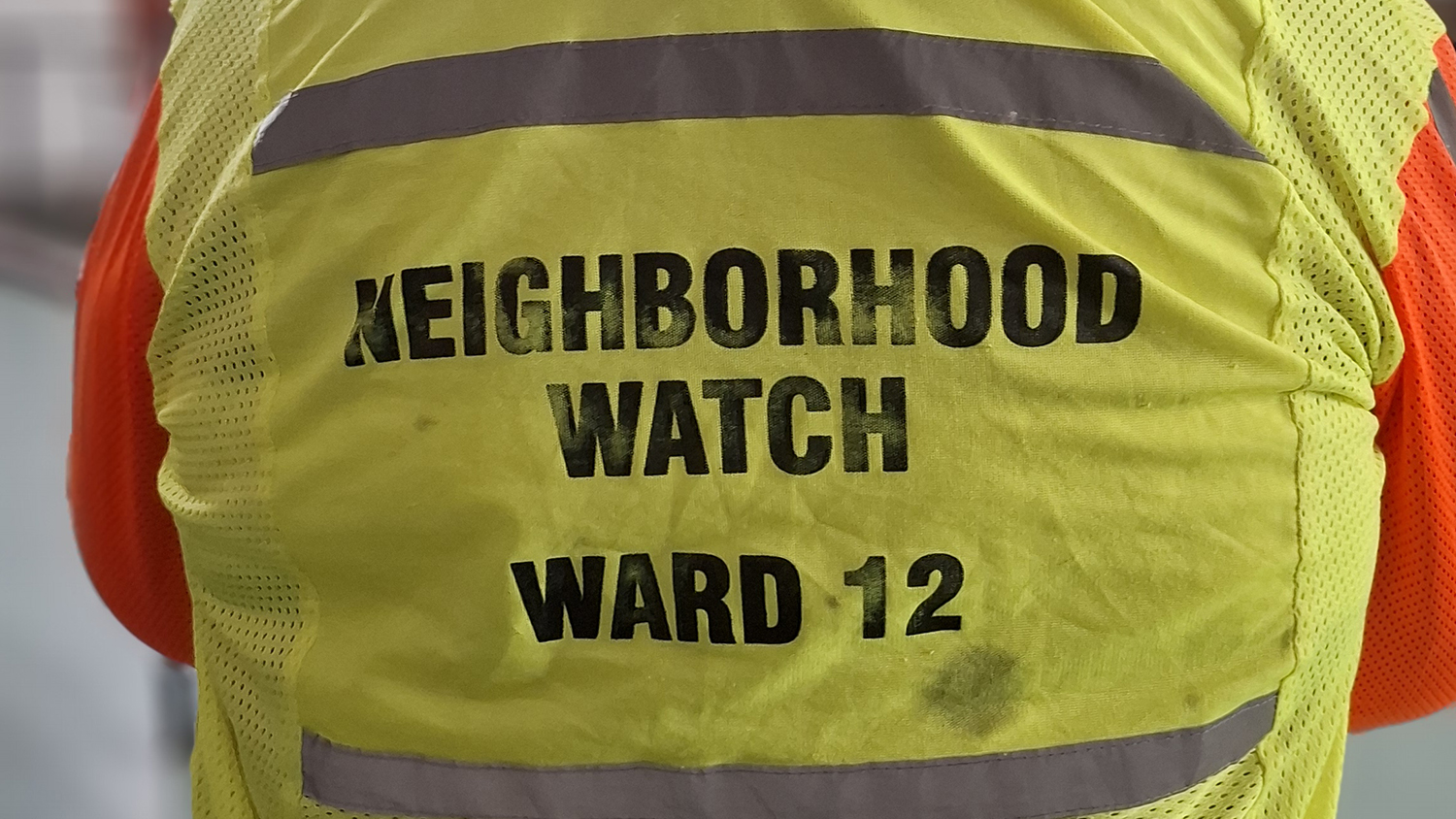
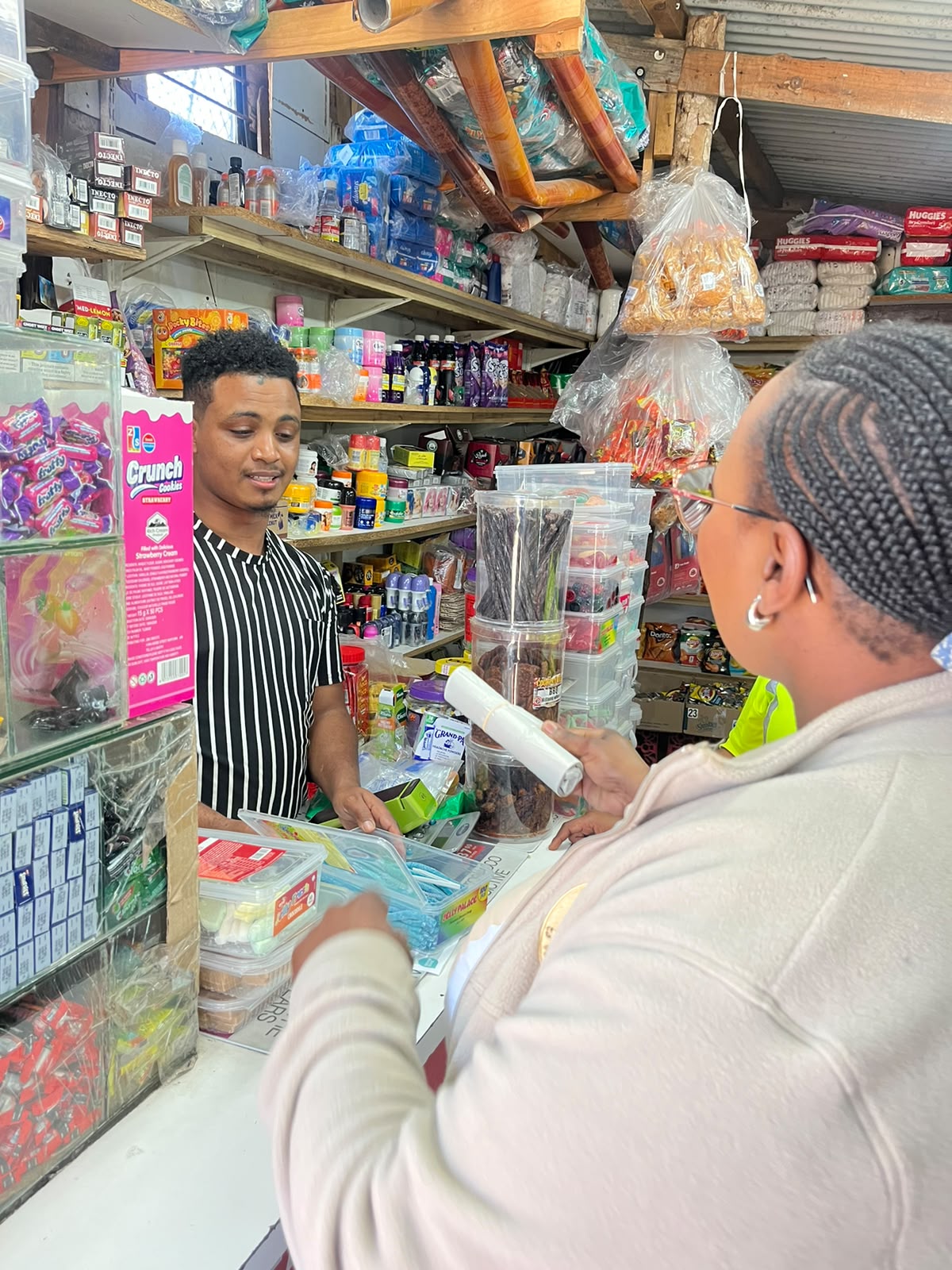
As part of the program, a walk-through education and awareness campaign was conducted throughout the Kurland community. The campaign took the waste-management message directly to residents and members of the public in their everyday surroundings. The walk-through campaign focused on spaza shops, pedestrians and motorists, giving officials an opportunity to engage with the community about responsible waste disposal, recycling and keeping public spaces clean.

Spaza shop owners were encouraged to manage their business waste properly and keep the areas around their shops clean. Pedestrians and motorists were reminded of the negative impact of littering and encouraged to dispose of waste responsibly and use available waste facilities.

Residents were encouraged to reduce waste, reuse materials where possible, separate recyclable waste and ensure that waste is disposed of at the appropriate facilities. Community members were also urged to discourage littering and illegal dumping and to encourage others to adopt responsible environmental practices.

All activities that took place during the community walk-through education and awareness campaign.

-END-

Progress Update 4 on the GRDM Regional Waste Management Facility Construction

Progress Update 4 on the GRDM Regional Waste Management Facility Construction

3 August 2026

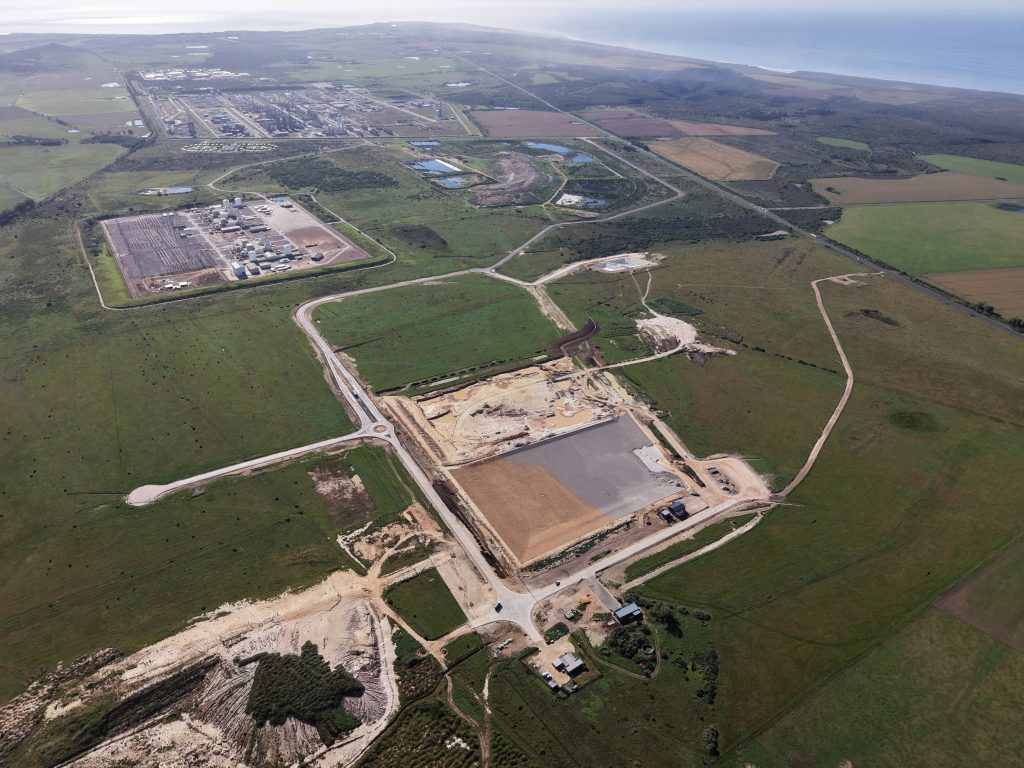
“The construction of the Garden Route District Municipality’s Regional Waste Management Facility, located 15km outside Mossel Bay next to PetroSA, remains on schedule,” said Johan Gie, Manager: District Waste Management.

This facility will provide a long-term waste disposal solution for participating municipalities across the Garden Route. With landfill airspace in the region becoming increasingly limited and waste volumes continuing to grow, the need for this project has never been greater.

The facility is being developed to reduce environmental risks, protect our groundwater and ensure waste is managed responsibly for the benefit of future generations.

Construction is progressing well across several key components of the project.

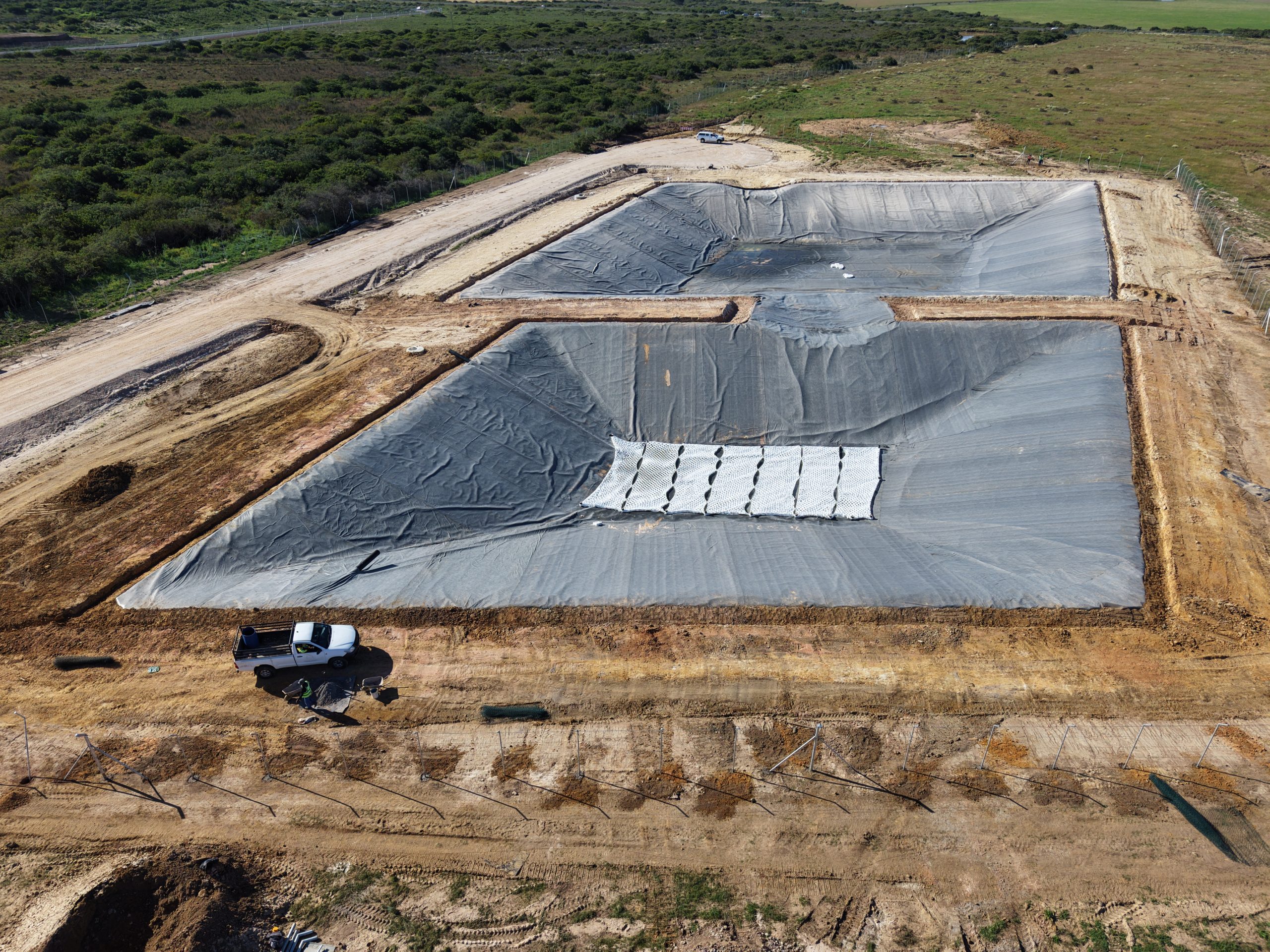
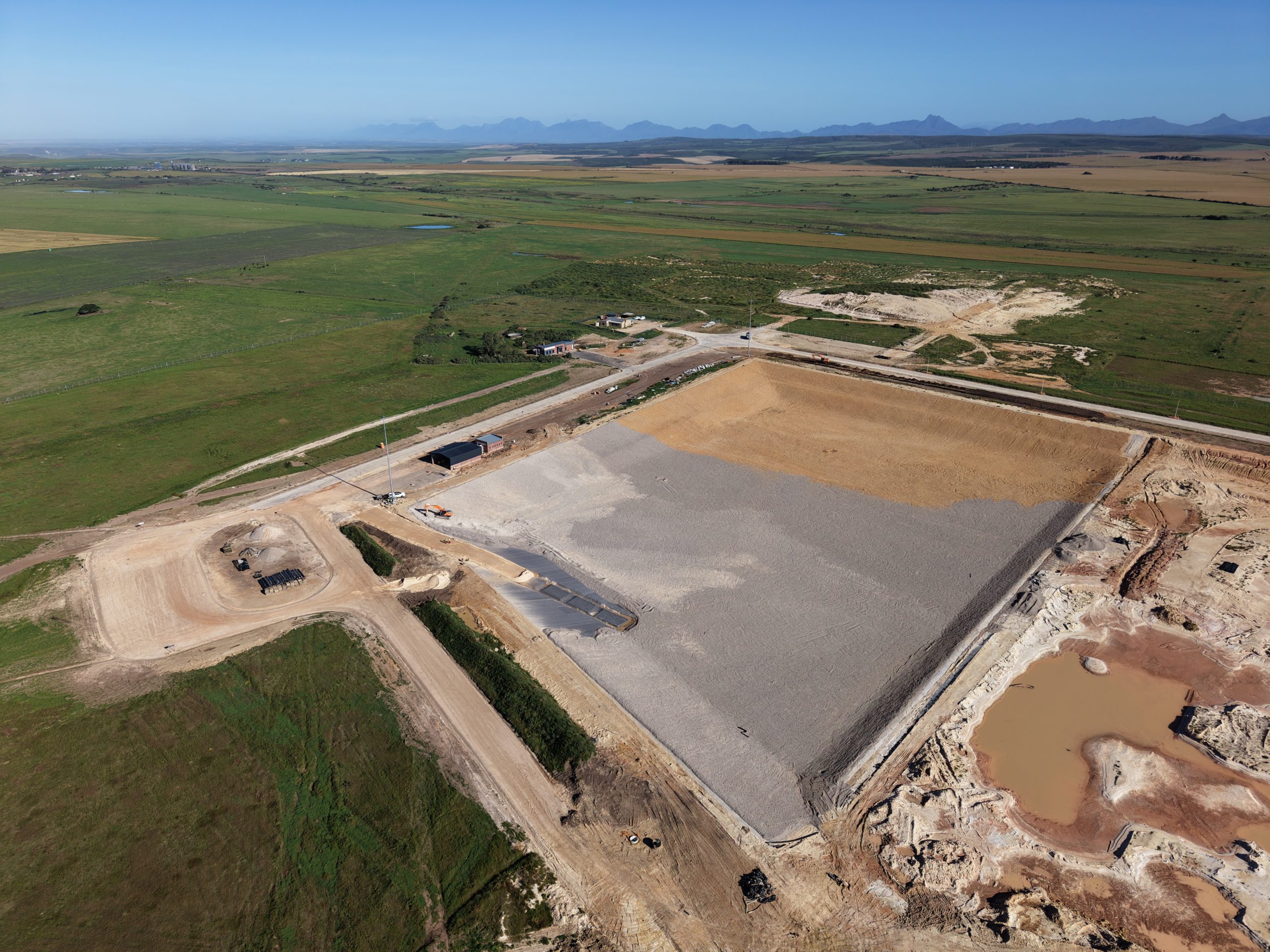
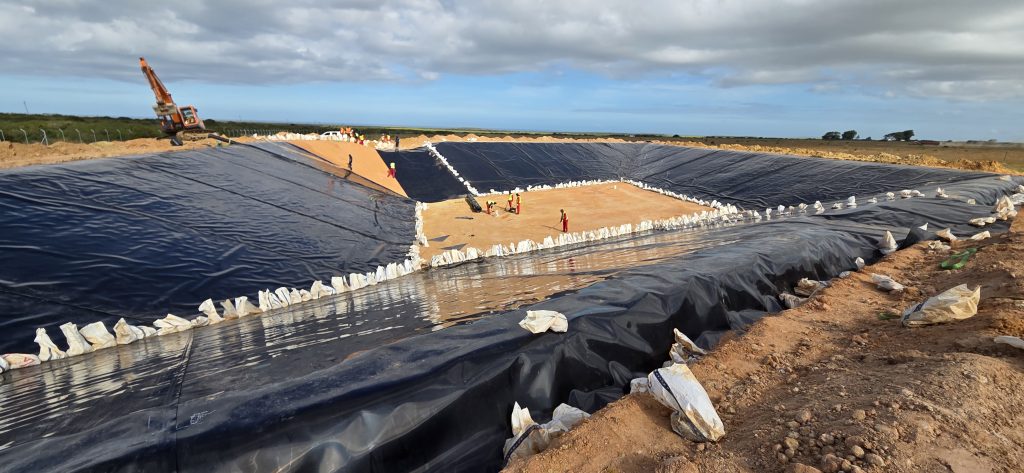
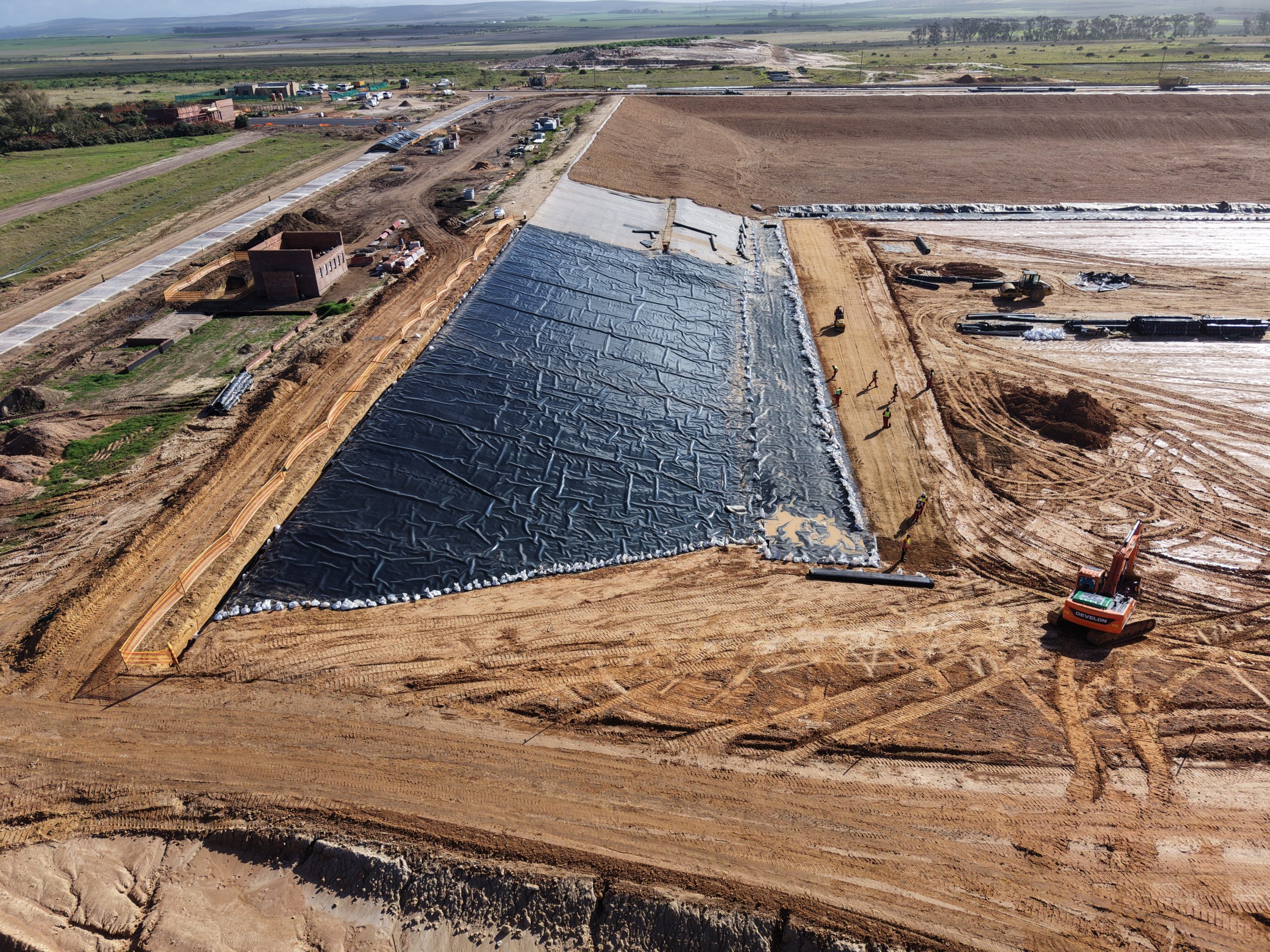
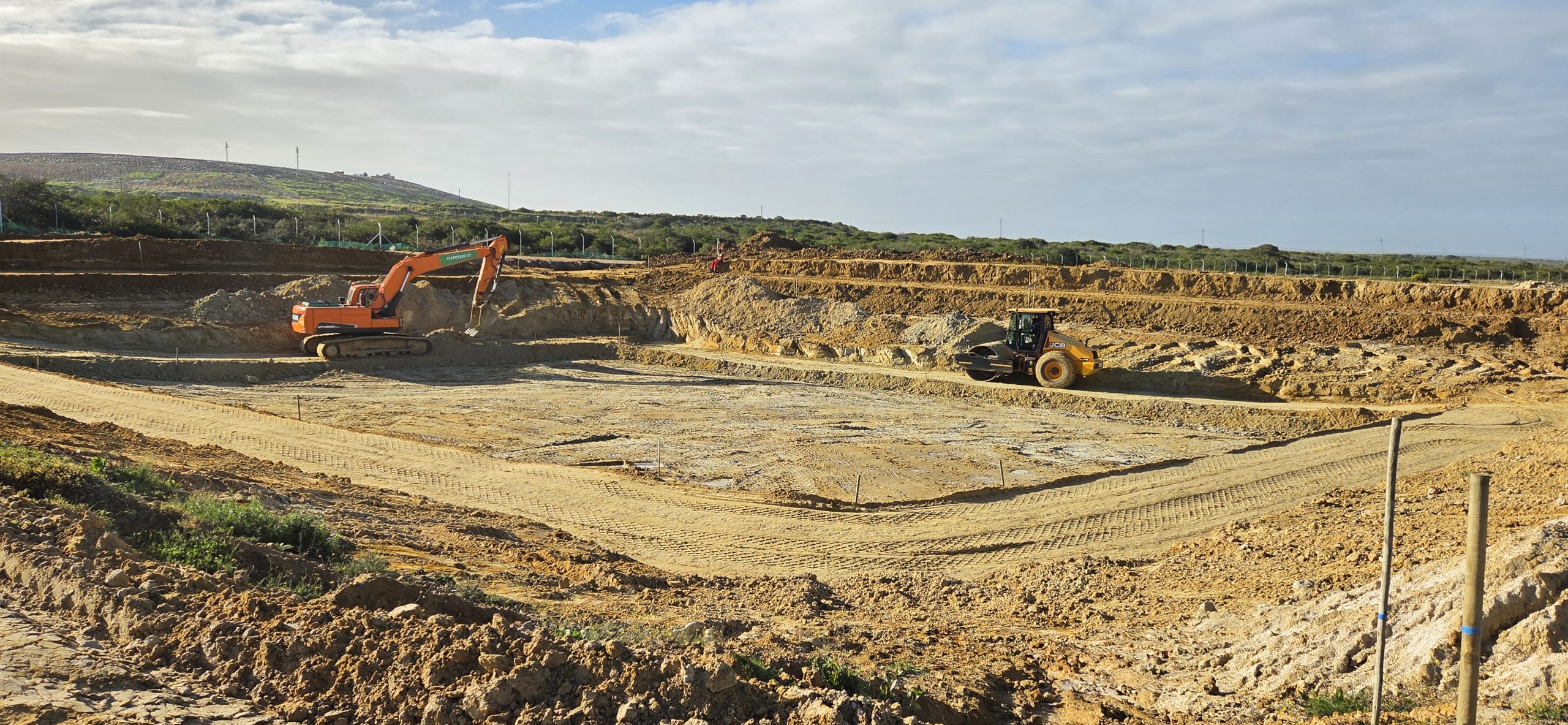
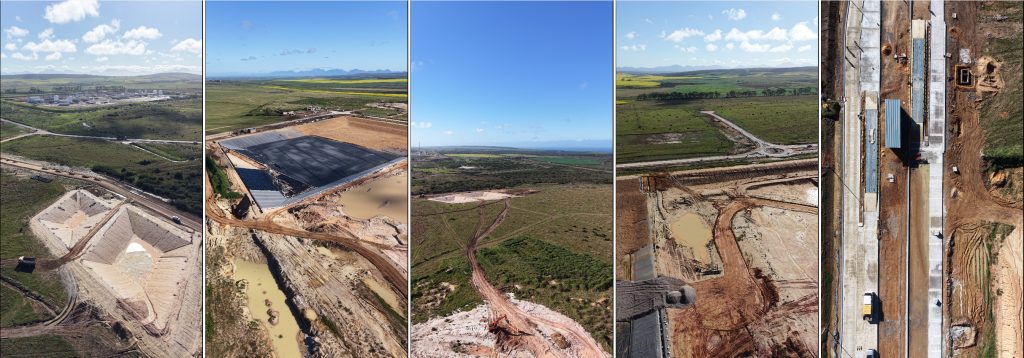
Behind me is Cell 1A, the first engineered landfill cell. It is being lined with specialised lining materials to prevent contamination of the surrounding environment, water courses, and groundwater. Once completed and approval for commencement of waste disposal is received, this will become the facility’s first operational disposal area.

Work is also progressing on the leachate and contaminated water dams, which will safely collect and store leachate and rainwater that has come into contact with waste, preventing any harmful impact on the environment.

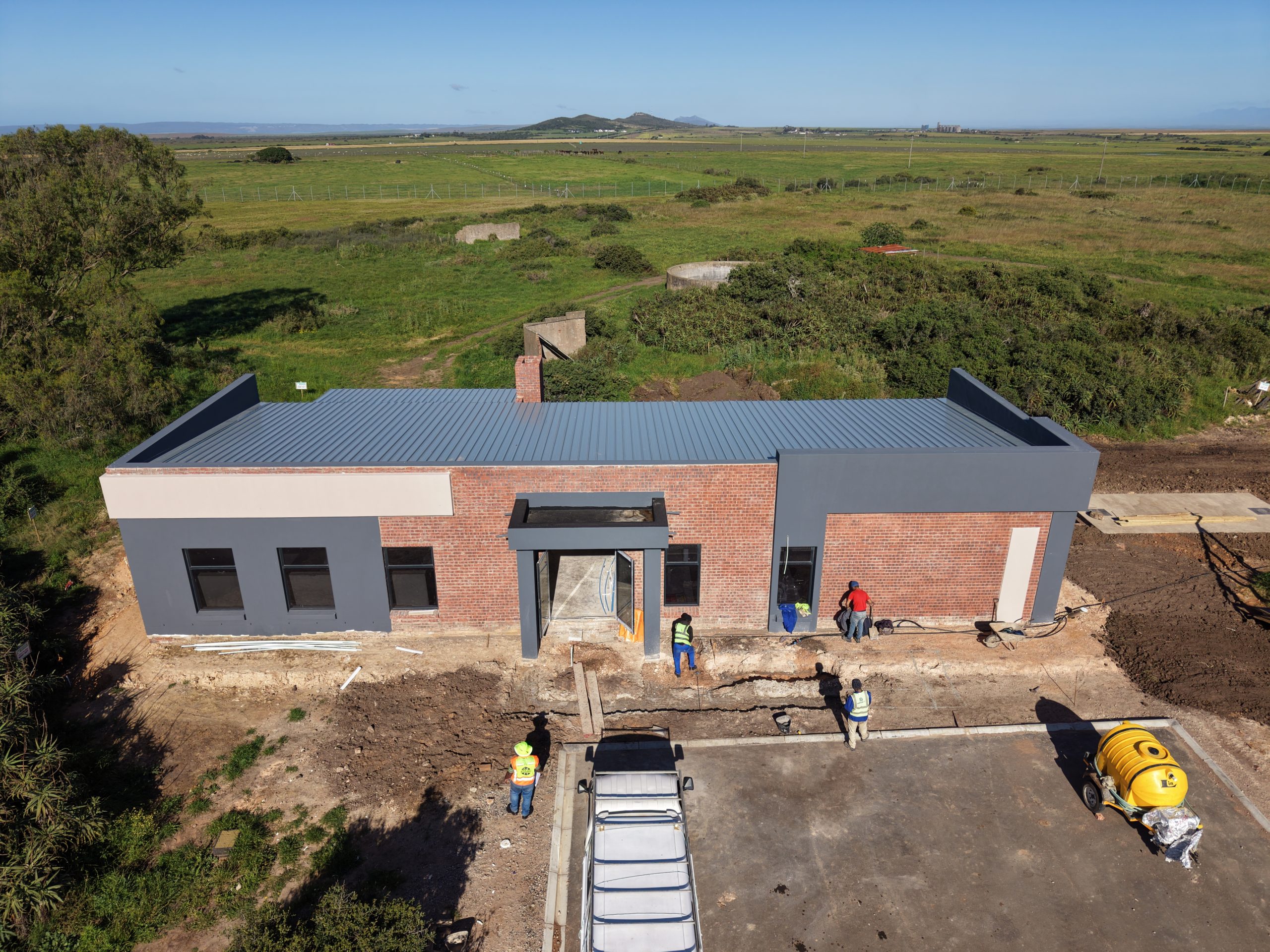
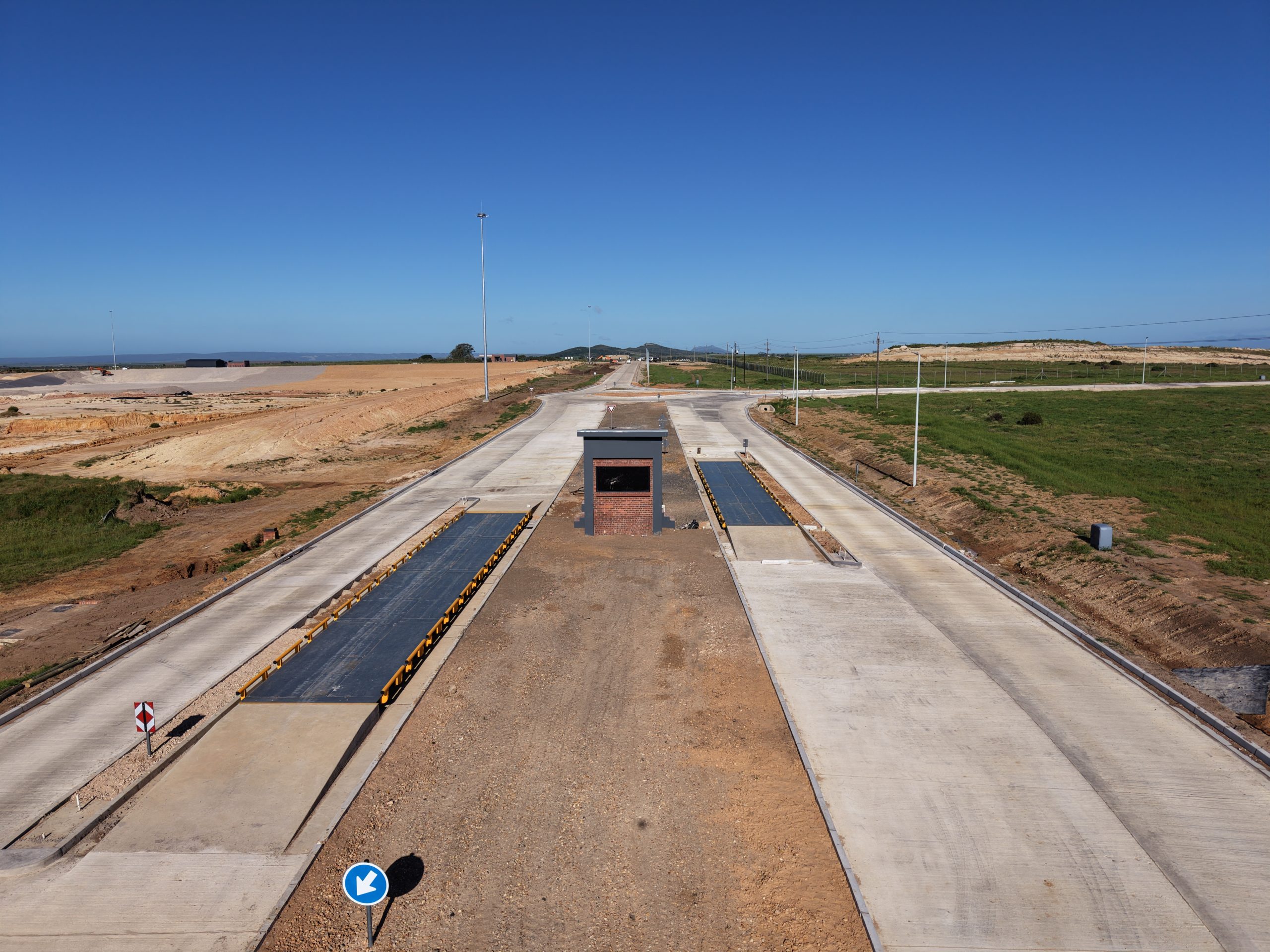
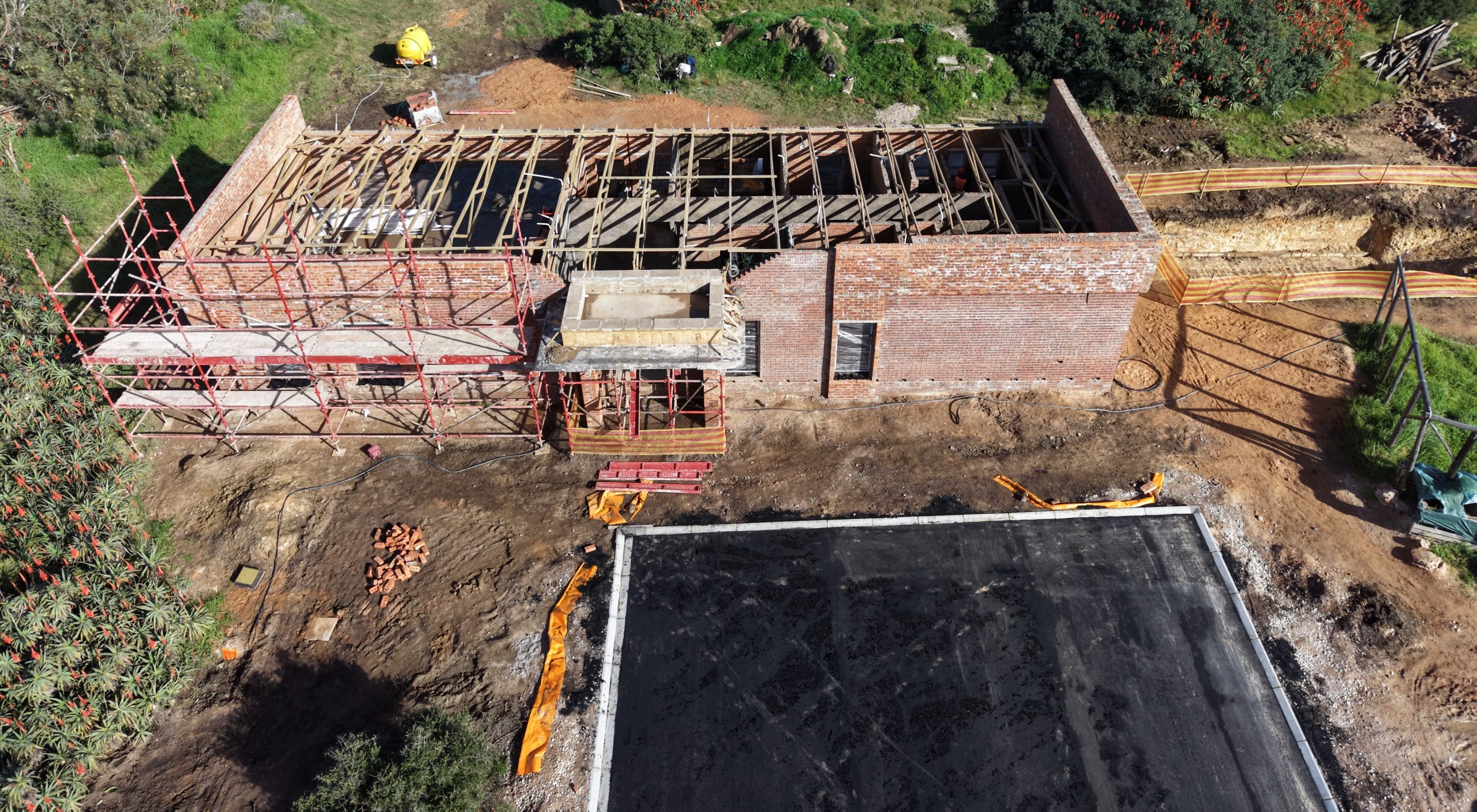
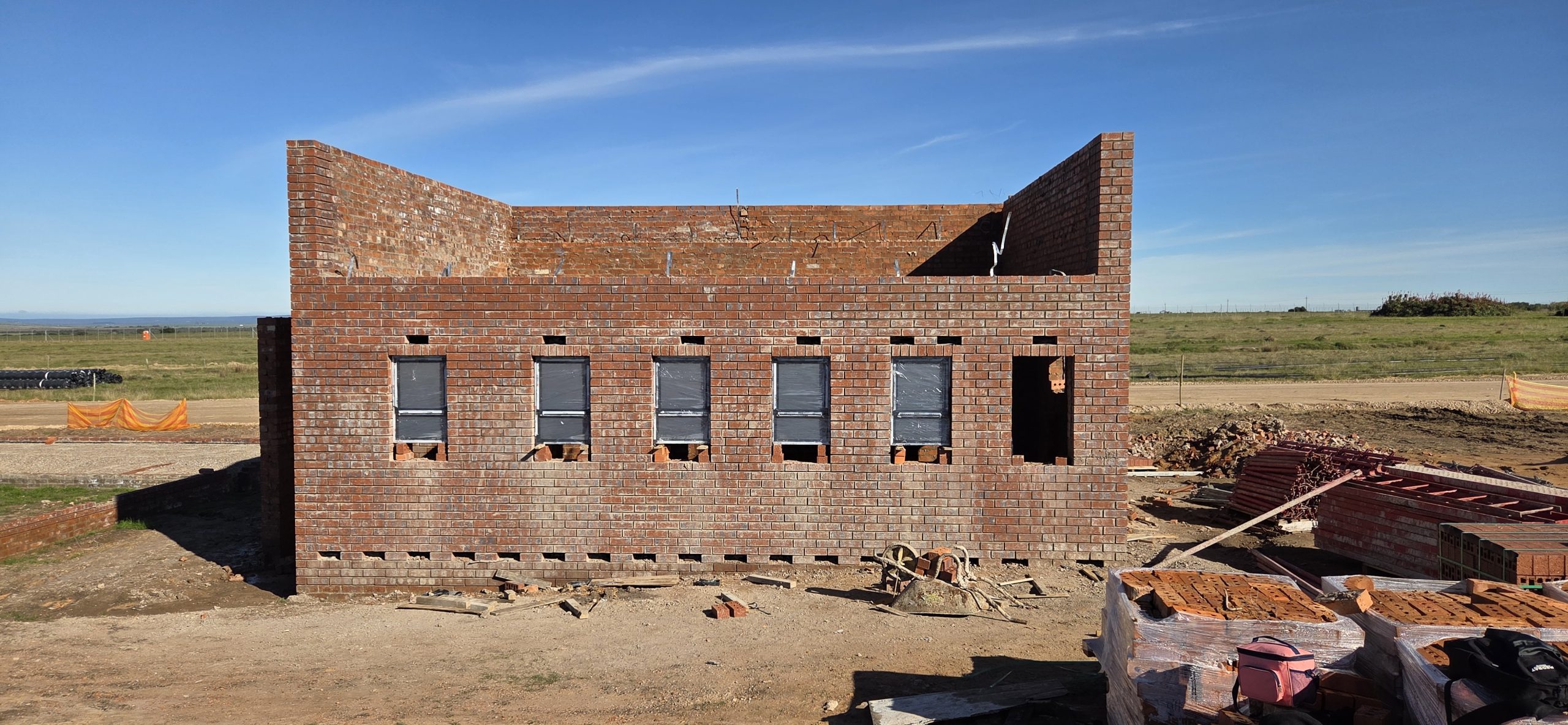
The office block will serve as the administrative hub for the facility, while the weighbridge office will accurately record every vehicle entering and leaving the site to support efficient landfill management and waste disposal data management.

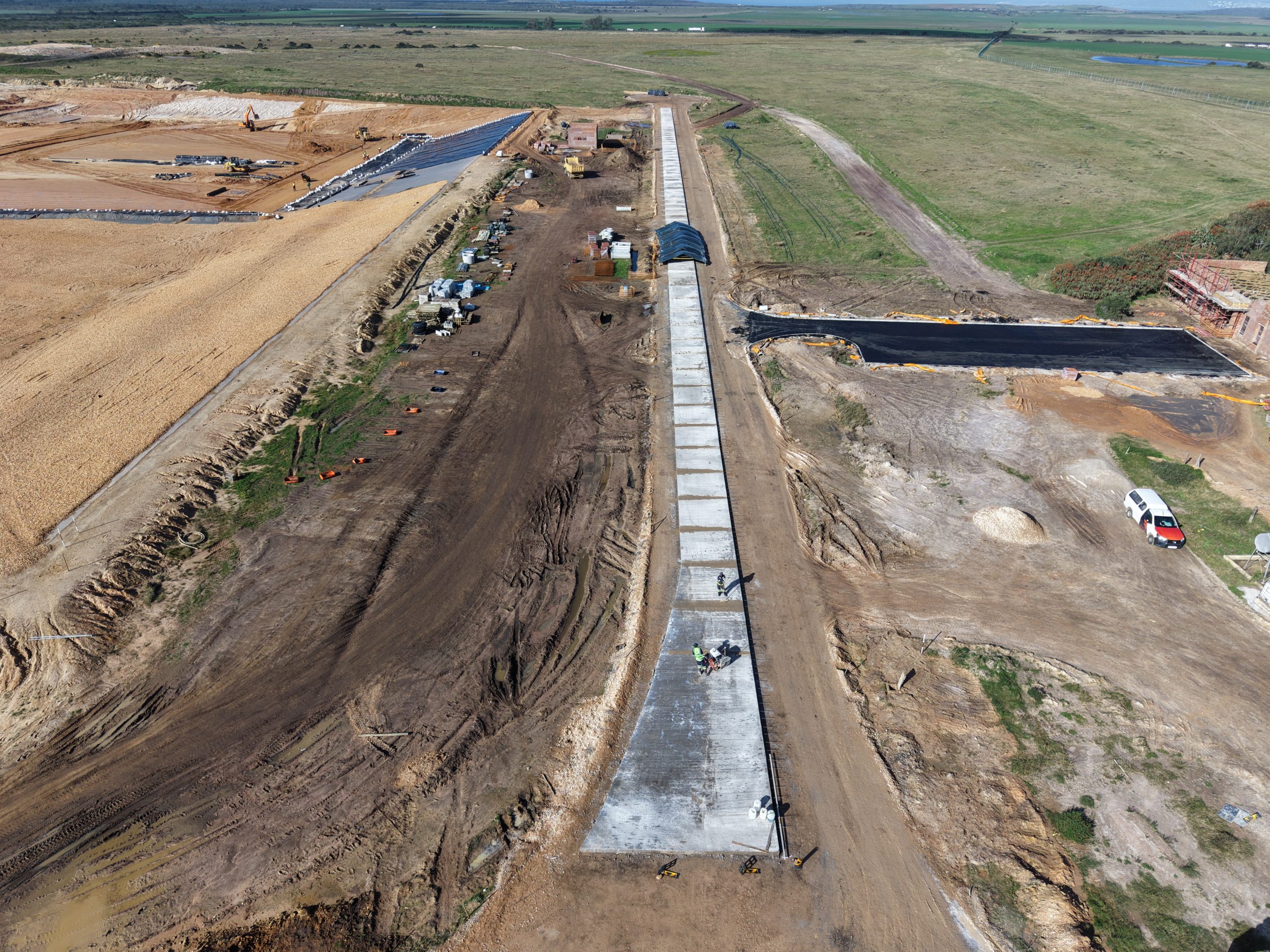
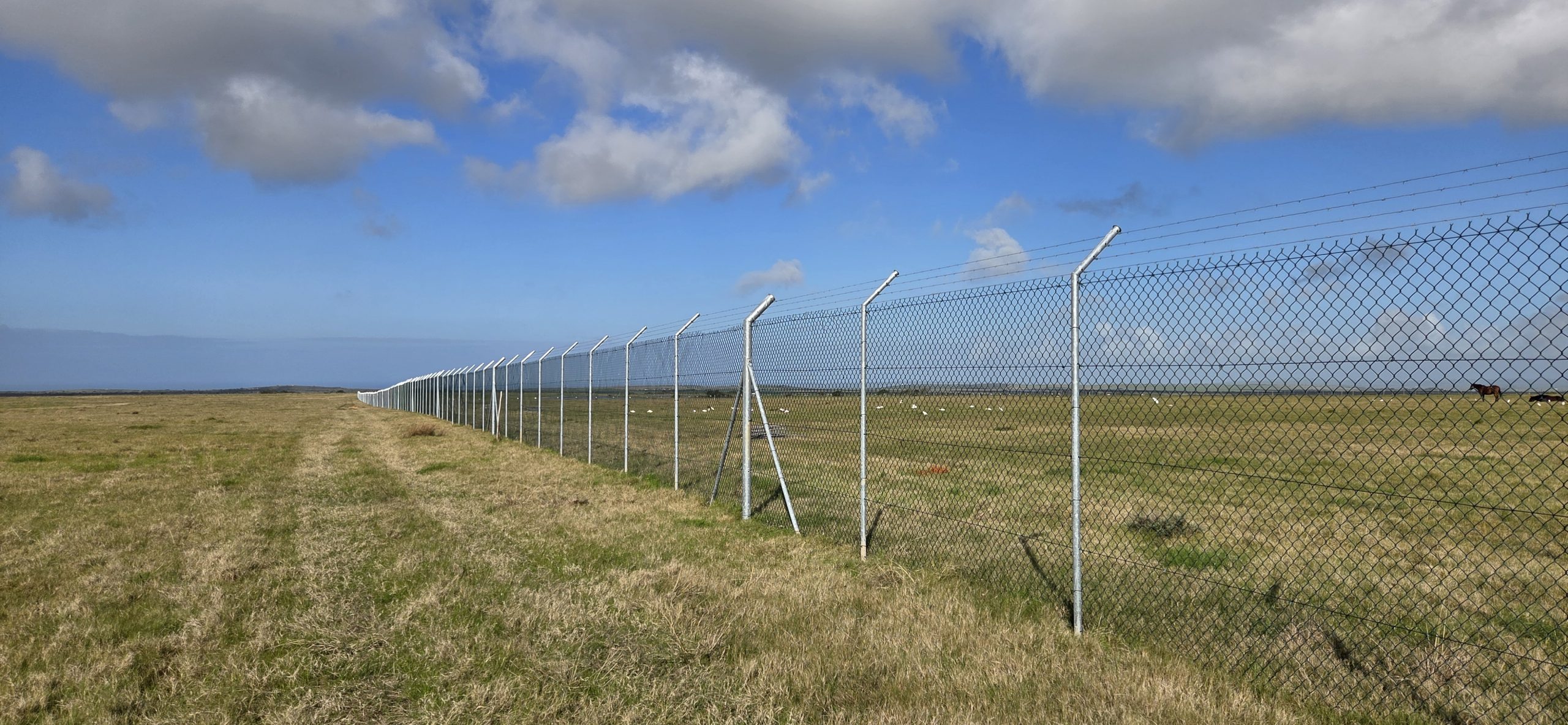
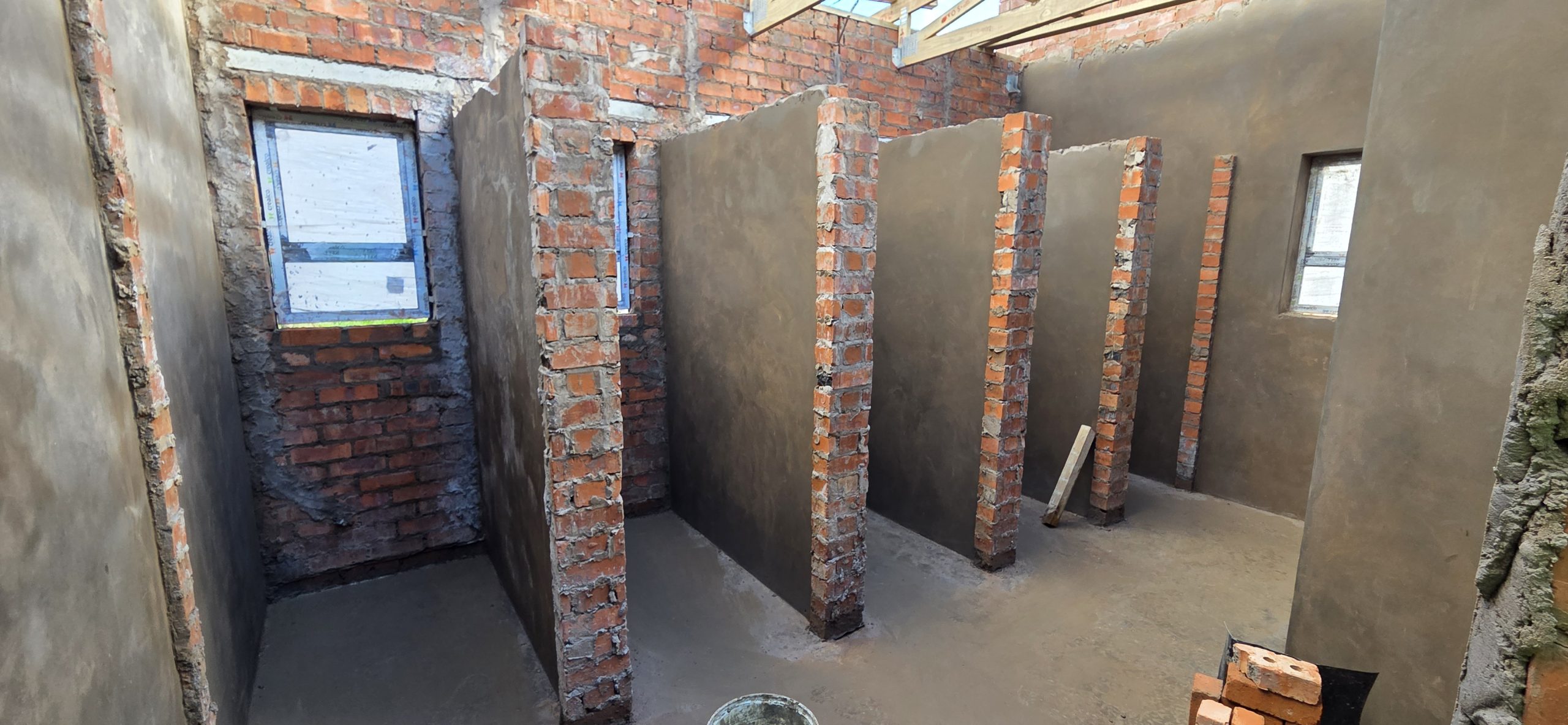
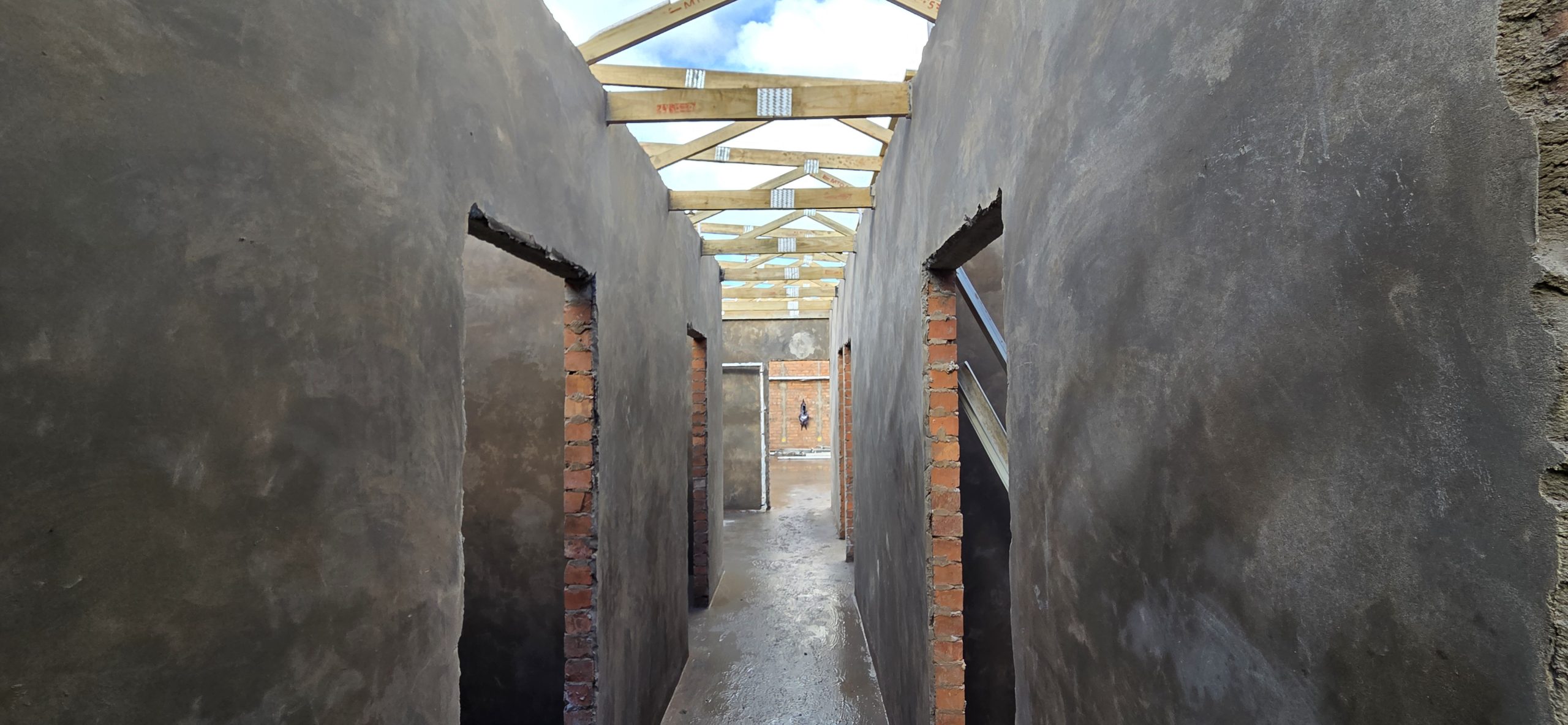
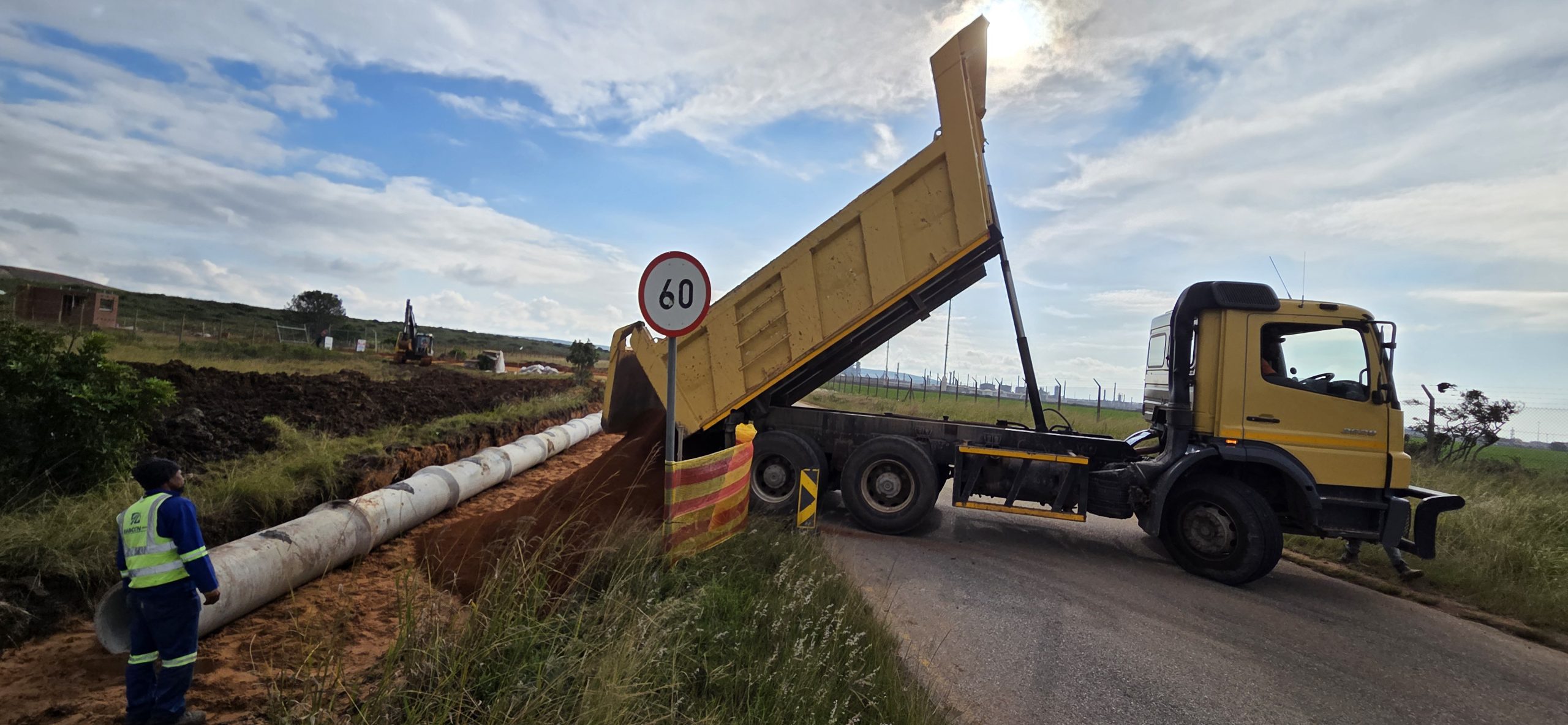
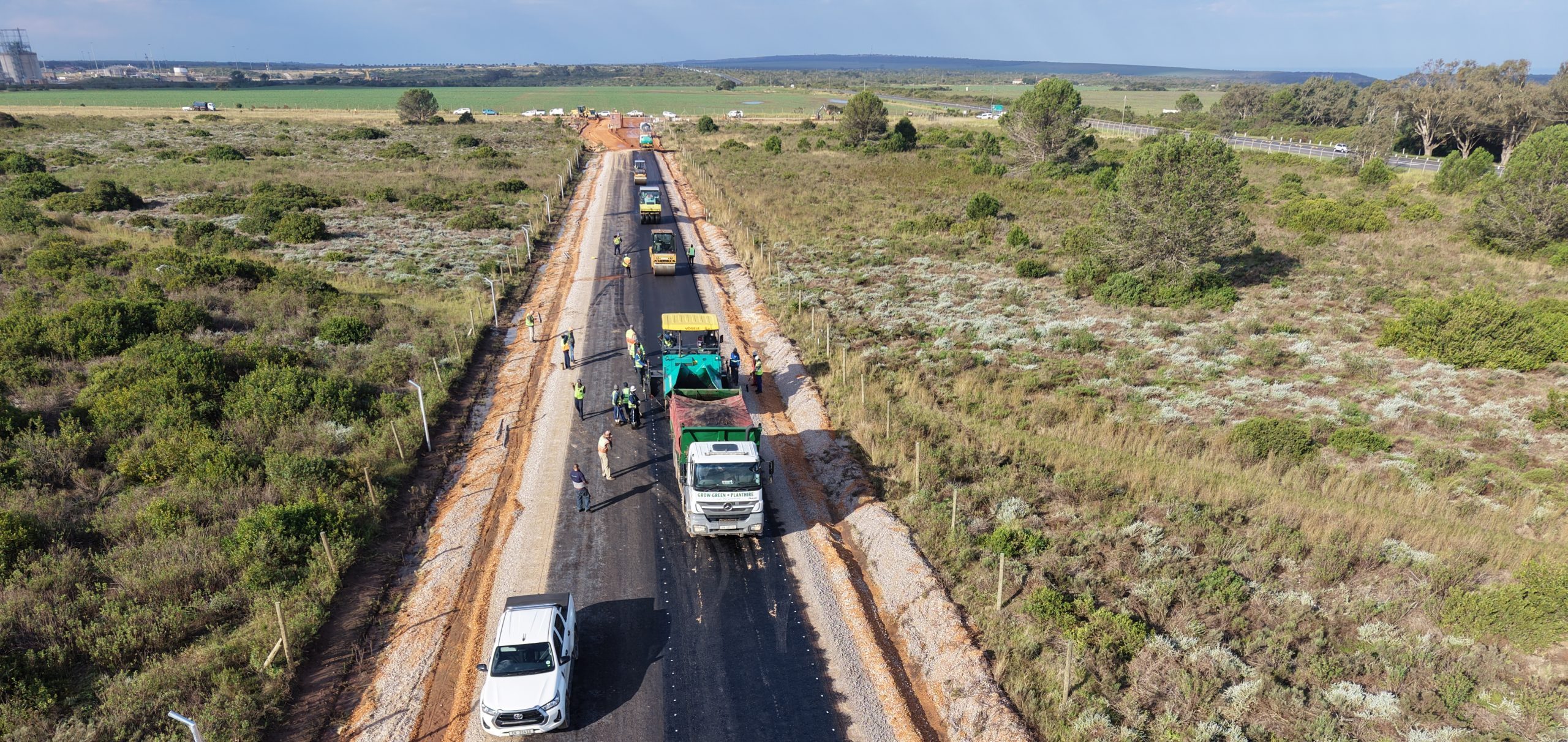
Construction of the workshop, perimeter fencing and concrete access roads is also underway, ensuring the facility is secure, well maintained and operates efficiently.

According to Johan Gie, “the project is being constructed by Civils 2000 at a contract value of R109 million, with completion expected towards the end of February 2027”.

While construction continues, every resident can also make a difference by reducing waste, recycling and participating in source separation programmes within their local municipality.

ENDS

29 June 2026 Media Release: Designing a Greener Future in George: A Collective Stand for Cleaner Communities

Media Release: Designing a Greener Future in George: A Collective Stand for Cleaner Communities

29 June 20265

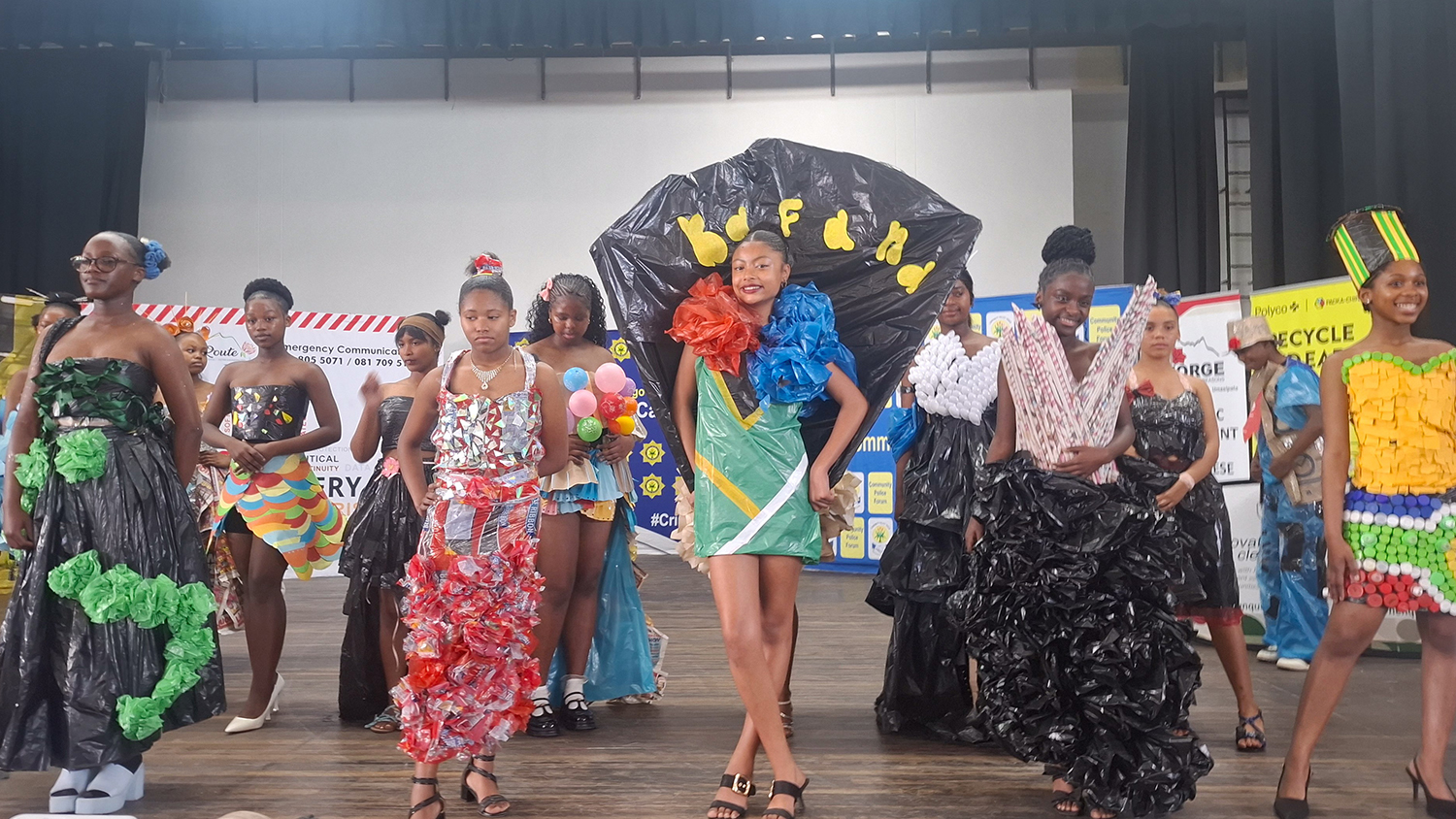
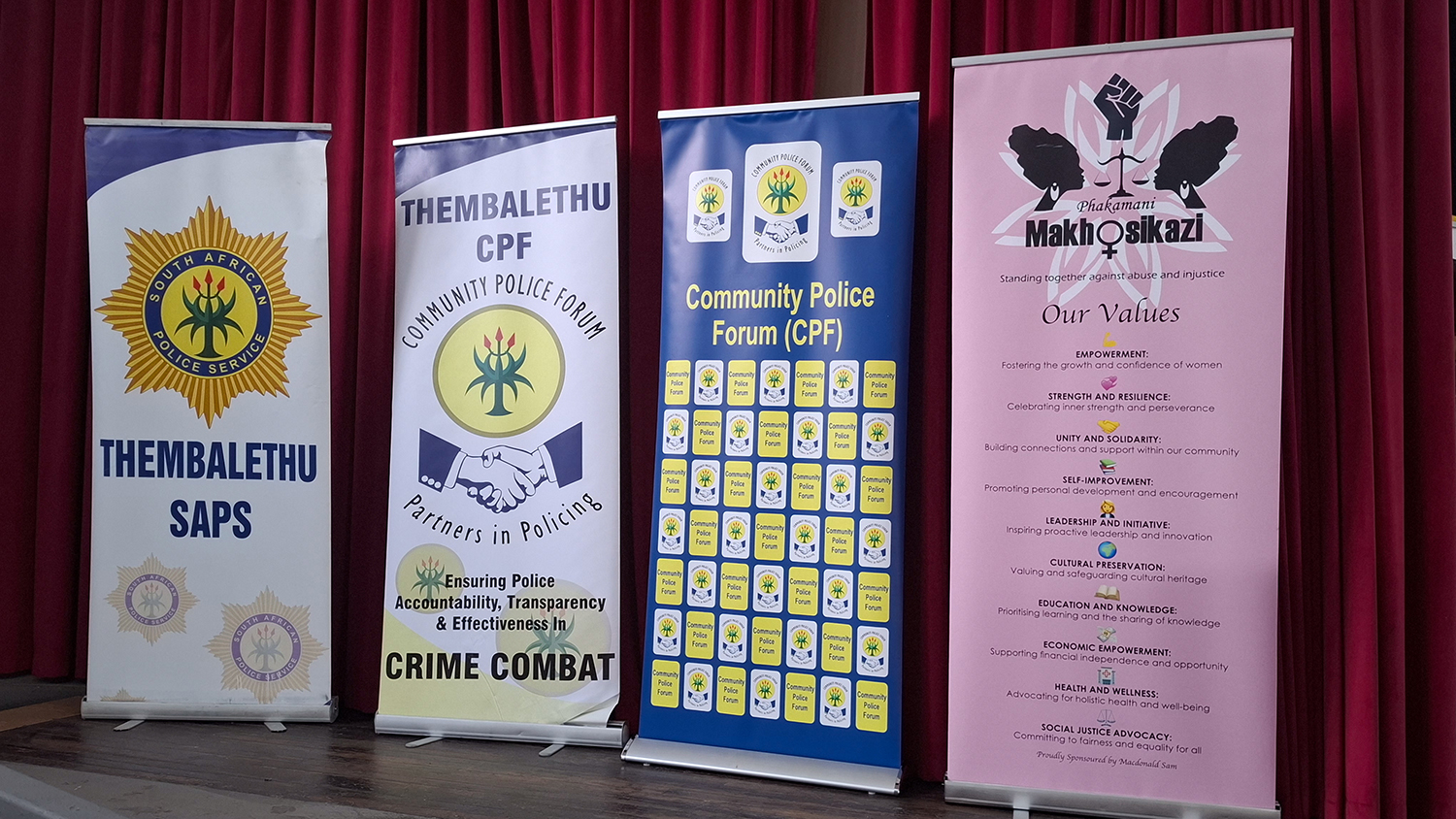
What started as the vision of a single South African Police Service officer has evolved into a collaborative community initiative, bringing together government departments, local and district municipalities, private businesses and groups, the local business chamber, schools and educators, taking a united stand against waste. With a shared commitment to building cleaner and safer communities, and a simple yet powerful message: ‘what we throw away can be used again.’

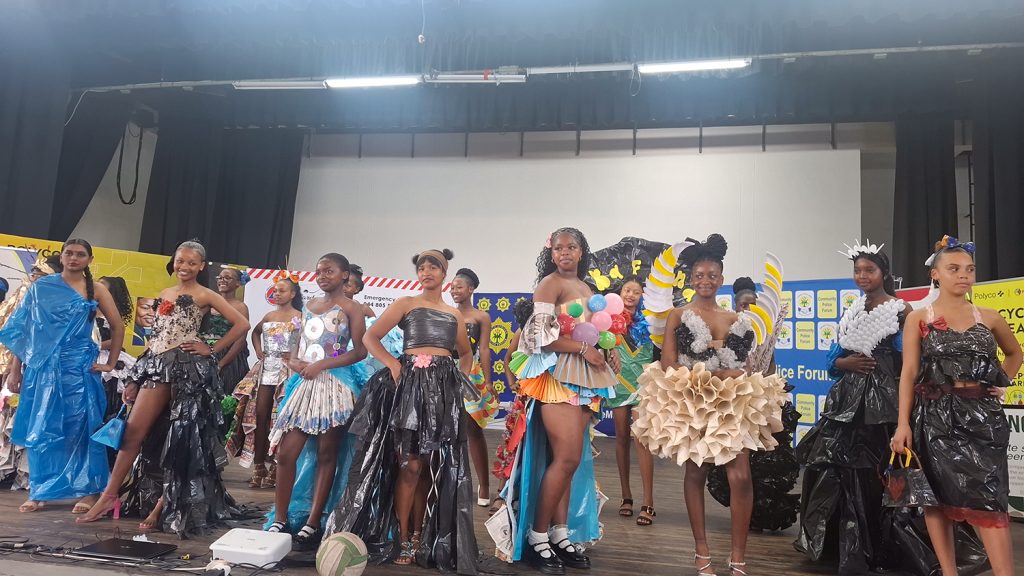
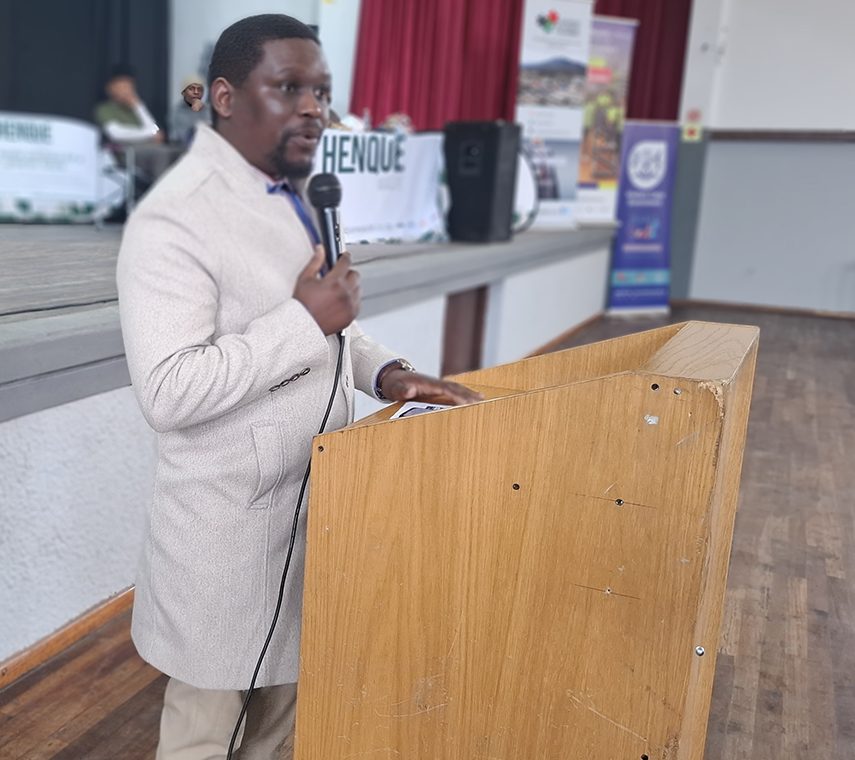
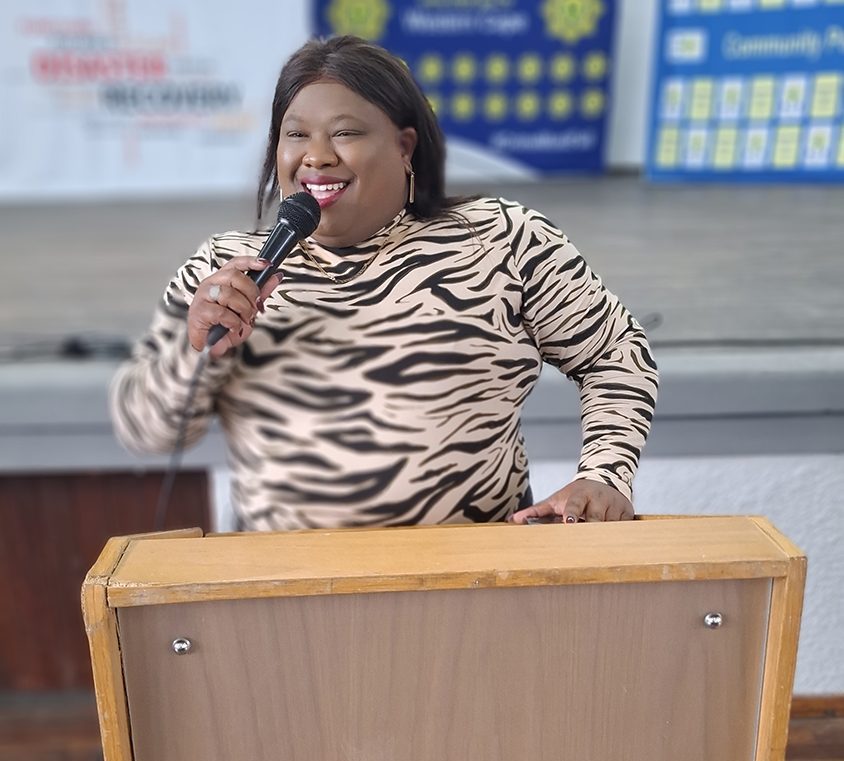
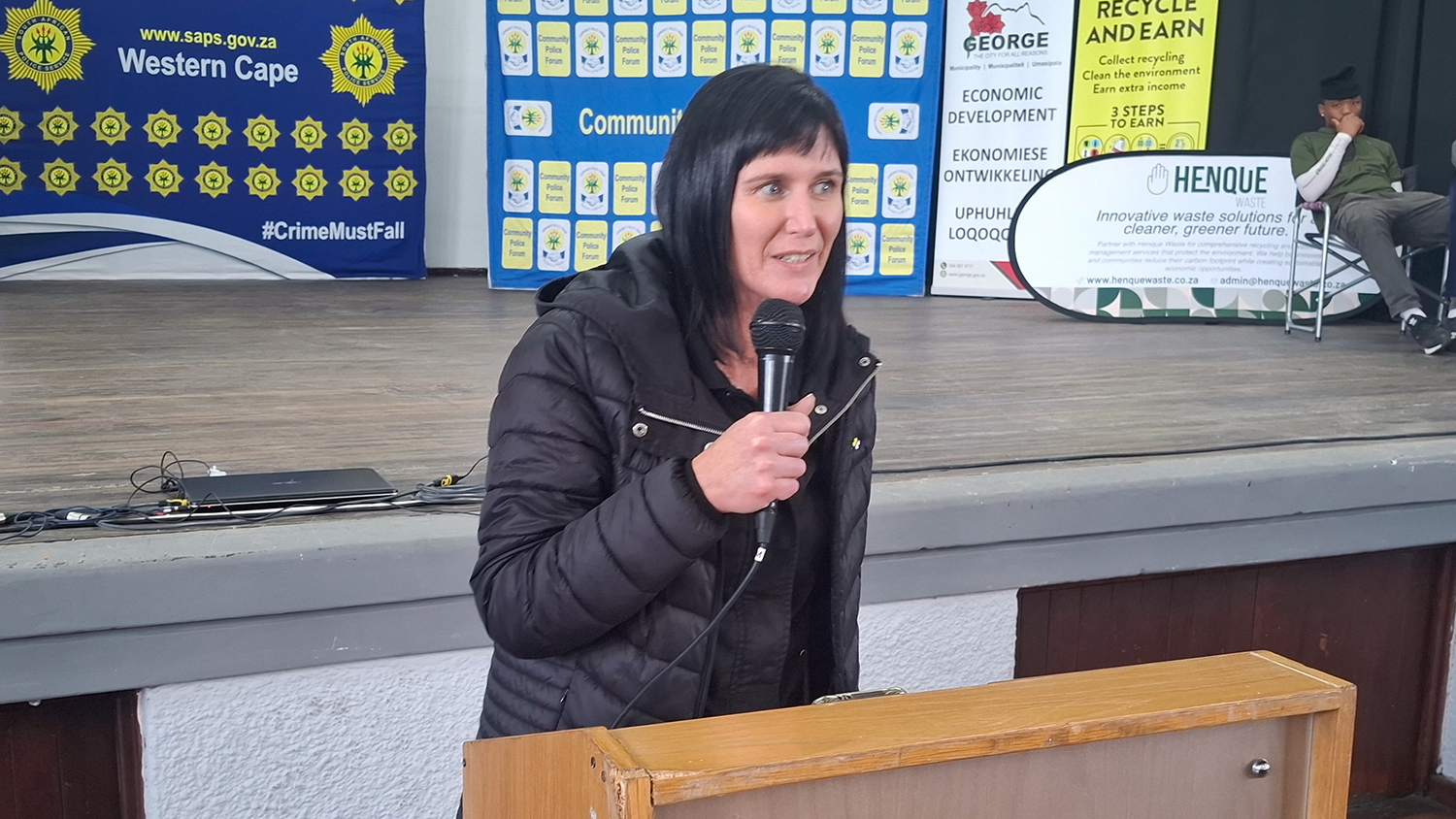
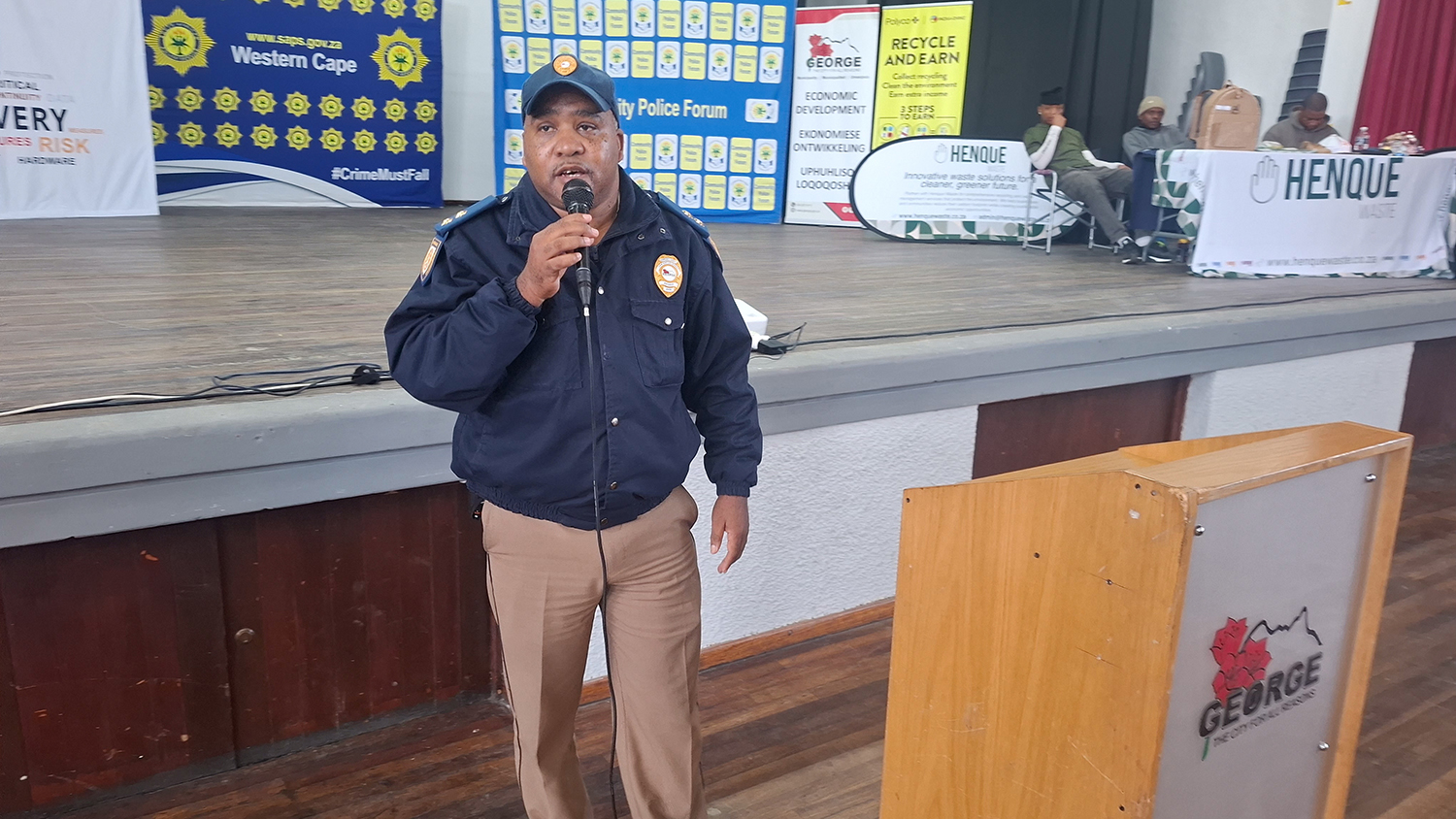
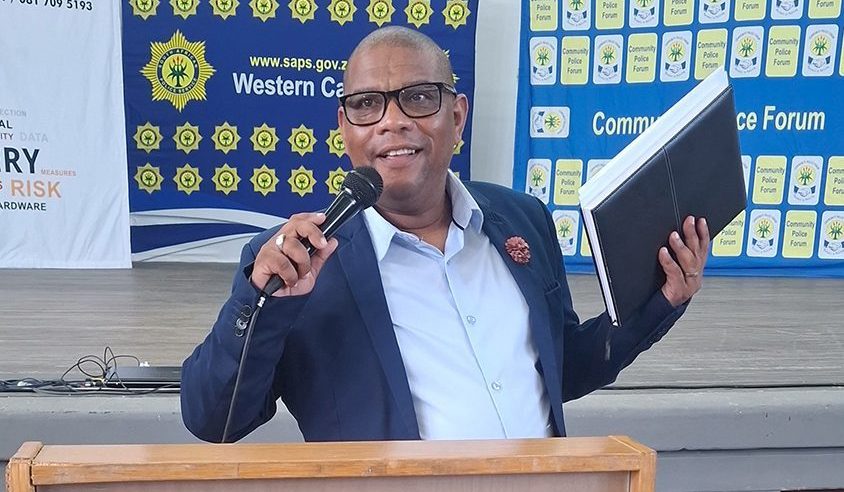
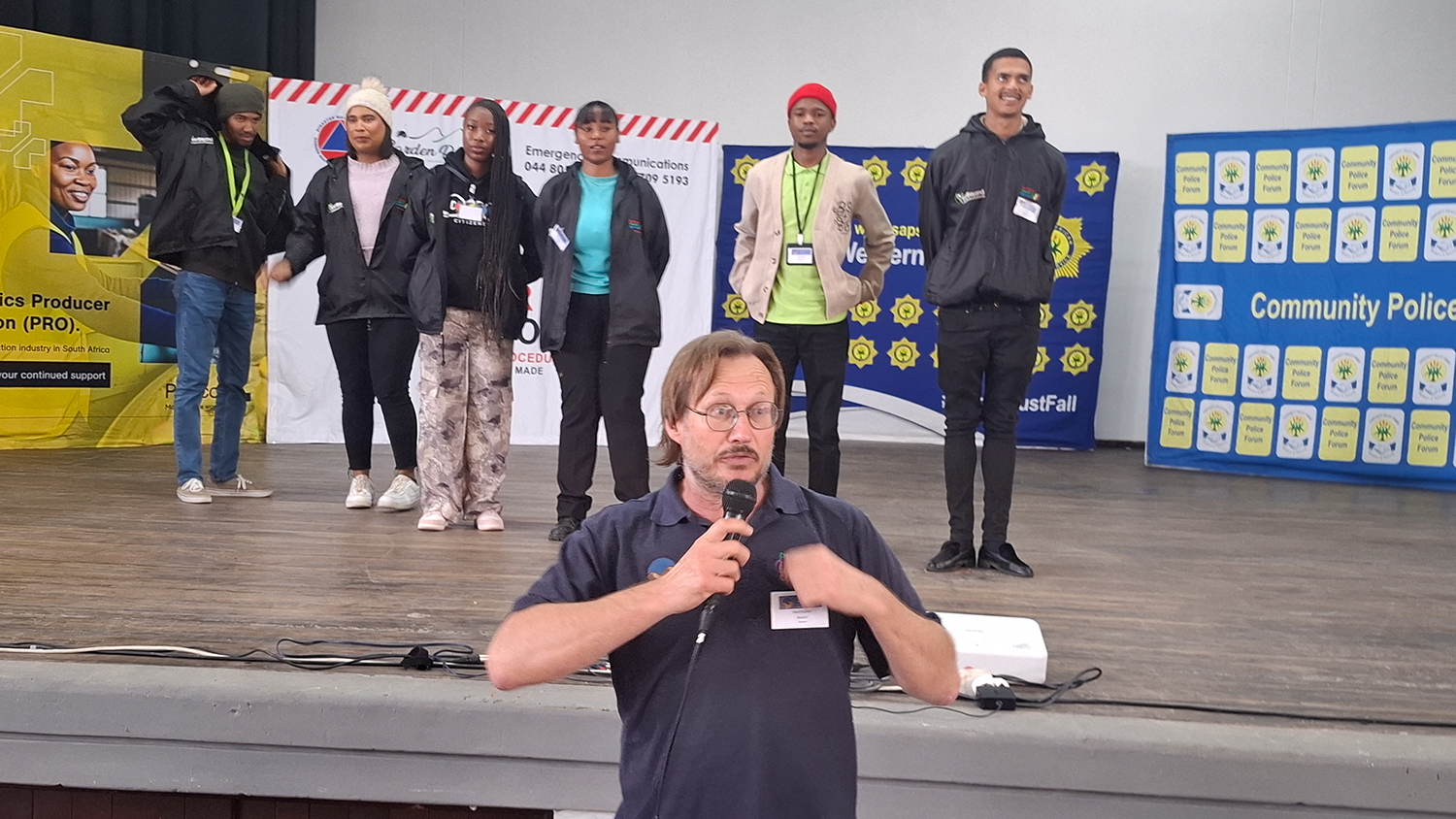
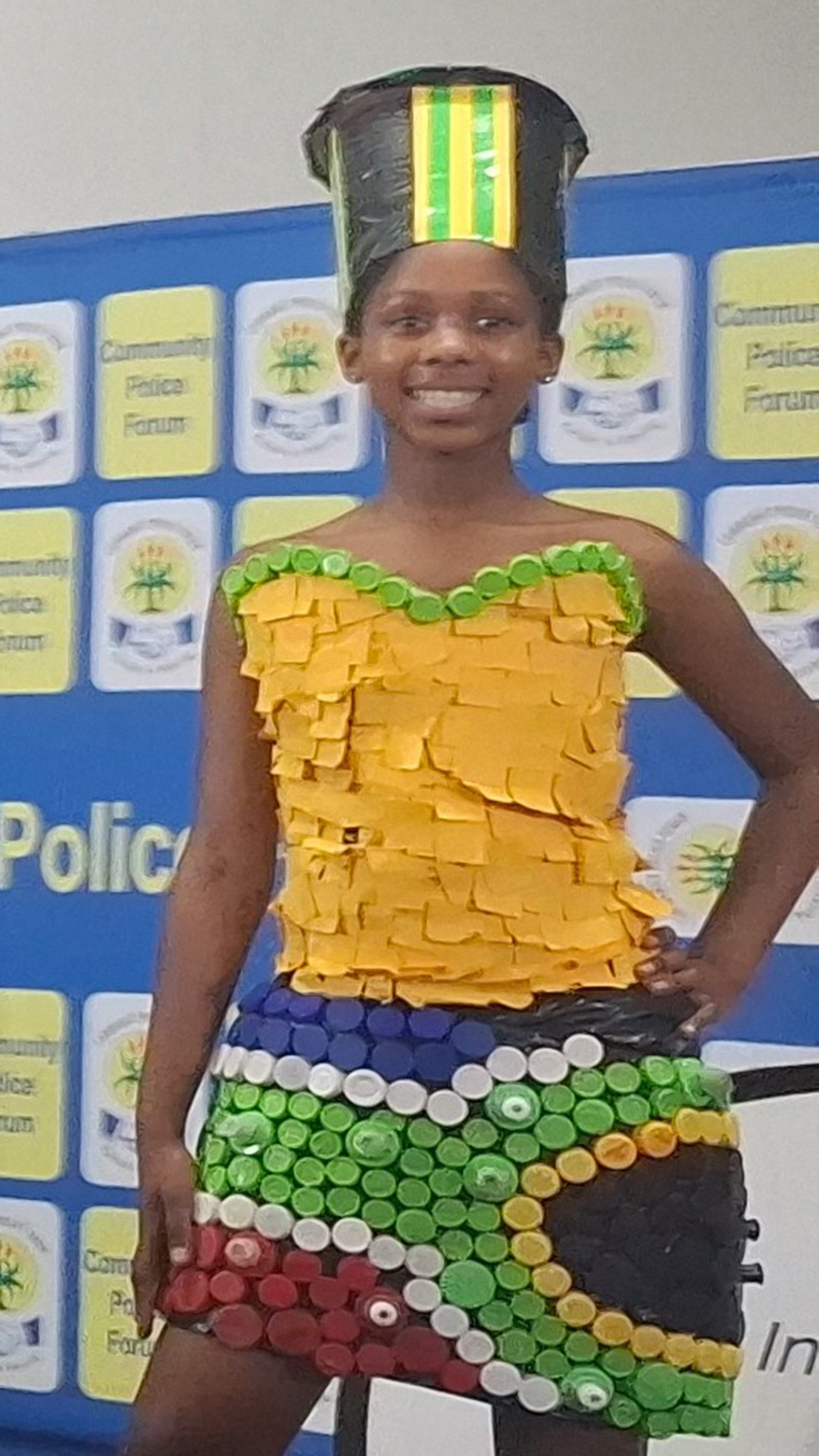
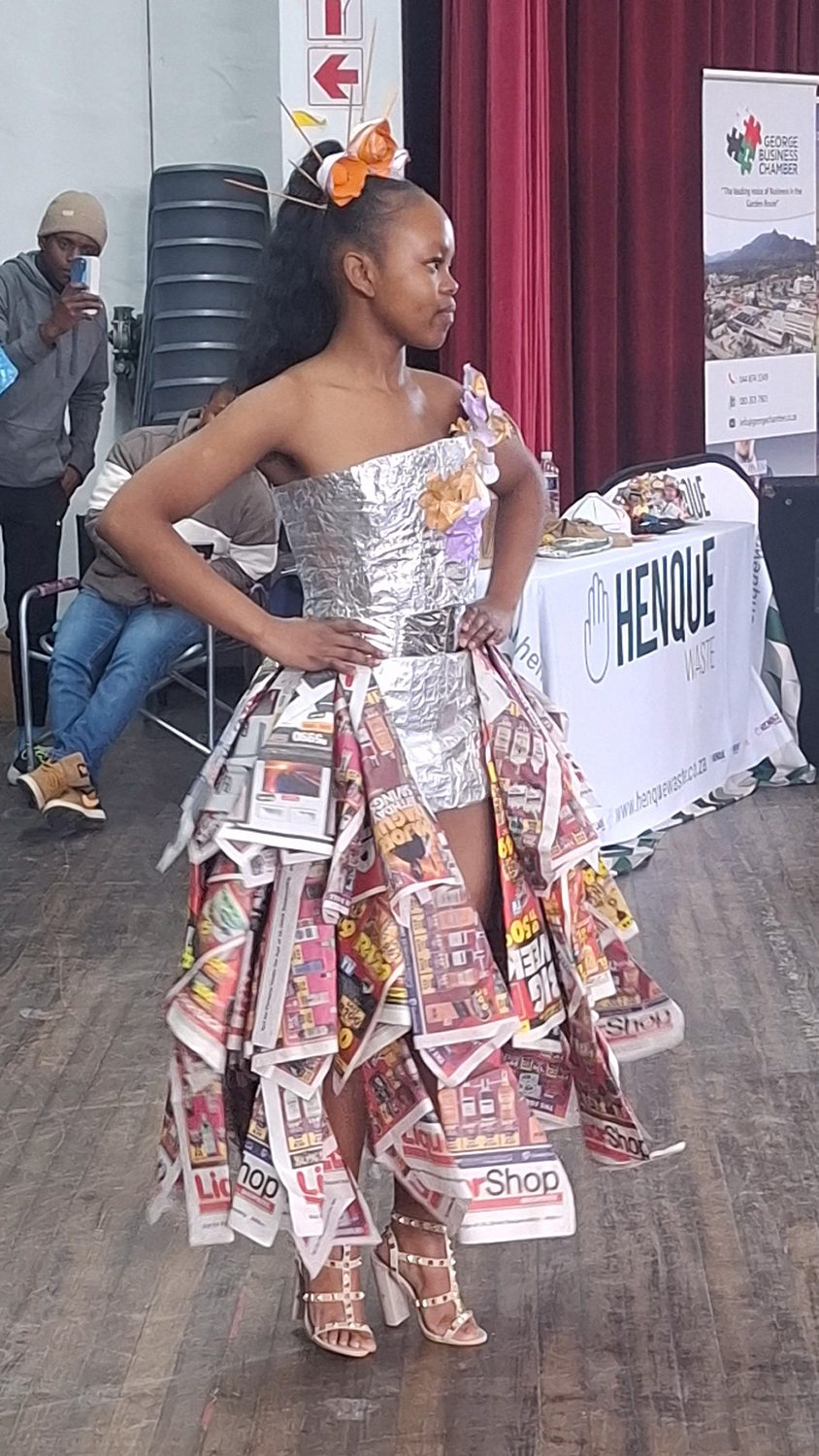
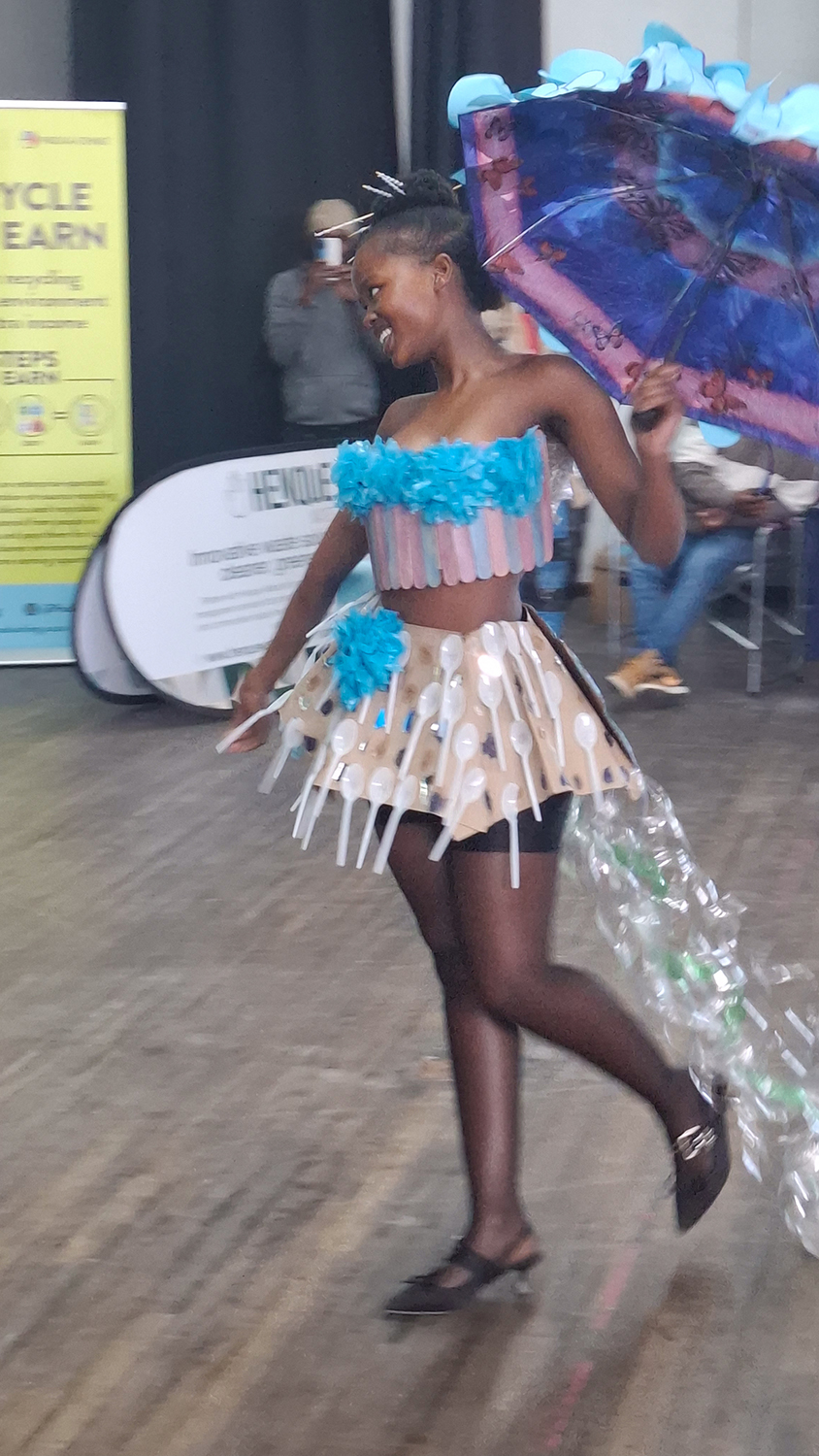
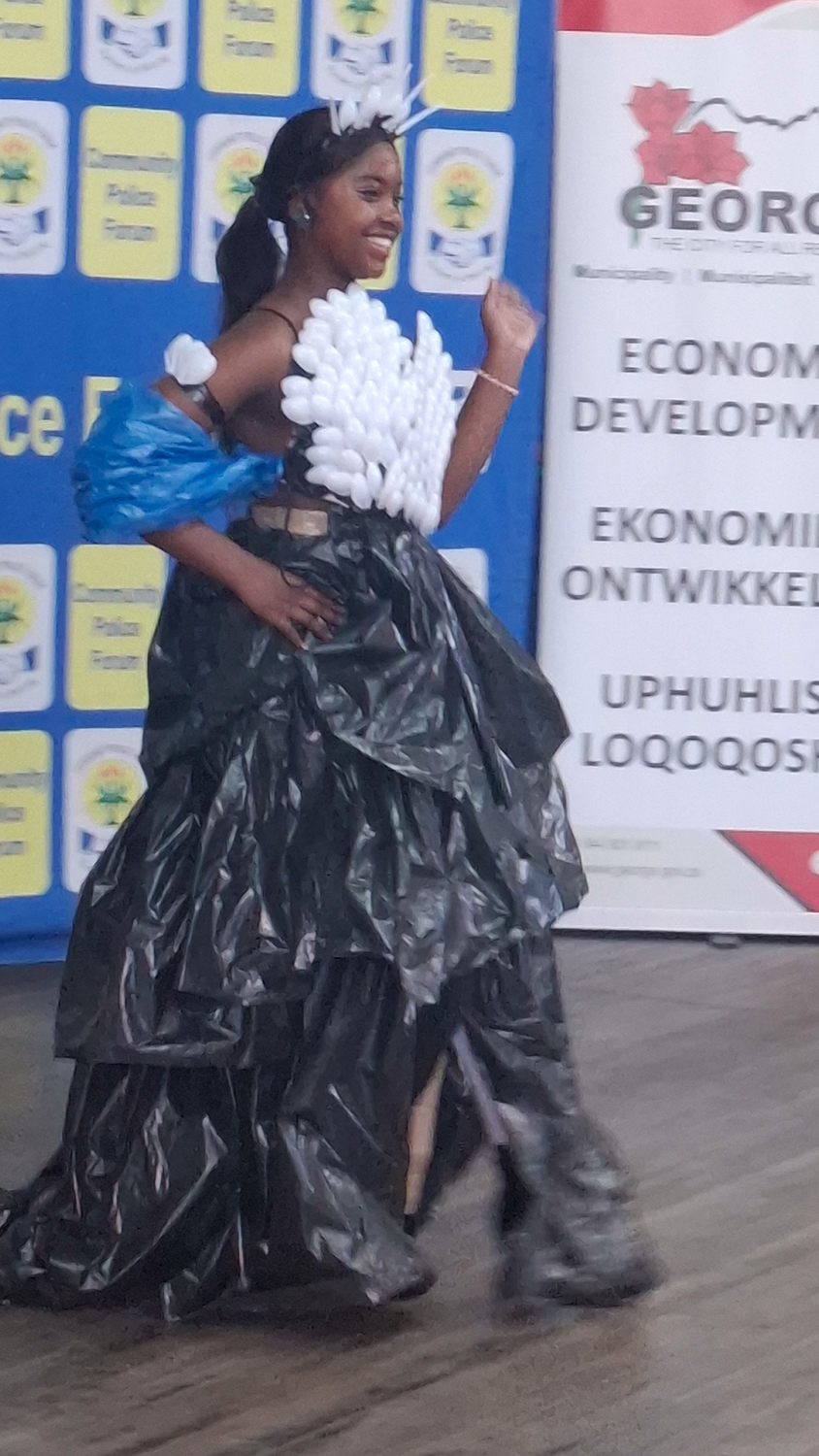
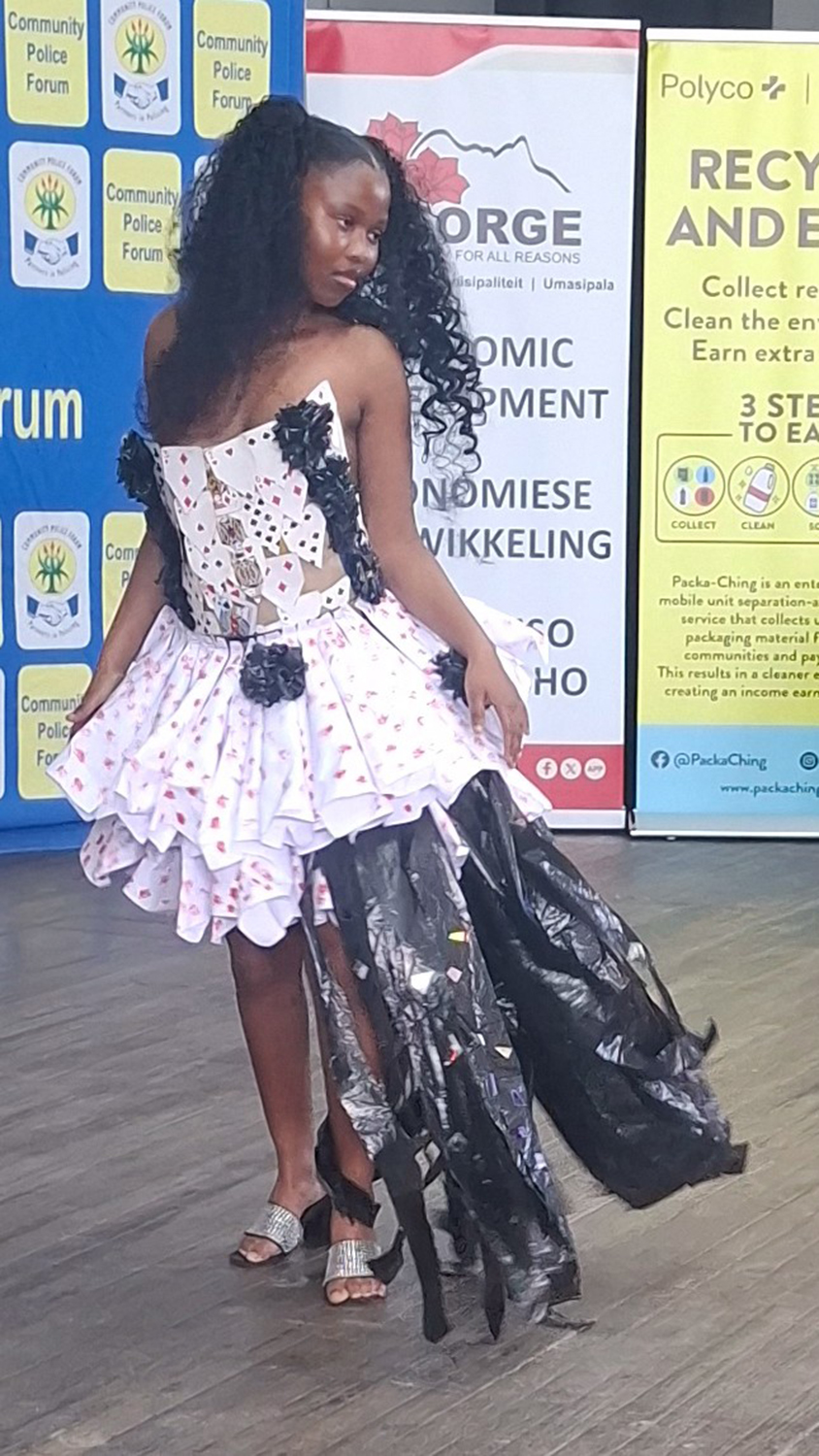
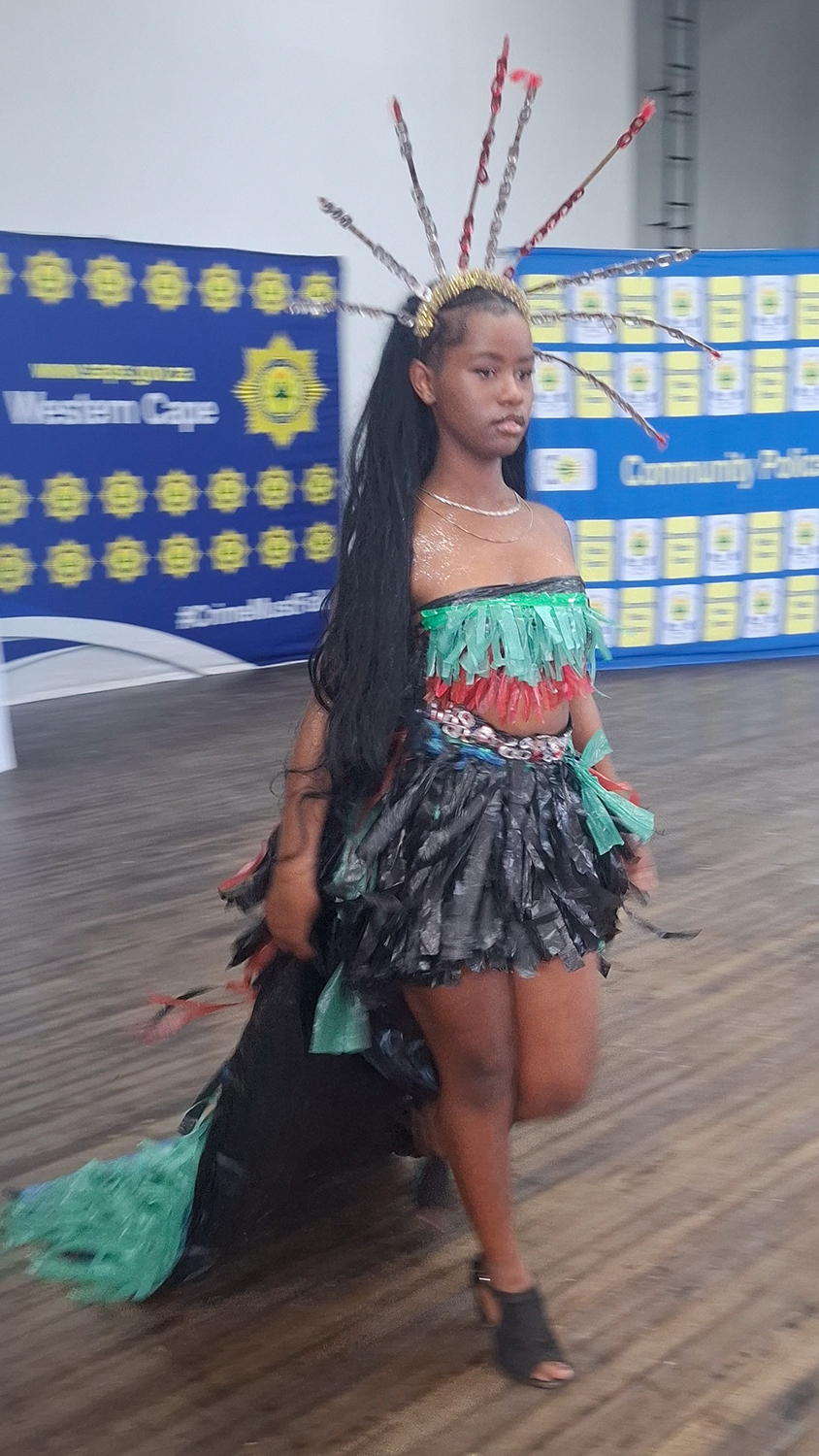
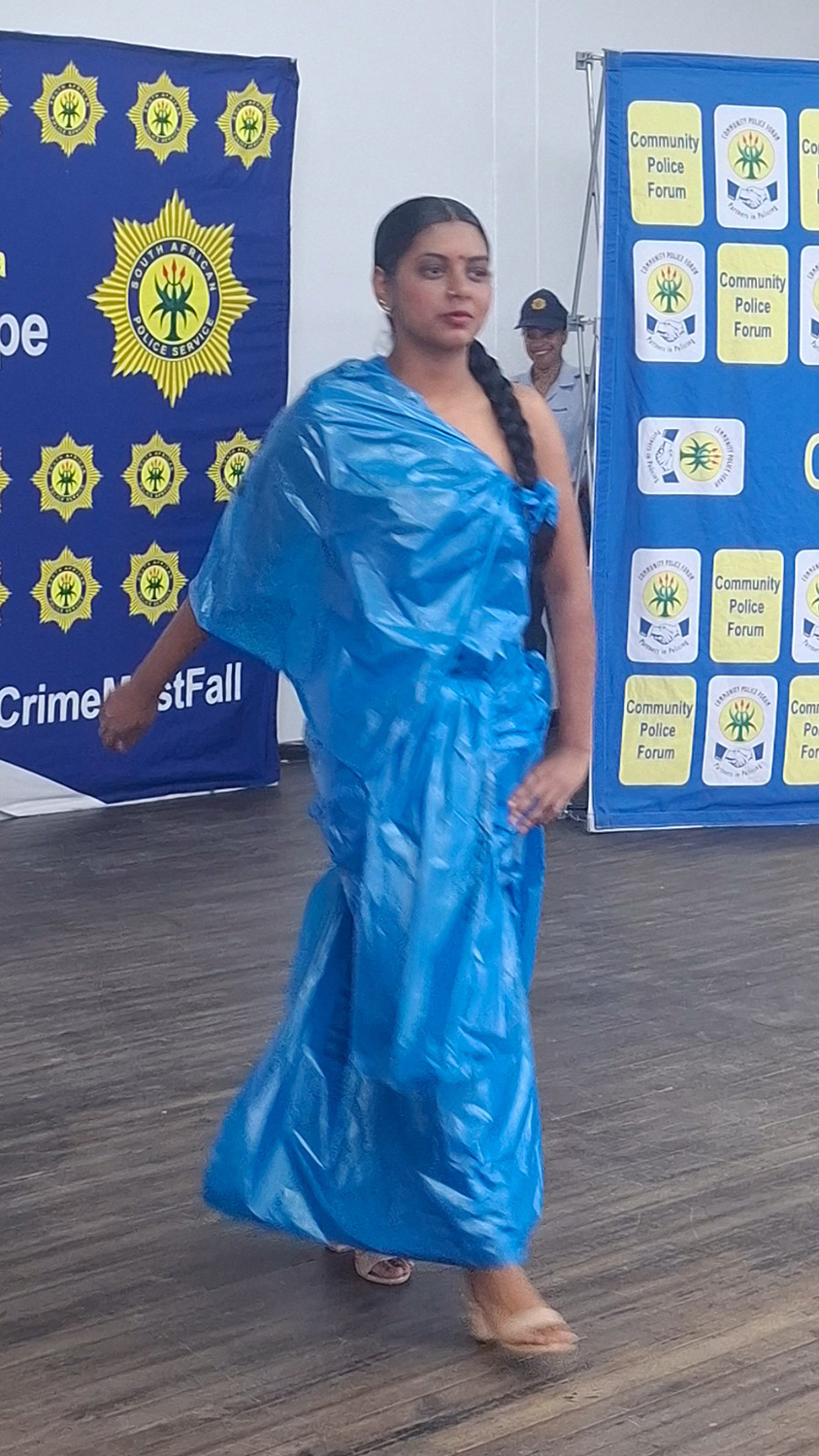
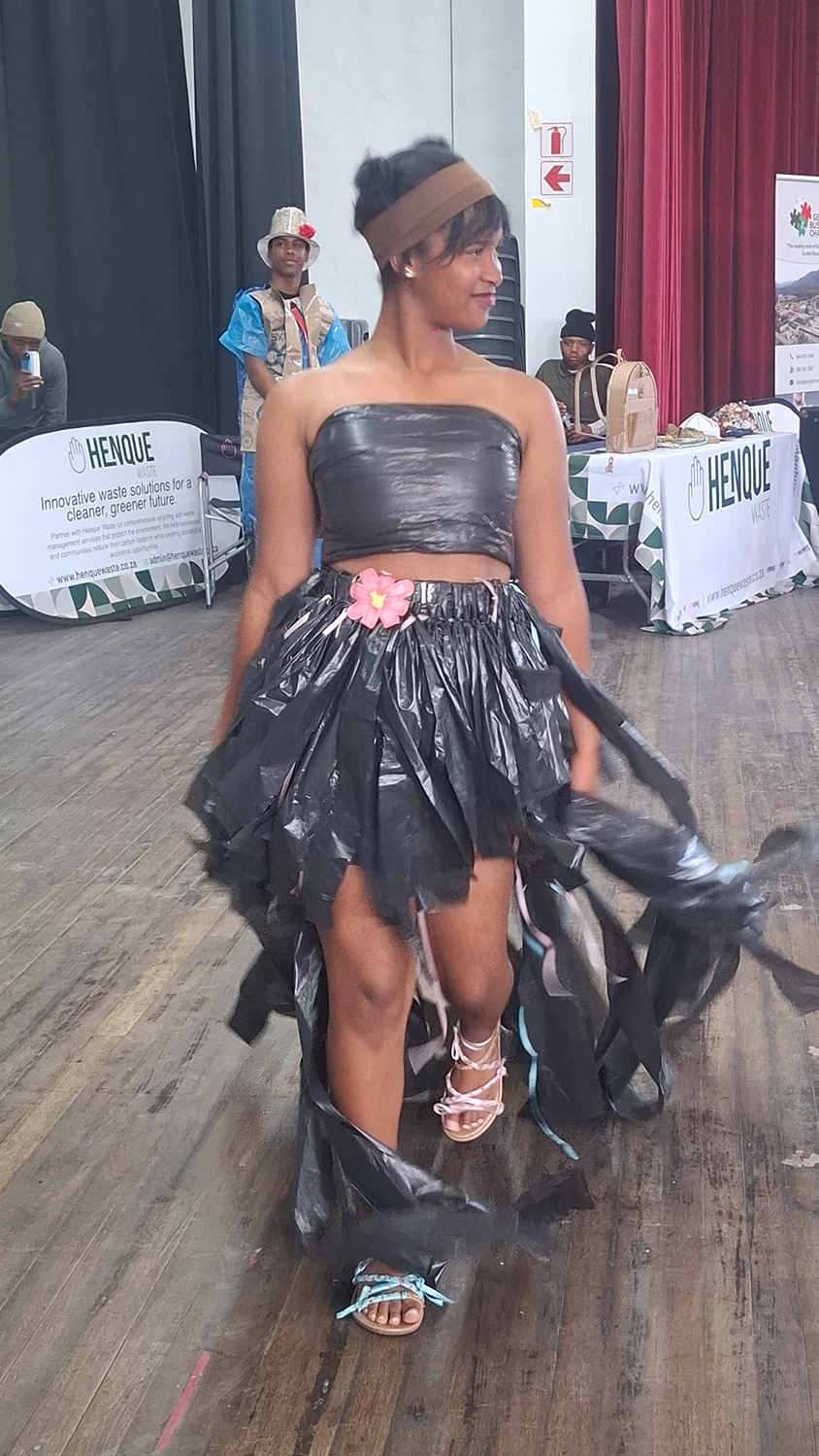
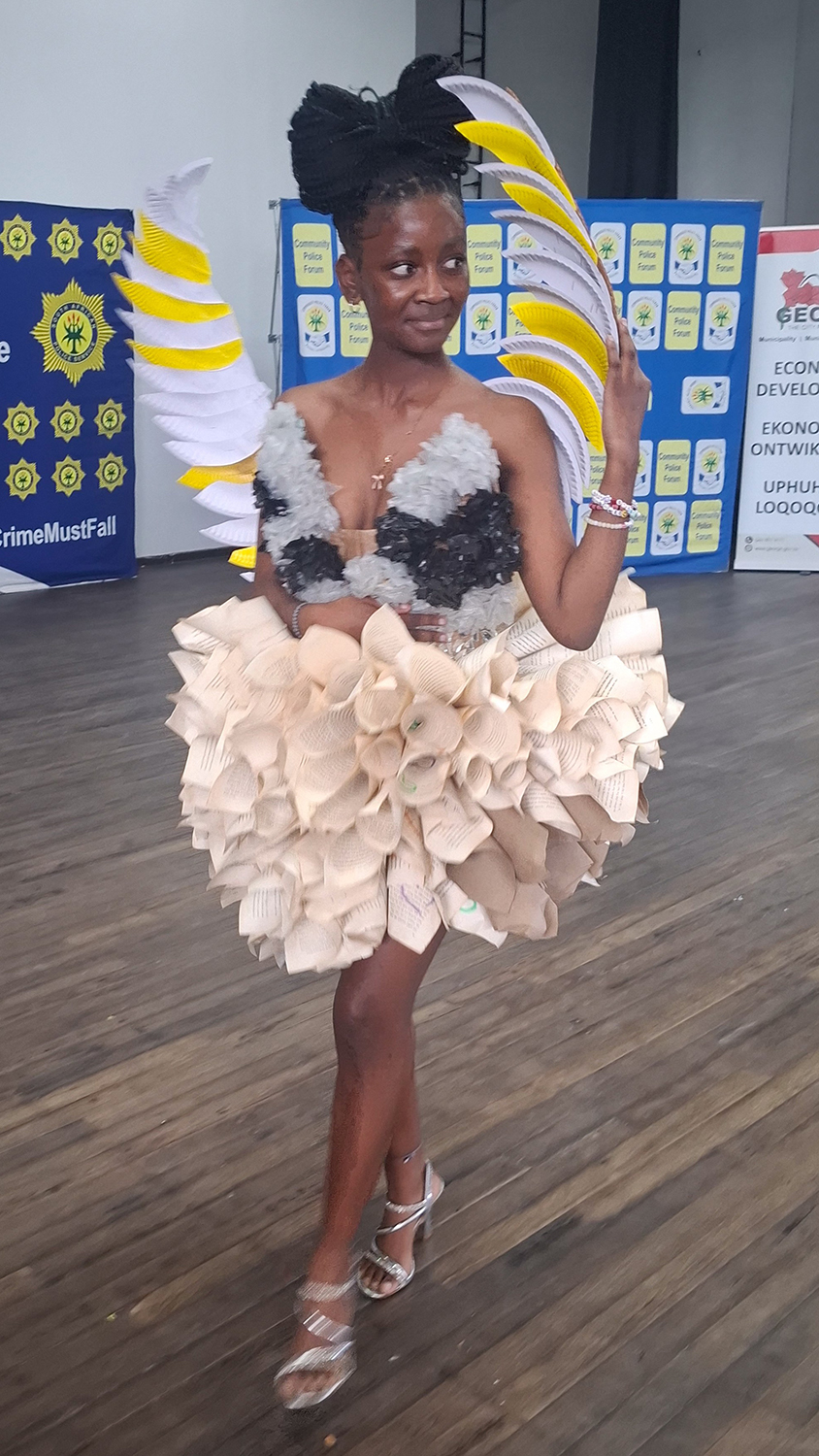
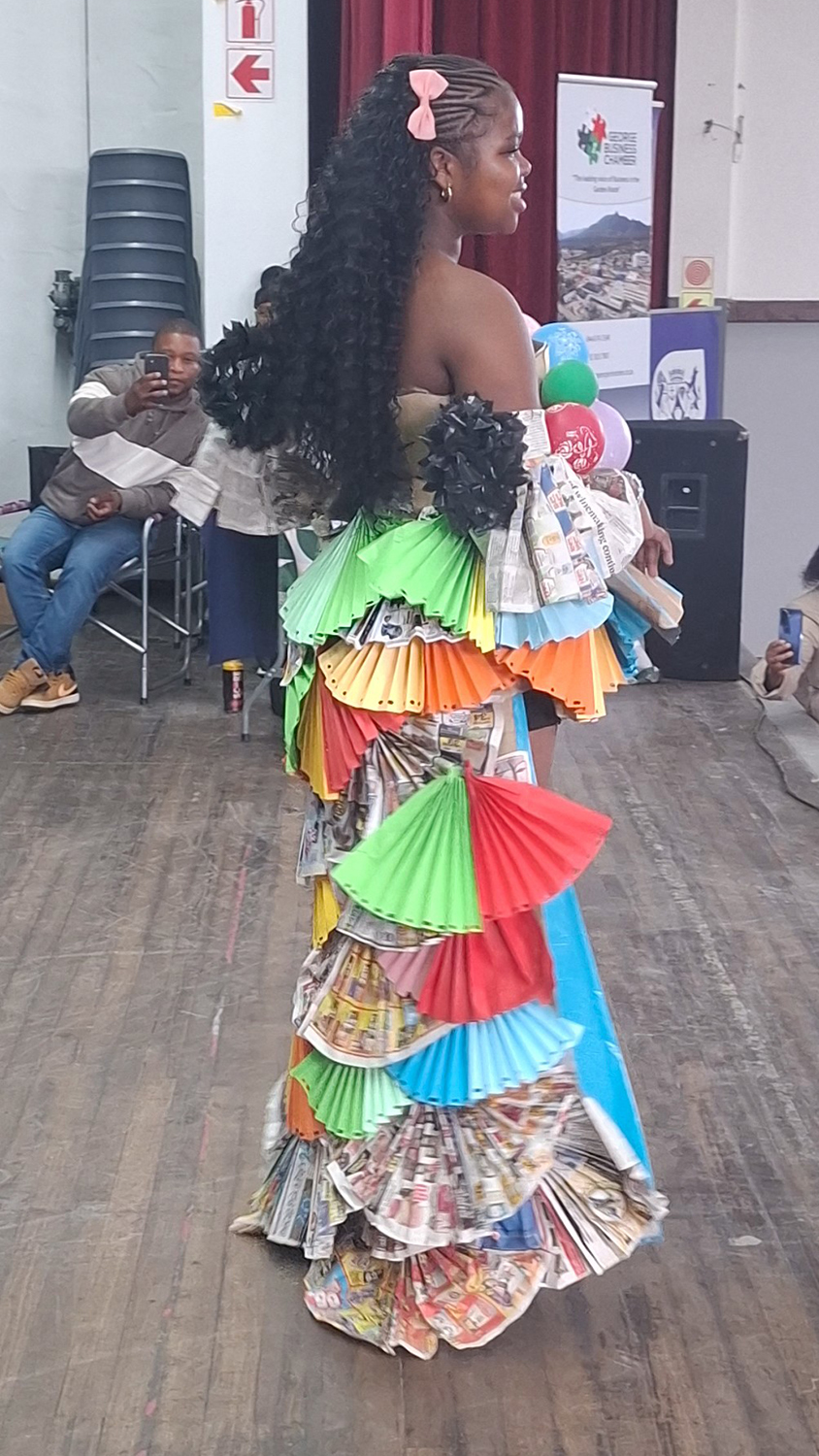
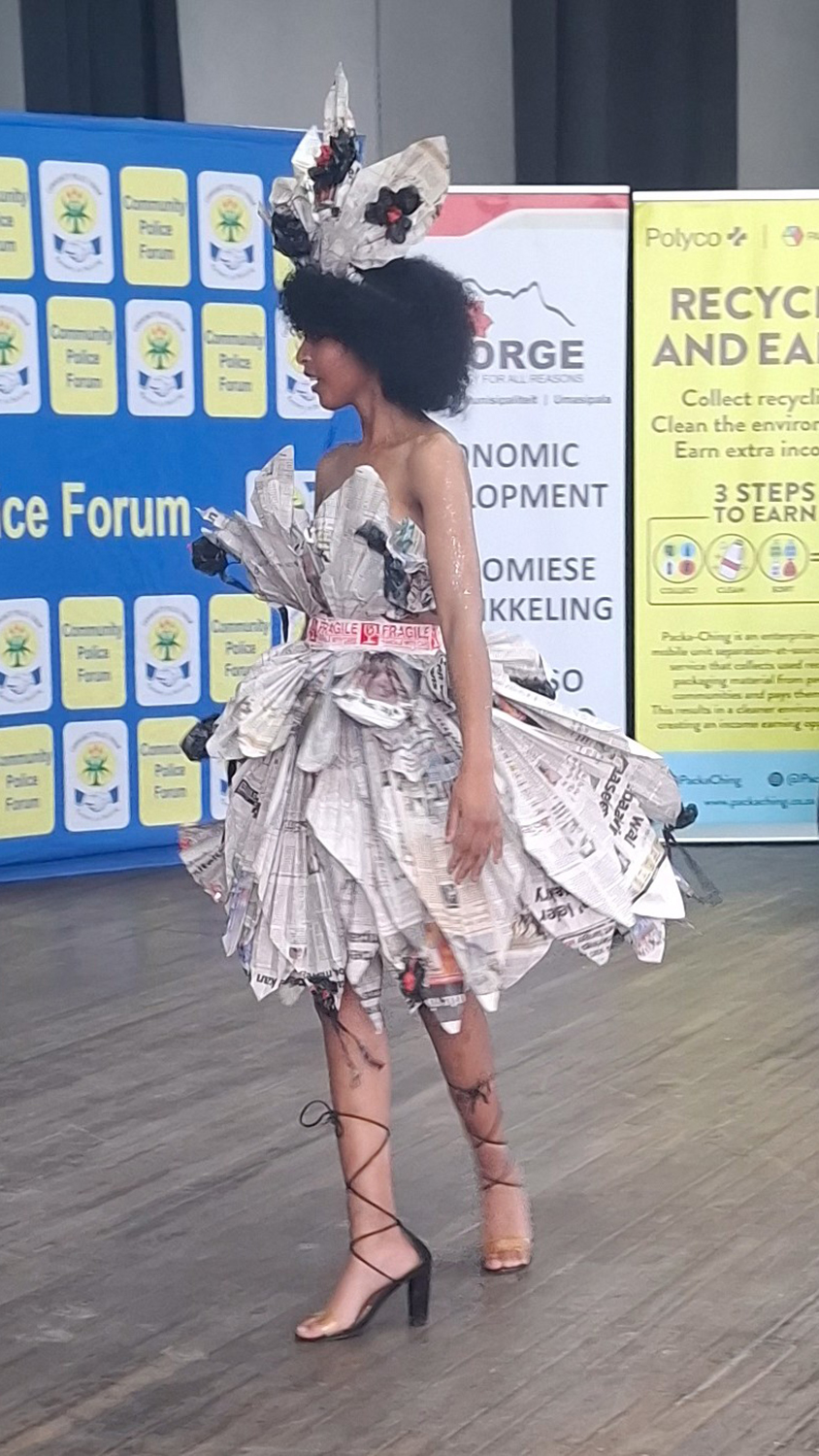
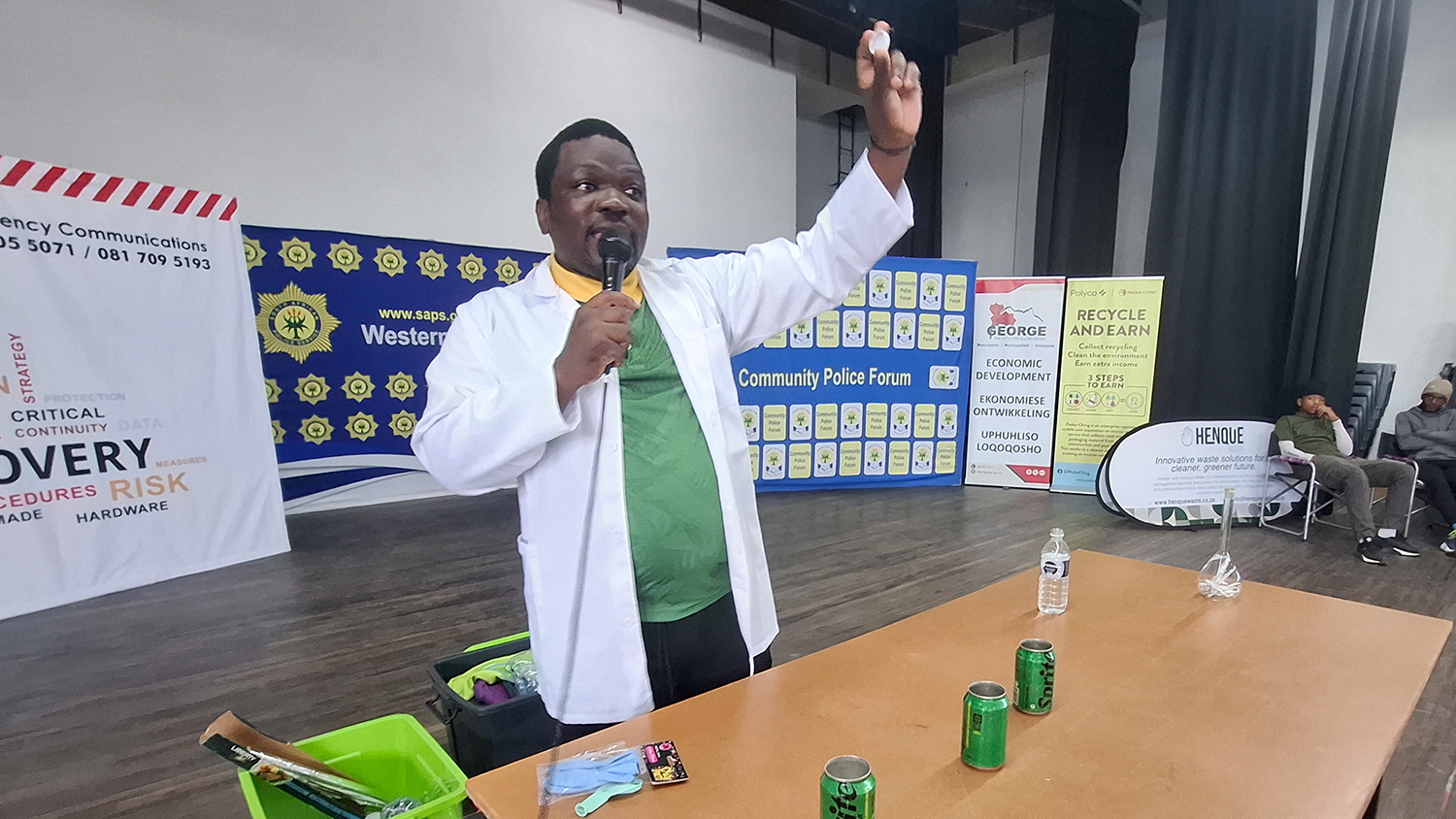
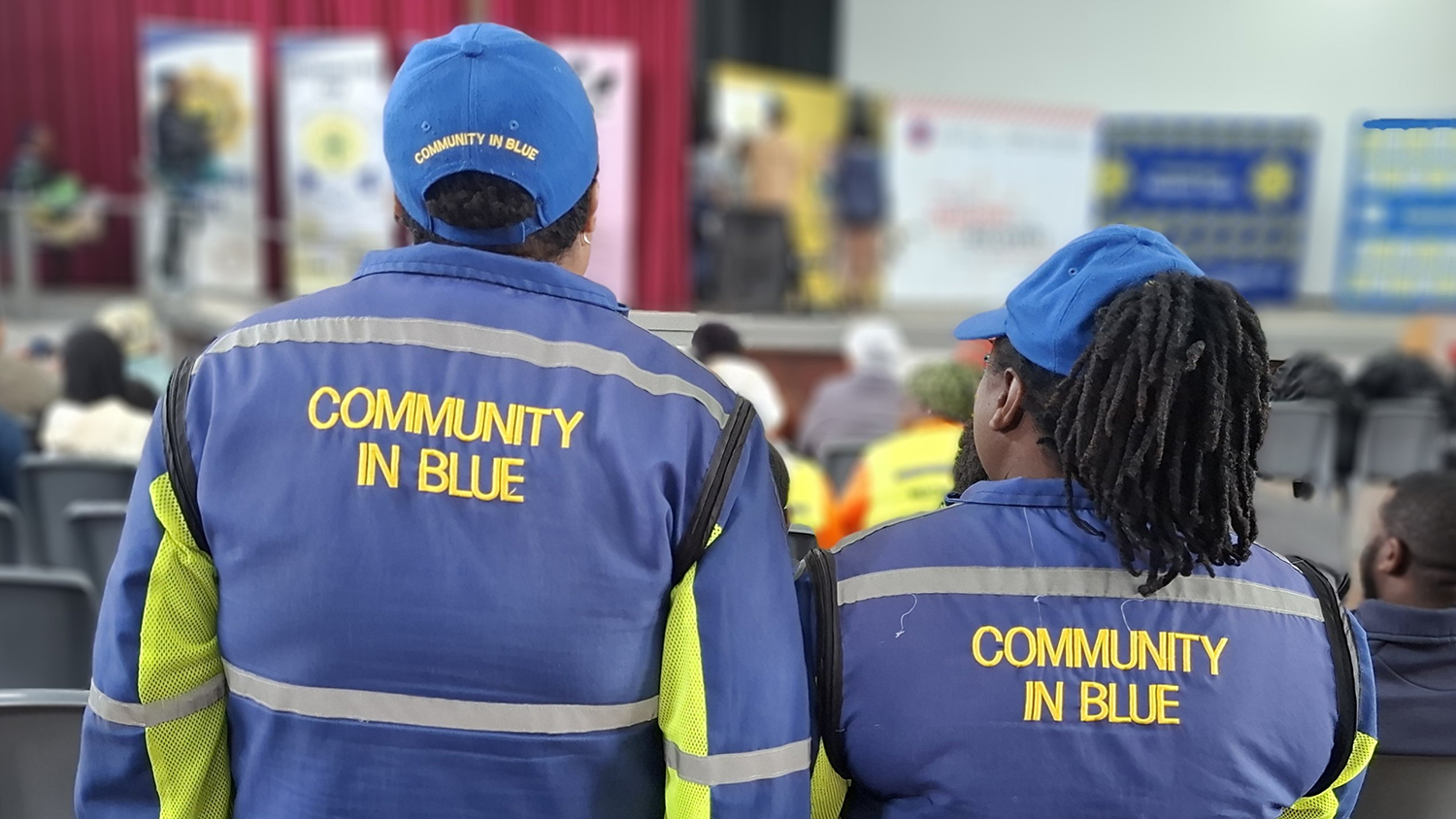
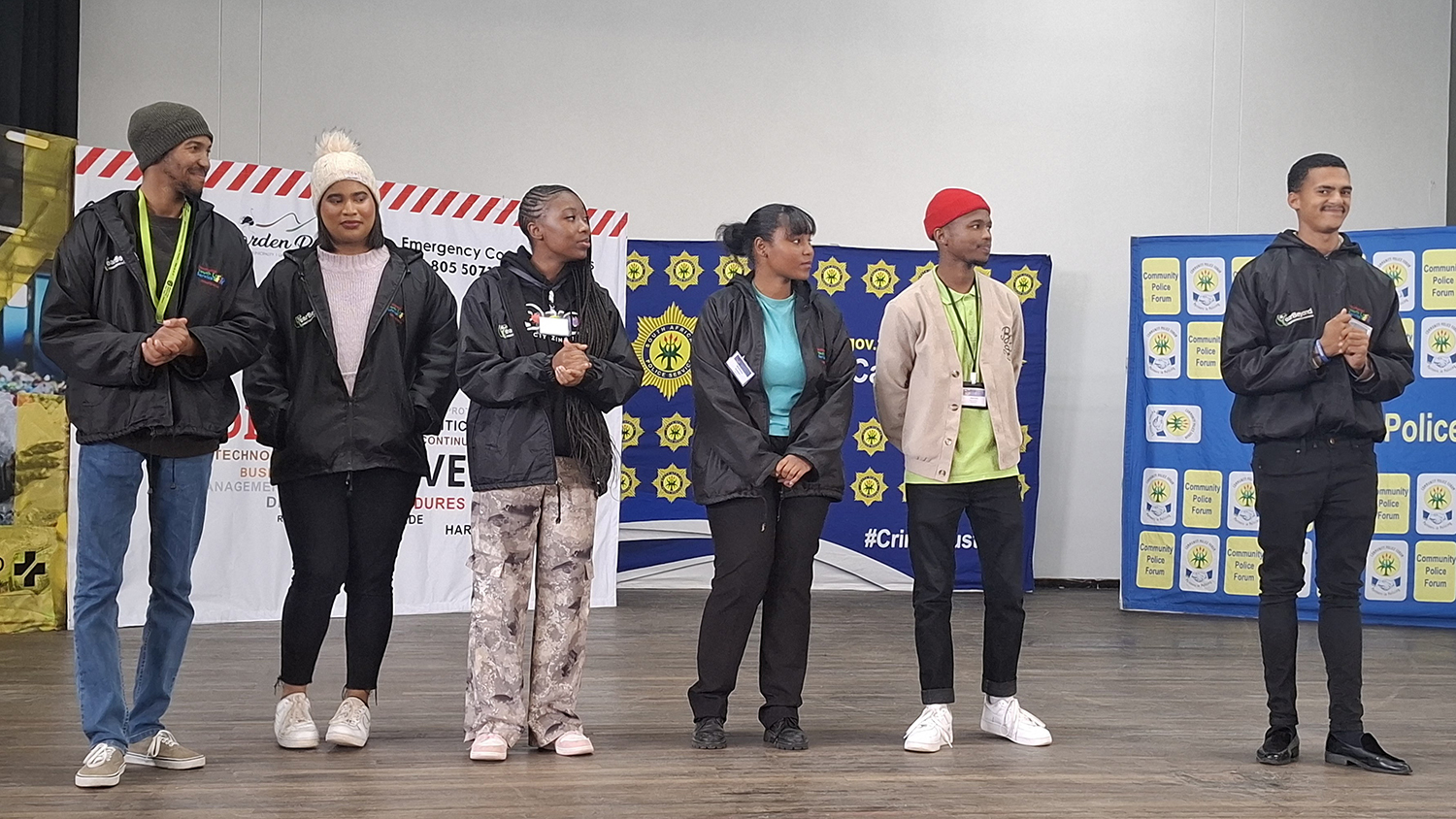
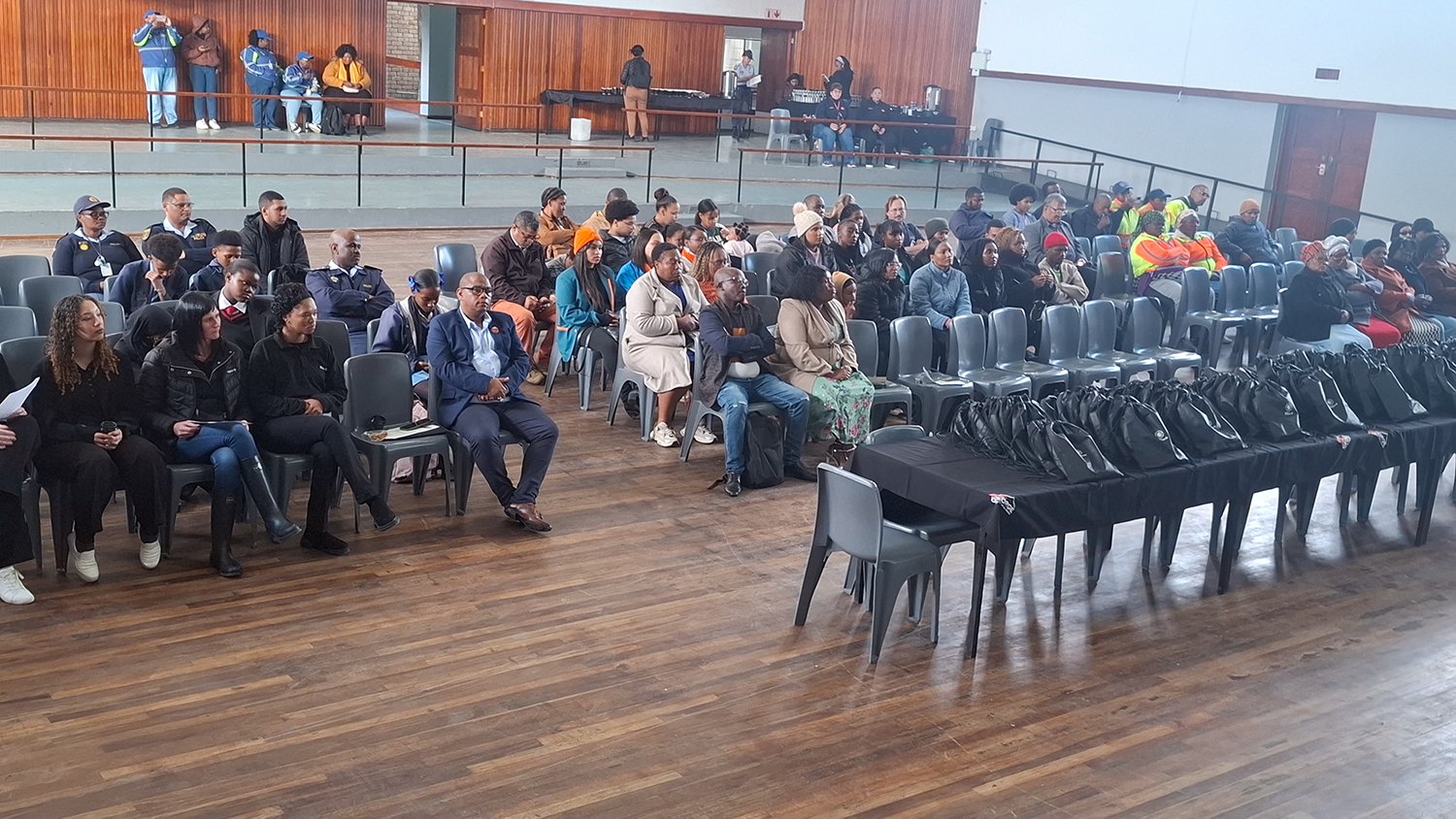
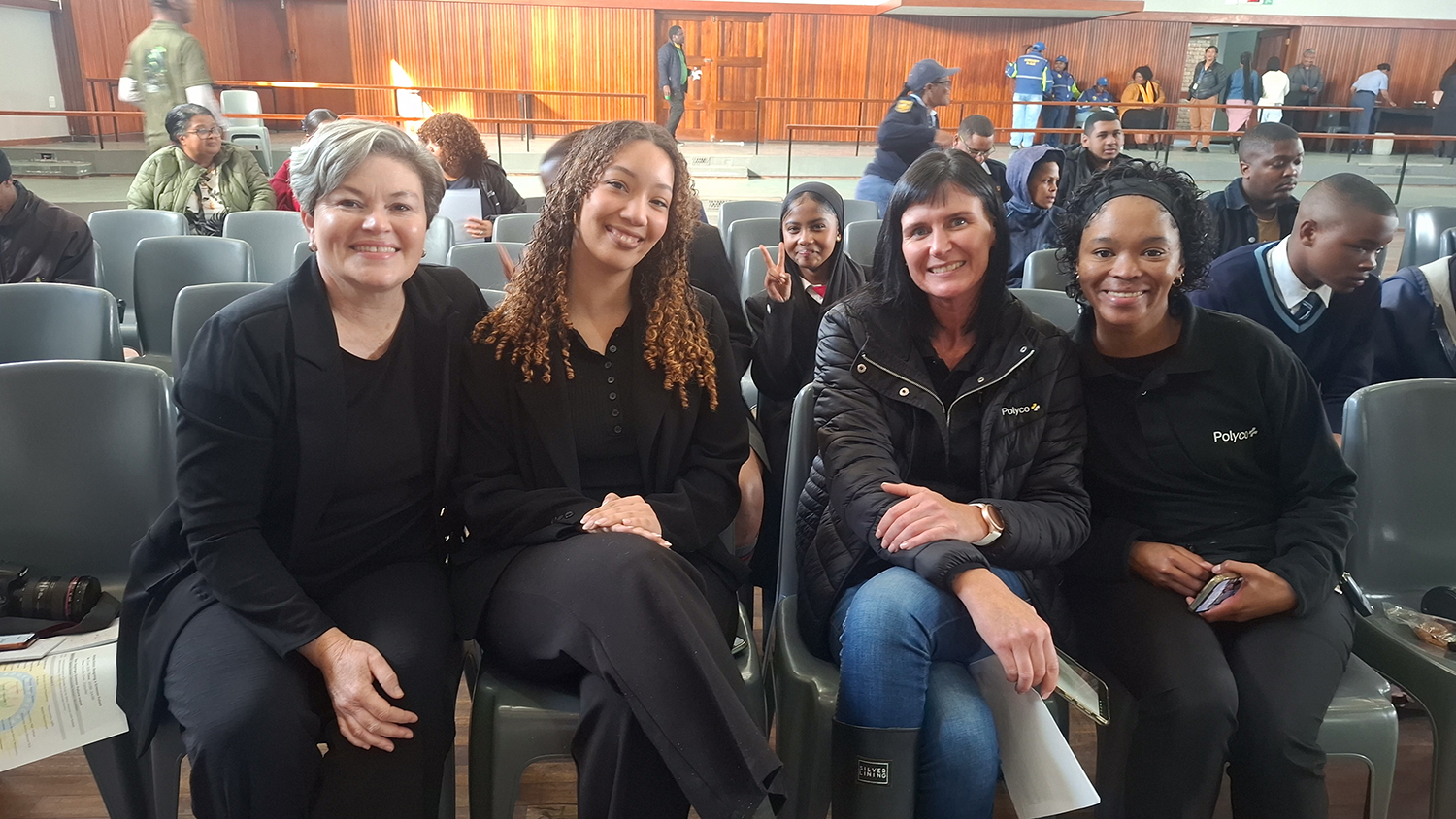
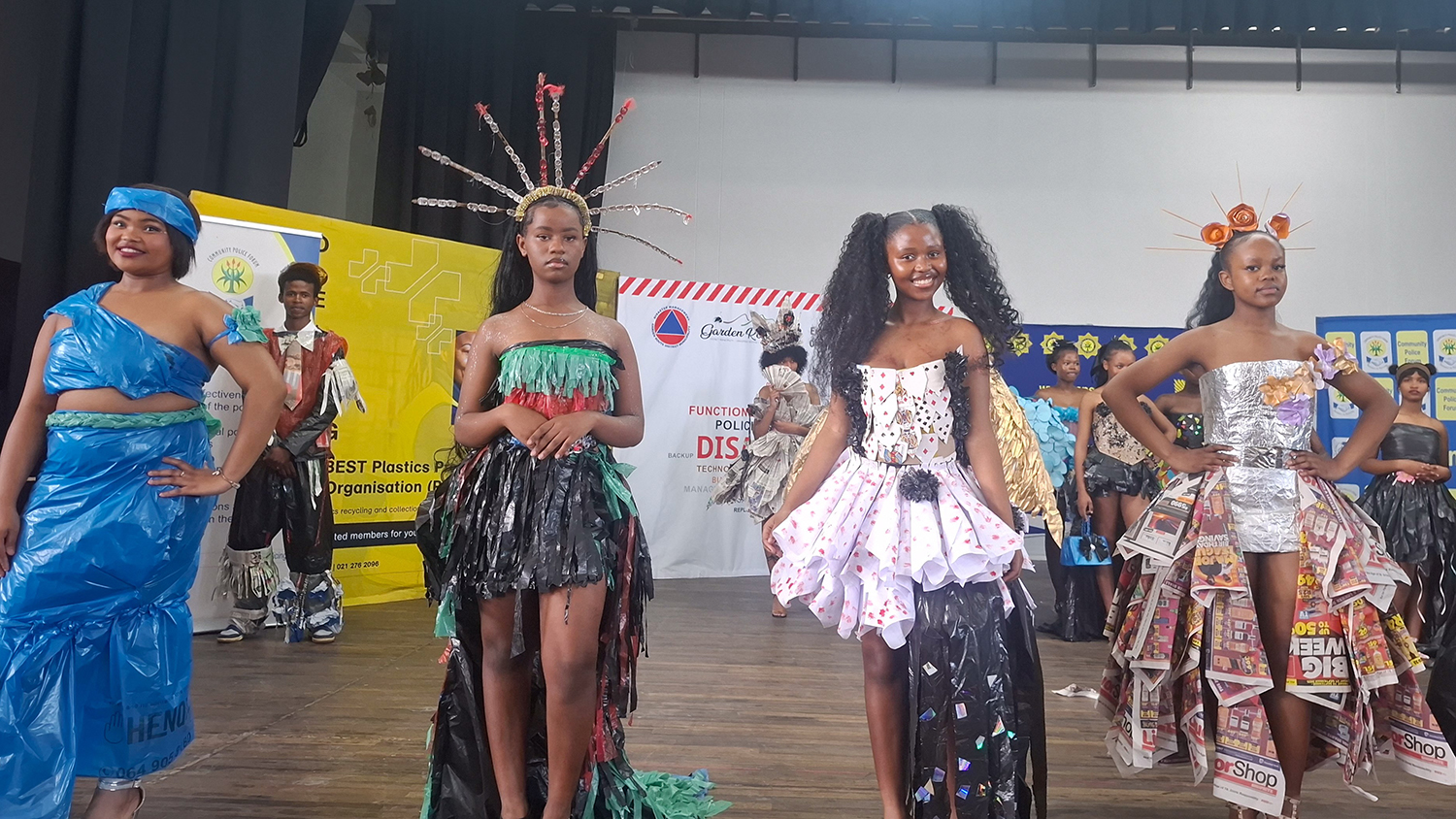
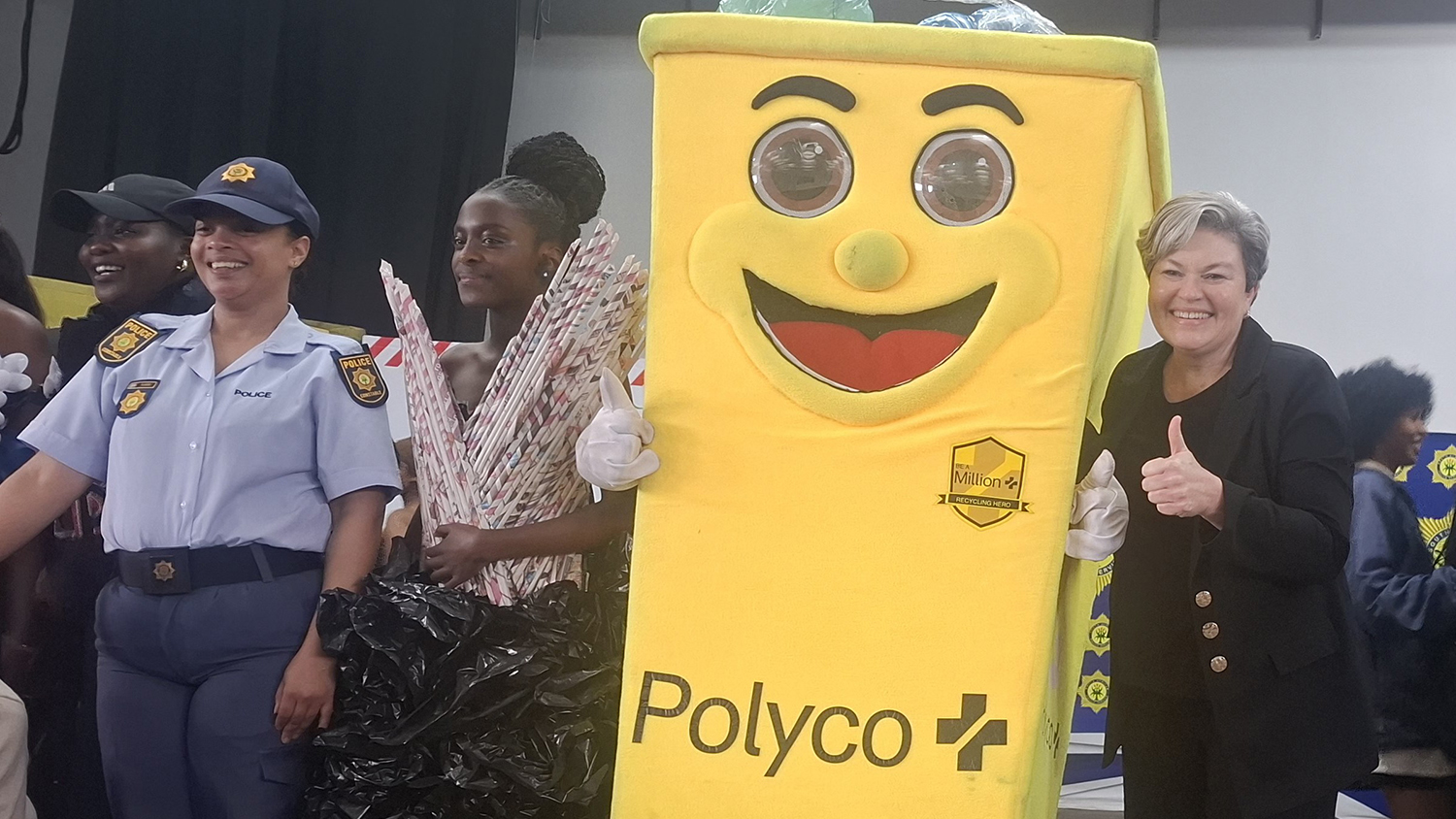
This year’s ‘Designing a Greener Future in George’ event, the second of its kind, took place on Thursday, 25 June 2026, at the Conville Civic Centre in George. The event was attended by all stakeholders involved in the initiative, including learners from nine high schools, who displayed their creativity and innovation through projects promoting recycling and environmental awareness. Their designs and ‘creations’ showed how young people can play a vital role in building safer, cleaner and more sustainable communities.

From the outset of the event, the programme director, guest speakers and performers all echoed the same message: everyone has a role to play in building cleaner, greener and more sustainable communities. Through their presentations and performances, they encouraged learners and attendees to take responsibility for protecting the environment and making a positive difference in their communities, as well as highlighting the importance of recycling and its impact on the environment.

The representative from the recycling company highlighted the importance of proper waste management systems, explaining that much of what is commonly regarded as waste consists of recyclable materials that can be recovered, reused, and transformed into valuable resources. She explained that many people rely on recycling as a source of income and stressed that these materials should not be viewed as waste.

She further explained that the concept of throwing something “away” is misleading, as waste does not simply disappear but remains on earth for generations. Encouraging a shift in mindset, she challenged attendees to become “waste warriors” by taking responsibility for reducing waste in their communities. Through simple daily actions, such as recycling, reusing materials, and refraining from littering, every individual can contribute to protecting the environment and creating cleaner, more sustainable communities.

In his address, the Garden Route District Municipality’s MMC for Community Services, Cllr Jobieth Hoogbaard, firstly engaged with the learners and encouraged them with the following words: “Today is your day. You are here not only to participate, but to demonstrate leadership, creativity and responsibility. Through your designs, your performances and your ideas, you have the power to make a difference.”

Referring to the theme of the event, ‘Designing a Greener Future,’ Hoogbaard stated that the future does not simply happen by itself, but is shaped by the decisions we make, the values we uphold and the actions we take every day. He said: “If we want safer communities, cleaner neighbourhoods and a healthier environment, then we must work together to design that future.”

Cllr Hoogbaard encouraged all present to become true leaders, describing leadership as the consistent choice to do what is right, even when no one is watching. “Leadership is picking up litter when others walk past it. Leadership is refusing to take part in vandalism and saying no to crime, drugs and violence.”

In closing, Cllr Hoogbaard challenged all learners to leave the event not only as participants, but as ambassadors for change, urging them to be advocates for cleaner schools, safer streets, healthier environments and stronger, more positive communities.

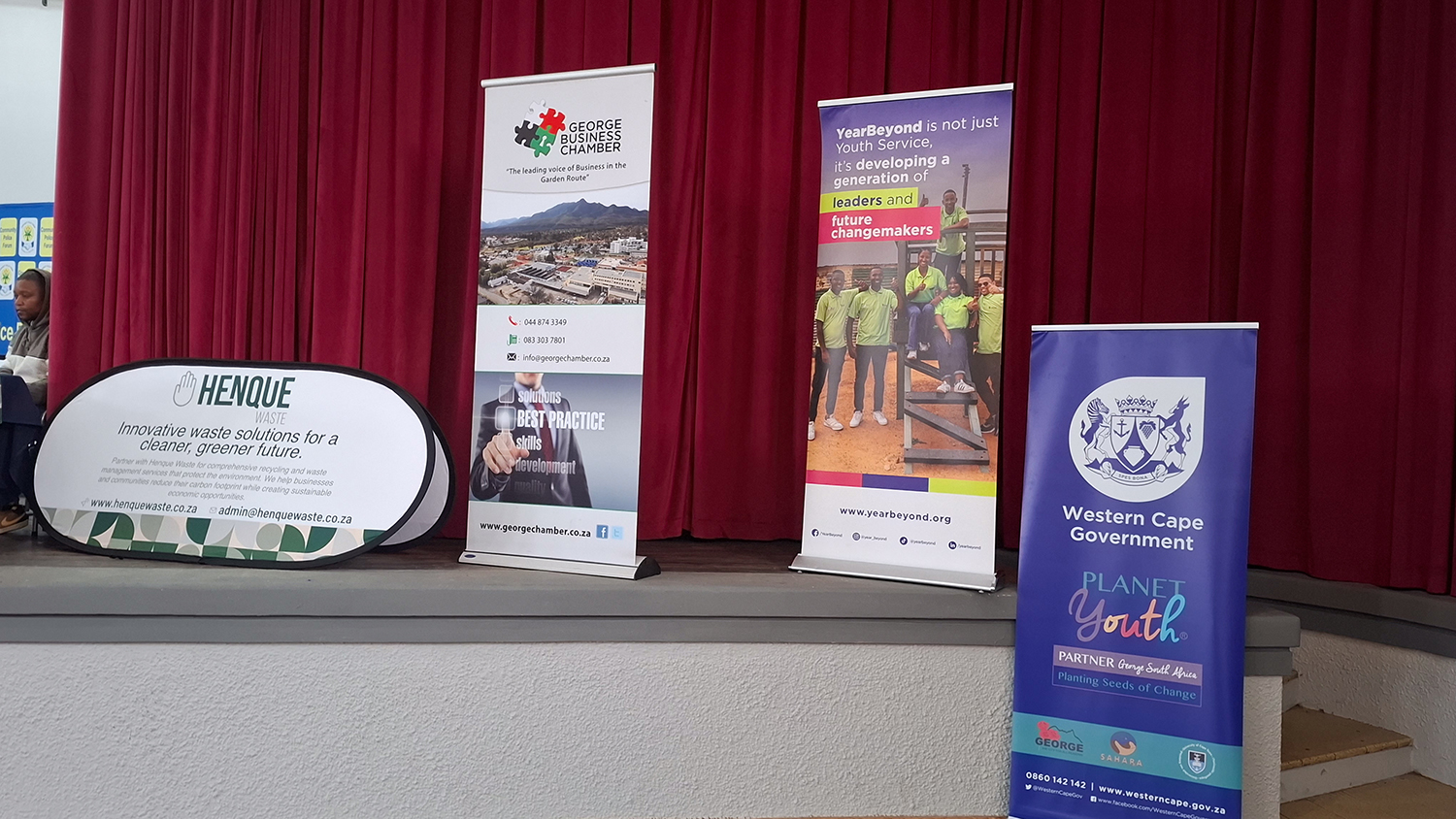
Judy Westraad, Chairperson of the George Business Chamber, described young people as the future and encouraged adults to support and mentor them so they can one day become successful business owners and leaders. She also unpacked the meaning behind the George Business Chamber’s logo, explaining that its puzzle pieces symbolising how every individual forms part of a greater whole. She further explained  that when everyone plays their part, whether by keeping the environment clean, avoiding littering, or contributing positively to the community they live in, they collectively make a meaningful difference.

A passionate vote of thanks was delivered by SAPS Officer Slinger, who expressed her appreciation to all stakeholders present, with special recognition given to the teachers for their dedication in preparing and supporting the learners. She commended their efforts in ensuring that the learners were ready, focused, and engaged despite the demands of the ongoing examinations.

In closure, Slinger appealed to George Municipal Law Enforcement, local spaza shop owners, and community members present to assist in combating illegal dumping in the community. She encouraged all those present, including the learners, to take a stand, raise their voices, and act as ambassadors by educating others on the importance of cleaner communities and reducing illegal dumping sites. “Otherwise, the future won’t see what we see today,” she said.

-END-


Progress Update 3 on the GRDM Regional Waste Management Facility Construction

Progress Update on the GRDM Regional Waste Management Facility Construction

Update 3:

24 June 2026

Construction activities continue to proceed steadily, with several key components of the project showing significant progress.

Current developments include:

  • The construction of the facility’s concrete roads is underway; this is a critical item for access to commence with disposal.
  • The lining of Cell 1A is continuing as planned.
  • The installation of the permanent perimeter fencing is nearing completion, enhancing security and access control at the facility.
  • Construction works on the leachate and contaminated water dams are ongoing. These structures are essential for the safe collection, storage and management of contaminated water generated at the site.
  • The office block is progressing well and is beginning to take shape as the future administrative hub of the facility.
  • Work on the ablution facilities, the guardhouse, workshop and weighbridge office is also continuing to ensure the necessary support infrastructure is in place for operational requirements.

END

25 May 2026 Progress Update 2 on the GRDM Regional Waste Management Facility Construction

Progress Update 2 on the GRDM Regional Waste Management Facility Construction

25 May 2026

Construction full steam ahead.

The contractor, Civils 2000, appointed for the construction of Phase 1 of the Regional Waste Management Facility, is progressing well. The recent severe weather conditions raised concerns about potential damage and delays; however, the contractor had put measures in place to minimise any impact. No serious damage was reported, and the contractor remains on track with the construction programme despite the adverse conditions.

Construction is approximately 33% complete, and the completion date remains set for 24 February 2027.

Ends

22 April 2026 Media Release: Planet vs. Plastics: Protecting the Garden Route’s Natural Systems and Biodiversity – Theme: “Planet vs. Plastics”

Media Release: Planet vs. Plastics: Protecting the Garden Route’s Natural Systems and Biodiversity – Theme: “Planet vs. Plastics”

22 April 2026

Globally, more than 400 million tonnes of plastic are produced each year, with an estimated 11 million tonnes entering the ocean annually threatening marine life, ecosystems, and biodiversity worldwide. As the world commemorates Earth Day on 22 April 2026, under the theme “Planet vs. Plastics”, this global crisis hits close to home in the Garden Route, where plastic pollution endangers sea turtles, marine birds, estuaries and the rich biodiversity that defines our coastline.

According to Dr Nina Viljoen, GRDM Head: Environmental Management, “plastic is the polar opposite of organic materials, it does not disappear, it accumulates”.

“The Garden Route District’s beaches, lagoons and indigenous fynbos are more than scenic landscapes; they are critical habitats that support the interconnected web of life. Plastic pollution, however, places these natural systems at risk,” said Viljoen.

Impacts on Biodiversity and Ecosystems

The effects of discarded plastics on wildlife in the Garden Route District are both direct and severe. Discarded fishing lines are major causes of death for seabirds and marine mammals, as it creates strong, non-biodegradable, near-invisible traps that remain in the environment for hundreds of years.

“Coastal birds such as gannets, terns, and gulls become entangled in discarded line and plastic fragments while feeding or nesting, reducing their breeding success and survival rates.”

Dr Viljoen says sea turtles often digest plastic bags, mistaking them for jellyfish, which leads to internal injury, starvation, and death. “Microplastics accumulate in estuaries such as Knysna, Wilderness and Swartvlei, disrupting the food chain that supports fish, crabs, mussels and the many species that depend on them”.

The Environmental Impact of Plastics

Plastics persists in the environment for decades, breaking down into smaller fragments that spread through coastal waters, estuaries and soil. In the Garden Route District, this results in direct harm to wildlife and long-term pressure on the natural systems that sustain biodiversity. Plastic accumulates in habitats where turtles’ nest, birds feed, and fish spawn.

Lightweight fragments are carried by wind and tides into remote stretches of coastline and fynbos, while microplastics settle in sediment, where they persist for generations.

Water Quality and Human Health Concerns

As plastics spread in rivers and estuaries, they enter the food web through filter feeders such as mussels and oysters, moving upwards through species that rely on these organisms.

Toxic additives from plastics also leach into waterways, affecting aquatic life and weakening the resilience of estuarine habitats that are already under pressure.

This contamination of water and food webs raises broader concerns for ecosystem and human health. When microplastics and associated chemical pollutants build up in fish and shellfish, such as mussels and oysters harvested along the Garden Route District’s coast, they enter the human food chain.

“Studies have linked these pollutants to hormone disruption and inflammation in wildlife, signalling a risk to the natural resources that communities depend on for food and livelihoods,” said Dr Viljoen.

These impacts extend beyond individual animals to entire ecological communities. As key species decline or change their behaviour, the balance of estuarine and coastal ecosystems is altered. Predator-prey relationships are disrupted, breeding grounds become less viable, and the resilience of habitats such as tidal flats and seagrass beds – which act as nurseries for marine life – is reduced. The loss is not only of species, but of the ecological functions that keep the Garden Route District’s natural systems healthy.

Looking Ahead

Earth Day 2026 serves as a reminder that the fight against plastic pollution is about protecting ecosystems, safeguarding the water resources that wildlife depends on, and preserving the biodiversity that makes the Garden Route District unique. The health of the Garden Route District’s environment is directly linked to the well-being of its communities. By reducing plastic pollution, we protect not only nature, but our shared future.

Join a clean-up event by contacting the GRDM Waste Management Section:

Ms Innocentia Sikweyiya, District Waste Management Officer
Email: Innocentia@edendm.co.za
Tel: +27 (0)44 693 0006

-END-

21 April 2026 Media Release:  Progress Update on the GRDM Regional Waste Management Facility Construction

Media Release:  Progress Update on the GRDM Regional Waste Management Facility Construction

Update 1

21 April 2026

After the termination of the contract with the previous contractor on 05 March 2025 due to poor performance, GRDM re-advertised a new tender (Tender No. GRDM/27/24/-25) for the construction of Phase 1 of the facility. Civils 2000 (Pty) Ltd was subsequently appointed at a contract value of R109 million.

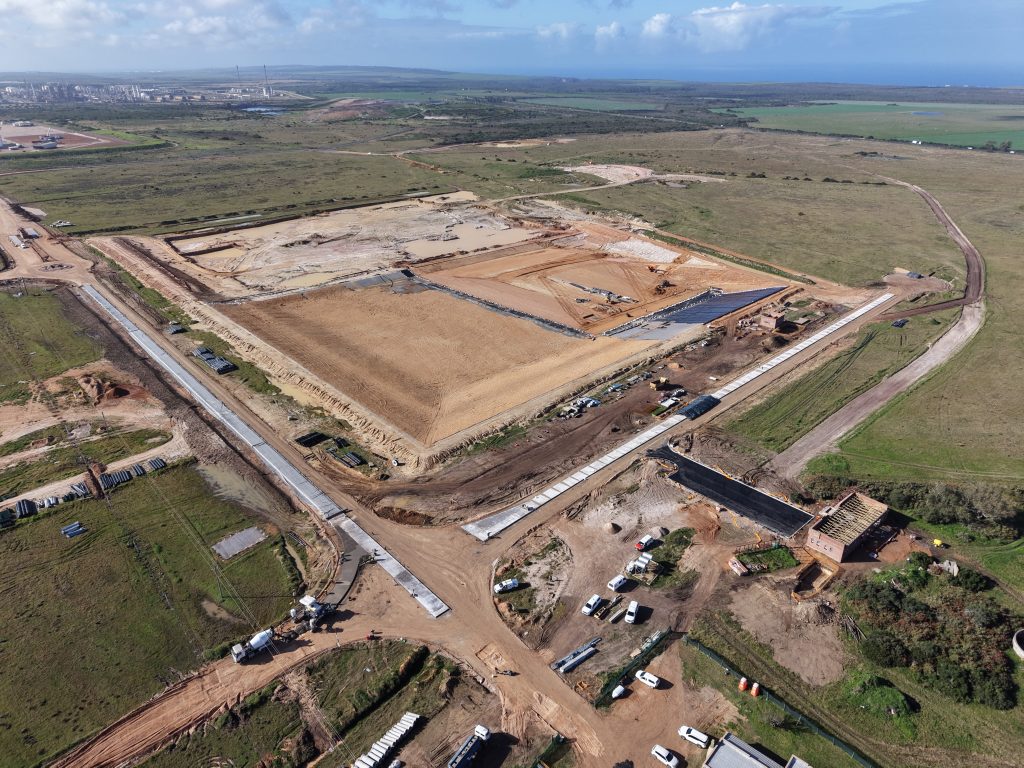
The project site was officially handed over to Civils 2000 on 11 February 2026, with site establishment commencing on 16 February 2026. Construction is currently in full swing, with the contractor progressing according to the pre-approved programme. The anticipated completion date for Phase 1 is 24 February 2027. Upon completion, GRDM will be required to obtain the necessary approvals from licensing authorities before waste disposal operations can commence.

Phase 1 focuses on the development of the minimum required infrastructure to enable the commencement of waste disposal. In the interim, the Department of Forestry, Fisheries and the Environment has approved a further height extension of the PetroSA landfill site, allowing for continued waste disposal while construction is underway.

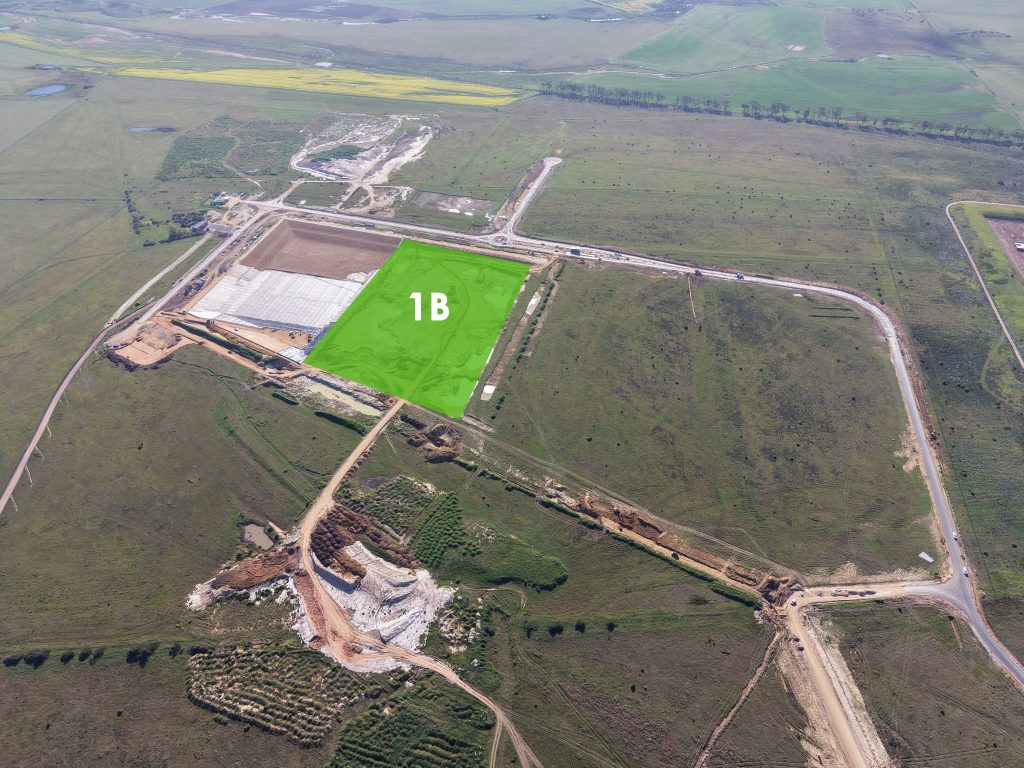
Phase 2 of the project will be advertised on tender at a later stage and will include the appointment of new consulting engineers and a contractor for the construction of Cell 1B (domestic waste cell). The construction of a hazardous waste cell and associated infrastructure is also still considered to be part of Phase 2 of the project.

GRDM has noted a significant increase in waste disposal volumes generated by participating municipalities. Given the high costs associated with developing landfill sites, residents are encouraged to actively reduce waste by participating in local municipalities source separation and recycling programmes.

A monthly update will be provided about the progress of the project to ensure that the media and residents remain updated about milestones achieved.

Featured Image and above: Activities currently underway at the Regional Landfill Waste Management Facility.

Ends

23 March 2026 Media Release: Garden Route District Municipality Celebrates Global Recycling Day with Young Innovators

Media Release: Garden Route District Municipality Celebrates Global Recycling Day with Young Innovators

23 March 2026

The Garden Route District Municipality (GRDM), in collaboration with Mossel Bay Local Municipality, celebrated Global Recycling Day on 18 March 2026 at Herbertsdale Primary School, embracing the theme “Don’t Waste, Think Opportunity.”

This celebration brought creativity and environmental awareness together as learners participated in a unique activity where they designed garments using recyclable materials. Others transformed waste into imaginative fashion statements, demonstrating that recycling can be both innovative and inspiring.

In a show of inclusivity and encouragement, every learner was recognised as a winner, while the top five participants were highlighted for their exceptional creativity and innovative use of recyclable materials. This approach not only celebrated excellence but also motivated broader participation among learners.

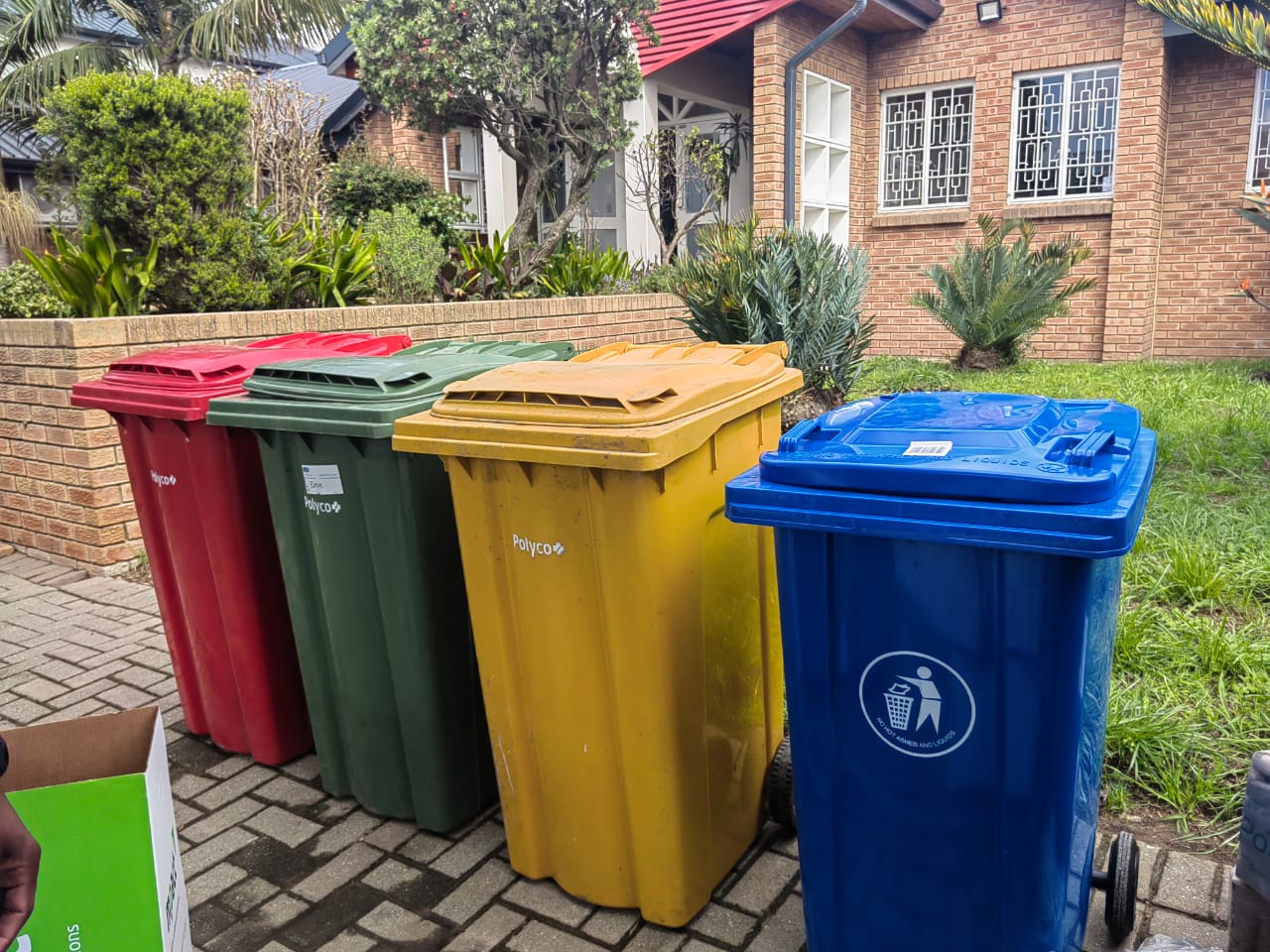
The initiative successfully linked recycling to real-world creativity, spreading the message that waste can be transformed into opportunity. To ensure the sustainability of these lessons, the school was also equipped with four colour-coded recycling bins, promoting proper waste separation as part of daily school activities.

Highlights of activities from the Global Recycling Day celebration held on 20 March 2026 at Herbertsdale Primary School.

GRDM further acknowledged the valuable support of its partners, including POLYCO, Aquelle, and the Department of Environmental Affairs and Development Planning. Their collaboration played a key role in making the event impactful and sustainable.

This initiative forms part of GRDM’s ongoing commitment to environmental education and community awareness, empowering young people to adopt responsible waste management practices and to see opportunity in what is often discarded.

-END-
04 March 2026 Media Release: GRDM Engages Schools and Communities in Fight Against Waste and Illegal Dumping

Media Release: GRDM Engages Schools and Communities in Fight Against Waste and Illegal Dumping

04 March 2026

During February, the Garden Route District Municipality (GRDM) Waste Management Section continued rolling out its Green School Program by introducing a new colour-coded bin system at participating schools across the district.

The programme aims to strengthen waste minimisation education and encourage environmental awareness among learners. After all, waste minimisation starts with awareness and action. By equipping schools with the right tools and knowledge to manage waste responsibly, we are empowering learners to become champions of sustainability in their own households and communities.

On 12 February, GRDM, in collaboration with the Bitou Municipality, visited two schools in the Bitou Municipal area to introduce the program. The following day, on 13 February, GRDM collaborated with Landmark to hand over 85 recycling boxes to Outeniqua High School.  These boxes will enable learners to separate waste directly in their classrooms, making recycling part of their daily routine.

The following week, on 18 February, the GRDM Waste Management Section, in collaboration with the Gouritz Cluster Biosphere Reserve, extended the programme to three schools in the Hessequa Municipal area, reaching more than 700 learners.

Learners were taught how to separate waste correctly, followed by interactive Q&A sessions to test their understanding. They also practised identifying the correct waste streams for each colour-coded bin, reinforcing the importance of responsible waste management in a practical and engaging way.

“GRDM would like to acknowledge POLYCO, MPACT, and the Department of Environmental Affairs and Development Planning (Western Cape Government) for partnering with us to ensure the success of this programme. The Green School Program is a GRDM-led initiative that promotes sustainability through practical education, hands-on activities, and partnerships. The programme focuses on waste minimisation and recycling and equips learners with the skills and values needed to make eco-conscious choices,” said Innocentia Sikweyiya, GRDM District Waste Management Officer.

In Hessequa, GRDM collaborates with the Gouritz Cluster Biosphere Reserve (GCBR), a non-governmental organisation focused on biodiversity conservation, sustainable development, and community engagement. In the George area, GRDM works in partnership with Landmark to support the implementation of the programme. Through these partnerships, the initiative introduces clearly marked bins for paper, plastic, metal/cans, and glass, making it easier for learners and staff to practise responsible waste separation

Illegal Dumping Silent Walk / March

On Friday, 27 February, the George Local Municipality hosted a Silent March Against Illegal Dumping in Thembalethu. Though the march was silent, the collective message was loud and clear: illegal dumping has no place in our communities.

Led by the Executive Mayor of George and the Portfolio Head for Community Services, participants carried placards with powerful messages urging an end to illegal waste disposal. The march symbolized unity and determination to protect the environment and promote cleaner, healthier neighbourhoods.

The event concluded with closing remarks from the Garden Route District Municipality Waste Management Section (GRDM), highlighting the importance of collaboration between local government and communities in reclaiming our dignity and ensuring the right to live in a clean and healthy environment.

“Together, participants stood in silence, but their voices spoke volumes. Illegal dumping is unacceptable, and the commitment to building a cleaner, safer Thembalethu for all remains strong,” said Sikweyiya

-END-
Photos capturing some of the school visits and activities conducted across the district during February.

18 February 2026 Media Release: Green School Program Expands with Colour-Coded Bin System to Drive Waste Minimisation Awareness

Media Release: Green School Program Expands with Colour-Coded Bin System to Drive Waste Minimisation Awareness

18 February 2026

The Garden Route District Municipality (GRDM) continues to advance its Green School Program with the rollout of a new colour-coded bin system across participating schools. This initiative is designed to strengthen waste minimisation education and promote environmental awareness among learners.

“Waste minimisation begins with awareness and action. Equipping schools with the tools and knowledge to manage waste responsibly, we are empowering learners to become champions of sustainability in their communities,” said Innocentia Sikweyiya, GRDM District Waste Management Officer.

On 12 February, GRDM visited two schools in the Bitou municipal area to introduce the program. The following day, GRDM collaborated with Landmark to hand over 85 recycling boxes to Outeniqua High School, enabling learners to separate waste in their classrooms.

The initiative introduces clearly marked bins for paper, plastic, metal/cans and glass, making it easier for students and staff to practice responsible waste separation.

Today, 18 February, GRDM, in collaboration with the Gouritz Cluster Biosphere Reserve, will extend the programme to three schools in the Hessequa municipal area, reaching more than 700 learners. Learners will be taught how to separate waste correctly, followed by interactive Q&A sessions to assess their understanding. They will also practise identifying the correct waste streams for each colour-coded bin, reinforcing the importance of responsible waste management.

“We would like to acknowledge POLYCO, MPACT, and the Department of Environmental Affairs and Development Planning (Western Cape Government) for partnering with us to ensure the success of this programme,” Sikweyiya said.

The Green School Program is a GRDM led initiative that promotes sustainability through practical education, hands-on activities, and  partnerships. By focusing on waste minimisation and recycling, the program equips learners with the skills and values needed to make eco-conscious choices.

-END