Skip to content Skip to left sidebar Skip to footer

Local Government News

23 November 2026 Media Release: Garden Route Firefighters ready for the 2026/2027 December to March Fire Season

Garden Route Firefighters ready for the 2026/2027 December to March Fire Season

For immediate release
23 November 2026

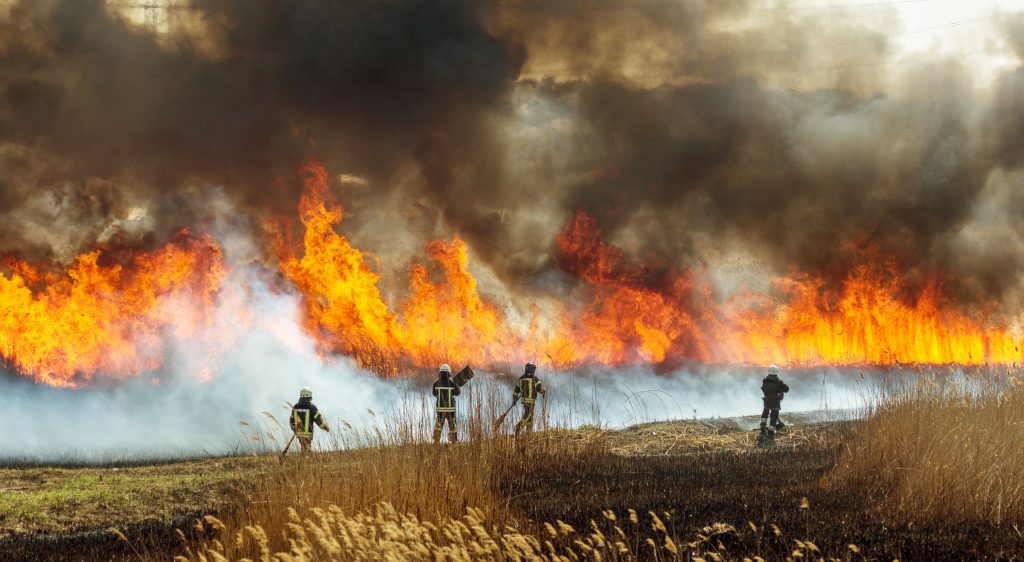
The Chief Fire Officer of the Garden Route District Municipality’s (GRDM) Fire and Rescue Services, Deon Stoffels, confirmed the GRDM’s readiness for the 2026/2027 Fire Season. The period from December to March is generally associated with an increased risk of wild- and other fires due to the rising temperatures and dry weather conditions. In preparation for these predicted conditions and the high-risk season, the GRDM enhanced its firefighting capacity to help safeguard communities and assets across the district.

“The team of 52 firefighters covering fire stations across areas of Hessequa, Mossel Bay, George, Knysna, Bitou, Oudtshoorn and Kannaland, will be equipped with 4 fire trucks with capacities ranging from 2500 to 6000 fire trucks, 4 Skid Units, a command bakkie, 2 crew buses, a quad bike and a thermal imaging drone” said Stoffels. Fire Stations in Still Bay,  Mossel Bay and George will furthermore be equipped with 2 ad-hoc aerial firefighting resources (Still Bay and George), a Provincial helicopter on standby (Mossel Bay), as well as 2 aerial resources for George, provided by the Department of Forestry, Fisheries and the Environment (DFFE).

When referring to additional human resources and assistance, Stoffels further confirmed that Working-on-Fire teams will be based at the Riversdale Fire Station, with an additional team of ten members that is ready to be placed across the district. A new addition to the resources for this year also includes one specialist Provincial Type 1 Wildland Interagency Ground Team, “however it must still be determined where they will be based – George or Mossel Bay” Stoffels said.

Additionally, Stoffels highlighted that fire breaks around communities in the Garden Route have been maintained.

Stakeholder relations play a significant role in effective strategic arrangements in terms of ensuring the overall safety of communities. For this reason, an Integrated Fire Management Arrangement is in place for Large-Scale Rapid Initial Attacks. Organisations forming part of this arrangement include the South African National Parks (SANParks, MTO Forestry, PG Bison Forestry, Cold Stream Timbers, Working on Fire / TEFLA, CapeNature, the Southern Cape Fire Protection Association, as well as Local Municipalities in the district. Other mutual aid agreements further include agreements with District and Local Municipalities, a Memorandum of Agreement with PetroSA, as well as Metro and Districts’ Mutual Aid Agreement.

To ensure the best possible service and safety of the residents of the district, the District’s Incident Command System will be activated in the event of escalating fires.

While all these resources are in place, the GRDM Fire and Rescue Service continues to rely on the community to also take ownership of their safety by reporting any fire related incidents to the Garden Route Disaster Management Centre (24/7) at 044-805 5071 or via Whatsapp to 081 709 5193.

ENDS
23 November 2026 Media Release: Summer Heat Raises Alarm Bells Across the Garden Route

Media Release:Summer Heat Raises Alarm Bells Across the Garden Route

For Immediate Release
23 November 2026

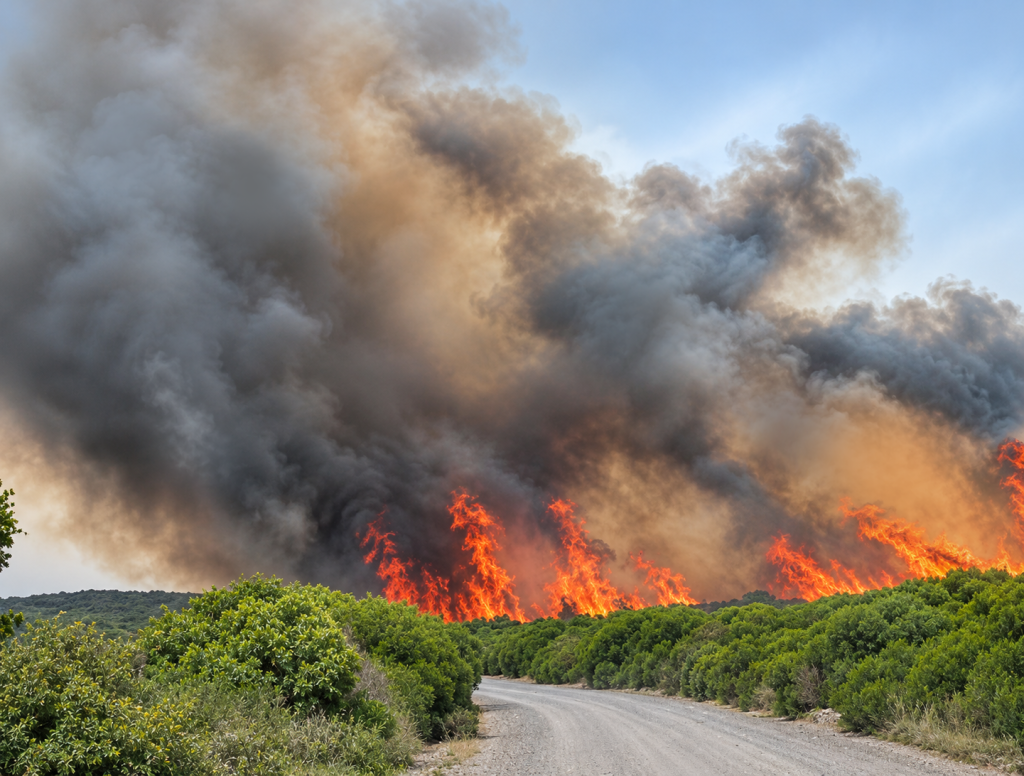
The Garden Route could be facing a summer of heightened wildfire danger, rising temperatures and growing water shortages, raising serious concerns about the region’s preparedness for increasingly extreme weather conditions.

With 2027 marking the tenth anniversary of the devastating Knysna fires, which claimed lives and caused billions of rand in property damage, the warning is particularly significant.

“Hardly into what is predicted to be a summer of extremes, out-of-control wildfires are already threatening lives, property and the natural environment along the Garden Route,” says Cobus Meiring of the Garden Route Environmental Forum (GREF).

Weather forecasts pointing to the possibility of a strong El Niño developing during 2026–2027 have raised concerns about hotter and potentially drier conditions in parts of South Africa. The Southern Cape and Garden Route could face increased pressure on already limited water resources if below-average rainfall and high temperatures persist.

Water restrictions are in place in several towns, while population growth and development continue to increase demand. Although the Garden Route is generally regarded as a high-rainfall region, its short river systems, geography and proximity to the coast limit opportunities for building large dams. Groundwater extraction must also be carefully managed, while desalination remains an expensive alternative.

Another major concern is wildfire risk. High temperatures, heatwaves, strong winds and prolonged dry spells can rapidly dry out vegetation. Dense infestations of invasive alien plants add to the problem by increasing the amount of combustible material across the landscape.

Meiring urges residents to use water responsibly, maintain firebreaks, clear properties of invasive alien vegetation and exercise extreme caution when making fires.

“The lessons of Knysna must never be forgotten. Prevention, preparedness and community cooperation are essential to protecting lives, livelihoods and the Garden Route’s natural heritage.”

The Garden Route Environmental Forum (GREF) is a public platform for environmental managers and serves as a climate change think tank. Visit grefecsf.co.za for more information.

ENDS

20 November 2026 Media Release: GRDM and Health Department Strengthen Ulwaluko Readiness Through Community Awareness Campaigns

GRDM and Health Department Strengthen Ulwaluko Readiness Through Community Awareness Campaigns

20 November 2026

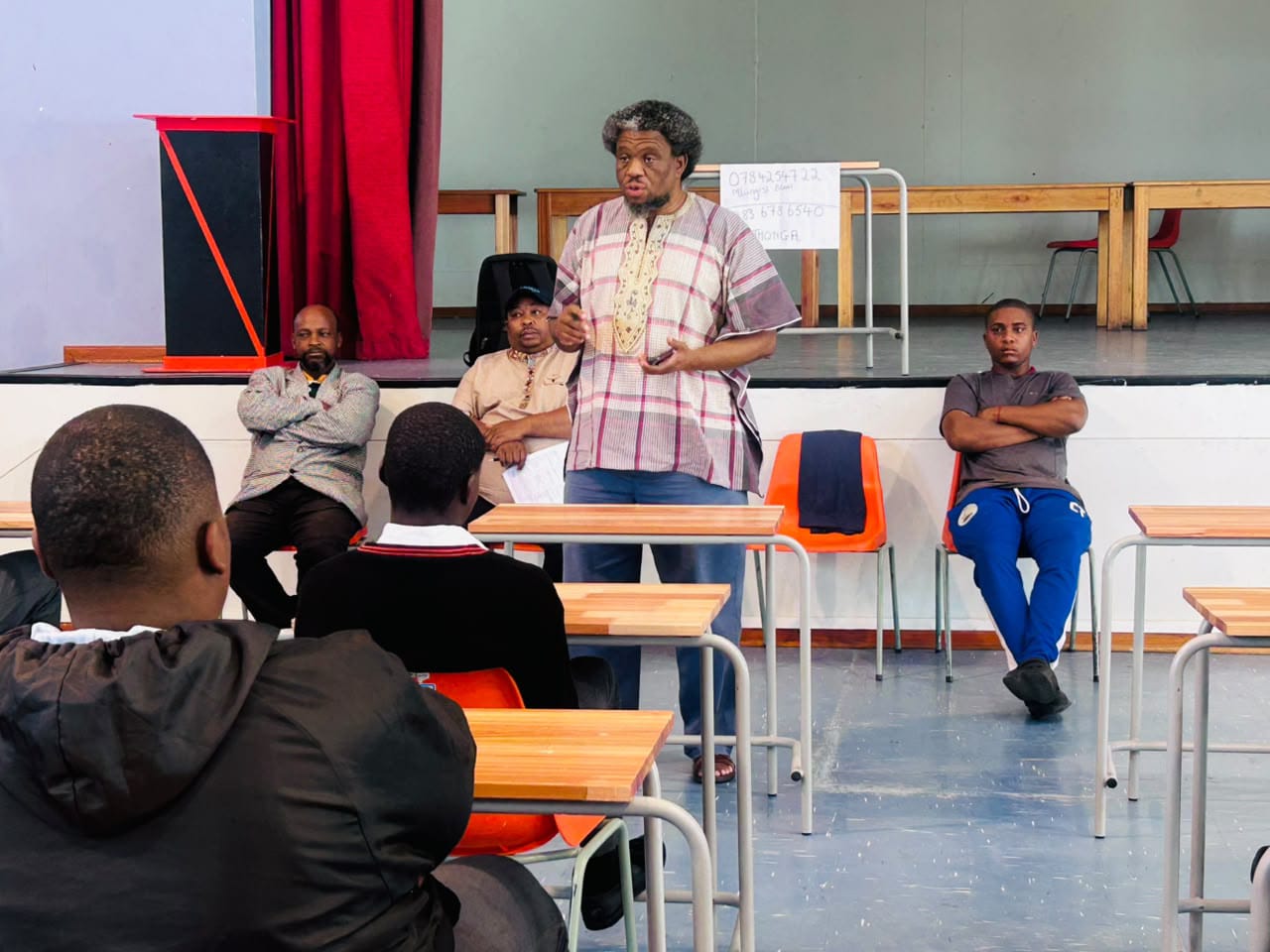
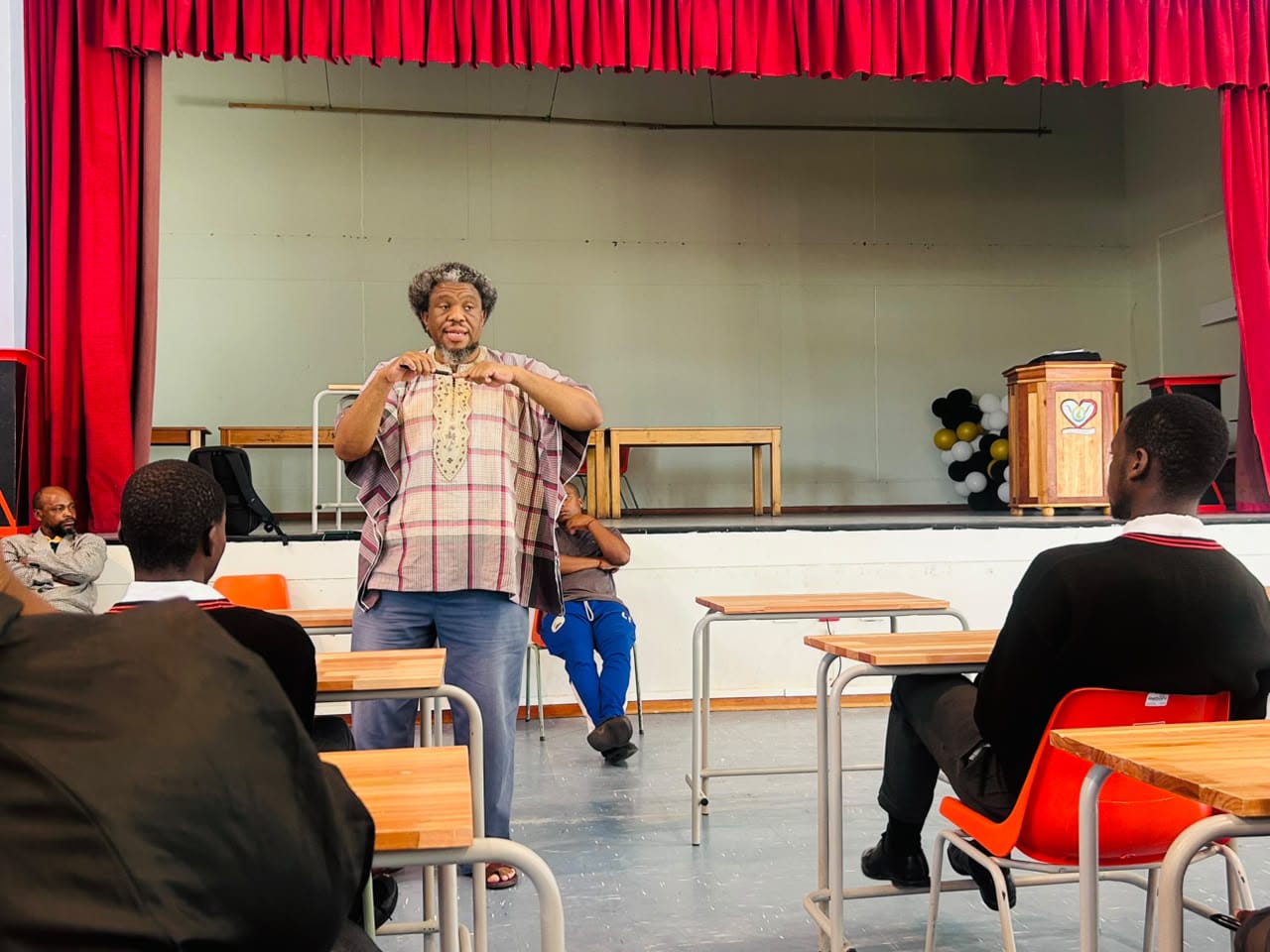
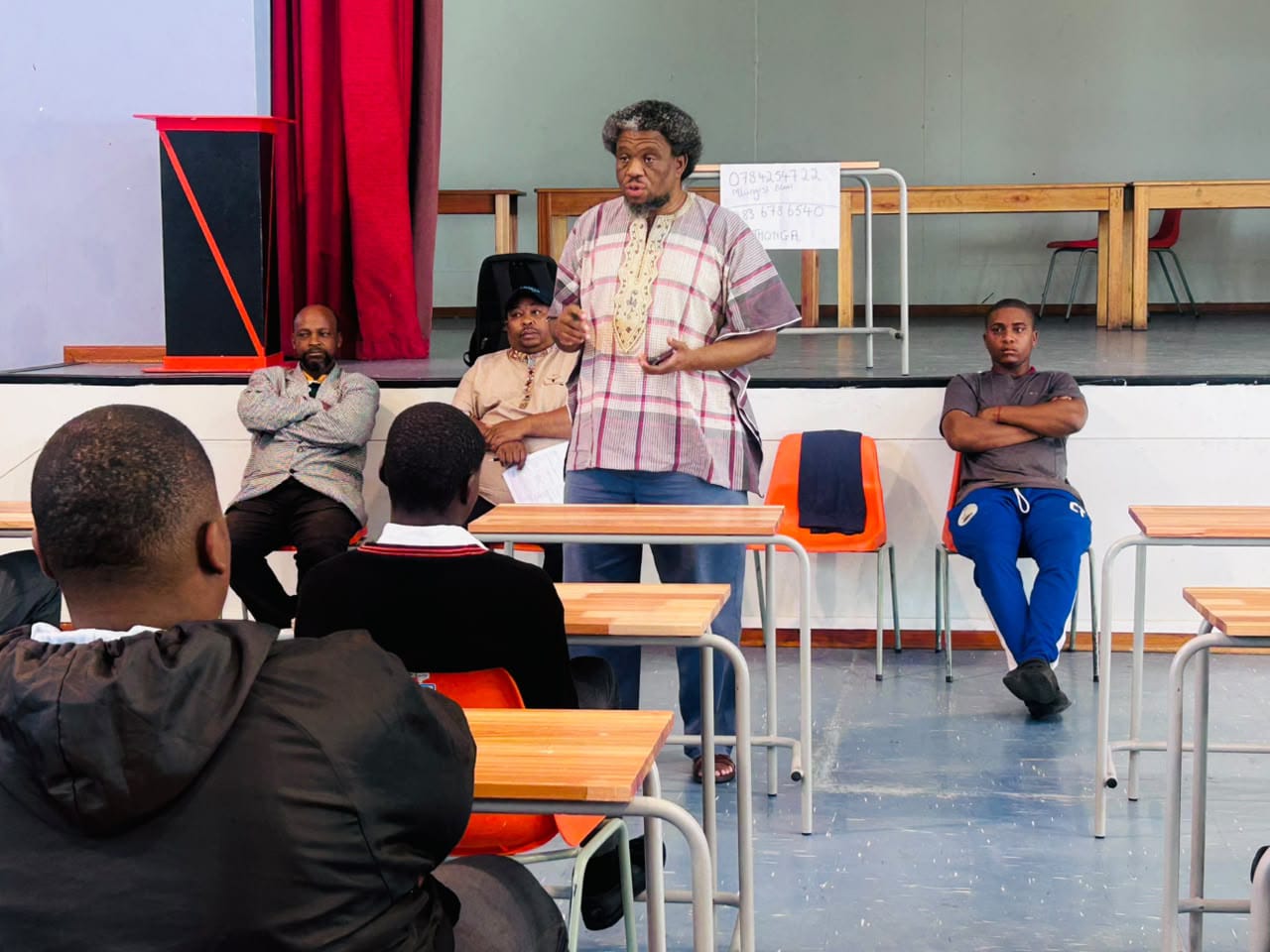
The Garden Route District Municipality (GRDM), in collaboration with the Western Cape Department of Health and various local stakeholders, have conducted a series of awareness campaigns in Knysna, Sedgefield and Plettenberg Bay to promote the health, safety and well-being of boys preparing to undergo traditional initiation (ulwaluko) during the upcoming summer season.

As part of the readiness programme, representatives from GRDM and the Western Cape Department of Health visited four high schools in Knysna, where 81 boys were reached through educational sessions. The boys were informed about communicable diseases, the importance of abstinence, substance abuse and the harmful effects of drugs and alcohol. Discussions also covered male physiology and the importance of visiting healthcare facilities for medical assessments and advice before entering the initiation season.

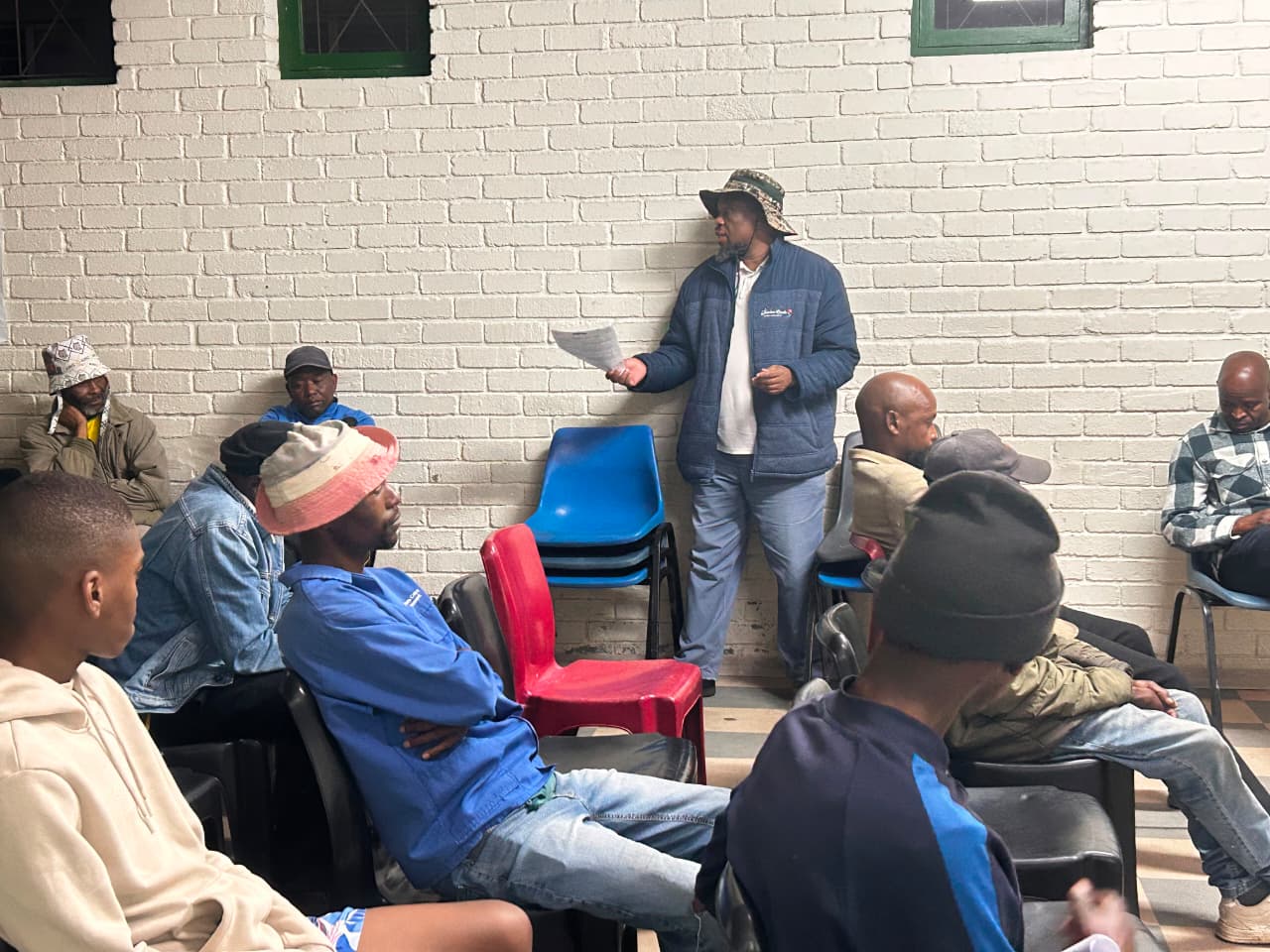
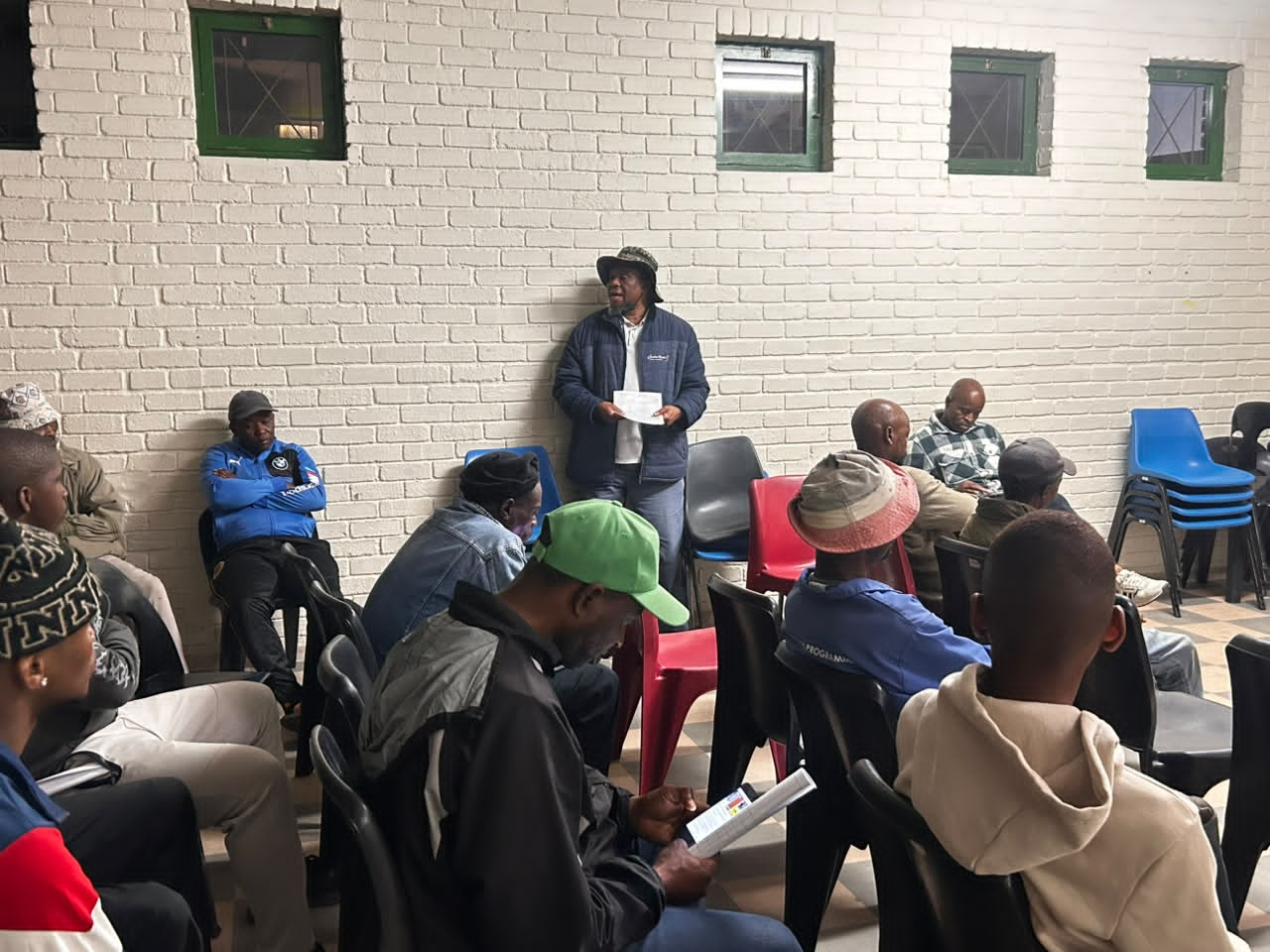
In addition to the school visits, awareness sessions were conducted among various communities in Knysna, Sedgefield and Plettenberg Bay. More than 75 parents whose sons will be attending traditional initiation schools this summer were reached.

Preparing safe and suitable initiation sites

A key focus of the community engagements was educating parents about their responsibilities in ensuring that initiation sites (amabhoma) are safe and properly equipped.

Parents were encouraged to ensure that breathable materials are used when constructing amabhoma, rather than black plastic, commonly known in the region as gumplas, which can contribute to excessive heat and poor ventilation.

With the possibility of extreme weather conditions associated with El Niño, including heatwaves and flooding, parents were urged to make use of registered initiation sites only. Registered sites are important to ensure access to essential services, particularly a reliable water supply, and to facilitate possible evacuations should severe weather conditions occur.

Food, water, sanitation and waste management

The importance of proper food preparation and storage was also highlighted. Parents were advised to ensure that initiates receive nutritious meals three times a day. Given the expected hot weather and the limited availability of refrigeration at initiation sites, food should not be prepared in large quantities and left standing for extended periods, as this could lead to food spoilage and foodborne illnesses.

Parents were further reminded of the importance of:

  • Ensuring that clean, safe drinking water is available every day.
  • Maintaining proper sanitation and hygiene practices at initiation sites.
  • Implementing responsible waste management practices.
  • Taking appropriate precautions to prevent and minimise the risk of veld and wildfires.

Addressing alcohol and substance abuse

Another important issue raised during the engagements was the use of alcohol by boys before, during and after initiation. Communities were encouraged to recognise underage drinking and substance abuse as serious social challenges that require collective action.

Parents were also urged to reconsider the practice of imiguyo – celebrations held before boys leave for initiation. Concerns were raised about criminal elements and alcohol abuse associated with some of these gatherings. Communities were encouraged to discourage practices that could expose boys and other community members to unnecessary risks.

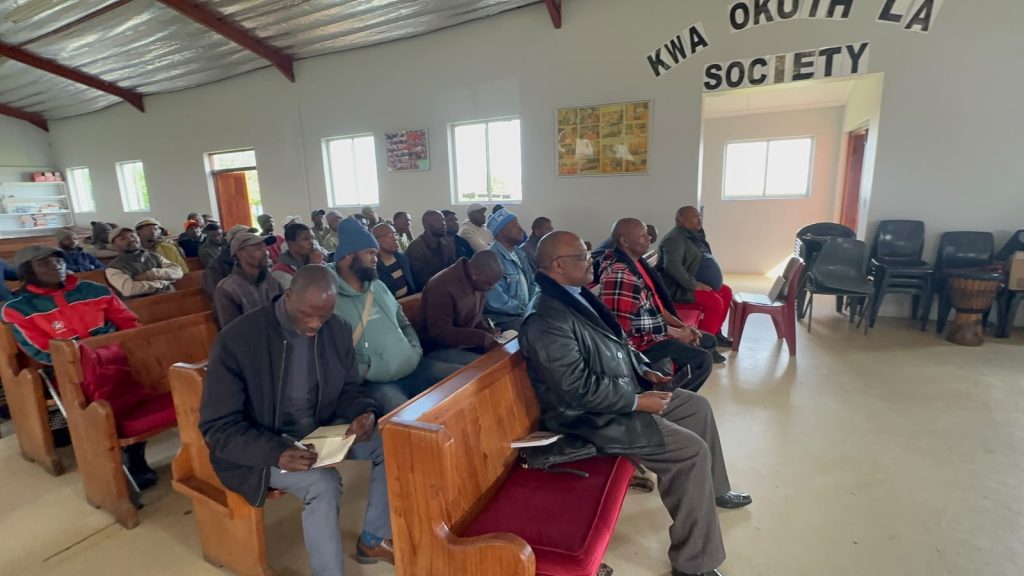
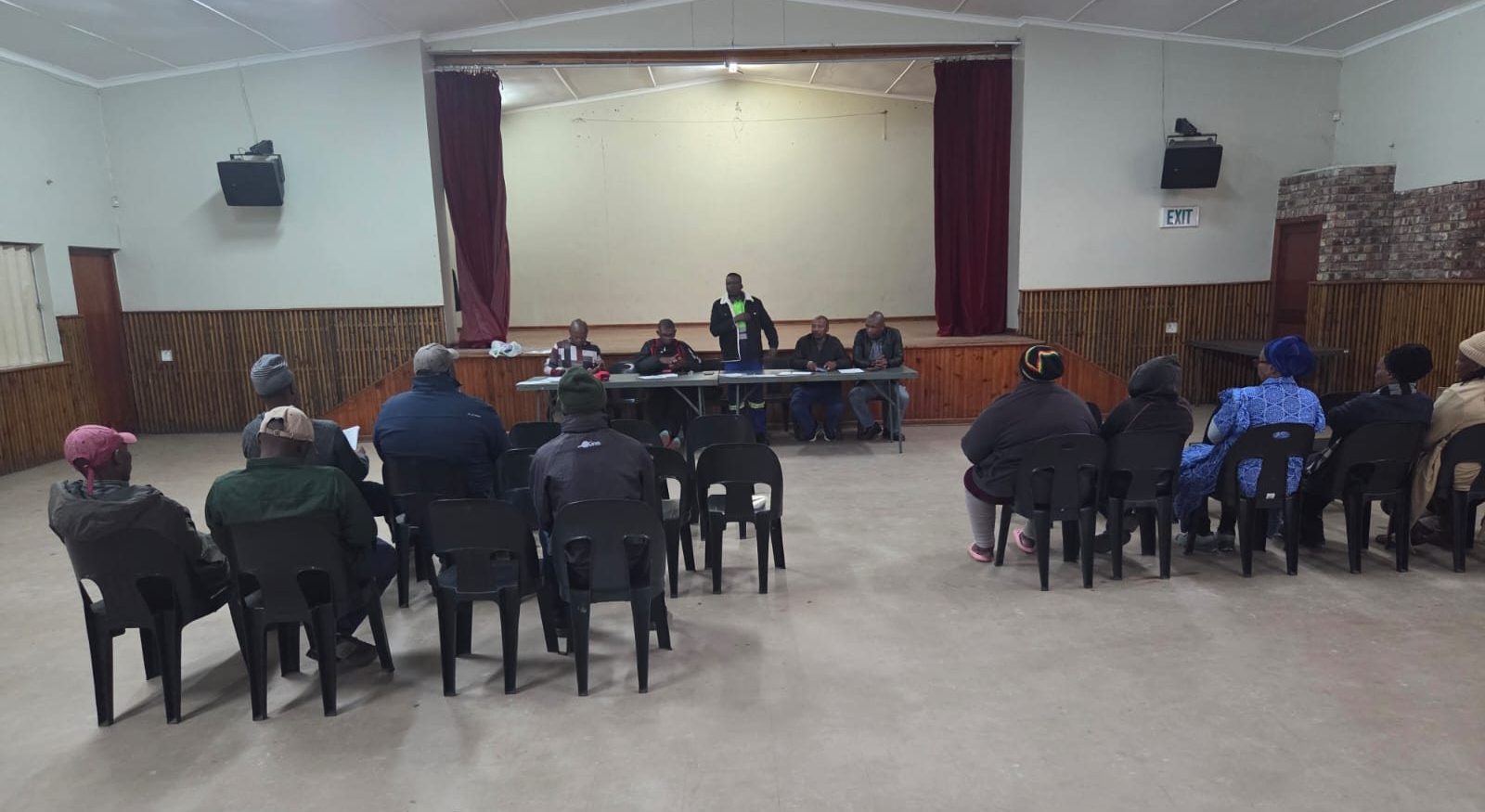
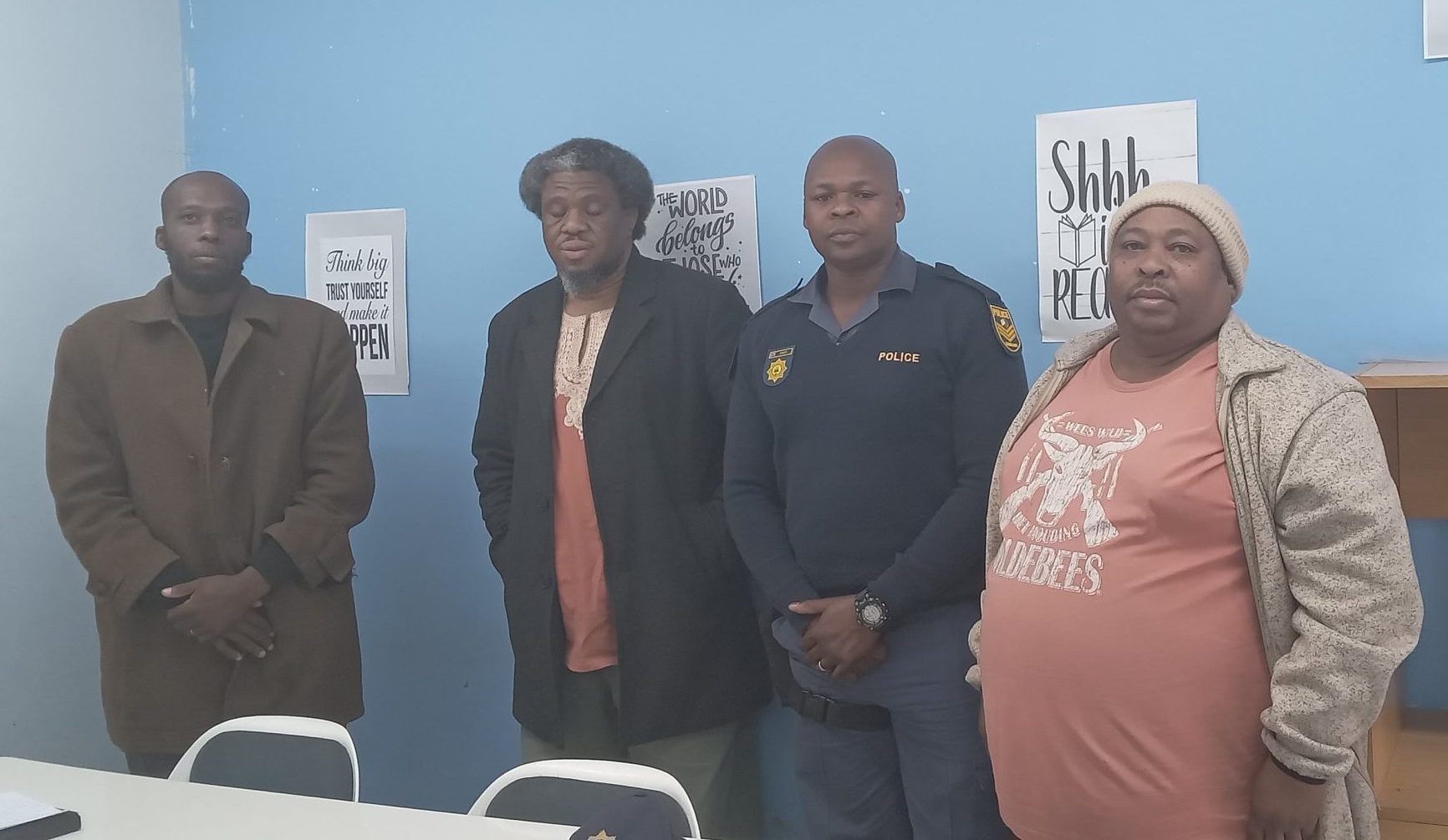
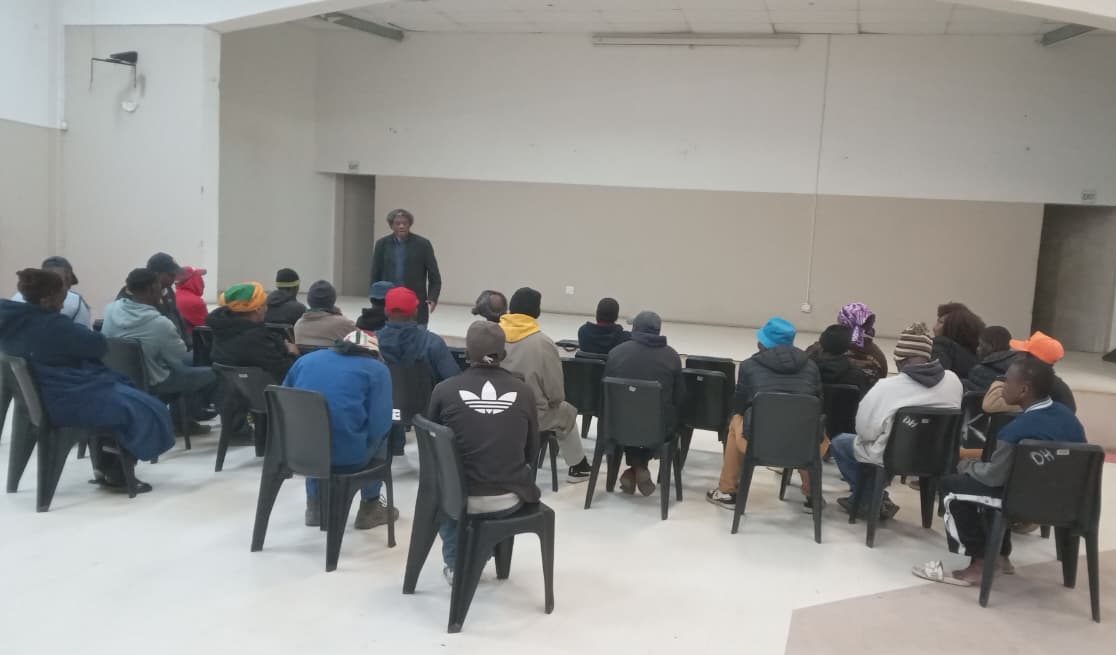
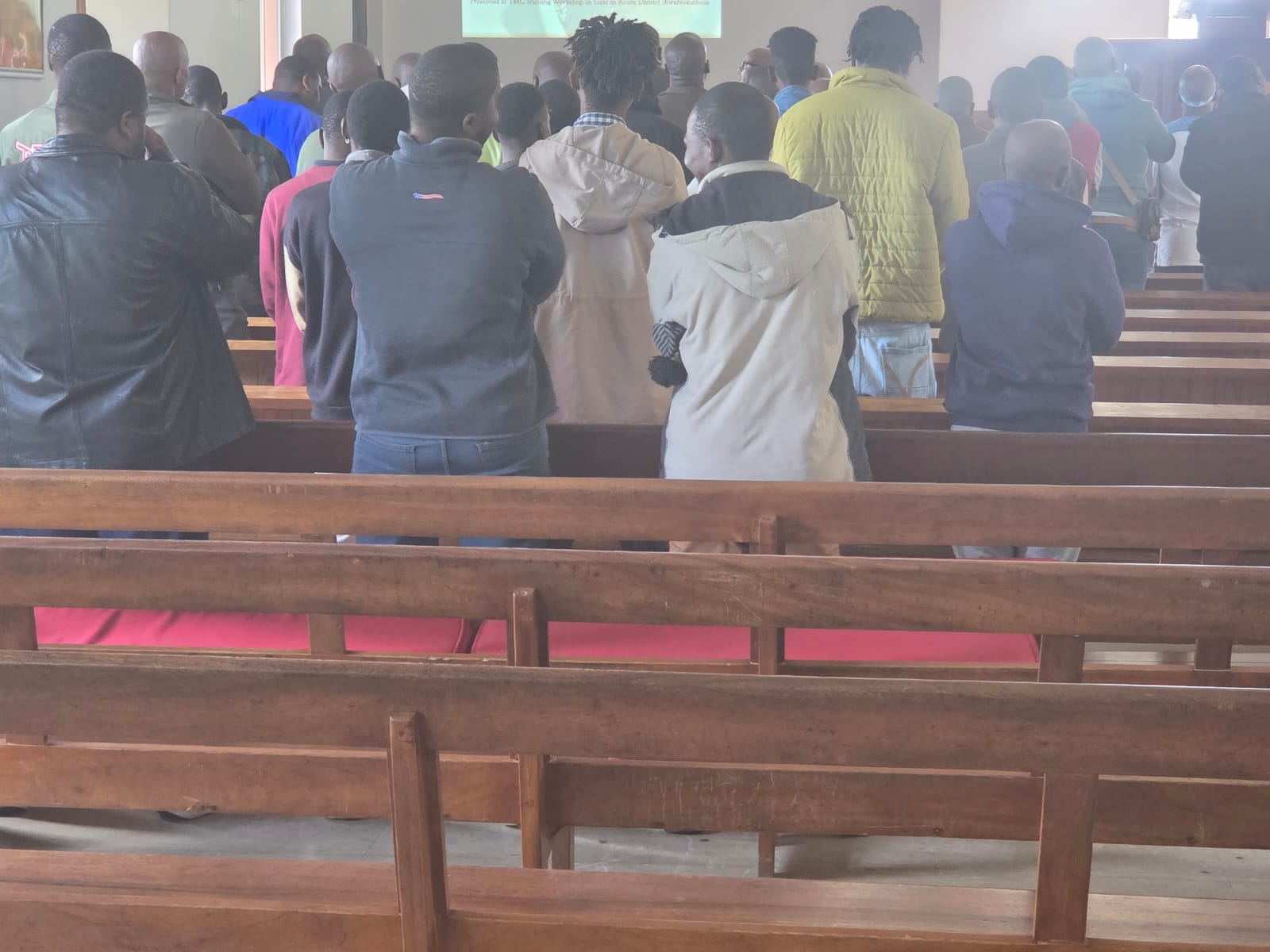
The various stakeholders, representatives and role-players who participated in the events.

A shared responsibility

Ulwaluko is an ongoing educational journey that extends beyond the traditional initiation school and continues when initiates return to their communities. It is ultimately about nurturing responsible, law-abiding citizens who will become respectful members of society and loving fathers of future generations.

GRDM and its partners appeal to parents, families and communities to continue supporting this important cultural practice by prioritising the health, safety and dignity of every initiate.

The municipality extends its sincere appreciation to all stakeholders who contributed to the awareness campaigns, including the Knysna Ulwaluko Forum, the South African Police Service (SAPS), the Western Cape Department of Health, Knysna Municipality, faith-based organisations, amakhankatha and iingcibi, as well as the fathers, mothers, uncles, aunts and other community members who participated.

Their collective involvement demonstrates the importance of working together to preserve and uphold the cultural significance of ulwaluko while ensuring that the tradition is practised responsibly and safely.

Together, we wish all initiates, their families and communities a safe and successful initiation season.

-END-

19 November 2026 Media Statement: Seizure and Condemnation of Non-Compliant Prepackaged Sugar at a Business in George’s Industrial Area

Media Statement: Seizure and Condemnation of Non-Compliant Prepackaged Sugar at a Business in George’s Industrial Area

For Immediate Release
19 November 2026

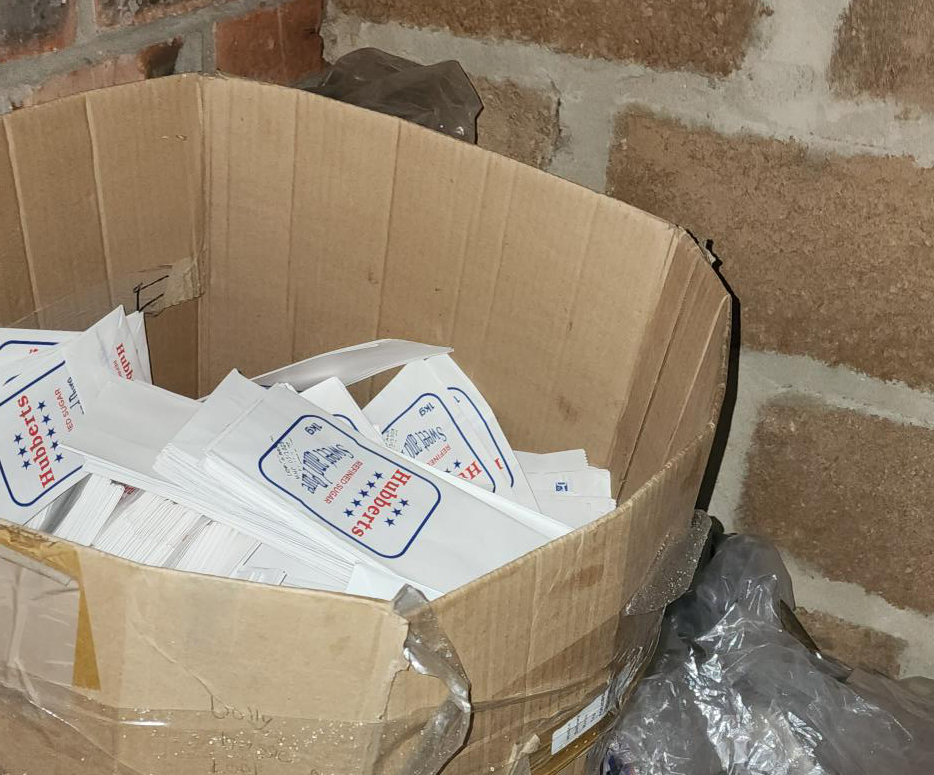
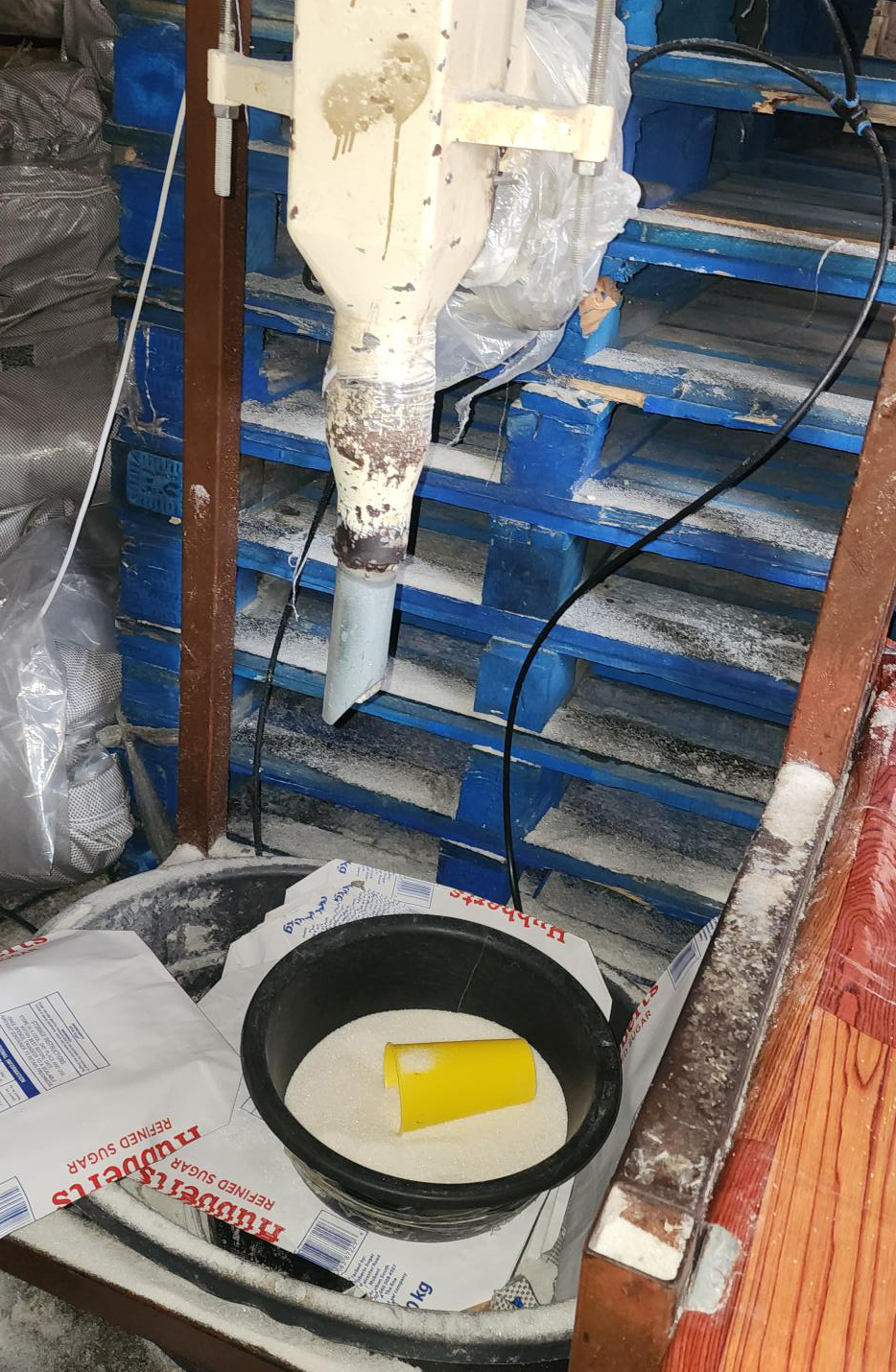
On 18 November 2026, a joint blitz operation was conducted at a wholesale business in George’s Industrial area by Environmental Health Practitioners (EHPs) from the Garden Route District Municipality (GRDM), in collaboration with the South African Police Service (SAPS). During the operation, a substantial quantity of sugar found on the premises was condemned and seized. The inspection further uncovered machinery allegedly used for the repackaging of sugar, as well as storage racks containing empty packaging materials and thousands of packets and containers intended for packaging purposes.

Findings of the Inspection

During the inspection, it was established that sugar had been prepacked into smaller packages on the premises.  The packaging did not bear the true physical address of the premises, which is a requirement of the Regulations relating to the Labelling and Advertising of Foodstuffs. According to Johan Compion, Snr. Manager: Municipal Health, Waste Management and Air Quality, “a package that does not display the correct address of the packer of the food product cannot be regarded as validly labelled, as the omission compromises the traceability of the product”.

He explained that in the event of a food safety incident, the product cannot be traced to its source. “The affected packages were therefore deemed non-compliant and unfit for sale”.

Equipment used to repackage sugar into smaller packages.

Contravention of the Certificate of Acceptability

The premises held a Certificate of Acceptability (COA). However, the certificate authorised “Sales only” and did not authorise processing (“Packaging”). The prepacking of foodstuffs therefore fell outside the scope of the activities for which the premises was certified. This constitutes a contravention of Regulation 638 (R638), the Regulations Governing General Hygiene Requirements for Food Premises, the Transport of Food and Related Matters, promulgated under the Foodstuffs, Cosmetics and Disinfectants Act, 1972 (Act No. 54 of 1972).

Grounds for Condemnation

The sugar was condemned and seized on two grounds:

  1. The premises was not authorised, in terms of its Certificate of Acceptability, to prepack foodstuffs, in contravention of R638.
  2. The labelling of the prepacked product was incorrect and did not comply with the applicable labelling regulations.

These actions underscore the importance of operating strictly within the conditions of a CoA and of ensuring that all prepacked foodstuffs are correctly labelled and traceable. Food business operators are reminded that compliance with R638 is essential to safeguarding public health and protecting consumers. Any operator wishing to prepack foodstuffs must first ensure that its CoA reflects this activity.

To report municipal health-related incidents in the George Municipal Area, contact:

Johan Compion
Snr. Manager: Municipal Health, Waste Management and Air Quality
Cell: 082 803 5161

Emmy Douglas
Chief: Municipal Health (George Municipal area)
Cell: 078 457 2824


ENDS


17 November 2026 Media Release: 24-Hour Emergency Response Network Ensures Garden Route Readiness

Media Release: 24-Hour Emergency Response Network Ensures Garden Route Readiness

17 November 2026

The Garden Route District Municipality (GRDM)’s emergency services are equipped and ready to respond to incidents across the district during the busy holiday period.

With the Garden Route expected to experience an influx of holidaymakers, the GRDM Disaster Management Centre (DMC) has already formed part of various engagements to ensure proper coordination with local municipalities, provincial departments and other emergency response agencies.

According to Gerhard Otto, GRDM Manager: Disaster Management: “Planning requires disaster contingency plans to be in place. These are continuously reviewed and updated in collaboration with the relevant authorities responsible for managing specific hazards”.

Otto said successful coordination efforts are strongly linked to the GRDM’s 24/7 emergency call centre. The centre operates in collaboration with the Department of Health’s Emergency Medical Services (EMS) and Provincial Traffic Services. “It maintains direct communication links with emergency first responders and serves as a central platform for coordinating and dispatching emergency services like medical, wildfire, hazardous material incidents and structural fires in the Kannaland area,” he said.

Gerhard urges the public to save the following numbers on their phones:

  • The GRDM 24-hour Emergency Call Centre: 044 805 5071 / 081 709 5193
  • The National Ambulance Emergency Number: 10177
  • General all-round Emergency Number: 112

According to Otto, the emergency call centre also serves as the Centralised Call Centre (CCC) for the operational implementation of the National Road Incident Management System (RIMS) on major routes traversing the district.

GRDM Emergency response equipment and disaster relief

To support emergency response operations, the GRDM Disaster Management Centre maintains a range of equipment that can be deployed when required. This includes:

  • One 6 000-litre water tanker.
  • Two 10 000-litre water tankers, one of which is mounted on a hook-lift truck and can be detached when necessary.
  • One multi-purpose hook-lift truck that can also transport a six-metre container or operate as a flatbed.
  • Four mobile 100 kVA generator sets, two of which are trailer-mounted.
  • Three mobile 6 kVA generators.
  • One road closure trailer.
  • Twenty six-metre storage containers positioned at local municipalities for the storage of emergency response and relief supplies.
  • Regarding disaster relief, the Western Cape Provincial Department of Social Development’s programme for the prevention of undue hardship is primarily responsible for providing assistance to disaster-affected communities. The GRDM also acknowledges the valuable contribution of non-governmental organisations (NGOs), including Gift of the Givers and Love George, which assist affected communities.
  • To supplement these arrangements, the GRDM maintains a limited stock of emergency relief supplies, currently comprising 300 blankets and 30 mattresses.

Disaster coordination and early warning systems

In terms of the Disaster Management Act, Act 57 of 2002, as amended, the GRDM Disaster Management Centre fulfils an important coordination role in the management of local disasters.

Standby arrangements are in place to ensure that the GRDM Multi-Agency Command Centre (MACC) can be activated when required. The MACC serves as a district-level coordination platform, bringing together relevant agencies and stakeholders to manage disaster situations and coordinate response efforts.

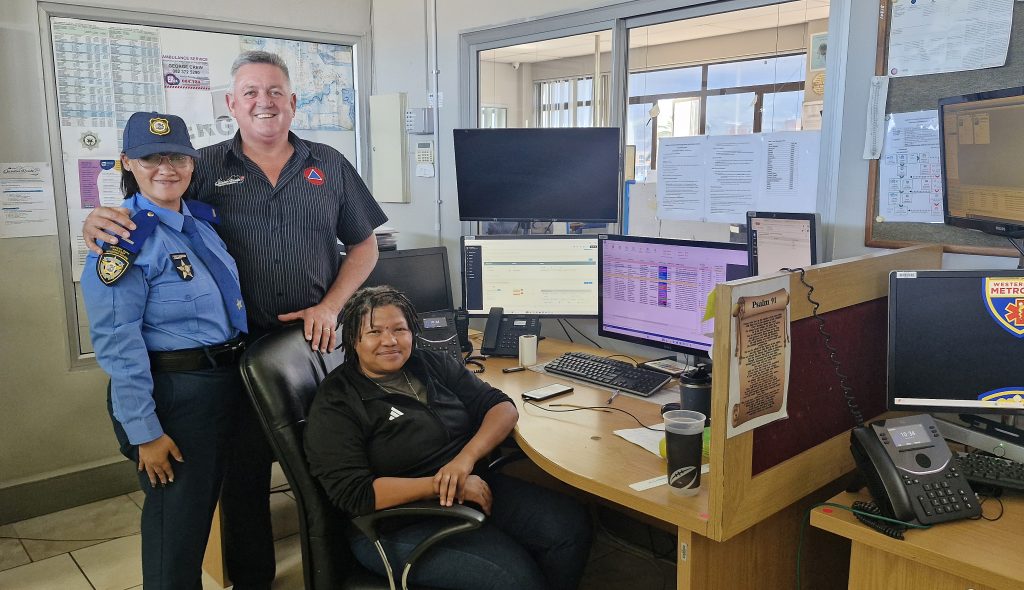
Feature image: Joselind Fortuin (Western Cape Department of Mobility), Suenell Atkinson (GRDM Emergency Call Centre Operator) and Gerhard Otto (GRDM Manager: Disaster Management) are confident that emergency services will be rendered to the standards expected by the public.

ENDS

Public Notice 100/2026: Section 71 Monthly Financial Monitoring Report

MONTHLY FINANCIAL MONITORING REPORT

NOTICE NO 100/2026

Garden Route District Municipality (GRDM) hereby informs the public that the Section 71 Monthly Financial Monitoring Report for October 2026 is available on the municipal website.

The report provides an overview of the Municipality’s budget implementation and financial performance for the period under review.

The report can be accessed via the official municipal website: https://tinyurl.com/5yy35snk

N. Raisa-Mlandu
Acting Municipal Manager
54 York Street
PO Box 12
GEORGE
6530

Tel:   044 803 1300
Notice Number: 100/2026

Click to download the document.

12 November 2026 Media Release: Western Cape Government Visits GRDM with the Aim of Making Business Licensing Simpler and More Efficient

Western Cape Government Visits GRDM with the Aim of Making Business Licensing Simpler and More Efficient

For Immediate Release

12 November 2026

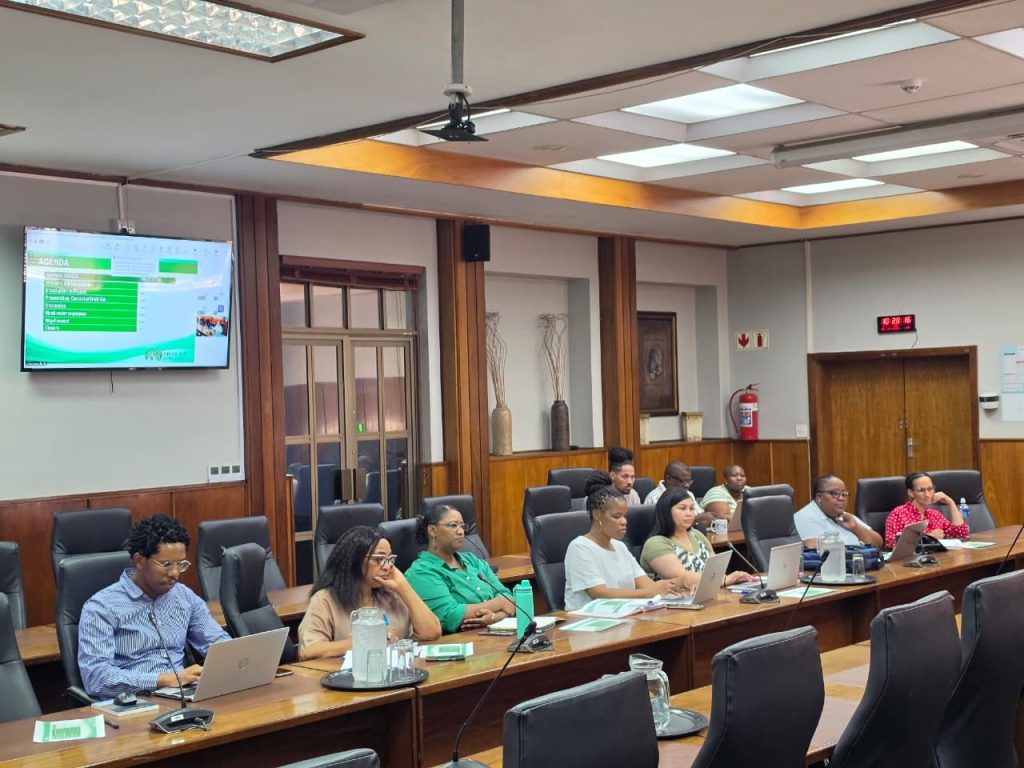
The Garden Route District Municipality (GRDM) and its local municipalities engaged with the Western Cape Department of Economic Development and Tourism’s Red Tape Reduction Unit on 11 November 2026 to discuss the potential implications of proposed business licensing legislative reforms for the Western Cape.

The National Department of Small Business Development has initiated reforms in the business licensing space, including the National Business Licensing Policy and the subsequent Business Licensing Bill. In response, DEDAT has developed a draft Regulatory Impact Assessment (RIA) to assess the desirability, constitutional viability, implementation considerations, and likely economic and administrative implications of provincial business licensing legislation in the Western Cape.

The Red Tape Reduction Unit’s role is to support regulatory reform by identifying and addressing unnecessary regulatory and administrative burdens that may negatively affect businesses, particularly small businesses, and to promote an enabling environment for economic growth. This includes engaging with relevant provincial departments and municipalities to understand the practical implications of proposed regulatory changes and to ensure that municipal perspectives are considered in the assessment.

The engagement provided an opportunity for municipalities to share practical challenges and insights on simplifying licensing processes, reducing unnecessary administrative burdens and creating a more standardised system that supports businesses across the province.

Key structural and administrative challenges raised include:

  • Dual-Authority and Split Jurisdictions: Requirements are fragmented between local municipalities (which issue general trading or business licences) and the Garden Route District Municipality (GRDM), which separately issues the mandatory Certificate of Acceptability (CoA) for food premises through its Municipal Health Services.
  • Strict Compliance Interdependencies: Getting a license requires overlapping approvals across multiple independent municipal departments—including zoning/land-use rights from Urban Planning, building plan compliance, fire and rescue safety clearances and environmental health. Delays in any single department stall the entire application.
  • Outdated National Legislation & Manual Systems: Business licensing across South Africa relies heavily on the legacy Businesses Act 71 of 1991, leading to administrative backlogs, manual processing workflows, and a lack of standardised policies for modern or informal enterprise sectors.
  • Lengthy Processing Times: Processing cycles typically take up to 30 working days and often longer, which creates severe financial and operational disadvantages for businesses, particularly small enterprises and startups operating with tight budgets.

By working together, the government aims to create a more enabling environment for businesses while ensuring that regulatory processes remain practical and efficient.

Feedback on the final draft assessment, as well as the way forward, is expected by 30 November 2026.

#GardenRoute #EconomicDevelopment #RedTapeReduction #BusinessDevelopment #YourRouteToProsperity #DistrictEconomicDevelopment #GRDM


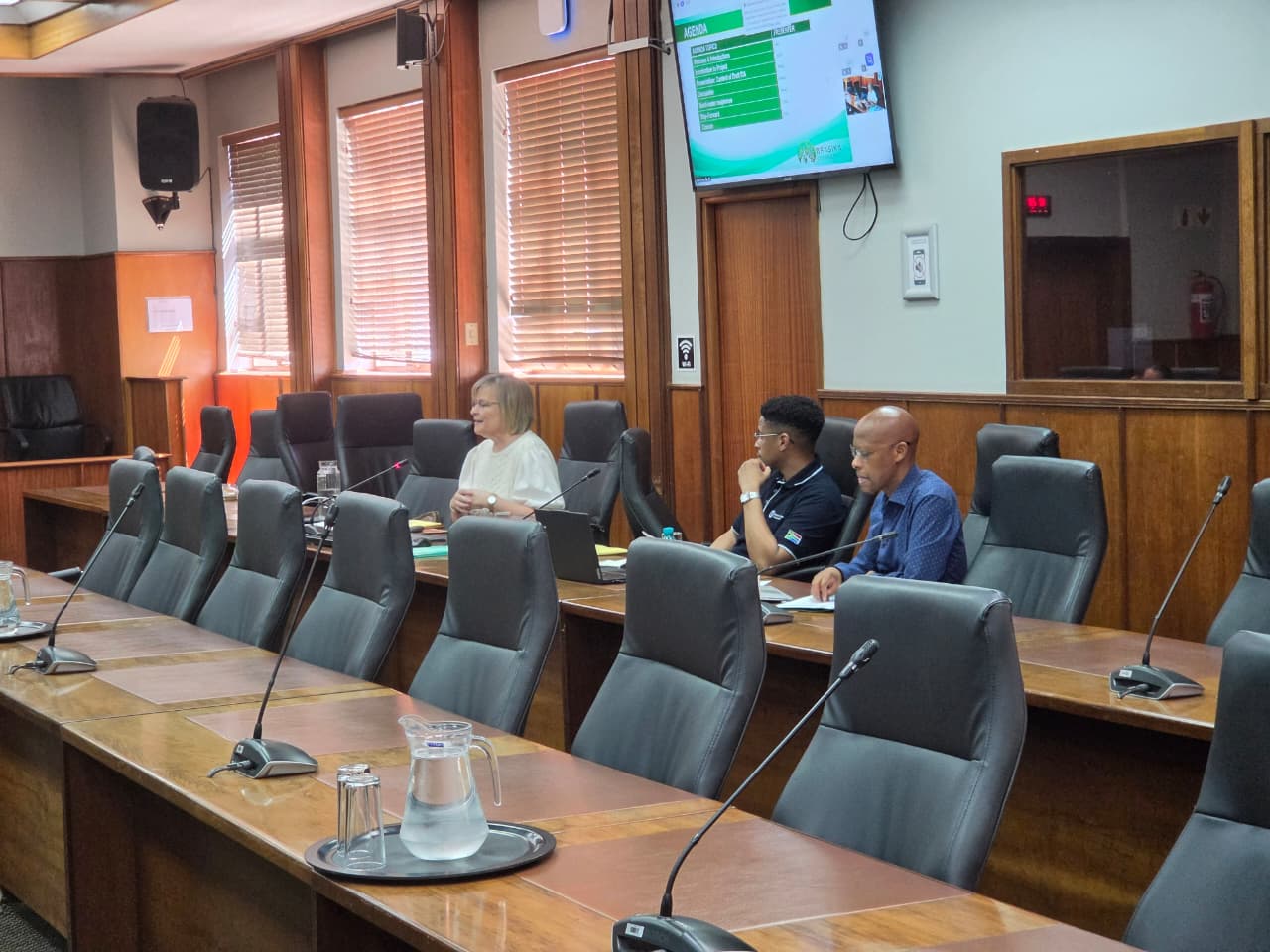
Feature image: The session took place at the GRDM Head Office in George, where local municipalities and the GRDM connected with the Western Cape Government

02 November 2026 Progress Update 7 on the GRDM Regional Waste Management Facility

Progress Update 7 on the GRDM Regional Waste Management Facility

02 November 2026

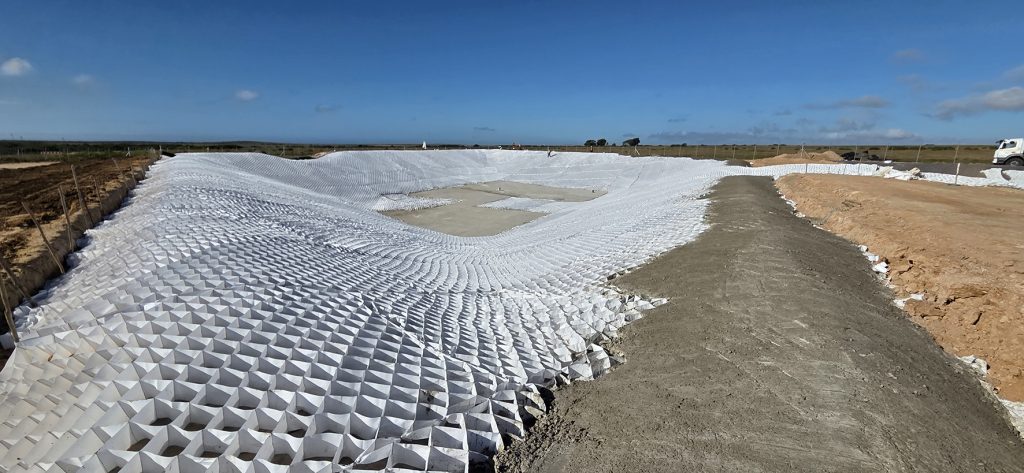
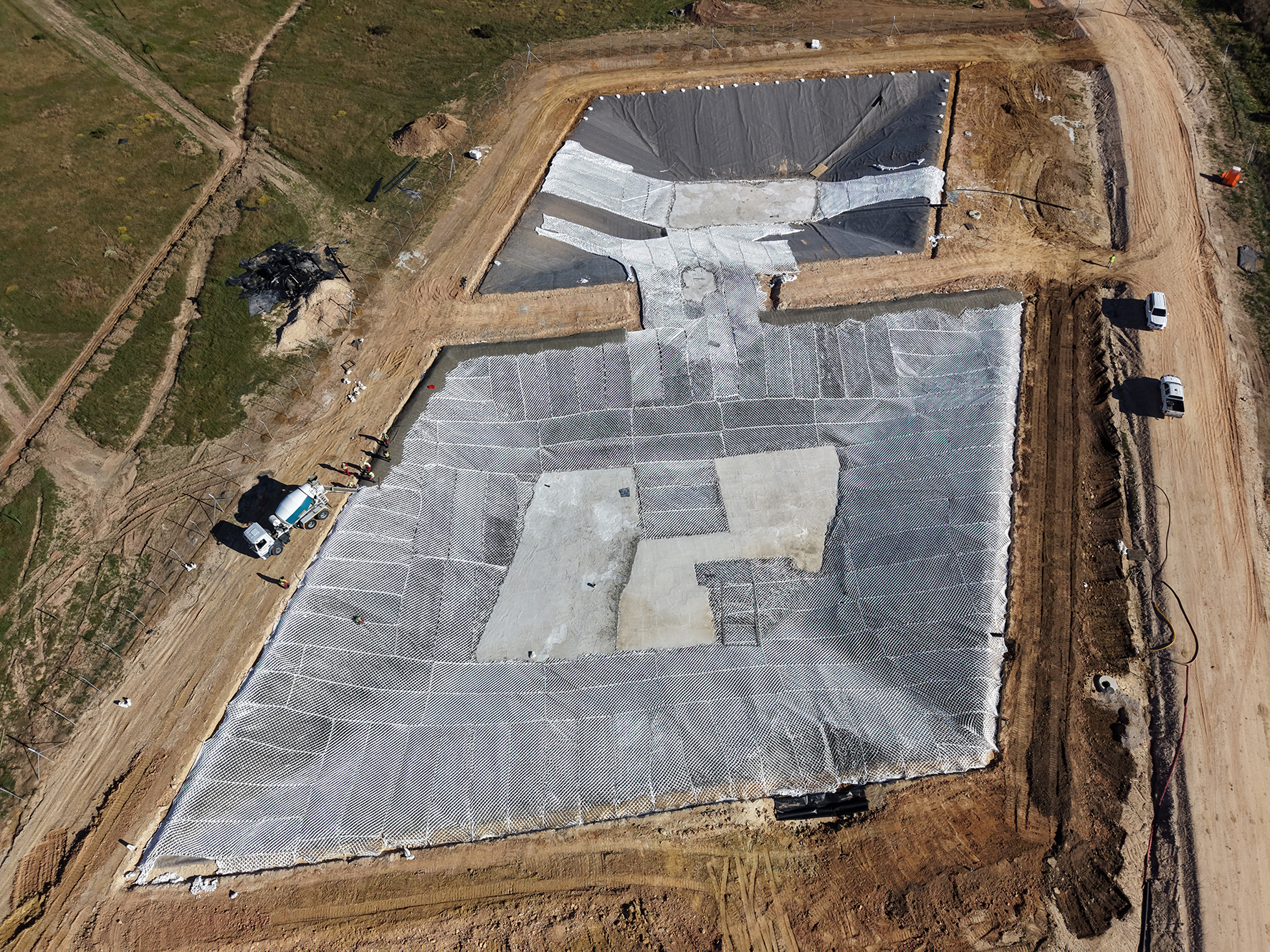
Construction of phase one of the Garden Route District Municipality’s (GRDM’s) Regional Waste Management Facility (RWMF) is 90% complete. The facility is located approximately 15km outside Mossel Bay, next to PetroSA.

According to Johan Gie, GRDM Manager: District Waste Management: “The only critical items to be completed are the leachate & contaminated water dams; these are currently 81% complete, and they require the final layer of geocells filled with concrete. This was initially scheduled to be completed by the end of October 2026; however, recent rains caused some delays in the pouring of concrete, and it is now due to be completed within the next two weeks. Regardless of the delay, the contractor is still on track with the programme.”

The remaining construction works mainly comprise finishing works for all buildings, access road marking, stone pitching at stormwater headwalls, and final shaping around the facility.

default

Images in this update: Placement of geocells that will be filled with concrete remains ongoing for the leachate & contaminated water dams

Public Notice 97/2026: Notice of Adoption of the Garden Route District Climate Change Adaptation Assessment and Implementation Plan 2025/2026 – 2030/2031

NOTICE OF ADOPTION OF THE GARDEN ROUTE DISTRICT CLIMATE CHANGE ADAPTATION ASSESSMENT AND IMPLEMENTATION PLAN 2025/2026 – 2030/2031

Notice number 97/2026

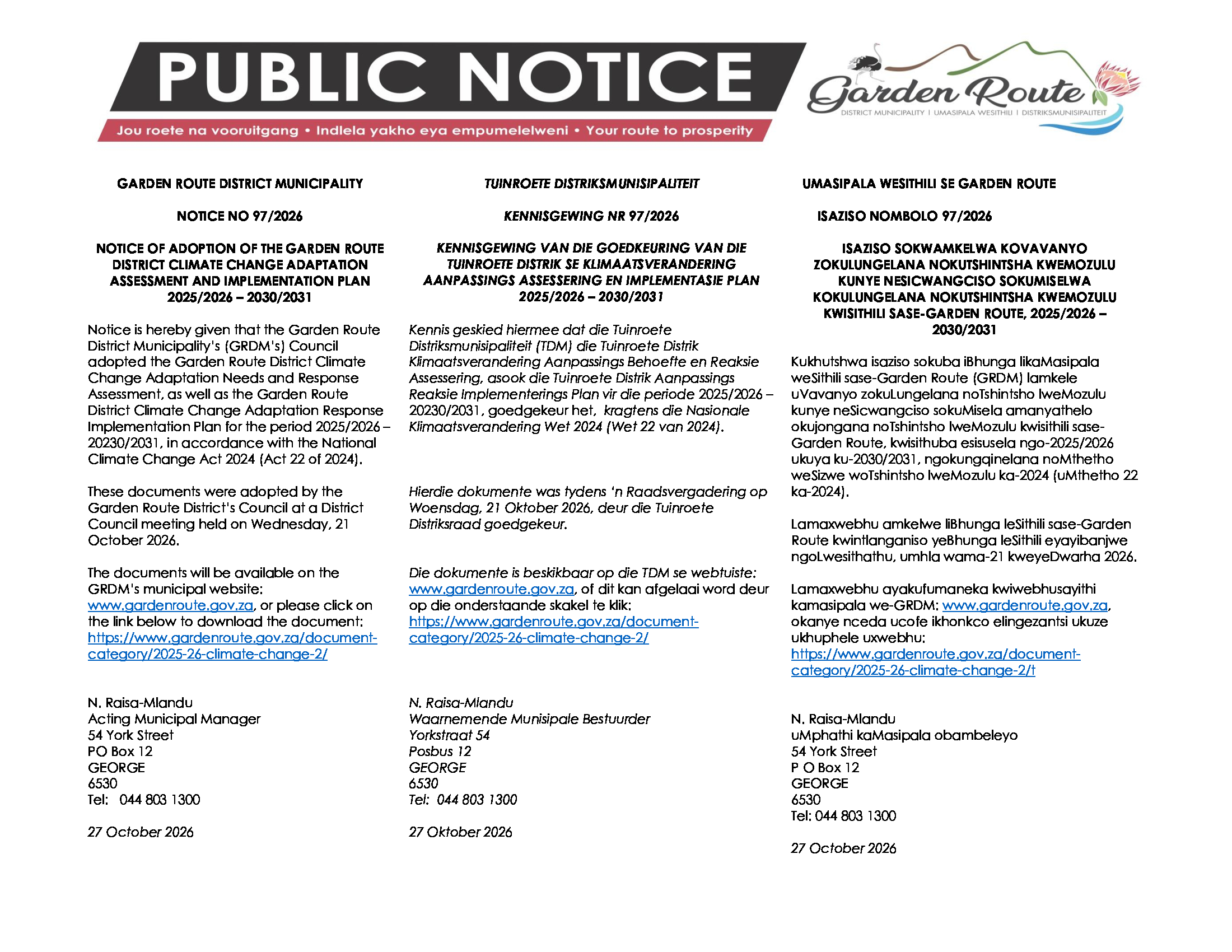
Notice is hereby given that the Garden Route District Municipality’s (GRDM’s) Council adopted the Garden Route District Climate Change Adaptation Needs and Response Assessment, as well as the Garden Route District Climate Change Adaptation Response Implementation Plan for the period 2025/2026 – 20230/2031, in accordance with the National Climate Change Act 2024 (Act 22 of 2024).

These documents were adopted by the Garden Route District’s Council at a District Council meeting held on Wednesday, 21 October 2026.

The documents will be available on the GRDM’s municipal website: www.gardenroute.gov.za, or please click on the link below to download the document: https://www.gardenroute.gov.za/document-category/2025-26-climate-change-2/

Media Release: Garden Route District Municipality kicks off Annual Disaster Management Awareness Campaigns in the Klein Karoo

Media Release: Garden Route District Municipality Kicks Off Annual Disaster Management Awareness Campaigns in the Klein Karoo

For immediate release
26 October 2026

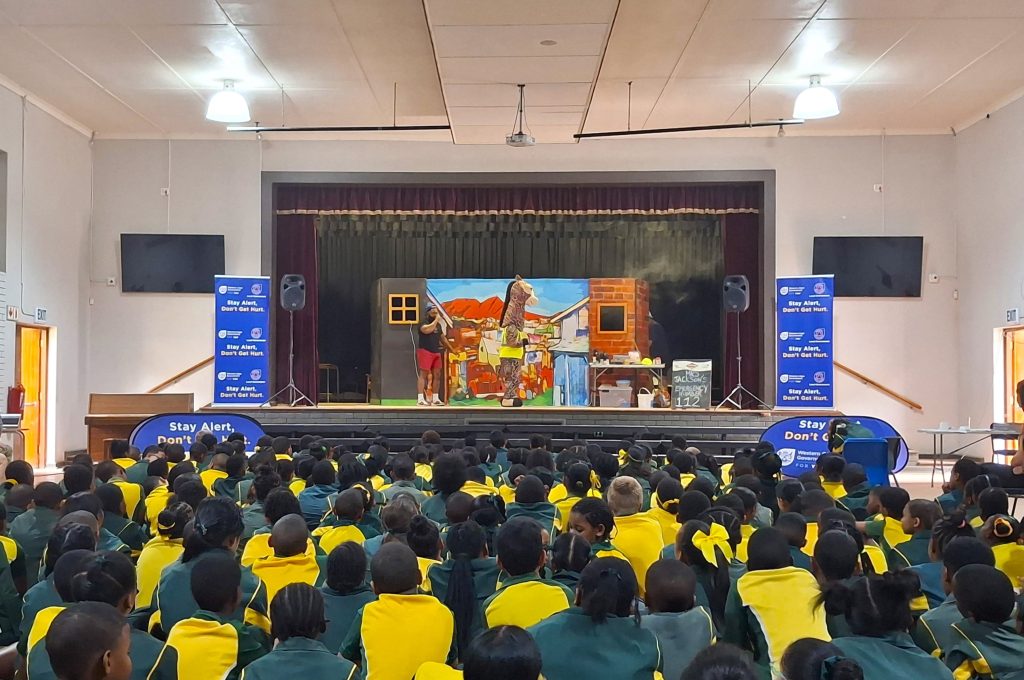
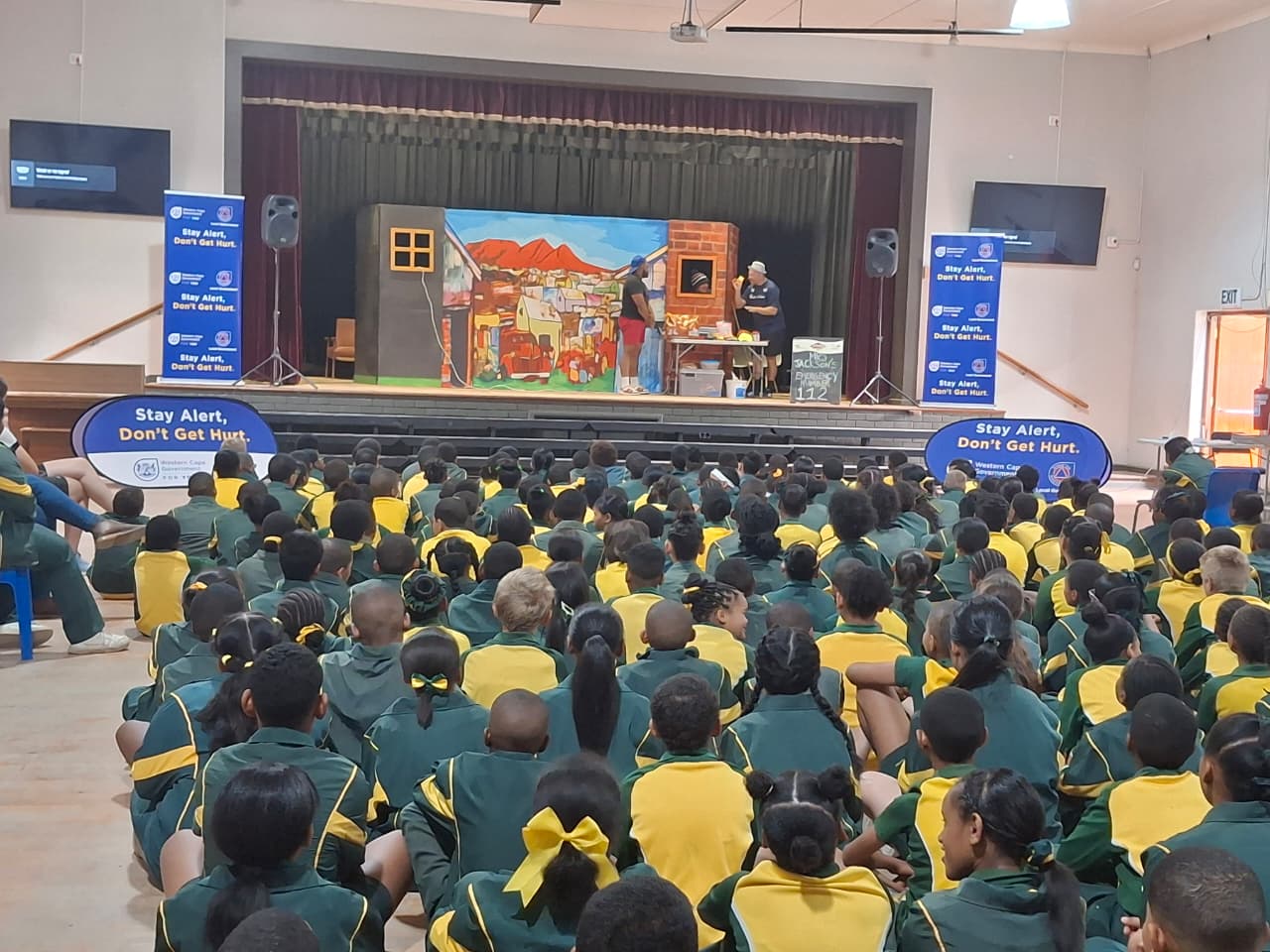
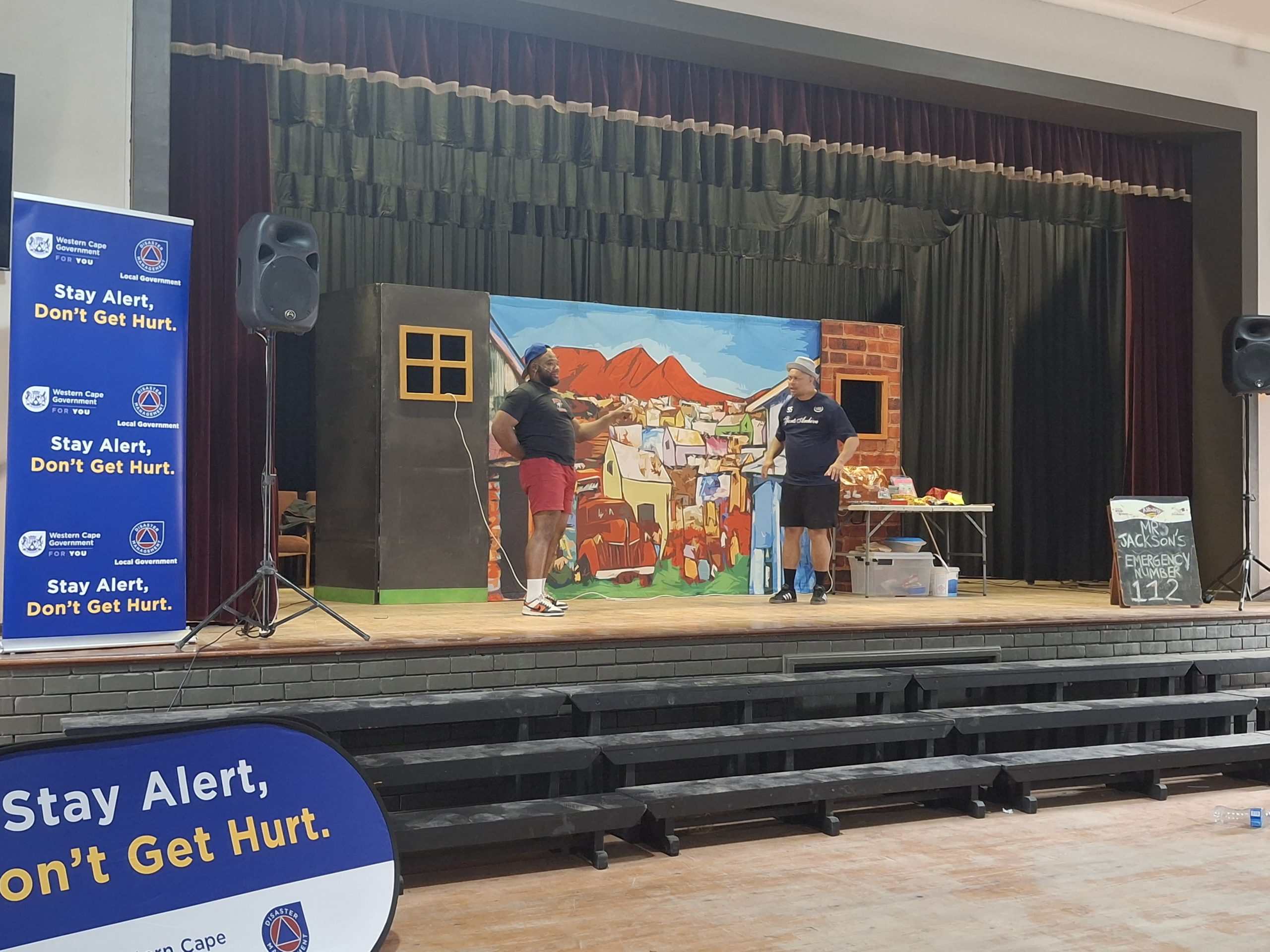
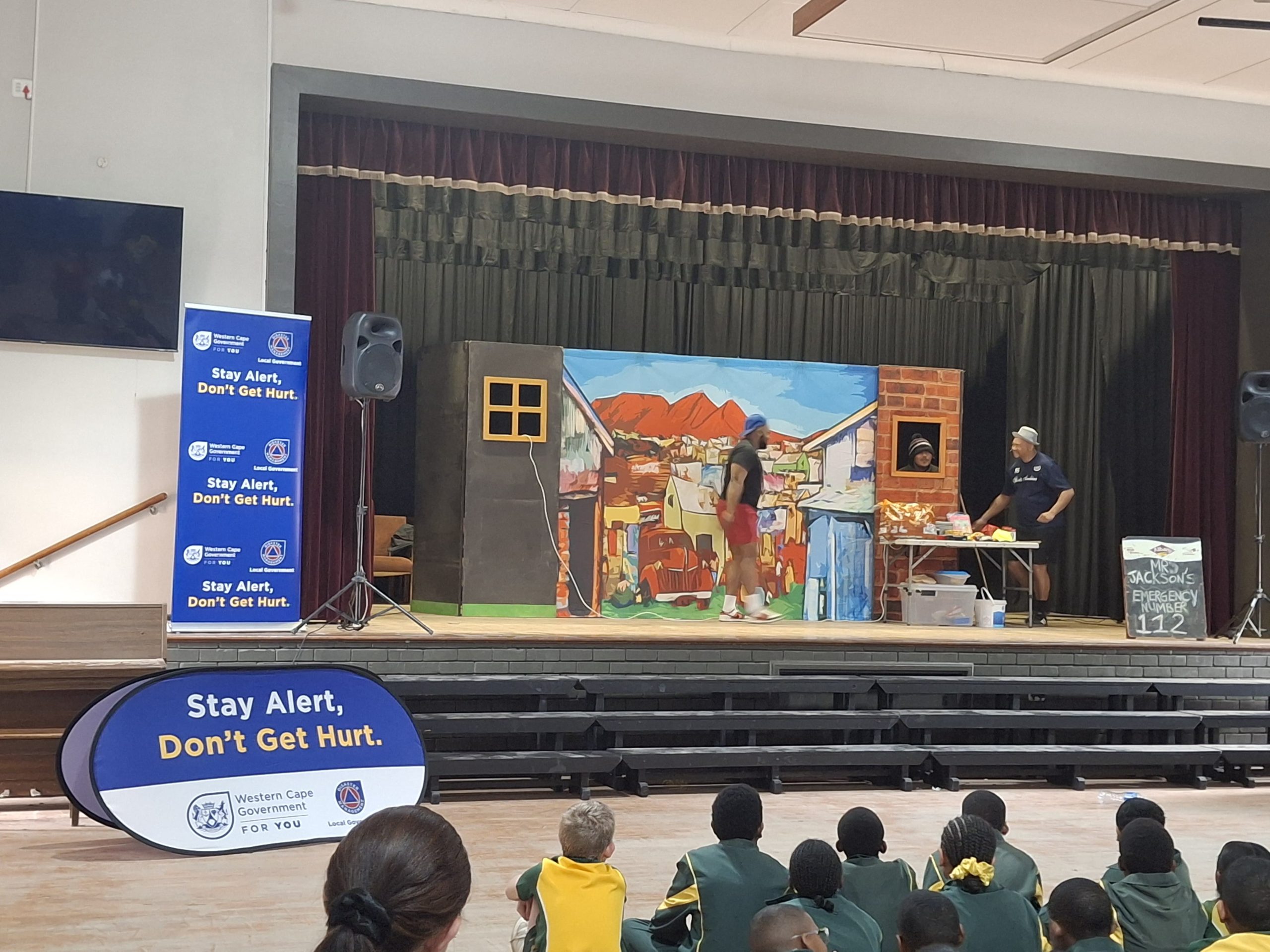
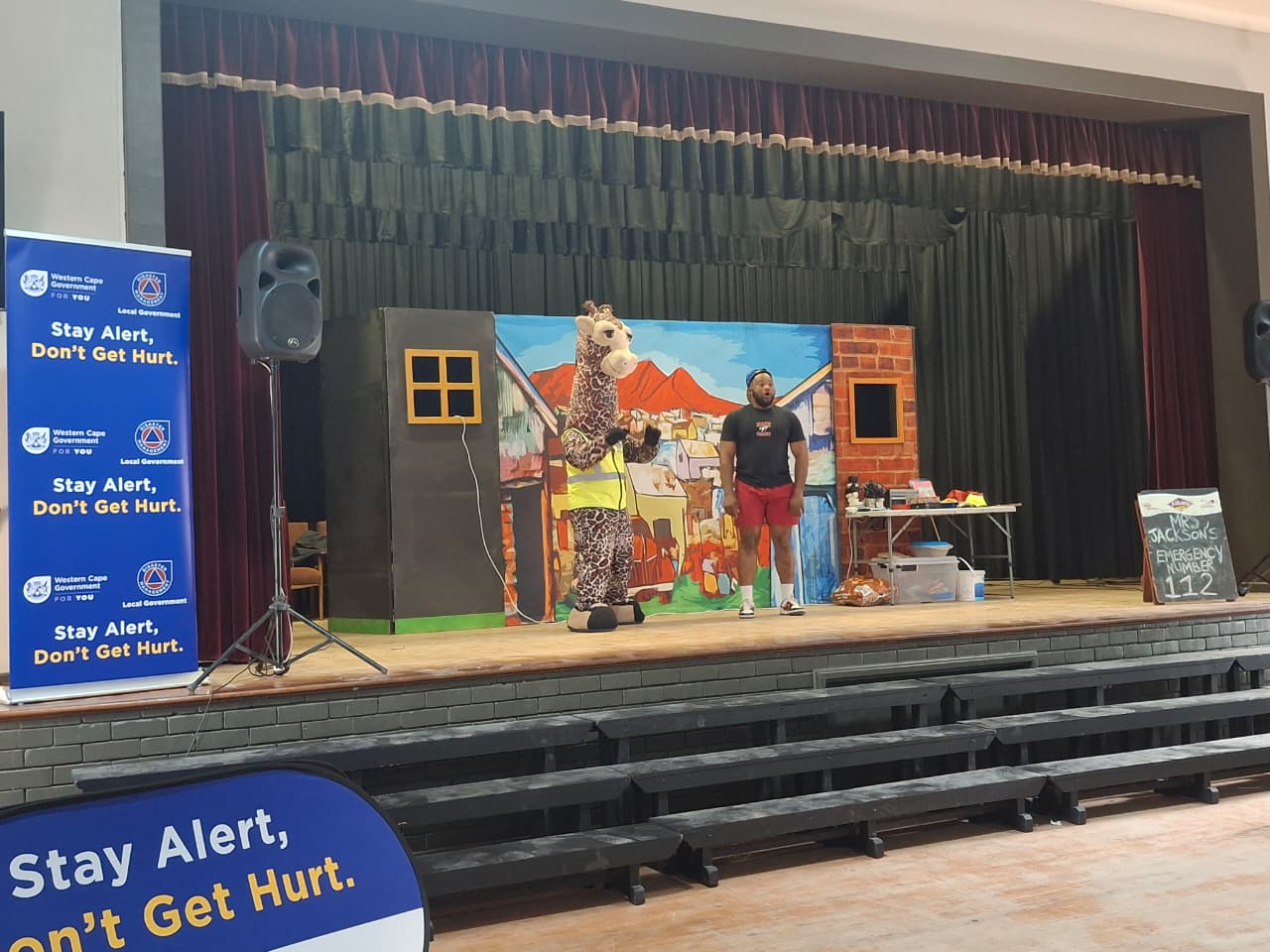
The annual Disaster Management Awareness Campaigns were officially launched on Friday, 23 October 2026, by the Garden Route District Municipality (GRDM) together with the Western Cape Provincial Disaster Management Centre (PDMC)  at the R.P. Botha VGK Primary School in Zoar situated in Kannaland.

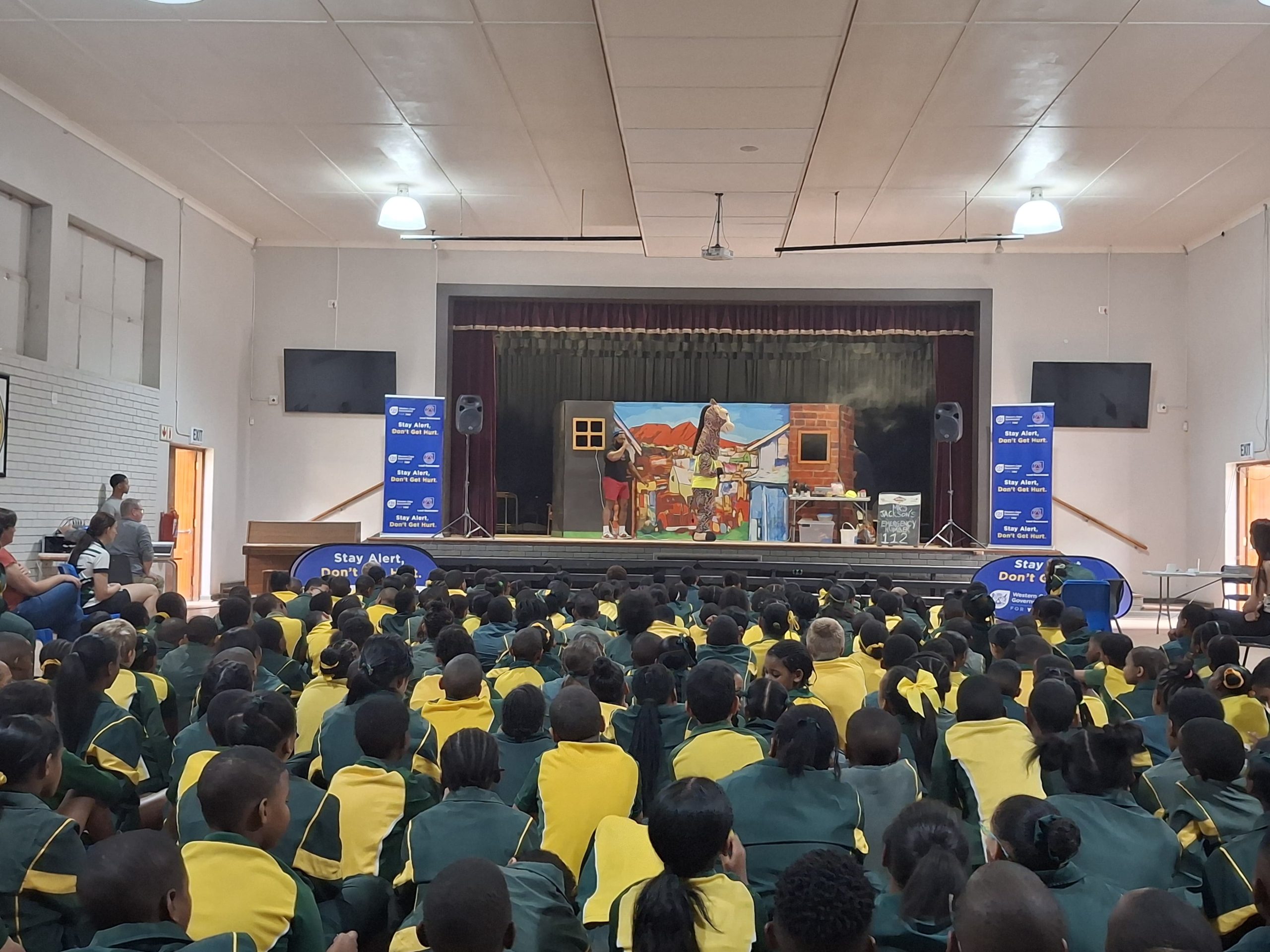
The campaign, this year, will continue up to 30 October 2026, with the main focus on schools and communities in the Klein Karoo region of the district. The aim of the initiative is to educate learners about the risks of disasters and to promote a culture of safety, preparedness and resilience among the local communities.

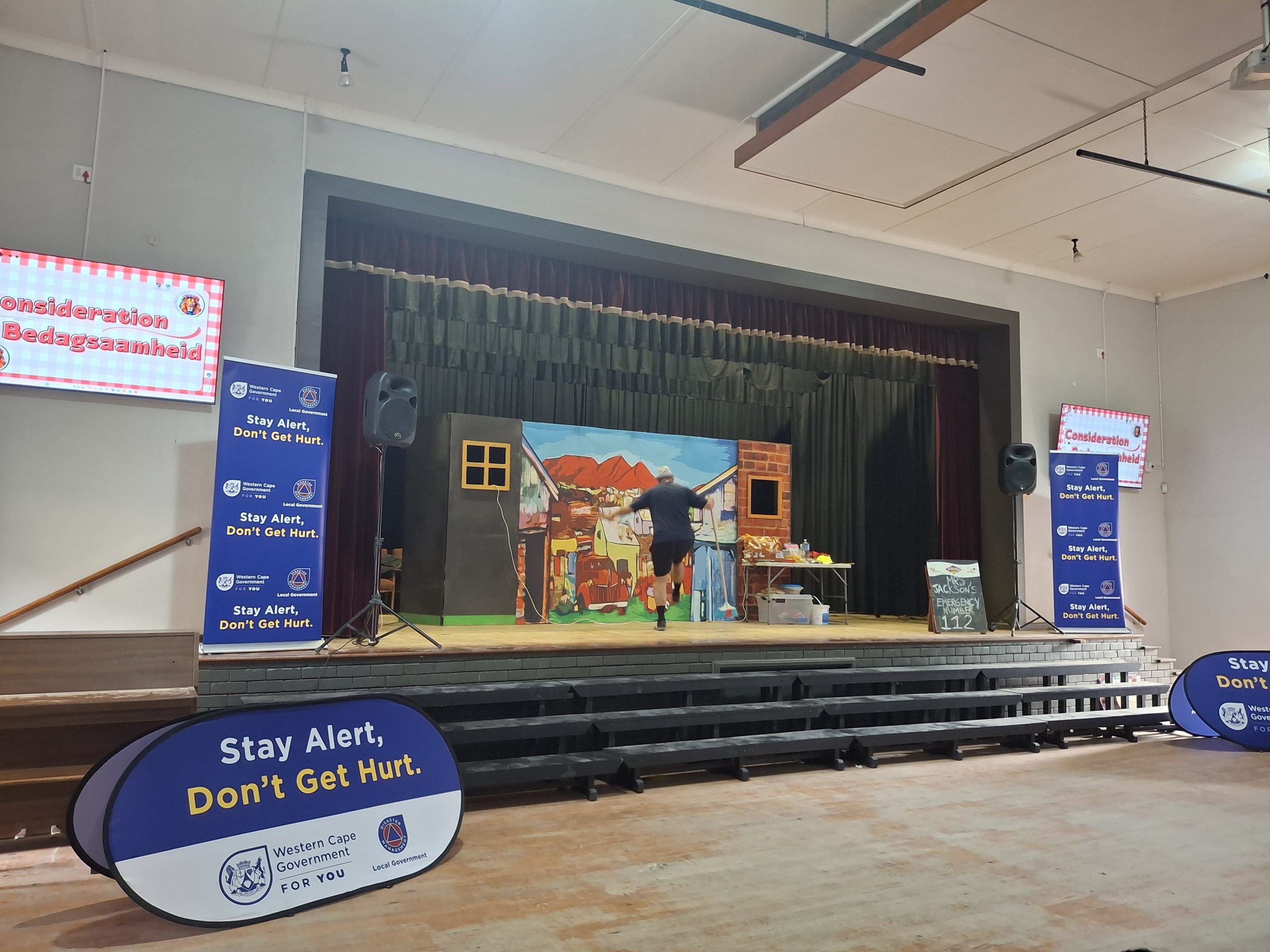
Using an interactive educational play which features Gerry the Giraffe, the mascot of the Western Cape Government Disaster Management department, learners are given an introduction to the essential safety measures and the practical steps they can take to protect themselves, their families and their communities from disasters. The awareness campaign is centred around the main hazards of the season, especially floods, fires, electrical outages, and impacts of illegal dumping. Thus giving learners the knowledge needed to identify possible risks, take preventive action and respond properly in an emergency.

The programme aims at engaging pupils at primary level to reinforce awareness of disaster risk from an early age and get the learners to pass on the knowledge they have acquired to their families and communities. In this way, a culture of preparedness for disasters is developed and safer, more resilient communities are built throughout the Garden Route.

After the event in Zoar, awareness sessions will take place at schools in different parts of Kannaland and Oudtshoorn, the programme being scheduled to end in Van Wyksdorp on 30 October 2026. As part of these activities, the GRDM, the PDMC and the local municipalities wish to improve community preparedness and reduce disaster risks before the summer season.

Each year the campaign stresses the need for proactive disaster risk reduction and the part that education and cooperation play in making communities better prepared to deal with seasonal hazards.

In alignment with the International Risk Reduction Day theme “Communities that have made preparations are resilient communities; disaster preparedness begins with awareness and awareness begins with us.”

ENDS