Understanding the Role of Environmental Health Practitioners: A short Career Guide
10 June 2025
What if we told you that a single profession is responsible for inspecting everything from your local spaza shop to major hospitals, ensuring safe drinking water, and even managing hazardous waste? In the Garden Route, and across South Africa, these vital tasks fall to Environmental Health Practitioners (EHP). These dedicated professionals are focused on public health – committed to preventing illness by tackling environmental risks head-on. Read more below to understand the immense scope of their work and the academic journey required to join this essential field.
EHPs either hold a Diploma in Environmental Health or a Bachelor‘s Degree in Environmental Health. The Diploma has recently been phased out, but is still valid for those holding it. Each EHP must be registered with the Health Professions Council of South Africa (HPCSA) as an independent practitioner. Community services is compulsory for those who aspire to be registered as independent practitioners.
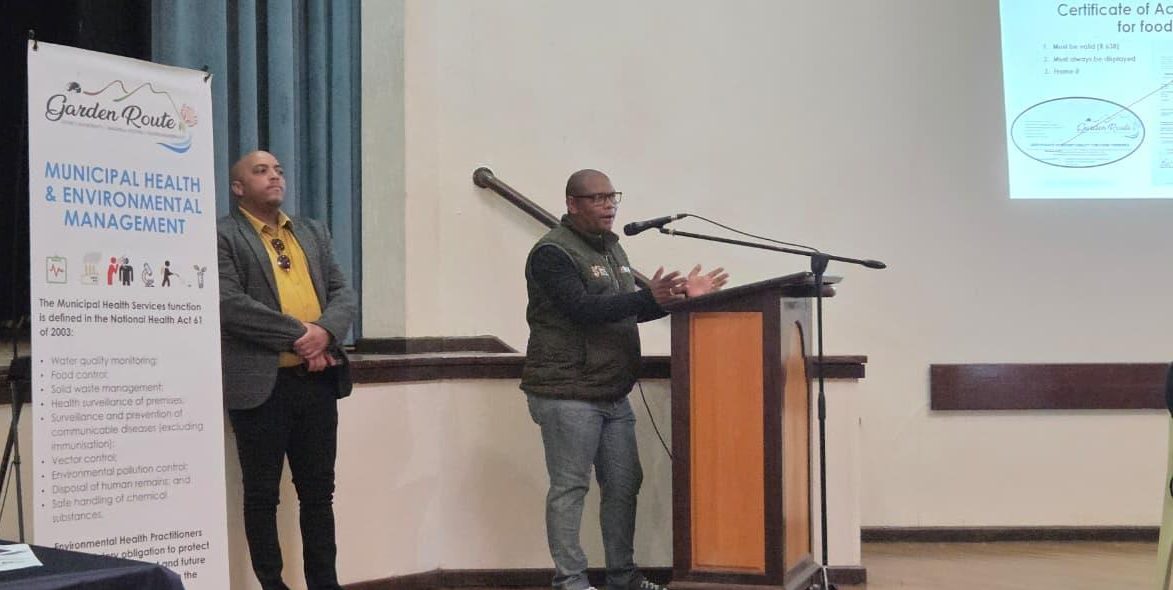
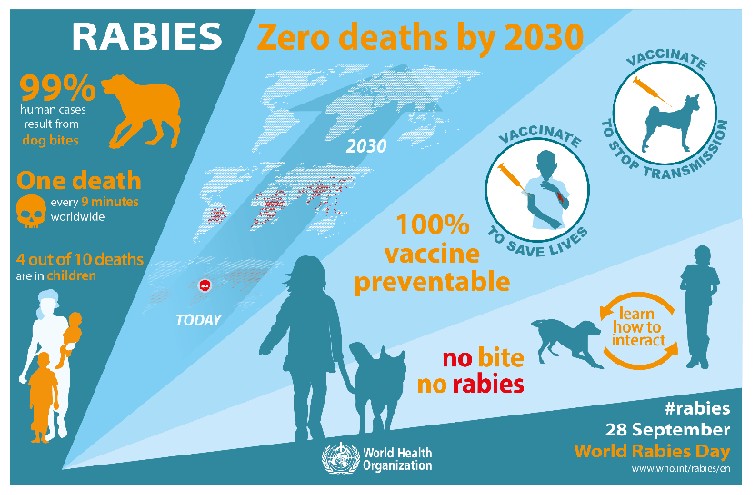
EHPs fall within the area of often referred to as municipal health services and is defined in the National Health Act, 2003. These professionals have to focus on the following areas during their practice: Water Quality Monitoring, Food Control, Solid Waste Management, Health Surveillance of Premises, Supervision and Prevention of Contagious Diseases (excluding Immunization), Vector Control, Environmental Pollution Control, Disposal of Human Remains and the Safe handling of Chemical Substances.
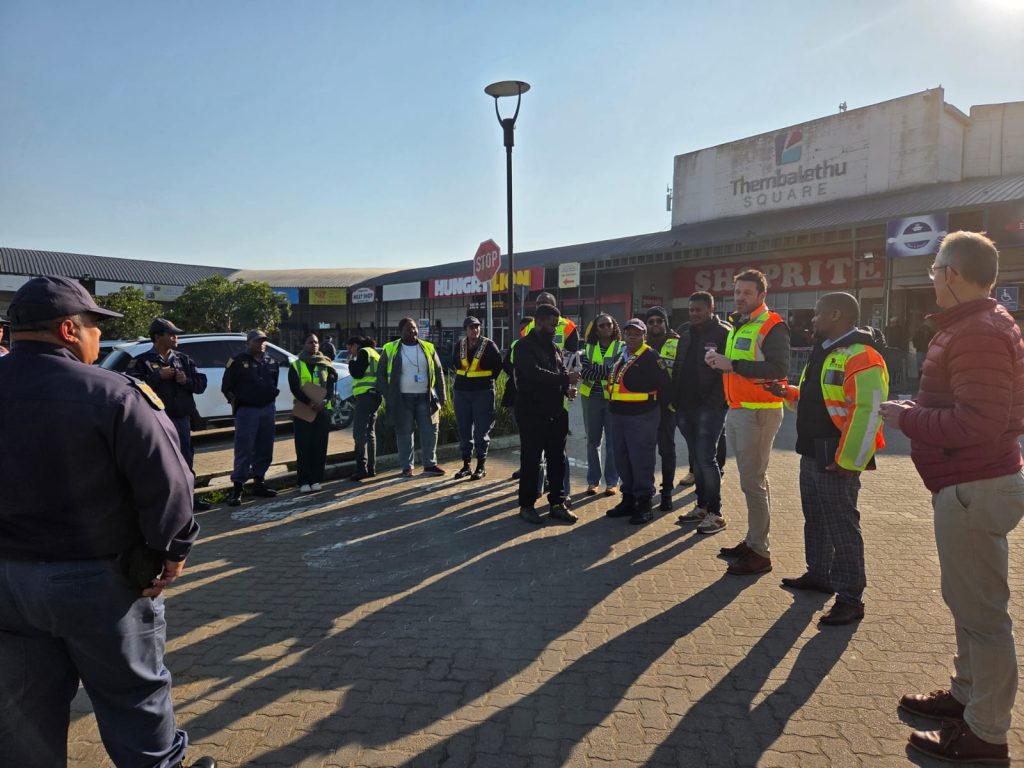
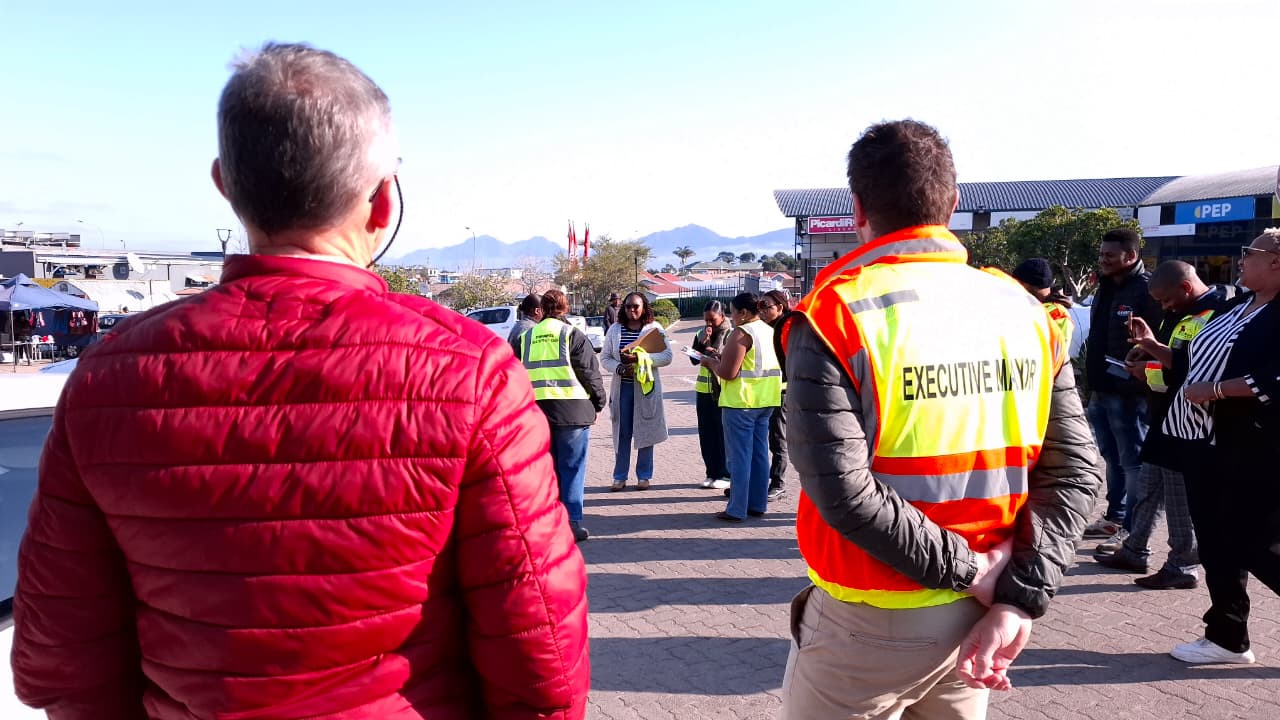
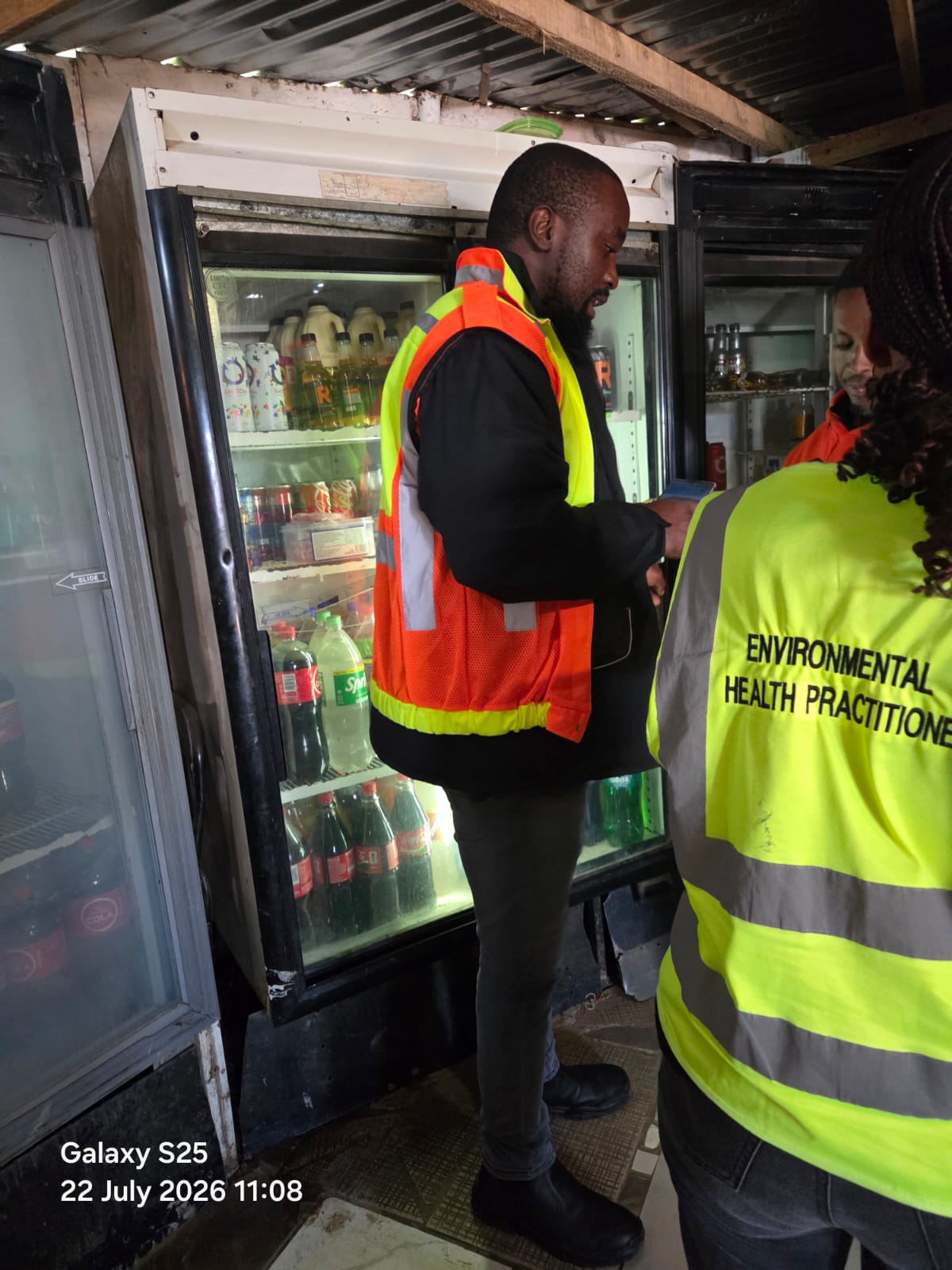
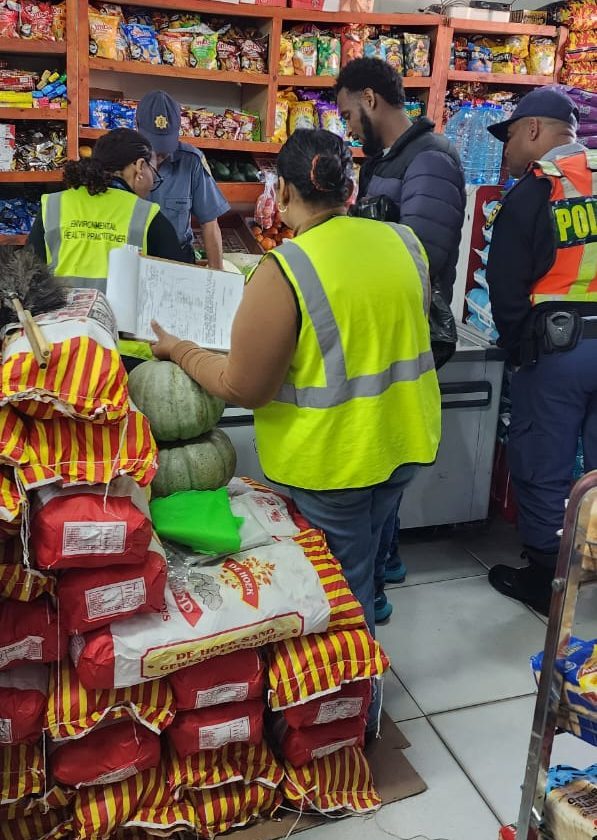
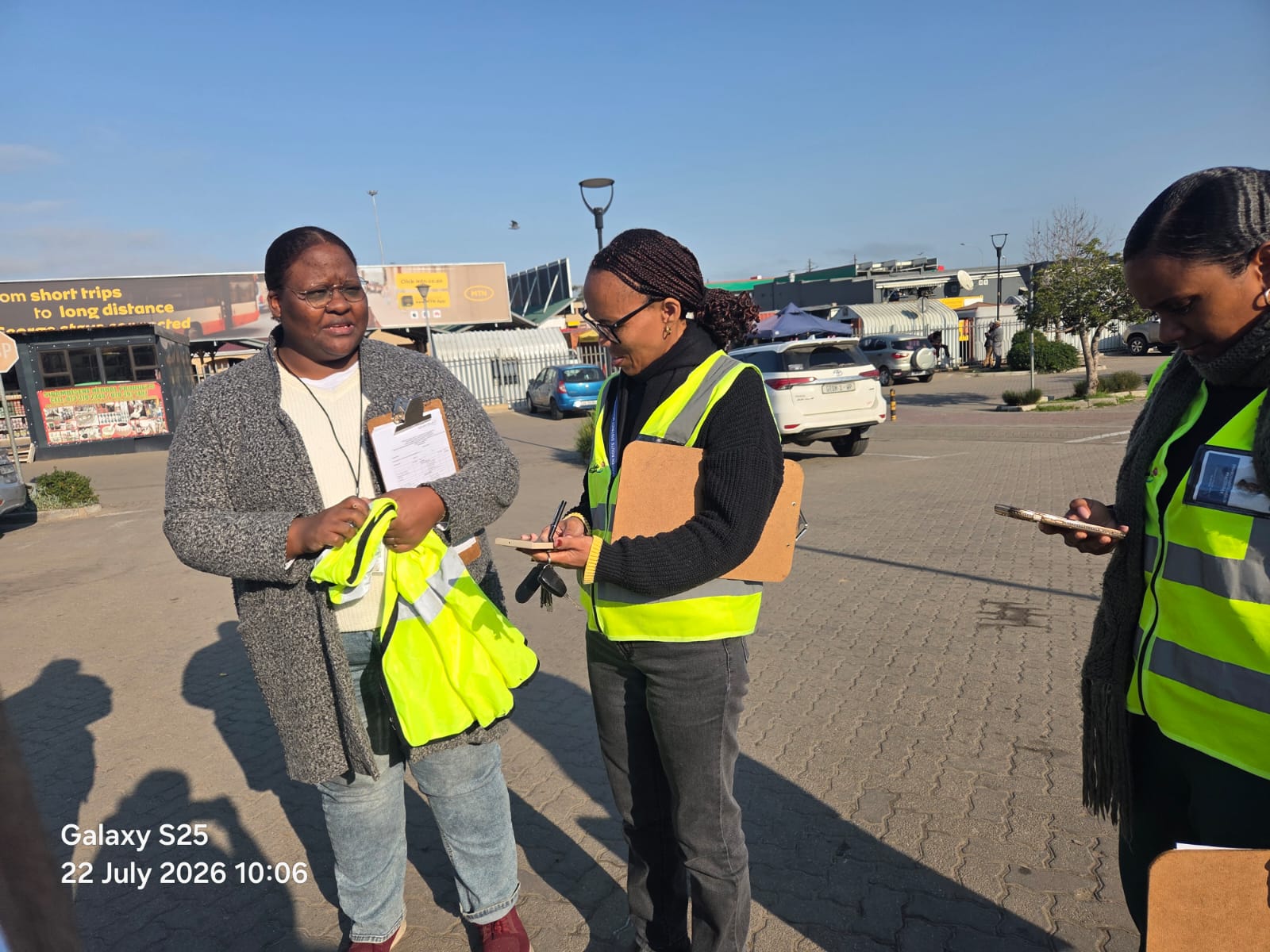
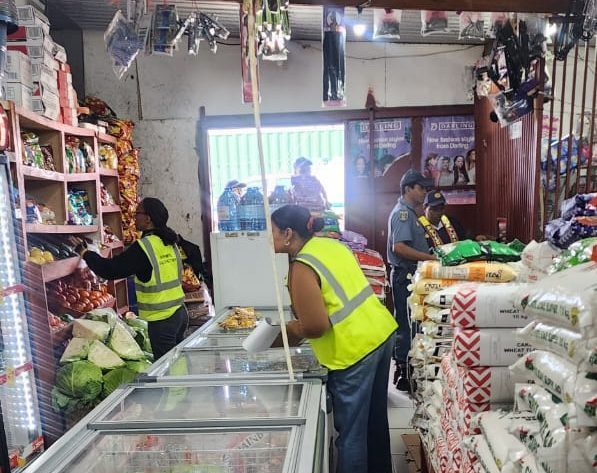
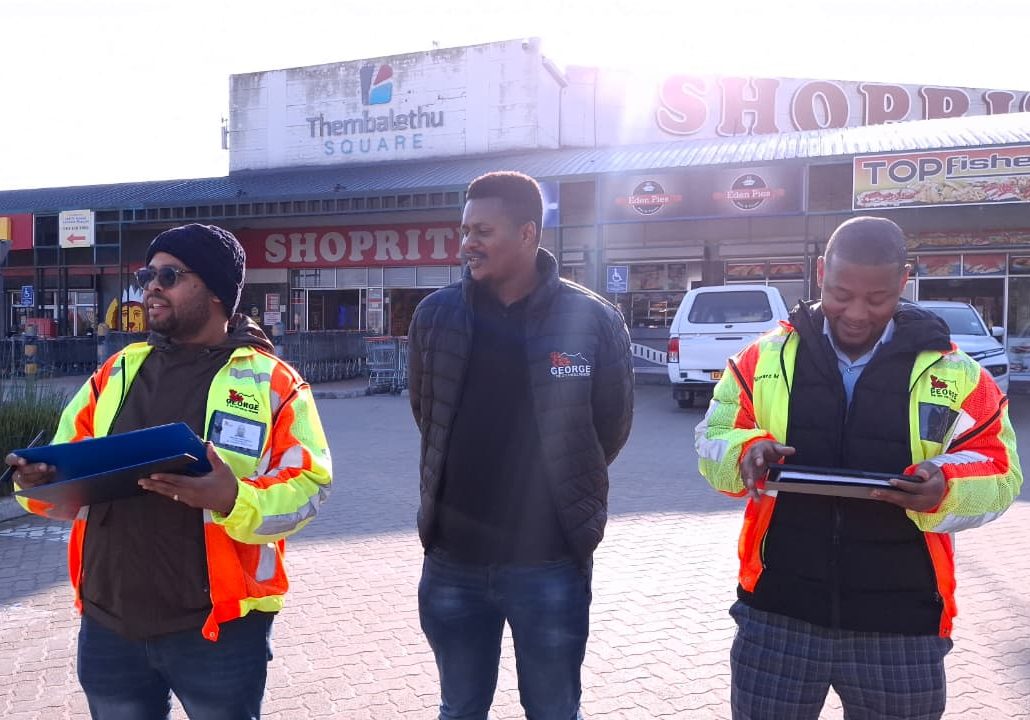
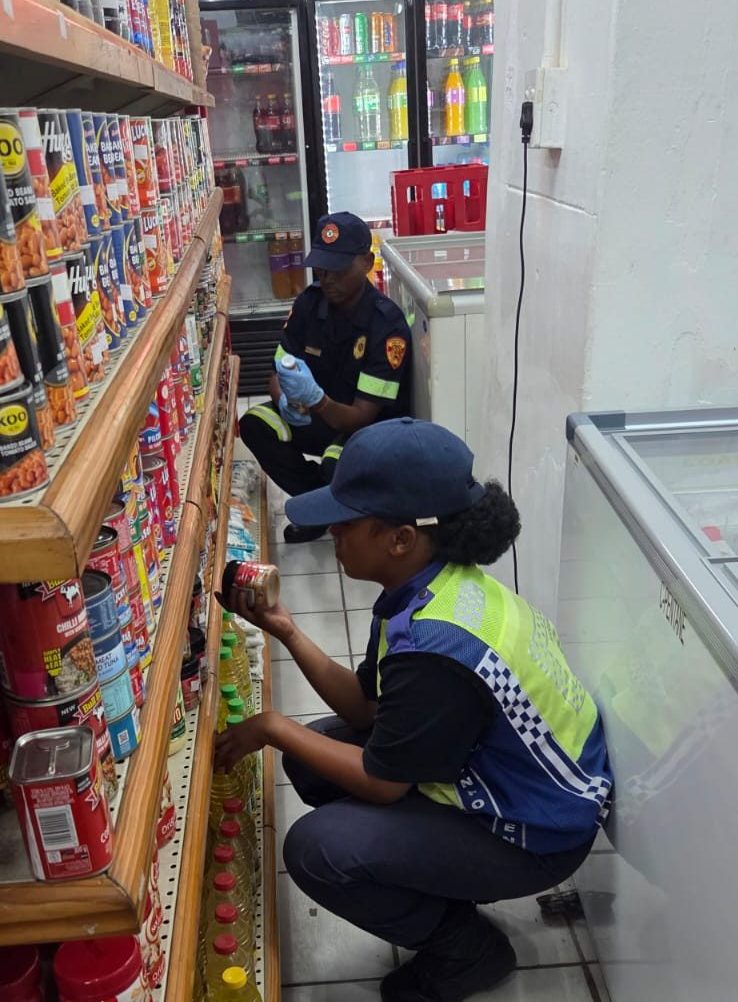
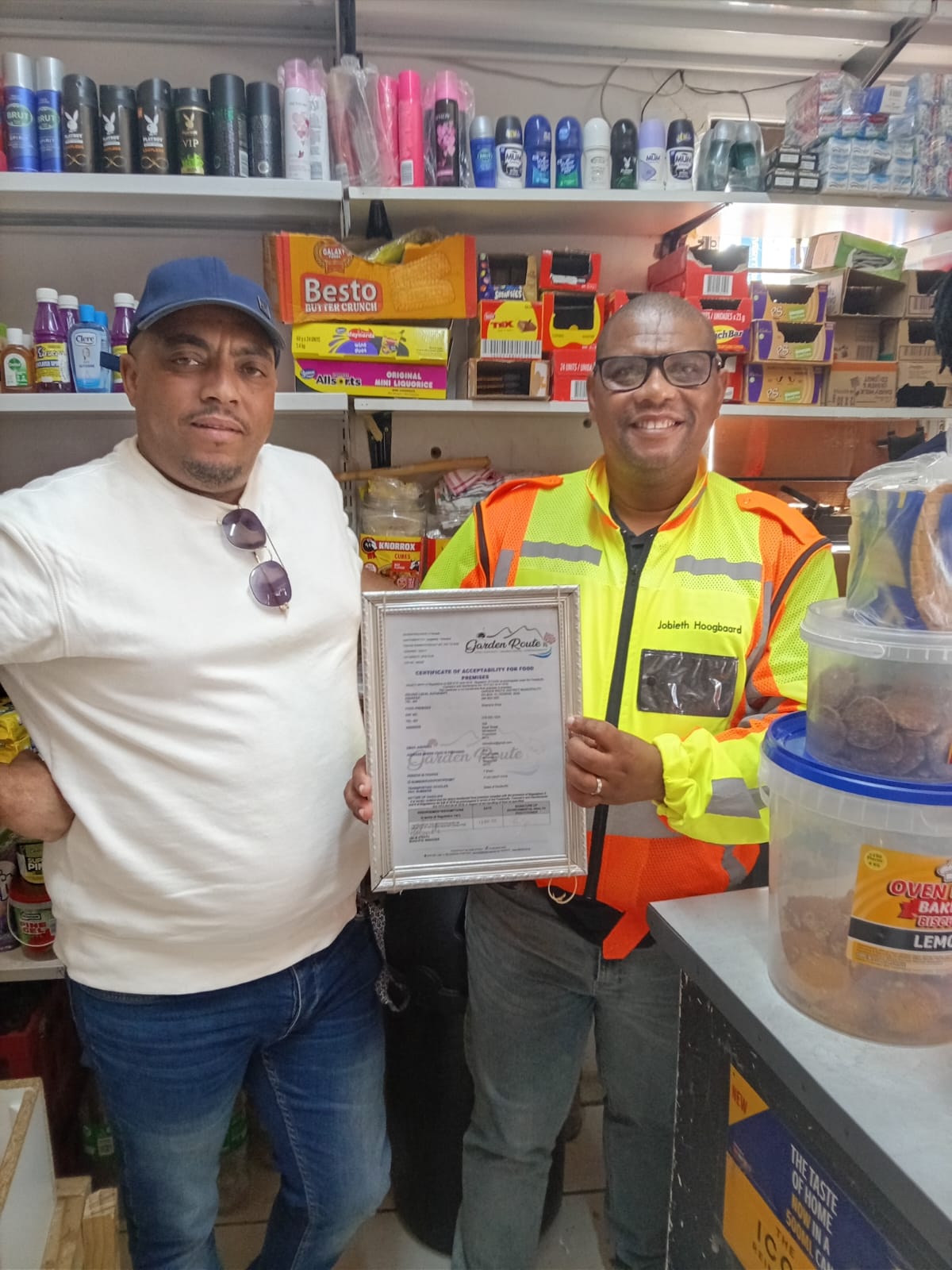
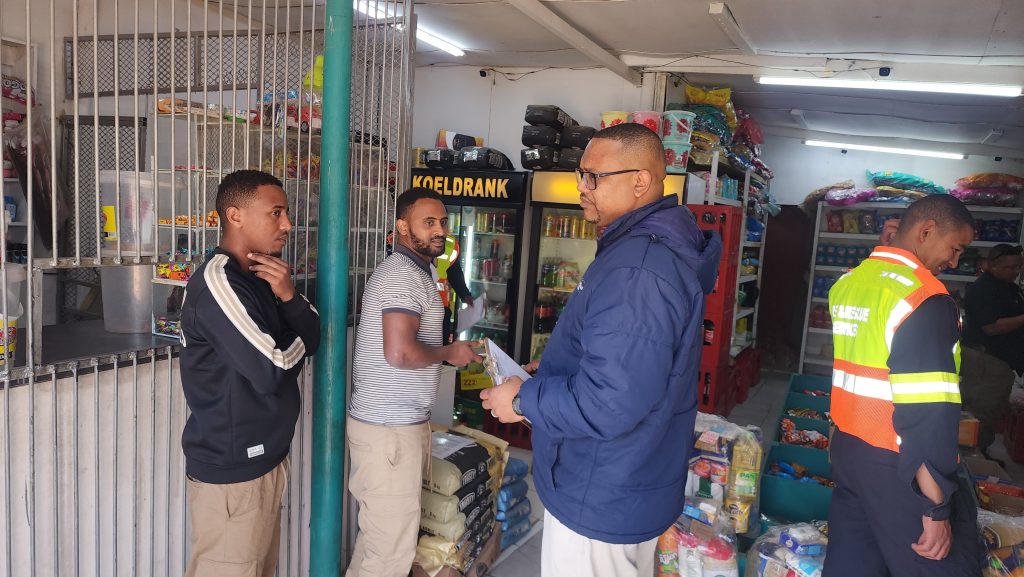
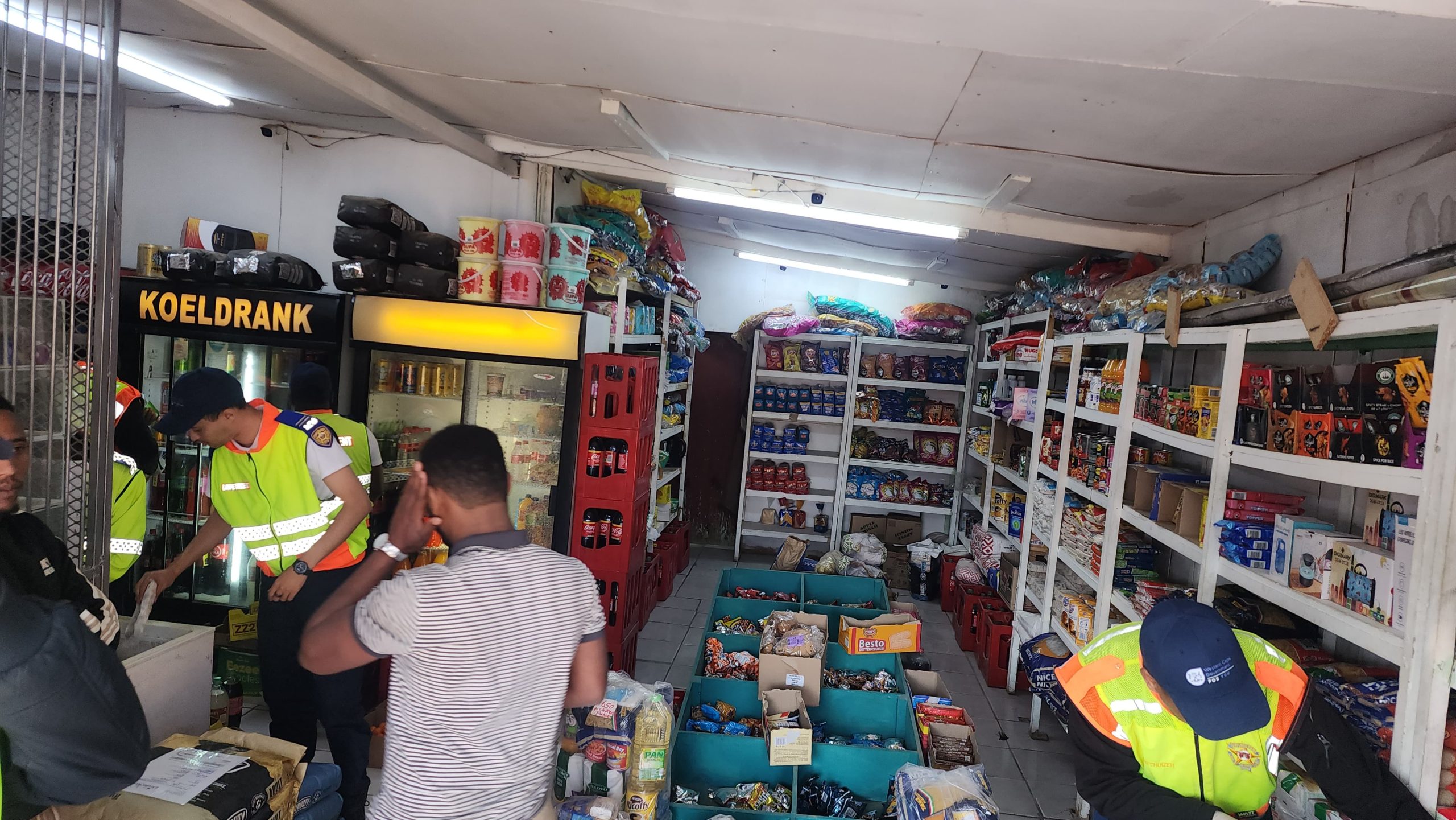
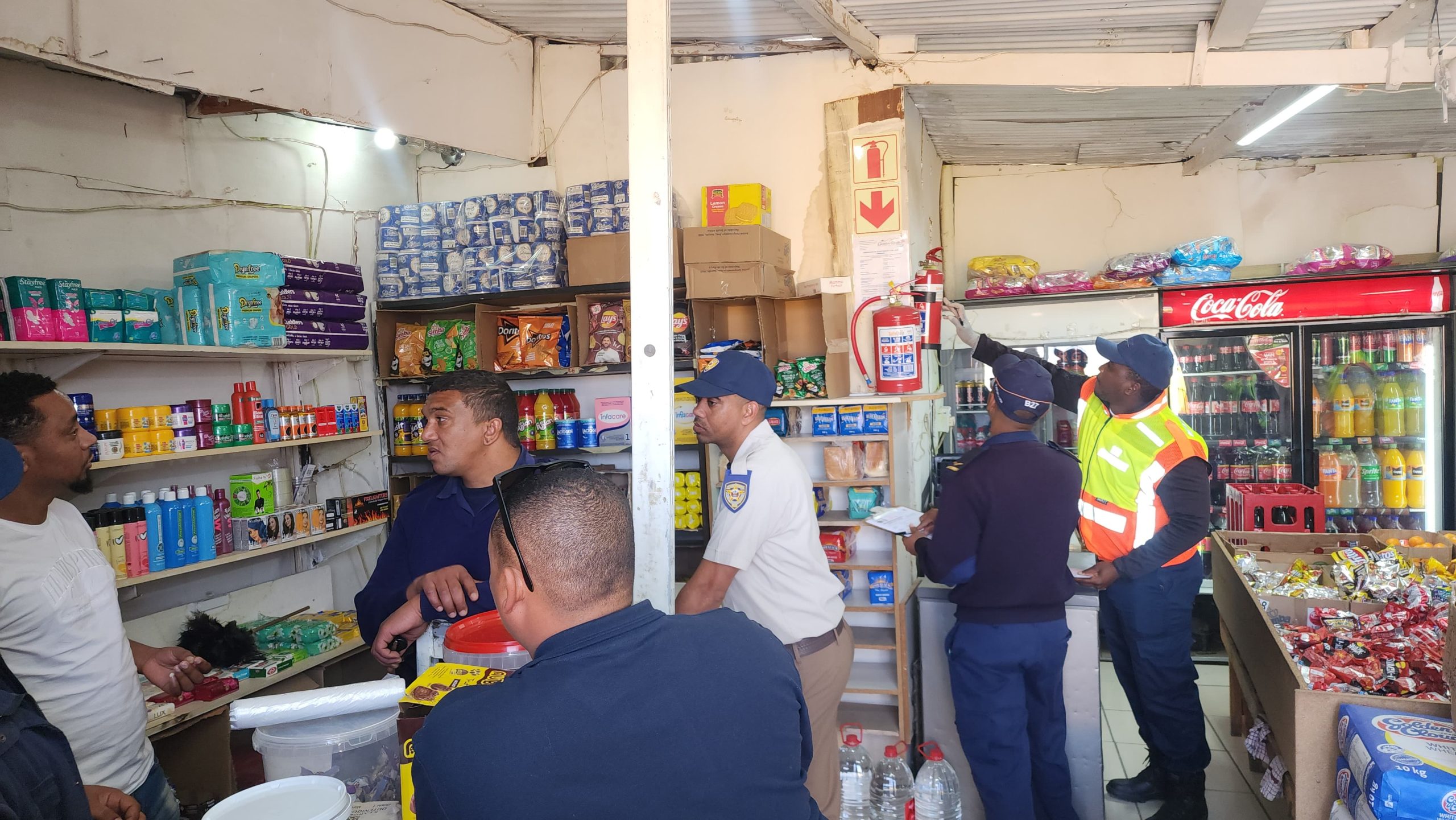
EHPs from Garden Route District Municipality (GRDM), conduct crucial inspections across a wide range of premises to enforce public health legislation and protect our communities. You might be surprised at just how many places fall under their watchful eye:
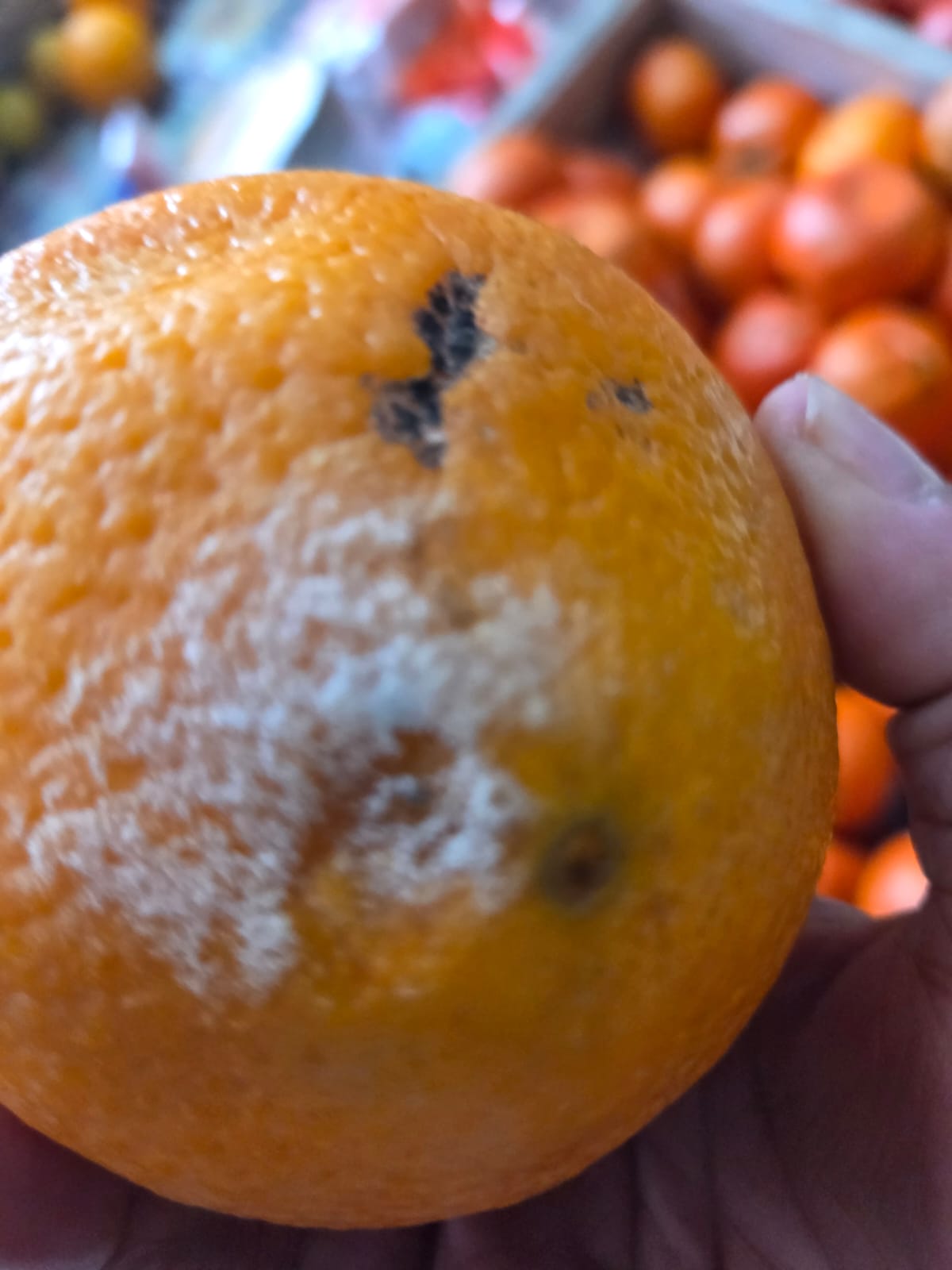
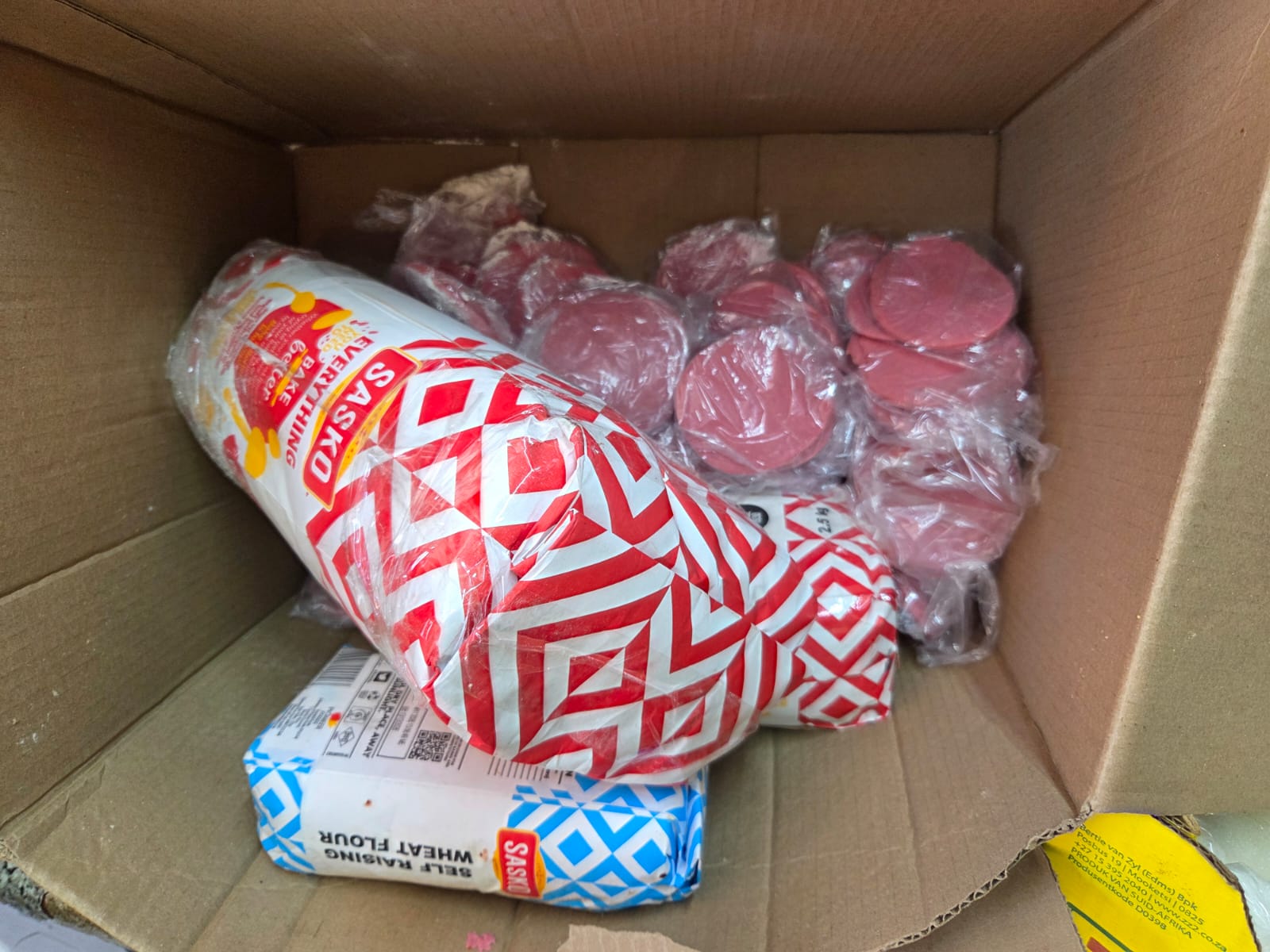
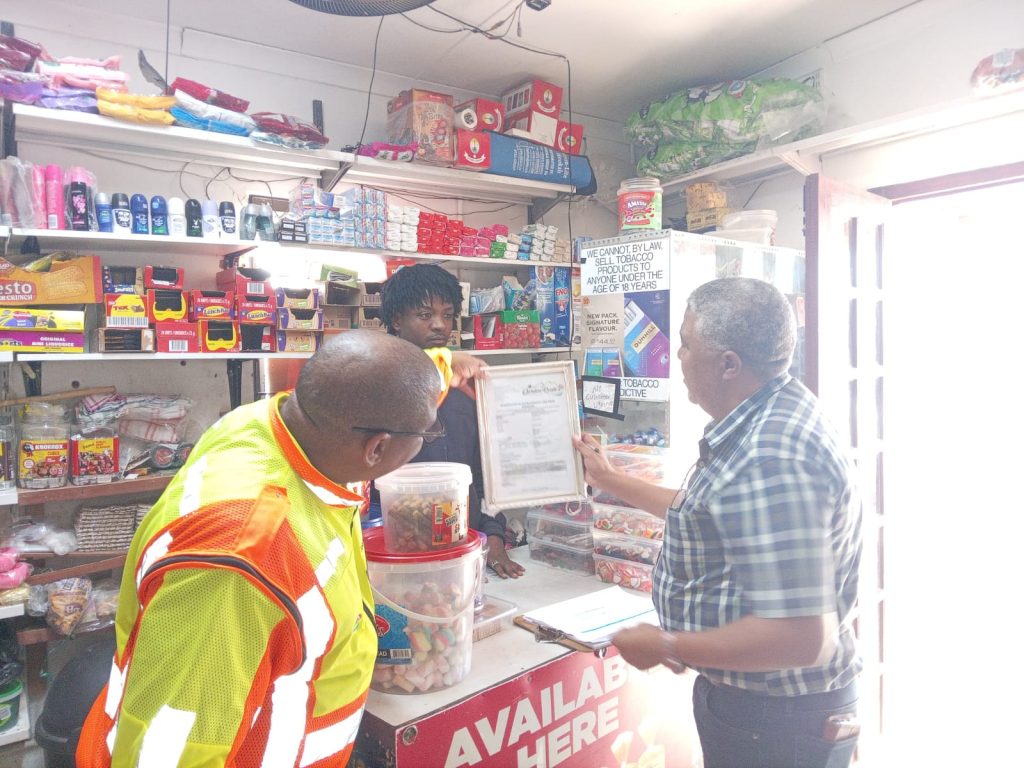
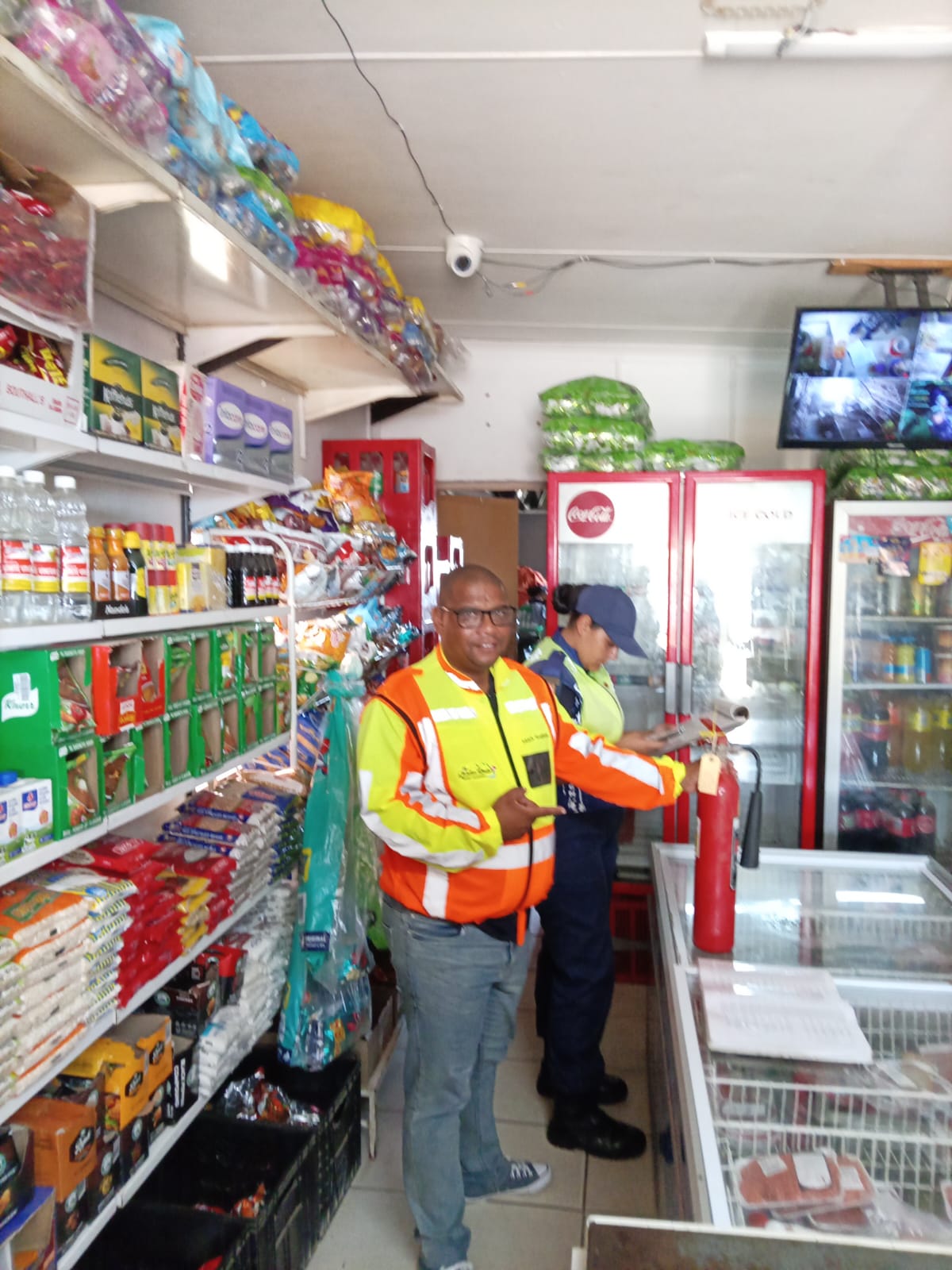
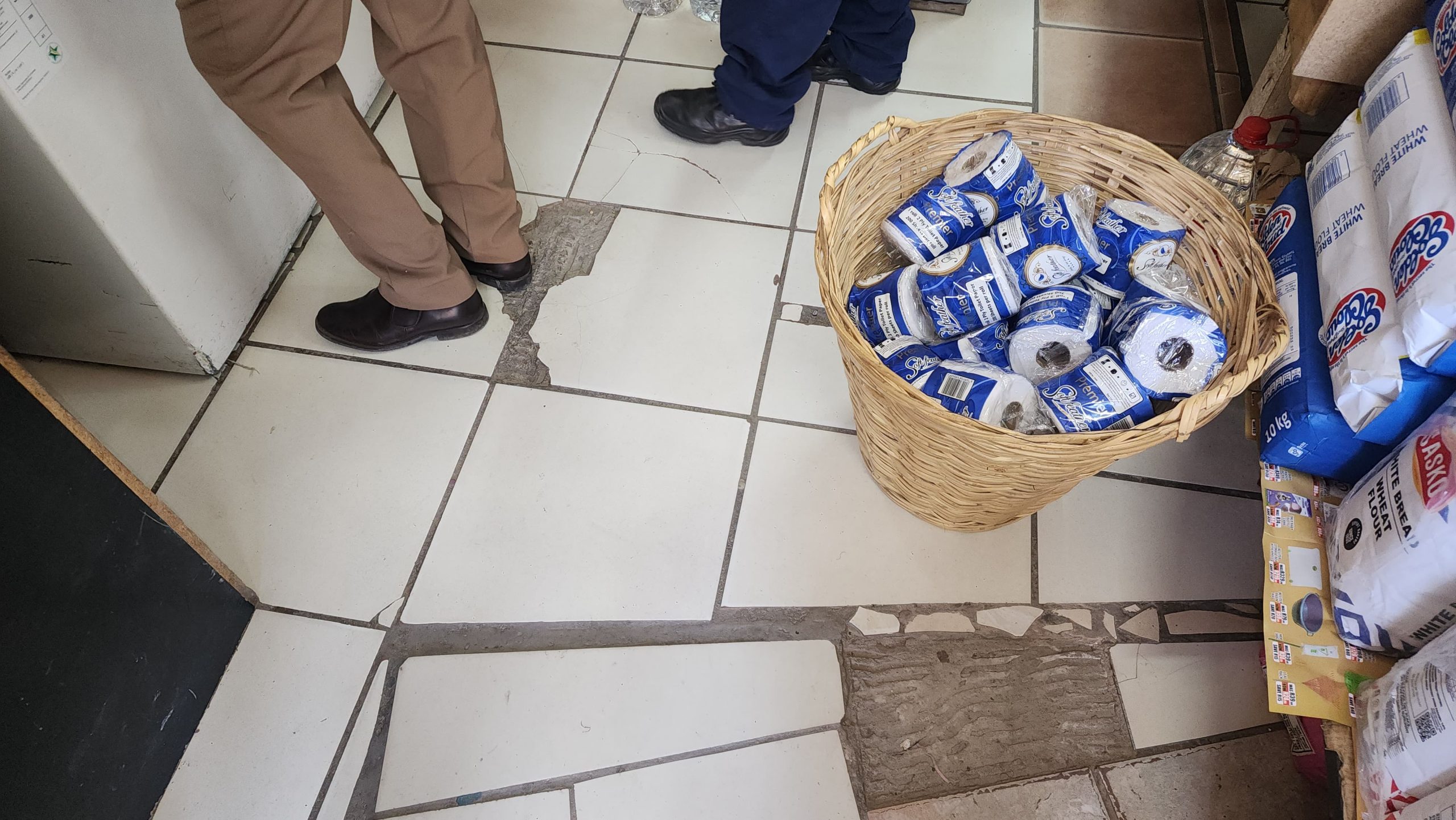
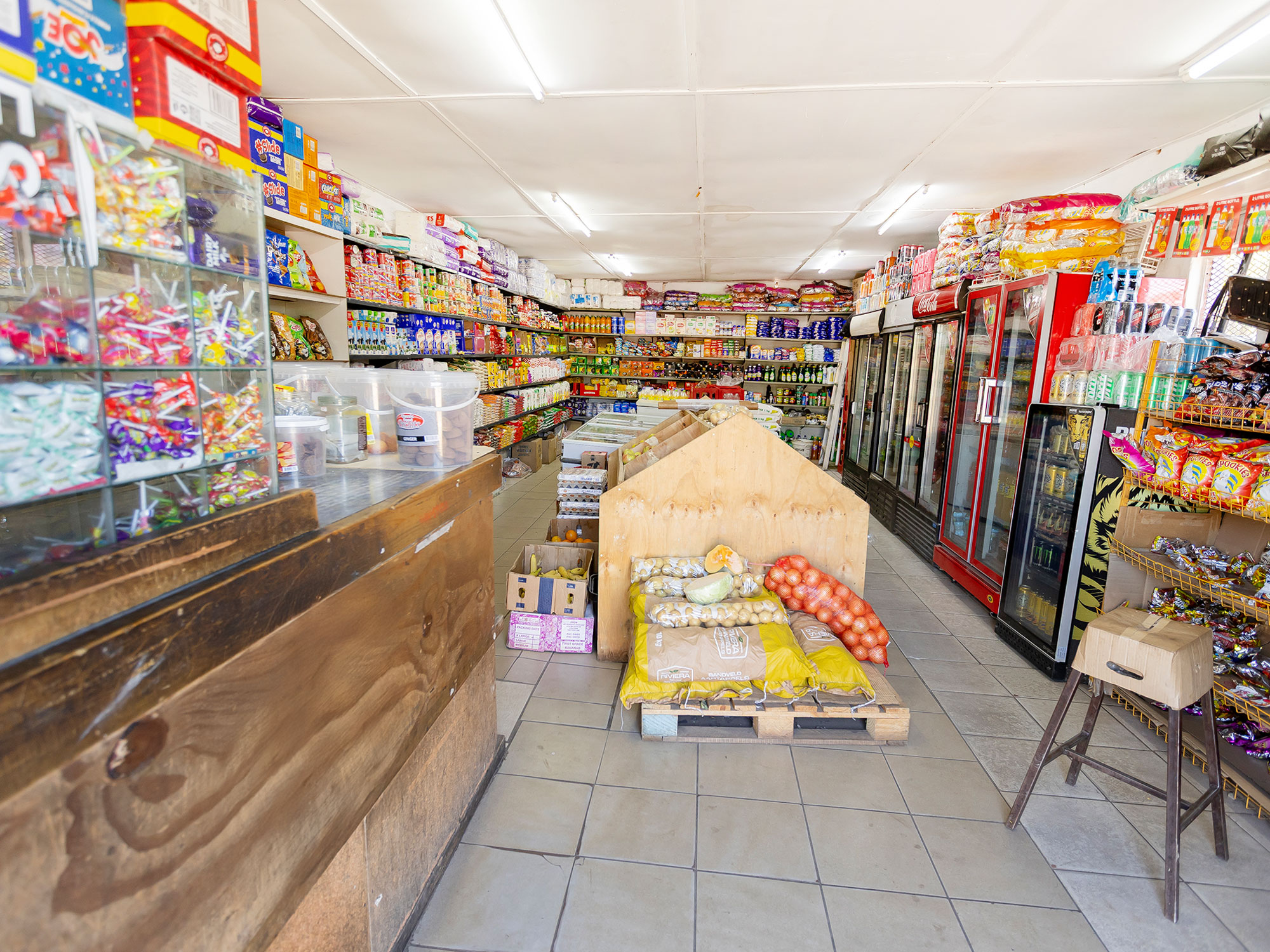
- Food Establishments: This covers the entire spectrum, from formal restaurants, caterers, bakeries, dairy farms, and abattoirs, all the way to informal food vendors and spaza shops.
- Business Sector: Inspections extend to places like old age homes, frail care homes, bed and breakfasts, Airbnbs, self-catering accommodation, caravan parks, campsites, hostels, and hotels.
- Healthcare Facilities: Doctor’s rooms, dentists, veterinary practices, hospitals, and clinics are all subject to inspections to ensure health standards are met.
- Personal Care Services: Barber shops, spas, tattoo parlours, beauticians, and piercing shops are also inspected to prevent the spread of infections.
- Residential & Government Spaces: This includes private homes, government buildings, and funeral undertakers.
- Industrial Sites: Both small and large industrial operations are inspected to ensure they comply with environmental health regulations.
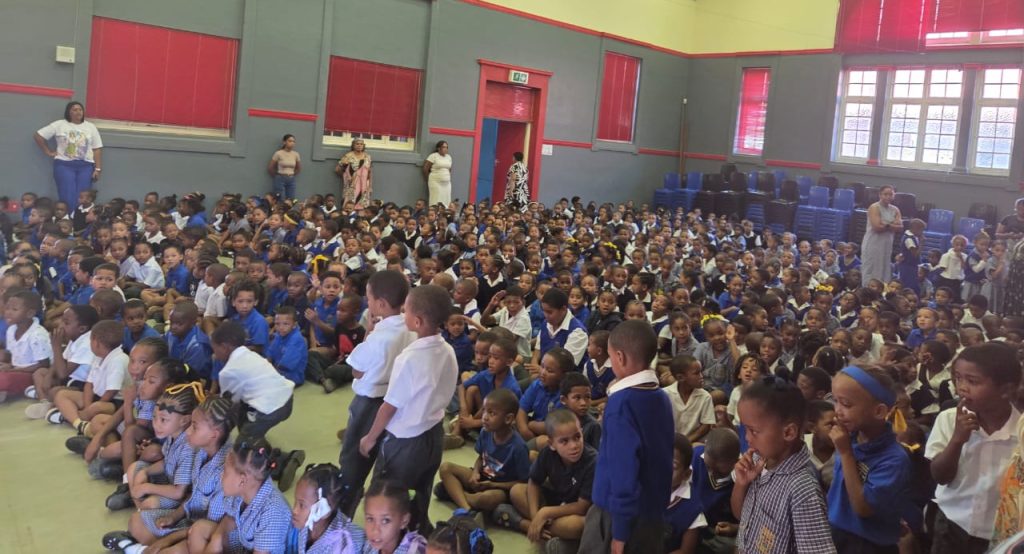
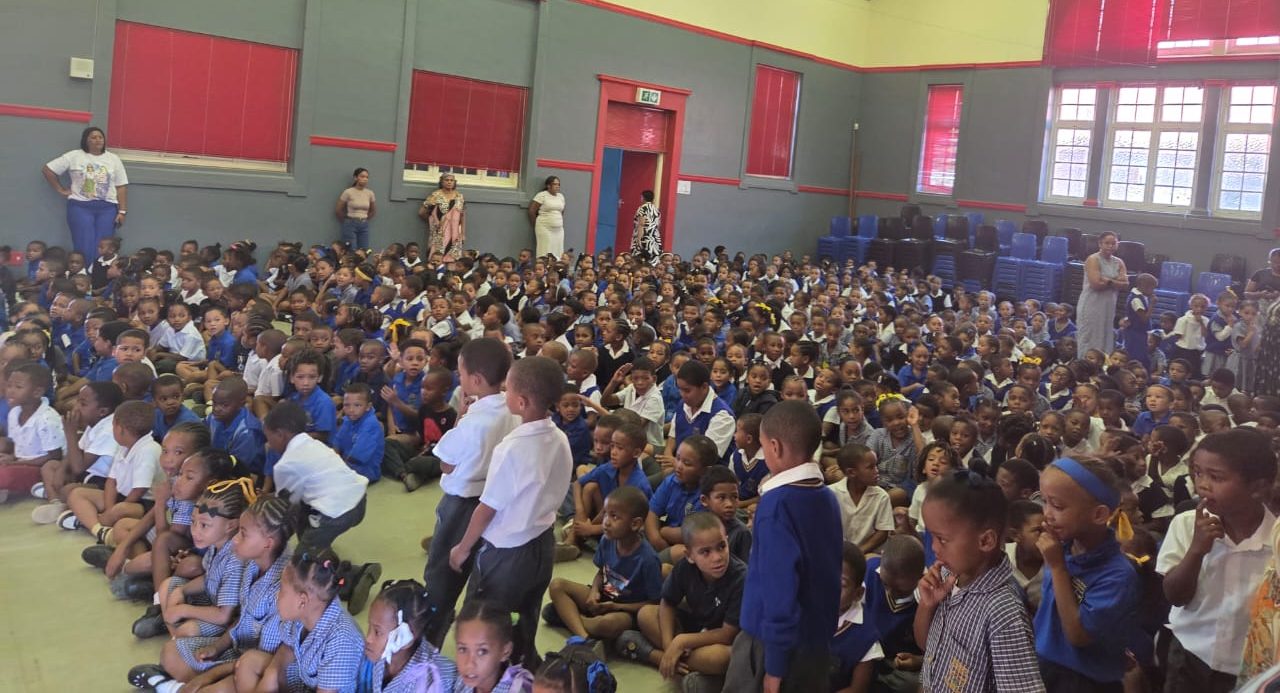
- Educational Facilities: Schools, crèches, aftercare premises, nurseries, colleges, and universities are checked to provide safe environments for learning.
- Public Sanitation: Public ablution facilities in malls, petrol stations, and informal settlements are regularly inspected.
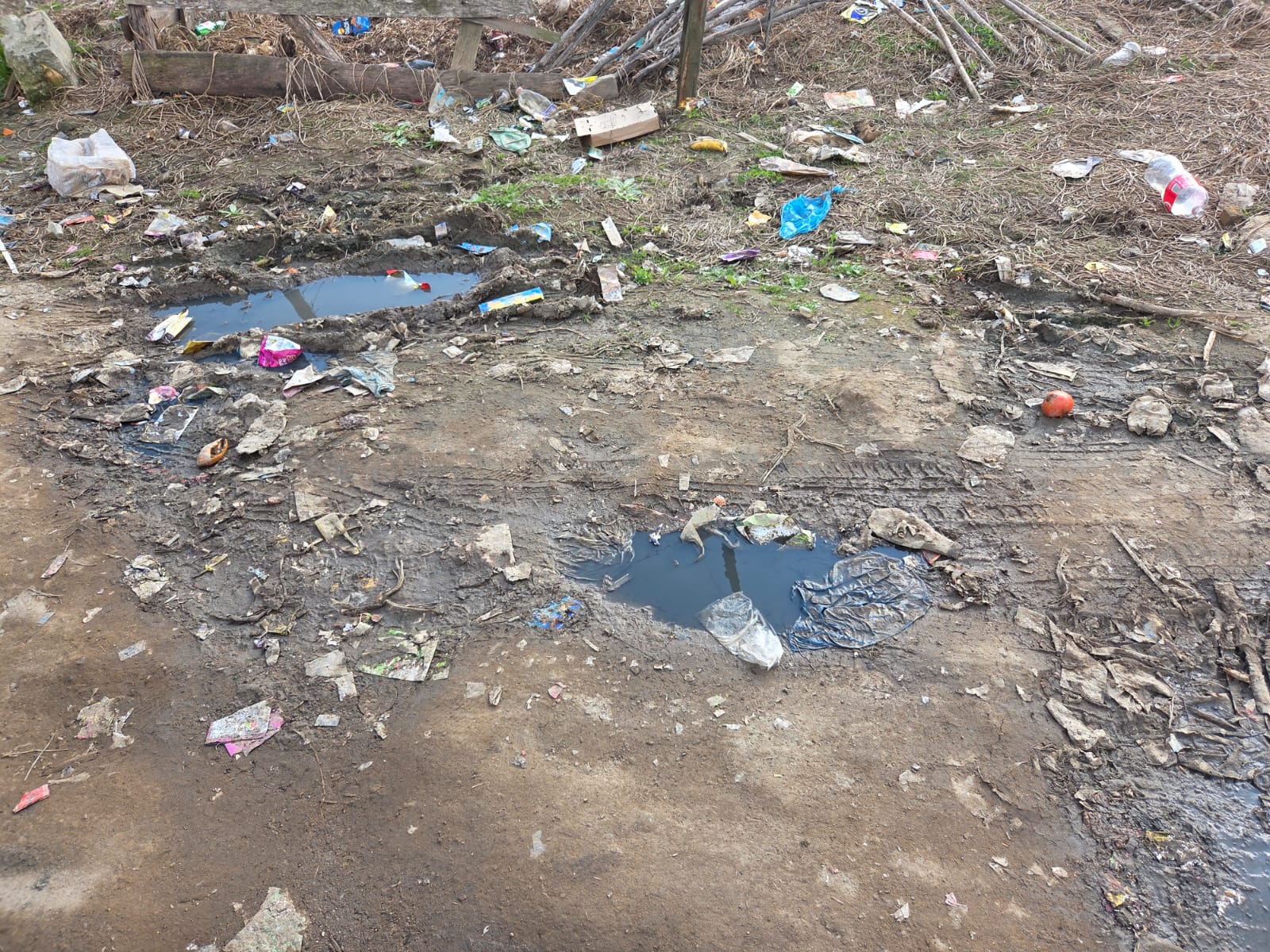
- Waste Management: This is a huge area, encompassing landfill sites, recycling facilities, hazardous waste facilities, and even illegal dump sites.
- Water Quality: Inspections include private and municipal wastewater treatment works, along with the critical sampling of river water, drinking water, and food samples for bacteriological contamination.
Why are EHPs the cornerstone of community health?
EHPs are absolutely necessary for monitoring and upholding public safety and health. They focus on the environmental factors that may have a directly impact on the well-being of humans, covering the nine key performance areas within the scope of practice for EHPs. There’s a strong emphasis in this profession on the principle – ‘prevention is better than cure’. The goal is to eliminate a hazard before anyone’s health is affected, ensuring a proactive approach to the well-being of communities.
When are inspections scheduled?
Inspections and surveillance of all identified premises are determined and undertaken as per approved frequency schedule compiled for EHPs, however, random visits are also done and tip-offs from the public are welcome about unfavourable conditions.
How can the public report health concerns?
To report any Food Safety related complaints, contact your nearest GRDM Municipal Health Office:
Johan Compion
jcompion@gardenroute.gov.za
044 803 1550 / 082 803 5161
Desmond Paulse – Manager: Municipal Health Klein Karoo
desmond@gardenroute.gov.za
044 272 2241 / Cell: 083 678 6530
94 St John Street, Oudtshoorn
Rinay Cloete – Acting Chief: Municipal Health Mossel Bay
rinay@gardenroute.gov.za
044 693 0006 /Cell: 083 630 6108
C/O Sampson & Marling Street, Ext 23, Mossel Bay
Emmy Douglas – Chief: Municipal Health George (Outeniqua)
emmy@gardenroute.gov.za
044 803 1537 / Cell: 078 457 2824
Mission Street, Industrial Area, George, 6530
Jessica Erasmus – Acting Chief: Municipal Health George (Wilderness)
jessica@gardenroute.gov.za
044 803 1522 / Cell: 081 346 3118
Mission Street, Industrial Area, George
James McCarthy – Chief: Municipal Health Knysna (Lakes)
james@gardenroute.gov.za
044 382 7214 / Cell: 082 805 9417
26A Queen Street, Knysna
Gawie Vos – Chief: Municipal Health Bitou (Lakes)
Gjvos@gardenroute.gov.za
044 501 1600 / Cell: 083 557 1522
7 Gibb Street, Plettenberg Bay
Haemish Herwels – Chief: Municipal Health Hessequa (Langeberg)
haemish@gardenroute.gov.za
028 713 2438 / Cell: 083 678 6545
23 Mitchell Street, Riversdale
*Landline numbers are only in use during weekdays