Media Release: Promoting Sustainable Waste Management Through Education and Awareness – Van Wyksdorp Primary School
17 August 2026
The Garden Route District Municipality (GRDM) continues to promote responsible waste management and environmental protection through education and community awareness. The recent activities in Van Wyksdorp highlighted the importance of teaching learners and educators about responsible waste management and sustainable practices.
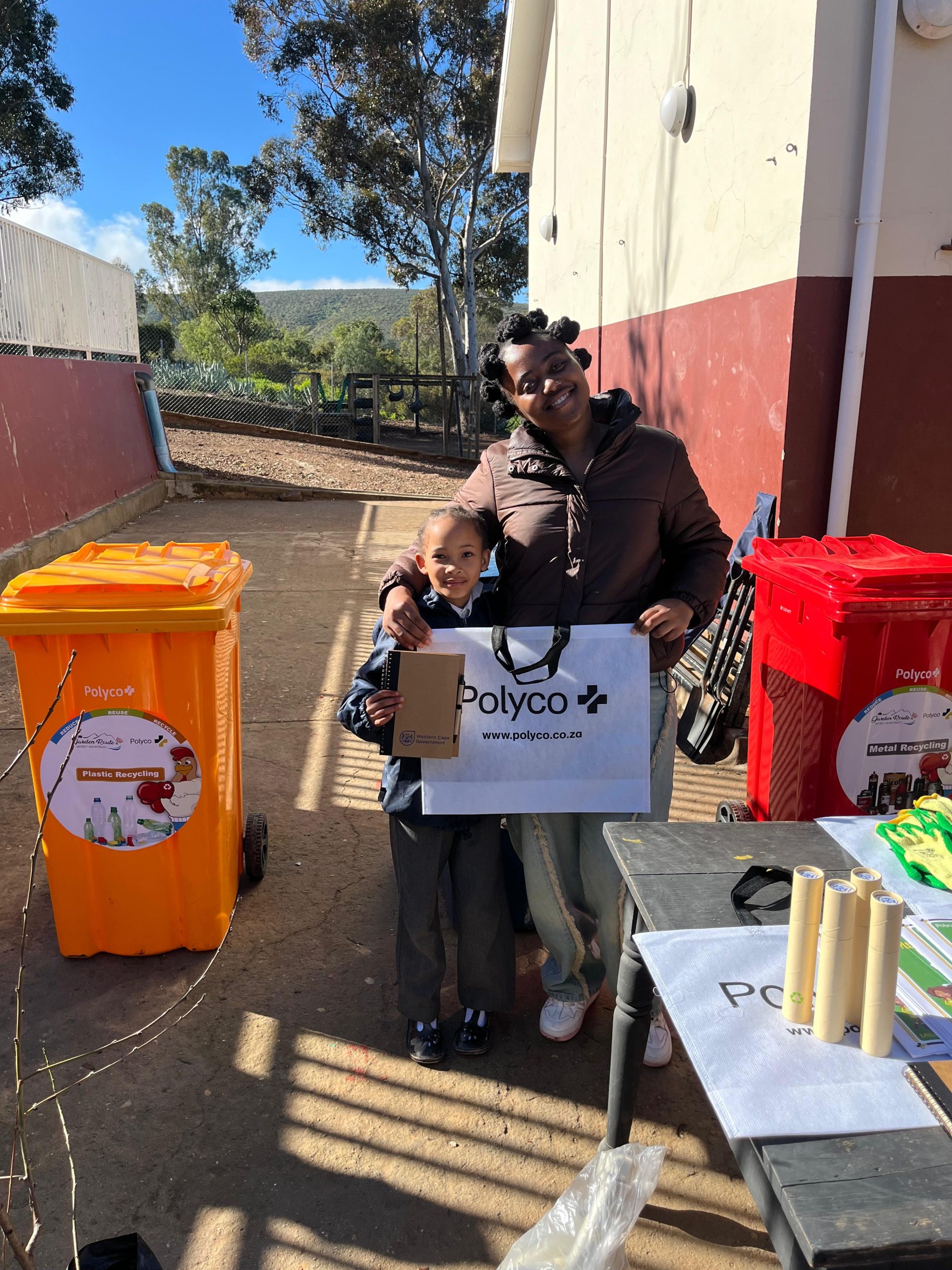
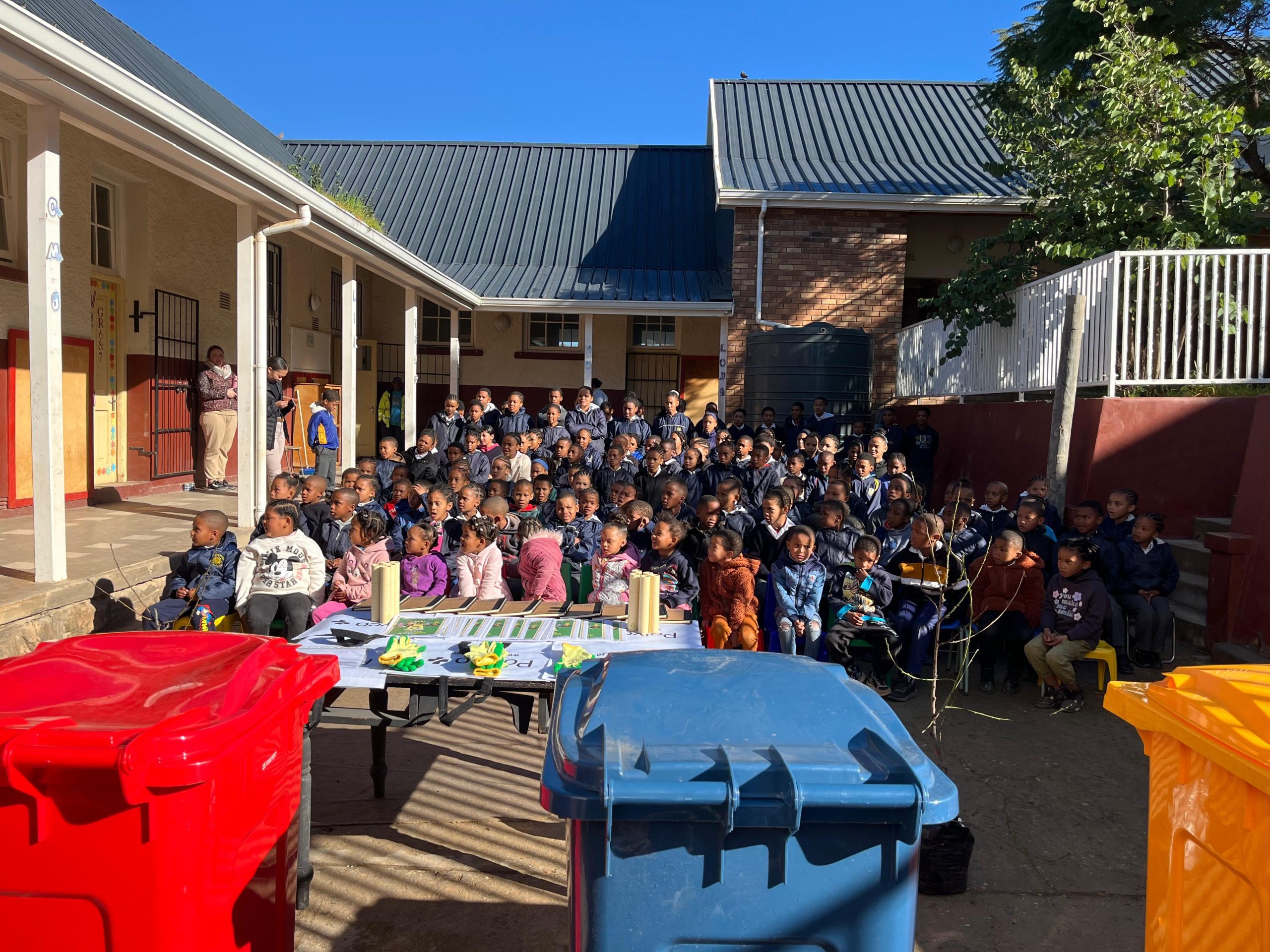
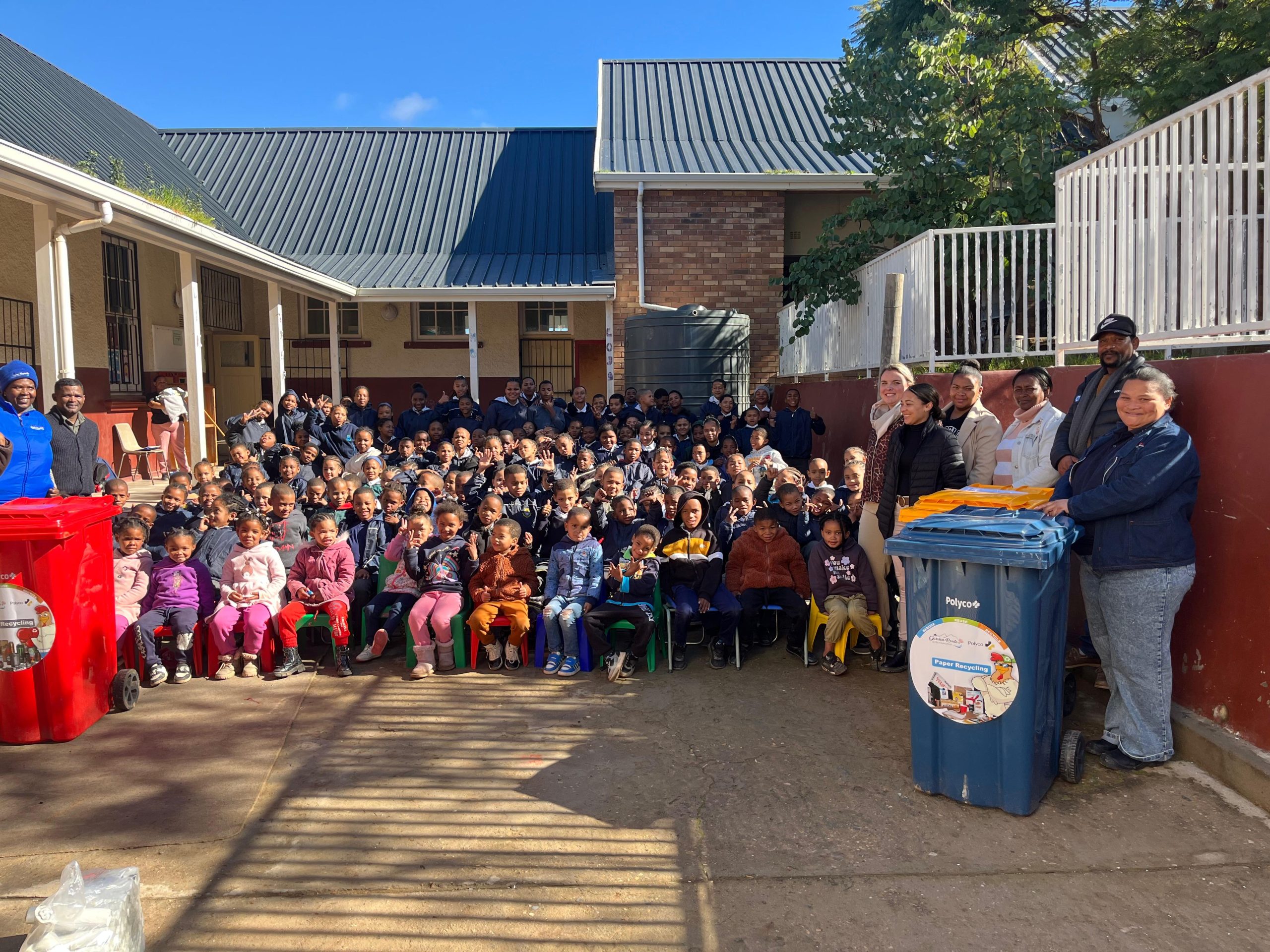
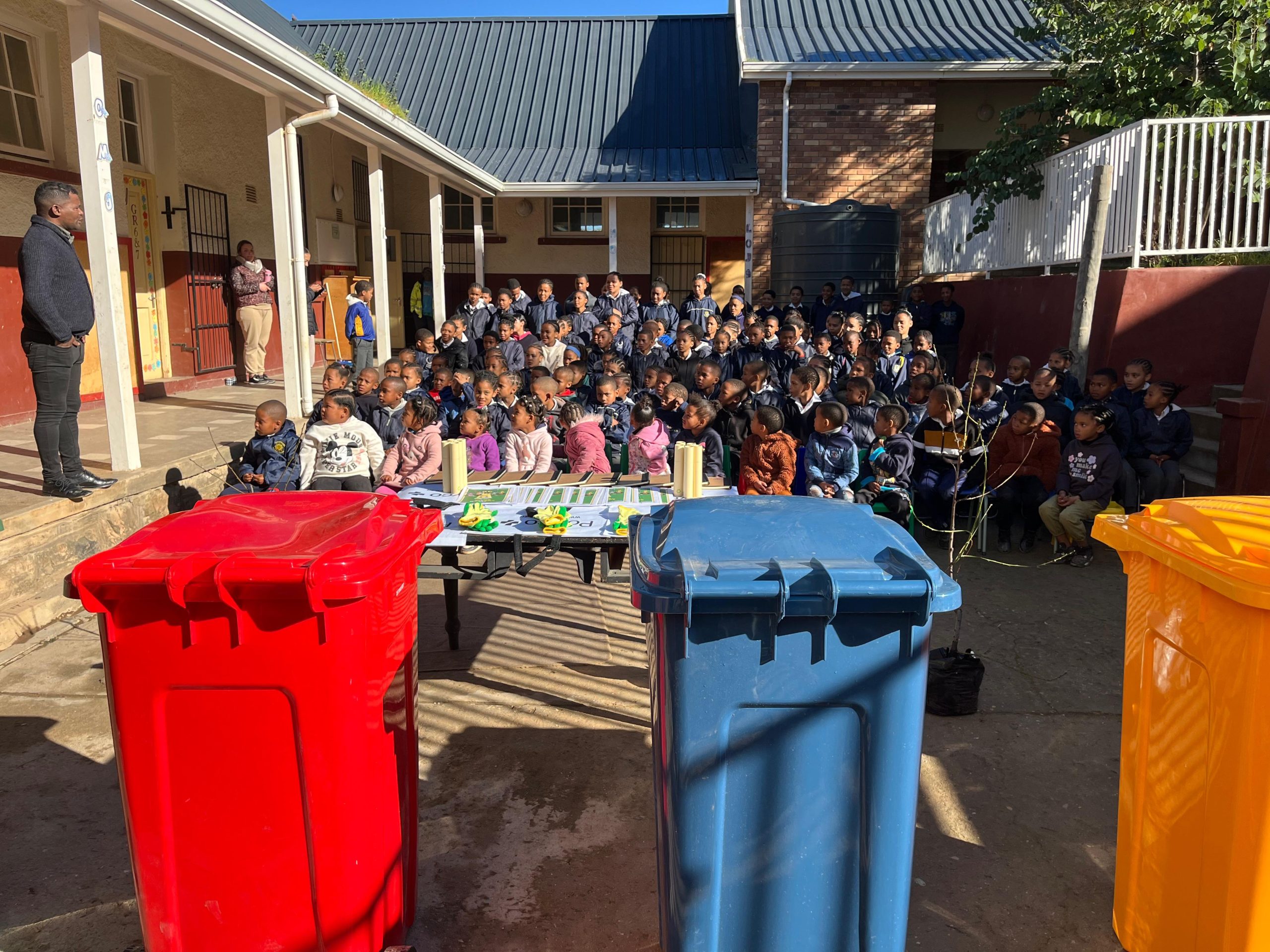
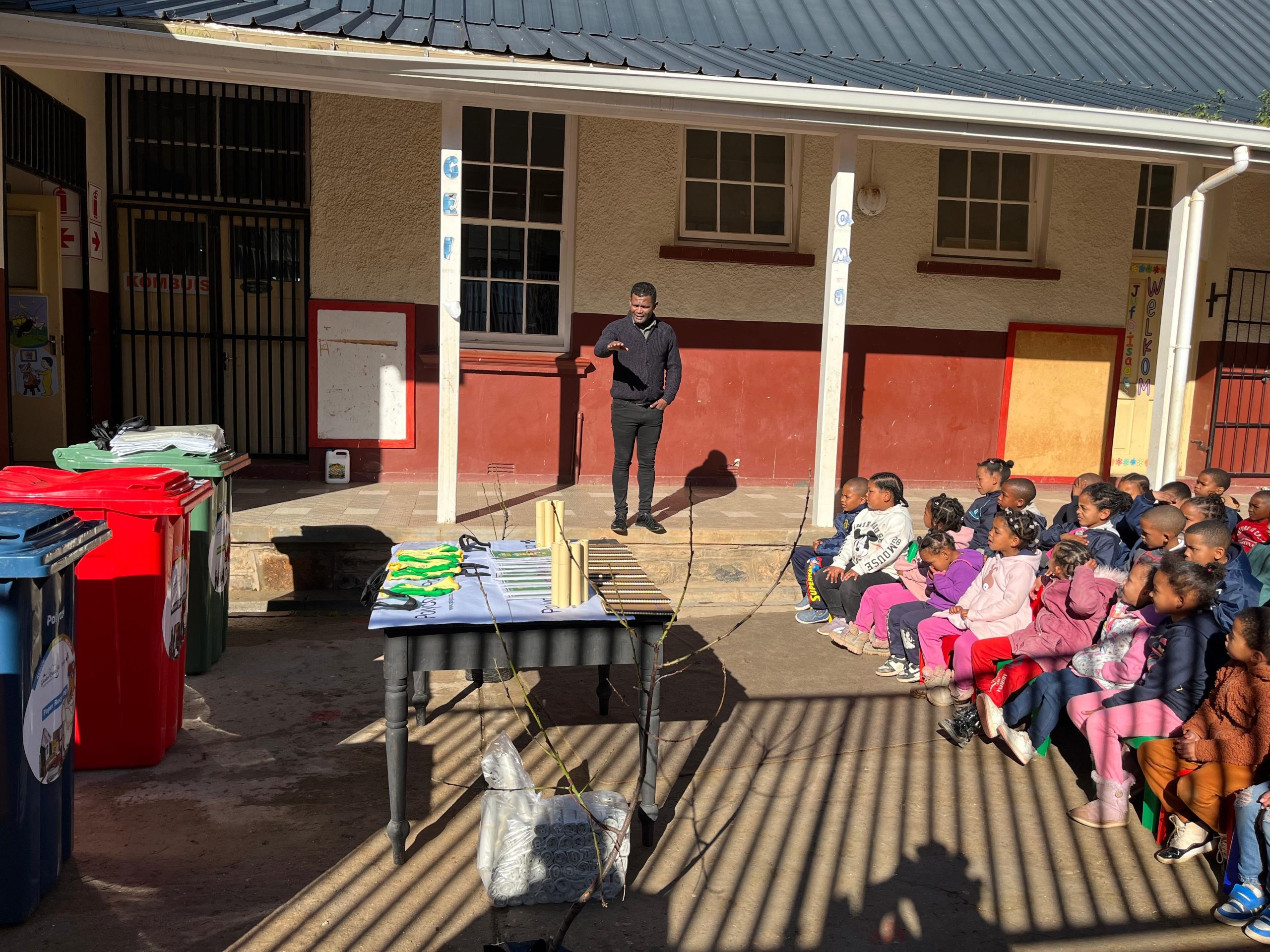
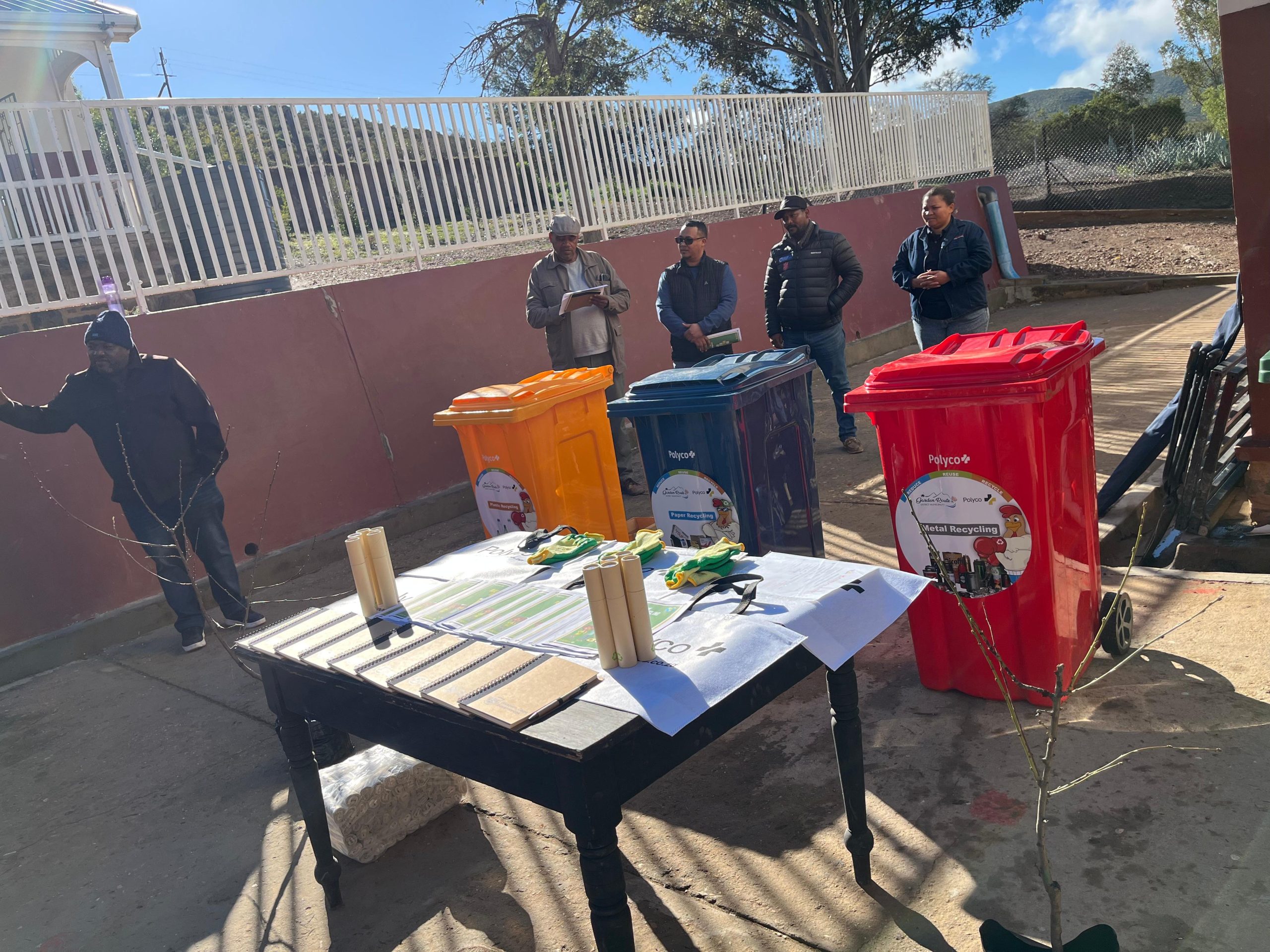
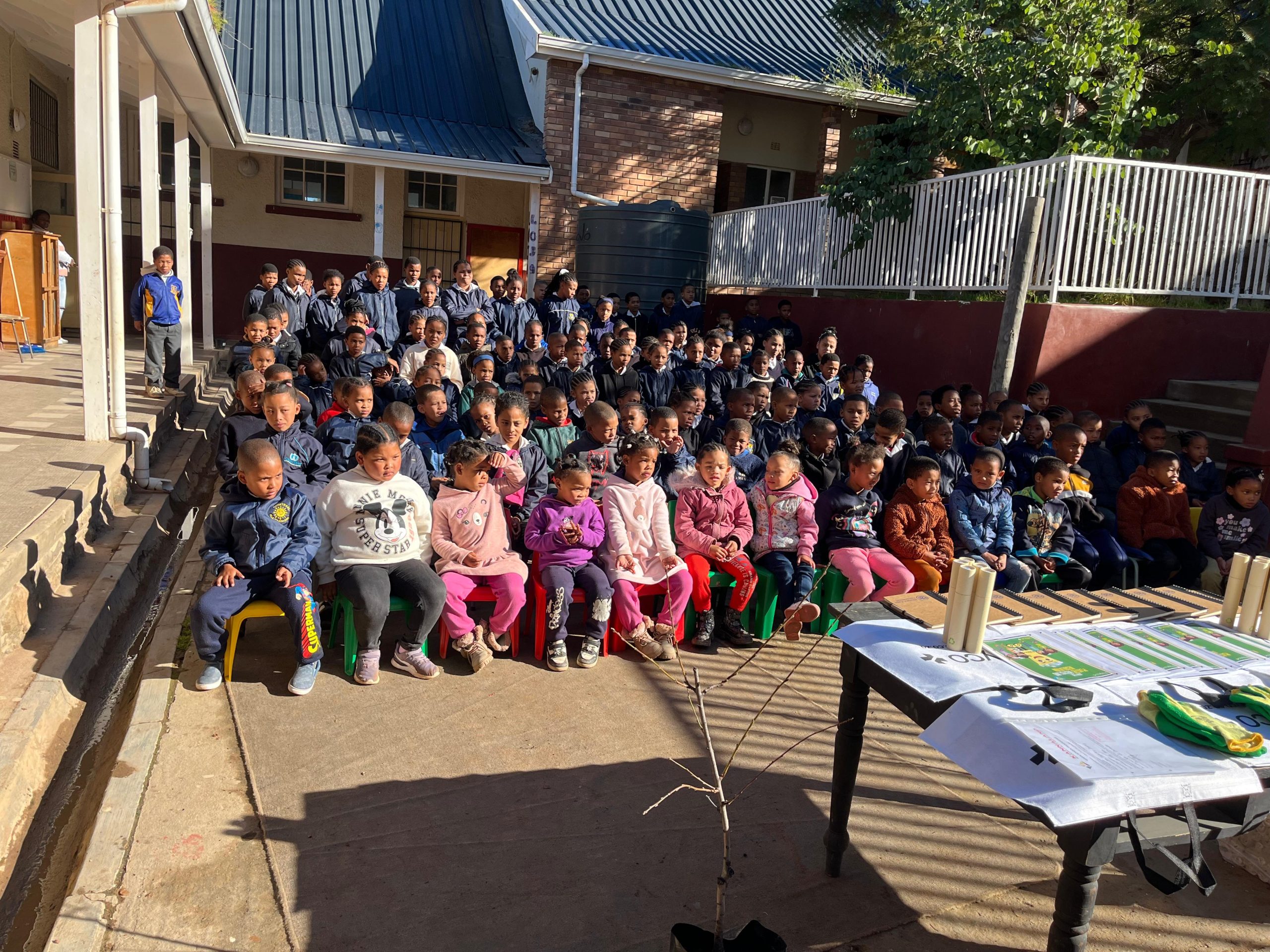
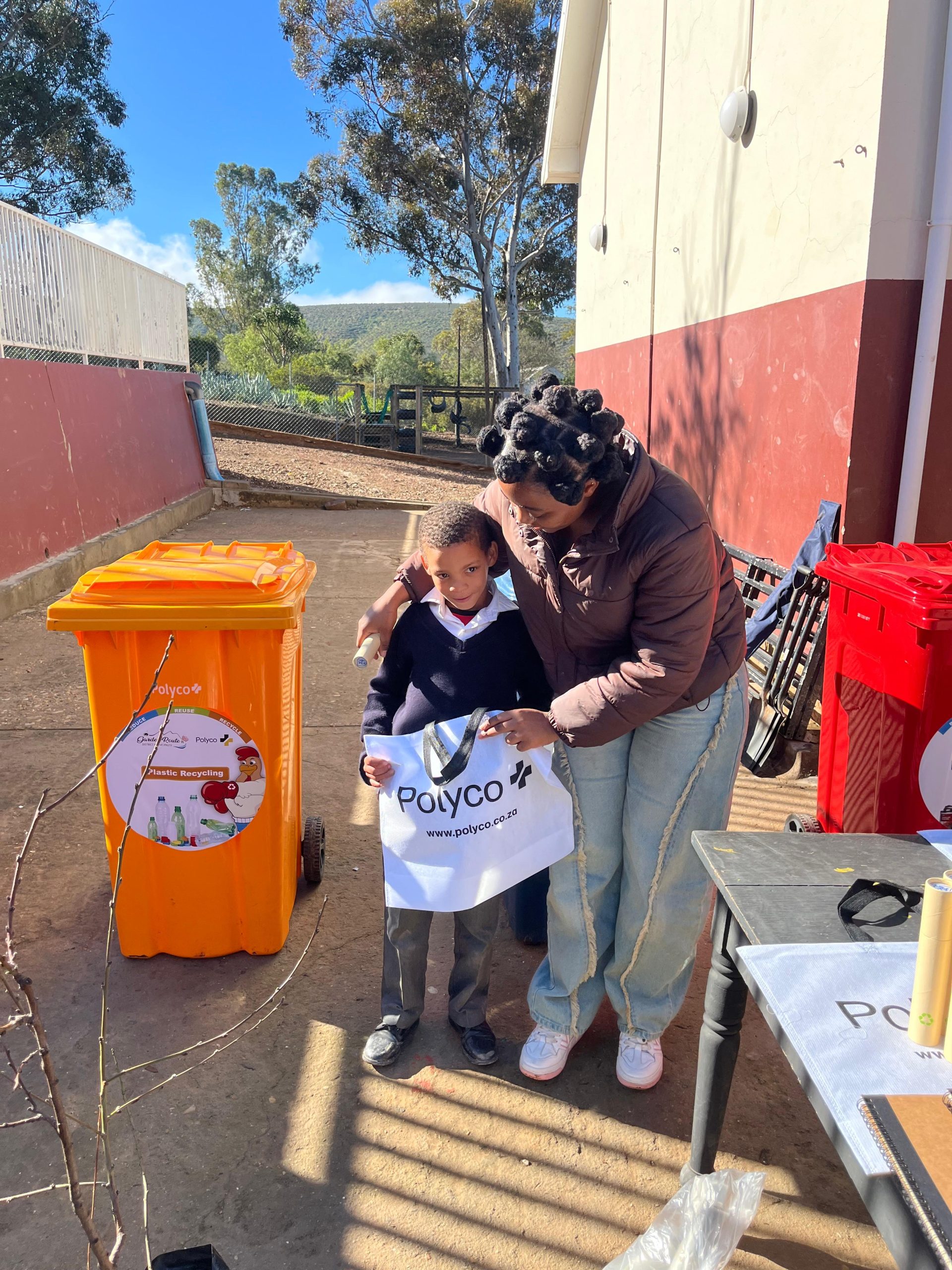
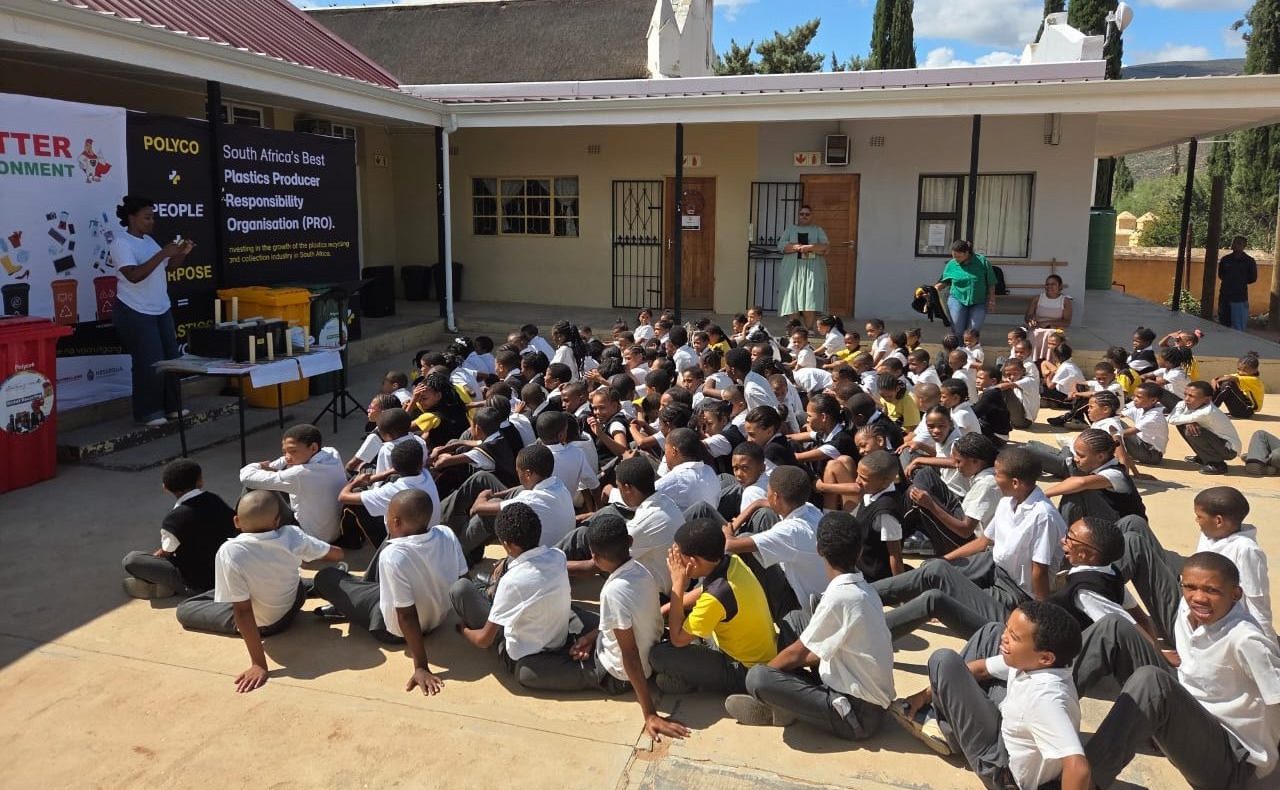
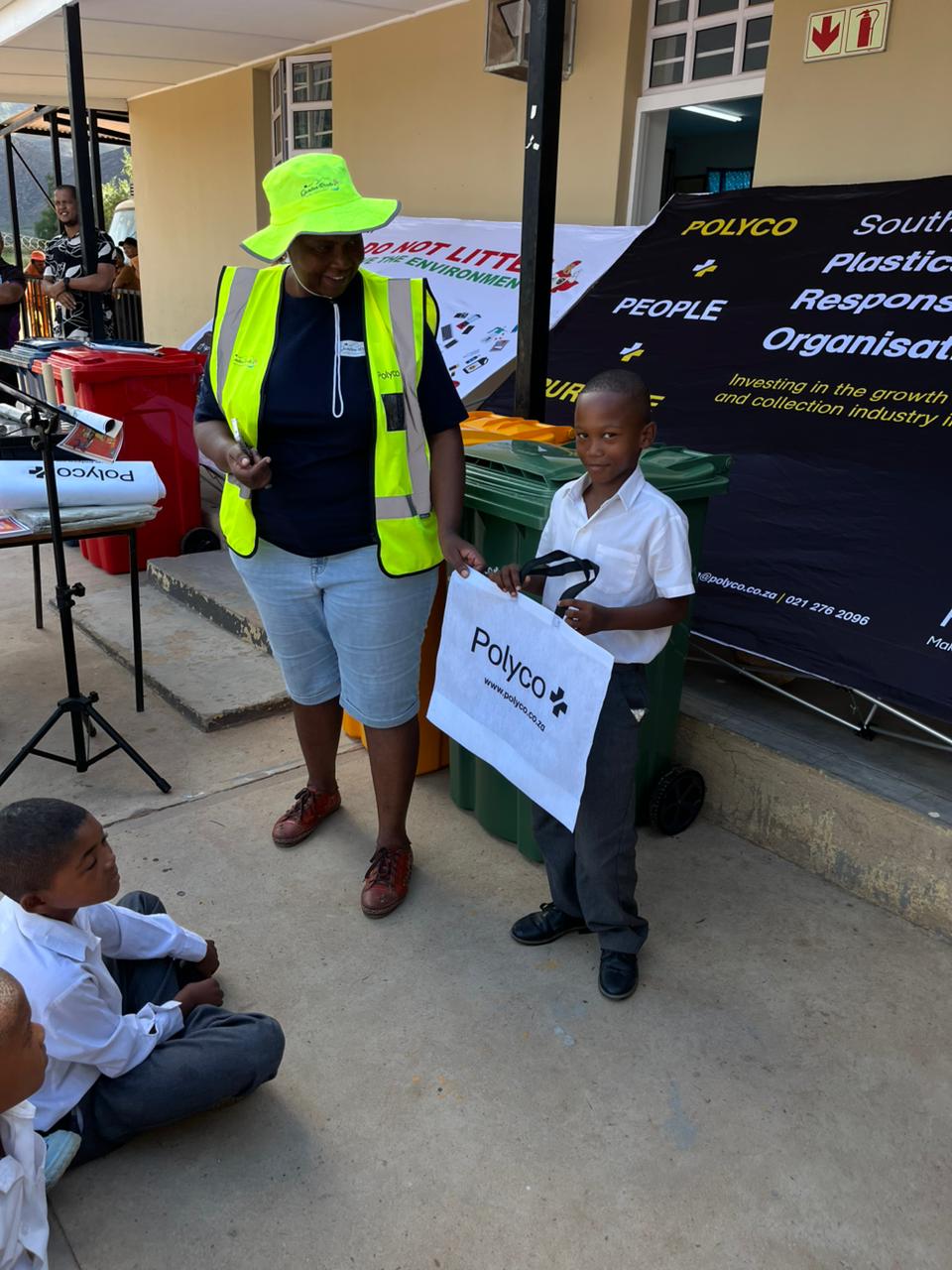
On Friday, 24 July 2026, the GRDM Waste Management Section conducted a Green School Recycling Program rollout at Van Wyksdorp Primary School. The initiative focused on increasing environmental awareness among learners and educators while promoting responsible waste management, source separation, recycling and the prevention of littering.
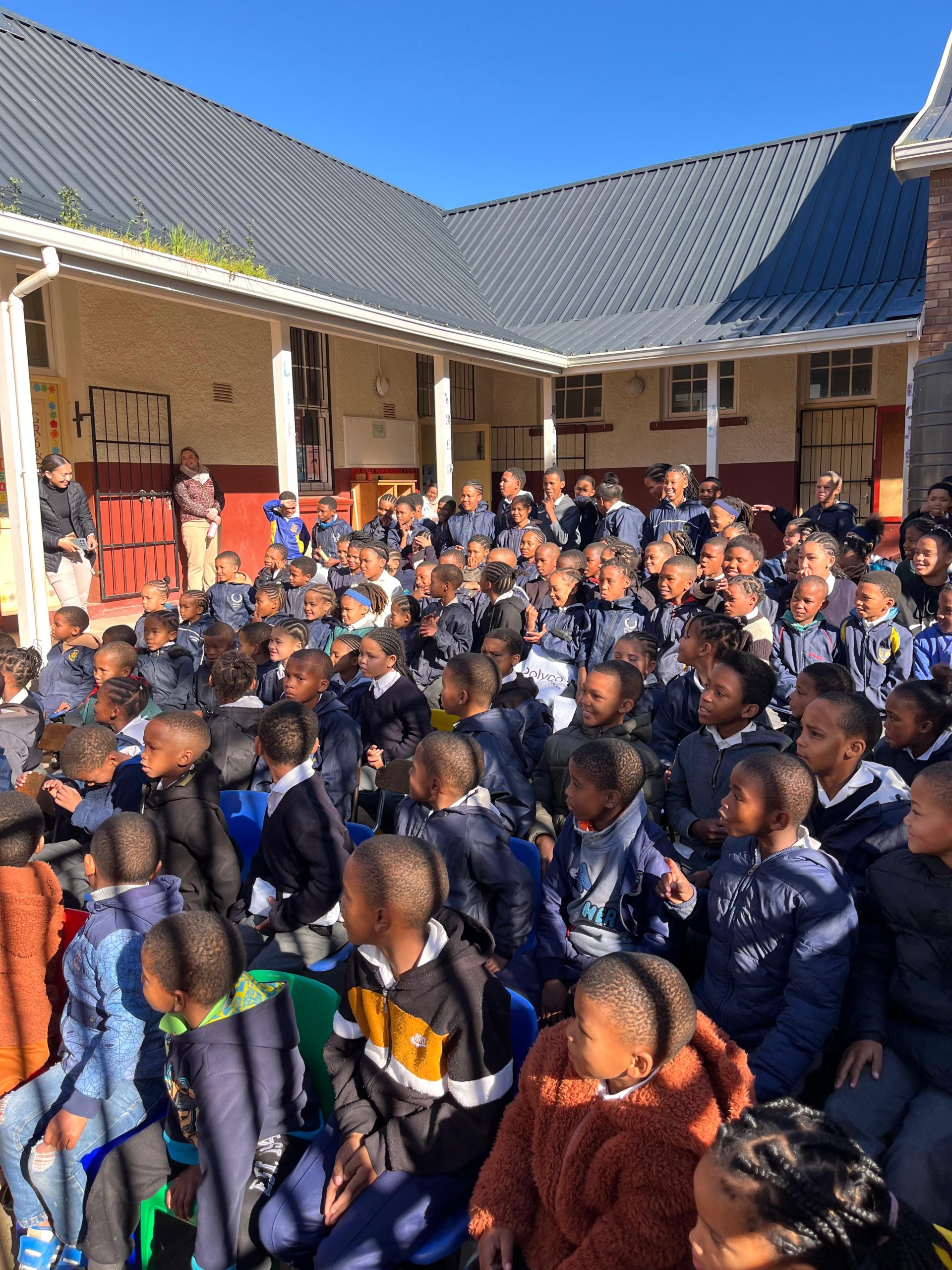
Approximately 123 learners, together with educators and relevant stakeholders, participated in the program. Learners were introduced to the importance of the 3Rs – Reduce, Reuse and Recycle and were encouraged to incorporate these principles into their daily lives.
The learners also received information on different types of recyclable materials and the importance of placing waste in the correct recycling containers. Attention was given to the consequences of littering and illegal dumping, including their negative impact on communities, water resources, animals and the broader environment.
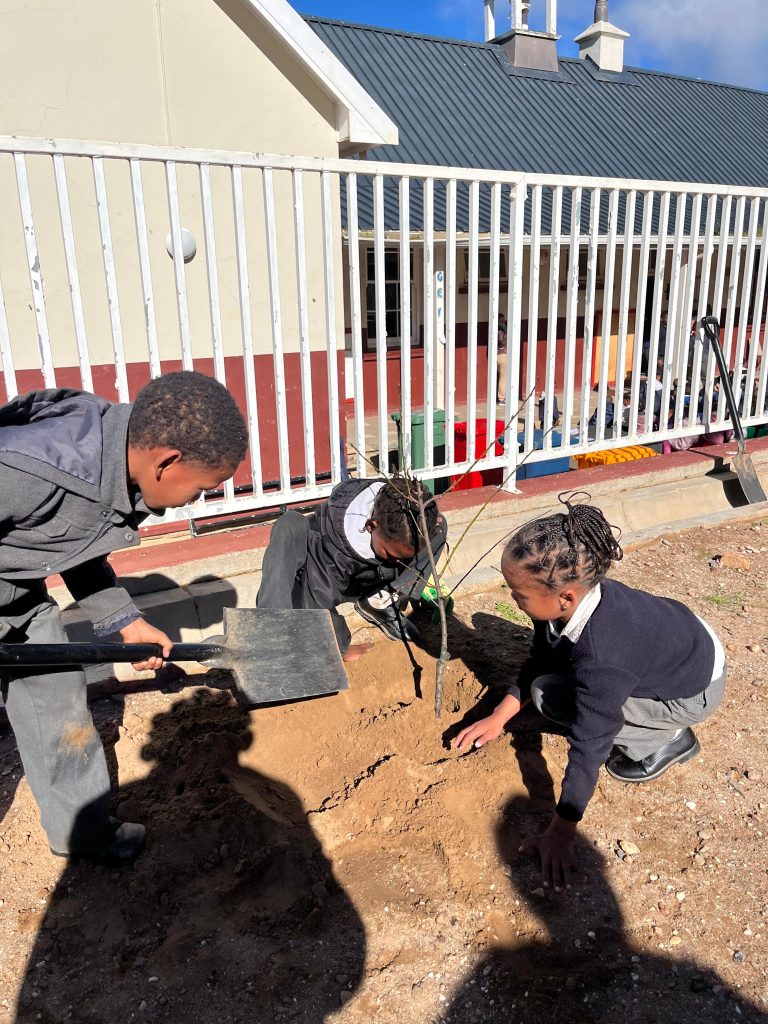
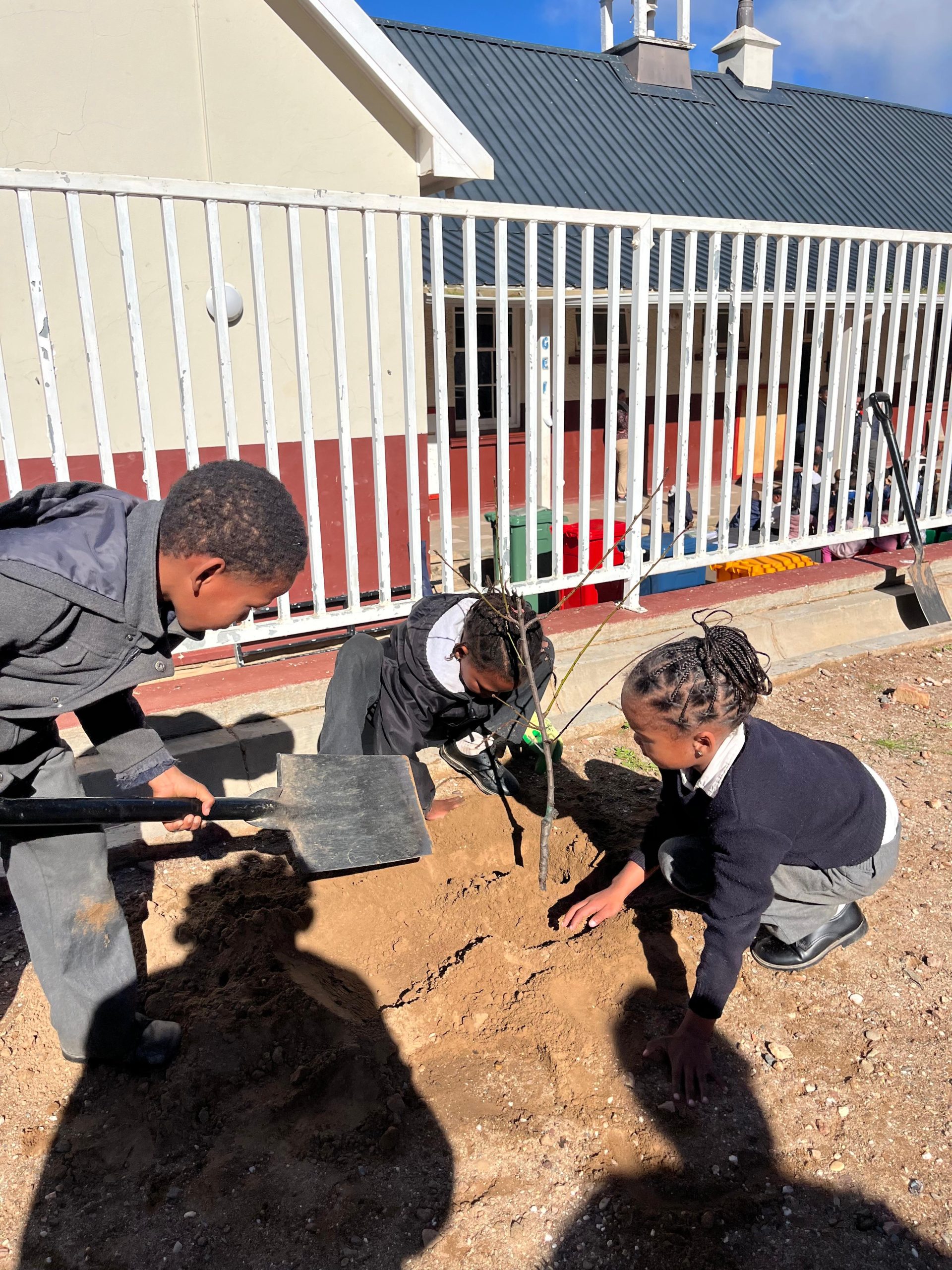
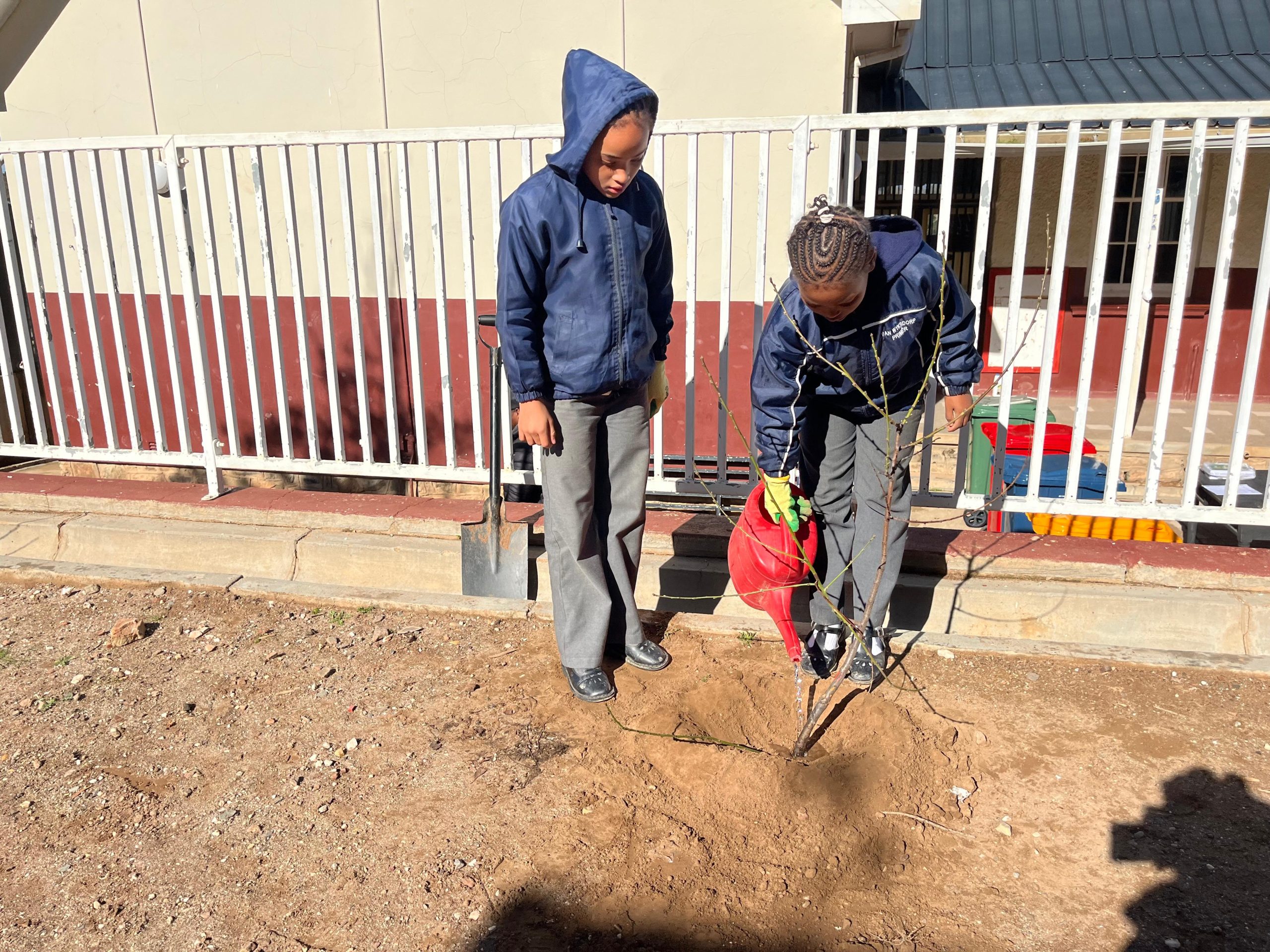
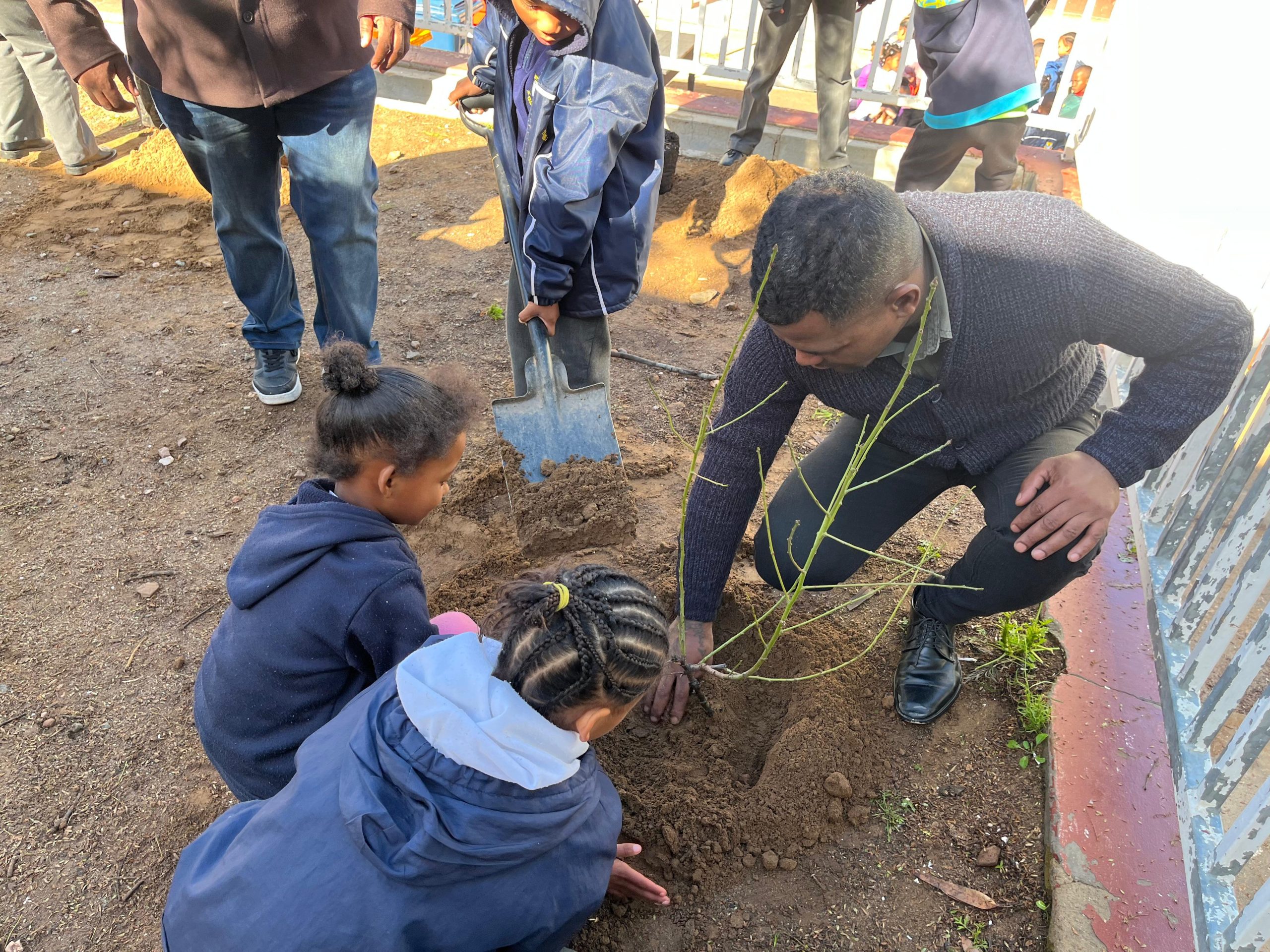
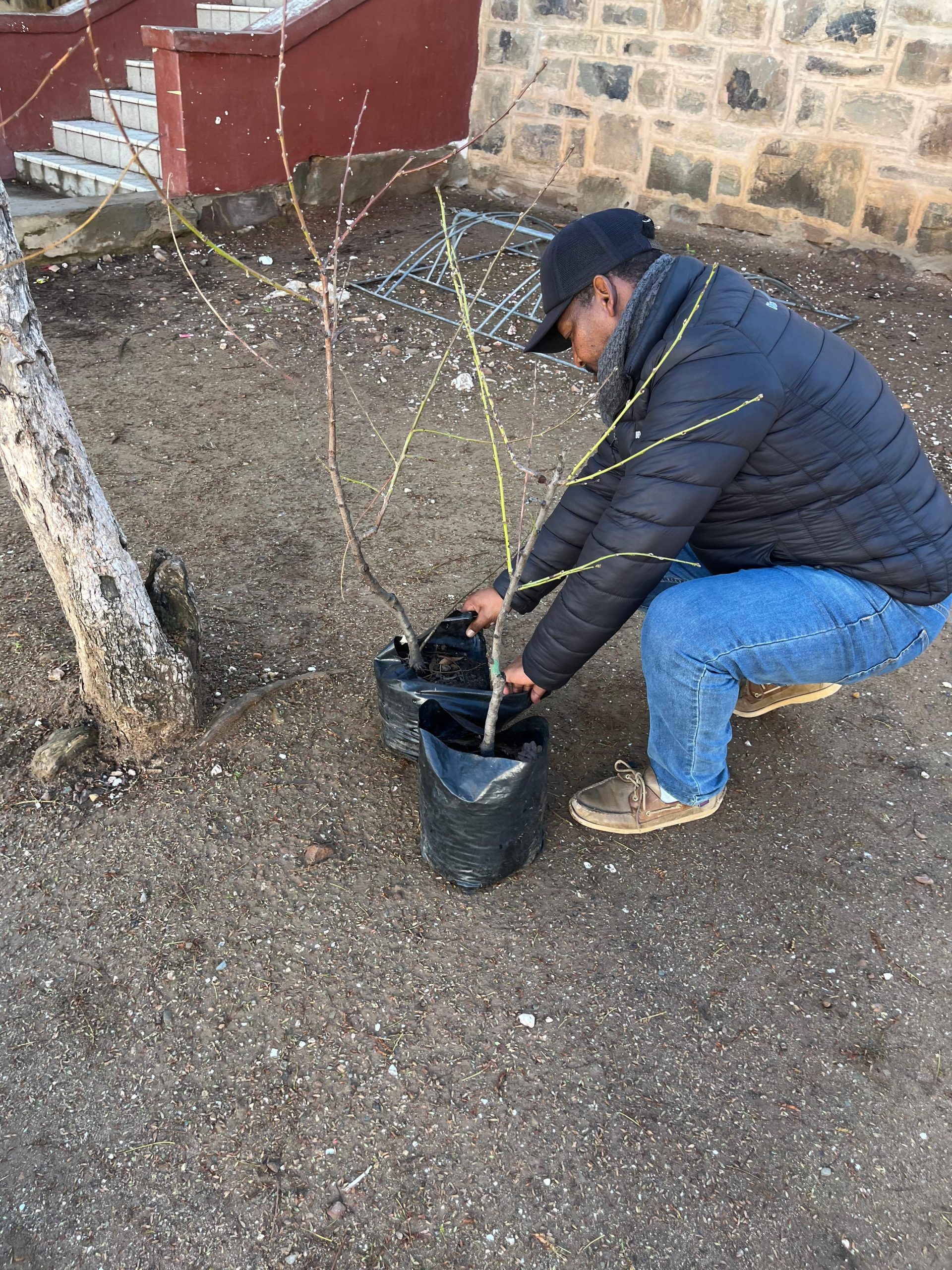
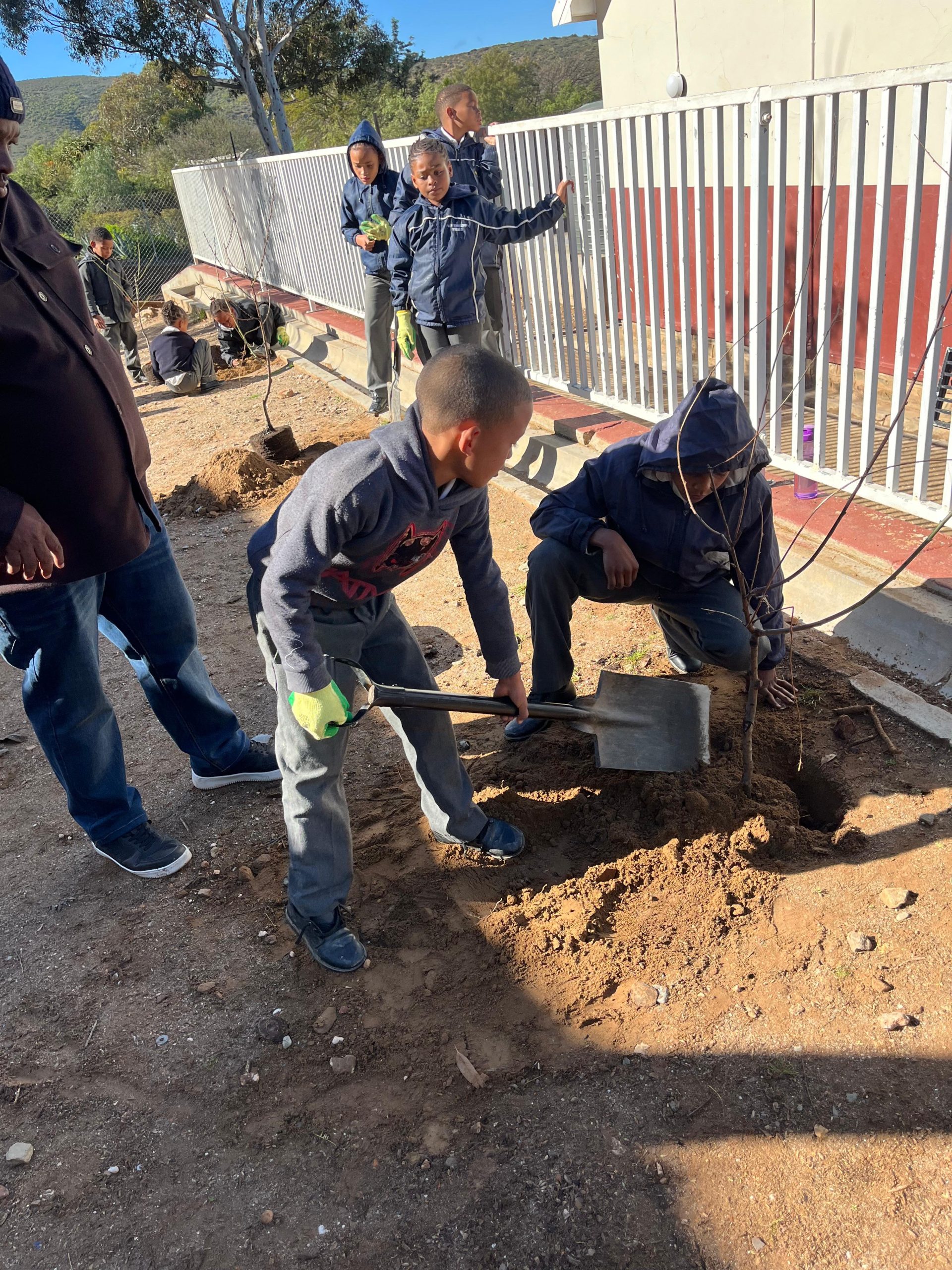
A practical component of the program was a tree-planting activity, which promoted environmental conservation while commemorating World Nature Conservation Day. The activity gave learners an opportunity to translate the environmental principles discussed during the program into practical action.
“The programme was well received by both learners and educators. Learners participated enthusiastically and showed a good understanding of the importance of keeping their school and community clean. The practical activities encouraged participation and reinforced the message that everyone has a role to play in protecting the environment,” said Innocentia Sikweyiya, GRDM District Waste Management Officer.
Educators welcomed the initiative and supported teaching learners about waste management, recycling and environmental protection.
Learners were also encouraged to share what they learned with their families and communities, helping to promote responsible waste management at home.
Media Release: GRDM Engages Schools and Communities in Fight Against Waste and Illegal Dumping
04 March 2026
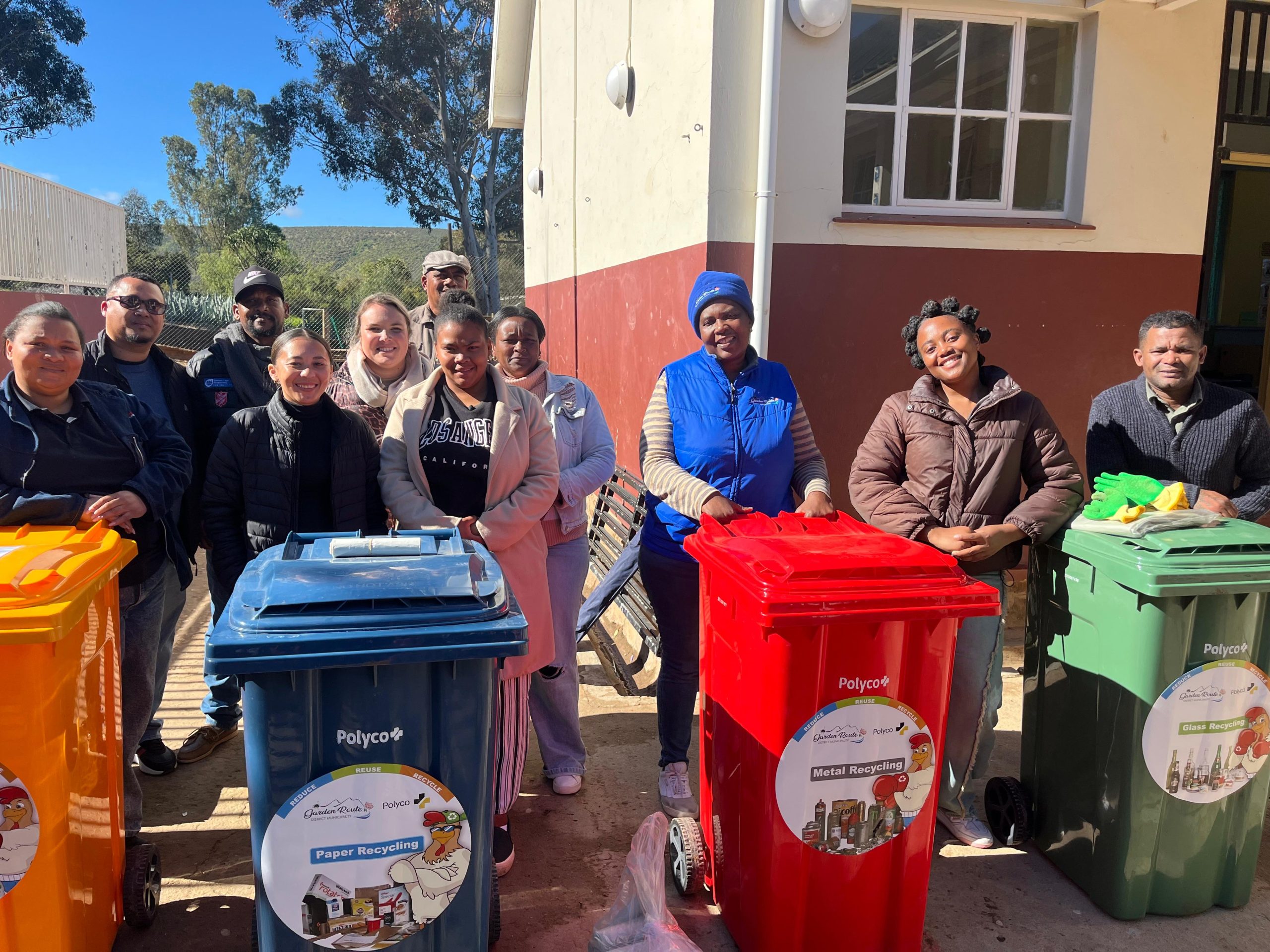
During February, the Garden Route District Municipality (GRDM) Waste Management Section continued rolling out its Green School Program by introducing a new colour-coded bin system at participating schools across the district.
The programme aims to strengthen waste minimisation education and encourage environmental awareness among learners. After all, waste minimisation starts with awareness and action. By equipping schools with the right tools and knowledge to manage waste responsibly, we are empowering learners to become champions of sustainability in their own households and communities.
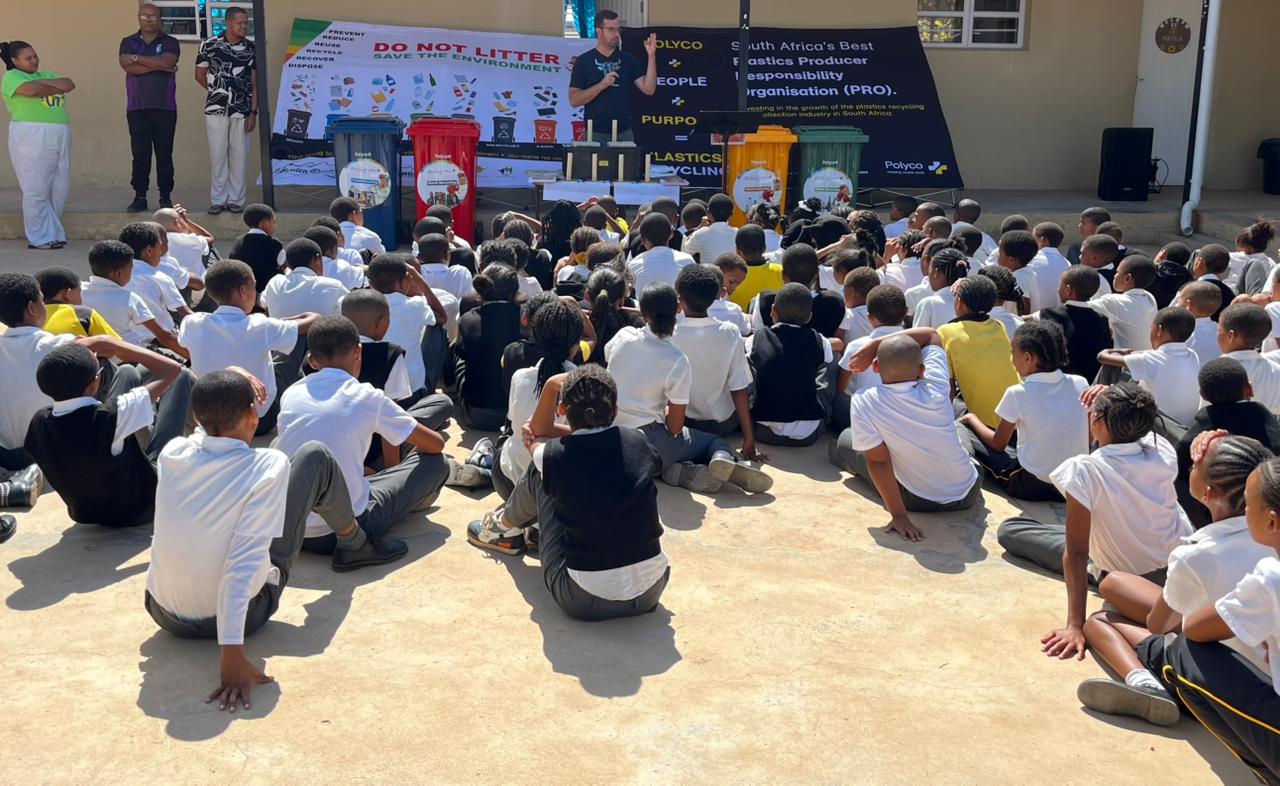
On 12 February, GRDM, in collaboration with the Bitou Municipality, visited two schools in the Bitou Municipal area to introduce the program. The following day, on 13 February, GRDM collaborated with Landmark to hand over 85 recycling boxes to Outeniqua High School. These boxes will enable learners to separate waste directly in their classrooms, making recycling part of their daily routine.
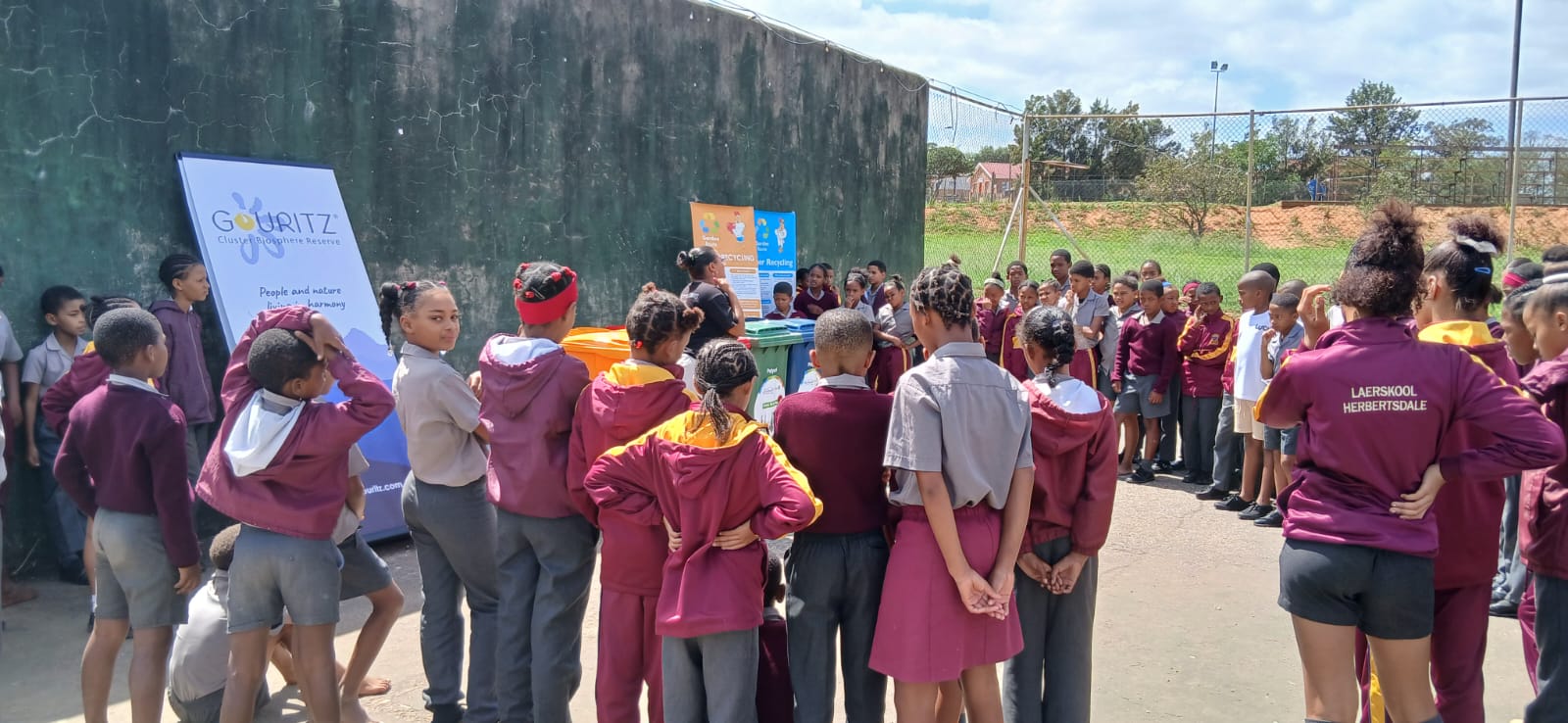
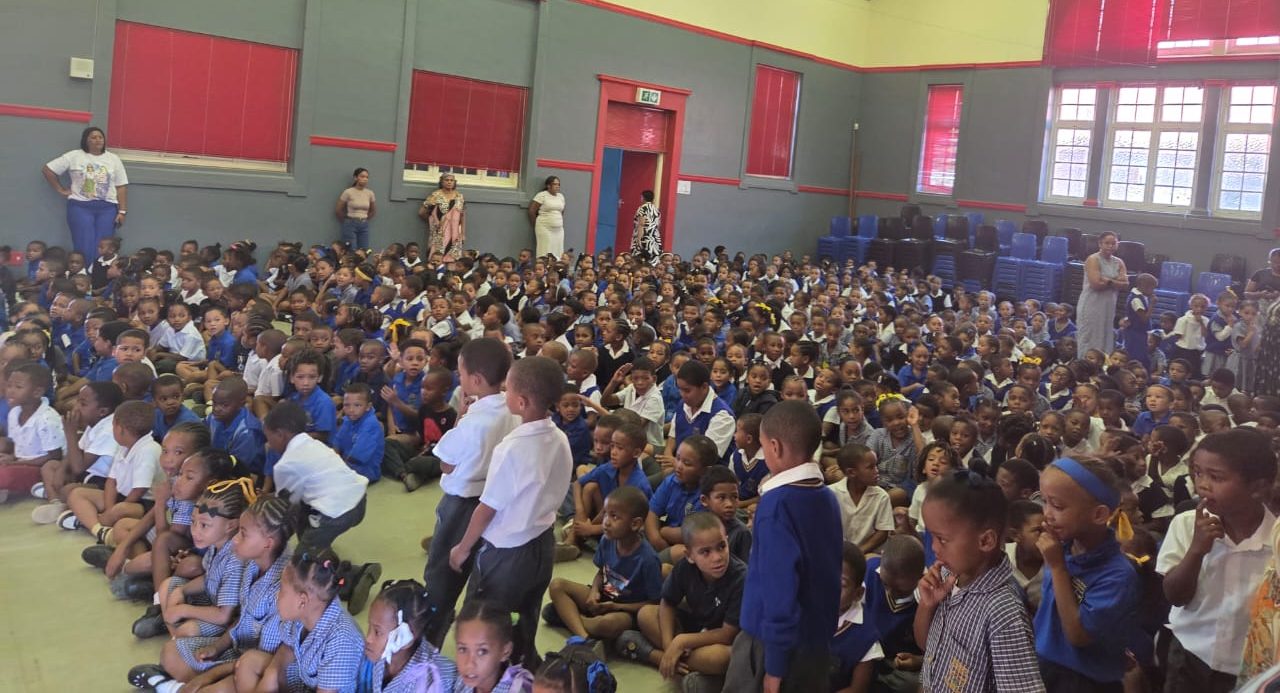
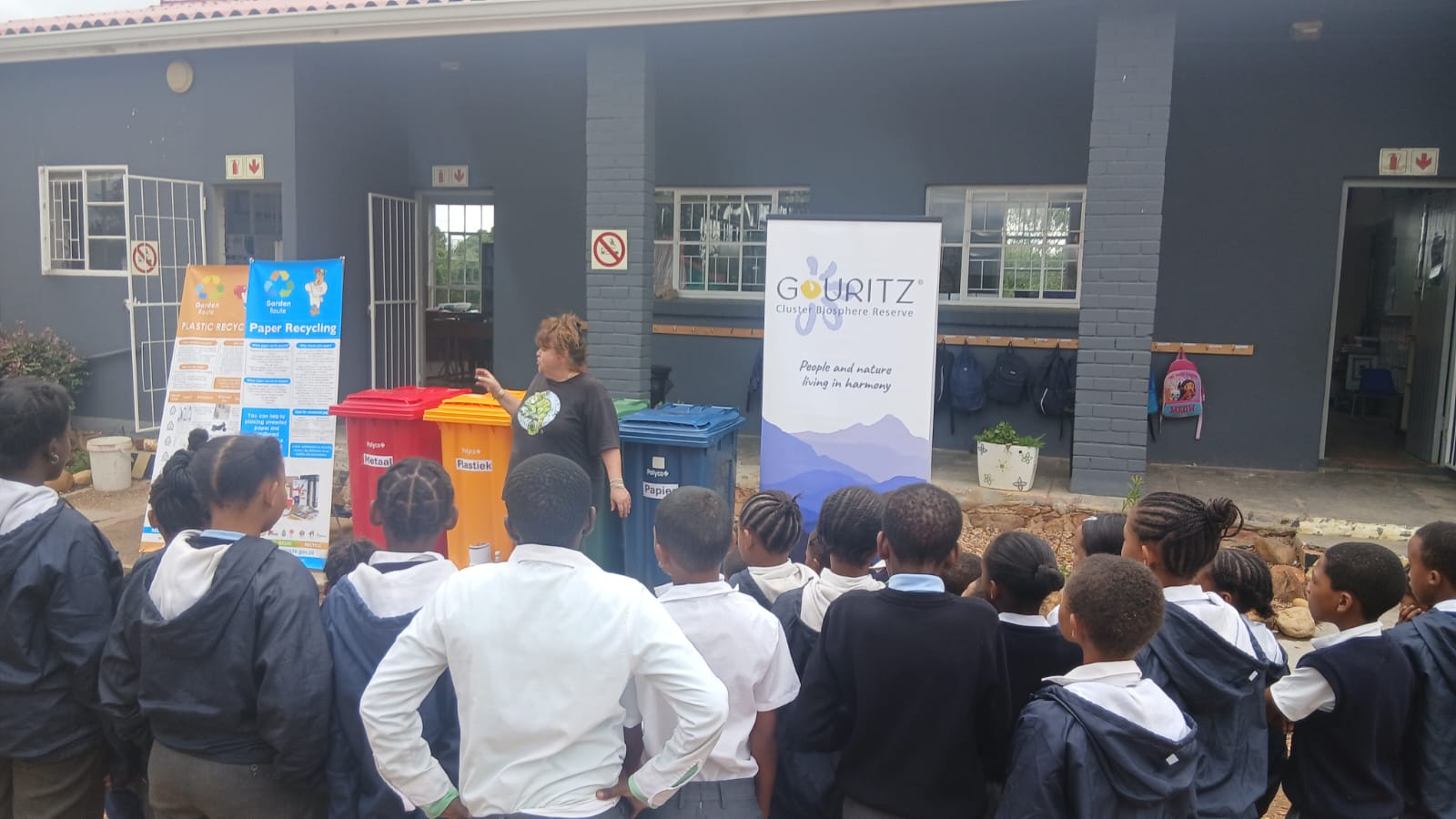
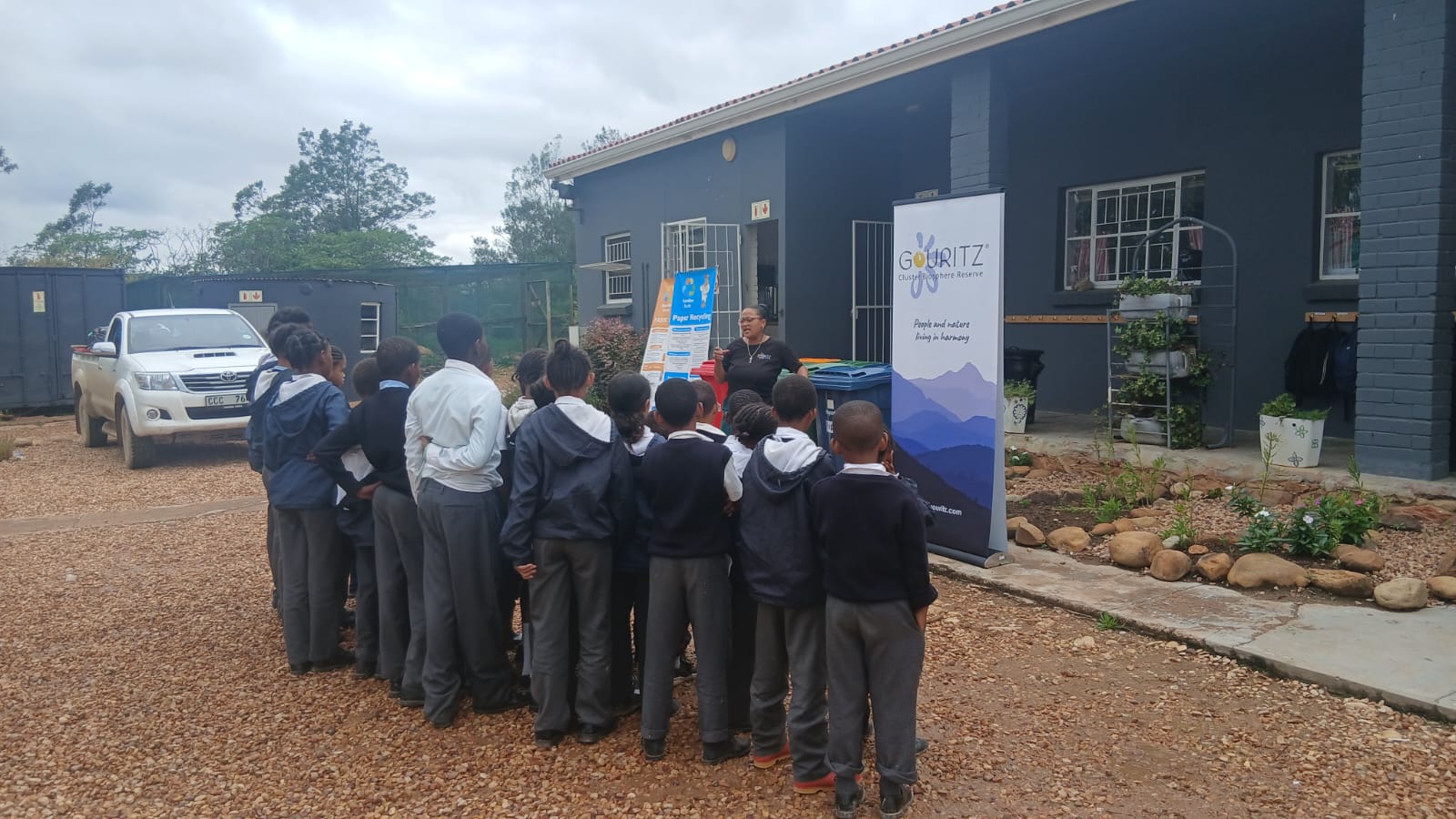
The following week, on 18 February, the GRDM Waste Management Section, in collaboration with the Gouritz Cluster Biosphere Reserve, extended the programme to three schools in the Hessequa Municipal area, reaching more than 700 learners.
Learners were taught how to separate waste correctly, followed by interactive Q&A sessions to test their understanding. They also practised identifying the correct waste streams for each colour-coded bin, reinforcing the importance of responsible waste management in a practical and engaging way.
“GRDM would like to acknowledge POLYCO, MPACT, and the Department of Environmental Affairs and Development Planning (Western Cape Government) for partnering with us to ensure the success of this programme. The Green School Program is a GRDM-led initiative that promotes sustainability through practical education, hands-on activities, and partnerships. The programme focuses on waste minimisation and recycling and equips learners with the skills and values needed to make eco-conscious choices,” said Innocentia Sikweyiya, GRDM District Waste Management Officer.
In Hessequa, GRDM collaborates with the Gouritz Cluster Biosphere Reserve (GCBR), a non-governmental organisation focused on biodiversity conservation, sustainable development, and community engagement. In the George area, GRDM works in partnership with Landmark to support the implementation of the programme. Through these partnerships, the initiative introduces clearly marked bins for paper, plastic, metal/cans, and glass, making it easier for learners and staff to practise responsible waste separation
Illegal Dumping Silent Walk / March
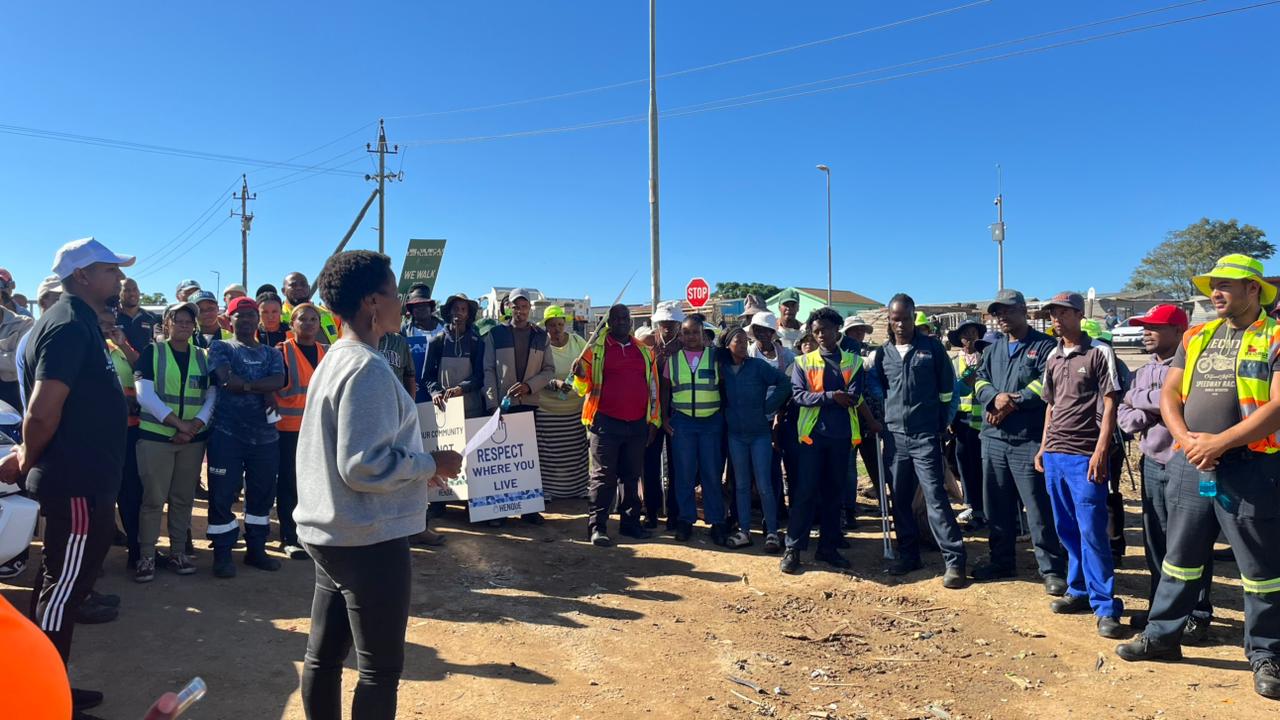
On Friday, 27 February, the George Local Municipality hosted a Silent March Against Illegal Dumping in Thembalethu. Though the march was silent, the collective message was loud and clear: illegal dumping has no place in our communities.
Led by the Executive Mayor of George and the Portfolio Head for Community Services, participants carried placards with powerful messages urging an end to illegal waste disposal. The march symbolized unity and determination to protect the environment and promote cleaner, healthier neighbourhoods.
The event concluded with closing remarks from the Garden Route District Municipality Waste Management Section (GRDM), highlighting the importance of collaboration between local government and communities in reclaiming our dignity and ensuring the right to live in a clean and healthy environment.
“Together, participants stood in silence, but their voices spoke volumes. Illegal dumping is unacceptable, and the commitment to building a cleaner, safer Thembalethu for all remains strong,” said Sikweyiya
-END-
Photos capturing some of the school visits and activities conducted across the district during February.
Media Release: Mattresses and blankets handed over to Graceland Crèche by GRDM
For immediate release 19 January 2026
Today, 19 January 2026, the Department Community Services, handed over mattresses and blankets to Graceland Crèche in Conville, George, as part of an Early Childhood Development Health and Hygiene Awareness session presented by Environmental Health Practitioners (EHPs) from GRDM.
EHPs Janine Koopman (left) and Lana Don (right) demonstrate proper hand wash techniques and an illegal dumping presentation to kids and caretakers of Graceland Crèche.
To start off the programme, the team of EHPs Janine Koopman and Lana Don, demonstrated how hands must be washed during the day in order to prevent the spread of germs and prevent illnesses. Another important aspect of concern in the environment, is illegal dumping of litter in the environment. During the presentation the team emphasised the importance how litter must be handled, that it must be put in a dustbin instead of littered in the communities. All kids present were also encouraged to share these messages with parents at home.
When handing over the items to the crèche, Cllr Hoogbaard emphasised that “although it might not be plenty items to fulfil all the needs of the creche, the gesture comes from a District Municipality that cares for its communities”.
Johan Compion, Senior Manager responsible for Municipal Health at GRDM, during his address emphasised the importance of proper rest in a learning environment stating that “good rest allows your body to restore enough energy in order for you to focus better in class, especially during lessons – you think better, you listen better and complete your tasks better in the class,” he emphasised.
Johan Compion, Senior Manager responsible for Municipal Health at GRDM, emphasised the importance of proper rest in a learning environment.
GRDM Portfolio Chairperson for Community Services, Cllr Jobieth Hoogbaard, delivering a message of support to the Graceland Crèche.
Cllr Jobieth Hoogbaard, hands over the mattresses and blankets to Graceland Crèche’s Principal, Mandy Booysen.
Crèche Principal, Mandy Booysen, shared words of gratitude to Garden Route District Municipality during the visit.
The principal of the crèche, Mandy Booysen, extended words of gratitude to all EHPs who delivered presentations about good hygiene practices and the negative impact of illegal dumping on the environment. She also stated that “every single gesture of support to the facility is appreciated,” when she referred to how expensive daily essentials are to operate optimally and to provide the best possible service to the children enrolled at the crèche.
“We thank the District Municipality, Cllr Hoogbaard and the team for the visit today and for choosing Graceland Creche so early in the year,” Booysen added.
DID YOU KNOW?
Illegal dumpingcauses the spread of bacteria, diseases, causes rodent infestations, causes water, soil, and air pollution and it also blocks our water network systems. It furthermore leads to pollution of air, water and soil, and can also attract pests and create unsanitary conditions. In addition, it can also decrease property values and negatively impact the overall aesthetic of an area.
Hand washing benefits both young and old and is the first line of defence in preventing the spread of disease and must be embraced vigorously by families, schools and health care professionals.
Media Release: Environmental Health Practitioners and their role in managing waste
16 April 2025
Environmental Health Practitioners (EHPs) are appointed to carry out duties as outlined in the National Health Act (Act 61 of 2003) and Health Professions Act (Act.56 of 1974). These duties, known as Municipal Health Services, are rendered within the jurisdiction of the Garden Route District Municipality (GRDM). The jurisdiction includes Hessequa, Mossel Bay, George, Knysna, Bitou, Oudtshoorn and Kannaland local municipal areas.
In terms of Section 1 of the National Health Act, 2003 (Act 61 of 2003), municipal health includes:
Water Quality Monitoring
Food Control
Waste Management
Health Surveillance of Premises
Supervision and Prevention of Contagious Diseases, excluding immunisation
Vector Control
Environmental Pollution Control
Disposal of Human Remains
Safe handling of Chemical Substances
Waste Management: Promoting Hygiene and Preventing Illegal Dumping
The waste management functions of EHPs include monitoring waste management systems, refuse, healthcare waste, hazardous waste, and sewage.
This means the EHPs have to monitor waste management systems, including health care waste, hazardous waste, sewage and wastewater. Whenever there area health nuisances during the storage, treatment, collection, handling and the disposal of various categories of waste, EHPs will act and issue non-compliance notices to the relevant authorities. If the issues persists, fines are issued.
More of their waste-related responsibilities include:
Sampling any waste or waste product such as sewage or refuse for analyses.
The identification of needs and motivation for the promotion of sanitation.
Enforcement of Municipal Health By-Laws and the National Health Act, 2003 (Act 61 of 2003), in cases where health nuisances result from waste handling.
Educate communities on issues of waste management and pollution control.
Ensuring proper refuse storage, collection, transportation, transfer and processing, materials recovery, and final disposal.
Ensuring proper management of liquid waste, including sewage and industrial effluent.
Ensuring the proper storage, treatment, collection, transportation, handling and disposal of medical- and hazardous waste.
Investigating and inspecting any activity related to the waste stream or any resulting by-products.
The function excludes the operation of a waste management system rendered by Local Municipalities.
Advocating proper sanitation.
Illegal dumping
Illegal dumping and littering remain ongoing challenges in South Africa. Although the management of illegal waste dumping is not a mandate of GRDM, a whole-of-society approach is essential to keeping the environment clean.
EHPs continuously educate the public about the impacts of illegal dumping. The impacts include environmental pollution, detrimental impacts on the natural resources and habitats around us, as well as biodiversity. The practitioners also create awareness about the diseases caused by illegal dumping and that it attracts rodents and vectors.
Illegal dumping should be reported to local municipalities:
Media Release: Illegal dumping a threat to the prosperity of the Garden Route
For immediate release
4 November 2024
“Industrial- scale illegal dumping and littering was one of the major drivers impacting on the severity of the April 2022 Durban flood disaster when some 459 people lost their lives with billions of Rands’ damage to hard infrastructure, property and the economy”, says Cobus Meiring of the Garden Route Environmental Forum (GREF).
Globally the advent of climate change enhanced the severity and regularity of flooding with storm water drainage systems and infrastructure simply not designed for such severe events. During the Kwazulu-Natal 2022 floods, the impact of storm water drainage systems blocked by waste and rubble rendered them ineffective to channel storm water. The severe flooding caused severe damage to infrastructure like bridges, roads and resulted in thousands of tons of waste washing up on KZN beaches – a disaster on its own.
All Garden Route towns are serviced weekly in terms of standard waste removal best practice but despite best efforts illegal dumping and littering prevail unabated.
The degrading impact of littering and pollution on the well- being and quality of life of communities is well documented. Changes in climate will further the damage caused by unmanaged waste and litter if social behaviour patterns do not change.
Garden Route municipalities have no choice but to spend millions of Rands, earmarked for service delivery annually, to clean illegal dumping sites and remove mountains of litter from vacant land and township borders.
Illegal dumpsites are a breeding ground for pests and diseases.
Littering and illegal dumping, just like the impact of invasive alien plants have become an immense threat to not only the environment but also human safety and well- being. The degradation of water quality, river health, bio-diversity, marine and coastal environments and general quality of life of those living in the Garden Route is at stake.
Many Garden Route residents do take ownership with regular community beach and river clean-ups, and we salute all who assist the overwhelmed public services.
The Garden Route Environmental Forum (GREF) is a public platform for environmental managers and a climate change think- tank. (grefscli.co.za).
Feature Image: Children are often subjected to illegal dumping hotspots.
Media Release: GRDM and partners conduct Clean-up, Education and Awareness campaign in Mossel Bay
For immediate release 08 December 2023
The Waste Management Section of Garden Route District Municipality (GRDM), in collaboration with the Department of Forestry, Fisheries and Environment’s Local Government Support Section, CapeNature, Mossel Bay Municipality, Henque Waste, Transnet, Nestle and Aquelle, conducted a Clean-up Campaign in Ward 15 of Mossel Bay.
Children from Ward 15 in Mossel Bay, formed part of the Clean-up operation in their area.
The aim of the campaign was to raise awareness about illegal dumping and the ‘Adopt a Spot Program’ for community vegetable gardens and the need for their conservation.
One of the most pressing issues facing our communities is Illegal dumping, particularly understanding how recycling waste works. The campaign encourages members of the community to take part in the clean-up campaign and to not dump waste illegally. Community members were encouraged to continue with their efforts to keep their spaces clean and they were informed about the importance of community gardens as part of the Program.
The clean-up campaign was conducted after the education and awareness session. A special message of appreciation was extended to all the organisations that were involved to ensure a clean environment for those living in visiting the area.
Did you know?
Dumped waste may contain harmful or even toxic substances, which may have health effects such as asthma or respiratory infections on humans.
The illegally dumped items might include needles that may be contaminated with HIV or Hepatitis. This is a big concern, especially for children who often pick up items while playing. This threatens their health since they may become infected with these life-threatening diseases.
Illegal dumping sites may also be favourable breeding conditions for Ecoli, which may also spread diseases to communities.
If there is significant unlawful dumping in certain areas, the chances for the spread of diseases increase dramatically.
Feature image: Representatives from GRDM, the Department of Forestry, Fisheries and Environment’s Local Government Support Section, CapeNature, Mossel Bay Municipality, Henque Waste, Transnet, Nestle and Aquelle, with members of the community, during the Clean-up Campaign in Ward 15 of Mossel Bay.
Media Release: Sod-Turning event marks a milestone for Regional Waste Management Facility
For Immediate Release 04 September 2023
In a significant step towards more sustainable waste management practices, the official sod-turning ceremony for the Garden Route District Municipality’s (GRDM) Regional Waste Management Facility was held on Friday, 1 September 2023. The journey to this milestone began back in 2006 when investigations and processes for establishing the Regional Landfill Site commenced.
Sharing in this historic and groundbreaking occasion, were Executive Mayors and Municipal Managers and across the district, the GRDM Mayoral Committee Members and officials, representatives from National and Provincial Government, as well as engineering consultants and stakeholders from Standard Bank, Tefla and Zutari.
During his address, Municipal Manager of GRDM, Monde Stratu, gave a thorough background about the project. He explained: “Local municipalities have reached a point where their waste management sites have become exhausted, which is why this regional waste management facility is being constructed”. Further to this he said: “It was a blessing in disguise that the initial model did not realise as it saved GRDM millions of rands.
Ald. Memory Booysen, Executive Mayor for GRDM proudly turns the first sod.
GRDM Municipal Manager, Monde Stratu, turning the sod after a few years of anticipating this exciting day.
Stratu particularly commended the GRDM officials who have been driving the project to this point. “The resilience and commitment of all involved are paying off. And today, it is time to celebrate – despite what happened, we are still delivering on our promises,” Stratu emphasised.
GRDM Executive Mayor, Aldrman Memory Booysen with key political figures of the participating municipalities.
Executive Mayor, Ald. Memory Booysen with all politicians present at the Sod-Turning Ceremony.
In his remarks at the event, the Head of Public Sector- SA at Standard Bank, Timothy Mtlatla, spoke passionately about Standard Bank’s support to GRDM’s commitment towards green energy. He said: “Our institution remains focused on its purpose; our commitment is a profound purpose and is underscored by the meaningful impact to the community. We are serving the sector that serves us”. Adding to these words, Mtlatla highlighted that the event is a remarkable example and testament of good working relations. And for this reason, he said: “With this initiative, we foresee a future that is cleaner and healthier for all communities we serve”. Representatives from Tefla and Zutari also delivered their messages of commitment to the project.
Executive Mayors and Deputy Mayors from the local municipalities that were present, also shared words of support on behalf of their respective municipalities. Deputy Mayor of Mossel Bay, Cllr Cliffie Bayman, referred to this day as a significant step that is taken towards more sustainable waste management and environmental practices in a changing world of climatic changes and the now more common outbreaks of communicable diseases. With these words, he added that this event deserved to be on the 1 September, as it is the 1st day of Spring. He highlighted that “this is a season for new beginnings and the reason in which our environment shows the fruit of hard work – work that we have put in during the winter months”. Bayman in addition reiterated that Mossel Bay Municipality will take accountability with the GRDM to ensure that the objective of the facility is reached. In conclusion he said that Mossel Bay is a proud partner in full support of the project and therefore they are eager to see many benefits such as employment deriving from the facility.
Knysna Executive Mayor, Cllr Aubrey Tswenga, in his congratulatory speech to GRDM and participating municipalities, said: “Thank you for making the Regional Waste Management Facility a reality”. Tswenga, however, mentioned that more work still lies ahead to educate communities about waste management. “As municipalities,” he said that “we need to educate our communities to reduce waste to landfills. Further to this he urged the GRDM on behalf of Knysna, to continue to roll-out a regional educational programme to extend the lifespan of the facility.
Bitou’s Deputy Executive Mayor, Cllr Mavis Basukwe, during her words of support, said: “Bitou took a decision to participate in the project fully understanding the implications and consequences we would face from our communities and ratepayers”. As a result of showing leadership and the fact that Bitou fitted the cost implication in their budget over the years, she emphasised that “it is indeed pleasing to see the site is now finally under construction”. She thanked all participating municipalities and said that without them, the project would not have been feasible for Bitou alone and would have left Bitou in a serious predicament.
Executive Mayor of GRDM, in his keynote address extended warm words of gratitude to the service provider and consulting engineer, Tefla and Zutari, as well as to Standard Bank and participating municipalities for this legacy project. In unpacking his statement, Mayor Booysen added: “After today it won’t only be a legacy project anymore, but also a catalytic project, meaning that this project is a catalyst of what is coming”.
Mayor Booysen further referred to the realities of working together as stakeholders and said: “It is not easy for different municipalities to work today, as there are many aspects that can hamper initiatives such as this project. However, he commended Mossel Bay Municipality, especially Municipal Manager Collin Puren, for setting the tone on how government can work together and how intergovernmental relations should be executed. To the Deputy Executive Mayor of Mossel Bay, Cllr Bayman he said: “You went as far as advising us,” to safeguard a less complicated process. Given the background of the project, Mayor Booysen urged councillors, professionals, and ward councillors to be decisive when decisions are made. “When we are decisive,” he said: “The ratepayers would back us up, because they would then understand what they are paying for and not making their own assumptions”. He elaborated that whenever a proposal is on the table, councillors would ask “how the project is going to affect the rates and taxes”. He advised: “It is our duty as politicians to go and explain to the taxpayers and ratepayers why we are doing what we do and why are we making the decisions in terms of what it will cost them”.
An Inaugural Site Meeting and Commencement of Works took place on the 13th of June 2023, which saw the official handover of the site to the appointed contractor, Tefla Group (Pty) Ltd. Over the following weeks, the site was established, benchmarks were verified by a surveyor on July 11, and the refurbishment of an existing farmhouse, set to become the site offices, is nearing completion. Clear and grub operations, excavations and material stockpiling is underway on the access roads and on Cell 1A.
The Regional Waste Management Facility, once complete, will include a domestic waste cell (Class B) and a separate hazardous waste cell (Class A) to accommodate low and medium-hazard-rated hazardous waste. Other infrastructure elements encompass roads, stormwater pipelines, leachate storage dams, contaminated stormwater dams, offices, laboratories, weighbridges, workshops, and security infrastructure. The project also includes a 3-hectare portion that will be used for a waste tyre recycling facility. Both the Domestic Waste Cell 1 and the Hazardous Waste Cell will have a lifespan of approximately of 20 – 25 years.
The project’s timeline are as follows:
Construction Tender Closure (concluded) – October 25, 2022
Finalization of Debt Agreement (concluded) – July 2023
Contractor on Site (concluded) – July 2023
Operations & Maintenance Tender Award – October / November 2023
Completion of Phase 1 – February 2024
Estimated Completion of Project – March 2025
The sod-turning event heralds the beginning of a cleaner and healthier future for the Garden Route region.
Feature Image: Sharing in this historic and groundbreaking occasion, were Executive Mayors and Municipal Managers and across the district, the GRDM Mayoral Committee Members and officials, representatives from National and Provincial Government, as well as engineering consultants and stakeholders from Standard Bank, Tefla and Zutari.
GRDM Employees ecstatic after the sod was turned. With them is Mossel Bay Municipal Manager, Colin Puren.
GRDM Executive Mayor, Ald. Memory Booysen with his Chief of Staff, Siphiwe Dladla (left), GRDM Strategic Manager, Thembani Loliwe (Second from left) and GRDM Project Manager, Passmore Dongi (right).
GRDM Executive Mayor, Ald. Memory Booysen shows his ‘thumbs up’ with machinery in the backdrop at the Regional Waste Management Facility.
A walk-about was done shortly after the sod-turning.
One of the machines on-site at the Regional Waste Management Facility.
GRDM Municipal Manager, Monde Stratu, next to Ald. Memory Booysen, GRDM Executive Mayor.
GRDM Fire Chief, Deon Stoffels and Chief Financial Officer, Rian Boshoff, were also present.
Councillors present during the proceedings.
GRDM Municipal Manager, Monde Stratu.
In the foreground, GRDM Speaker, Ald. Georlene Wolmarans.
Johan Gie, GRDM Waste Management Manager was the programme director of the day.
A Message Of Support was shared by Bitou Municipality Deputy Executive Mayor, Cllr Mavis Busakwe.
A Message Of Support was delivered by Cllr Cliffie Bayman, Deputy Executive Mayor from Mossel Bay Municipality.
A Message Of Support was delivered by Knysna Municipality’s Executive Mayor, Cllr Aubrey Tsengwa.
Ald. Memory Booysen delivers his Commitment to Service Delivery address.
GRDM Deputy Executive Mayor, Ald. Gert van Niekerk delivered the Vote of Thanks and Closing Remarks.
Save the Date: Garden Route District Municipality to embark on an Illegal Dumping Campaign
Illegal dumping is a serious environmental and public health concern. This habit leads to pollution of air, water and soil, and can also attract pests and create unsanitary conditions. In addition, it can also decrease property values and negatively impact the overall aesthetic of an area. Raising awareness about the negative impacts of illegal dumping can help to reduce the incidence of this behaviour and promote more responsible disposal of waste.
Environmental Health Practitioners from Garden Route municipalities together with stakeholders will this week embark on a campaign to educate communities on the health effects of illegal dumping.
Members of the public are invited to follow us on social media from Monday, 13 February 2023 or tune into Eden FM (Monday, 13 February 2023 from 7:40) to learn more about the negative impact of illegal dumping on the environment. Various slots will also be used by local municipalities throughout the week to speak about illegal dumping.
“Let’s be the change within our communities and let’s curb illegal dumping together”.
Media Release: GRDM Councillors and officials visit premises and establishments in the Hessequa area
For immediate release 30 August 2022
On Monday, 22 Augustus 2022, a Garden Route District Municipality (GRDM) delegation visited various premises and sites within the Hessequa region (Heidelberg and Slangrivier) to establish shortcomings, evaluate standards of municipal health services delivered, as well as to hand over sanitary towels to learners. Community Services Portfolio Committee members, Ald. Nompumelelo Ndayi, Cllrs Jobieth Hoogbaard and Cobus Meiring, Executive Manager, Clive Africa for Community Services, Manager for Municipal Health and Environmental Management, Johan Compion, and officials from the Hessequa Region formed part of the delegation.
Municipal Health Services as defined in the National Health Act, 2003 includes the following Key Performance Areas of which these visits are applicable to: Water Quality Monitoring, Food Control, Solid Waste Management, Health Surveillance of Premises, Supervision and Prevention of Contagious Diseases (excluding Immunization), Vector Control, Environmental Pollution Control, Disposal of Human Remains and the Safe handling of Chemical Substances.
The team visited three (3) crèches, a soup kitchen, a high school, a spaza shop and an illegal dumping site. By visiting these facilities/premises Councillors were afforded the opportunity to understand how the interventions of Environmental Health Practitioners (EHP) assist these establishments to comply with relevant By-Laws and/or legislation. Ongoing monitoring and health and hygiene education by the EHPs enable them to implement measures to address the gaps in line with the Key Performance Areas for Municipal Health Services.
During the visits, Haemish Herwels, Chief: Municipal Health for the Hessequa region, and Marchelles Hurling, Environmental Health Practitioner, explained the inspection procedures and the issues of importance.
Child care facilities – Herwels reiterated the importance of allowable floor space, which dictate the number of children that can be accommodated at childcare premises. According to the relevant norms and standards, 1.5 m² must be available for each child. Furthermore he explained that the compliance to the prescribed number of toddlers and proper ventilation can minimize the spread of diseases within the classroom setting.
When visiting another crèche in the area it was observed that space was a real challenge. Crèche principle, Petro Joseph, informed the delegation that due to the number of toddlers currently registered at the facility she is in the process of expanding the facility to ensure, not only compliance to the GRDM By-laws, but also promoting the health and safety of all their toddlers.
Herwels also explained that EHPs visit these facilities on a regular basis to evaluate the hygiene standards of classrooms, bathrooms, outside play areas and the kitchens of those facilities who prepare meals for the toddlers
Visit to Slangrivier High School – Visiting Slangrivier High School was the highlight of the event when Cllr Ndayi and the team handed over two hundred (200) packs of sanitary towels to learners. When she took the items into acceptance, Raymondi Saayman admitted that not having these items makes it difficult for learners to attend school, which has a detrimental impact on their overall academic performance. She extended a messages of appreciation to the Garden Route team for the generous donation. With August being Women’s month Ald. Ndayi, said “While we are celebrating Women’s Month, we hope that these products will help restore the dignity of our female learners, as they will be our leaders of tomorrow”.
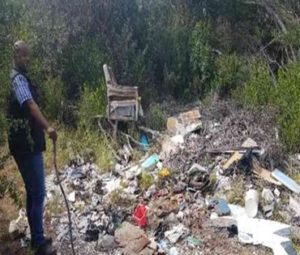
Illegal Dumping – The team visited certain sites along Eikeweg where illegal dumping has become a major problem. Herwels explained that the EHP’s conduct regular inspections of formal and informal settlements to monitor illegal dumping, as part of Waste Management which is listed as a key performance area, as these sites if not managed, create favourable conditions for the breeding of flies and rodents which can contribute to the spread of diseases. When illegal dumping is brought under their attention, it is immediately communicated to the Hessequa Municipality. Furthermore Herwels mentioned that currently they have a good relationship with the Hessequa Municipality, as such that when issues are communicated it is addressed immediately.
Spaza Shops – Spaza shops, over the years have become the life-line of informal economic development which has become significant in our communities across the country. These shops are mostly situated in residential areas and customers therefore do not have to travel far to purchase essential goods, especially in case of emergencies.
Although it has its benefits of easy access, these shops must comply with all the requirements as stipulated in the Regulations Governing General Hygiene Requirements for Food Premises and the Transport of Food and Related Matters R 638 of 22 June 2018, to ensure that customers enjoy a convenient, but mostly a healthy shopping experience. Regular inspections are conducted by the EHPs to ensure compliance with the regulation and food samples are taken from time to time to monitor the bacteriological and chemical quality of products. One such spaza-shop is Corner Shop, situated in Heidelberg. When the Garden Route delegation entered the shop, they immediately observed the neatness of the shop with food products that were labelled properly. Marcelles Hurling, the EHP responsible for Heidelberg and Witsand areas, gave an overview of how the inspections are conducted and the intervention taken to ensure compliance to the Regulation. He furthermore explained that constant hygiene and food safety training have an enormous influence on the tidiness of Spaza shops, of which Corner shop is a good example.
Soup Kitchens – A touching moment was to see how Aunt Catherine, together with her assistants prepared a hearty meal for the vulnerable members in her community. When arriving at the soup kitchen, adults and kids were already queuing to receive their warm soup. Cat’s Kitchen provides meals to almost 100 people per day, three days a week. Catherine said: “We started very small, and at a point I was able to register the soup kitchen and from there onwards, various people came on board including councillors and family members, who helped me to be able to provide these meals”. Adding to this, she said: “We are grateful to the group Unspoken for their assistance with the capturing of the beneficiaries’ names when they collect their meals. With this we can determine who the most vulnerable is in the community”.
Ablution facilities– The team furthermore visited Donald Square, an informal settlement in Heidelberg. According to Herwels, EHPs conduct regular inspections in the area, to evaluate the structural requirements of toilet facilities and the hygiene aspects thereof. A major aspect that is also monitored is the issue of illegal dumping.
While addressing the team, in closing, Cllr Ndayi, said: “For the current GRDM Community Services Portfolio Committee it was our first visit to the premises where our Municipal Health Service perform their duties and it has been an inspiring experience to see how thankful these establishments’ representatives were towards GRDM”. Adding to this she highlighted: “Being accompanied by my colleagues Cllrs Meiring and Hoogbaard, as well as the Head of the Department and the team who work closely with these establishments, showed their true commitment and passion for the communities of the Garden Route”.
Feature Photo: Before leaving Cat’s Soup Kitchen in Slangrivier fo their next stop, Aunt Catherine insisted that each member of the GRDM delegation enjoys a warm cup of soup.
Media Release: We are controlling alien invasive species on all our properties
For Immediate Release 27 October 2021
Section 76 of the National Environmental Management Biodiversity Act (Act 10 of 2004) requires that all “Organs of State in all spheres of Government”, develop an “Invasive Species Monitoring, Control and Eradication Plan” for land under their control. These plans have to cover all listed invasive species in Section 70(1) of the Act.
According to Executive Mayor, Alderman Memory Booysen, “the Garden Route District Municipality (GRDM) has complied with the required mandatory legislation to take responsibility for eradicating alien species on its properties to adhere to the above”. Booysen stated that during 2019 Council already appointed a service provider to compile an Invasive Monitoring Control and Eradication Plan as outlined in the two sets of legislation that regulate the declaration and control of Invasive Alien Species in South Africa.
These include the :
Conservation of Agricultural Resources Act (43 of 1983, CARA); and
the National Environmental Management: Biodiversity Act (Act 10 of 2004, NEMBA).
GRDM, in 2019, submitted the Invasive Monitoring Control and Eradication Plan to the Department of Forestry, Fisheries and Environment (DFFE) for approval. After numerous engagements, including inspection of Council’s properties based on the submitted plan, on 05 August 2021, the GRDM received approval for the Plan. Following this, the GRDM Expanded Public Works Programme (EPWP) Section was mandated to monitor and evaluate properties bi-monthly as part of a monitoring and management control plan. This approach was established to mitigate the risks on Council properties and adhere to NEMBA. Therefore, the progress and status of the Council properties regarding invasive species control is regularly tabled in Council.
Other recommendations from the GRDM Council regarding the management and monitoring of invasive and alien species includes:
creating fire breaks on Council’s properties; and
regular clearing and the erection of fencing at all Council properties to avoid sanction as outlined by section 102 of the Act (NEMBA).
Some of Council’s properties are located on the coastal lines with where there is a vast range of biodiversity species. However, easy accessibility to these properties contributes to illegal dumping, which poses a high risk to the threatened species. Numerous cleanup actions were conducted and are continuously planned for these properties.
With the current GRDM Council that approved Invasive Species Monitoring, Control and Eradication Plan, as well as all the control plans with specified timeframes, it is evident that future invasion by alien species is and will be managed and reduced. An aggressive approach will be taken to implement proposed solutions and controls, pending the budget available within the 2021/22 financial year.