Skip to content Skip to left sidebar Skip to footer

Municipal Health Services

25 March 2026 Media Release: Blitz Operation by GRDM Environmental Health Practitioners, Hessequa Law Enforcement and Police

Media Release: Blitz Operation by GRDM Environmental Health Practitioners, Hessequa Law Enforcement and Police

25 March 2026

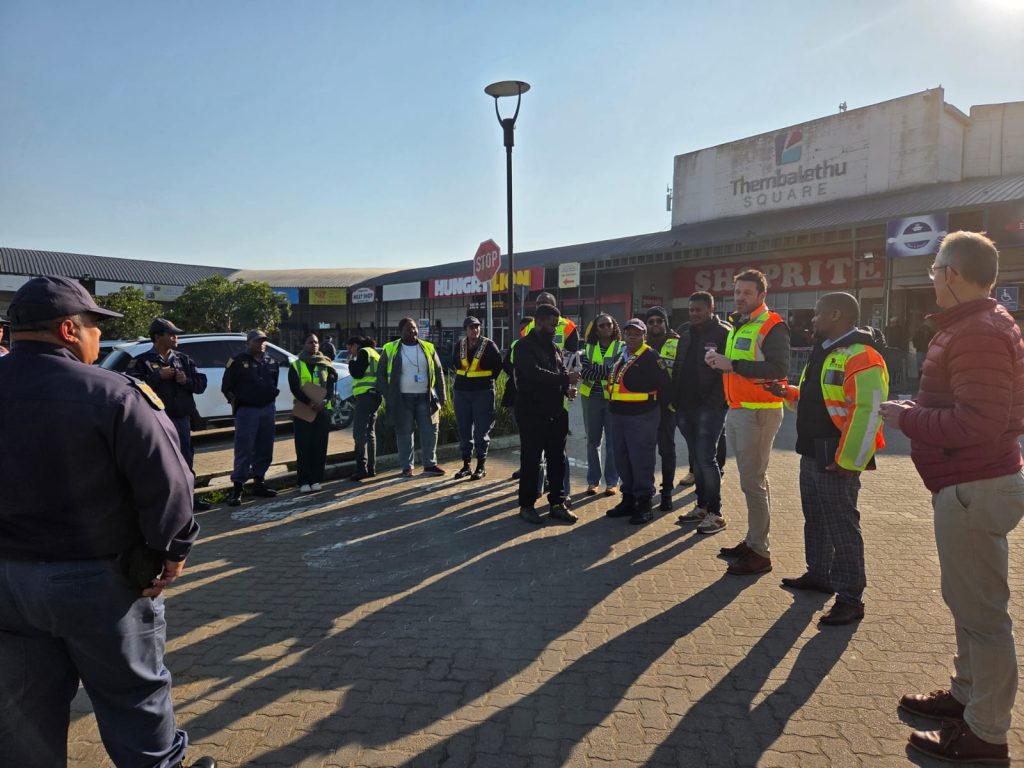
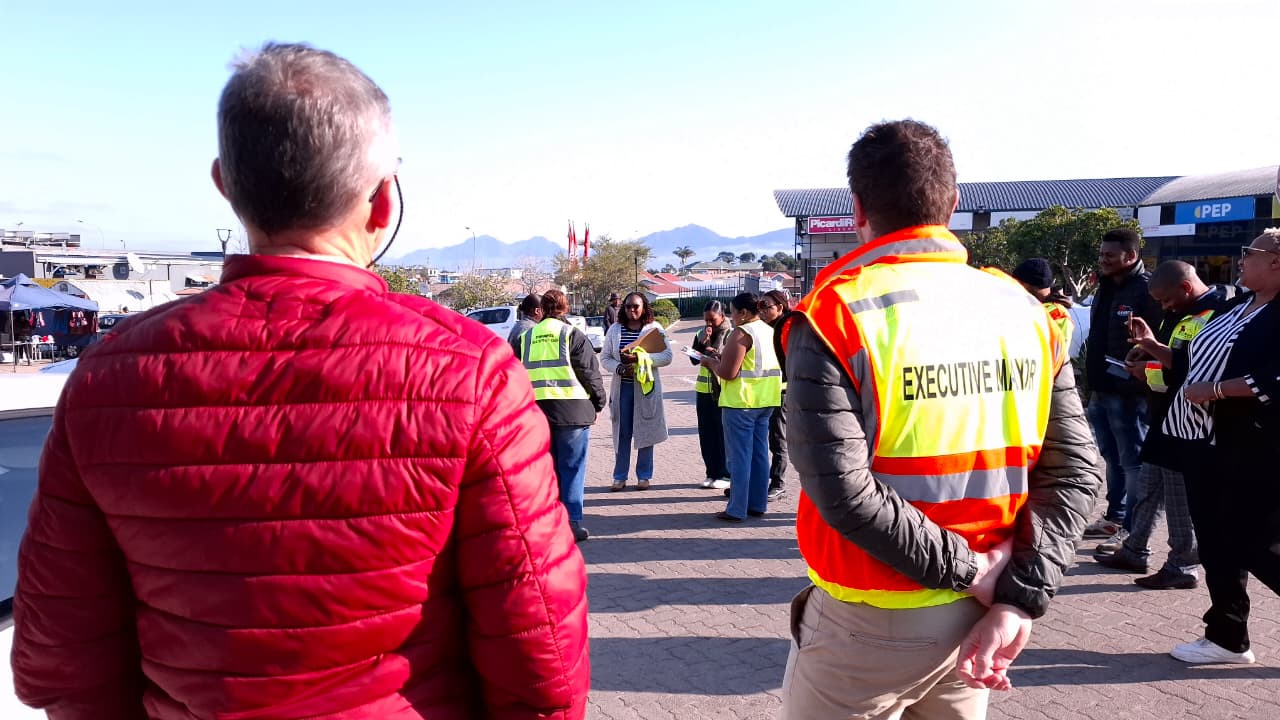
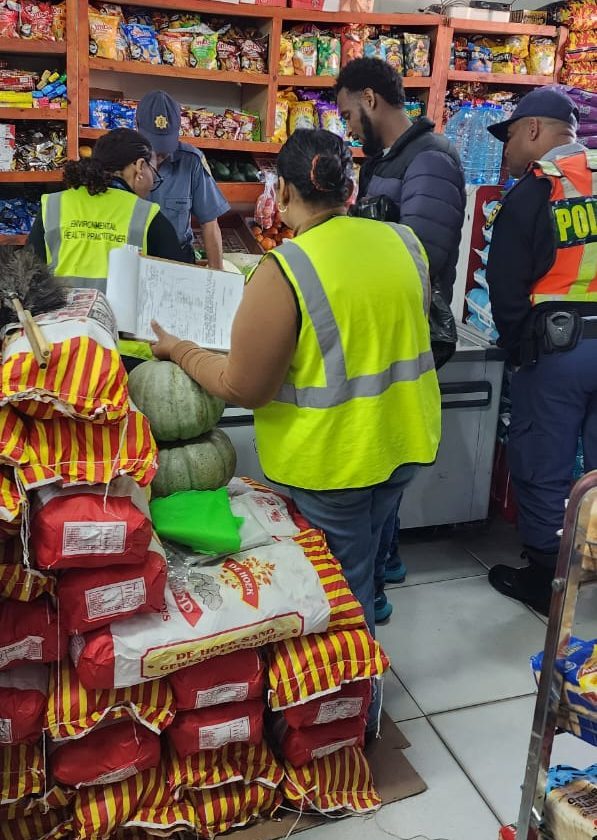
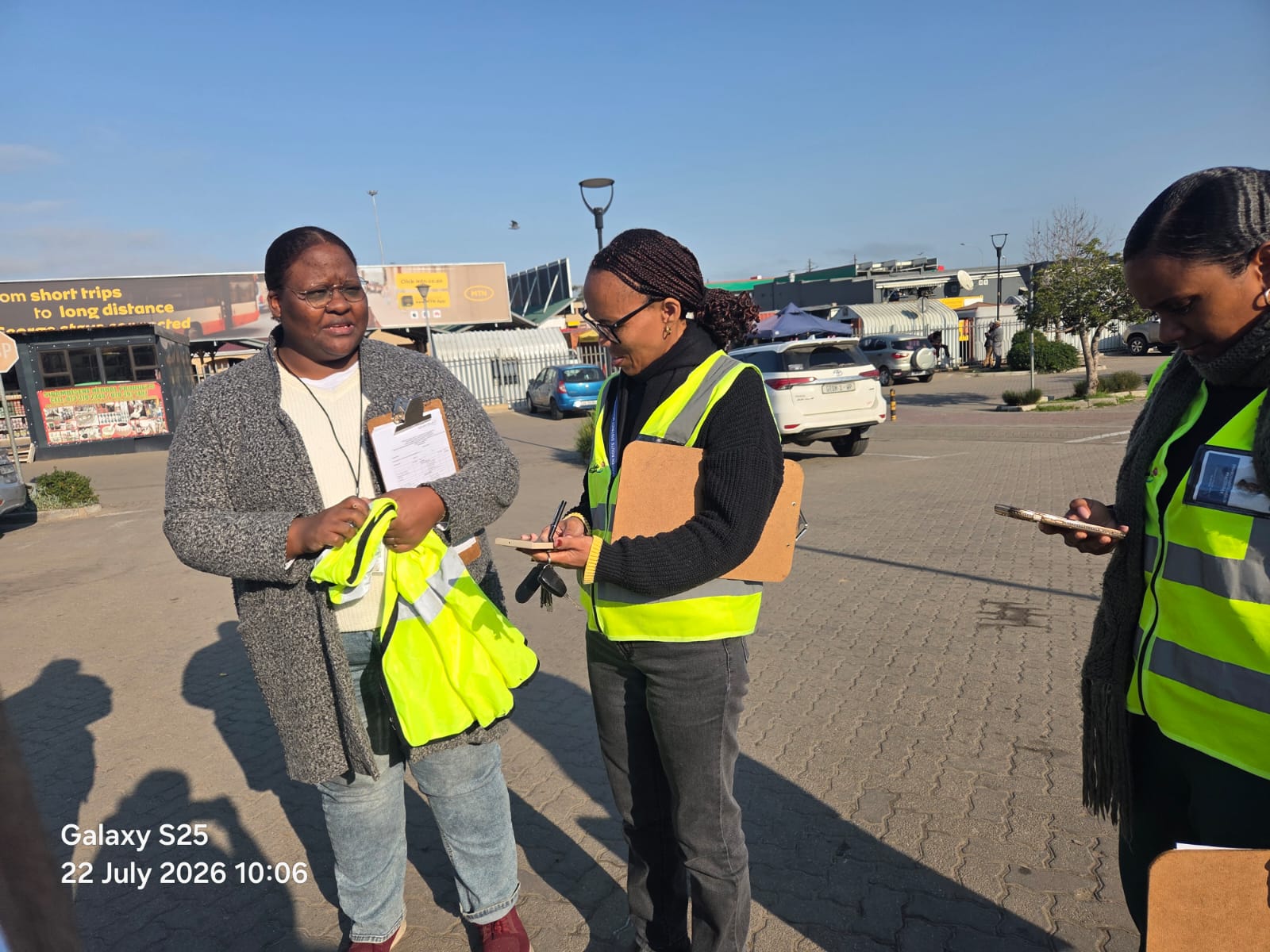
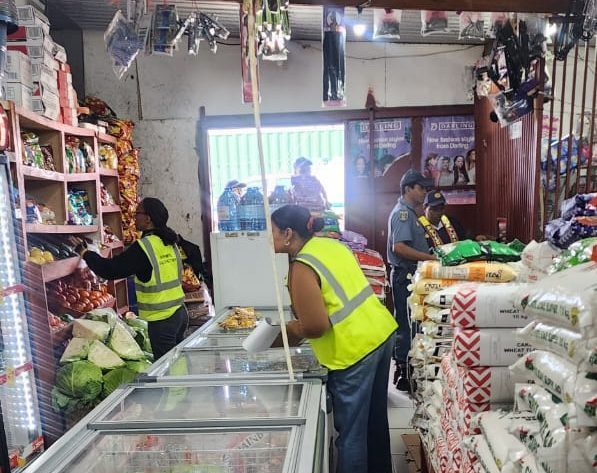
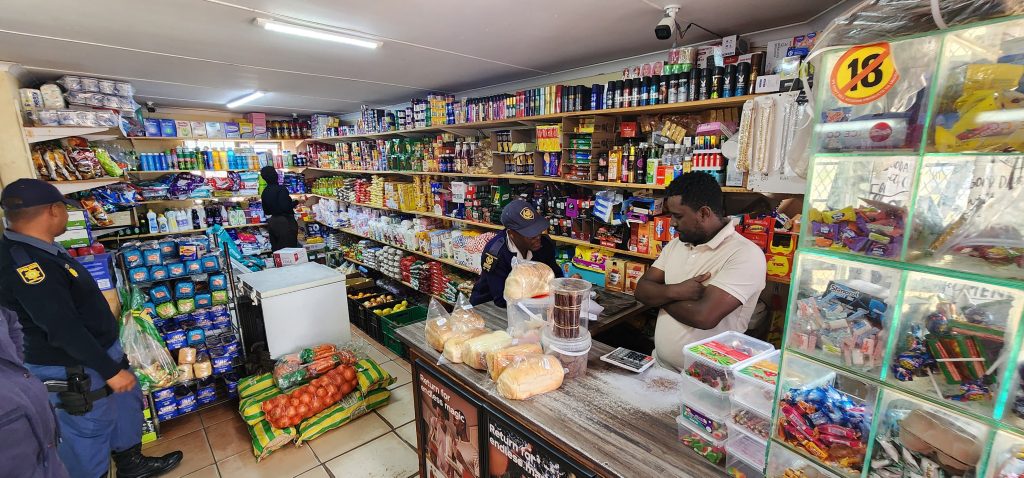
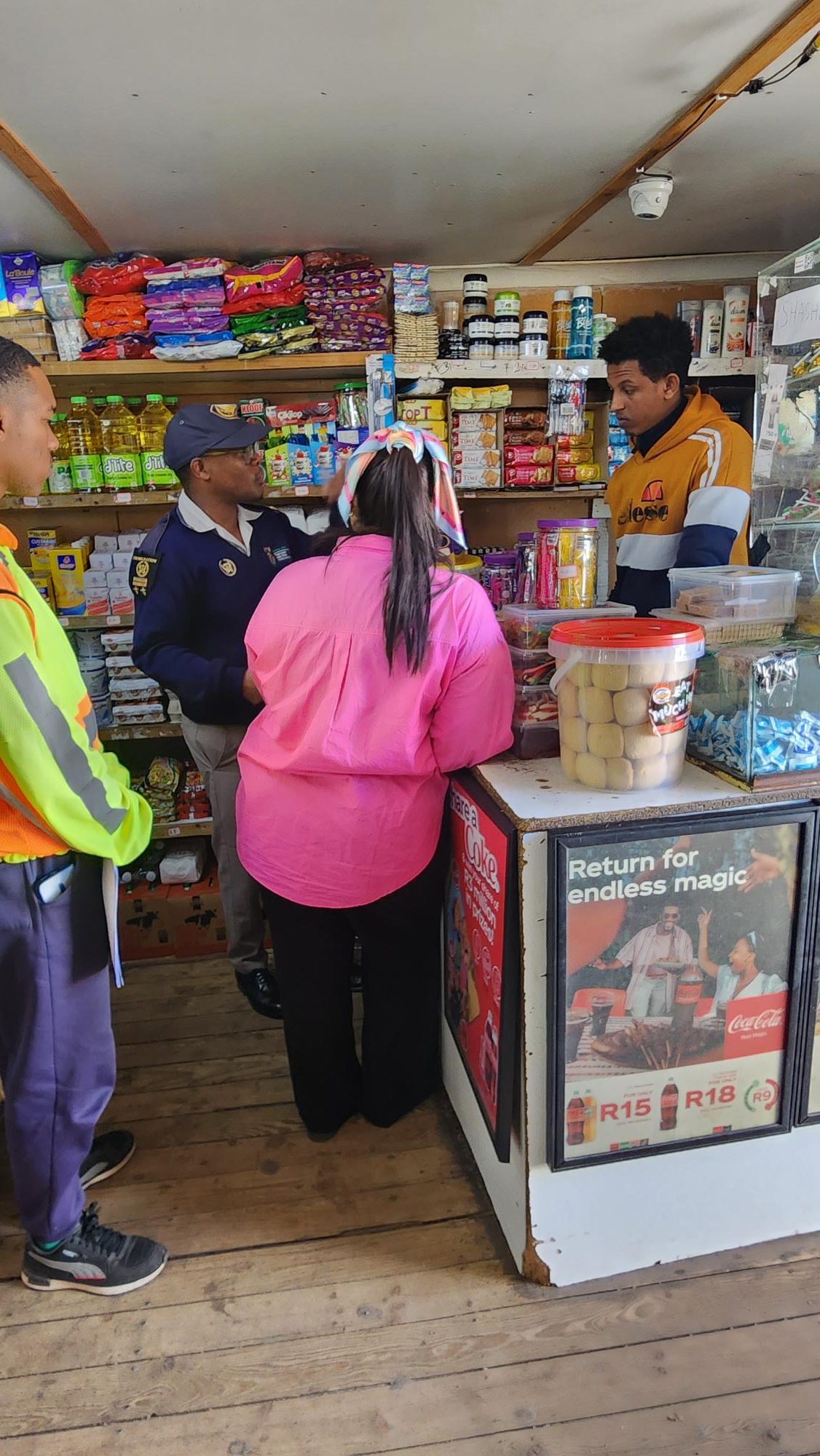
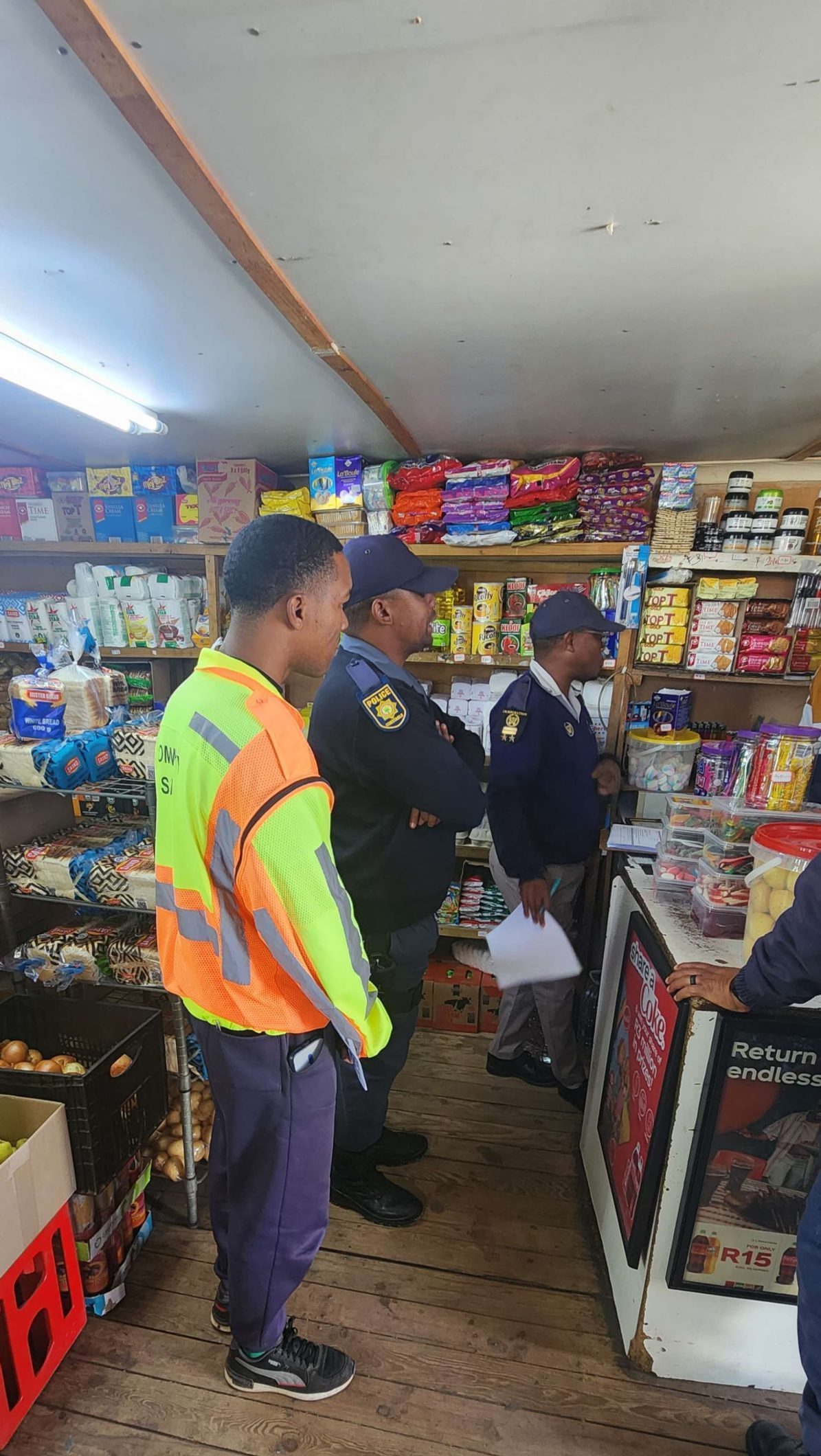
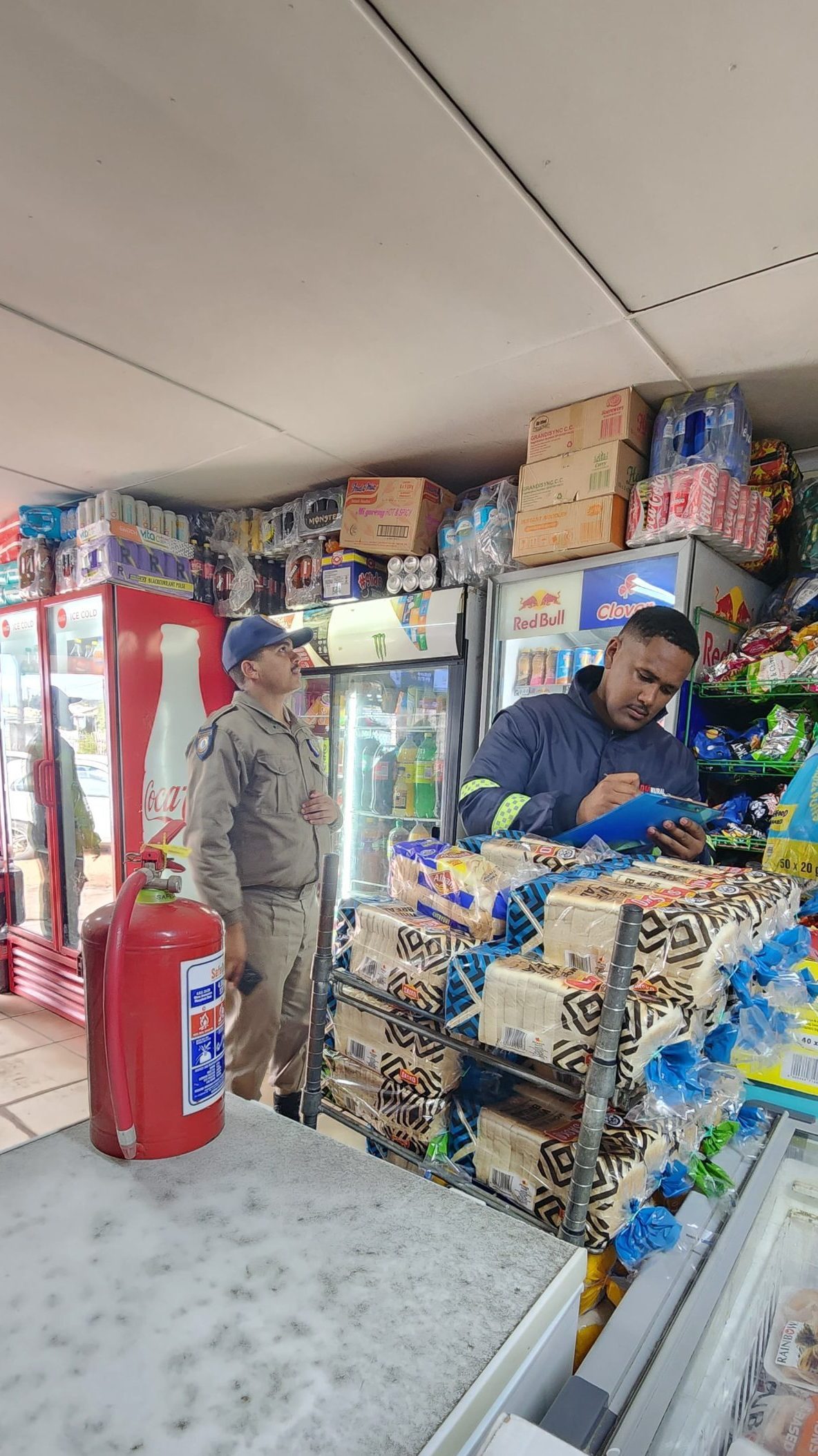
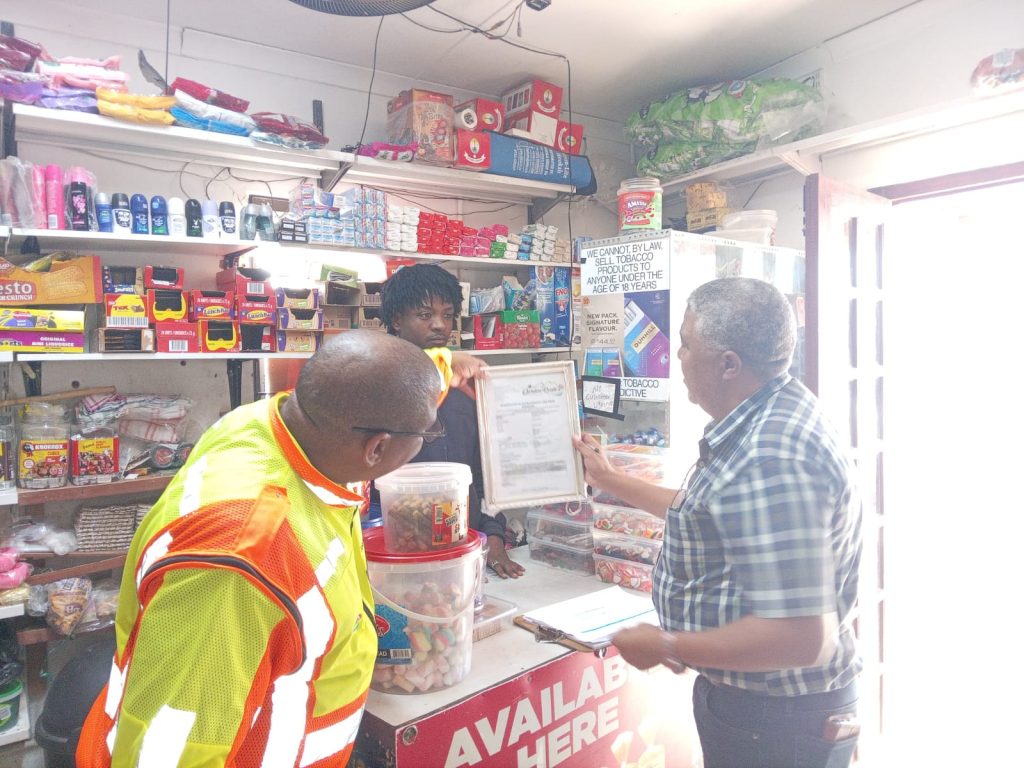
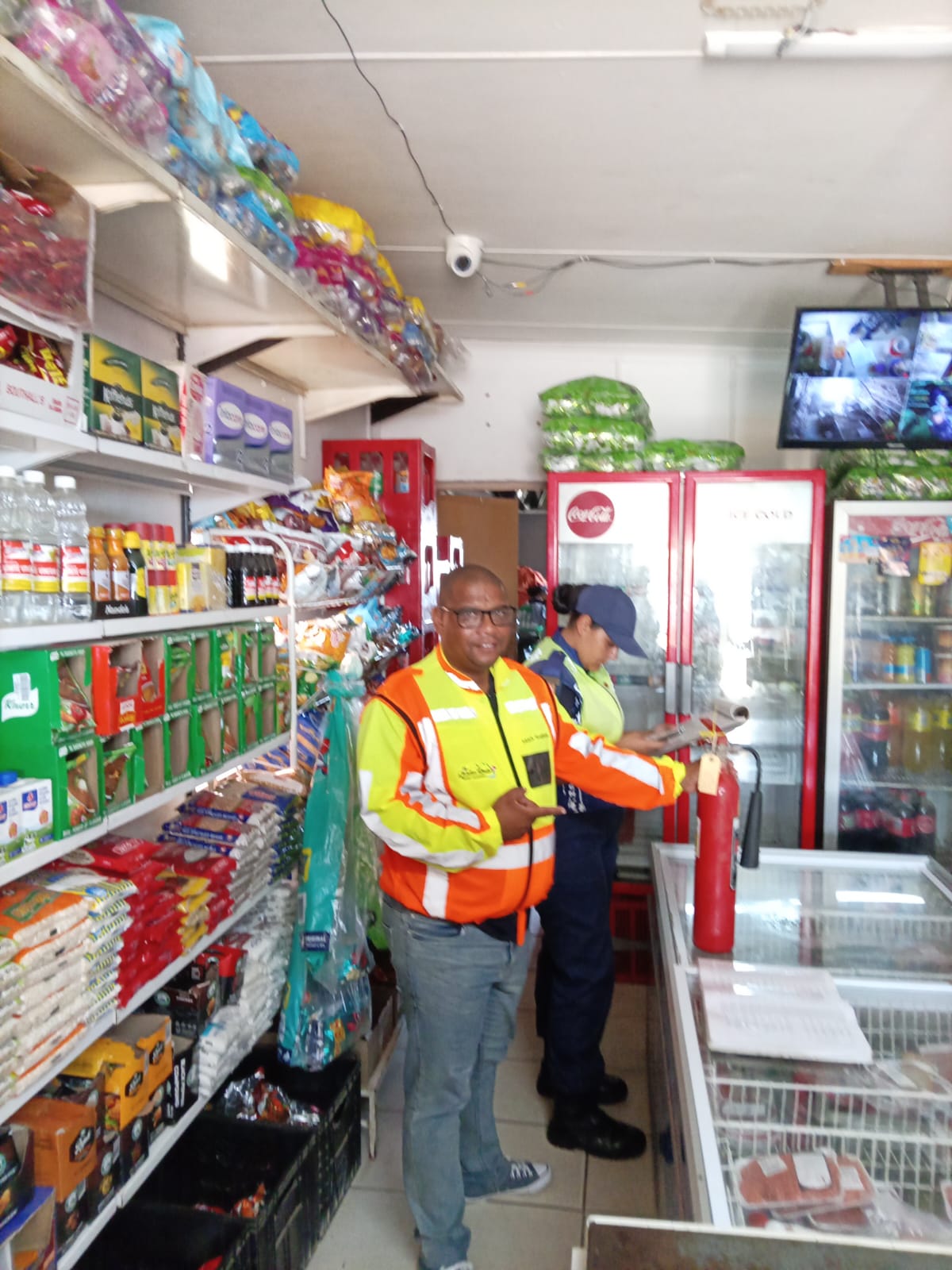
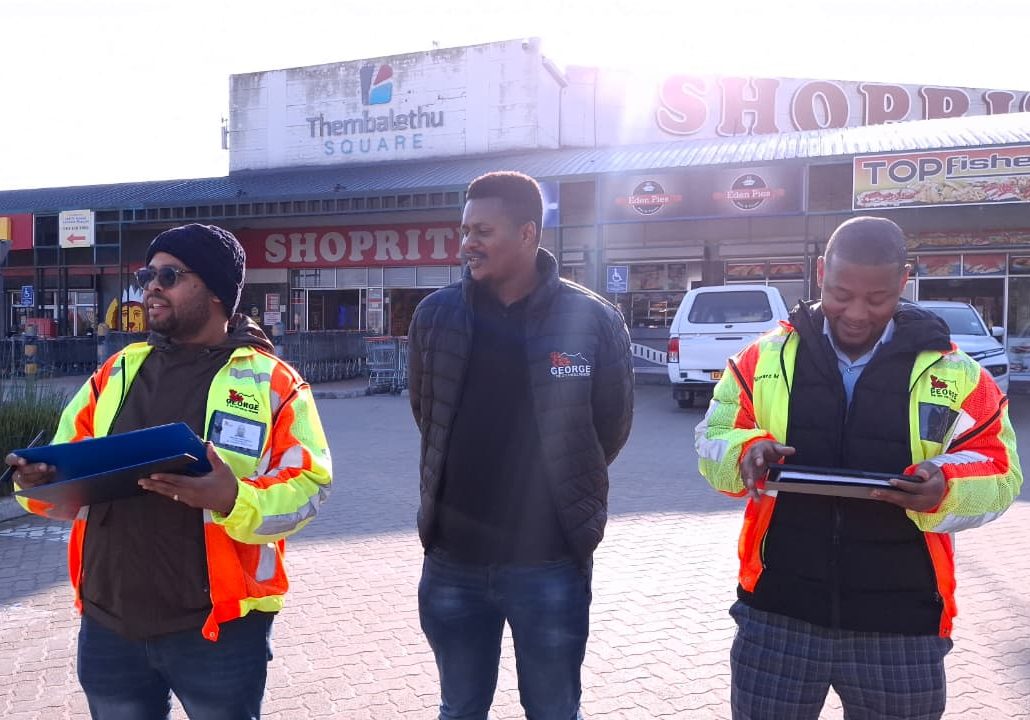
A coordinated joint operation between Garden Route District Municipality’s (GRDM) Municipal Health Services, Hessequa Municipality’s Municipal Police and the South African Police Service (SAPS) resulted in the inspection of 38 spaza shops over a two-day period, on 19 and 20 March 2026.

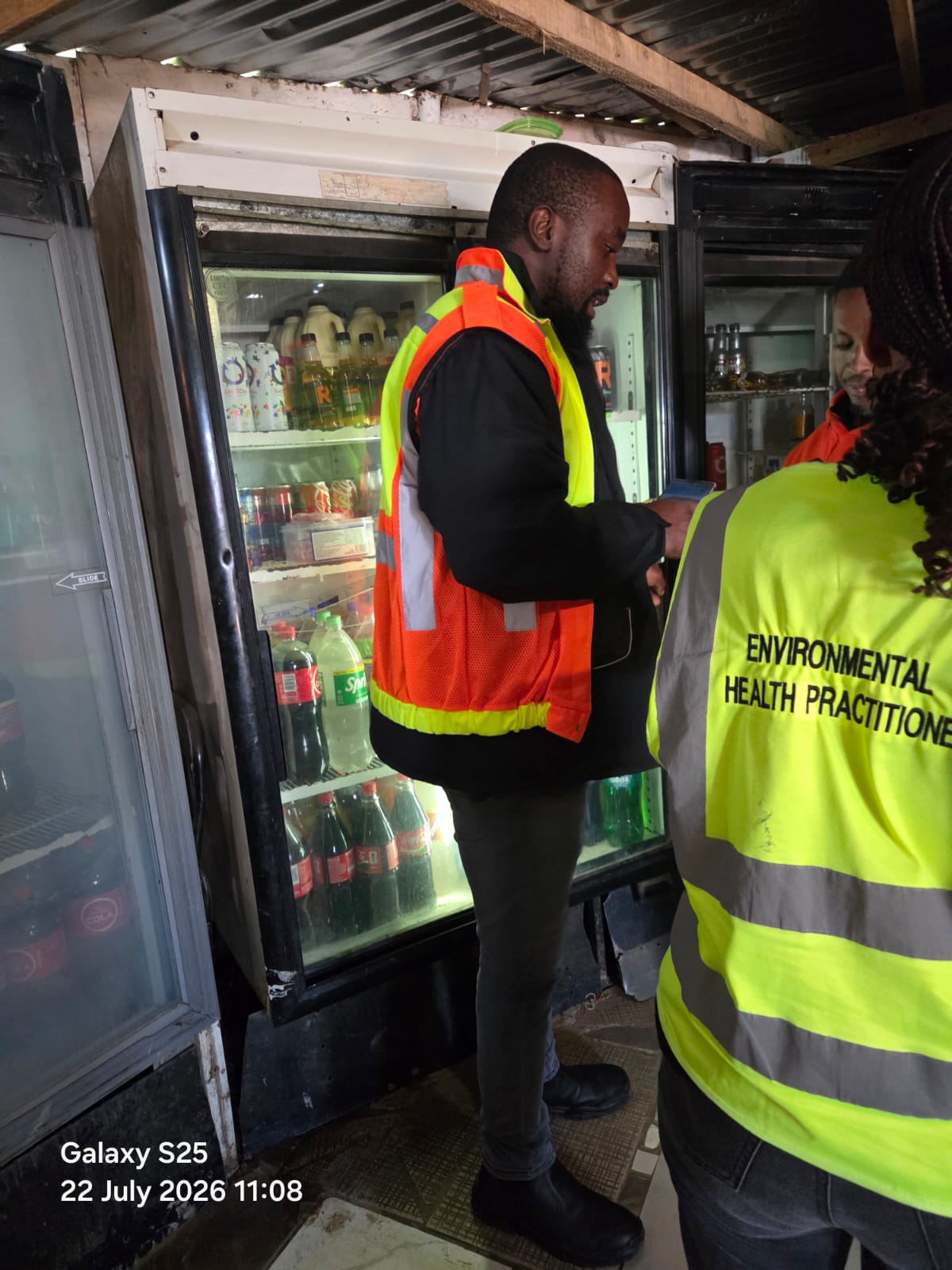
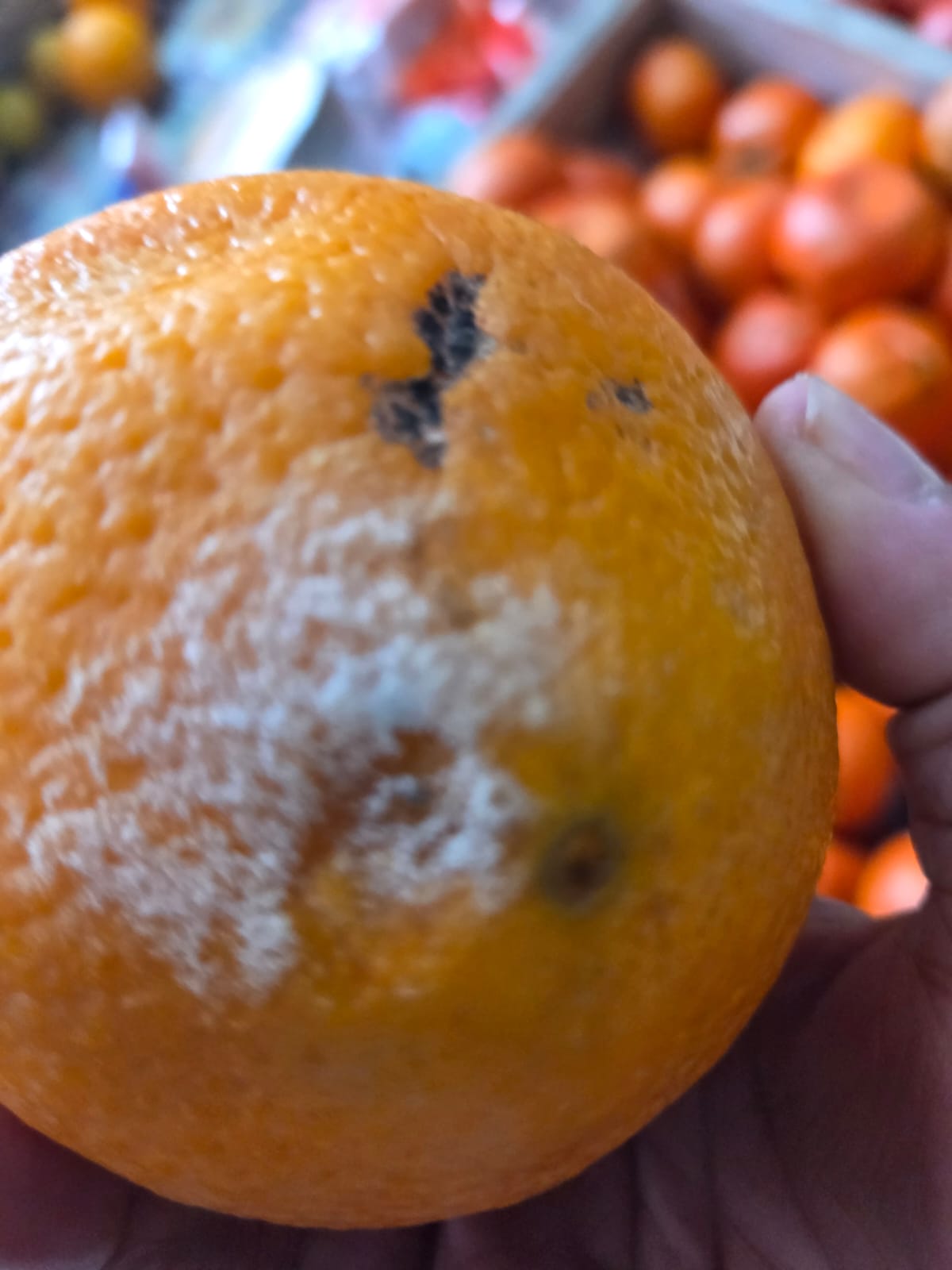
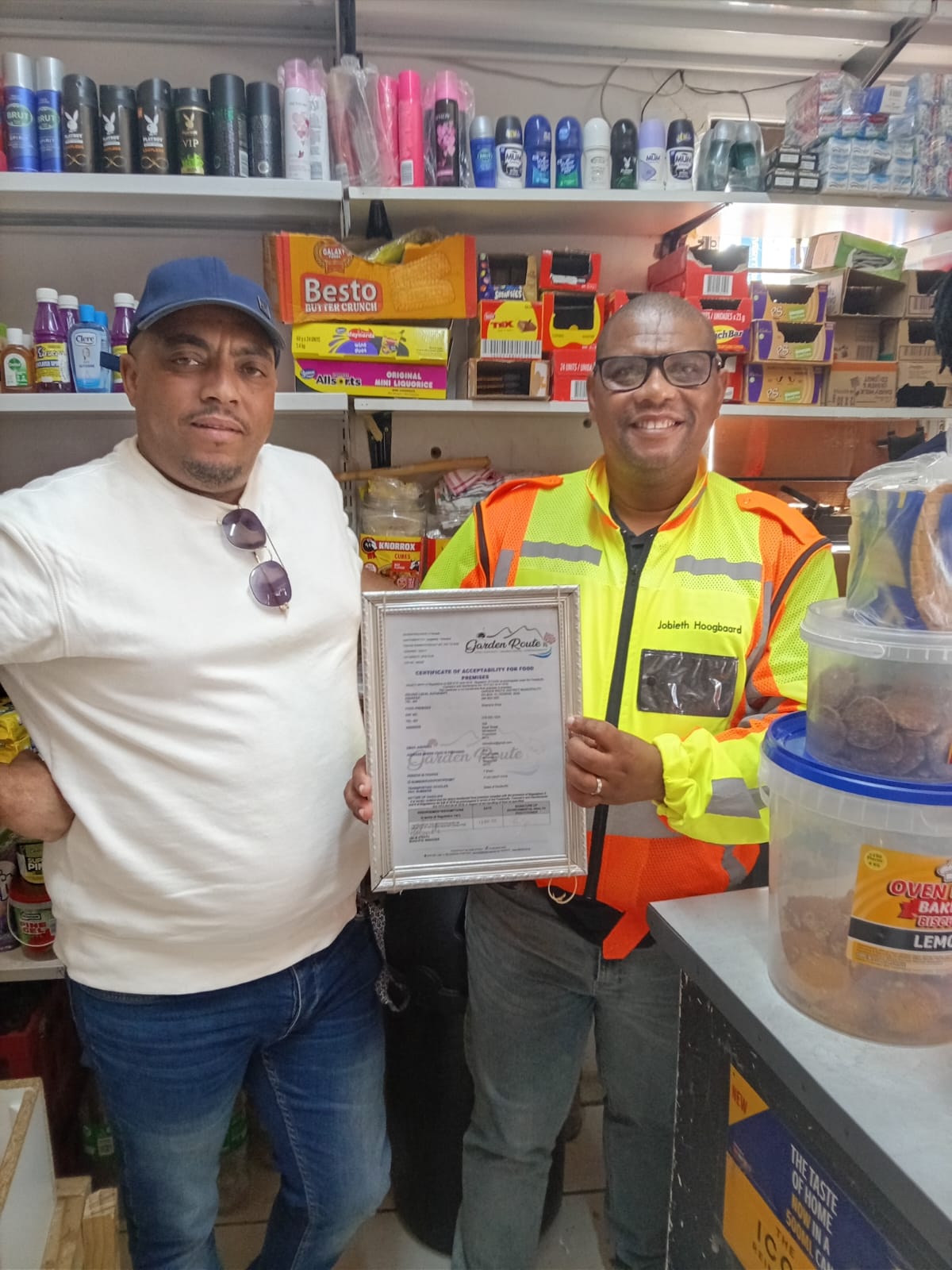
The operation formed part of ongoing efforts to ensure public health, enforce applicable by-laws, and address any illegal activities. Officials conducted thorough inspections focusing on food safety standards, including the monitoring of expired goods, hygiene practices, storage conditions, and the verification of valid Certificates of Acceptability.

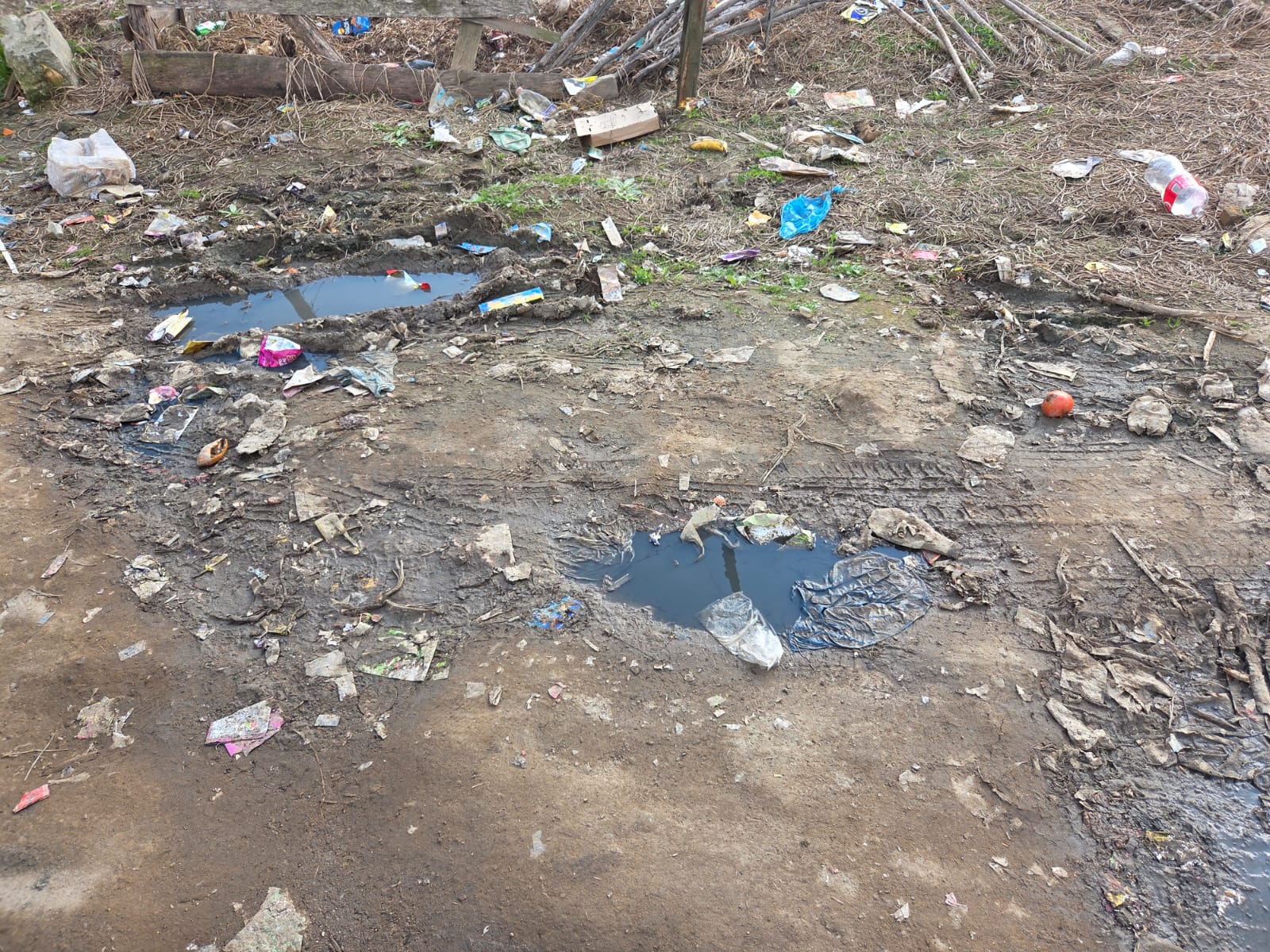
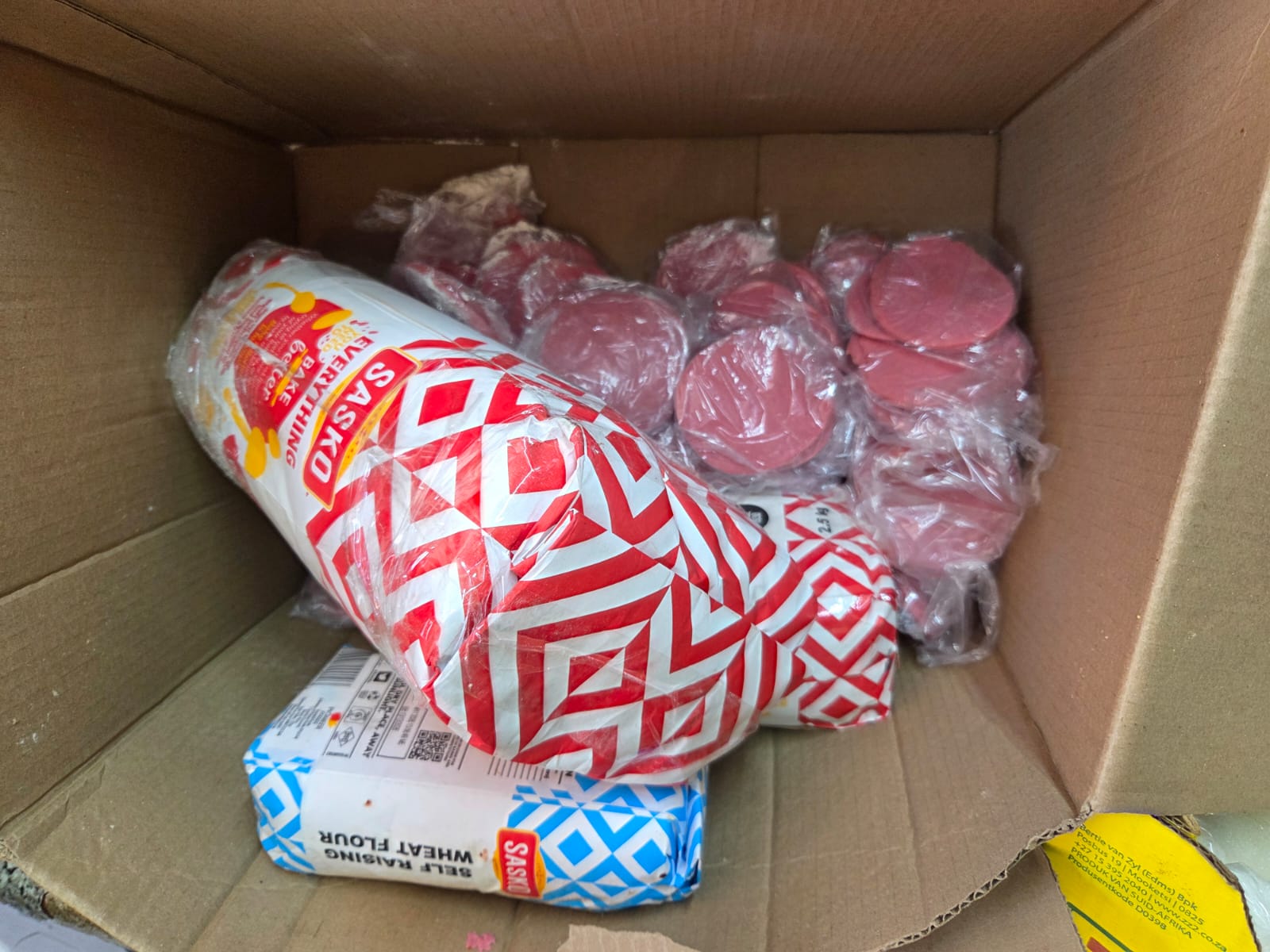
Compliance issues were identified and addressed during the operation. Unsafe food products were confiscated while certain establishments may face further enforcement action. Hessequa Municipality’s Municipal Police also addressed matters relating to fire safety and relevant bylaws, with SAPS providing support to ensure the safety and security of all officials involved.

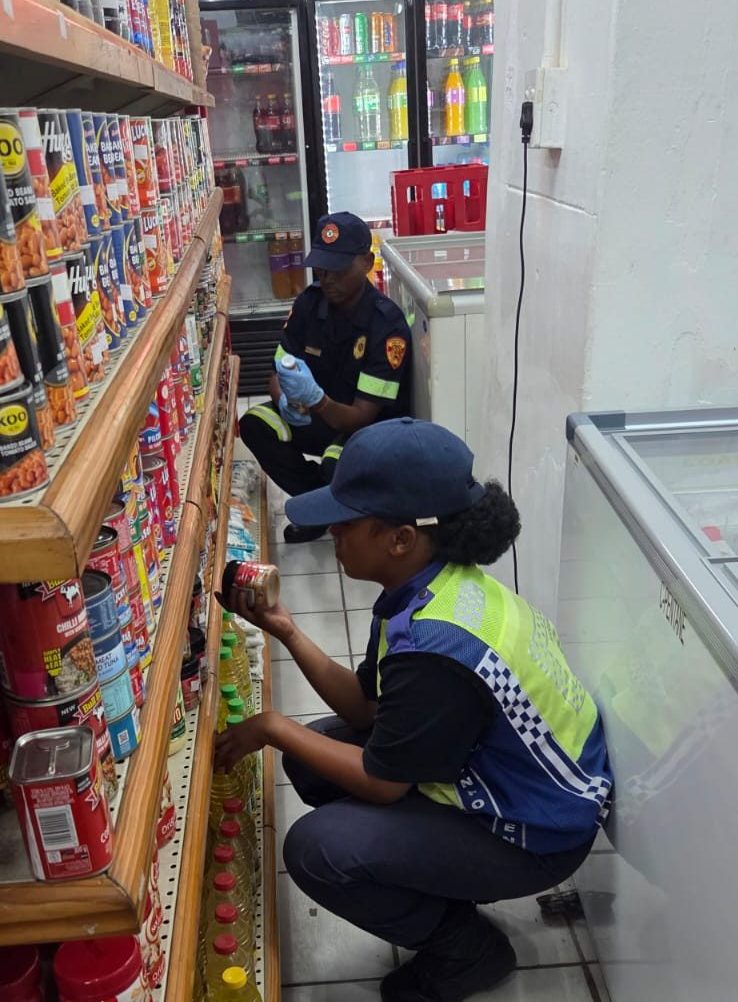
Officials carrying out inspection activities during the operation.

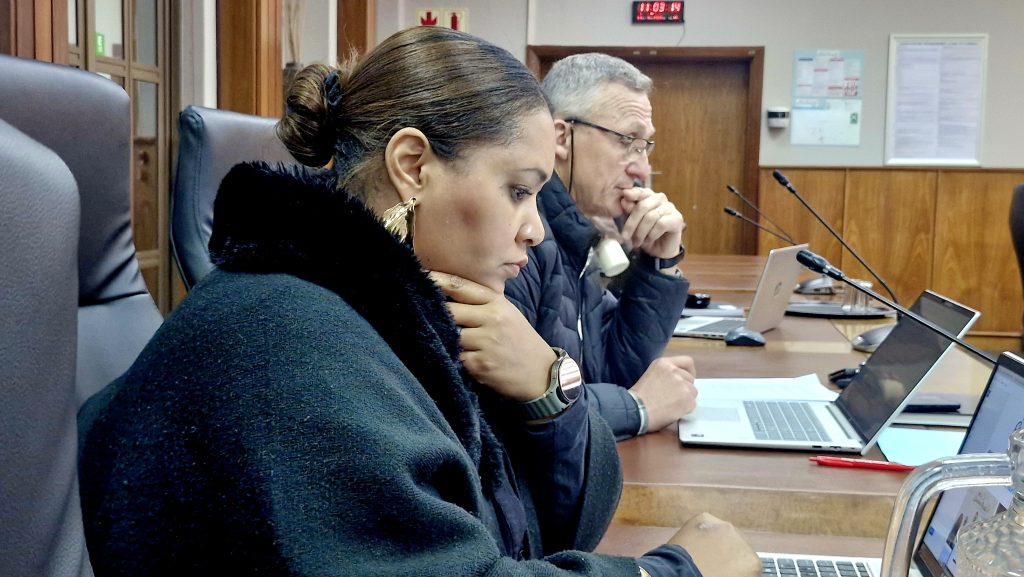
Cllr Hoogbaard, MMC for Community Services at GRDM, during the session reiterated that the operation demonstrated the commitment from all role players to protect public health and ensuring that all businesses operate within the legal framework and that similar operations will be conducted to promote compliance.

Residents are encouraged to report any concerns related to food safety or non-compliant issues to this department businesses to the municipality.

Johan Compion
jcompion@gardenroute.gov.za
044 803 1550 / 082 803 5161

Haemish Herwels – Chief: Municipal Health Hessequa (Langeberg)
haemish@gardenroute.gov.za
028 713 2438 / Cell: 083 678 6545
23 Mitchell Street, Riversdale


Opsomming in Afrikaans

’n Gekoördineerde gesamentlike operasie tussen die Tuinroete Distriksmunisipaliteit (TDM) se Omgewingsgesondheidspraktisyns, Hessequa Munisipaliteit se Munisipale Polisiediens en die Suid-Afrikaanse Polisiediens (SAPS) het gelei tot die inspeksie van 38 spaza-winkels oor ’n twee-dag tydperk, op 19 en 20 Maart 2026.

Die operasie vorm deel van TDM se voortdurende pogings om openbare gesondheid te beskerm, toepaslike verordeninge se implimentering te verseker, en enige onwettige aktiwiteite aan te spreek. Amptenare het deeglike inspeksies uitgevoer wat gefokus het op voedselveiligheidsstandaarde, insluitend die monitering van vervalde produkte, higiënepraktyke, bergingstoestande en die verifikasie van geldige Aanvaarbaarheidssertifikate.

Oortredings is geïdentifiseer en aangespreek, onveilige voedselprodukte is gekonfiskeer, en sekere besighede kan verdere afdwingingsaksie verwag. Hessequa Munisipaliteit se Munisipale Polisiediens het ook brandveiligheid en toepaslike verordeninge aangespreek, terwyl SAPS die veiligheid van alle betrokke amptenare verseker het.

Soortgelyke operasies sal in die toekoms voortgaan om voldoening aan verordeninge te bevorder.  Inwoners word aangemoedig om enige bekommernisse rakende voedselveiligheid of nie-nakoming aan die munisipaliteit te rapporteer.

-Einde-

24 March 2026 Media Release: Strengthening the Local Food Supply Chain: Spaza Shop Training in Riversdale

Media Release: Strengthening the Local Food Supply Chain: Spaza Shop Training in Riversdale

24 March 2026

In a proactive move to support community health and support local businesses, the Garden Route District Municipality (GRDM) Environmental Health Practitioners (EHPs) planned targeted education sessions for spaza shop owners and their managers in the Hessequa area.

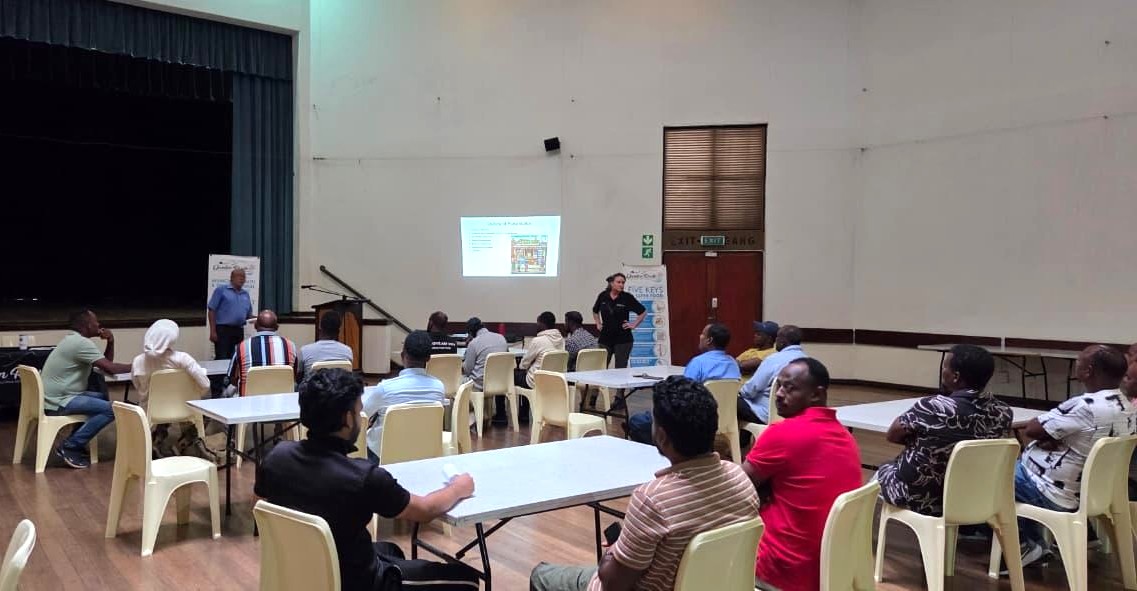
On 17 March 2026, EHPs from the GRDM Hessequa sub-office, provided essential training on food safety, hygiene standards, and regulatory compliance to spaza shop owners from Riversdale, Albertinia and Melkhoutfontein. The session was well attended by 36 owners and/or managers, who collectively oversee the operations of close to 60 spaza shops across these areas.

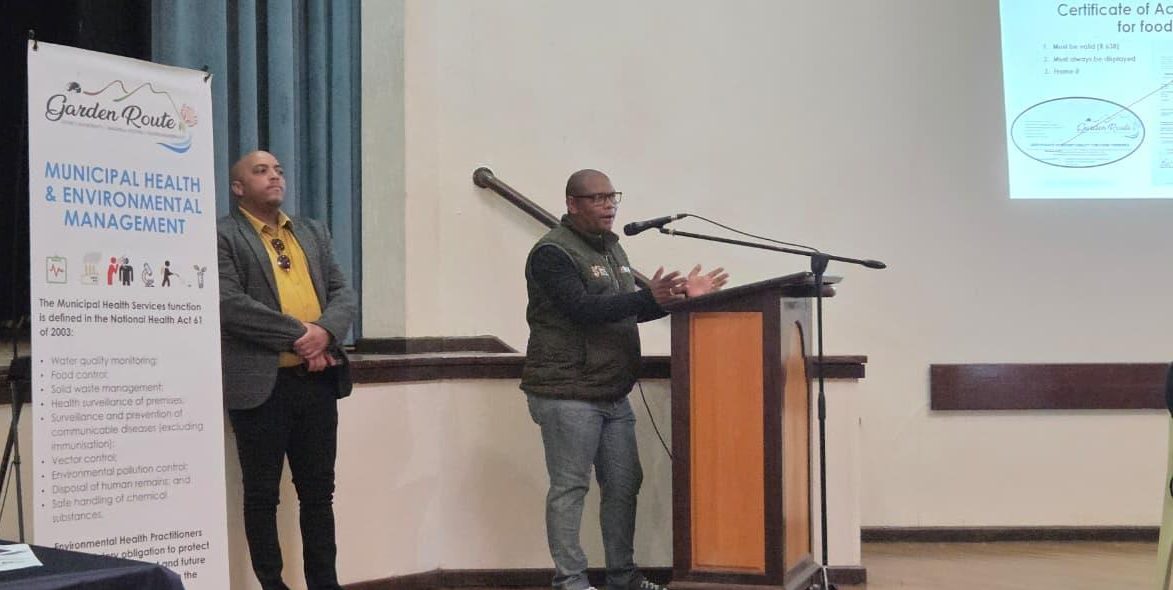
The training session was also attended by Cllrs Hoogbaard and Jansen. During his opening remarks, Cllr Hoogbaard, also the MMC for Community Services, reiterated that spaza shops are the heartbeat of local communities, often serving as the primary source of daily essentials. He emphasised that maintaining clean and safe environments is not only a legal obligation, but also critical for protecting community health and building customer trust.

This initiative highlights the EHPs’ commitment to ensuring that even the smallest retail outlets meet the high health standards required to protect the public.

The training focused on several critical pillars of environmental health:

  • Structural and Hygiene Requirements;
  • Pest Control Management; and
  • Food Labelling.

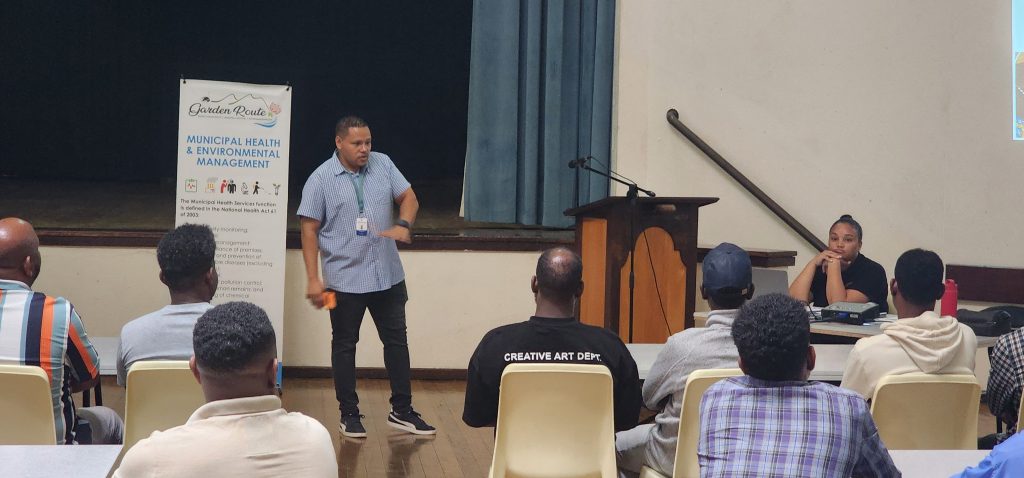
GRDM Portfolio Chairperson for Community Services, Cllr Hoogbaard, was one of the speakers during the spaza shop owners’ education session.

Participants were encouraged to actively engage, ask questions, and share their day-to-day challenges. This interactive approach ensured that the training was practical, relevant, and directly applicable to their business operations.

The GRDM will continue to monitor compliance through routine inspections, while also providing ongoing support and guidance to shop owners. This ensures that the high standards introduced during the training are consistently maintained.

This session forms part of a broader, ongoing initiative by EHPS from Hessequa to reinforce the importance of food safety and strengthen the local food supply chain at grassroots level.

-END-

04 March 2026 Media Release: GRDM Engages Schools and Communities in Fight Against Waste and Illegal Dumping

Media Release: GRDM Engages Schools and Communities in Fight Against Waste and Illegal Dumping

04 March 2026

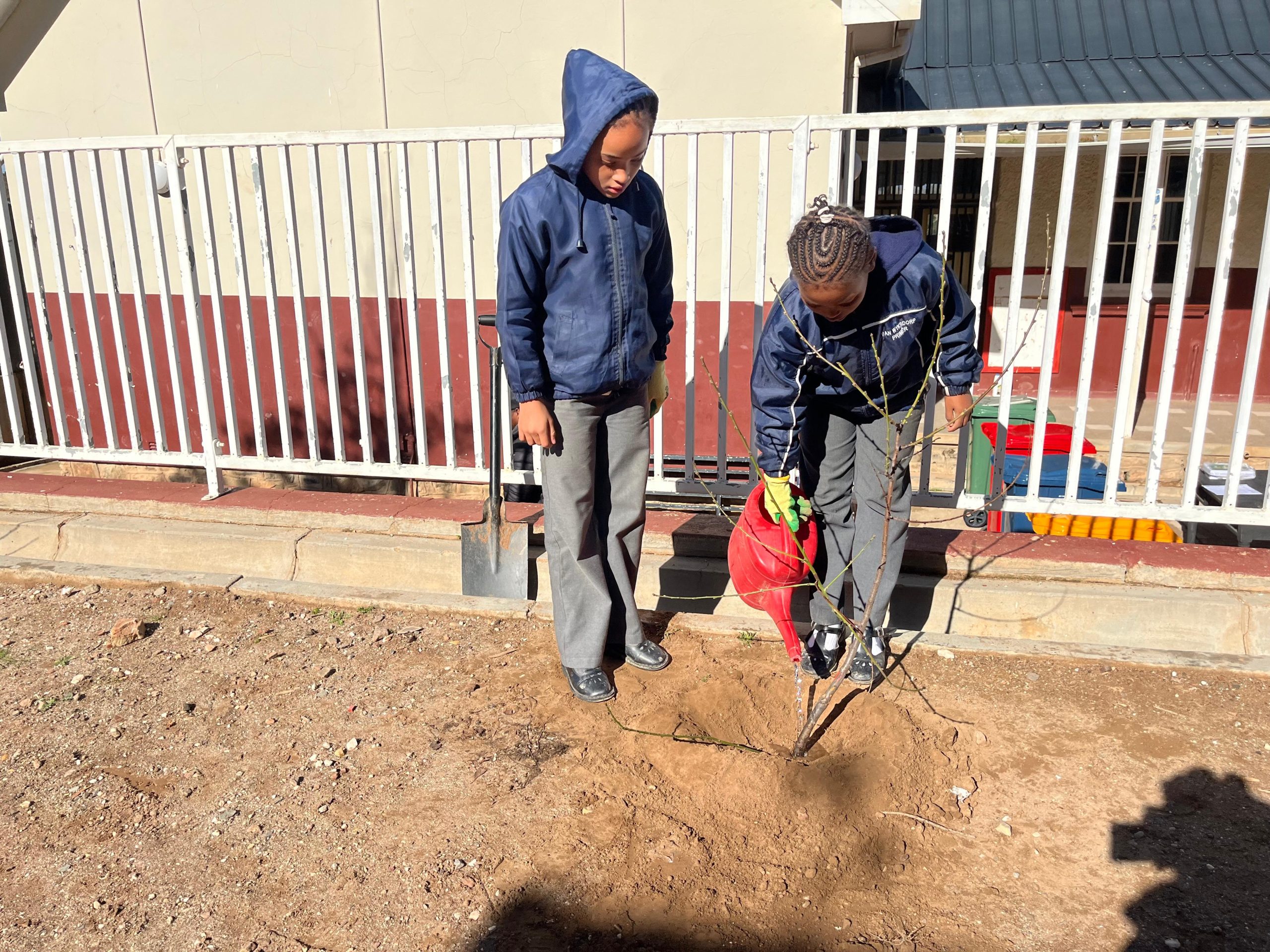
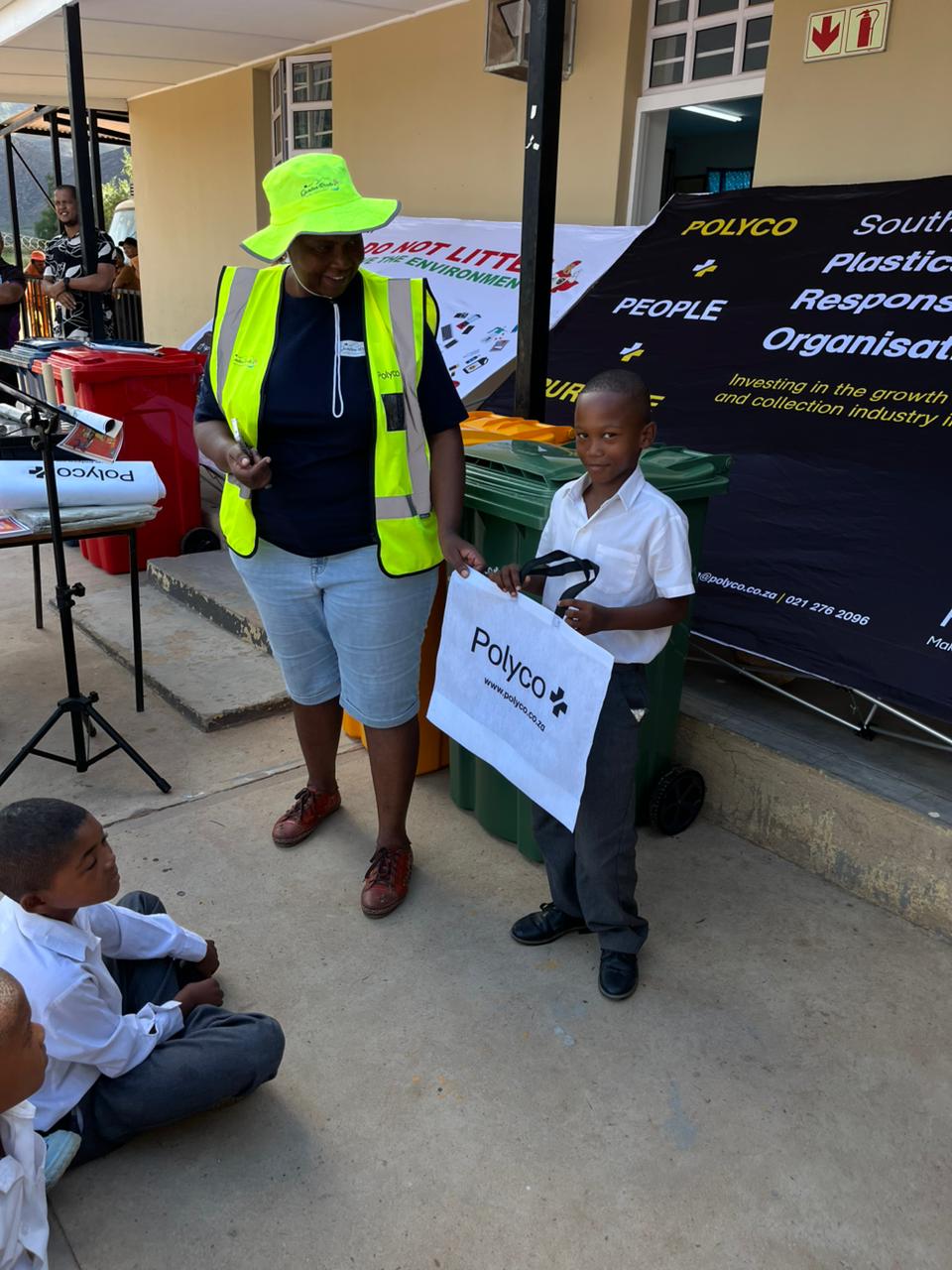
During February, the Garden Route District Municipality (GRDM) Waste Management Section continued rolling out its Green School Program by introducing a new colour-coded bin system at participating schools across the district.

The programme aims to strengthen waste minimisation education and encourage environmental awareness among learners. After all, waste minimisation starts with awareness and action. By equipping schools with the right tools and knowledge to manage waste responsibly, we are empowering learners to become champions of sustainability in their own households and communities.

On 12 February, GRDM, in collaboration with the Bitou Municipality, visited two schools in the Bitou Municipal area to introduce the program. The following day, on 13 February, GRDM collaborated with Landmark to hand over 85 recycling boxes to Outeniqua High School.  These boxes will enable learners to separate waste directly in their classrooms, making recycling part of their daily routine.

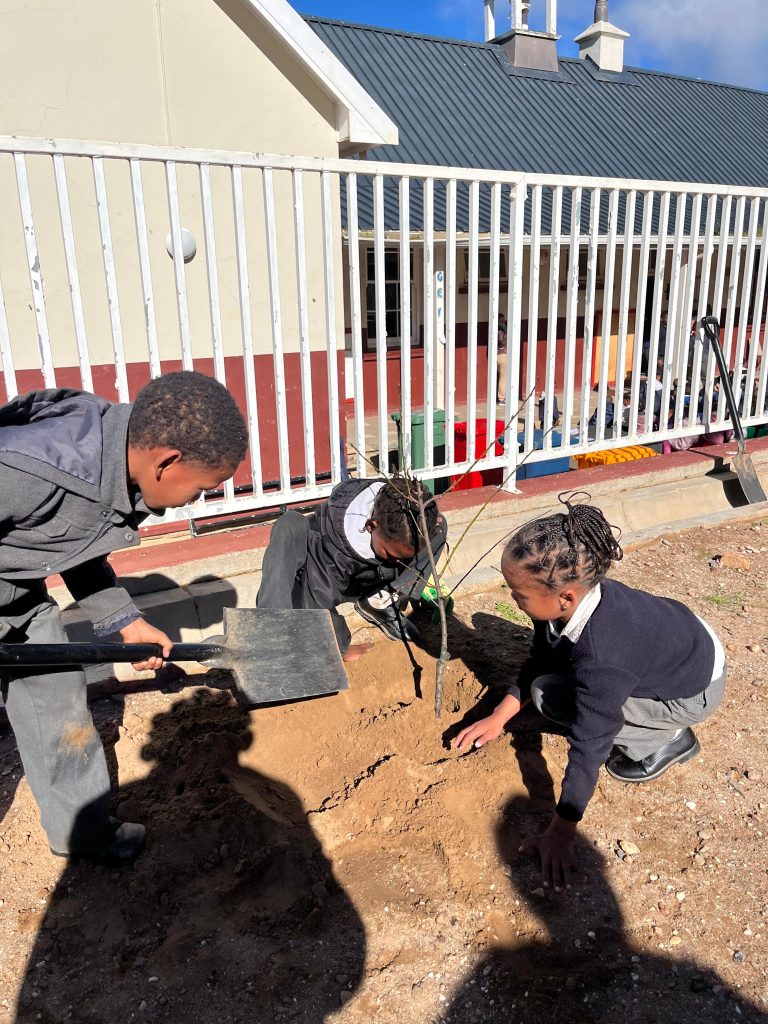
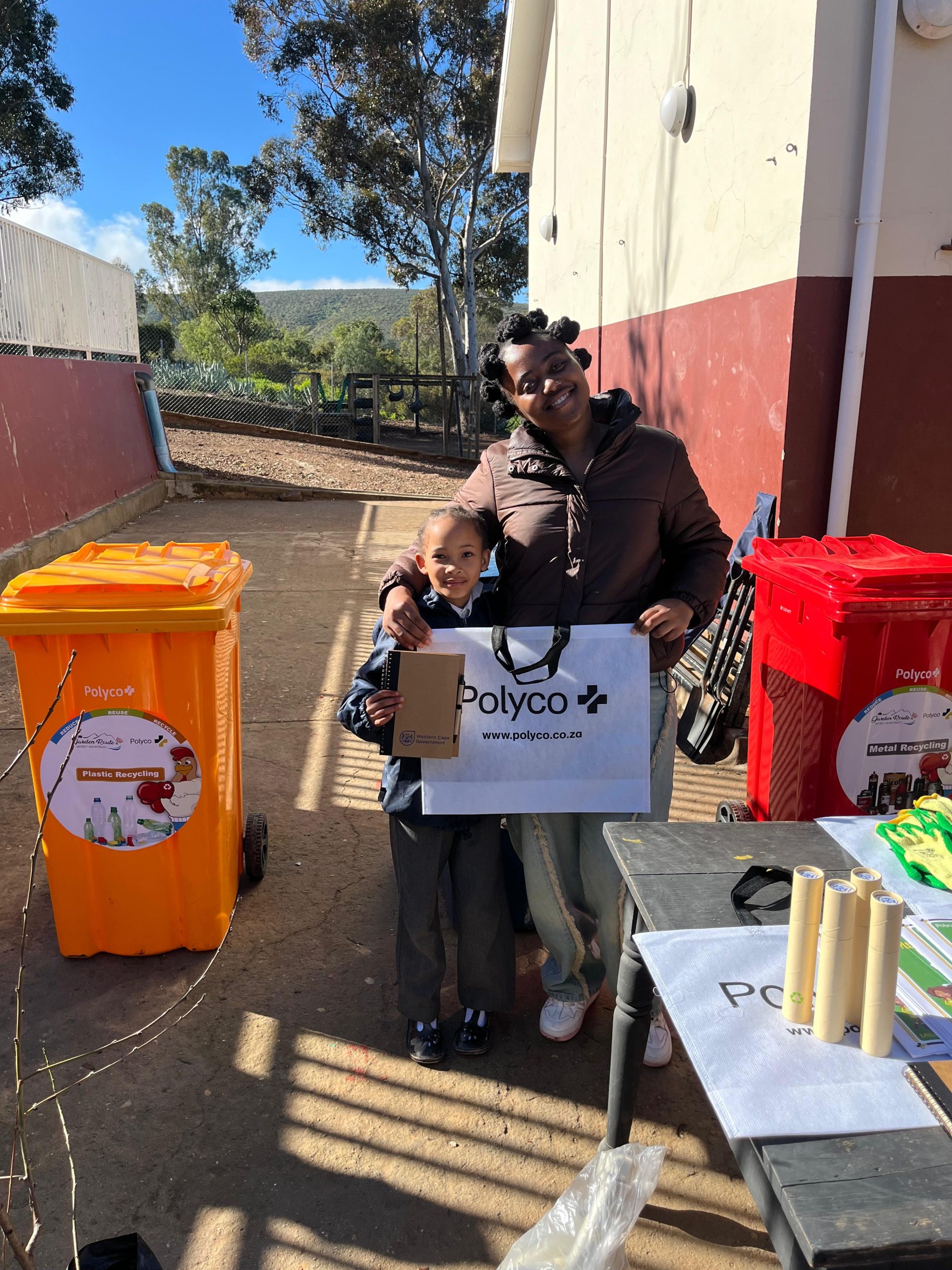
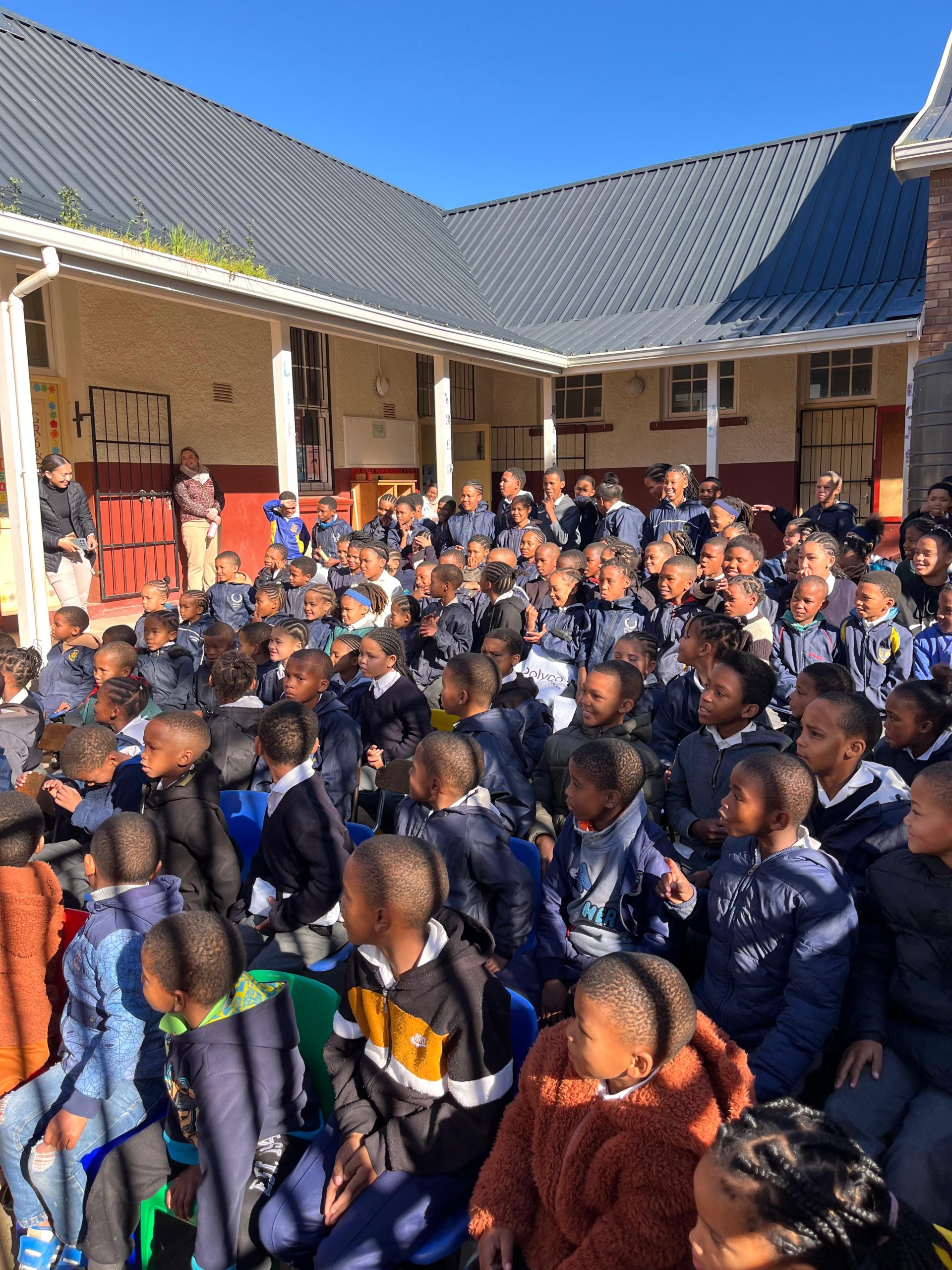
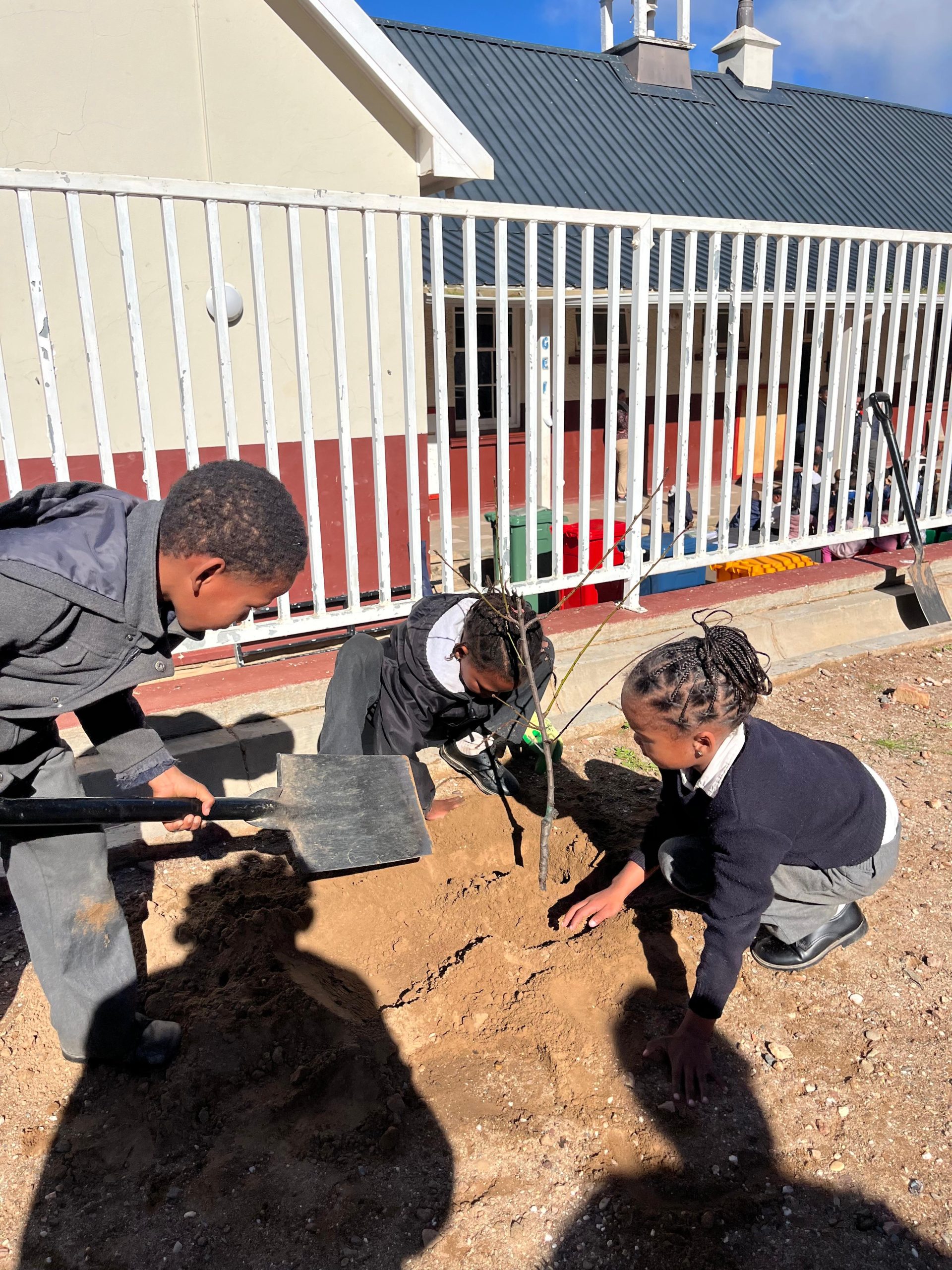
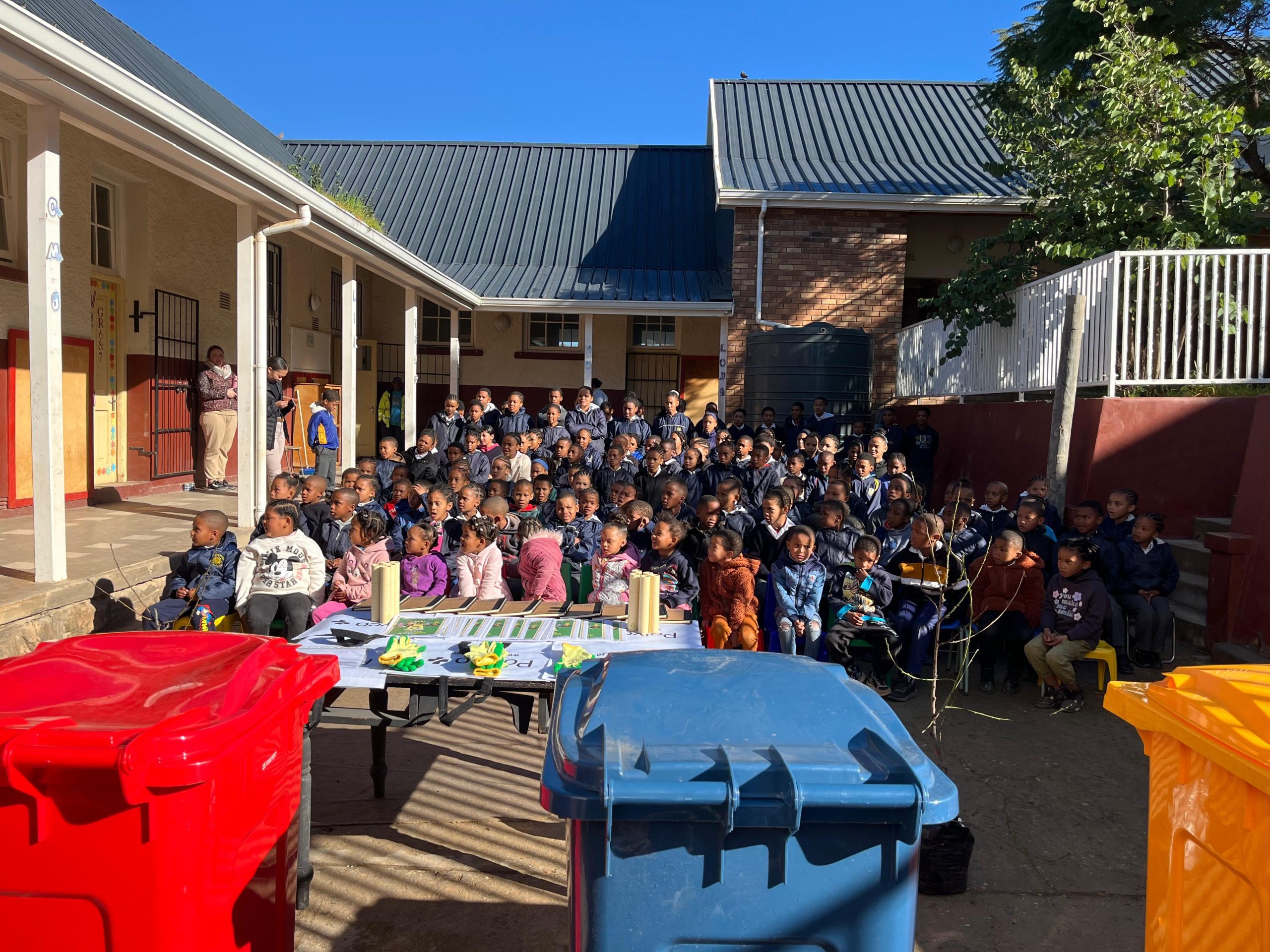
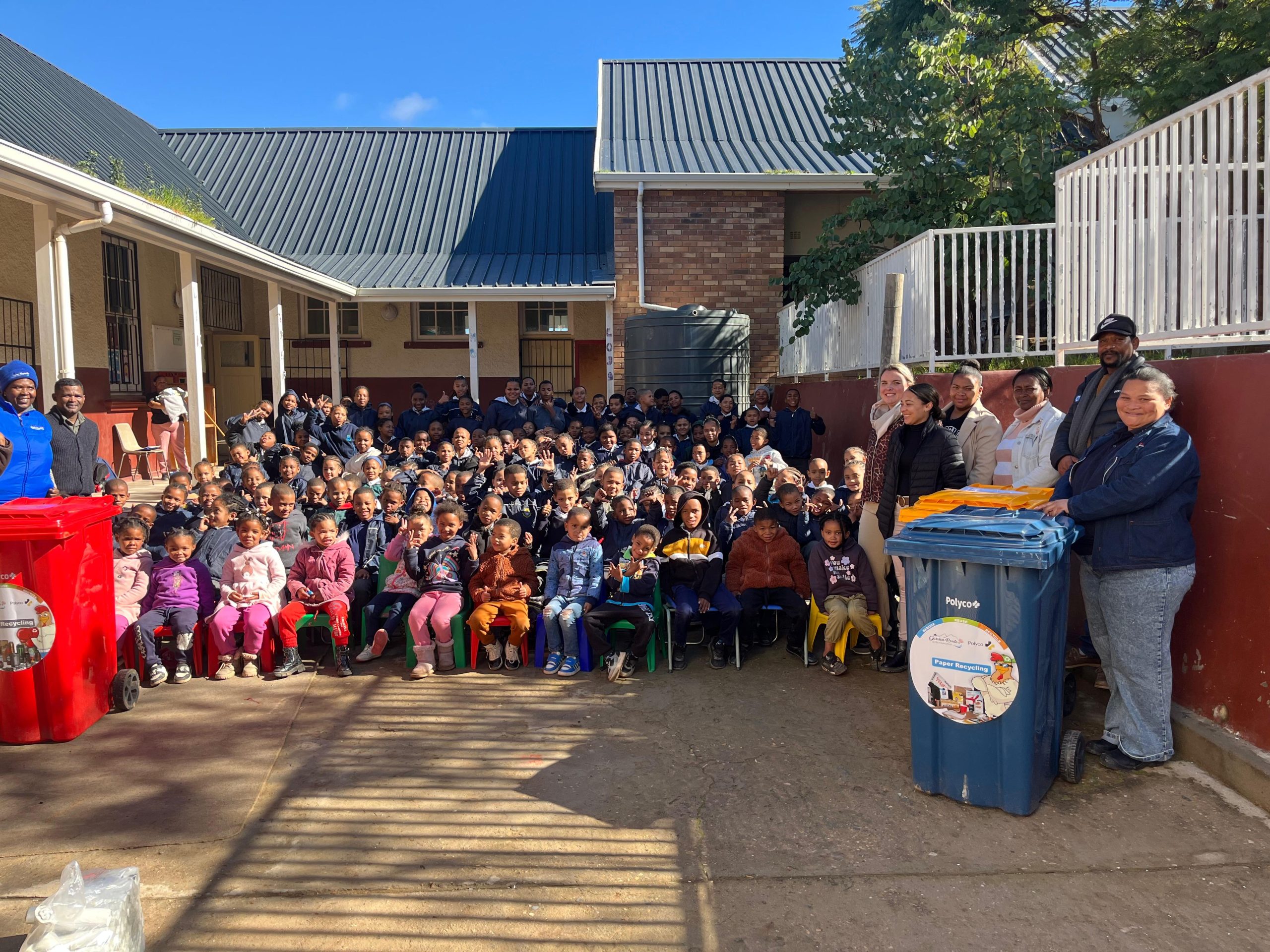
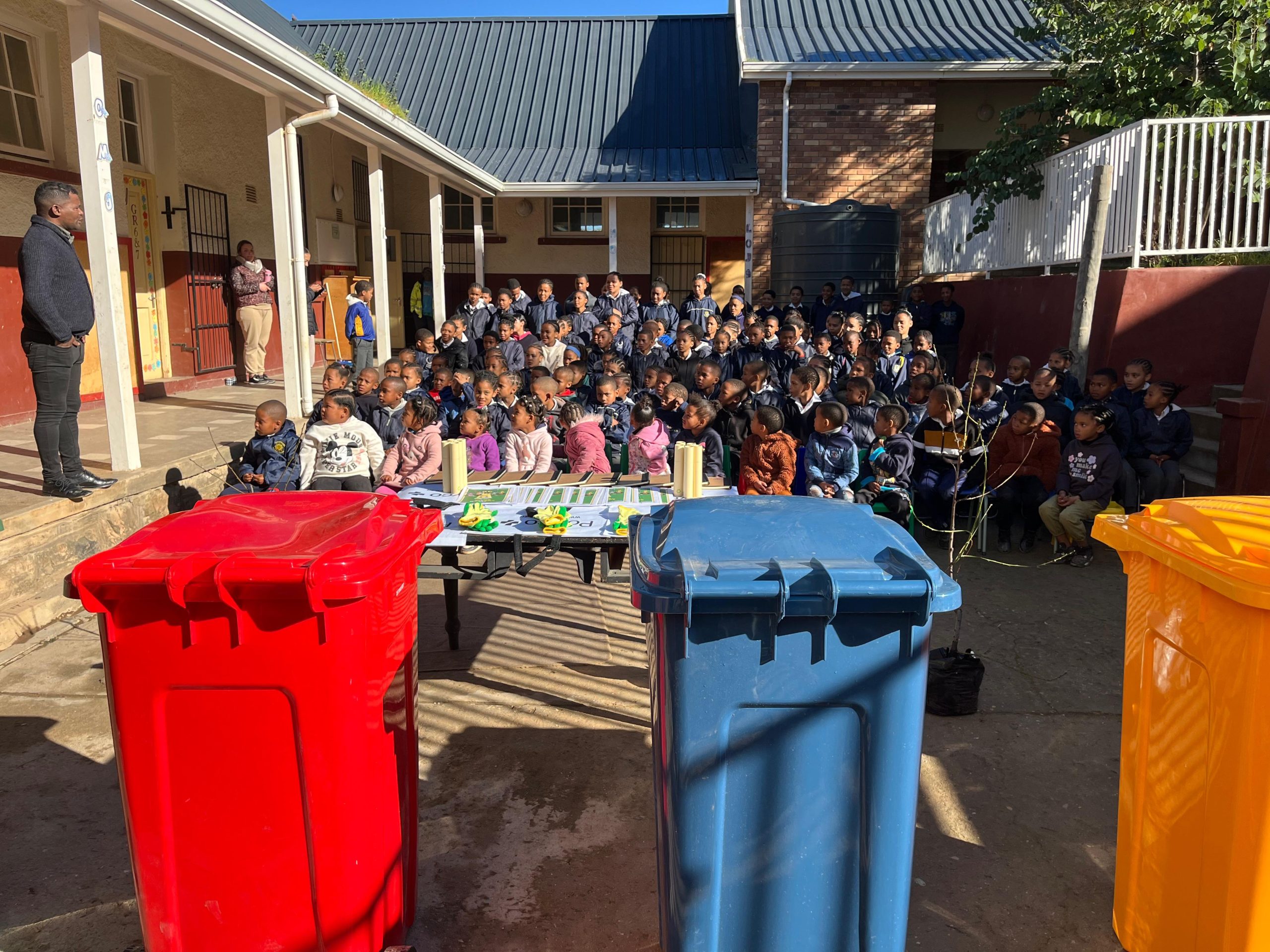
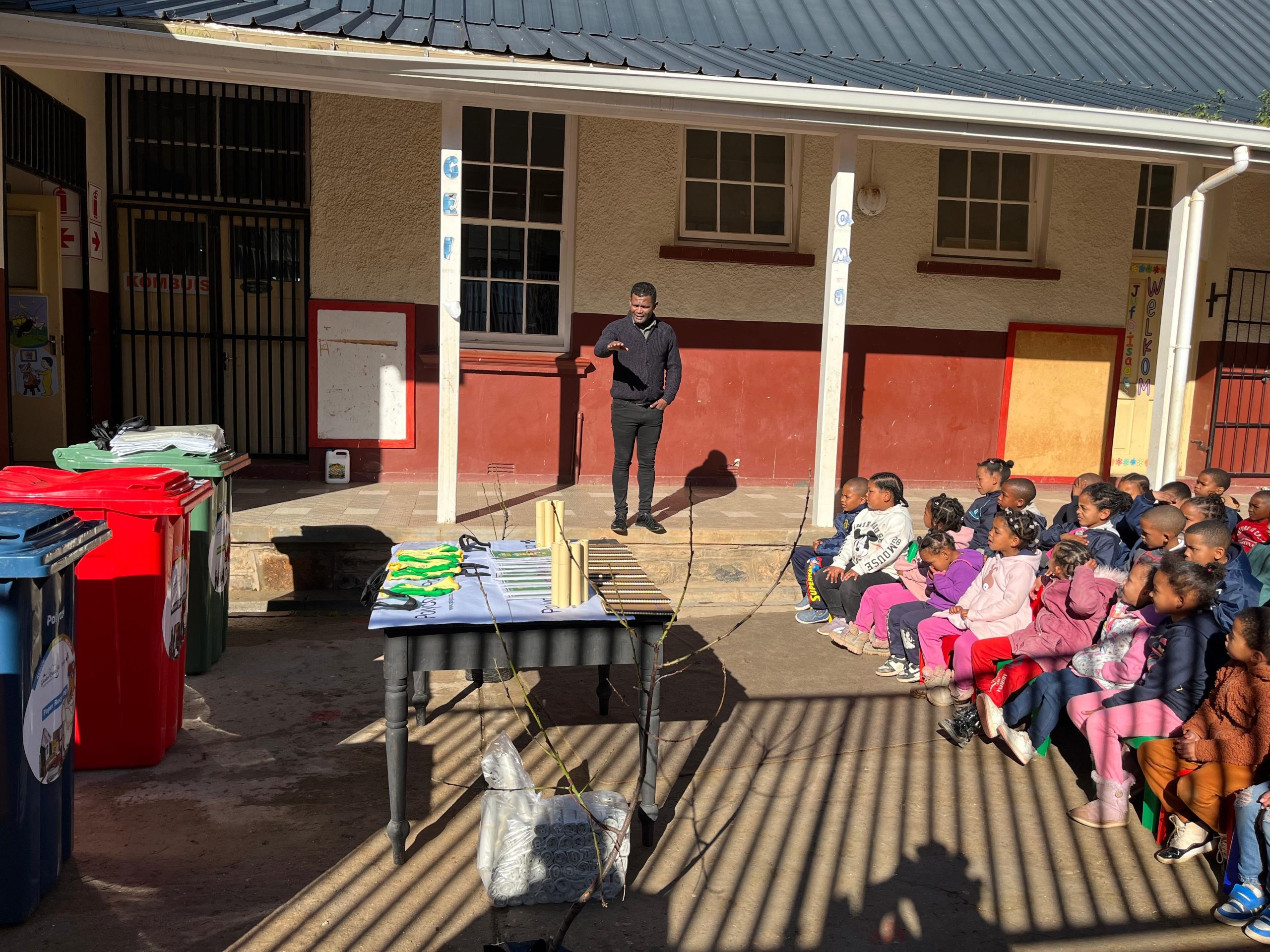
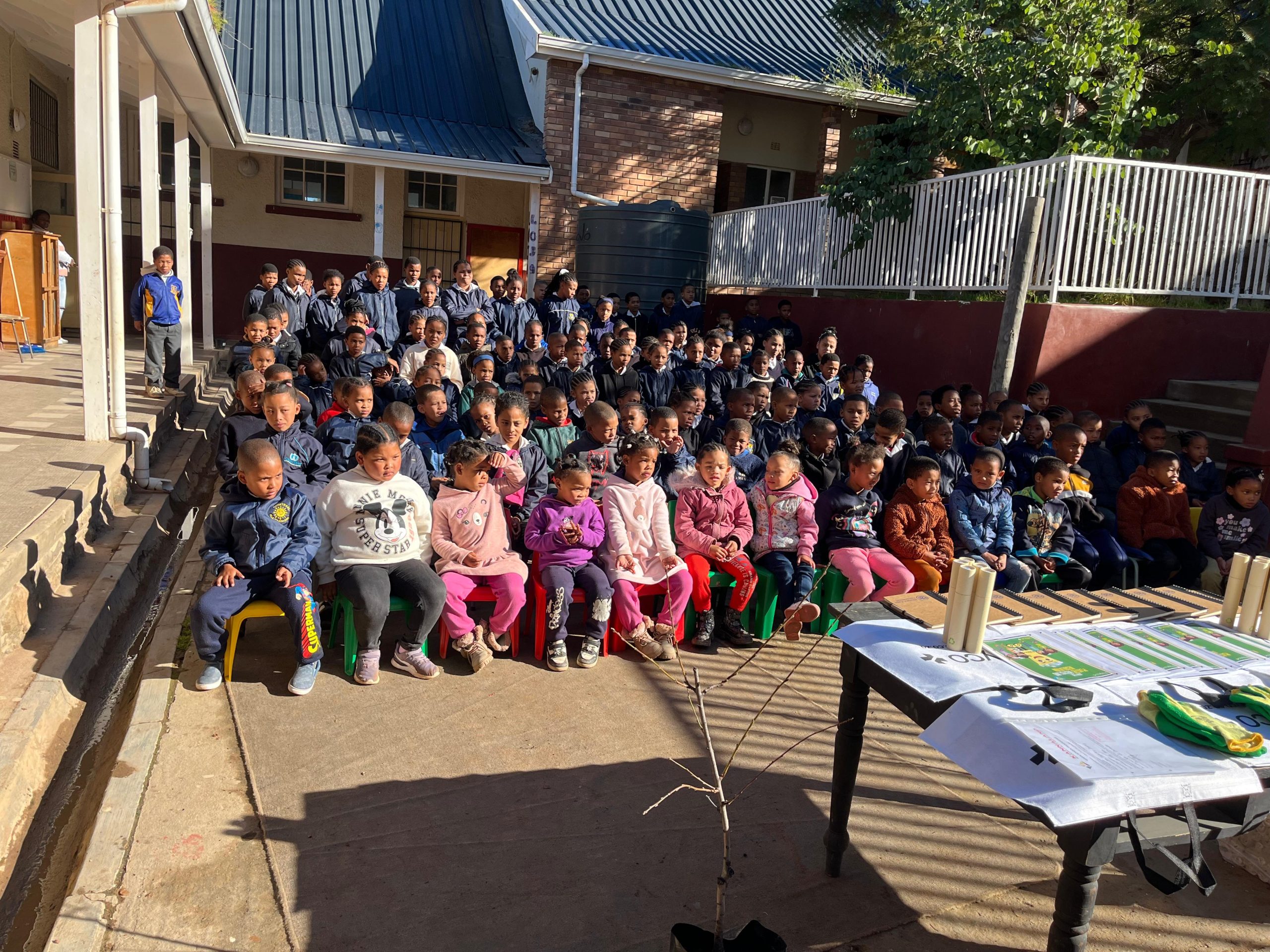
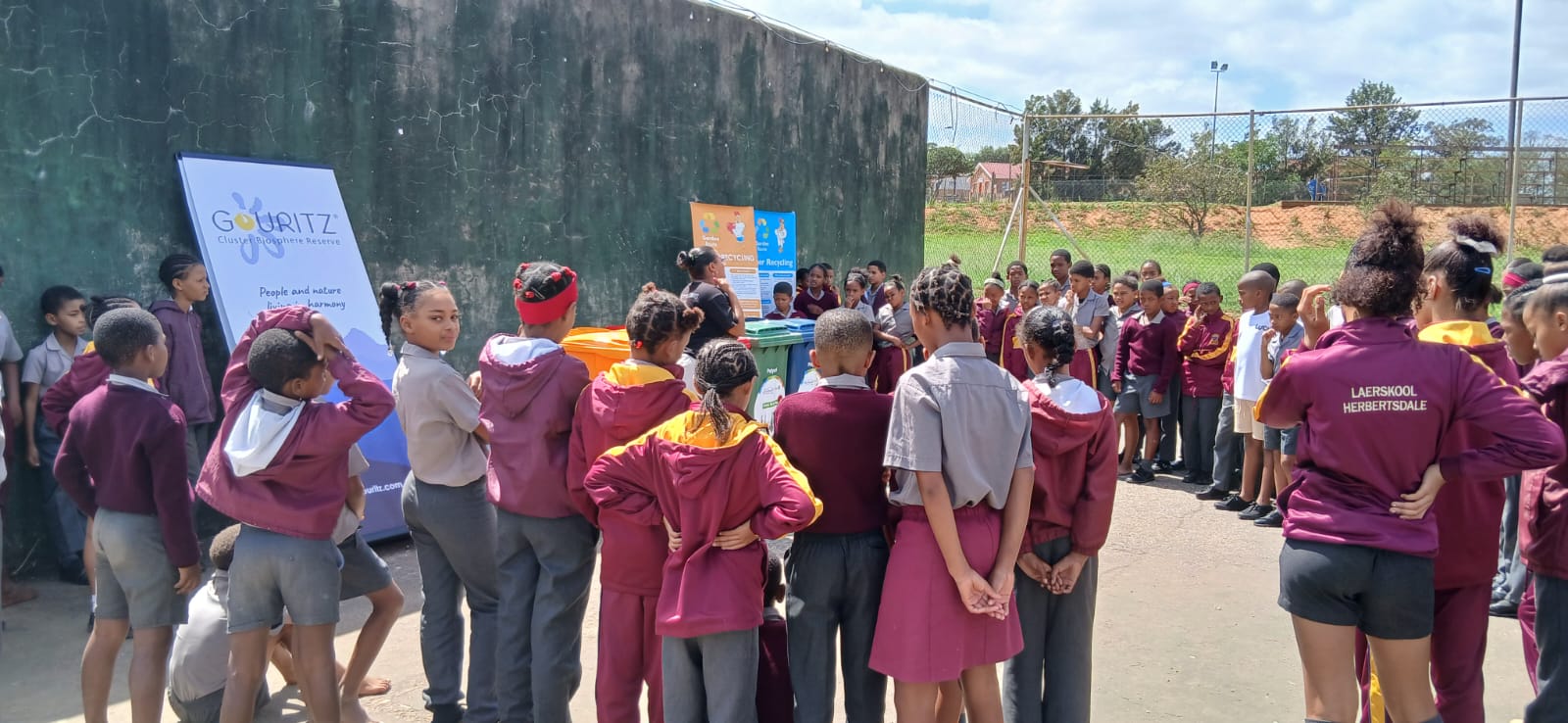
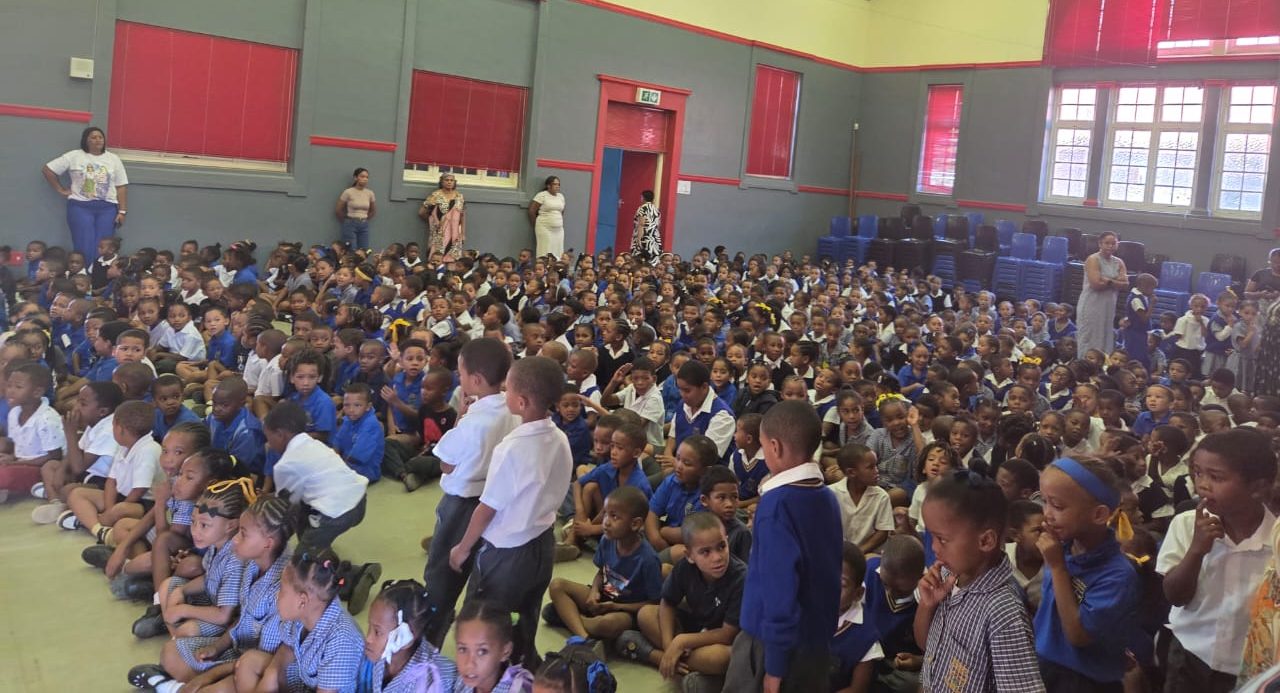
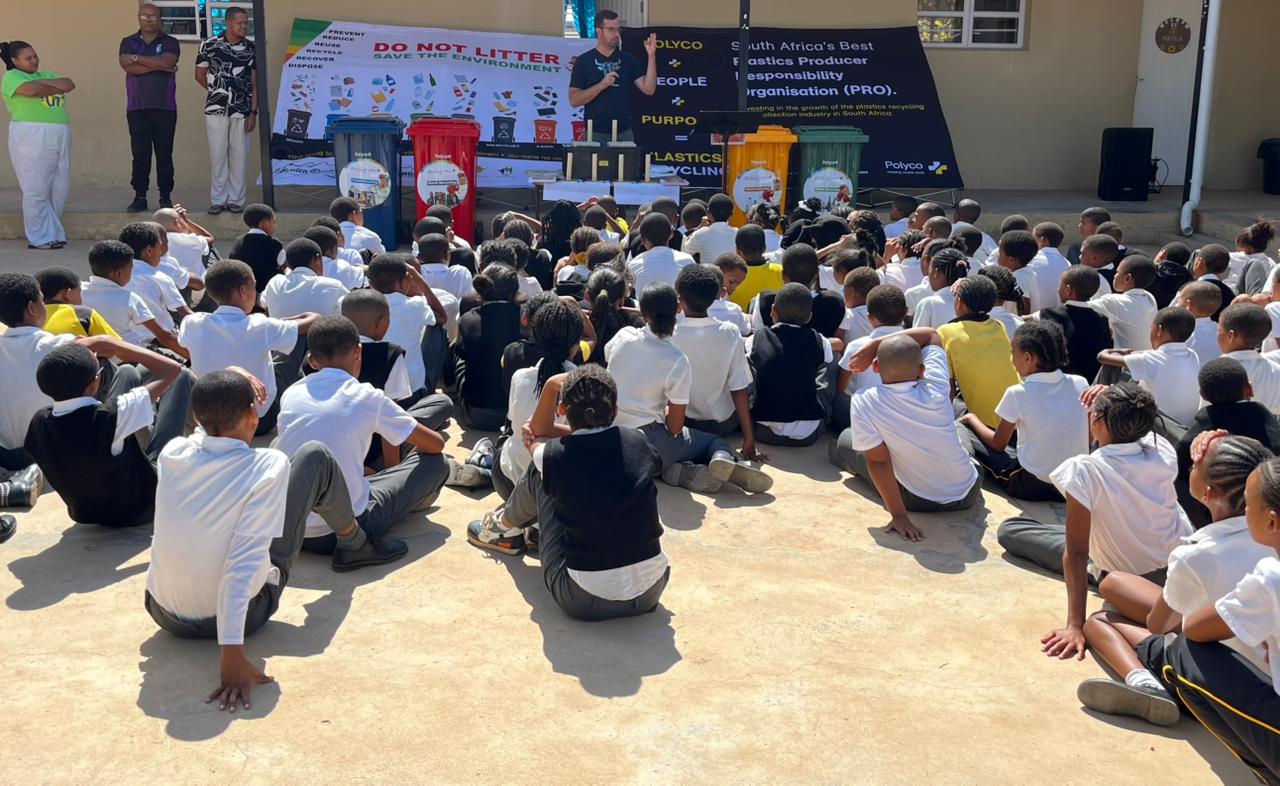
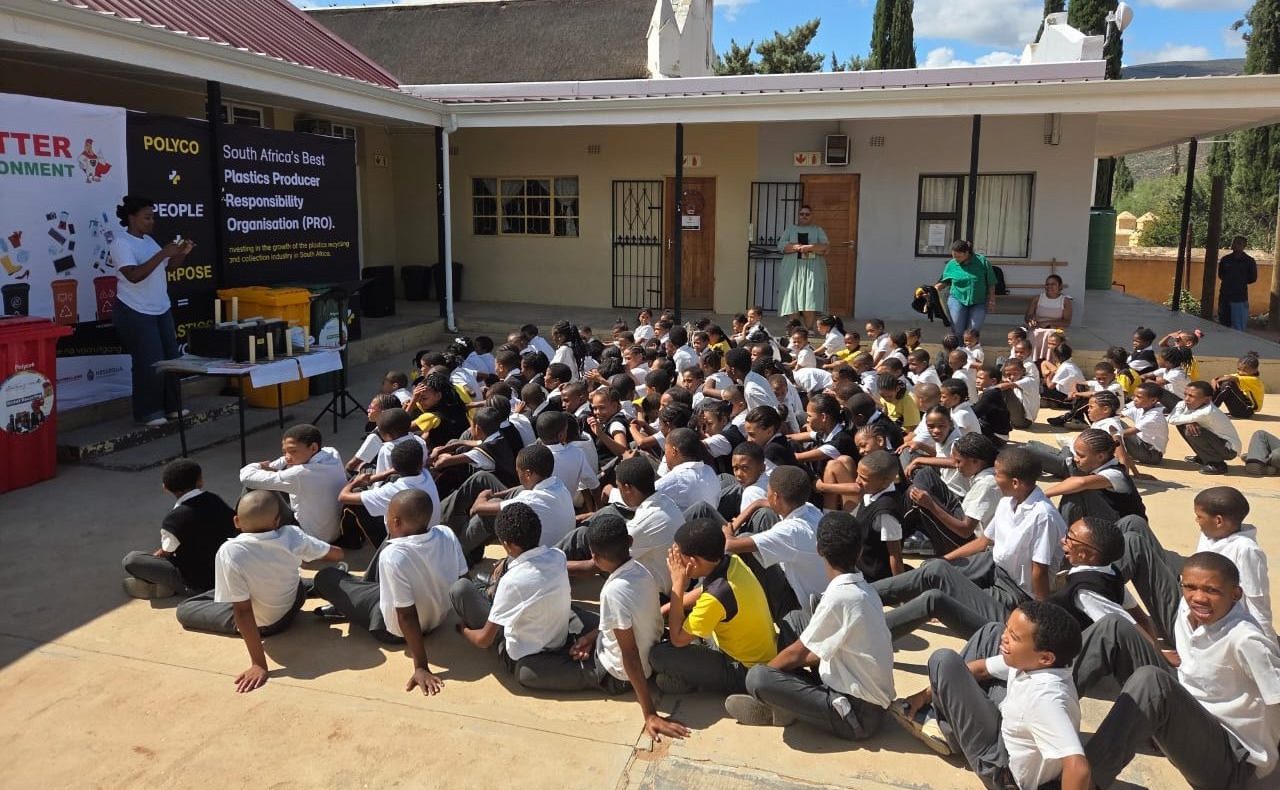
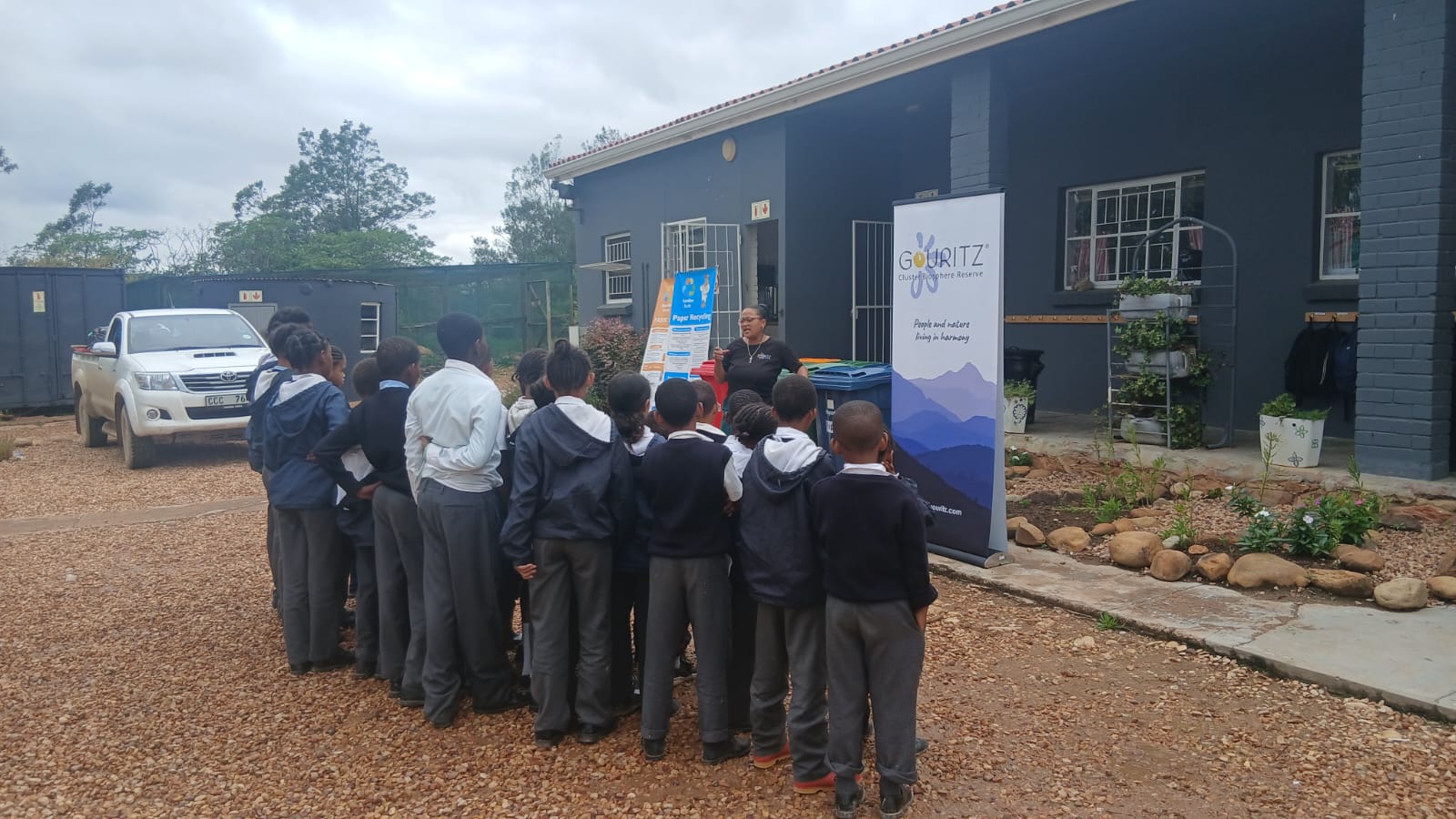
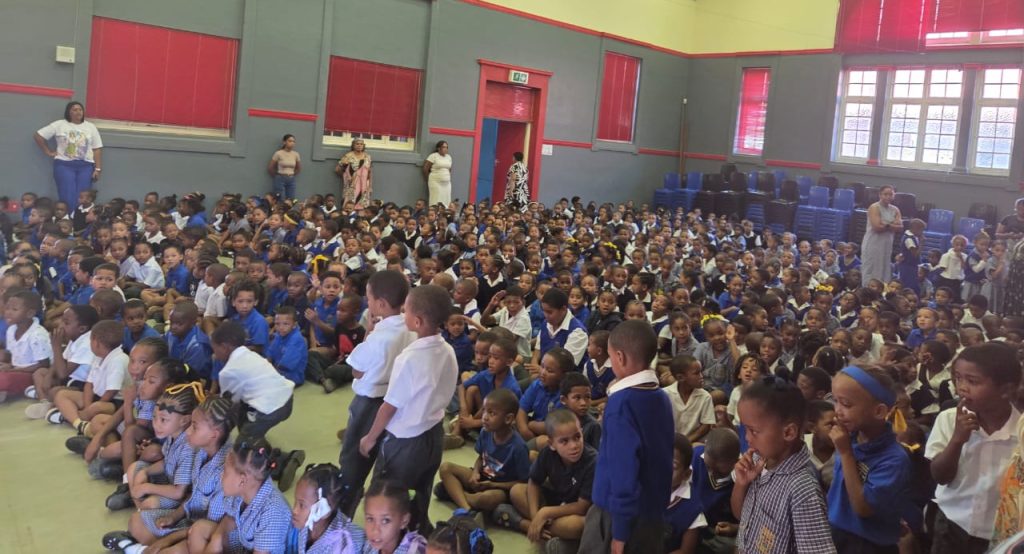
The following week, on 18 February, the GRDM Waste Management Section, in collaboration with the Gouritz Cluster Biosphere Reserve, extended the programme to three schools in the Hessequa Municipal area, reaching more than 700 learners.

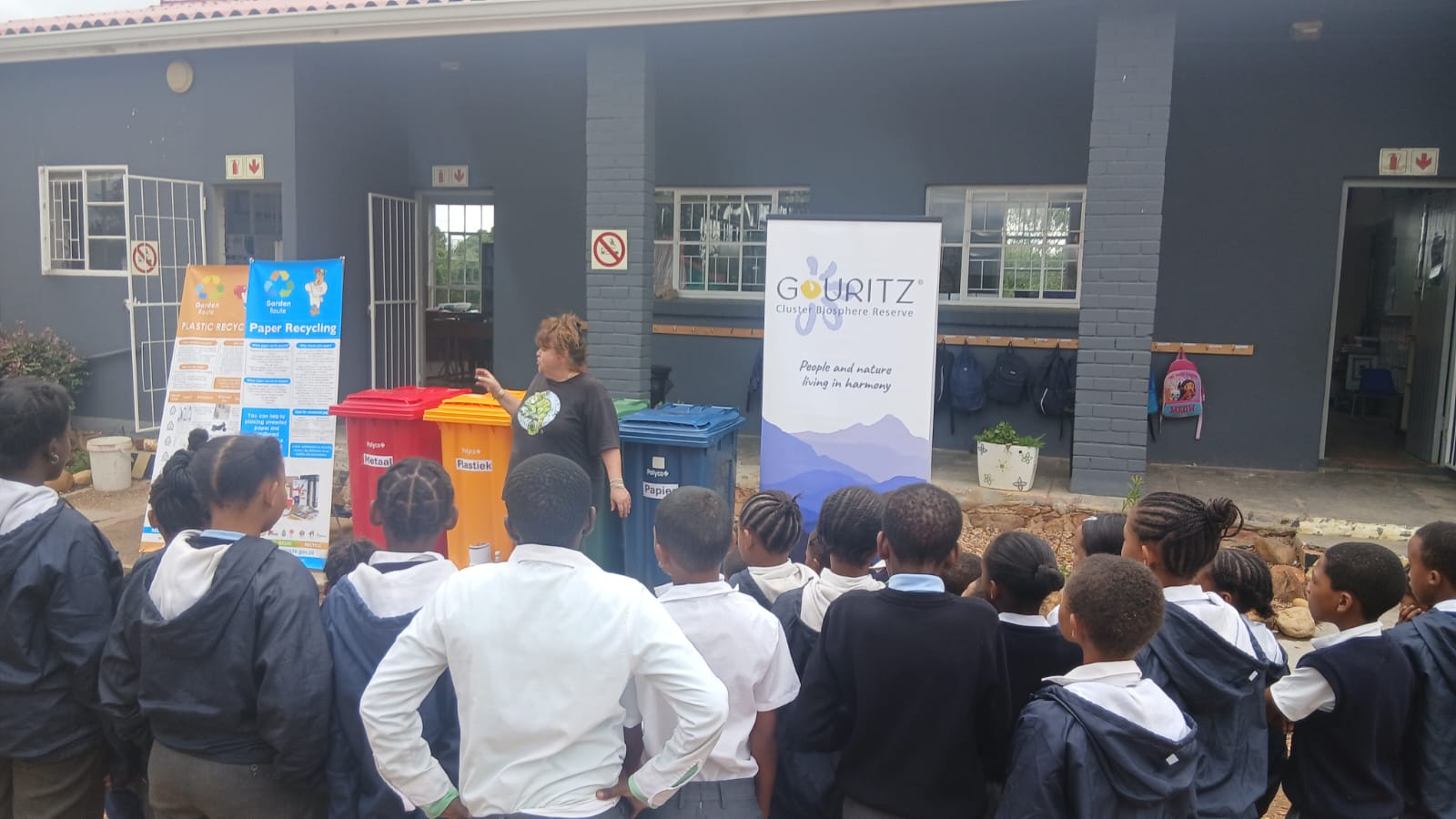
Learners were taught how to separate waste correctly, followed by interactive Q&A sessions to test their understanding. They also practised identifying the correct waste streams for each colour-coded bin, reinforcing the importance of responsible waste management in a practical and engaging way.

“GRDM would like to acknowledge POLYCO, MPACT, and the Department of Environmental Affairs and Development Planning (Western Cape Government) for partnering with us to ensure the success of this programme. The Green School Program is a GRDM-led initiative that promotes sustainability through practical education, hands-on activities, and partnerships. The programme focuses on waste minimisation and recycling and equips learners with the skills and values needed to make eco-conscious choices,” said Innocentia Sikweyiya, GRDM District Waste Management Officer.

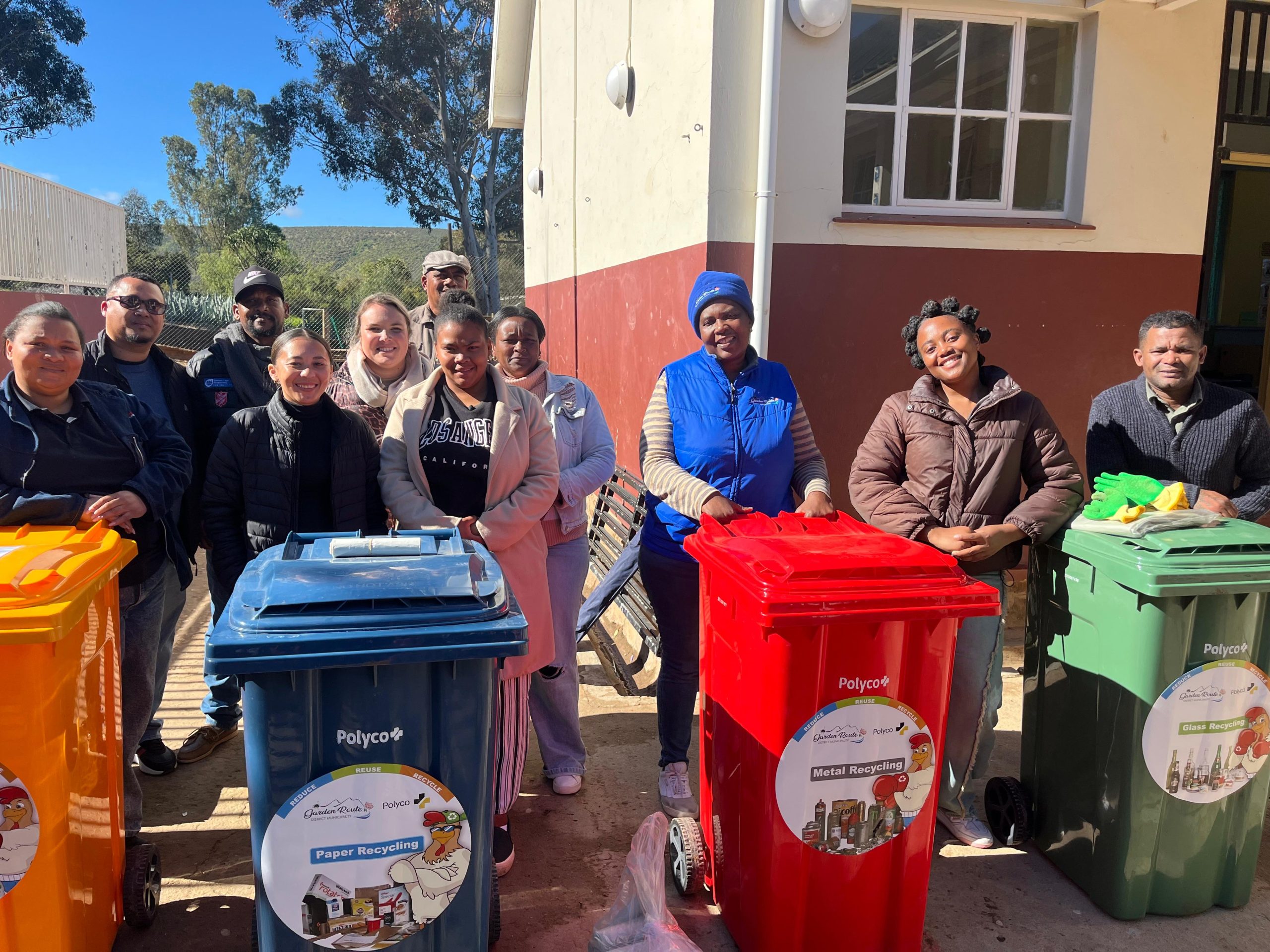
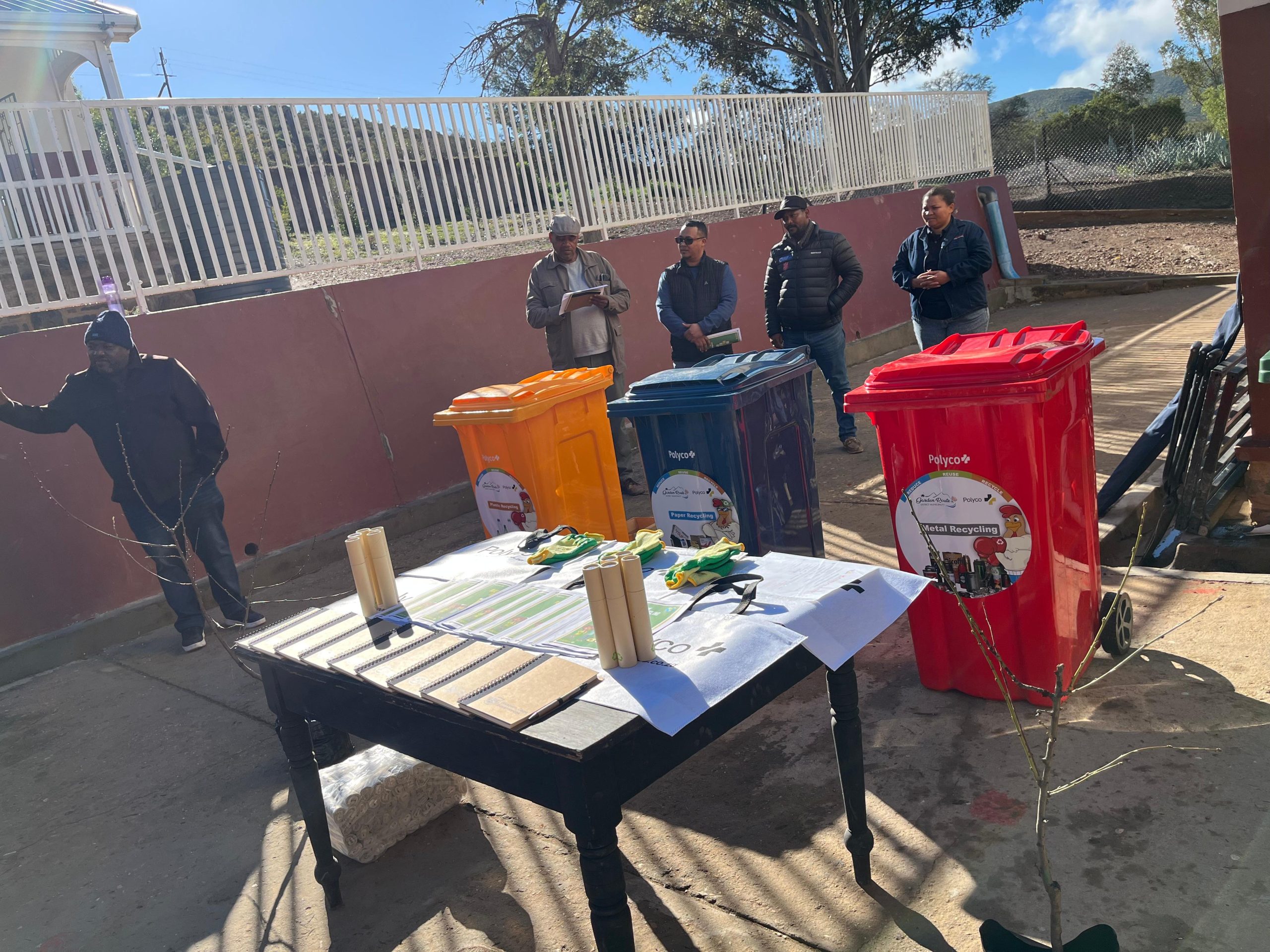
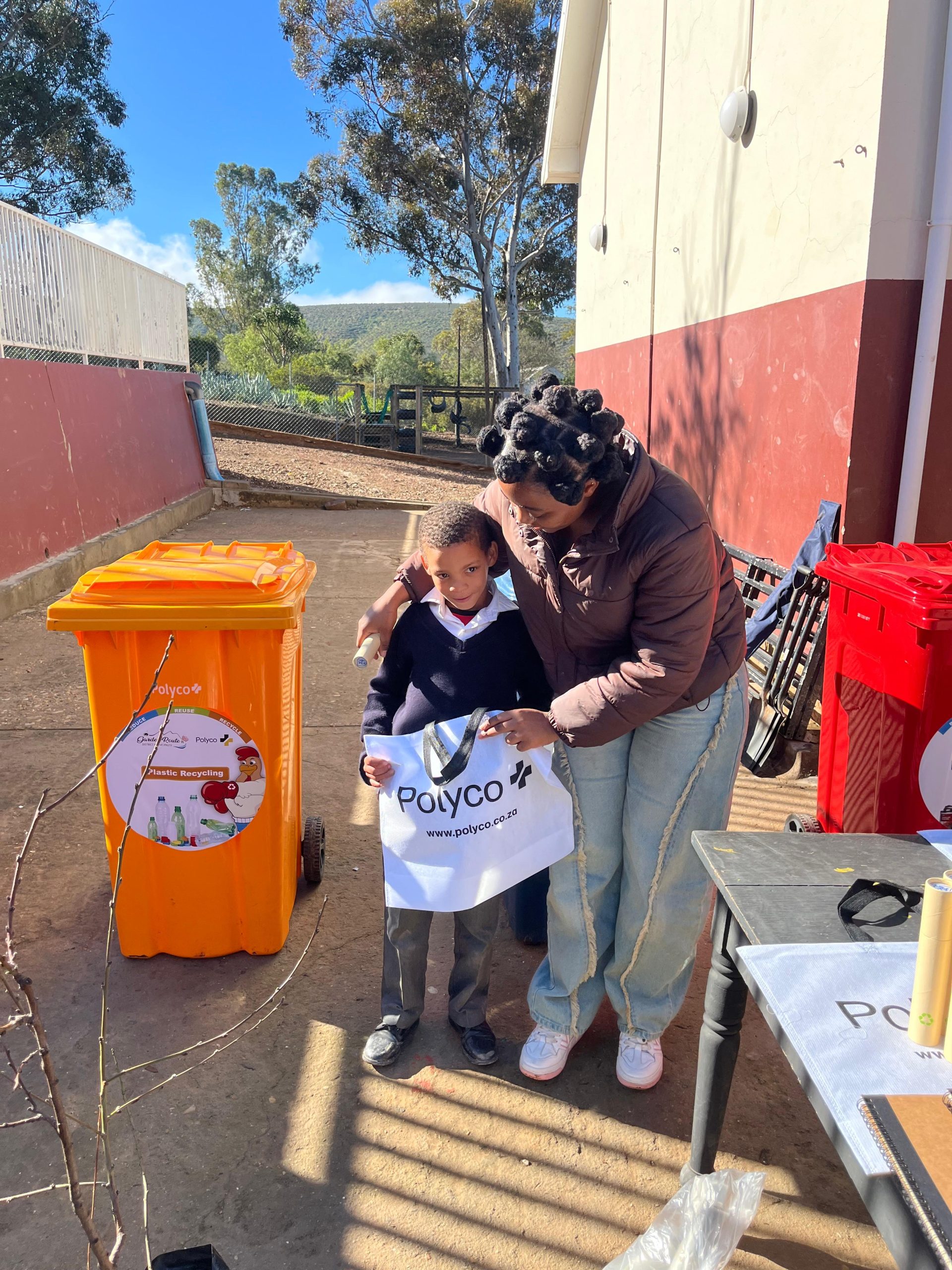
In Hessequa, GRDM collaborates with the Gouritz Cluster Biosphere Reserve (GCBR), a non-governmental organisation focused on biodiversity conservation, sustainable development, and community engagement. In the George area, GRDM works in partnership with Landmark to support the implementation of the programme. Through these partnerships, the initiative introduces clearly marked bins for paper, plastic, metal/cans, and glass, making it easier for learners and staff to practise responsible waste separation

Illegal Dumping Silent Walk / March

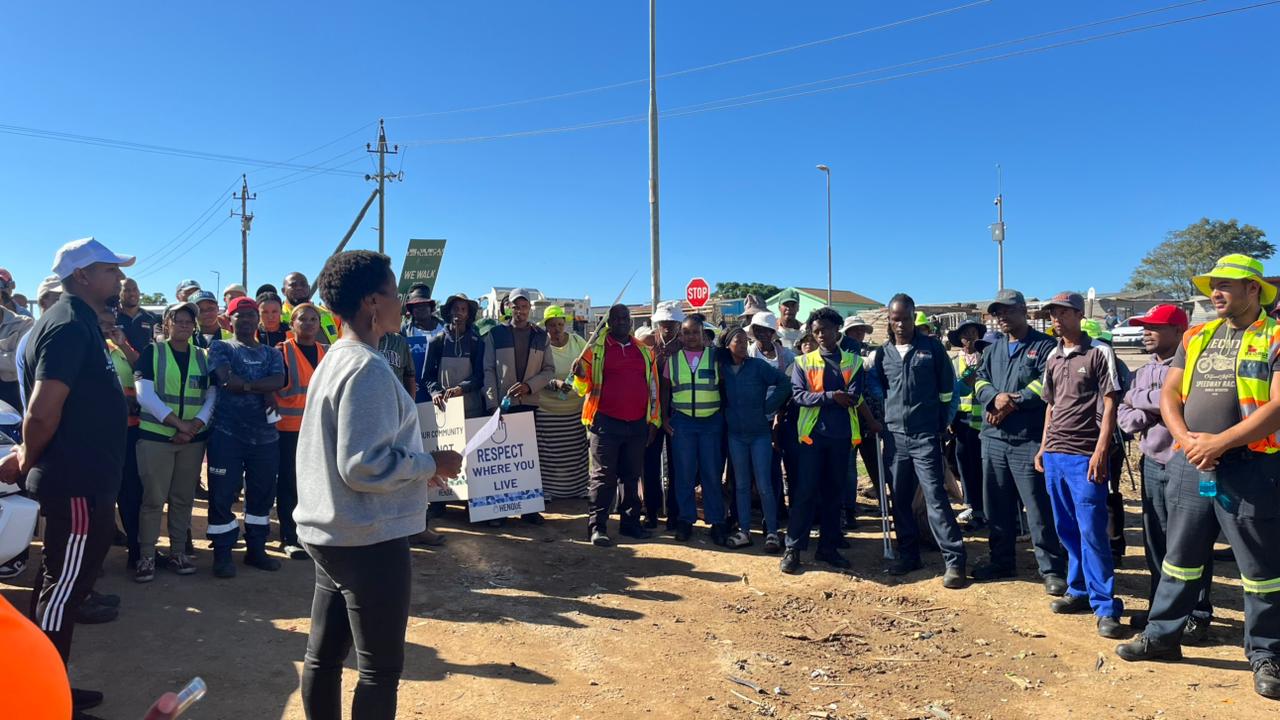
On Friday, 27 February, the George Local Municipality hosted a Silent March Against Illegal Dumping in Thembalethu. Though the march was silent, the collective message was loud and clear: illegal dumping has no place in our communities.

Led by the Executive Mayor of George and the Portfolio Head for Community Services, participants carried placards with powerful messages urging an end to illegal waste disposal. The march symbolized unity and determination to protect the environment and promote cleaner, healthier neighbourhoods.

The event concluded with closing remarks from the Garden Route District Municipality Waste Management Section (GRDM), highlighting the importance of collaboration between local government and communities in reclaiming our dignity and ensuring the right to live in a clean and healthy environment.

“Together, participants stood in silence, but their voices spoke volumes. Illegal dumping is unacceptable, and the commitment to building a cleaner, safer Thembalethu for all remains strong,” said Sikweyiya

-END-

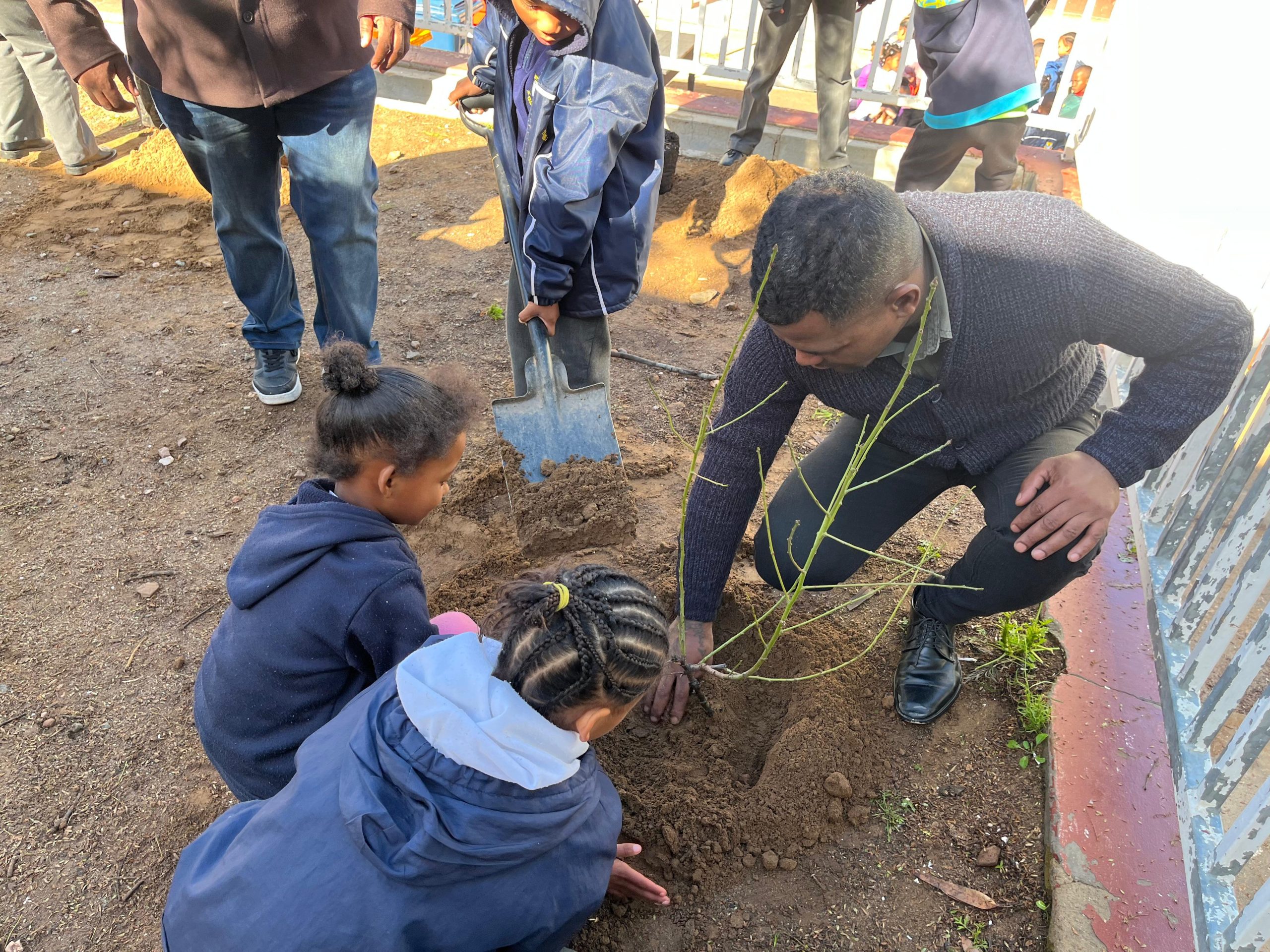
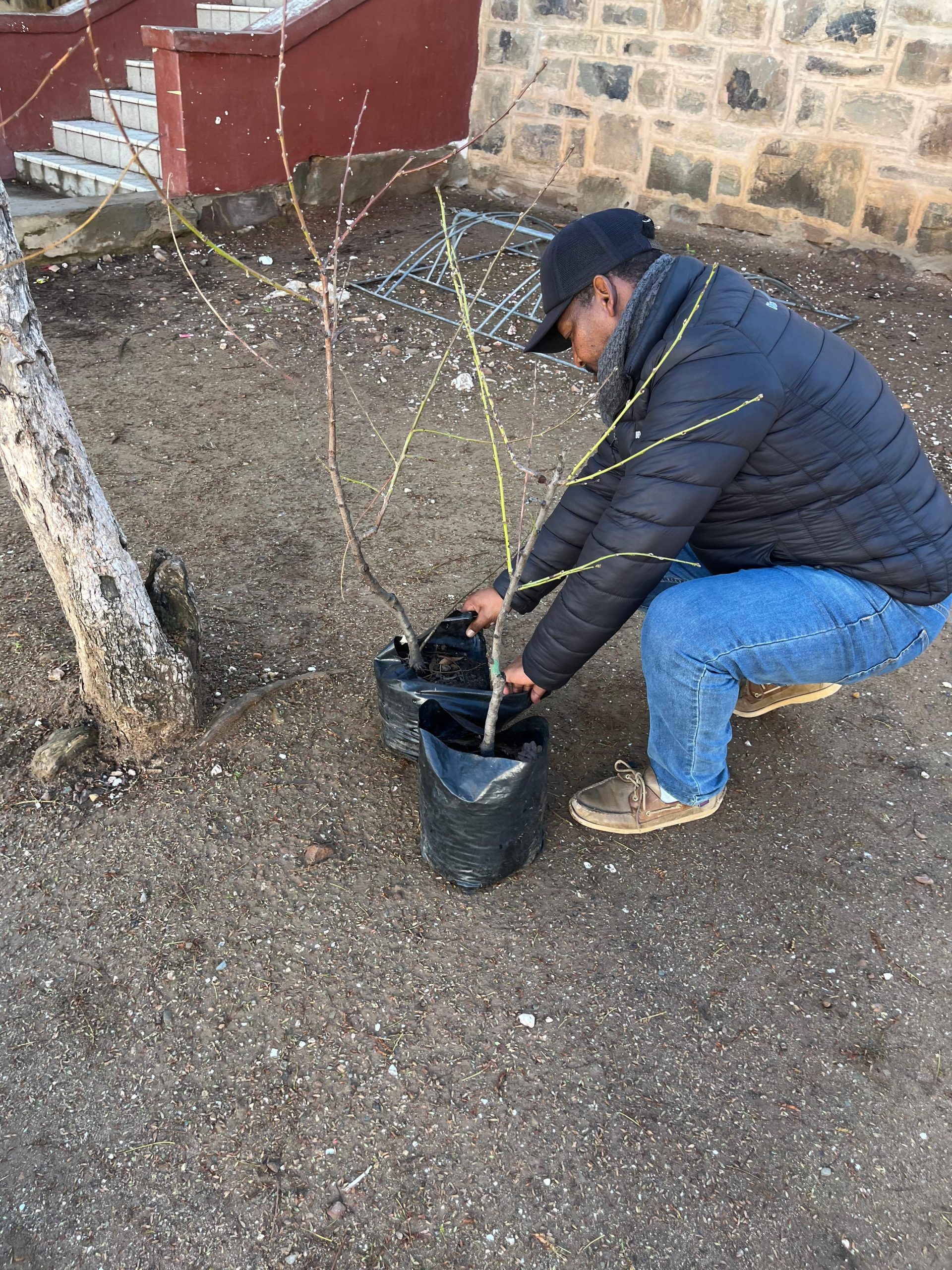
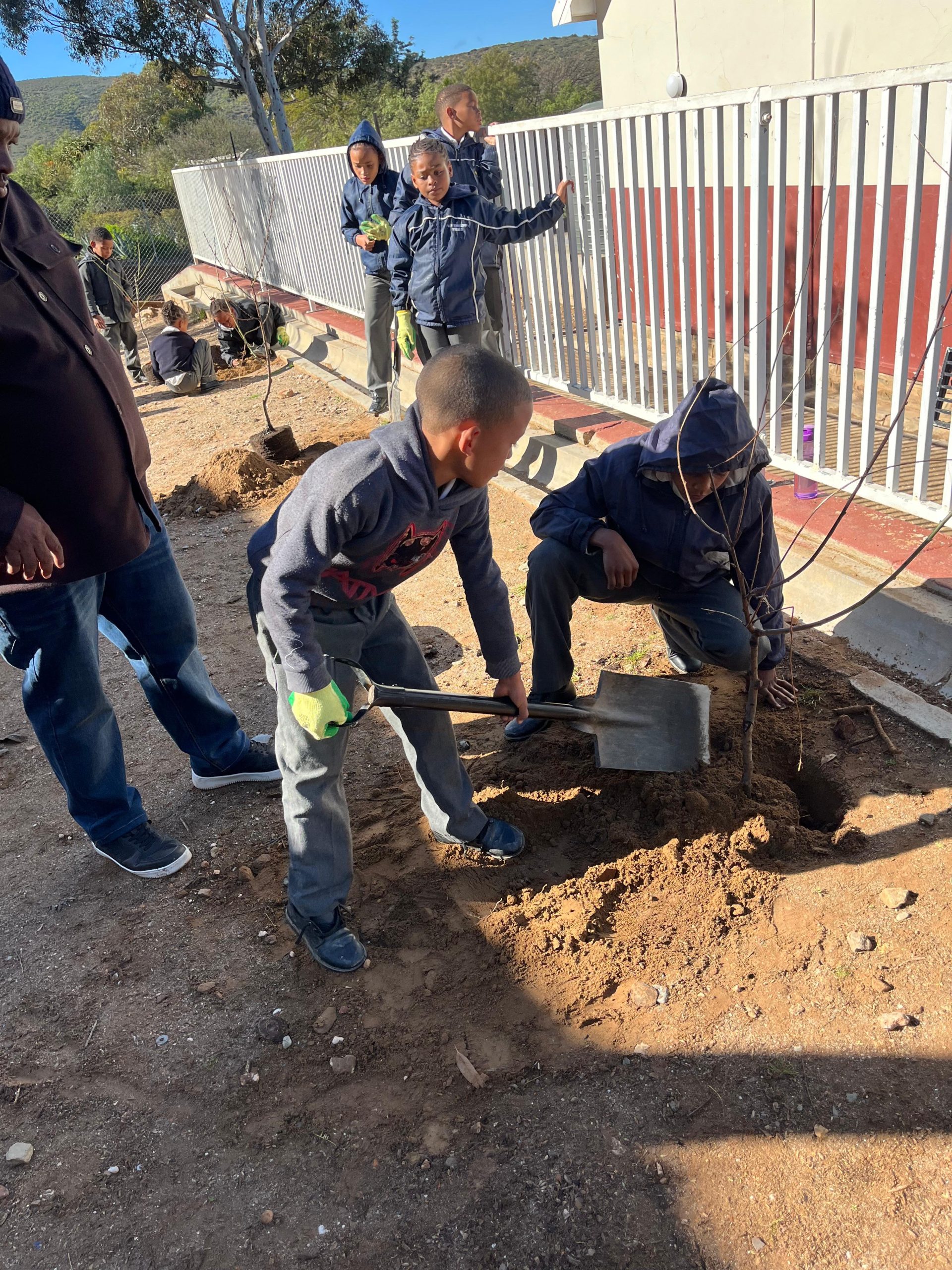
Photos capturing some of the school visits and activities conducted across the district during February.

18 February 2026 Media Release: Green School Program Expands with Colour-Coded Bin System to Drive Waste Minimisation Awareness

Media Release: Green School Program Expands with Colour-Coded Bin System to Drive Waste Minimisation Awareness

18 February 2026

The Garden Route District Municipality (GRDM) continues to advance its Green School Program with the rollout of a new colour-coded bin system across participating schools. This initiative is designed to strengthen waste minimisation education and promote environmental awareness among learners.

“Waste minimisation begins with awareness and action. Equipping schools with the tools and knowledge to manage waste responsibly, we are empowering learners to become champions of sustainability in their communities,” said Innocentia Sikweyiya, GRDM District Waste Management Officer.

On 12 February, GRDM visited two schools in the Bitou municipal area to introduce the program. The following day, GRDM collaborated with Landmark to hand over 85 recycling boxes to Outeniqua High School, enabling learners to separate waste in their classrooms.

The initiative introduces clearly marked bins for paper, plastic, metal/cans and glass, making it easier for students and staff to practice responsible waste separation.

Today, 18 February, GRDM, in collaboration with the Gouritz Cluster Biosphere Reserve, will extend the programme to three schools in the Hessequa municipal area, reaching more than 700 learners. Learners will be taught how to separate waste correctly, followed by interactive Q&A sessions to assess their understanding. They will also practise identifying the correct waste streams for each colour-coded bin, reinforcing the importance of responsible waste management.

“We would like to acknowledge POLYCO, MPACT, and the Department of Environmental Affairs and Development Planning (Western Cape Government) for partnering with us to ensure the success of this programme,” Sikweyiya said.

The Green School Program is a GRDM led initiative that promotes sustainability through practical education, hands-on activities, and  partnerships. By focusing on waste minimisation and recycling, the program equips learners with the skills and values needed to make eco-conscious choices.

-END


19 November 2025 Media Release: Rabies reports in South Africa

Media Release: Rabies reports in South Africa

19 November 2025

In South Africa, the highest rabies fatalities have historically been reported in Limpopo, KwaZulu-Natal, the Eastern Cape, and the Free State/Lesotho border, mainly resulting from infected dog bites. According to the National Institute for Communicable Diseases (NICD), numerous cases of rabies were confirmed in Cape fur seals along the Western Cape shoreline in May 2024.

Rabies is a fatal zoonotic viral disease but is 100% preventable through the vaccination of pets and the administration of rabies post-exposure prophylaxis after contact with a suspected rabid animal. It is transmitted to humans through bites and scratches from infected animals. There is no cure for rabies once a person or animal begins to show clinical signs.

Legally, every pet owner must have their dogs and cats vaccinated to protect both humans and animals against rabies.


Image credit: Department of Agriculture

For more information enquire with your local state or private veterinarian, animal health technician or welfare organisation. Contact details of the State Veterinarian in our district: Tel 044 8735527

For any additional information regarding this article, or to report any incidents, please contact:

Mr Johan Compion
Manager: Municipal Health & Environmental Services
E-mail: info@gardenroute.gov.za
Tel: 044 803 1300 / Cell: 082 803 5161

DID YOU KNOW?

 “Rabies is a preventable tragedy, and we have the power to stop it. By vaccinating our pets and raising awareness within our communities, we can mitigate the factors that allow this deadly virus to spread.”

 Related Articles:

https://www.gardenroute.gov.za/2018/11/16/awareness-rabies/

https://www.gardenroute.gov.za/2024/06/27/27-june-2024-public-notice-alert-public-health-response-to-the-confirmation-of-rabies-in-cape-fur-seals/

-END-

25 August 2025 Media Release: GRDM Environmental Health Practitioners Delivered a Fun Lesson with a Serious Message

Media Release: GRDM Environmental Health Practitioners Delivered a Fun Lesson with a Serious Message

25 August 2025

On Tuesday, 19 August 2025, the children of Klein Wonderwerkies Kleuterskool  in Oudtshoorn enjoyed an interactive and educational visit from the Garden Route District Municipality’s (GRDM) Environmental Health Practitioners (EHP).  During the visit, the EHPs facilitated a fun, hands-on training session about proper handwashing techniques. The initiative aimed to raise hygiene awareness and help prevent the spread of germs among young learners.

A Fun Lesson with a Serious Message

The training, led by the EHPs transformed a basic health lesson into an exciting learning experience. Through the use of colourful visuals, catchy songs, and interactive activities, the visitors captured the children’s attention while emphasising the importance of clean hands.  The little ones learned not only how to wash their hands properly, but also why it matters, especially before eating, after using the toilet, or coming in from outside.

“We know how important hand hygiene is, especially in early childhood development settings like Klein Wonderwerkies,” said EHP Anelisa Fuzani. “By making it fun and memorable, we are not only teaching them the correct way to wash their hands, but also helping them develop healthy habits that can last a lifetime.”

Children were shown the five key steps of effective handwashing:

  1. Wet your hands with clean water.
  2. Lather with soap, don’t forget between the fingers!
  3. Scrub for at least 20 seconds (they sang “wash your hands” song twice).
  4. Rinse well under running water.
  5. Dry hands using a clean towel.

-END

30 Julie 2025 Persvrystelling: TDM se Munisipale Gesondheidsafdeling voer Spaza winkel Blitsoperasie in Oudtshoorn uit

Persvrystelling: TDM se Munisipale Gesondheidsafdeling voer Spaza winkel Blitsoperasie in Oudtshoorn uit

Vir onmiddellike vrystelling
30 Julie 2025

Die Tuinroete Distriksmunisipaliteit (TDM) se Munisipale Gesondheidsafdeling in Oudtshoorn het gister met ander rolspelers in die Groter Oudtshoorn area deel uitgemaak van ‘n spaza winkel blitsoperasie.  Tydens inspeksies het elke rolspeler spesifiek gefokus op hulle onderskeie rolle vir spaza winkels om te voldoen aan wetgewing in hiérdie bedryf.

Die volgende rolspelers het deel uitgemaak van die operasie, nl:

  1. TDM se Munisipale Gesondheidsafdeling – Oudtshoorn Kantoor.
  2. Die Suid Afrikaanse Polisiediens
  3. Oudtshoorn Munisipaliteit se Brandweer Dienste, Wetstoepassing, Elektriese Afdeling en Plaaslike Ekonomiese Ontwikkelingsafdeling

Daar was altesaam 15 amptenare betrokke by die blits operasie. Die TDM-span het gefokus op algemene higiëne van die voedselpersele, asook etikettering van voedselprodukte op die rakke van spaza winkels.

Van die 5 spaza winkels wat in die Rose Valley area besoek was, was elkeen in besit van ‘n voedselperseel Geskiktheidsertifikaat wat deur die TDM uitgereik is. Enige spaza winkel wat handel dryf moet in besit wees van ‘n geskiktheidsertifikaat om wettig handel te kan dryf.

Drie (3) van die persele is tydelik gesluit aangesien hul nie voldoen het aan die brandweervereistes nie.

Na afloop van elke inspeksie is die bevindinge met die eienaar of persoon in beheer bespreek, asook kort informele bewusmaking gegee met betrekking tot tekortkominge by die betrokke persele.

Gesamentlike Blitsoperasies gee die verskillende instansies ‘n kans om ‘n holistiese benadering te volg oor hoe om die spaza winkels in die Tuinroete te help om te voldoen aan verskillende wetgewings wat van toepassing is op die bedryf van ‘n spaza winkel. Dit gee ook die gemeenskap die gemoedsrus dat daar wel inspeksies gedoen word by dié tipe persele en dat daar opgetree word indien hulle nie voldoen aan standaarde nie.

Garden Route District Municipality’s (GRDM) Environmental Health Practitioners serving the Oudtshoorn area, yesterday (29 July 2025) conducted a blitz operation in Oudtshoorn aimed at spaza shops in the area. The purpose of the operation was to inspect spaza shops to determine whether they comply with relevant legislation. The operation was conducted in collaboration with other stakeholders including the South African Police Service and Oudtshoorn Municipality’s Fire Services, Electrical Services and their Local Economic Unit.

All 5 shops that were visited in the Rose Valley area, were in possession of Certificates of Acceptability; however, 3 shops were temporarily closed due to non-compliance with Fire Safety requirements.

EINDE

21 July 2025 Media Release: GRDM Achieves 88% Compliance in Latest National Municipal Health Services Assessment

Media Release: GRDM Achieves 88% Compliance in Latest National Municipal Health Services Assessment

21 July 2025

The Garden Route District Municipality (GRDM) has once again scored an impressive compliance standard in the latest national assessment conducted by the National Department of Health.

This assessment forms part of a three-year national audit cycle which is focused on the quality and effectiveness of Municipal Health Services (MHS) across the country. The National Department of Health oversees and coordinates MHS nationally. The Department uses this measuring tool to establish whether municipalities meet the prescribed ‘Norms and Standards’ for Environmental Health Services.

In response to the assessment results, Executive Mayor, Andrew Stroebel, said:

“I am immensely proud of the continued excellent work done by our Municipal Health Unit, especially given the challenges faced by municipalities country-wide with regards to funding. Despite limited resources our team continues to uphold the highest standards in service of public health and safety. I would also like to extend my congratulatory remarks to our Mayoral Committee Chairperson for Community Services, Cllr Jobieth Hoogbaard and the Executive Manager for Community Services, Nthabeleng Raisa-Mlandu and the Municipal Health team, from management, to Chiefs and each EHP”.

“Thank you for the tireless community services work you render and thank you for upholding health-standards to be proud of.”

The national audit tool consists of 114 questions grouped into 18 components. These are cover the full spectrum of the MHS mandate. Environmental Health Practitioners (EHP) prepare for the assessment by compiling and submitting detailed written records, proof of compliance, and participating in direct observational inspections.

New assessment tool and challenges noted

The 2025 audit marked the first time a newly developed assessment tool was used, which made comparisons with previous years difficult. The tool includes new components, some of which are under debate regarding the scope of services expected from District Municipalities and Metros. In spite of these complexities, GRDM still managed to achieve a solid 88% rating.

On 19 May 2025, the GRDM Municipal Health Services Unit also received a Gold Certificate of Recognition from the Western Cape Government.

Presently, GRDM employs 29 EHPs, a shortfall in the EHP-to-population ratio, which impacts the frequency of inspections, especially on high-risk premises. The ratio currently stands at 1- 28 912 but should be 1-10 000 EHPs/population. This has been addressed previously by the GRDM because of the funding model of district municipalities not providing adequate budget for all the EHPs required. This is also an issue in other districts across the country.

While the new assessment introduced valuable reforms, some criteria evaluated functions not legislatively assigned to District Municipalities, resulting in deductions. GRDM has raised concerns about this misalignment.

Another point to note is that this initial national assessment round included only 17 municipalities across the country, limiting the ability to benchmark results. However, in previous assessments using the former tool, GRDM was the top-performing district in the Western Cape and among the best-performing districts nationwide.

Although this national audit is conducted every three years, the Provincial Department of Health will continue with interim assessments to ensure ongoing compliance and service excellence. GRDM remains dedicated to upholding and improving the standard of municipal health services, regardless of evolving assessment frameworks.

ENDS

Feature Image: Johan Compion, GRDM Manager for Municipal Health and Environmental Services, during an education event which focused on the correct way to wash hands.

17 June 2025 Media Release: GRDM Environmental Health Practitioners Gearing Up for Upcoming Oyster Festival

Media Release: GRDM Environmental Health Practitioners Gearing Up for Upcoming Oyster Festival

17 June 2025

Annually, Environmental Health Practitioners (EHP) of the Garden Route District Municipality’s (GRDM) Knysna Municipal Health office act proactively in planning and implementing mitigation measures and monitoring work schedules before, during and after the Oyster Festival.  This is done to minimize and address public health issues that might arise during the festival.

The 42nd Knysna Oyster Festival will take place this year from 4 – 13 July 2025 under the theme – “It’s time to come out of your shell” – setting the tone for a flavour-packed festival where culinary creativity takes centre stage. Based on attendance in previous years, more than
50 000 visitors are expected this year.

As always, the EHPs will focus on ensuring that the oysters sold to the public, as well as all culinary activities, are safe and fit for human consumption.

FOOD CONTROL

Inspections of informal food premises will include the following:

  • Daily inspections at the Oyster Festival “hot spots” and various food premises within the Greater Knysna area.
  • Inspections at the central festival grounds, which will host more food stalls and other activities than the year before.

This year, the oyster cooking competition is also back by popular demand.  Special attention will be given by the EHPs (both locally and within the District) to ensure that all oysters used during the event are sampled and monitored for compliance.

  • Several batches of oyster samples will be dispatched to the Merieux NutriSciences Laboratory in Cape Town for bacteriological analysis prior to the start of the festival, to establish the bacteriological quality status of the oysters.
  • Drinking water (sachets) to be provided to athletes participating in the Forest Marathon will be analysed to ensure compliance with the Bottled Water Regulations: “Regulation 692 of 1997, promulgated under the Foodstuffs, Cosmetics and Disinfectant Act (Act 54 of 1972)”.

WATER QUALITY MONITORING

  • Bacteriological water monitoring of the Knysna Estuary will be conducted by sampling water at 14 identified sites in and around the estuary.
  • Bacteriological water monitoring will also be carried out at sites where recreational water sport events will take place.

HEALTH SURVEILANCE OF PREMISES

Regular inspections and health surveillance of premises of all related public amenities will be conducted during the festival, including:
•    Public toilet facilities;
•    Accommodation establishments;
•    Festival grounds;
•    Food markets; and
•    Tobacco control at premises.

COMMUNICABLE DISEASE OUTBREAK

A strict communication protocol for reporting any communicable disease outbreak to the local District Municipal Health Authority has been established with all relevant medical healthcare providers, included private and provincial hospitals, general practitioners and pharmacies.

A glimpse of the usual festivities at the Knysna Oyster Festival.

For any additional information regarding the festival, please contact:

James McCarthy
Knysna Region Office
26A Queen Street, Knysna
james@gardenroute.gov.za / 044 382 7214 / 082 805 9417

Johan Compion
Senior Manager: Municipal Health & Environmental Services
info@gardenroute.gov.za / 044 803 1300 / 082 803 5161

– END –
10 June 2025 Understanding the Role of Environmental Health Practitioners: A short Career Guide

Understanding the Role of Environmental Health Practitioners: A short Career Guide

10 June 2025

What if we told you that a single profession is responsible for inspecting everything from your local spaza shop to major hospitals, ensuring safe drinking water, and even managing hazardous waste? In the Garden Route, and across South Africa, these vital tasks fall to Environmental Health Practitioners (EHP). These dedicated professionals are focused on public health – committed to preventing illness by tackling environmental risks head-on. Read more below to understand the immense scope of their work and the academic journey required to join this essential field.

EHPs either hold a Diploma in Environmental Health or a Bachelor‘s Degree in Environmental Health. The Diploma has recently been phased out, but is still valid for those holding it. Each EHP must be registered with the Health Professions Council of South Africa (HPCSA) as an independent practitioner. Community services is compulsory for those who aspire to be registered as independent practitioners.

EHPs fall within the area of often referred to as municipal health services and is defined in the National Health Act, 2003. These professionals have to focus on the following areas during their practice: Water Quality Monitoring, Food Control, Solid Waste Management, Health Surveillance of Premises, Supervision and Prevention of Contagious Diseases (excluding Immunization), Vector Control, Environmental Pollution Control, Disposal of Human Remains and the Safe handling of Chemical Substances.

EHPs from Garden Route District Municipality (GRDM), conduct crucial inspections across a wide range of premises to enforce public health legislation and protect our communities. You might be surprised at just how many places fall under their watchful eye:

  • Food Establishments: This covers the entire spectrum, from formal restaurants, caterers, bakeries, dairy farms, and abattoirs, all the way to informal food vendors and spaza shops.
  • Business Sector: Inspections extend to places like old age homes, frail care homes, bed and breakfasts, Airbnbs, self-catering accommodation, caravan parks, campsites, hostels, and hotels.
  • Healthcare Facilities: Doctor’s rooms, dentists, veterinary practices, hospitals, and clinics are all subject to inspections to ensure health standards are met.
  • Personal Care Services: Barber shops, spas, tattoo parlours, beauticians, and piercing shops are also inspected to prevent the spread of infections.
  • Residential & Government Spaces: This includes private homes, government buildings, and funeral undertakers.
  • Industrial Sites: Both small and large industrial operations are inspected to ensure they comply with environmental health regulations.
  • Educational Facilities: Schools, crèches, aftercare premises, nurseries, colleges, and universities are checked to provide safe environments for learning.
  • Public Sanitation: Public ablution facilities in malls, petrol stations, and informal settlements are regularly inspected.
  • Waste Management: This is a huge area, encompassing landfill sites, recycling facilities, hazardous waste facilities, and even illegal dump sites.
  • Water Quality: Inspections include private and municipal wastewater treatment works, along with the critical sampling of river water, drinking water, and food samples for bacteriological contamination. 

Why are EHPs the cornerstone of community health?

EHPs are absolutely necessary for monitoring and upholding public safety and health. They focus on the environmental factors that may have a directly impact on the well-being of humans, covering the nine key performance areas within the scope of practice for EHPs. There’s a strong emphasis in this profession on the principle – ‘prevention is better than cure’. The goal is to eliminate a hazard before anyone’s health is affected, ensuring a proactive approach to the well-being of communities.

When are inspections scheduled?

Inspections and surveillance of all identified premises are determined and undertaken as per approved frequency schedule compiled for EHPs, however, random visits are also done and tip-offs from the public are welcome about unfavourable conditions.

How can the public report health concerns?

To report any Food Safety related complaints, contact your nearest GRDM Municipal Health Office:

Johan Compion
jcompion@gardenroute.gov.za
044 803 1550 / 082 803 5161

Desmond Paulse – Manager: Municipal Health Klein Karoo
desmond@gardenroute.gov.za
044 272 2241 / Cell: 083 678 6530
94 St John Street, Oudtshoorn

Rinay Cloete – Acting Chief: Municipal Health Mossel Bay
rinay@gardenroute.gov.za
044 693 0006 /Cell: 083 630 6108
C/O Sampson & Marling Street, Ext 23, Mossel Bay

Emmy Douglas – Chief: Municipal Health George (Outeniqua)
emmy@gardenroute.gov.za
044 803 1537 / Cell: 078 457 2824
Mission Street, Industrial Area, George, 6530

Jessica Erasmus – Acting Chief: Municipal Health George (Wilderness)
jessica@gardenroute.gov.za
044 803 1522 / Cell: 081 346 3118
Mission Street, Industrial Area, George

James McCarthy – Chief: Municipal Health Knysna (Lakes)
james@gardenroute.gov.za
044 382 7214 / Cell: 082 805 9417
26A Queen Street, Knysna

Gawie Vos – Chief: Municipal Health Bitou (Lakes)
Gjvos@gardenroute.gov.za
044 501 1600 / Cell: 083 557 1522
7 Gibb Street, Plettenberg Bay

Haemish Herwels – Chief: Municipal Health Hessequa (Langeberg)
haemish@gardenroute.gov.za
028 713 2438 / Cell: 083 678 6545
23 Mitchell Street, Riversdale

 *Landline numbers are only in use during weekdays