Media Release: GRDM and Mossel Bay Municipality Join Forces for Successful Clean-Up Campaign
1 December 2025
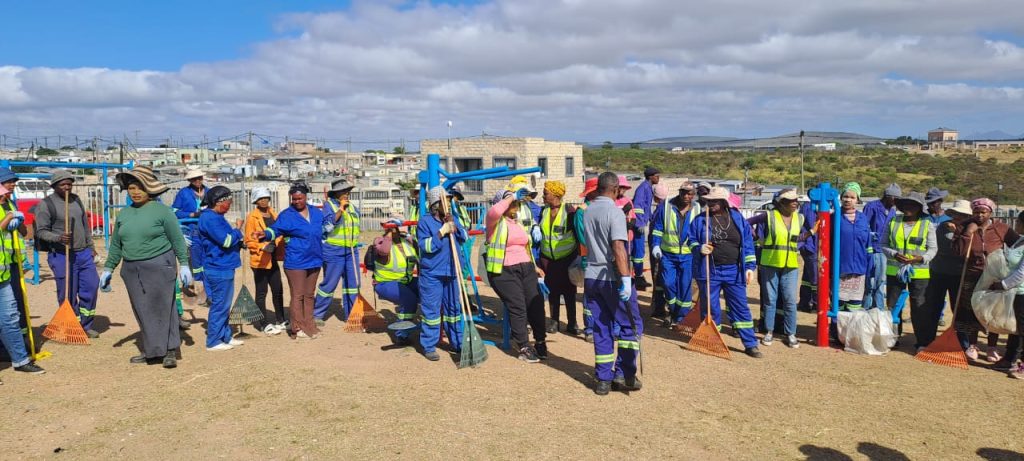
On 19 November, the Garden Route District Municipality (GRDM), in partnership with the Mossel Bay Municipality, conducted a clean-up campaign in Ward 15, KwaNonqaba. The initiative, led by the Mossel Bay Municipality, aimed to promote a clean environment, raise awareness about proper waste disposal, and encourage responsible management of natural resources and pollution.
Objectives of the campaign included
Litter picking in targeted areas.
Educate the public on the importance of proper waste management.
Raising awareness about recyclable waste.
Encouraging community involvement through a petition to keep the neighbourhood clean.
The campaign was well attended by the Ward Councillor, officials and staff from the Mossel Bay Municipality, Henque Waste, VLT Cleaning Services, volunteers, and Ward Committee members. In addition, strong collaboration with Polyco, Aquelle, and the Department of Correctional Services contributed significantly to the success of the initiative.
Key Outcomes
Noticeable improvement in cleanliness across the targeted areas
Increased public awareness about maintaining a clean and healthy environment
Strengthened cooperation and community engagement between GRDM and the Mossel Bay Municipality
The clean-up campaign achieved its intended goals and had a positive impact on the KwaNonqaba community. The combined efforts of GRDM, Mossel Bay Municipality, community members, and key partners helped restore cleanliness, promote environmental education, and strengthen community partnerships. Continued collaboration and active participation from all stakeholders will remain essential in sustaining a clean, healthy, and environmentally responsible Mossel Bay.
Featured Image and above pictures: Participants and key moments from the clean-up campaign in action.
NOTICE OF A SPECIAL MPAC MEETING ON 03 DECEMBER 2025 AT 11:00
NOTICE NO 127/2025
Notice is hereby given that a SpecialMPAC MEETING of the Garden Route District Municipality will be held at the CA Robertson Council Chambers and via Zoom, 54 York Street, George, on 03 December 2025 at 11:00
Update 12 – Gwaiing Road Construction Works, George
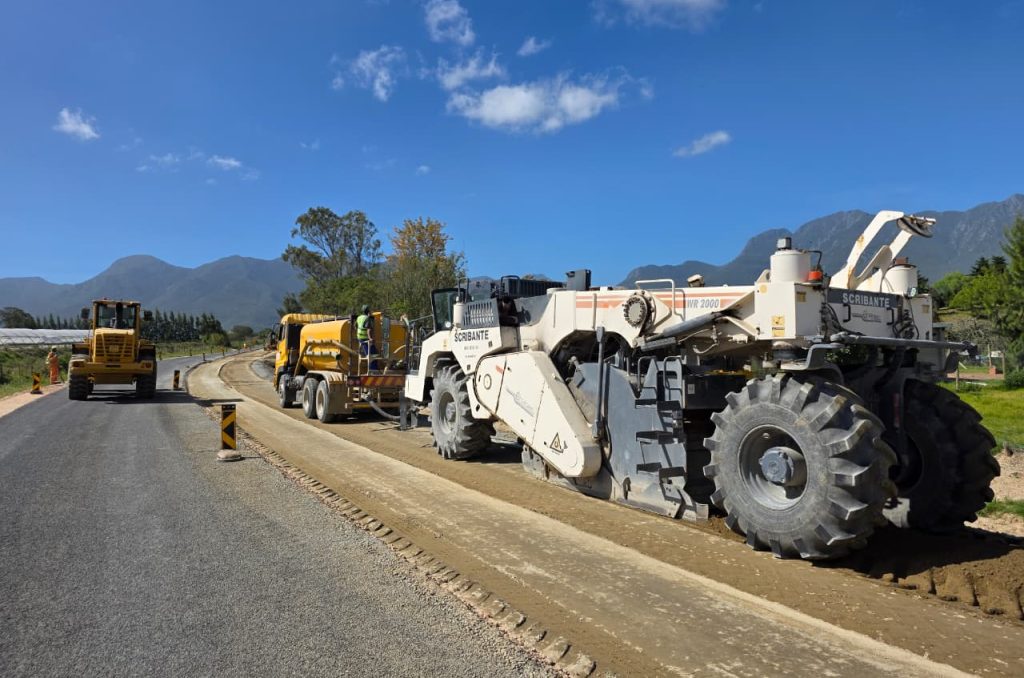
During the month of November, the Garden Route District Municipality (GRDM) Roads Layerworks Team commenced with the cement stabilization process of the second to last layer on the left hand side (LHS) lane. This process was done with the use of a specialized recycler machine, which processed the full length of the project on the LHS.
Due to the fact that the layer is stabilized with cement, it is currently in a curing phase where it is required to lay undisturbed for a period of time, in order to reach the optimal strength. Once the curing phase is completed and the test results have been received, the team will then begin with importing the material for the final layer, which is the basecourse layer. Source material is currently at a laboratory undergoing various tests, and once the results are received, the next phase of the construction will commence.
Although the Roads and Transport Planning Services Department will be closed from 12:00 on 12 December 2025 to 9 January 2026, the Department remains focused on the completion of the concrete lined side drains, as well as constructing concrete edge beams at all accesses along the road.
Completion date of the project still remains at 31st January 2026, with the progress standing at 92%.
Media Release: GRDM joins global 16 Days of Activism Campaign to end Gender-Based Violence and Femicide
For immediate release 25 November 2025
Officials from the Garden Route District Municipality (GRDM), women and men, joined the rest of the world in marking the start of the 16 Days of Activism for No Violence Against Women and Children campaign earlier today. The campaign runs annually from 25 November to 10 December, and this year it is observed under the theme: “Letsema: Men, Women, Boys and Girls working together to end Gender-Based Violence and Femicide (GBVF).”
This year marks the 27th anniversary of the campaign with its primary goal remaining to raise awareness, inspire action, and promote accountability in the fight to end gender-based violence. This year’s theme is anchored in the Positive Masculinity Dialogue, which will be hosted on the margins of the G20 Ministerial Meeting and builds on G20 outcomes related to GBVF.
On 18 November 2025, during the G20 Social Summit in Johannesburg, President Ramaphosa declared GBVF a national disaster in South Africa. This decision was officially welcomed by the Minister of Cooperative Governance and Traditional Affairs, Velenkosini Hlabisa.
As the first African country to host the G20 host, South Africa placed the eradication of GBVF at the centre of the G20 Empowerment of Women Working Group’s agenda. The G20 Leaders’ Declaration further reinforced this commitment, highlighting global priorities such as sustainable development, equality, and the urgent need to address gender-based violence.
Today, GRDM officials, all dressed in black, gathered at the municipality’s parking area at the back of the head office. Special words of encouragement and support were shared by GRDM Councillors Ald. Nompumelelo Sumeia Ndayi (MMC for Corporate Services) and Cllr Clodia Lichaba. Rian Boshoff (Chief Financial Officer) and Deon Stoffels (Fire Chief), also delivered messages of support, emphasising that violence against women remains a major concern that requires a whole of society approach; a human rights crisis, affecting nearly one in three women in their lifetime.
In a demonstration of global solidarity and to pledge their commitment to ending violence against women and girls, as well as gender-based violence, officials painted their hands and left their handprints on a large poster. Following this, staff formed a large circle, joining hands in solidarity and support for the drive to end gender-based violence.
The campaign serves as a reminder that creating a safe and inclusive environment is everyone’s responsibility. During this period, staff are encouraged to start conversations about GBVF in its many forms, support one another, and reaffirm their commitment to fostering respect, equality, and dignity for all.
Other important commemorative days during this period include World AIDS Day on 1 December and the International Day of Persons with Disabilities on 3 December each year.
Did you know?
16 Days of Activism provides a platform for individuals and institutions to:
Advocate for the rights and safety of women and girls
Challenge harmful norms and inequalities
Support survivors of violence
Strengthen laws, policies, and systems that protect vulnerable groups
Media Release: Comprehensive Seasonal Municipal Health Safety Plan ready as Holiday Season approaches
21 November 2025
The Garden Route District Municipality (GRDM) has developed its Seasonal Municipal Health Safety Plan to ensure that residents and holiday visitors enjoy a safe and healthy environment during the peak holiday season.
According to Executive Mayor Marais Kruger, “every year, the region experiences a significant increase in food handling activities, temporary events, large tourist volumes, and higher temperatures. All of which heighten the risk of foodborne illnesses, water contamination, and general public health hazards”.
“In response to the influx of tourists, GRDM Environmental Health Practitioners (EHPs) will intensify their proactive inspections, monitoring and awareness operations across all seven local municipal areas from now to January 2026.”
Protecting public health during the busiest season
The plan is to ensure extensive monitoring of food premises, accommodation facilities, water quality, and hygiene compliance across the district. Activities will include blitz operations, joint enforcement actions, sampling programmes, community awareness campaigns, and extended standby coverage by EHPs.
Health and hygiene awareness sessions will continue to take place over the holiday season.
Water sampling remains a priority throughout the region for EHPs to ensure that those using it for recreational or consumption, remain safe.
“EHPs play a vital role in safeguarding lives, especially during the festive season when food consumption, mobility, and public interaction significantly increase,” said Mayor Marais Kruger.
“This plan strengthens our region’s resilience to prevent food poisoning, disease outbreaks and environmental contamination.”
Key activities will include:
Food Safety, Hygiene and Compliance Monitoring
Conduct inspections at spaza shops, formal food premises, informal food traders, mobile vendors, restaurants, accommodation establishments, school feeding schemes, soup kitchens, wholesalers, ECD centres, markets, festivals and event-based food stalls.
Monitor food handling practices, prevention of cross-contamination, temperature control, personal hygiene, structural compliance, sanitation practices, pest control and chemical safety.
Enforce compliance with Certificates of Acceptability (COA), including issuing fines or closing non-compliant shops.
Ensure labelling, supplier verification and safe storage of foodstuffs.
Sampling and Laboratory Testing
Take surface swabs and bacteriological food samples during November and December.
Conduct ongoing chemical and bacteriological food sampling.
Complete water and food-related samples during November and December across drinking water, river water, beach water, sewerage, final effluent and perishable food items.
Conduct monthly bacteriological sampling of the Knysna Estuary.
Collect bacteriological samples from foodstuffs and water samples
Awareness, Education and Community Engagement
Deliver weekly health and hygiene awareness sessions.
Conduct outreach and education with informal traders, schools, clinics, ECDs, the food industry, and the general public.
Provide hygiene training to food handlers before major holiday events.
Monitor community complaint platforms and respond to public health concerns.
Enforcement and Joint Operations
Undertake collaborative blitz operations with Law Enforcement, SAPS, Fire Services, Immigration, Electricity and Planning Departments.
Conduct compliance monitoring during roadblocks and at accident scenes involving foodstuffs or potential water contamination.
Administrative and Seasonal Support
Ensure administrative staff issue Certificates of Acceptability, COC Certificates and Health Certificates until 19 December 2025.
Implement a strengthened standby programme with Environmental Health Practitioners (EHPs) on duty across all regions between 12 December 2025 and 5 January 2026. “Our responsibility is to prevent avoidable harm.
This plan ensures we remain vigilant, responsive, and committed to protecting public health during the busiest season of the year,” said Compion.
For more information or to report unhygienic practices by food handlers, contact the following GRDM offices within the Garden Route:
Johan Compion Senior Manager: Municipal Health, Solid Waste Management and Air Quality E-mail: info@gardenroute.gov.za Tel: 044 803 1300 / Cell: 082 803 516
Klein Karoo & Kannaland Desmond Paulse – Manager: Municipal Health (Klein Karoo)
94 St John Street, Oudtshoorn
Tel: 044 272 2241 / Cell: 083 678 6530
Mossel Bay
Rinay Cloete – Acting Chief: Municipal Health
C/O Sampson & Marling Street, Ext 23, Mossel Bay
Tell: 044 693 0006 / Cell: 083 530 3709
George Outeniqua
Emmy Douglas – Chief: Municipal Health (Outeniqua)
Mission Street, Industrial Area, George, 6530
Tel: 044 803 1501 / Cell: 078 457 2824
George & Wilderness Lusizo Kwetshube – Acting Chief: Municipal Health
Mission Street, Industrial Area, George, 6530
Tel: 044 803 1599 / Cell: 081 555 6992
NOTICE OF A MPAC MEETING ON 25 NOVEMBER 2025 AT 10:00
NOTICE NO 111/2025
Notice is hereby given that an MPAC MEETING of the Garden Route District Municipality will be held at the Loerie Committee Room and via Zoom, 54 York Street, George, on 25 November 2025 at 10:00.
Media Release: Garden Route District Municipality assisting Knysna Municipality with water for Sedgefield residents
For immediate release 20 November 2025
The Disaster Management team of the Garden Route District Municipality (GRDM) from this morning, 20 November 2025, commenced with the provision of water to the residents of Sedgefield.
“This assistance followed a request received from the Municipal Manager of Knysna. However, a truck incident on the Kaaiman’s Pass caused a delay in our response efforts yesterday, but today we were able to deliver water to the affected areas,” said Gerhard Otto, Manager for Disaster Management at GRDM.
With the water treatment plant in Sedgefield that is currently unable to remove the salt from the water, support from the GRDM will continue until the water shortage experienced by the residents of Sedgefield has been resolved. Otto, explained: “The water treatment works needs to operate outside of its design parameters and therefore process controllers are struggling to produce water for domestic use that meets normal approved salinity standards”.
GRDM Executive Mayor Marais Kruger said: “The GRDM values its strong relationships with local government stakeholders in the Garden Route and will continue its efforts to support Knysna in ensuring the delivery of essential services to the residents of Sedgefield.”
Media Release: 2025 Western Cape Investment Summit Showcases Transformative Opportunities for the Garden Route
20 November 2025
The 2025 Western Cape Investment Summit was hosted at the Cape Town International Convention Centre from 5 to 7 November 2025, bringing together local, national, and international investors with high-impact projects poised to accelerate economic growth in the province. Representing the Garden Route District Municipality (GRDM), Richard Dyantyi and Natalie Raubenheimer from the Integrated Planning and Development Section attended the three-day summit, engaging with investors and highlighting the region’s investment potential.
Anchored by the theme “Catalysing Growth, Connecting Opportunities,” the summit serves as a meticulously crafted deal-making platform designed to attract both foreign direct investment (FDI) and domestic direct investment (DDI).
In a pre-summit statement, Western Cape Premier Alan Winde emphasised the significance of the event: “The summit is vital to accelerating economic growth in our province and creating the jobs our communities need. It is an opportunity to showcase the Western Cape’s investment-ready projects and attract the capital that will drive transformation.”
Eight Transformative Sectors for Investment
The summit highlighted projects across eight key sectors:
Green Economy & Sustainability: Renewable energy projects (solar, wind, hybrid) and innovations in water resilience.
Technology & Digital Innovation: Opportunities in FinTech, digital infrastructure, and e-commerce, leveraging Africa’s thriving tech ecosystem.
Tourism & Experiential Economy: Reinforcing the Western Cape as a premier global travel destination.
Property & Retail: Nearly half of South Africa’s commercial property investment in retail has been directed to the Western Cape in recent years.
Creative Industries: Cape Town’s film and media sector contributes an estimated R5 billion annually to the local economy, creating over 35,000 jobs.
Streamlined Investment Processes
The summit provided mechanisms to simplify regulatory frameworks and fast-track approvals, with a dedicated regulatory forum allowing direct engagement between investors and government facilitators.
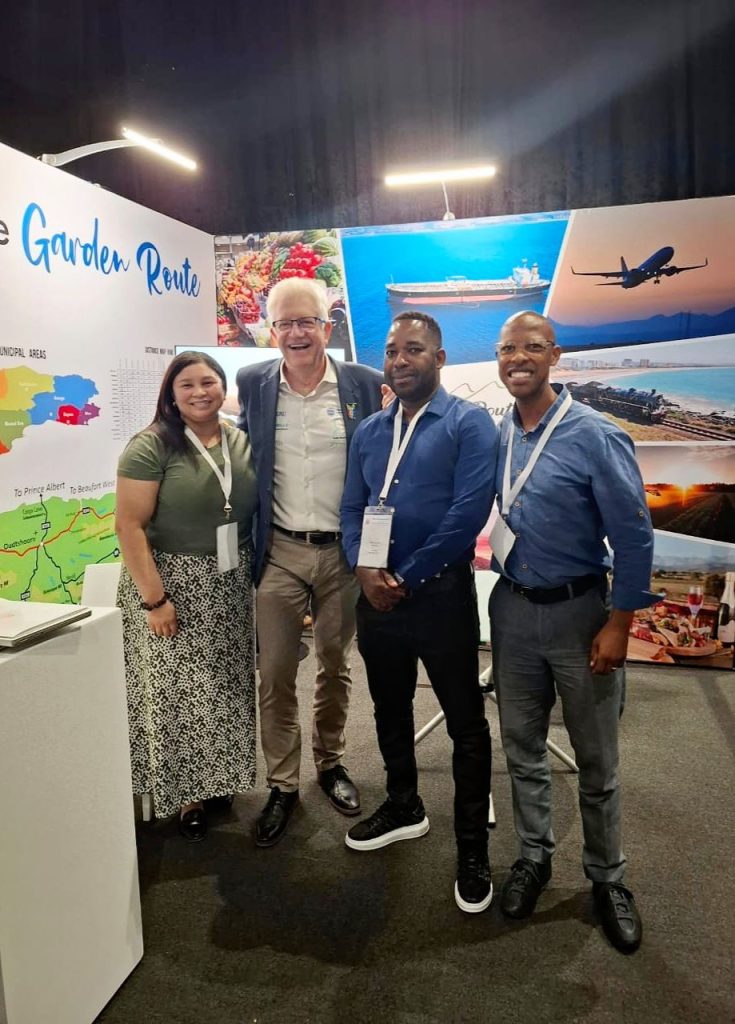
Representatives from the Garden Route District, including officials from GRDM and the municipalities of George, Hessequa, and Mossel Bay, actively engaged with investors to showcase the district’s growing potential. On the final day, the GRDM team attended presentations by the Department of Economic Development & Tourism, Department of Infrastructure and logistics by Transnet Ports and Freight Rail amongst other sessions. The Garden Route district stand drew investors already planning projects in water management and industrial park development. Premier Winde visited the GRDM team during the summit, praising the Garden Route for its strong representation and commitment to drawing investment to the region.
Garden Route Investment Highlights
A key feature with direct impact on the Garden Route was Investment Overview #3, focusing on Target Projects by RW Architects & Condorgreen Holdings. The investment pledge includes six estate developments covering 213 hectares across the Southern Cape, Garden Route, and Overberg regions, with an estimated CAPEX of R5.1 billion over the next six years.
The projects will result in the creation of 3,669 new residential units designed with a regenerative ethos through RootedEARTH, an innovative approach integrating digital technology, ethical AI, biophilic and regenerative design, and real estate economics into a cohesive development ecosystem.
According to Richard Dyantyi, the 2025 Western Cape Investment Summit highlighted the province’s readiness for investment while positioning the Garden Route as a strategic hub for sustainable, transformative economic growth.
Featured image, from left to right (FLTR): Natalie Raubenheimer – GRDM Senior District Economic Development Officer; Alan Winde – Western Cape Premier; Mahlatse Phosa – Director: Town and Spatial Planning, LED & Tourism, George Municipality; and Richard Dyantyi – Manager: Tourism, District Economic Development, Job Creation & EPWP.
GRDM official engaging with delegates during the 2025 Western Cape Investment Summit, hosted at the Cape Town International Convention Centre.
Public Notice: Closure of Garden Route District Municipality Offices
Friday, 12 December 2025 at 12:00 Notice Number: 125/2025
Notice is hereby given that the offices of the Garden Route District Municipalitywill close on Friday, 12 December 2025 at 12:00 and re-open on Monday, 5 January 2026 at 07:30.
All emergency services will continue to be rendered during this period. The numbers 044 805 5071 / 081 709 5193 (WhatsApp) can be contacted at all hours for such services.
MG Stratu Municipal Manager 54 York Street P.O. Box 12 GEORGE 6530
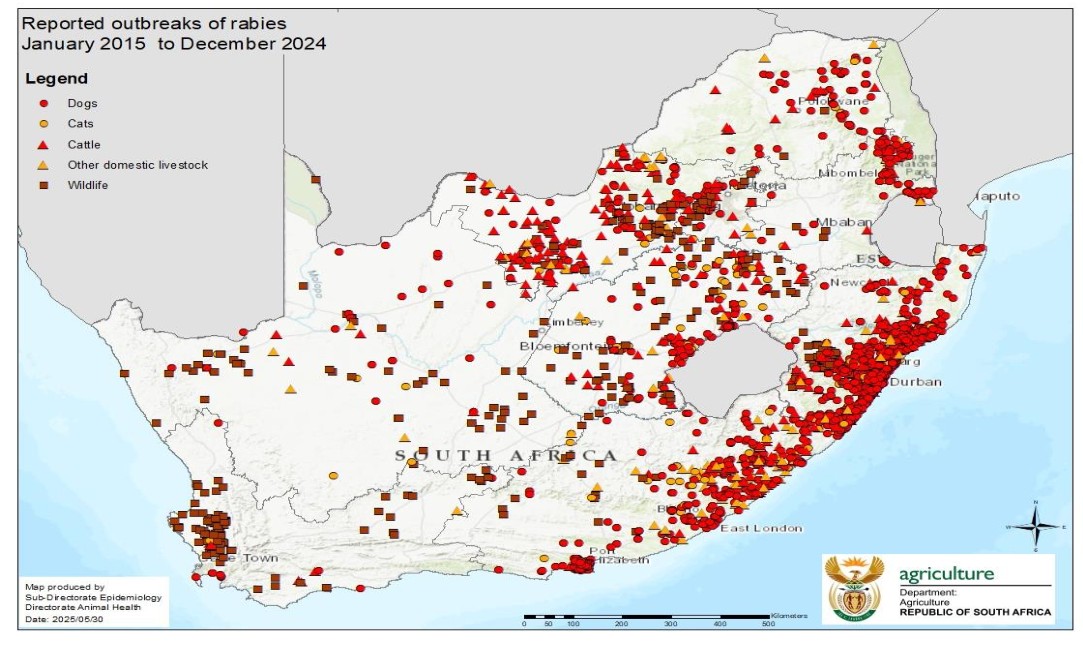
In South Africa, the highest rabies fatalities have historically been reported in Limpopo, KwaZulu-Natal, the Eastern Cape, and the Free State/Lesotho border, mainly resulting from infected dog bites. According to the National Institute for Communicable Diseases (NICD), numerous cases of rabies were confirmed in Cape fur seals along the Western Cape shoreline in May 2024.
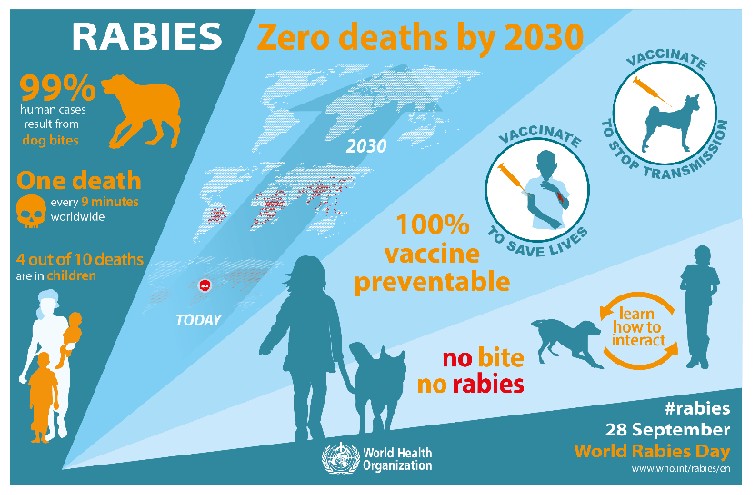
Rabies is a fatal zoonotic viral disease but is 100% preventable through the vaccination of pets and the administration of rabies post-exposure prophylaxis after contact with a suspected rabid animal. It is transmitted to humans through bites and scratches from infected animals. There is no cure for rabies once a person or animal begins to show clinical signs.
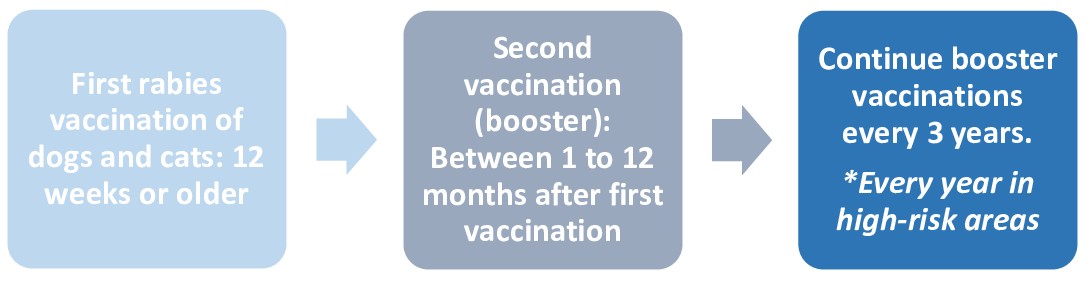
Legally, every pet owner must have their dogs and cats vaccinated to protect both humans and animals against rabies.
Image credit: Department of Agriculture
For more information enquire with your local state or private veterinarian, animal health technician or welfare organisation. Contact details of the State Veterinarian in our district: Tel 044 8735527
For any additional information regarding this article, or to report any incidents, please contact:
Mr Johan Compion
Manager: Municipal Health & Environmental Services
E-mail: info@gardenroute.gov.za
Tel: 044 803 1300 / Cell: 082 803 5161
DID YOU KNOW?
“Rabies is a preventable tragedy, and we have the power to stop it. By vaccinating our pets and raising awareness within our communities, we can mitigate the factors that allow this deadly virus to spread.”