Skip to content Skip to left sidebar Skip to footer

Local Government News

12 February 2026 Media Release: Garden Route District Municipality  Rolls Out Annual First Aid Level 3 Training Programme

Media Release: Garden Route District Municipality  Rolls Out Annual First Aid Level 3 Training Programme

12 February 2026

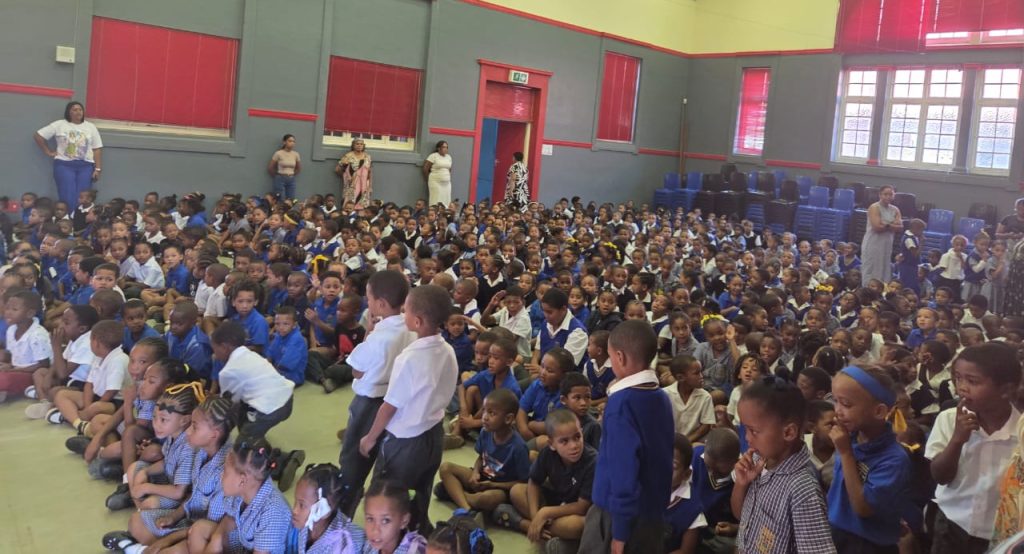
Annually, the Garden Route District Municipality (GRDM) Disaster Management Section delivers a series of First Aid Level 3 training sessions to community member and organisation across the district.

The First Aid Level 3 programme forms part of GRDM Disaster Management’s annual awareness initiative, designed at capacitating both employed and unemployed Garden Routers with life-saving skills. It also empowers individuals, especially in disaster-prone areas such as the GRDM, to remain calm under pressure and respond confidently to medical, injury, or environmental emergencies.

The upcoming First Aid Level 3 Training sessions  for 2026 are tentatively scheduled for:

  • 23 – 27 February 2026
  • 16 – 20 March 2026
  • 20 – 24 April 2026
  • 18 – 22 May 2026
  • 22 – 26 June 2026

Since 2008, the municipality has trained more than 2,000 community members, significantly strengthening local emergency preparedness.

Each training session runs over the course of a week and normally take place once per month.  Sessions are facilitated by experienced GRDM Disaster Management officials at the municipality’s Head Office in George.  On the final day of each session, participants complete a practical examination and are assessed as competent, demonstrating their ability to confidently apply the skills learned.

During the comprehensive training, participants cover both theoretical and practical aspects of first aid, including:

  • Basic principles of First Aid
  • Safety and lawful aspects
  • Patient assessment
  • Basic life support
  • Airway management
  • Treatment of shock
  • Dressing and bandages
  • Injury emergencies
  • Medical emergencies
  • Environmental emergencies
  • Emergency childbirth

The Garden Route District Municipality encourages community members to participate in these vital training sessions to enhance their ability to save lives during emergencies.

Did you know?

  • There is no cost if you complete the training and sign up as a Disaster Management Volunteer. If you do not plan to become a volunteer, the fee is R682.00 (valid until 30 June 2026).
  • Training takes place at the GRDM Joint Operations Centre, 54 York Street, George.
  • Download the application form: https://tinyurl.com/m5sjuzmk
  • Submit completed forms to: gail.bekeer@gardenroute.gov.za or wouter@gardenroute.gov.za
  • For more information, contact:

Gail Bekeer: 044 803 1347
Wouter Jacobs: 044 803 1316

-END-

9 February 2025 Media Release: New Wetland Strategy Nears Adoption

Media Release: New Wetland Strategy Nears Adoption

9 February 2025

The Garden Route District Municipality (GRDM) is advancing an updated Wetland Strategy and Action Plan (2026 2031) designed to protect, manage and restore the region s wetlands. Wetlands critical ecological infrastructure that supports biodiversity, climate resilience and community well-being.

Access the draft document here: https://tinyurl.com/yc8hfwps

Wetlands within the Garden Route District, which includes globally significant sites such as the Wilderness Lakes Ramsar site and extensive coastal lake systems, provide a range of ecosystem services including:
– water filtration;
– erosion control;
– water storage; and
– clean drinking water supply.

Wetlands are a lifeline for communities because they also support local livelihoods through resources such as medicinal plants, raw materials, fishing, and important recreation and tourism opportunities.

“They are nature’s infrastructure, known to protect us from climate shocks and sustain our communities,” said Dr Nina Viljoen, Head: Environmental Management.

“This updated strategy strengthens how we plan, manage and invest in these systems so that we safeguard their benefits for future generations.”

Why a Strategy Matters

Despite their value, wetlands globally have been historically degraded through urban and agricultural expansion, modification of natural water flows, pollution, and invasive alien plants. Left unmanaged, degradation can lead to loss of services that communities and natural systems rely on. This would force costly engineered solutions to replace what nature provided free of charge.

The 2026-2031 strategy sets out a clear and actionable set of priorities to:

  • Increase awareness and understanding of wetland functions and values across government, communities, and development sectors.
  • Improve governance and management, aligning with national and provincial wetland laws and environmental frameworks.
  • Strengthen partnerships among local municipalities, conservation agencies, and civil society to enhance coordinated wetland protection and restoration.
  • Guide on-the-ground actions to rehabilitate degraded wetlands, monitor conditions, and integrate wetland values into land-use planning and climate adaptation efforts.

Next Steps Toward Adoption

Before formal adoption by the GRDM Council, a final stakeholder workshop will be held to refine the strategy and ensure broad alignment with community, sector and government interests. Final adoption is expected to follow this collaborative step, marking an important milestone for long-term environmental planning in the Garden Route.

Picture: Grant Duncan-Smith

ENDS

9 February 2026 Media Release: GRDM’s 5th Clean Audit and its Impact on Residents and Visitors

Media Release: GRDM’s 5th Clean Audit and its Impact on Residents and Visitors

9 February 2026

The Garden Route District Municipality (GRDM) has proudly received its 5th consecutive, Clean Audit, an achievement that reflects strong financial management, good governance, and accountability. While many may see the term “clean audit” and scroll past it in the news, it is important to understand how it impacts the entire region.

What exactly is a clean audit?

A clean audit, also known as an unqualified audit opinion with no findings, is the best possible audit outcome a municipality can receive from the Auditor-General of South Africa. It is globally recognised as a stamp of “trust” for an institution.

Clean Audits indicate that a municipality’s activities are done responsibly, honestly and that the municipality reports accurately on its performance, and that it does this within the relevant laws and regulations of the country.

A clean audit outcome is the best possible audit result, where financial statements are free from material misstatements and there are no material findings on, or non-compliance with, key legislation and performance reporting. It indicates that an organization’s financial records are transparent, credible, and compliant with relevant standards.

Why do we want to achieve a clean audit every year?

A Clean Audit is about trust. The public expects a municipality to be honest and transparent about its management of public funds.  It also means the municipality has systems and practices that work well and can be replicated by other institutions.

Having a clean audit doesn’t always mean the municipality is delivering all services perfectly, no municipality is perfect. According to the Auditor-General, ‘clean municipalities’ plan effectively for service delivery, with performance indicators aligned to their mandate and core functions. They consider the needs of approved informal settlements, have accessible complaints management systems, and address service issues promptly.

What does a clean audit mean for communities?

A clean audit is not merely an achievement for a municipality; it is a strong testament to effective governance and accountability to the community it serves. It builds confidence among stakeholders and creates an environment that encourages investment, as businesses and investors are more likely to support a town or city that consistently meets its commitments and demonstrates sound financial and management practices.

  • Proper use of public funds: Money allocated for services such as roads, fire services, disaster management, and infrastructure are spent as planned and accounted for.
  • Improved service delivery: Proper financial management helps a municipality to plan better and deliver services more effectively. If planning is not in place, a municipality risks running out of funds, leading to little or no delivery of services.
  • Trust and accountability: Communities can have confidence that the Municipality is acting in their best interest and using taxpayer money responsibly. If people do not trust government, then why should they govern the people they are supposed to serve and help?
  • Attracting investment and support: Clean audits make areas more attractive to investors and improve their chances of securing grants, funding and long-term relationships. No company would like to start a business in a town where the roads are full of potholes because it would drive up insurance claims; a town where water is not delivered to homes and businesses, some businesses operate with thousands of litres of water a day.
  • Long-term sustainability: Good governance ensures that services can be maintained not only now, but also in the future.
  • Foundation for service delivery: While not guaranteeing perfect service delivery, it ensures that financial mismanagement is unlikely to be the cause of service delays.

How the community can support a clean audit

Communities can play an important role in ensuring municipalities manage their finances and services responsibly. Here’s how residents can help:

  1. Pay for services on time: Paying your rates, water, and other municipal services on time helps the municipality provide services properly. Without rates and taxes, a municipality will not be able to roll out projects or employ people to do the work.
  2. Report issues and complaints: Residents should report faults, service disruptions, or misuse of resources so they can fix them quickly.
  3. Participate in public meetings: Participate in ward meetings, budget consultations, and Integrated Development Plan (IDP) discussions to advocate for community needs and priorities. Municipalities strive to address the needs of their communities while ensuring the necessary maintenance and operations to keep services running effectively.
  4. Hold officials accountable: Engage actively by asking questions, staying informed, and providing feedback on municipal projects and expenditures to promote transparency. ​ Freedom of expression in the media also plays a vital role in highlighting questionable actions and holding municipalities accountable.

Four municipalities within the Garden Route District achieved clean audit outcomes for the 2024/25 financial year, namely the Garden Route District Municipality, George, Hessequa, and Mossel Bay Local Municipalities.

Achieving a clean audit once again is commendable but receiving it for the fifth consecutive time shows consistency, strong leadership, and a culture of accountability within the Municipality.

The Garden Route District Municipality acknowledges the dedication of its officials, management, and Council in achieving this milestone. Most importantly, this achievement belongs to the communities in the district, as it reflects the Municipality’s commitment to serving residents with integrity and responsibility.

“We remain focused on building on this success to ensure continued service excellence and positive outcomes for all communities in the Garden Route District.”

-END-

9 February 2026 Media Release: The Environmental Cost of Human-Caused Fires

Media Release: Understanding the Environmental Cost of Anthropogenic Fires

9 February 2026

At the request of Cobus Meiring of the Garden Route Environmental Forum (GREF), sustainability analyst Ryan Kaye comments on the environmental impact of recent and ongoing fires in the Southern Cape.

With the recent spate of runaway fires along the Garden Route echoing the devastating fires experienced in Los Angeles in 2025 it is important to reflect on their broader implications. Beyond the obvious financial, infrastructural and emotional toll, fires carry significant environmental costs that are often overlooked in public discourse.

Fire plays an important, and in the case of fynbos sometimes vital, role in maintaining healthy ecosystems. However, not all fires are beneficial. Fires that are started or intensified by human activity, known as anthropogenic fires almost always cause more environmental harm than good.

Naturally occurring fire cycles help prevent bush encroachment, open new habitats for pioneer species, recycle nutrients into the soil and enable the germination of certain fynbos plant species. These fires occur in relatively stable cycles shaped by fuel build-up, climatic conditions and ignition sources such as lightning. Local plant species have adapted to these rhythms, allowing enough time for vegetation recovery and seed banks to replenish between fires. Natural fires also burn at predictable intensities, sparing many mature plants and buried seeds.

Controlled burns carried out by conservation land managers mimic these natural cycles and play an important role in maintaining ecosystem health while reducing risk to infrastructure. Outside of these carefully planned interventions, most human-caused fires lack the safeguards inherent in natural systems.

Human ignitions far exceed lightning-caused fires, resulting in fires that occur too frequently and at inappropriate times of year. This disrupts plant recovery and depletes seed banks. The problem is intensified by invasive alien plant species along the Garden Route, which increase fuel loads and cause hotter, longer-burning fires that destroy both mature plants and seeds. Climate change, unsustainable land use and excessive water abstraction by alien vegetation further worsen these conditions.

Following fires, the loss of plant cover leads to soil erosion, weakening ecosystems and making them more vulnerable to invasion by alien species creating a destructive feedback loop. Wildlife is also affected. While many species are adapted to natural fire cycles, frequent, intense and fast-moving fires in fragmented landscapes reduce escape routes and increase animal mortality.

Reducing the ecological damage of anthropogenic fires requires proactive fire prevention, rapid response capacity and, critically, addressing underlying drivers such as invasive species, land-use practices, water management and climate change.

Ryan Kaye holds an MSc in Biodiversity, Conservation and Restoration from the University of Antwerp and works as a Sustainability Analyst.
GREF is a public platform for environmental managers and landowners and serves a climate change think tank (grefecsf.co.za)

Issued on behalf of Ryan Kaye

2 February 2026 Media Release: World Wetlands Day 2026

Media Release: World Wetlands Day 2026

2 February 2026

Today, we collectively join the global community in celebrating World Wetlands Day, a day that is dedicated to raising awareness about the significance of wetlands and the need to conserve and protect these vital ecosystems. World Wetlands Day is held annually on the 2nd of February, and is an opportunity to highlight the crucial role wetlands play in supporting diversity, regulating the climate, and providing essential ecosystems. Wetlands are areas of land that are saturated with water, either permanently or seasonally. They can be found in a variety of forms, including marshes, swamps, bogs and mangroves. Wetlands are some of the most valuable ecosystems on the planet, providing vast array of services.

The purpose of World Wetlands Day is to raise awareness about the importance of wetlands and the need to preserve and protect these ecosystems. The day is also an opportunity to promote action and advocacy for the conservation and sustainable use of wetlands, and to highlight the importance of wetlands in achieving the United Nation’s Sustainable Development Goals (SDGs).

Interesting facts about wetlands:

  • Wetlands cover only 6% of the Earth’s surface but are home to a disproportionate amount of biodiversity.
  • Wetlands play a pivotal role in regulating the climate, storing carbon dioxide (CO2), and mitigating the impacts of climate change.
  • Wetlands help to filter water, reducing the number of contaminants and sediments that enter rivers and oceans.

The Garden Route District Municipality is committed to protecting the valuable wetland systems within the district, and is currently in the process of reviewing its Garden Route District Wetland Strategy and Action Plan (previously titled the Eden District Wetland Strategy and Action Plan), which will guide the local Municipalities in the district with the implementation of the most essential wetland projects and initiatives that can improve the functioning and ecosystem services of some of the district’s key wetland systems.

As we celebrate World Wetlands Day, we urge all residents to take action to protect these vital ecosystems. By reducing pollution and waste, supporting conservation efforts, and spreading awareness about the importance of wetlands, we can work towards a future where wetlands continue to thrive and support the health and well-being of our communities. Let us work together to protect our wetlands and many benefits they provide.

Image Source: Available at: Online: https://www.freepik.com/photos/world-wetlands-day-theme

-END-

2 February 2026 Media Release: Garden Route Wetlands – A Climate and Biodiversity Imperative

Media Release: Garden Route Wetlands – A Climate and Biodiversity Imperative

2 February 2026

On 2 February World Wetlands Day is celebrated globally, and the theme for this year is “Wetlands and Traditional Knowledge: Celebrating Cultural Heritage”.

Wetlands are among the most valuable yet vulnerable ecosystems in the Garden Route, playing a critical role in water security, climate resilience and biodiversity conservation. As pressures from climate change intensify, the protection of these natural assets has become a strategic priority for the region.

“The Garden Route is home to several wetlands of international importance, including Ramsar-designated systems that provide essential ecosystem services. These wetlands act as natural sponges, absorbing floodwaters during extreme rainfall events, releasing water during dry periods, filtering pollutants and supporting a rich diversity of plant and animal life. In an era of increasing droughts, floods and temperature extremes, their role as natural climate buffers cannot be overstated”, says Cobus Meiring of the Garden Route Environmental Forum (GREF).

One of the most remarkable wetland systems in the region is Vankervelsvlei, located near Buffels Bay and nestled within the PG Bison plantations. This peat-based wetland is estimated to be one of the oldest on the African continent, having accumulated organic material over thousands of years. Vankervelsvlei is not only a biodiversity hotspot, but also a significant carbon store, locking away vast amounts of carbon and helping to mitigate climate change. Damage or degradation of such systems results in irreversible biodiversity loss and the release of stored carbon back into the atmosphere.

From a biodiversity perspective, Garden Route wetlands support numerous endemic and threatened species and form ecological corridors linking terrestrial, freshwater and marine environments. Their degradation has far-reaching consequences for ecosystems, agriculture and local livelihoods.

The Garden Route District Municipality (GRDM) has recognised this importance and has developed a wetland strategy aimed at identifying, protecting and sustainably managing wetlands across the district. This strategy provides a vital framework for coordinated action, but its success depends on effective implementation, adequate resourcing and strong collaboration between authorities, landowners, industry and civil society.

The Garden Route Environmental Forum (GREF) believes wetlands must be treated as strategic natural infrastructure. Protecting and restoring them is not only an environmental obligation, but a cost-effective investment in climate adaptation, disaster risk reduction and long-term regional resilience. Safeguarding these systems today is essential to securing water, biodiversity and livelihoods for future generations.

Photo: Great Brak Estuary

Caption: The Great Brak river and estuary is an important home to thousands of birds and acts as nursery to fish replenishing the Indian Ocean, but it’s fresh water supply is under threat due to invasive alien plants in its upper catchments and water extraction.

The Garden Route Environmental Forum (GREF) serves as a public platform for landowners and environmental managers and operates as a climate change think tank.(www.grefecsf.co.za)

30 January 2026 Media Release: Gift of the Givers comes to the rescue again – donating borehole equipment to assist Bitou

Media Release: Gift of the Givers comes to the rescue again – donating borehole equipment to assist Bitou

For immediate release
30 January 2026

Due to water restrictions and in some areas, shortages of potable water, Bitou Municipality recently reached out to the non-governmental organisation (NGO), Gift of the Givers, for assistance in refurbishing four existing boreholes to augment the municipality’s water supply system.

Following the discussions and assessment conducted, representatives from Gift of the Givers in collaboration with Shoprite on 28 January 2026 donated borehole equipment in order to refurbish the designated boreholes.

Bitou Executive Mayor Jessica Kamkam, addressing representatives from Gift of the Givers, Councillors and Officials present during the handover of the borehole equipment.

Executive Mayor, Deputy Mayor and Municipal Manager of Bitou together with Bitou Councillors Swart and Olivier, as well as Manager of Disaster Manager at Garden Route District Municipality (GRDM), Gerhard Otto and representatives of the Bitou Infrastructure Department officially accepted the equipment on behalf of Bitou Municipality.

Subsequent to the donation, the Bitou Municipality already initiated the process to install the equipment within the next week to fast-track improved access to additional groundwater to provide some relief on current surface water abstraction, as well as to ensure additional emergency water supply in addition to the current water obtained from the town’s desalination plant.

Gerhard Otto during the handover said: “ Some actions and processes that can take governmental organisations three months to implement can be done by NGO’s and Faith-Based-Organisations in three days”. In addition, Otto highlighted that “this again is an example of how local government can work together with humanitarian organisations towards a common goal i.e. we need to avoid a DAY Zero and that means all hands-on deck”.

In conclusion Otto emphasised: “Every drop counts and while as a collective we aim to implement as many as possible water augmentation projects, we must work together to drive down consumption to a maximum of 50 liters of water per person per day”.

Feature Image: Representatives from Bitou and Garden Route District Municipalities, as well as Gift of the Givers during the official handover of the borehole equipment.

ENDS

29 January 2026 Opportunities: 60 x Garden Route Skills Mecca Opportunities

60 x GARDEN ROUTE SKILLS MECCA OPPORTUNITIES

WORK INTEGRATED LEARNING, INTERNSHIPS AND LEARNERSHIPS

The Garden Route District Municipality invites unemployed persons currently residing within the Garden Route District Municipal area, to apply for Garden Route Skills Mecca Programme as listed below. Preference will be given to candidates with a qualification as categorised below. People with disabilities are encouraged to apply and those who previously formed part of these programmes are not allowed to re-apply. Applicants must be between the ages of 18 and 35 (classified as youth).

 Programme and Entry Requirements:

Applicants will be selected based on the following sequentially prioritised criteria and the opportunities will be distributed across the Garden Route district (Hessequa, Mossel Bay, George, Knysna, Bitou, Oudtshoorn and Kannaland):

1. Graduate Internship Programme

  • Persons with any NQF Level 6 Local or International Qualification in any field and want to do practical training.
  • Graduates with Tourism / Hospitality Qualification will be given preference.

Number of Opportunities: x35
Stipend: R6 000 p/m

2. Work Integrated Learning

  • Persons with a Technical Vocational Education and Training (TVET) College N6 qualification; only those who require practicals in order to complete their diplomas.
  • Preference will be given to those with a Tourism/ Hospitality Qualification.

Number of Opportunities: x5
Stipend: R5 500 p/m

3. Learnership

  • Grade 12 certificate with Communication at NQF Level 4; and
  • Mathematical Literacy at NQF level 4.

Number of Opportunities: x20
Stipend: R5 500 p/m

For any enquiries, do not hesitate to contact Kayakazi Klaas at 044 803 1434, or Berma Losper at 044 803 1344 during office hours only (Monday to Thursday, 7:30 – 16:30 and Friday, 7:30 – 13:30). Only short-listed candidates will be contacted. Should candidates not be contacted within two months after the closing date, they must consider their application as unsuccessful.

Closing Date: 06 February 2026
Notice number: 3/2026

Apply here (red button, top right)

Click here to download the full advert.