
12 November 2026 Media Release: Western Cape Government Visits GRDM with the Aim of Making Business Licensing Simpler and More Efficient
Western Cape Government Visits GRDM with the Aim of Making Business Licensing Simpler and More Efficient
For Immediate Release
12 November 2026
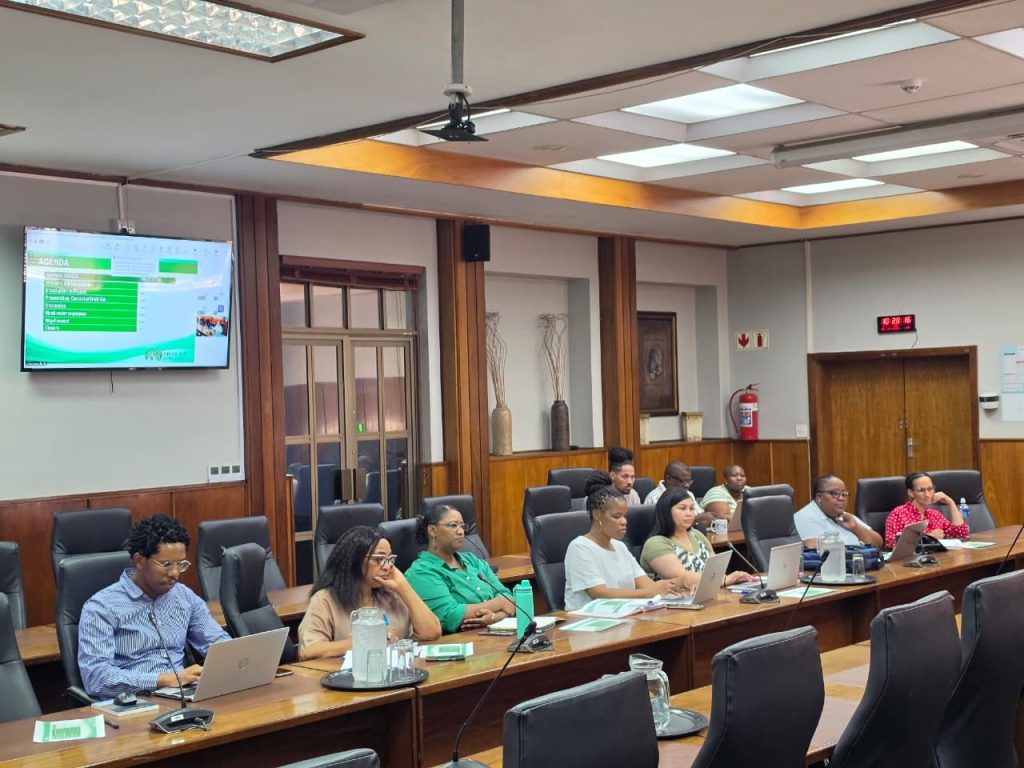
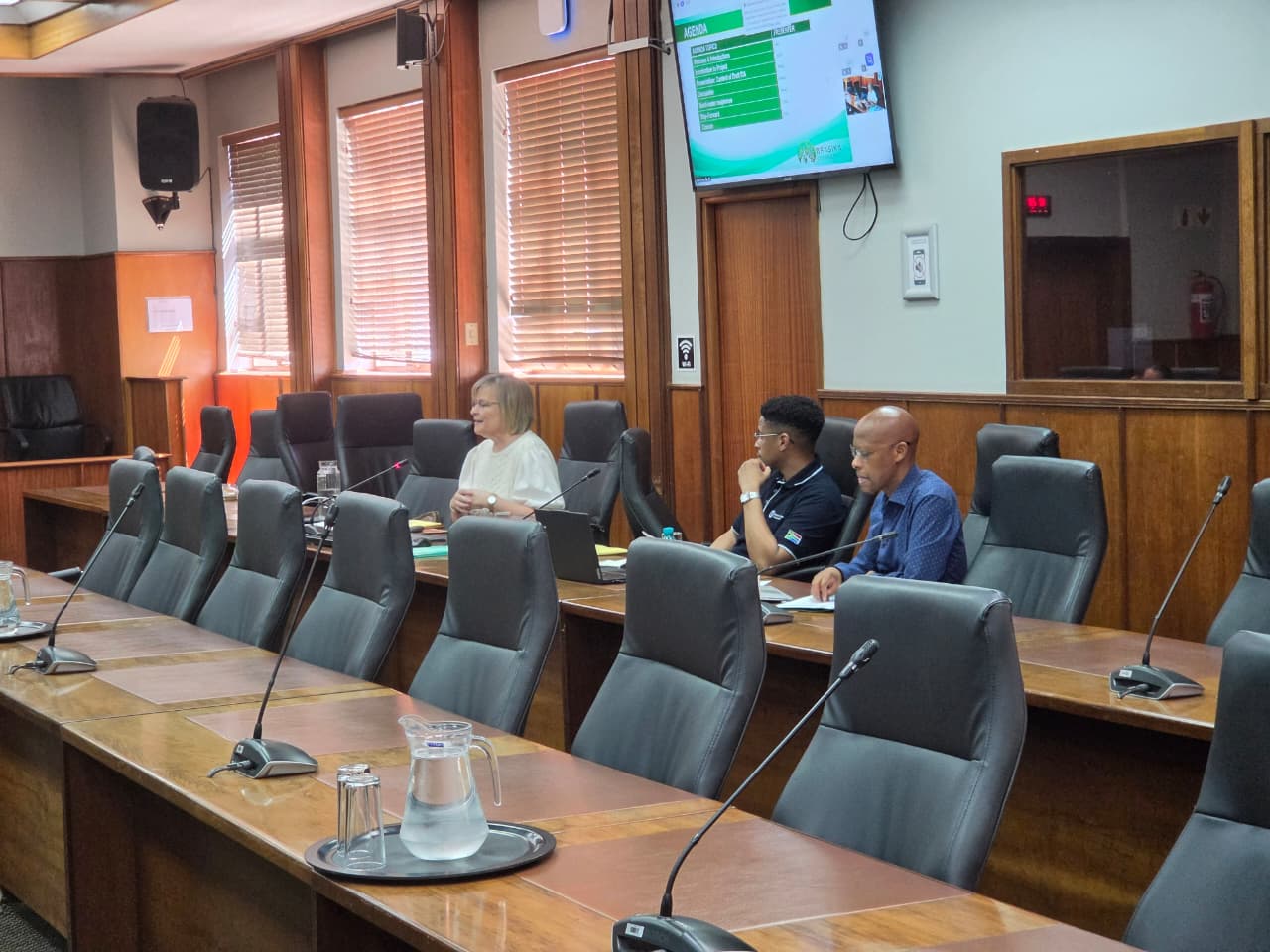
The Garden Route District Municipality (GRDM) and its local municipalities engaged with the Western Cape Department of Economic Development and Tourism’s Red Tape Reduction Unit on 11 November 2026 to discuss the potential implications of proposed business licensing legislative reforms for the Western Cape.
The National Department of Small Business Development has initiated reforms in the business licensing space, including the National Business Licensing Policy and the subsequent Business Licensing Bill. In response, DEDAT has developed a draft Regulatory Impact Assessment (RIA) to assess the desirability, constitutional viability, implementation considerations, and likely economic and administrative implications of provincial business licensing legislation in the Western Cape.
The Red Tape Reduction Unit’s role is to support regulatory reform by identifying and addressing unnecessary regulatory and administrative burdens that may negatively affect businesses, particularly small businesses, and to promote an enabling environment for economic growth. This includes engaging with relevant provincial departments and municipalities to understand the practical implications of proposed regulatory changes and to ensure that municipal perspectives are considered in the assessment.
The engagement provided an opportunity for municipalities to share practical challenges and insights on simplifying licensing processes, reducing unnecessary administrative burdens and creating a more standardised system that supports businesses across the province.
Key structural and administrative challenges raised include:
- Dual-Authority and Split Jurisdictions: Requirements are fragmented between local municipalities (which issue general trading or business licences) and the Garden Route District Municipality (GRDM), which separately issues the mandatory Certificate of Acceptability (CoA) for food premises through its Municipal Health Services.
- Strict Compliance Interdependencies: Getting a license requires overlapping approvals across multiple independent municipal departments—including zoning/land-use rights from Urban Planning, building plan compliance, fire and rescue safety clearances and environmental health. Delays in any single department stall the entire application.
- Outdated National Legislation & Manual Systems: Business licensing across South Africa relies heavily on the legacy Businesses Act 71 of 1991, leading to administrative backlogs, manual processing workflows, and a lack of standardised policies for modern or informal enterprise sectors.
- Lengthy Processing Times: Processing cycles typically take up to 30 working days and often longer, which creates severe financial and operational disadvantages for businesses, particularly small enterprises and startups operating with tight budgets.
By working together, the government aims to create a more enabling environment for businesses while ensuring that regulatory processes remain practical and efficient.
Feedback on the final draft assessment, as well as the way forward, is expected by 30 November 2026.
#GardenRoute #EconomicDevelopment #RedTapeReduction #BusinessDevelopment #YourRouteToProsperity #DistrictEconomicDevelopment #GRDM
Feature image: The session took place at the GRDM Head Office in George, where local municipalities and the GRDM connected with the Western Cape Government


