
Author: Herman Pieters
9 February 2025 Media Release: New Wetland Strategy Nears Adoption
Media Release: New Wetland Strategy Nears Adoption
9 February 2025
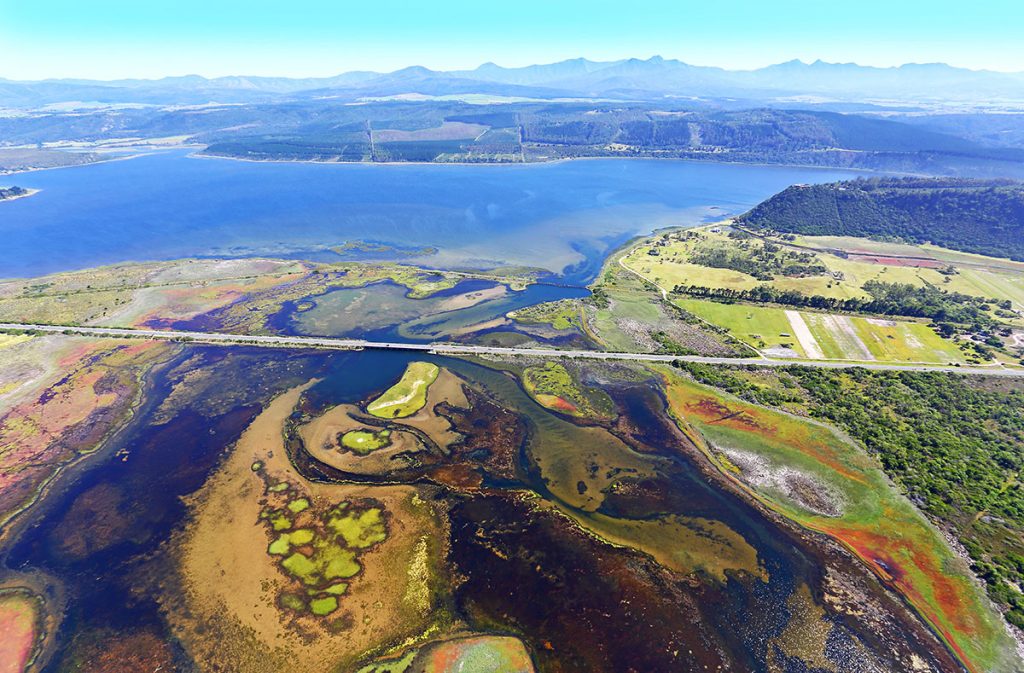
The Garden Route District Municipality (GRDM) is advancing an updated Wetland Strategy and Action Plan (2026 2031) designed to protect, manage and restore the region s wetlands. Wetlands critical ecological infrastructure that supports biodiversity, climate resilience and community well-being.
Access the draft document here: https://tinyurl.com/yc8hfwps
Wetlands within the Garden Route District, which includes globally significant sites such as the Wilderness Lakes Ramsar site and extensive coastal lake systems, provide a range of ecosystem services including:
– water filtration;
– erosion control;
– water storage; and
– clean drinking water supply.
Wetlands are a lifeline for communities because they also support local livelihoods through resources such as medicinal plants, raw materials, fishing, and important recreation and tourism opportunities.
“They are nature’s infrastructure, known to protect us from climate shocks and sustain our communities,” said Dr Nina Viljoen, Head: Environmental Management.
“This updated strategy strengthens how we plan, manage and invest in these systems so that we safeguard their benefits for future generations.”
Why a Strategy Matters
Despite their value, wetlands globally have been historically degraded through urban and agricultural expansion, modification of natural water flows, pollution, and invasive alien plants. Left unmanaged, degradation can lead to loss of services that communities and natural systems rely on. This would force costly engineered solutions to replace what nature provided free of charge.
The 2026-2031 strategy sets out a clear and actionable set of priorities to:
- Increase awareness and understanding of wetland functions and values across government, communities, and development sectors.
- Improve governance and management, aligning with national and provincial wetland laws and environmental frameworks.
- Strengthen partnerships among local municipalities, conservation agencies, and civil society to enhance coordinated wetland protection and restoration.
- Guide on-the-ground actions to rehabilitate degraded wetlands, monitor conditions, and integrate wetland values into land-use planning and climate adaptation efforts.
Next Steps Toward Adoption
Before formal adoption by the GRDM Council, a final stakeholder workshop will be held to refine the strategy and ensure broad alignment with community, sector and government interests. Final adoption is expected to follow this collaborative step, marking an important milestone for long-term environmental planning in the Garden Route.
Picture: Grant Duncan-Smith
ENDS
9 February 2026 Media Release: The Environmental Cost of Human-Caused Fires
Media Release: Understanding the Environmental Cost of Anthropogenic Fires
9 February 2026
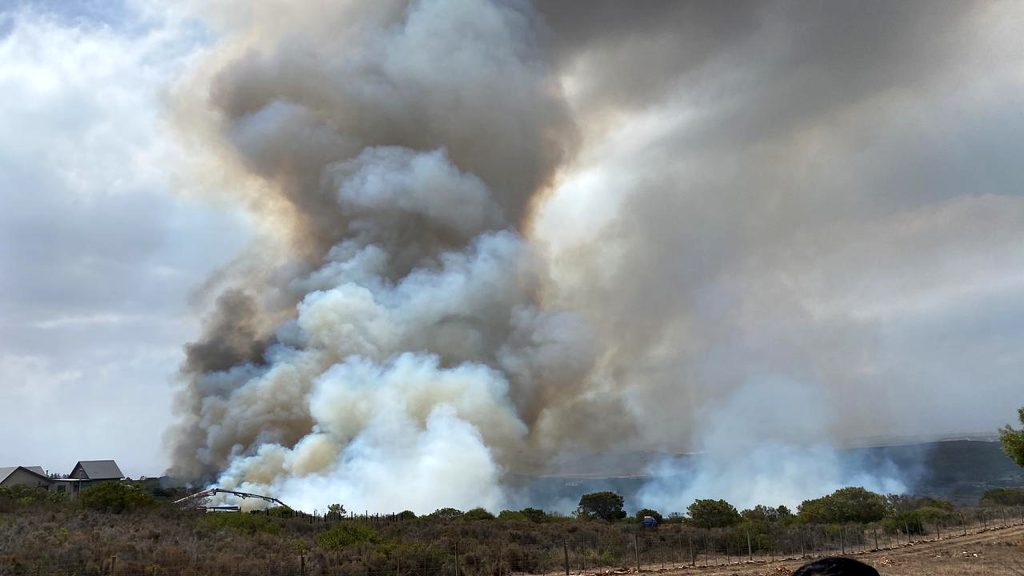
At the request of Cobus Meiring of the Garden Route Environmental Forum (GREF), sustainability analyst Ryan Kaye comments on the environmental impact of recent and ongoing fires in the Southern Cape.
With the recent spate of runaway fires along the Garden Route echoing the devastating fires experienced in Los Angeles in 2025 it is important to reflect on their broader implications. Beyond the obvious financial, infrastructural and emotional toll, fires carry significant environmental costs that are often overlooked in public discourse.
Fire plays an important, and in the case of fynbos sometimes vital, role in maintaining healthy ecosystems. However, not all fires are beneficial. Fires that are started or intensified by human activity, known as anthropogenic fires almost always cause more environmental harm than good.
Naturally occurring fire cycles help prevent bush encroachment, open new habitats for pioneer species, recycle nutrients into the soil and enable the germination of certain fynbos plant species. These fires occur in relatively stable cycles shaped by fuel build-up, climatic conditions and ignition sources such as lightning. Local plant species have adapted to these rhythms, allowing enough time for vegetation recovery and seed banks to replenish between fires. Natural fires also burn at predictable intensities, sparing many mature plants and buried seeds.
Controlled burns carried out by conservation land managers mimic these natural cycles and play an important role in maintaining ecosystem health while reducing risk to infrastructure. Outside of these carefully planned interventions, most human-caused fires lack the safeguards inherent in natural systems.
Human ignitions far exceed lightning-caused fires, resulting in fires that occur too frequently and at inappropriate times of year. This disrupts plant recovery and depletes seed banks. The problem is intensified by invasive alien plant species along the Garden Route, which increase fuel loads and cause hotter, longer-burning fires that destroy both mature plants and seeds. Climate change, unsustainable land use and excessive water abstraction by alien vegetation further worsen these conditions.
Following fires, the loss of plant cover leads to soil erosion, weakening ecosystems and making them more vulnerable to invasion by alien species creating a destructive feedback loop. Wildlife is also affected. While many species are adapted to natural fire cycles, frequent, intense and fast-moving fires in fragmented landscapes reduce escape routes and increase animal mortality.
Reducing the ecological damage of anthropogenic fires requires proactive fire prevention, rapid response capacity and, critically, addressing underlying drivers such as invasive species, land-use practices, water management and climate change.
Ryan Kaye holds an MSc in Biodiversity, Conservation and Restoration from the University of Antwerp and works as a Sustainability Analyst.
GREF is a public platform for environmental managers and landowners and serves a climate change think tank (grefecsf.co.za)
Issued on behalf of Ryan Kaye
2 February 2026 Media Release: Garden Route Wetlands – A Climate and Biodiversity Imperative
Media Release: Garden Route Wetlands – A Climate and Biodiversity Imperative
2 February 2026
On 2 February World Wetlands Day is celebrated globally, and the theme for this year is “Wetlands and Traditional Knowledge: Celebrating Cultural Heritage”.
Wetlands are among the most valuable yet vulnerable ecosystems in the Garden Route, playing a critical role in water security, climate resilience and biodiversity conservation. As pressures from climate change intensify, the protection of these natural assets has become a strategic priority for the region.
“The Garden Route is home to several wetlands of international importance, including Ramsar-designated systems that provide essential ecosystem services. These wetlands act as natural sponges, absorbing floodwaters during extreme rainfall events, releasing water during dry periods, filtering pollutants and supporting a rich diversity of plant and animal life. In an era of increasing droughts, floods and temperature extremes, their role as natural climate buffers cannot be overstated”, says Cobus Meiring of the Garden Route Environmental Forum (GREF).
One of the most remarkable wetland systems in the region is Vankervelsvlei, located near Buffels Bay and nestled within the PG Bison plantations. This peat-based wetland is estimated to be one of the oldest on the African continent, having accumulated organic material over thousands of years. Vankervelsvlei is not only a biodiversity hotspot, but also a significant carbon store, locking away vast amounts of carbon and helping to mitigate climate change. Damage or degradation of such systems results in irreversible biodiversity loss and the release of stored carbon back into the atmosphere.
From a biodiversity perspective, Garden Route wetlands support numerous endemic and threatened species and form ecological corridors linking terrestrial, freshwater and marine environments. Their degradation has far-reaching consequences for ecosystems, agriculture and local livelihoods.
The Garden Route District Municipality (GRDM) has recognised this importance and has developed a wetland strategy aimed at identifying, protecting and sustainably managing wetlands across the district. This strategy provides a vital framework for coordinated action, but its success depends on effective implementation, adequate resourcing and strong collaboration between authorities, landowners, industry and civil society.
The Garden Route Environmental Forum (GREF) believes wetlands must be treated as strategic natural infrastructure. Protecting and restoring them is not only an environmental obligation, but a cost-effective investment in climate adaptation, disaster risk reduction and long-term regional resilience. Safeguarding these systems today is essential to securing water, biodiversity and livelihoods for future generations.
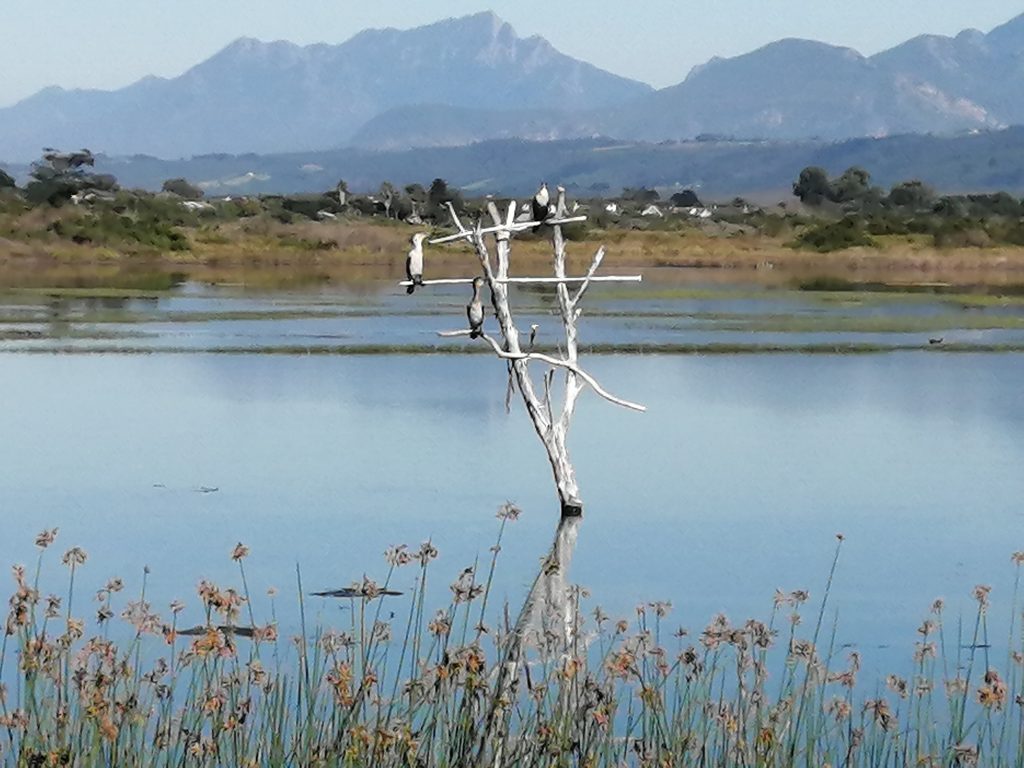
Photo: Great Brak Estuary
Caption: The Great Brak river and estuary is an important home to thousands of birds and acts as nursery to fish replenishing the Indian Ocean, but it’s fresh water supply is under threat due to invasive alien plants in its upper catchments and water extraction.
The Garden Route Environmental Forum (GREF) serves as a public platform for landowners and environmental managers and operates as a climate change think tank.(www.grefecsf.co.za)
28 January 2025 Media Release: Foot-and-Mouth Disease Poses Major Threat as Southern Cape Farmers Step Up Biosecurity
Media Release: Foot-and-Mouth Disease Poses Major Threat as Southern Cape Farmers Step Up Biosecurity
28 January 2025
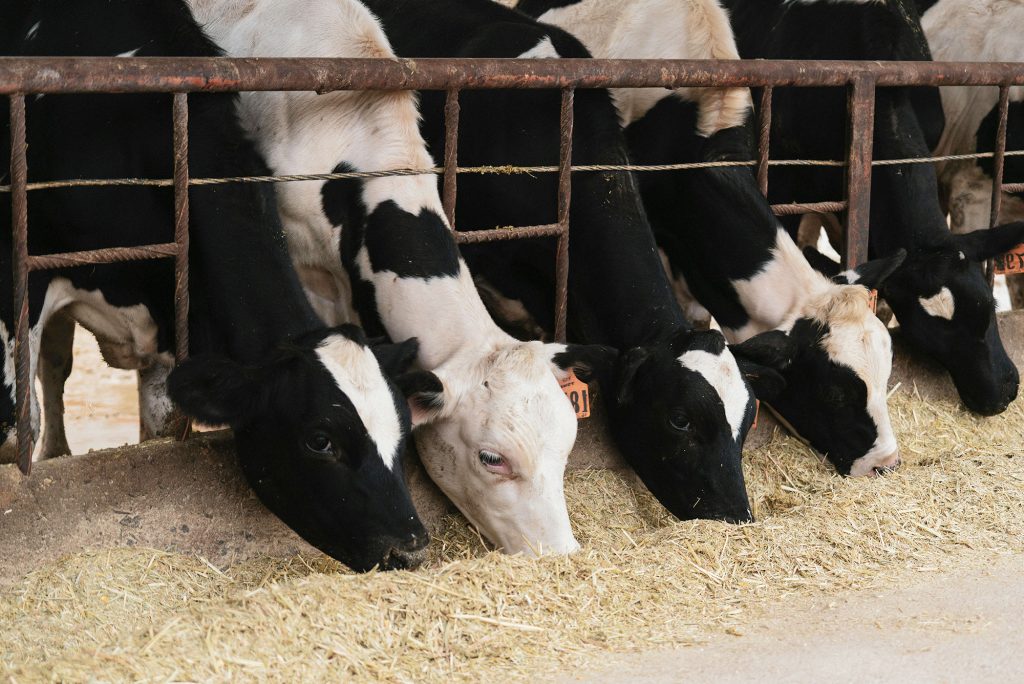
The outbreak of foot-and-mouth disease (FMD) remains one of the most serious threats facing South African agriculture and the broader economy. Industry leaders argue that the scale of the current risk could have been significantly reduced if faster, more coordinated national response measures had been implemented earlier. While several parts of the country have reported cases of the highly contagious disease, the Southern Cape has to date remained free of confirmed infections. Despite this, cattle and dairy farmers across the region are taking proactive steps to protect their herds.
“Especially along the coastal plateau there are vast numbers of cattle in the Garden Route, and agriculture is a cornerstone of the regional economy,” says GREF convener Cobus Meiring.
“The absence of cases here does not mean we must relax. On the contrary, it means prevention is absolutely critical.”
Farmers are currently implementing a range of biosecurity measures to reduce the risk of it rapidly spreading through the Garden Route. These include restricting farm access, disinfecting vehicles and equipment, limiting the movement of livestock, and closely monitoring animals for early signs of infection. Many producers have also increased record-keeping around animal movements and are engaging more frequently with veterinarians.
One of the biggest concerns remains the movement of unmonitored or undocumented herds between regions. “Uncontrolled movement is always a major risk factor,” Meiring explains. “Even a single breach can have devastating consequences.”
While current efforts are widely supported, questions remain about whether more could be done. Improved enforcement of movement controls, faster information sharing between authorities and farmers, and greater consistency in biosecurity protocols across provinces have all been highlighted as areas needing attention.
“We can only prepare as best we can and ensure that all reasonable safety precautions are firmly in place,” says Meiring. “But this requires collective discipline.”
The plea from industry leaders is clear: all stakeholders, including commercial farmers and smallholders to transporters and regulators must strictly adhere to established protocols to prevent the spread of the disease.
The Garden Route Environmental Forum (GREF) serves as a public platform for landowners and environmental managers and operates as a climate change think tank. In the context of FMD, the organisation is emphasising the importance of shared responsibility in safeguarding both food security and regional livelihoods.