
9 February 2025 Media Release: New Wetland Strategy Nears Adoption
Media Release: New Wetland Strategy Nears Adoption
9 February 2025
The Garden Route District Municipality (GRDM) is advancing an updated Wetland Strategy and Action Plan (2026 2031) designed to protect, manage and restore the region s wetlands. Wetlands critical ecological infrastructure that supports biodiversity, climate resilience and community well-being.
Access the draft document here: https://tinyurl.com/yc8hfwps
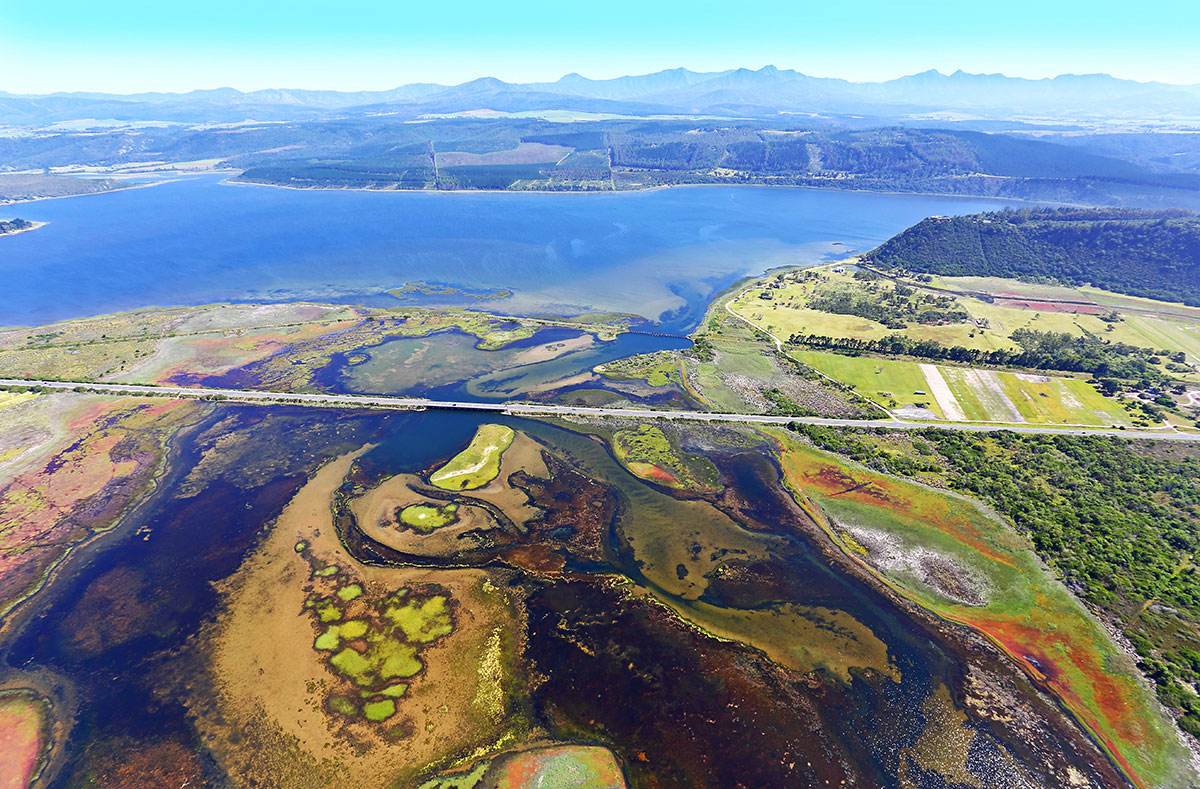
Wetlands within the Garden Route District, which includes globally significant sites such as the Wilderness Lakes Ramsar site and extensive coastal lake systems, provide a range of ecosystem services including:
– water filtration;
– erosion control;
– water storage; and
– clean drinking water supply.
Wetlands are a lifeline for communities because they also support local livelihoods through resources such as medicinal plants, raw materials, fishing, and important recreation and tourism opportunities.
“They are nature’s infrastructure, known to protect us from climate shocks and sustain our communities,” said Dr Nina Viljoen, Head: Environmental Management.
“This updated strategy strengthens how we plan, manage and invest in these systems so that we safeguard their benefits for future generations.”
Why a Strategy Matters
Despite their value, wetlands globally have been historically degraded through urban and agricultural expansion, modification of natural water flows, pollution, and invasive alien plants. Left unmanaged, degradation can lead to loss of services that communities and natural systems rely on. This would force costly engineered solutions to replace what nature provided free of charge.
The 2026-2031 strategy sets out a clear and actionable set of priorities to:
- Increase awareness and understanding of wetland functions and values across government, communities, and development sectors.
- Improve governance and management, aligning with national and provincial wetland laws and environmental frameworks.
- Strengthen partnerships among local municipalities, conservation agencies, and civil society to enhance coordinated wetland protection and restoration.
- Guide on-the-ground actions to rehabilitate degraded wetlands, monitor conditions, and integrate wetland values into land-use planning and climate adaptation efforts.
Next Steps Toward Adoption
Before formal adoption by the GRDM Council, a final stakeholder workshop will be held to refine the strategy and ensure broad alignment with community, sector and government interests. Final adoption is expected to follow this collaborative step, marking an important milestone for long-term environmental planning in the Garden Route.
Picture: Grant Duncan-Smith
ENDS