
05 June 2026 Awareness Article: Pest Control: A Key Pillar of Food Safety on World Food Safety Day
Awareness Article: Pest Control: A Key Pillar of Food Safety on World Food Safety Day
For immediate release:
05 June 2026
World Food Safety Day is commemorated annually on 7 June, and in 2026 the global theme, “Safer Food, Better Health,” reinforces the importance of protecting consumers from foodborne risks. One of the most critical, yet often underestimated, components of food safety is effective pest control.
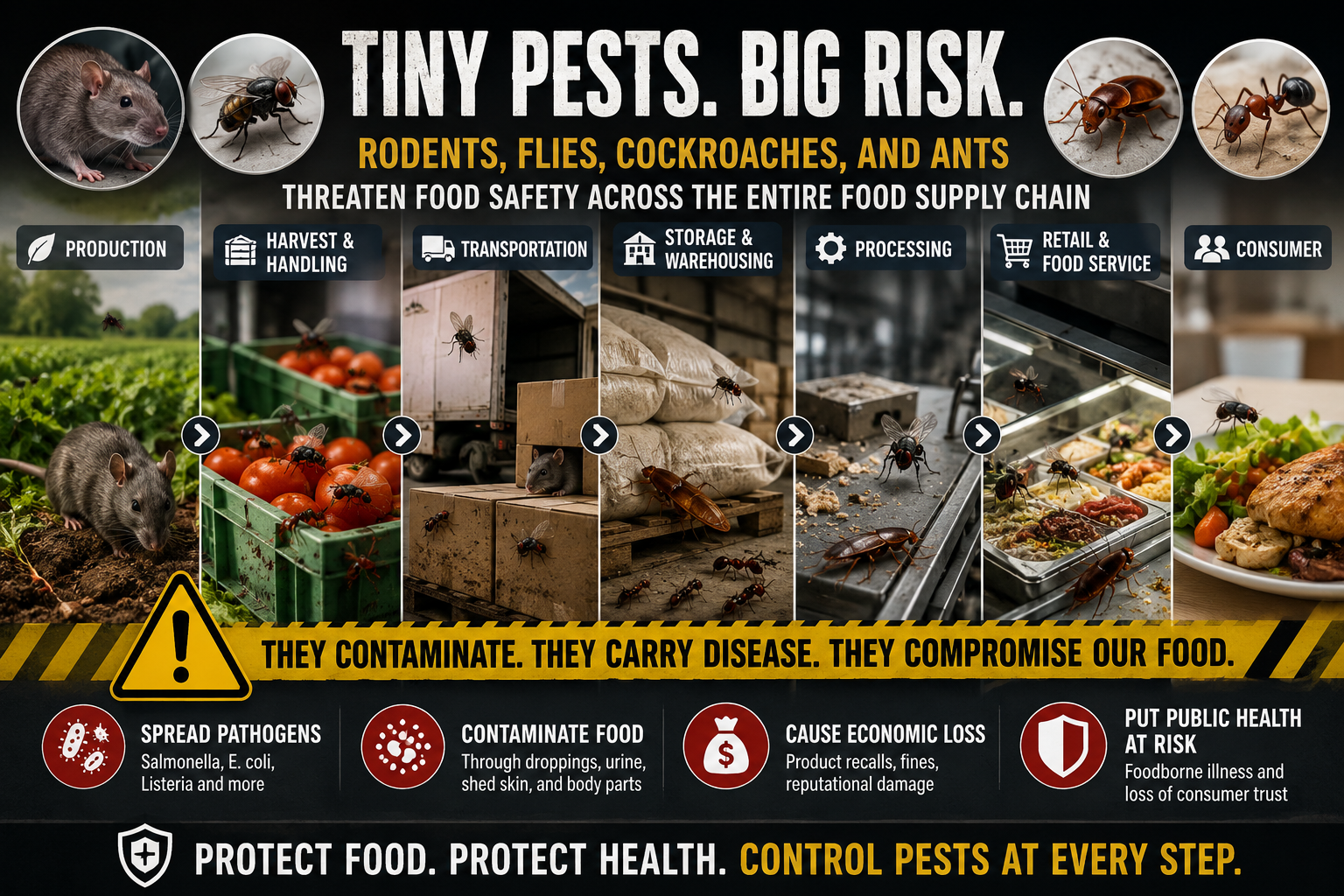
Pests such as rodents, flies, cockroaches, and ants pose a serious threat to food safety across the entire food supply chain, from farms and food processing plants to retail outlets, restaurants, schools, and households. These pests are known carriers of harmful pathogens that contaminate food, equipment, and preparation surfaces, increasing the risk of foodborne diseases.
Disease causing pathogens such as salmonella, E. coli, listeriosis, and Norovirus can result from poor pest management practices. Vulnerable groups, including young children, the elderly, pregnant women, and immunocompromised individuals, are particularly at risk. Preventing pest infestations is therefore not only a hygiene issue, but a public health priority.
In South Africa, food premises are legally required to implement pest control measures. The Foodstuffs, Cosmetics and Disinfectants Act, 1972 (Act 54 of 1972) mandates that food sold or handled must be safe and free from contamination. In addition, Regulation R.638 of the Health Act, 1977 (General Hygiene Requirements for Food Premises and the Transport of Food) clearly states that food premises must be kept free of pests, and that adequate measures must be in place to prevent their access and harbourage.
Furthermore, the National Health Act, 2003 (Act 61 of 2003) places a responsibility on food business operators to ensure that conditions do not pose a risk to human health. Failure to comply with these regulations may result in fines, closure of premises, or legal action.
Environmental Health Practitioners (EHPs) emphasise that pest control is a non-negotiable element of food safety.
“Effective pest control is one of the first indicators of a well-managed food premises. Where pests are present, the risk of food contamination and disease transmission increases significantly. Preventing infestations protects not only consumers, but also the reputation and sustainability of food businesses,”
An effective approach to pest control is Integrated Pest Management (IPM), which prioritises prevention through good housekeeping, proper waste disposal, regular cleaning, sealing of entry points, and safe food storage. Where chemical control is necessary, it must be conducted by trained and registered pest control operators using approved products in a manner that does not compromise food safety.
World Food Safety Day serves as a reminder that food safety is everyone’s responsibility. Business owners, food handlers, regulators, and consumers all play a role in preventing contamination and safeguarding public health.
By maintaining strict pest control measures, we protect food from contamination, reduce the spread of disease, and support healthier communities. As we observe World Food Safety Day under the theme “Safer Food, Better Health,” it is clear that effective pest control is not optional — it is essential.
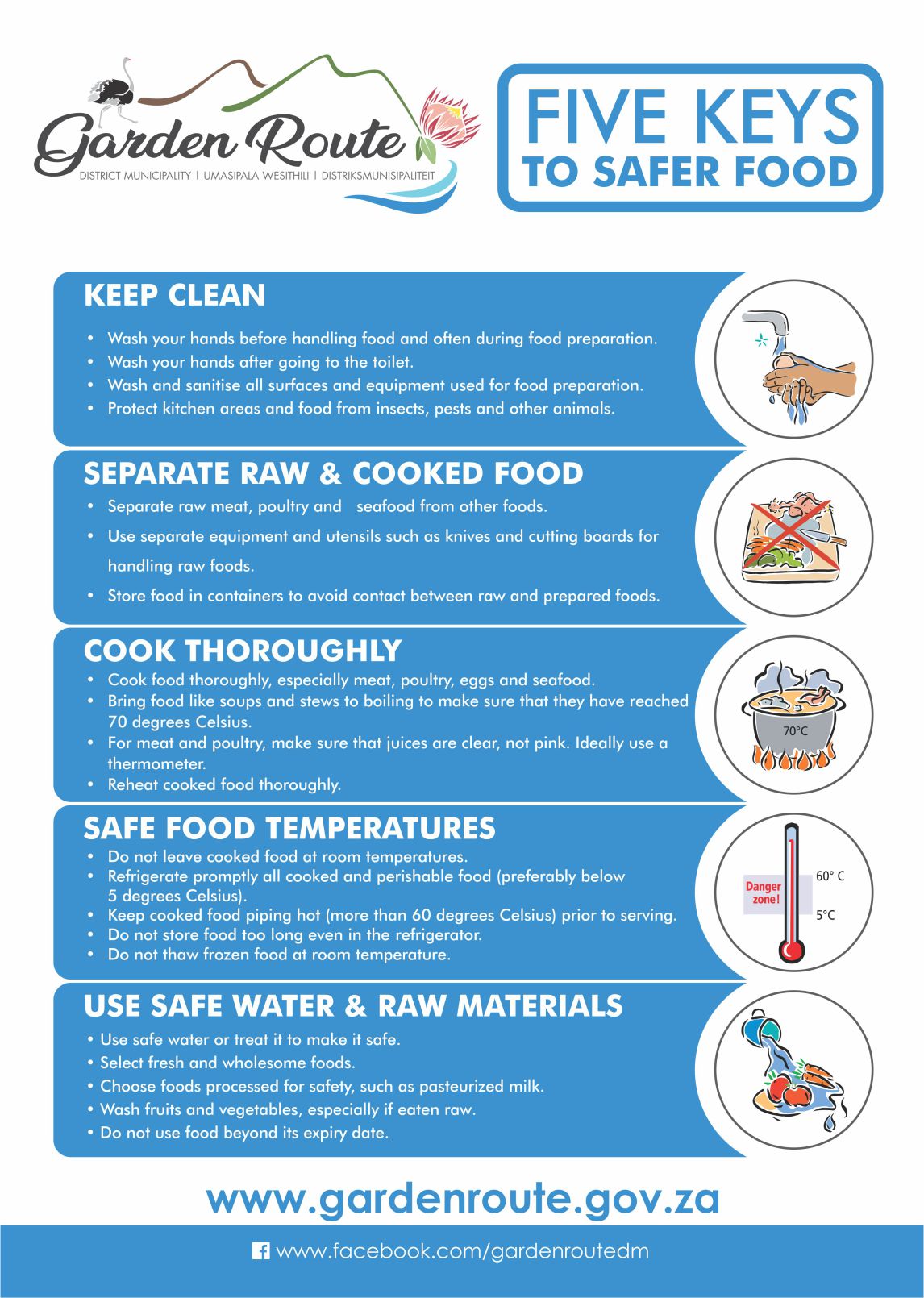
Here’s how you can maintain hygiene when handling food:
ENDS