Media Release: Healthcare support for teenage pregnancies
For immediate release 16 February 2022
Teenage pregnancy, the use of emergency contraceptives, early bookings, and access to prenatal care is the focus of this year’s Pregnancy Education Week which is highlighted from 12 – 19 February.
Between April 2019 to December 2021, 3922 teenage pregnancies were recorded at public hospitals in the Garden Route District. This is 14% of the total deliveries for the district.
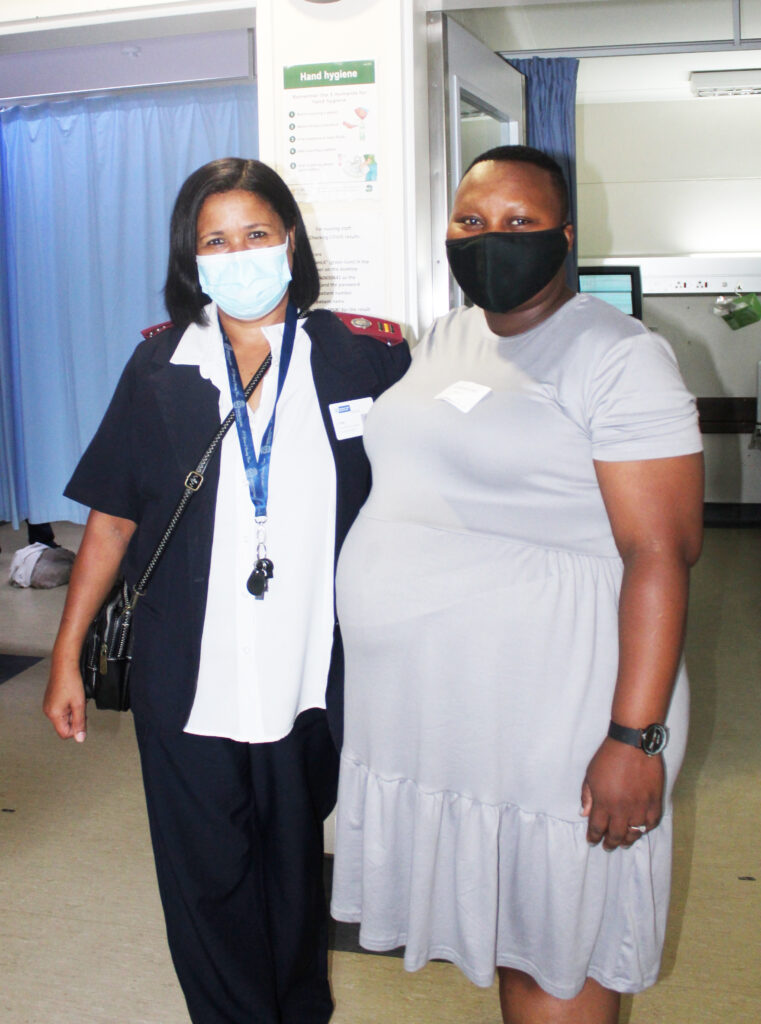
Sr Claudine Potts (Midwife at George Hospital) expresses her concern on the increasing number of teenage pregnancies amongst young girls between the ages of 12 and 19.
‘Mothers-to-be should visit their local clinic (preferably before 20 weeks) to seek medical care, book an antenatal visit and gather information. Mothers should also find out if there are any antenatal classes in your area at your closets clinic or hospital. The most important message to all pregnant mothers is to have a support system or partner throughout the duration of the pregnancy’, she said.
‘There are also various contraceptive methods available at healthcare facilities to avoid unplanned pregnancies. One is emergency contraception available at all healthcare facilities. Emergency contraception must be taken within 72 hours after sexual intercourse to avoid an unplanned pregnancy’, she said.
‘As a midwife, the highlight of my work is sending home a healthy baby and giving moms-to-be the best possible experience during pregnancy and labour’.
The Department has various support programs in place to assist pregnant teenagers who have social challenges as part of the First 1000 Days plan, where a child’s health is most vulnerable during the first 1 000 days of its life and the mother’s mental health is important for a healthy pregnancy and birth. This period, from conception until a child’s 2nd birthday, offers a unique window of opportunity to shape healthier and more prosperous futures.
Another form of support as part of the First 1000 Days program for young mothers is the MomConnect mobile platform which has three main objectives:
To register each pregnancy at a government health facility.
To send stage-based, personalised SMSes to each mom in the registry.
To allow women to engage with the health system through help desk tools and services.
How To Register for MomConnect:
Ask someone at a public health care facility to confirm that you are pregnant.
Dial *134*550# from your cellphone to register.
Answer a few simple questions about your pregnancy.
You will then be registered – welcome to the family!
Pregnancy is registered in the national database.
The user receives weekly SMS messages to inform them of their pregnancy and baby health (up to when the child is one year old).
Young mothers are encouraged to take the first steps by booking early for antenatal pregnancy care with trained and professional midwives. Adhere to their appointments and ask the necessary questions about their pregnancy to feel empowered and aware of their health status and the health status of the unborn baby.
Caption: Sr Claudine Potts with soon-to-be mother Grace Khedama, who is in her final trimester of pregnancy.
George Hospital is currently busy with Saturday surgeries to help reduce the waiting time for patients who require surgery as a result of COVID-19. During the pandemic, elective surgeries had to be postponed to free up resources and personnel within the hospital for patients who contracted the virus and who needed urgent care. It was also necessary to prevent the risk of patients contracting COVID-19 during their travel time or hospital stay. As a result, many patients have been waiting a long time for their operations.
‘Saturday surgeries are a new initiative that has been implemented at the hospital and will run until March. We have received additional funding for this purpose, which allows additional doctors and nurses to be contracted to make these operations possible. Some of the staff have agreed to volunteer their Saturdays to make the project a reality and maximise the number of patients who are treated. Some patients who have been on the waiting list for two or more years can now receive their surgery, these include Orthopaedics, Gynaecology, general surgery, Urology and ENT,’ said George Hospital CEO, Michael Vonk.
According to Dr Chanelle Changfoot (general surgeon at George Hospital), Saturday surgeries take place from 8:00 until 17:00 and usually all health professionals try and do as many surgeries as possible. ‘These are elective operations that have a major impact on the patients’ quality of life,’ she said.
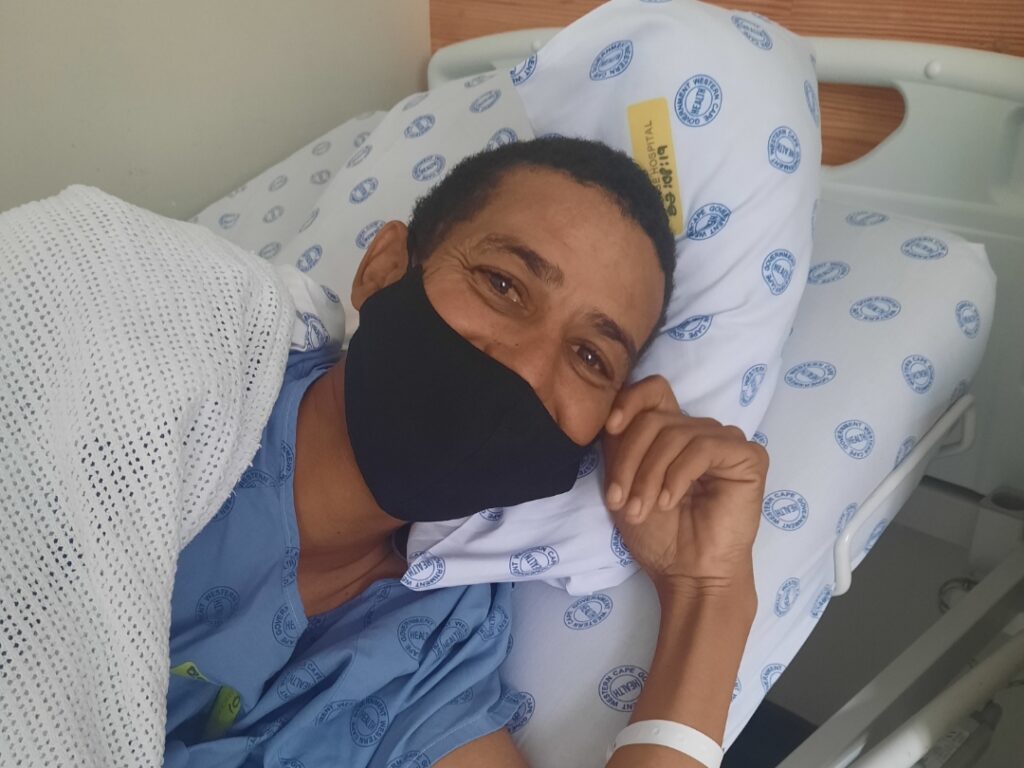
Percival Rossouw (37) from Riversdale has been waiting for quite a while for his operation. ‘At long last I also have the opportunity to get the procedure done with and move forward,’ he said.
Patients would usually wait six to nine months for their non-urgent procedure or surgery but due to COVID-19, some have been waiting for two years. The type of surgeries impacted by COVID-19 has been non-urgent cases such as hernias, gall bladder surgeries, non-cancerous lumps and bumps that are growing, and hip or knee replacements. ‘It’s difficult for patients to understand why they have to wait. As a doctor it can be frustrating because you want to help everybody but unfortunately for surgery, you have to work in a team,’ said Dr Changfoot.
Renier Alberts (63) is another happy patient who underwent surgery on Saturday 5 January 2022. ‘I am glad my turn has come, and also to be able to receive surgery during the weekend,’ he said.
Caption: Percial Rossouw is one of many patients benefiting from the initiative.
END
Nadia Ferreira
Principal Communications Officer
Garden Route and Central Karoo Districts
Western Cape Government Health
Tel: 044 813 1831
Email: Nadia.Ferreira@westerncape.gov.za
Website: www.westerncape.gov.za
Media Release – GRDM and stakeholders to install smoke detectors in Qolweni, Bitou
For immediate release 01 February 2022
Early detection of home fires is critical in preventing deaths and injuries. These fires can smoulder for some time before bursting into flames, releasing deadly toxic gases. This is why the majority of fire-related deaths are associated with suffocation. Smoke disorientates people or incapacitates them so quickly that they cannot escape, in particular while sleeping. Studies have shown that the smell of smoke does not wake people up. However, if a potential fire is detected during the smouldering stage, it can reduce the risk of suffocating and provide enough time for people to escape a property.
Photo: Bitou Municipality
For these reasons, the Garden Route District Municipality (GRDM) in collaboration with Bitou Local Municipality and the Provincial Disaster Management Centre have initiated an innovative smoke alarm installation programme for high fire risk areas. The first roll-out will be for communities of Qolweni, a township in Plettenberg Bay.
Smoke detectors or smoke alarms, as we know them, is a device that senses smoke and issue an audible or visual alarm from the detector itself to indicate a fire.
The project aims to:
– Reduce fire deaths, injuries and property losses;
– Educate residents about the importance of installing and maintaining smoke alarms;
– Assist residents to develop and practice an effective home fire escape plans;
– Assist municipalities in meeting its legislative requirements under the Municipal Structures Act, Disaster Management and Fire Brigade Services Act;
– And it would create improved community relations between the residents and municipal fire departments.
Gerhard Otto, Manager for Disaster Management at GRDM, said: “To commence with the project, GRDM together with its stakeholders will appoint a team to install the detectors. Also, training and awareness will be provided during the installation of the smoke alarms within the community”.
The launch of the project is envisaged to take place in February this year.
Media release: Get your vaccine now for a safe summer season
Those who have not yet received their vaccine should do so now. If you want to be fully vaccinated by 1 December, the start of the festive season, you will need to:
Receive your first dose of Pfizer by no later than 20 October 2021.
Receive your second dose 42 days after. This means that you will have received your second dose by 1 December 2021 latest.
It takes approximately two weeks from full vaccination (after your second jab) for you to develop maximum immune protection. This means if you get your second jab on 1 December, you will have the best possible protection from around 14 December – just around the time that many people have planned to start their festive season plans.
Western Cape Government Health has set December as the target to ensure that residents have a summer that they can look forward to and aims to fully vaccinate 70% of those over 50 years old by December and 70% of the eligible population with at least one dose.
The recently held Vooma vaccination weekend drive saw 59 429 vaccines administered in the Western Cape of which 1104 were administered in the Garden Route.
“Although the turn-out was much less than anticipated, we commend every person who came for their vaccination, despite rainy and very cold weather. We want to encourage our communities to take up the offer of vaccination as it has been demonstrated to offer significant protection against severe COVID related disease and death”, said Mr Zee Brickles (Health Director: Garden Route and Central Karoo).
“We all want to enjoy the festive season which is why I have also launched the jabs b4jol campaign to encourage especially young people to get vaccinated. Vaccines are safe and very effective. We are seeing a lot fewer hospitalisations and deaths in people who get vaccinated. While some people have minor reactions after getting vaccinated like headaches or fever, these are often easily managed at home, and the benefit of getting vaccinated is much greater than being unvaccinated and getting COVID-19. Please use any one of our vaccine sites. Many who are 18 years and older, who received their jabs from 20 August, are now eligible for their second shot. Please do not hesitate, fully vaccinate”, said Minister of Health, Dr Mbombo.
Caption: Walk-about at Harry Comay Hospital’s Vooma vaccination site from left front: Mr Jewel Jonkers (Director Education Garden Route), Mr Memory Booysen (Garden Route mayor), Sr Linda Geweld (Nursing Manager Harry Comay Hospital), Back: Dr Terence Marshall (Health), Mr Zee Brickles (Health Director: Garden Route and Central Karoo District), Mr Leon van Wyk (George mayor), Dr Zilla North (medical manager George subdistrict)
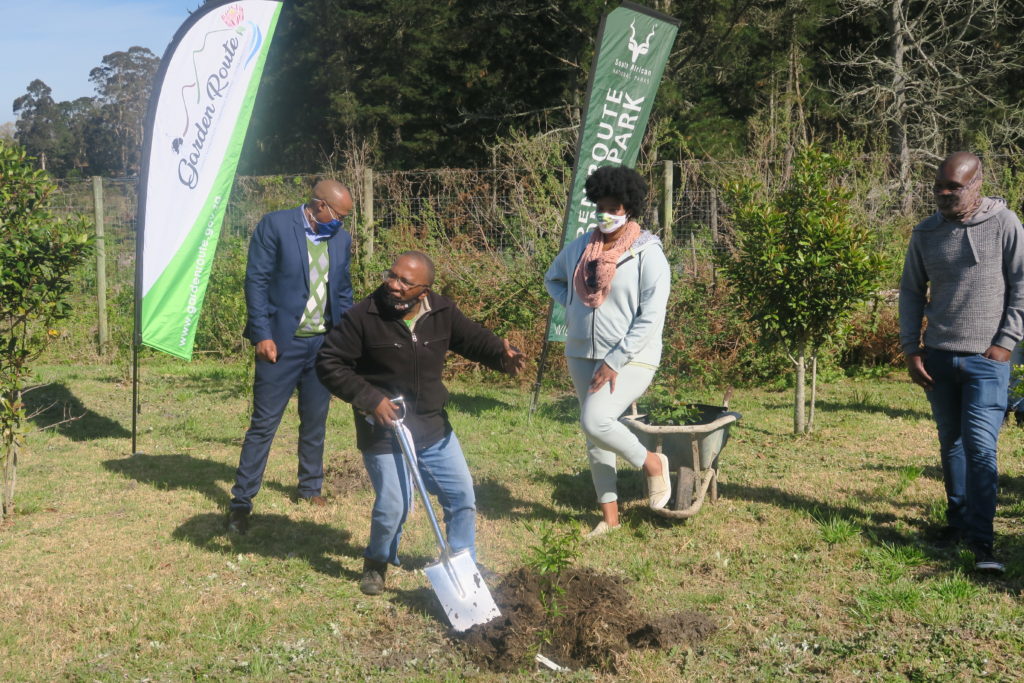
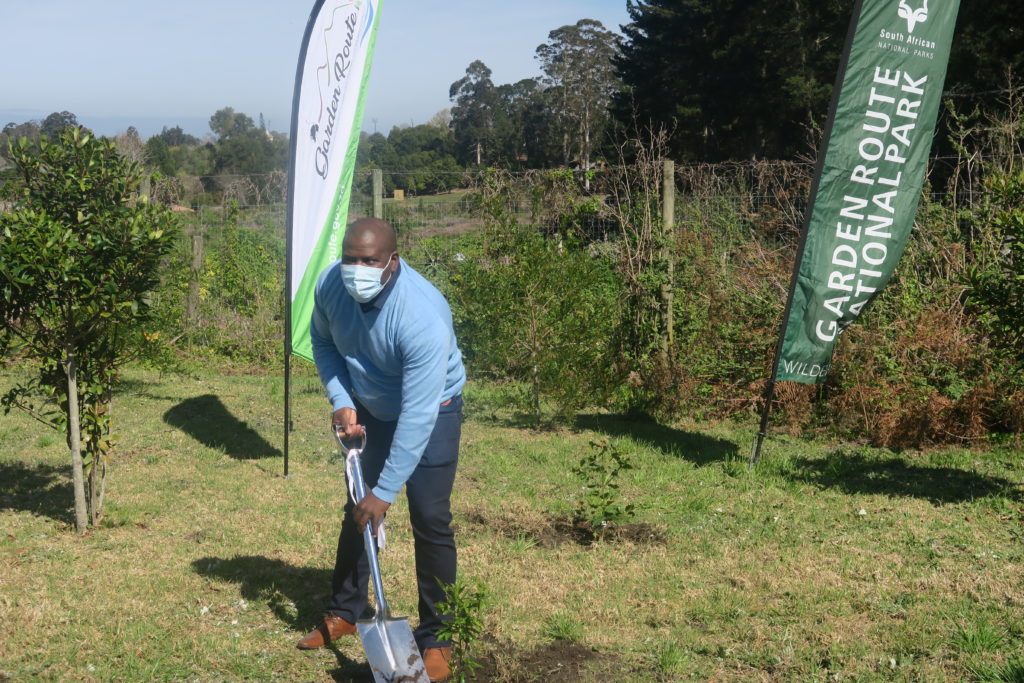
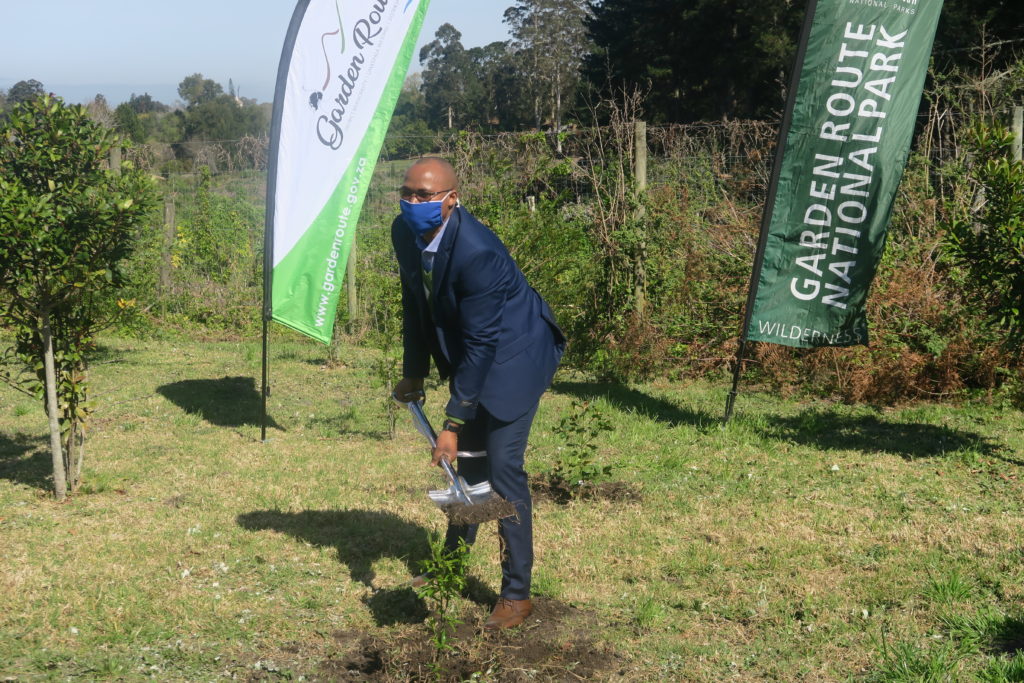
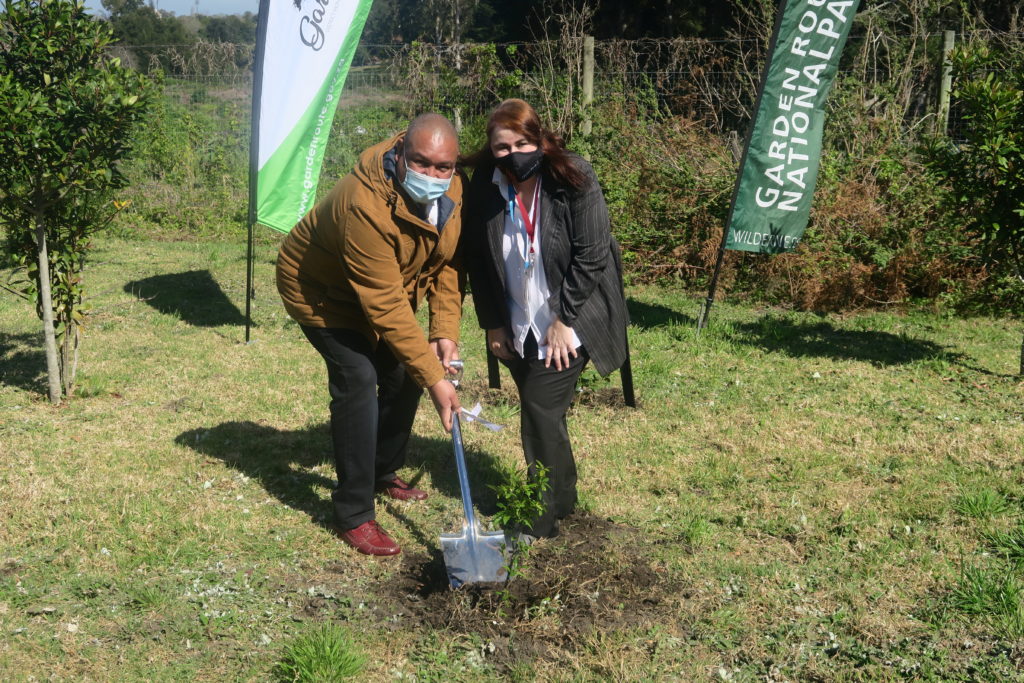
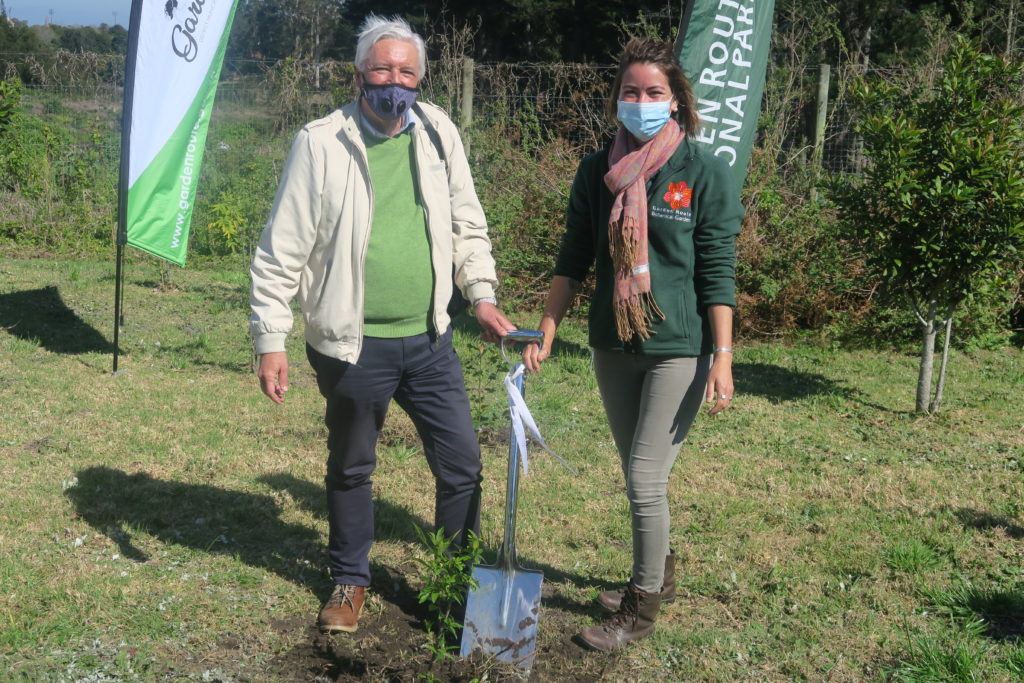
Media Release: Government stakeholders plant trees at the Provincial Launch of National Arbor Month in George
8 September 2021 For immediate release
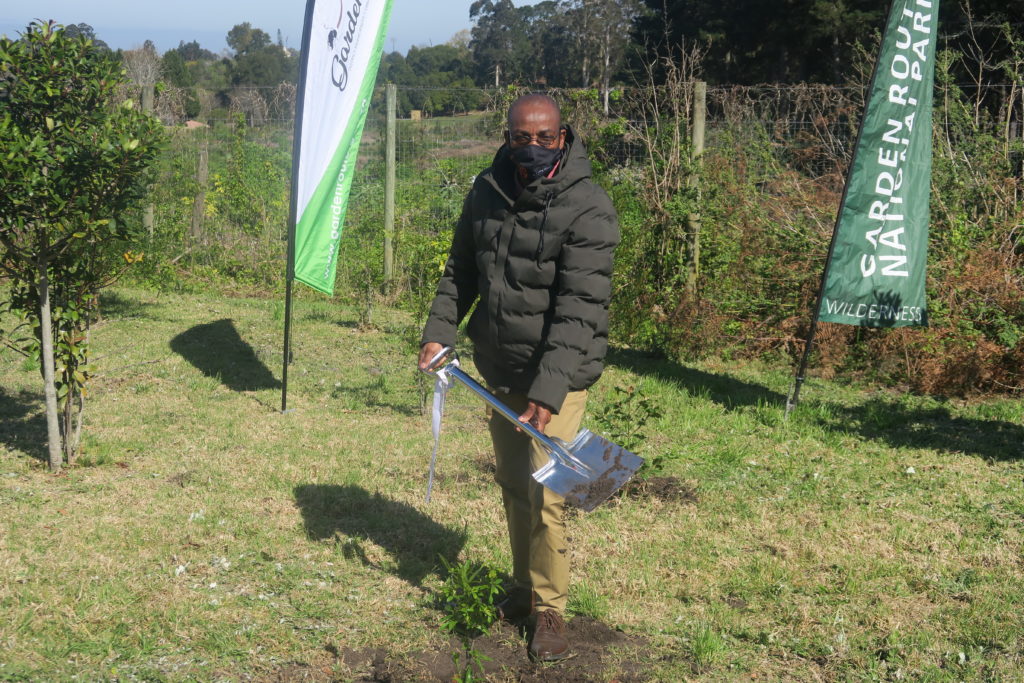
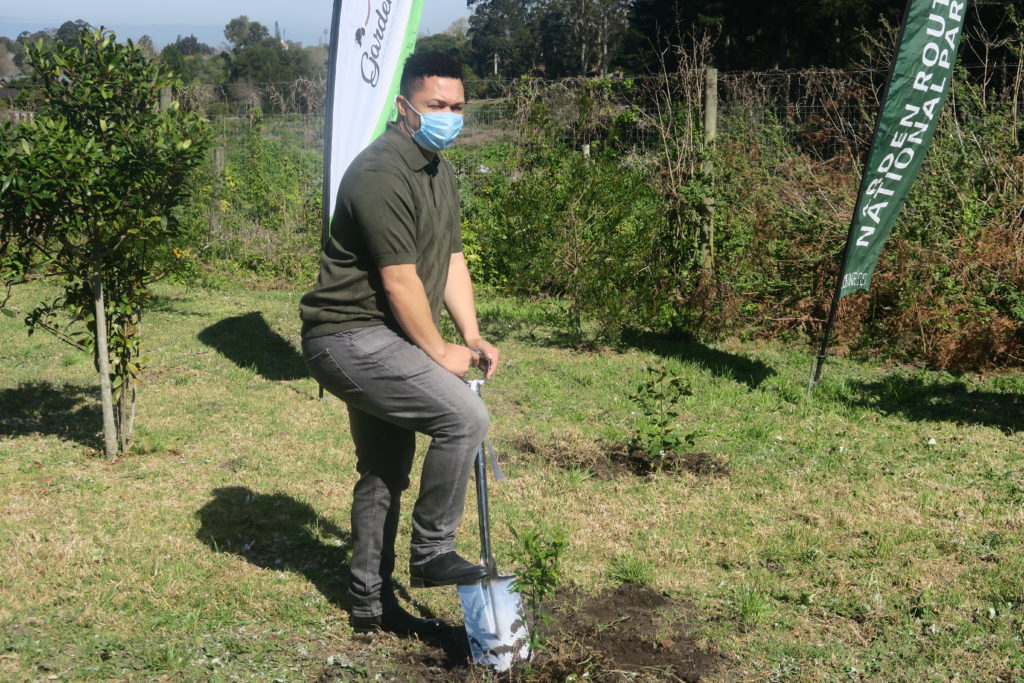
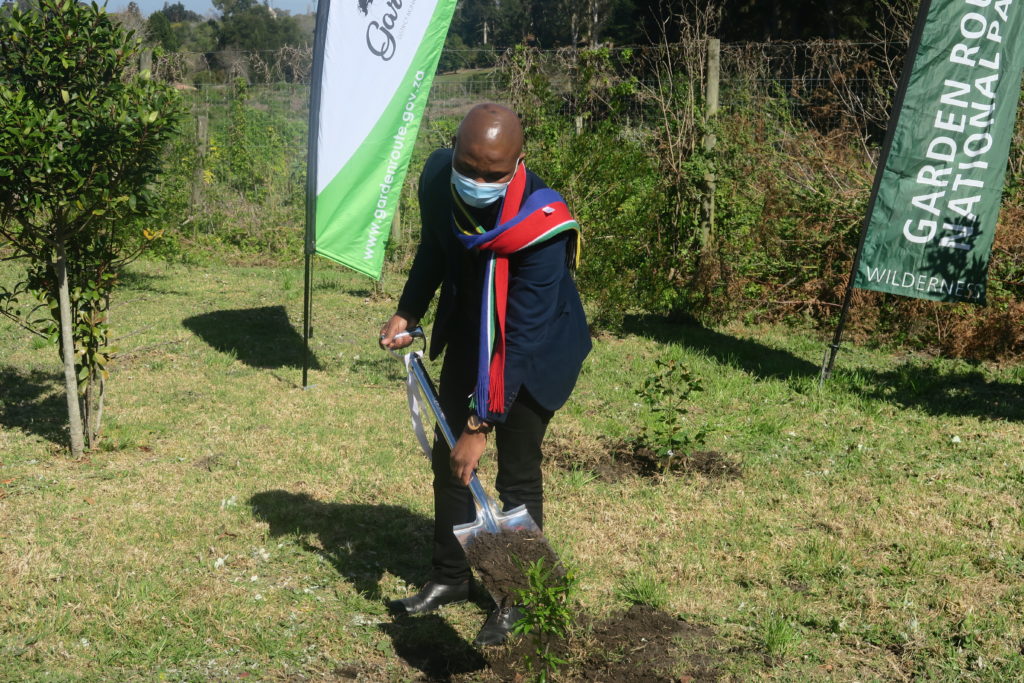
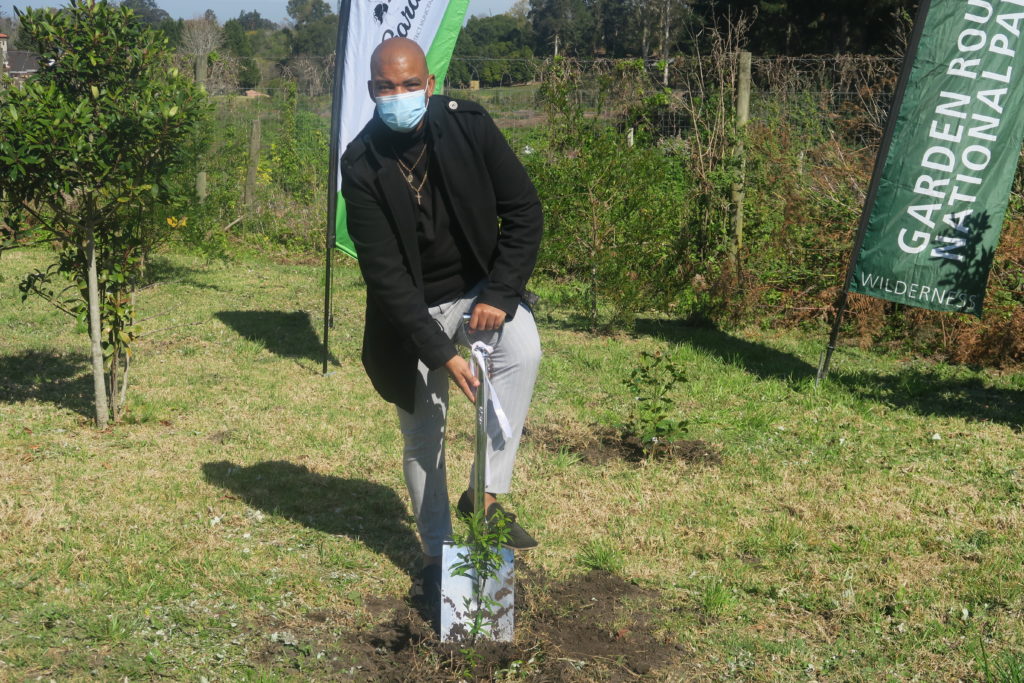
“Your presence at this event, is an indication that you care, that you embrace what nature can give to us,” were the opening words of Executive Mayor of Garden Route District Municipality (GRDM), Alderman Memory Booysen, to the stakeholders at the Provincial launch of National Arbor Month celebrations in George.
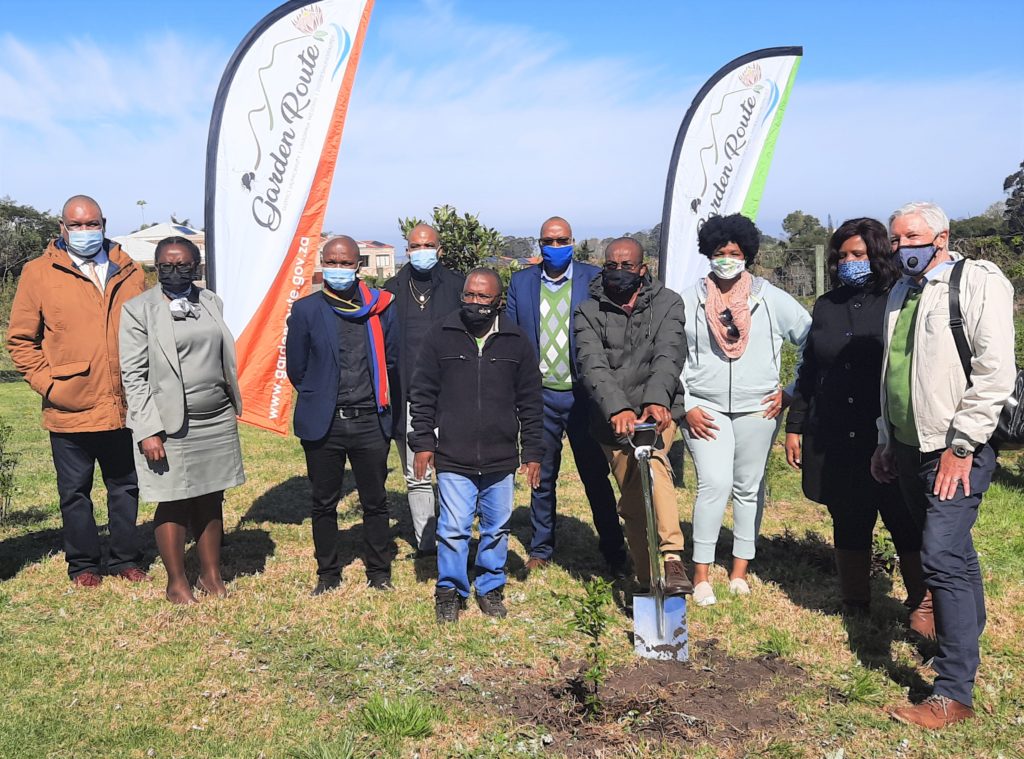
The event took place at the Garden Route Botanical Gardens on Friday, 2 September 2021.
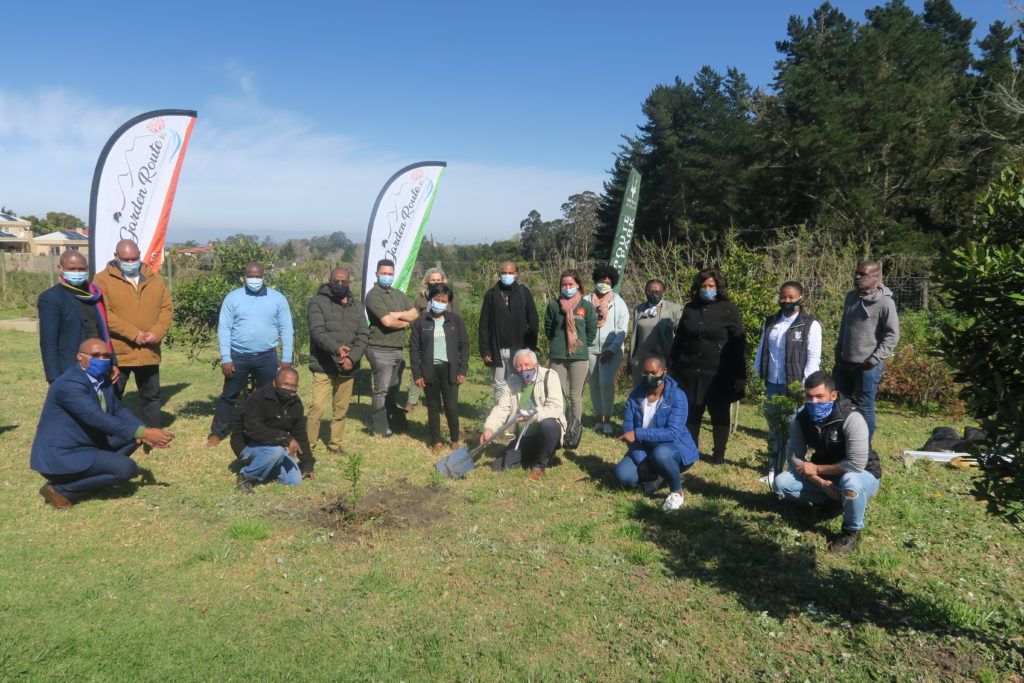
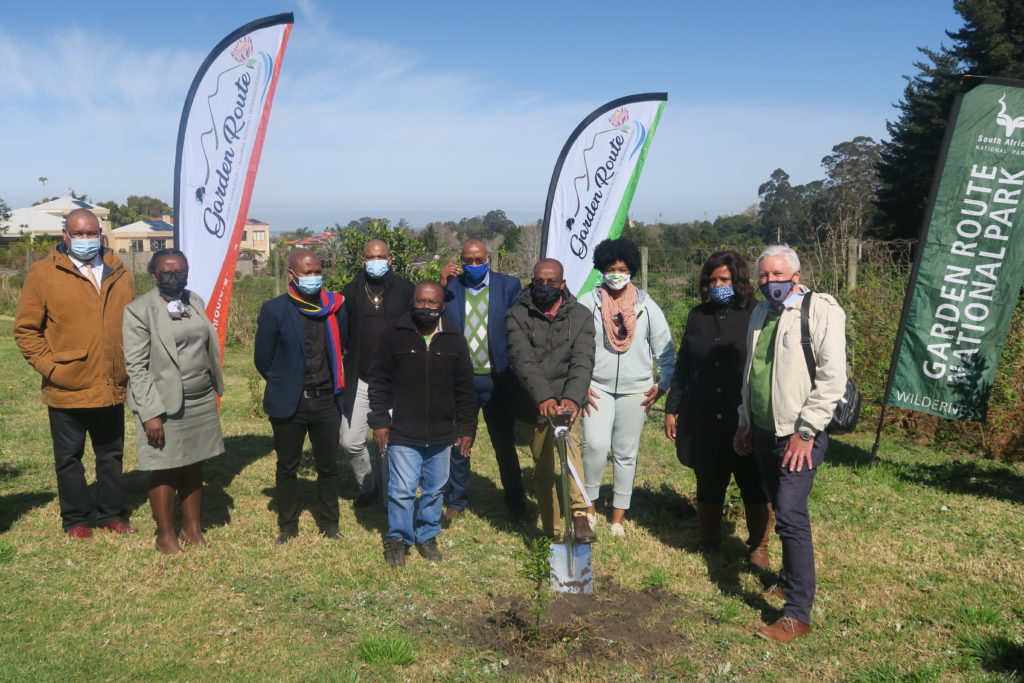
Representatives from the Department of Forestry, Fisheries and the Environment (DFFE), the Department of Water and Sanitation, GRDM, the South African National Parks (SANParks), Cape Nature, the Garden Route Botanical Garden, Breede Gouritz Catchment Management Agency and George Municipality, attended the occasion.
Alderman Booysen, during his opening remarks said that Arbor Month should be a continuous awareness programme, “a continuous initiative that sets the tone for the whole South Africa, on how we balance nature with what people want”.
Mayor Booysen also shared an idea with the audience which he came across in Morocco, where a fruit tree is planted adjacent to every indigenous tree. These trees are planted within the communities where people are in close proximity to it. He further stated: “We need to start debating the issue on how we can deal with food security while planting indigenous trees at the same time”.
“We also have to determine how it can be managed as a job creation initiative because if we do not deal with humanitarian issues, people will put pressure on the issues,” Booysen emphasised. Referring to the involvement of the youth, he said that it is evident that they show interest in the well-being of the environment, but “we need to lay the foundation for such initiatives where jobs can be created while dealing with food security simultaneously”.
During his keynote address, Acting Regional Head for Western Cape DFFE, Mr Masithandaze Falitenjwa, shared this year’s Arbor month theme, ‘Forest Restoration: a path to recovery and well-being’. With this theme he said that the campaign encourages the celebration of South African trees. It also aims to create awareness of the importance of trees. He furthermore encouraged every person to “protect our indigenous forests, to help prevent veld and wildfires”. He further emphasised that planting a tree to green our country will help mitigate climate change.
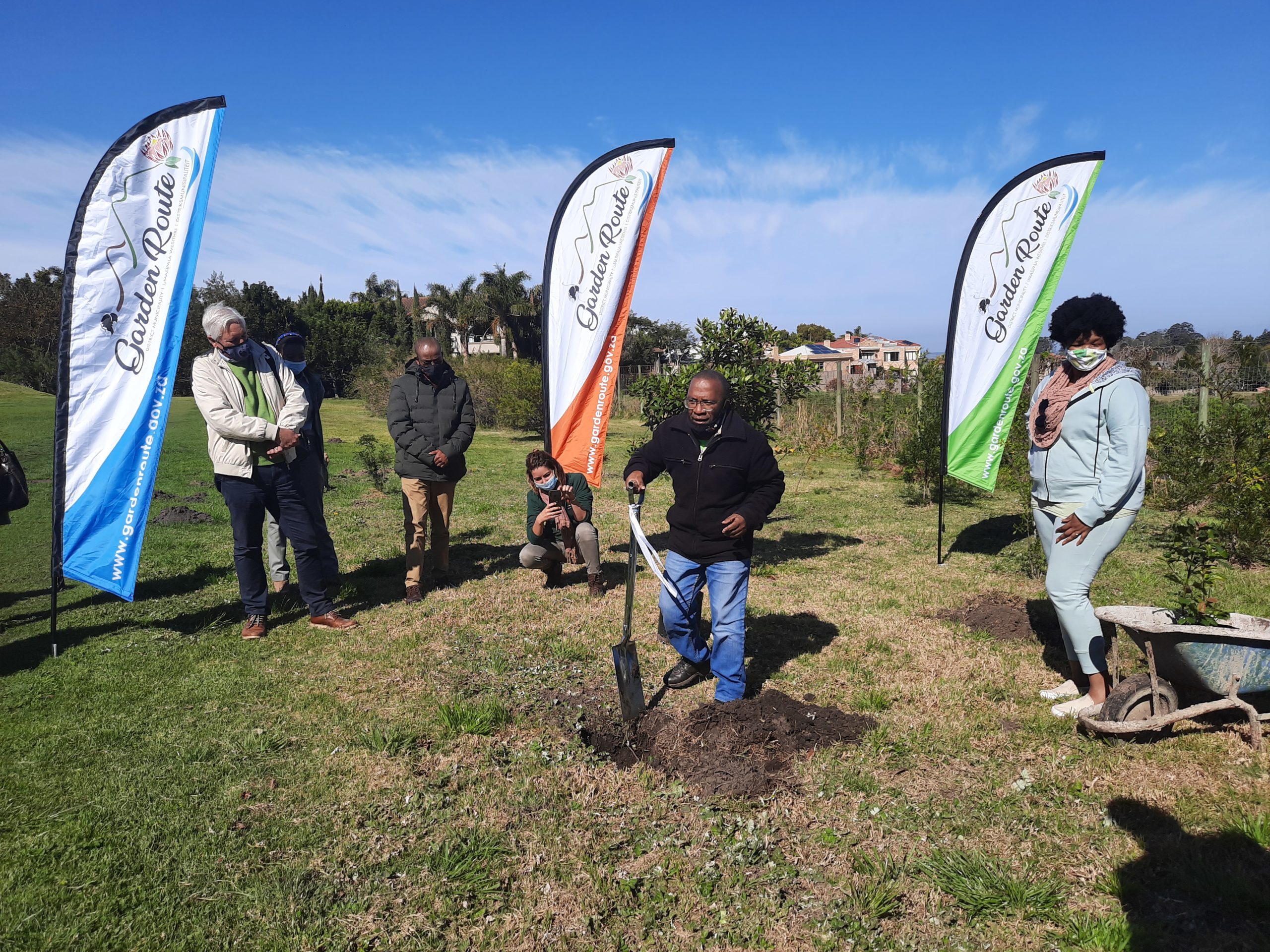
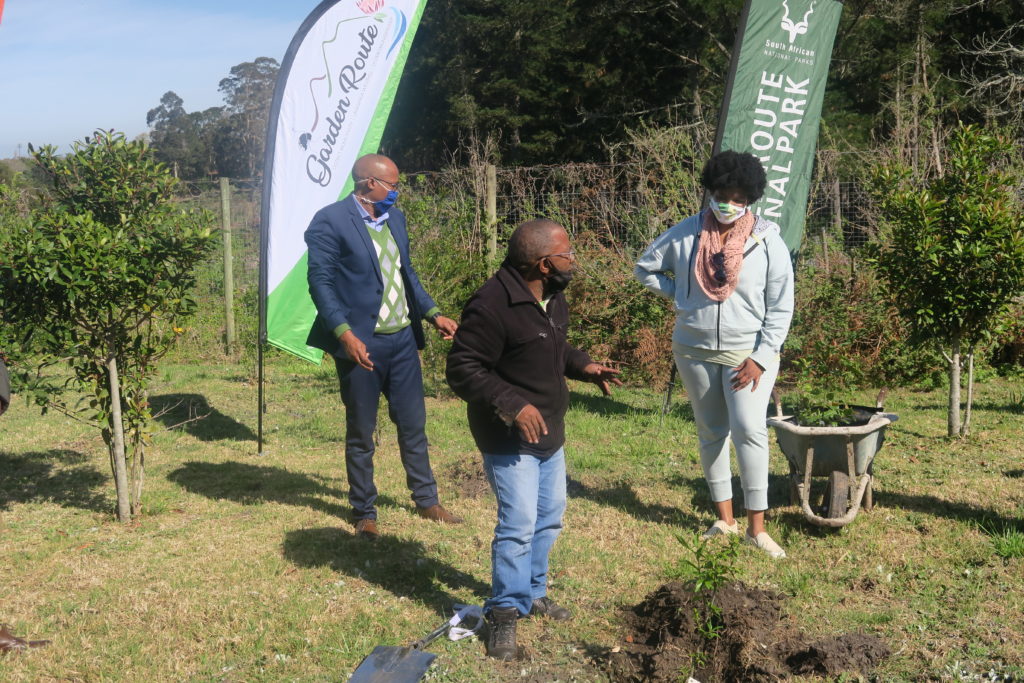
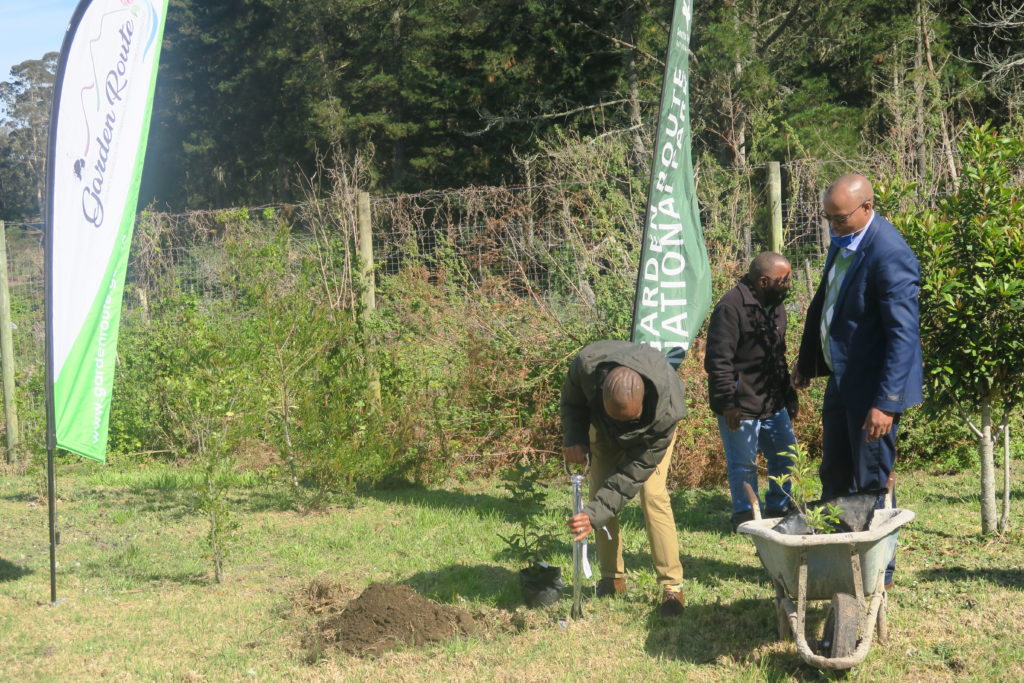
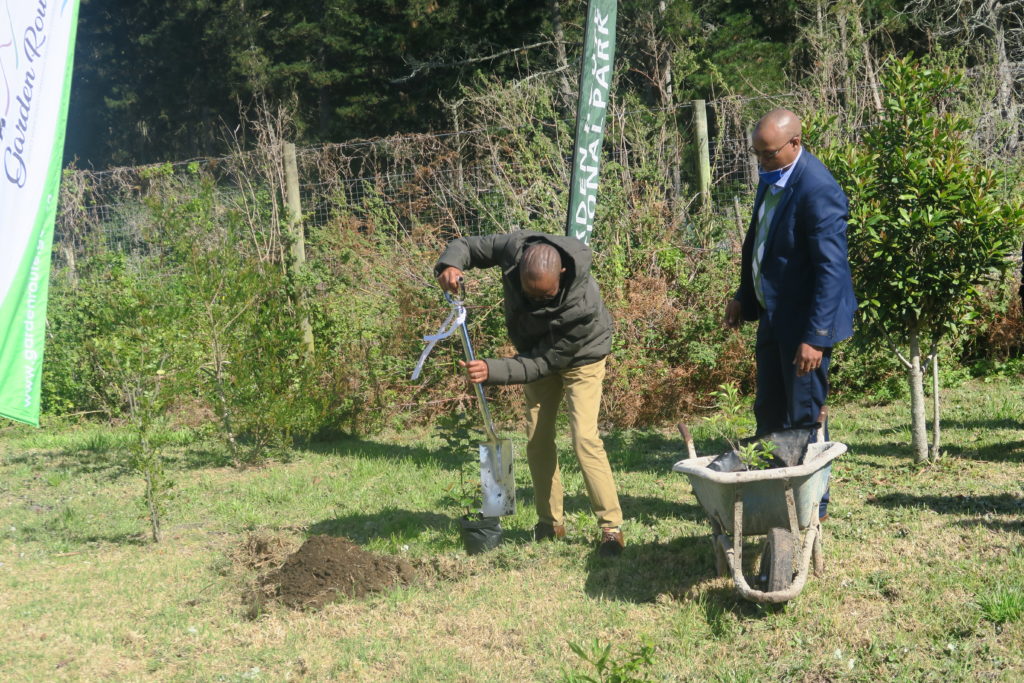
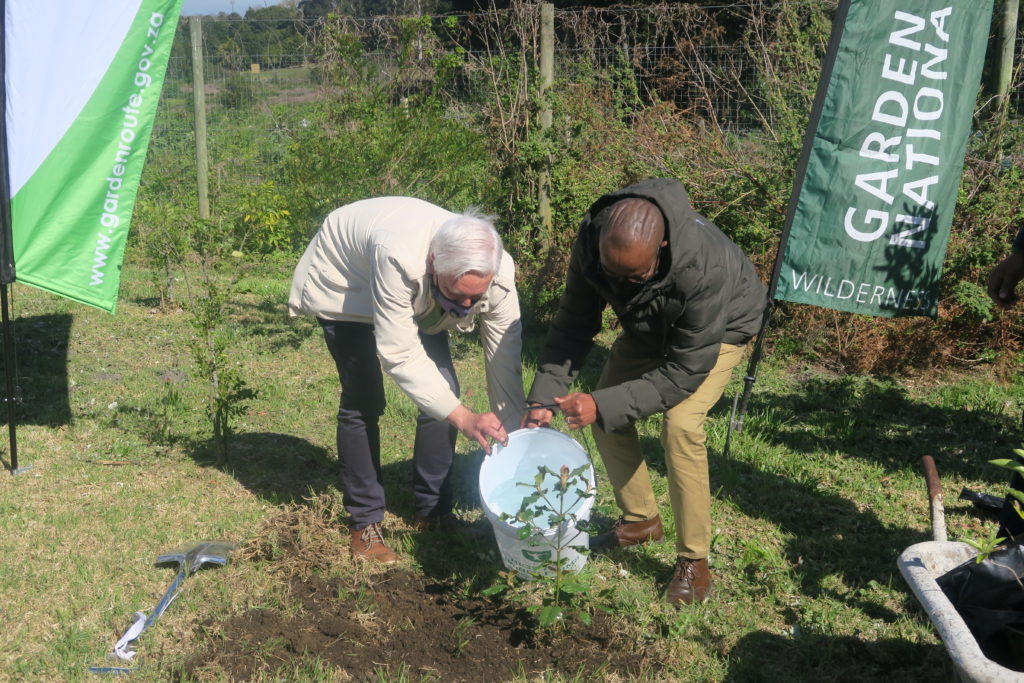
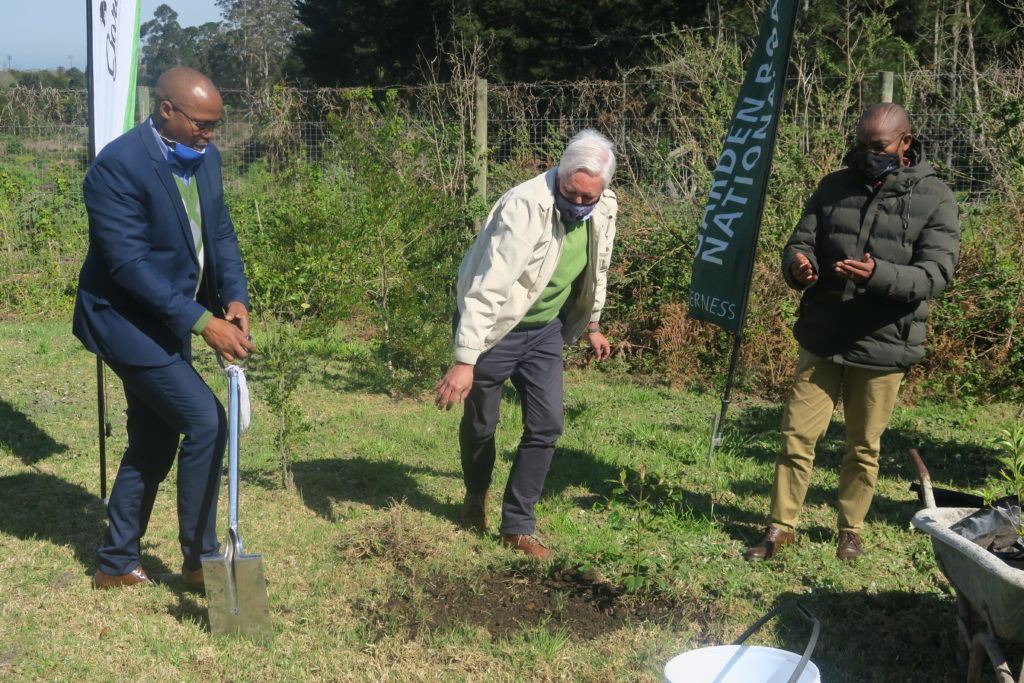
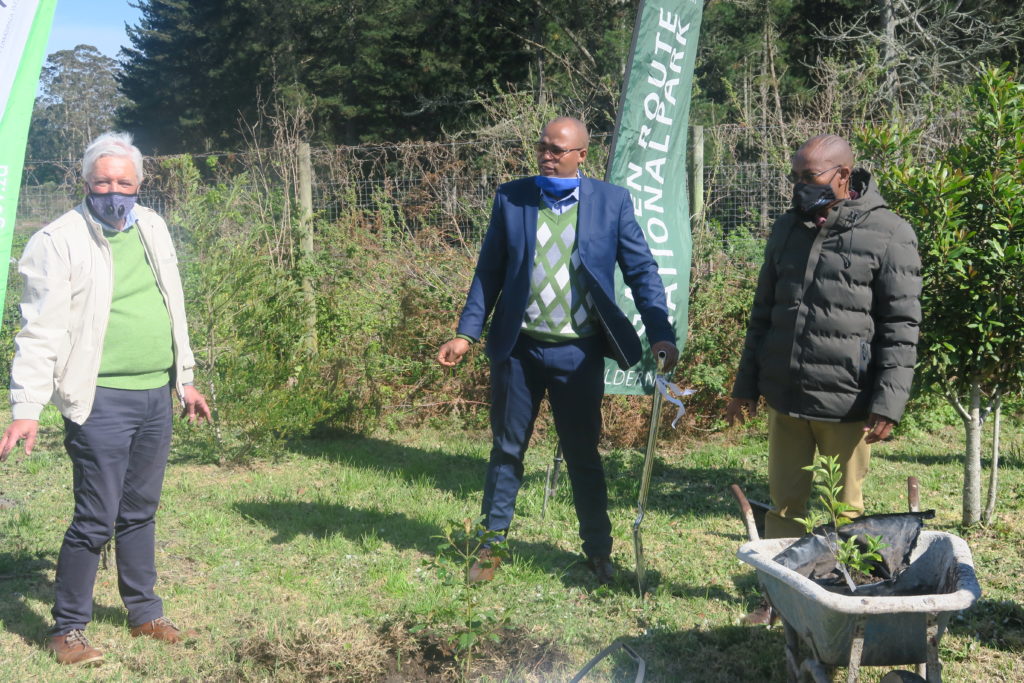
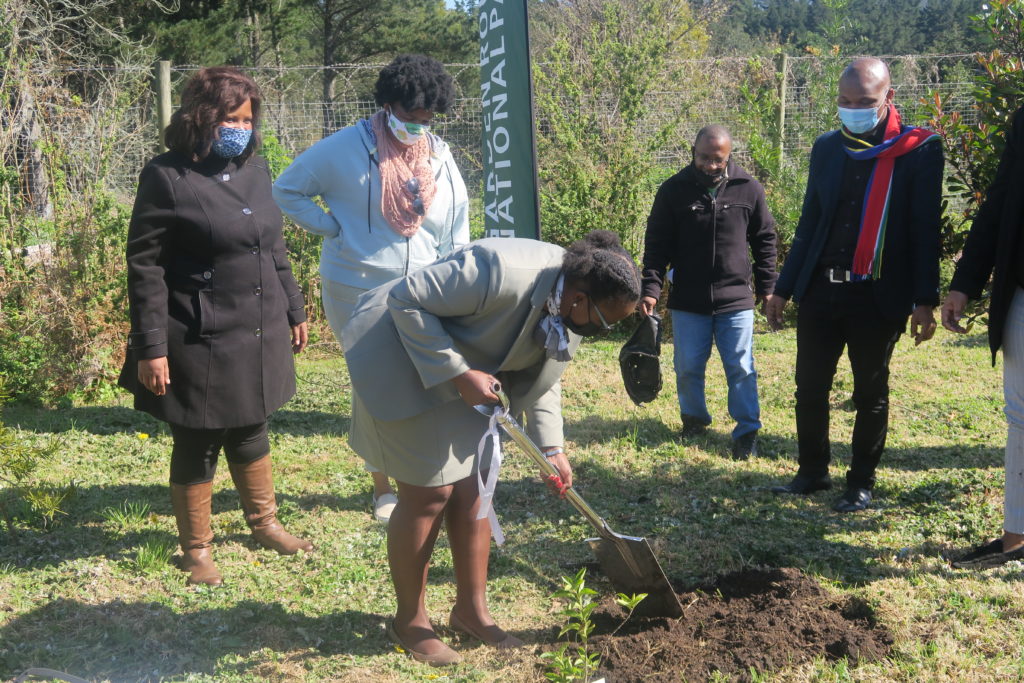
Mr Deon Makwena from Cape Nature demonstrated the correct way of planting a tree, before the rest of the stakeholders touched the spade.
In response to the scenario shared by Mayor Booysen, he confirmed that planting fruit trees is part of the programme of the Department of DFFE. He also mentioned the significance of community involvement in their plans by saying: “If we do not include the community in our campaigns and plans, we will be fighting a losing battle. In terms of the initiatives of the DFFE, he admitted that partners and government institutions should become involved in these initiatives. He confirmed that DFFE sourced 200 trees for municipalities of the Garden Route as part of their “Tree for Life” Programme. In closing he highlighted: “Let us ‘green’ the Garden Route and turn it into a “Garden of Eden”.
Mrs Vuyiswa Thabethe, Regional Manager of SANParks in the Garden Route, left some ‘food for thought’ with all delegates when she shared that over the years of celebrating Arbour Month by planting trees, it provides for a practical and symbolic gesture of sustainable environmental management. She then asked what the impact of our Arbor Month is when we are planting these trees and conducting awareness campaigns. “Does our society understand the value of the initiative?” In response to her question, she commented that if this answer is “yes”, we can pat ourselves on the back and say: “We are doing a good job”. She emphasised that we need to see the impact of similar initiatives, because “if one takes care of the trees, they will definitely take care of us in the future”.
During his address, the Acting Director of Water and Sanitation Services Support, Mr Zolile Simawo, explained the history of Arbor Month and their Department’s relevance in the the month’s activities. He encouraged communities, government departments, non-governmental organisations, non-profit organisations and communities, to plant indigenous trees. He said that planting trees would aid in sustaining the environment, sustain biodiversity (fauna and flora), provide clean air, given the major industrial activities and the pollution it creates, beautifying South Africa and conserve water.
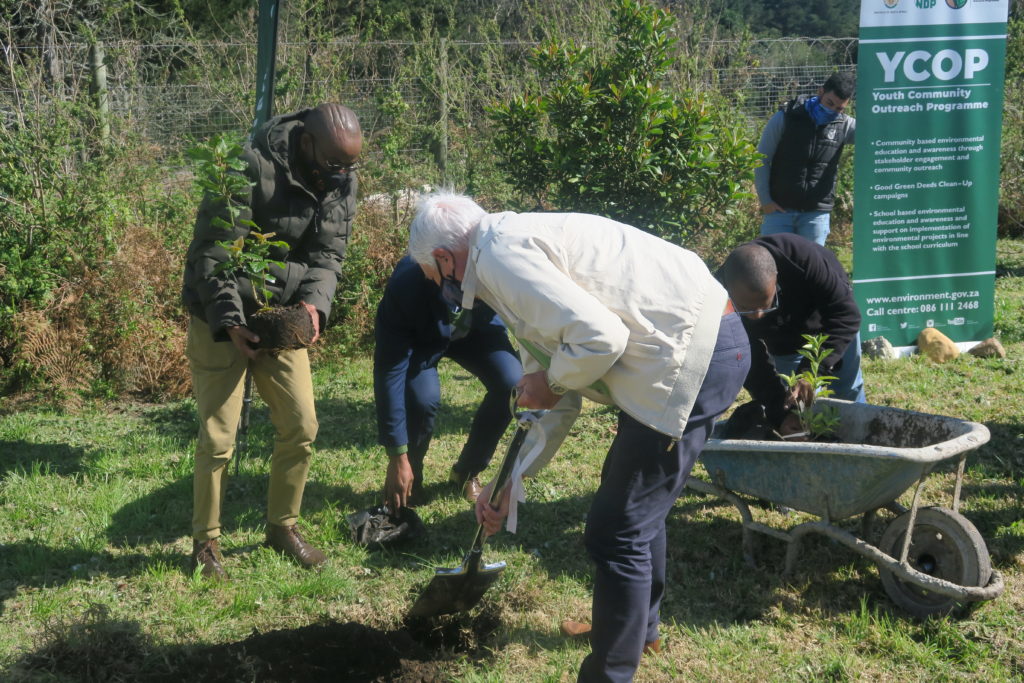
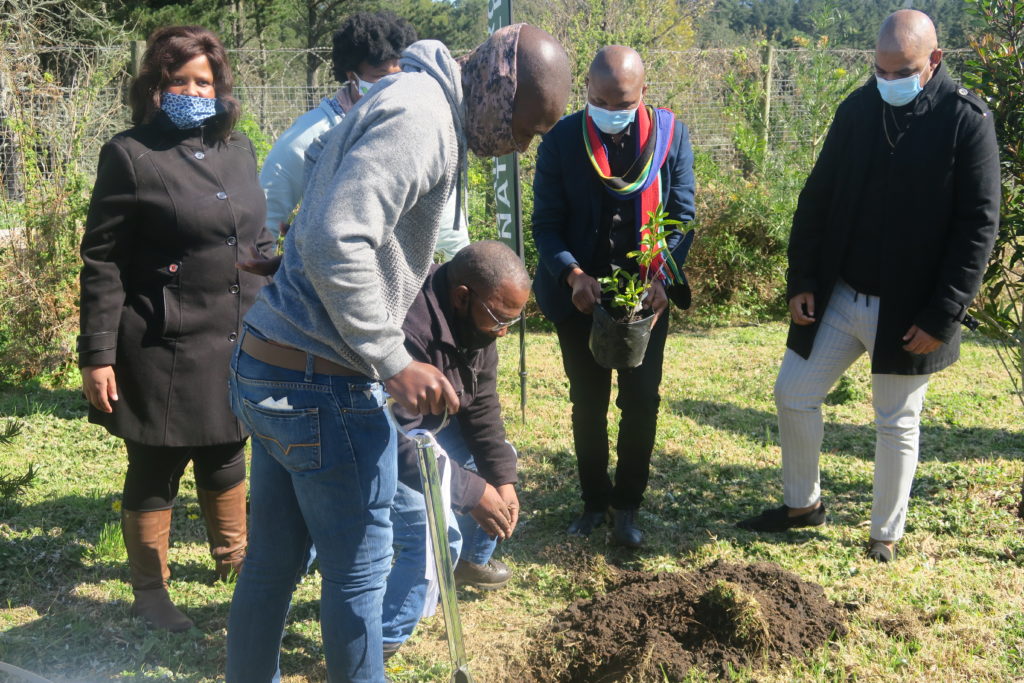
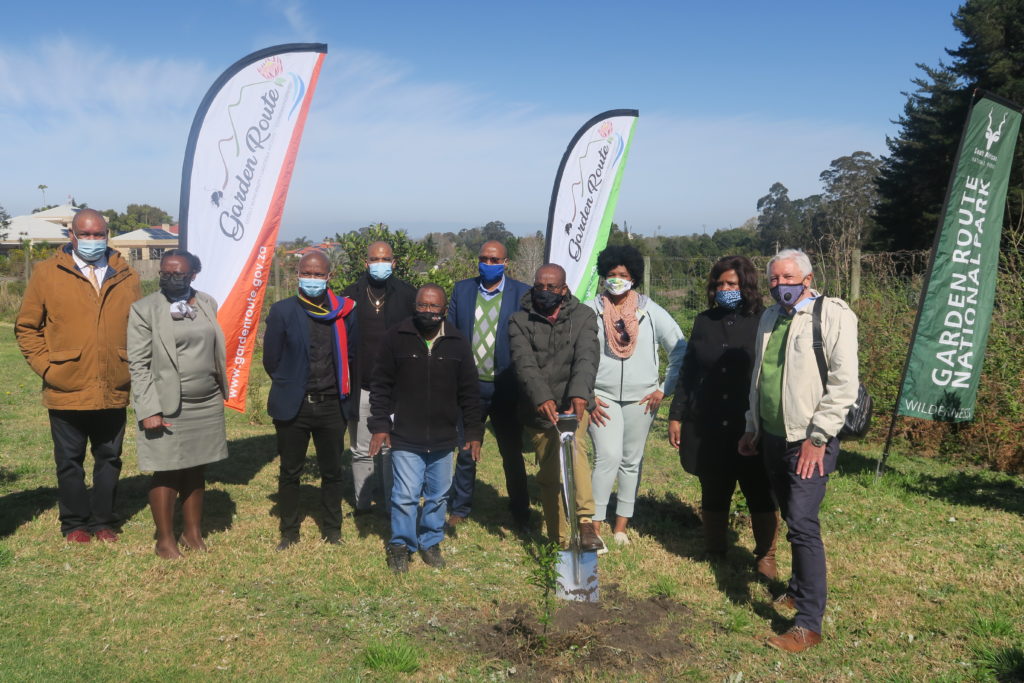
Ald. Leon van Wyk, Executive Mayor of George, extended a word of appreciation to all departments for their contributions. He further said: “We need to continuously look at initiatives to maintain the green within our Garden Route and to maintain the sustainability thereof”. After the formal programme, both Executive Mayors, Ald. Booysen and Alderman Van Wyk, along with the stakeholders present, planted a tree at the Garden Route Botanical Garden as a symbol of their commitment to mitigating climate change.
The event was organised by GRDM Disaster Risk Reduction & Climate Change Adaptation Practitioner, Dr Nina Viljoen, in collaboration with participating departments. The programme was directed by Corne Brink from the Garden Route Botanical Garden.
Qolweni sod-turning is the start of improved living conditions
Today, Western Cape Minister of Human Settlements, Tertuis Simmers conducted a sod-turning to officially launch the Qolweni 169 Phase 3A Project in the Plettenberg Bay community.
This project, which has a budget allocation of R 33,5 million excluding professional fees, was approved in October 2019. Construction of the 169 units had to commence in January 2021. Due to various challenges between the Bitou Municipality, the contractor appointed by them, and community dynamics, this could not occur.
After numerous community protests, the Bitou Municipality handed the project over to the Western Cape Department of Human Settlements (WCDoHS) on 18 June 2021. Regrettably, the WCDoHS could not immediately commence with the project, as the contractor that was appointed by the municipality threatened the Provincial Department with legal action and an interdict, should the WCDoHS start with the project.
Minister Simmers said: “Today’s sod-turning is an exciting moment for the people of Qolweni. Now the most vulnerable, particularly the elderly and those living with medically certified disabilities, will have an opportunity to live in improved and safer conditions. This is only the start of our commitment we made to the community in June when this project was handed over to us. The entire Plettenberg Bay can undoubtedly celebrate this joyous occasion.
I call on all stakeholders to ensure that there are no further hindrances or delays in this project. As the provincial and local sphere of government we’re working together and trust that the community will fully participate in this development. This is particularly important in the protection and safeguarding of the site and all materials. Since taking the project over, we’ve had regular and transparent engagements with all stakeholders. We therefore call for dialogue, should any issue for any reason arise.”
This project is expected to be concluded towards the end of 2022.
“As the Western Cape Government we remain committed to accelerating human settlement delivery, while promoting social inclusion through the development of integrated, safe, resilient and sustainable human settlements in an open society,” added Simmers.
Media Release: GRDM continues its efforts to collaboratively address Gender-Based Violence (GBV)
For immediate release 23 April 2021
Media Release: GRDM continues its efforts to collaboratively address Gender-Based Violence (GBV)
Stakeholders from various government departments, municipalities in the Garden Route district and community representatives, gathered as a collective in Mossel Bay on 20 April 2021 to continue to strategise and discuss methods to prevent GBV in the Garden Route.
The Gender-Based Violence (GBV) and Femicide Prevention Summit was the second of its kind to be hosted by the Garden Route District Municipality (GRDM) in collaboration with the South African Police Service (SAPS) and the Western Cape Department of Community Safety. The event’s primary purpose was to tackle the issues women and children are challenged with to claim and retain their rightful place in society. The aim of the event was thus for representatives to identify future actions to safeguard communities. These were done through four commissions. The entire room of attendees was split into four groups to discuss the following topics: Pro-Active and Preventative; Re-Active and Response; Rehabilitation and Re-integration and GBV in the context of Covid 19 lockdown.
The shortcomings in our communities identified by these groups were, among others, the lack of mentors and role models and moral values, access to services, to name a few. Some of the proposed actions identified include establishing victim support programmes, the empowerment of non-governmental organisations and non-profit organisations to drive awareness programmes relating to GBV. Furthermore, safe houses should be established in all local municipal areas of the Garden Route district. It was also proposed that government organisations such as the Department of Correctional Services should provide a 24/7 service to assist victims with domestic violence-related crimes.
During his welcoming address, GRDM Executive Mayor Ald. Memory Booysen said: “I tend to look at the big crimes when it comes to violence, the crimes SAPS are trying to resolve. But there are other issues; sometimes, men do not realise that they have abusive habits. For example, when a woman arrives at home after a day’s work and the partner/husband asks her to see what messages she had received during the day and from whom, or why are certain messages deleted from her cell phone – these are the type of abuse women are faced with”. Adding to this, he said: “Most of the times women are happy at work because being at work is a distraction from what is happening at home or what is waiting at home. When business close, they start to realise that they still need to go home to the monster waiting for them at home – these are the fears women have to deal with,” he said.
Deputy Director of Community Safety in the Western Cape, Justin Lottring, during the event, told the story about the broken femur syndrome by Margaret Mead, and with those words, he encouraged all participants to work together to change the world.
Advocate Leslie Morris, during the event, shared valuable advice with the men and women who were present at the event to prevent the issue of gender-based violence. and how complaints of GBV should be handled.
Major-General Oswald Reddy, Cluster Commander of the Eden Cluster Commander at the SAPS, explained the structures in place from national to local level, for the purpose to address the issue of gender-based violence.
Siphiwe Dladla, Chief of Staff in the Office of the Executive Mayor and co-driver of project, extended words of appreciation to all delegates and organisers of the second GBV Prevention Summit of GRDM.
Major-General Oswald Reddy, Eden Cluster Commander, provided a message of support to the initiative and explained the structure in place to defeat the issue of GBV. He said:” SAPS has worked on the GBV programme on a national level which is an integrated Sexually Offences and Gender-Based Violence Action Plan”. According to Reddy, a forum is further launched on the Provincial level with all clusters in the Western Cape Province. On the cluster level operations, he said: “We have appointed chairpersons for all streams working on issues of GBV, which is going to filter down to each police station. And during our next Community Police Forum (CPF) meeting, we will discuss how we get the CPF on board to take ownership of the plan so that their six focus areas can be given serious attention”.
Advocate Leslie Morris, a passionate lawyer who educates vulnerable victims of domestic violence, as well as assisting and educating them when they experience difficulties relating to their cases, referred to the reality of how crimes are classified according to categories. He made an example of a woman killed in a luxury hotel or upper-class area and how it is categorised differently from a woman being killed in an informal settlement.
He highlighted that no one is above the law, “whether you stay in an upmarket area or an in an informal settlement. When addressing the men in the room, he said: “We will never get rid of gender-based violence as long as we want to be seen as the superior of women – we need to understand and remember that all of us have equal rights and we are all equal before the law”.
According to Siphiwe Dladla, Chief of Staff in the Office of the Executive Mayor and co-driver of the project, all inputs and proposed actions by the various commissions will be circulated to all participants with the main aim that it be implemented by the relevant stakeholders in the various municipal areas (constituencies) of the district.
As the attendees left the event, the GRDM Council is optimistic that participants will remember and convey the messages of advice and hope to their respective community representatives and implement the proposed resolutions, because as Justin Lottring, Deputy Director: Community Safety in the Western Cape at the event said: “Never doubt that a small group of thoughtful, committed individuals can change the world. In fact, it’s the only thing that ever has”.
In the video:
Executive Mayor, Ald. Memory Booysen, sharing his thoughts while welcoming all representatives from government departments, municipal officials in the district and non-governmental organisations who acknowledged and attended the importance of the event.
Request for Assistance: Urgent appeal for breast milk donations
For Immediate Release
31 March 2021
A little breast milk can go a long way in improving the overall health of an infant whose mother may be unable to produce enough milk or is in isolation. The George Hospital’s milk bank has run out of donor milk and calls on breastfeeding mothers for their kind donations.
According to George Hospital Operational Manager at Ward B3 and B3 Neonatal Unit, Sr Allida Portland there is a constant need for breast milk donations as there is a possibility that a mother may need to go into isolation and her baby will have to be dependent on donor milk.
Image: Western Cape Department of Health
What is needed to become a donor?
You can become a breast milk donor if you are a healthy breastfeeding mother who are able to express enough milk. You will have to fill out the necessary paperwork and be willing to undergo a rapid HIV blood test.
Who will benefit from donor milk?
Babies weighing less than 1,5kg at birth; babies of mothers with limited breast milk as well as premature twins and triplets of mothers who are unable to meet their infants’ nutritional requirements.
Why is breast milk preferred over formula milk?
Breast milk is the best source of nutrition for infants as it improves their health; helps them to recover faster when ill; it ensures good growth and development; protects them against infections and prevents other health problems.
If you are interested in becoming a donor, please contact the hospital’s Neonatal Unit on 044 802 4577/ 4578.
Containers will be made available for mothers to express milk either at the hospital or in the comfort of their homes. Milk can be dropped off at the hospital or alternatively, contact the hospital’s Neonatal Unit for a driver to collect the milk.
Photo caption:
Young mother, Tamlin Scheepers seen with her son Luciano, who is currently in the Neonatal Intensive Care Unit. Luciano was born last month at 24 weeks old. He is one of the many babies who will benefit from donor milk as his mother struggles to produce enough milk.
END
Nadia Ferreira
Principal Communications Officer
Garden Route and Central Karoo Districts
Western Cape Government Health
Town Clinic,Plettenberg Bay
Tel: 076 379 5423
Email: Nadia.Ferreira@westerncape.gov.za
Website: www.westerncape.gov.za
Issued: Garden Route and Central Karoo Districts, Western Cape Government Health
Media Release: GRDM holds its 4th IDP, Budget and Performance Management System Representative Forum
Immediate release
3 December 2020
Last week on 24 November 2020, the fourth Garden Route District Integrated Development Planning, Budget and Performance Management Systems Representative Forum took place, since Council took office in 2015. The event took the form of a webinar as a result of the rapid increase in Covid-19 active cases in the region.
The purpose of this event was for all municipalities in the Garden Route District to provide an overview, scope, services delivered and challenges relating to planned capital projects and services to be rendered by the respective municipalities to their communities. The municipalities also provided status quo assessments and reflected on their 2019/2020 Annual Performance. They furthermore had to indicate what support they require to ensure that service delivery in their respective municipal areas can indeed take place.
The event was opened by Councillor Rowan Spies, Portfolio Chairperson for Roads and Transport Services at Garden Route District Municipality (GRDM) who welcomed all participants to the webinar including: Mayors, Deputy Mayors from B-municipalities and Councillors, as well as Sector Department representatives. He also reminded participants that they remain part of this winning plan during these times.
Mr Monde Stratu, the GRDM Municipal Manager, during his address cautioned participants and the public to take extra care during this time as the Garden Route experience a resurgence of the Covid-19 pandemic. With reference to the event and its purpose, he emphasised the concept of public participation and said that the forum forms a structural link between municipalities and the public by informing the interest groups of relevant planning activities and outcomes. “It is also a platform for analysing integrated issues affecting various sectors to determine priorities, strategies, projects and programmes and to identify budgets,” Stratu said.
Executive Mayor, Alderman Booysen, together with Speaker Barnie Groenewald (left) and Deputy Executive Deputy Mayor, Alderlady Rosina Ruiters (2nd left) on 14 October 2020, hand over products and essentials to SMMEs of the Garden Route, as part of the SMME Development Programme of the GRDM.
Executive Mayor of GRDM, Alderman Memory Booysen, during his address, spoke about the district’s 2019/2020 plans and projects. He also gave an overview and shared the highlights of the 2019/2020 Annual Performance Report, as well as the current status of projects that are already underway. He referred to the vision of the municipality and said that the municipality uses its vision to directly take the lead and support and/or enable B-municipalities in terms of their needs in the form of partnerships. He concluded by saying that it also provides the projection for the municipality while ensuring that residents of the district have a high quality of life and that there are equal opportunities for all. He further stated that by achieving this, the municipality proves that it works hand-in-hand with B-municipalities of the district. The current focus is on the following programmes including: community safety programmes, food security, potential district food bank that are under currently discussions, as well as programme that focuses on the priority of the health of the residents. By ensuring inclusiveness in the roll-out of projects, he stated that the GRDM has good working relations with the Western Cape Government and National Government Departments.
Mayor Booysen, during his address, said that GRDM is training the youth of the GRDM, through Apprenticeship, Learnerships and Bursary programmes, so that the District has the relevant skills in the area.
Mayor Booysen also mentioned the influx of residents of the Eastern Cape to the Western Cape, hence the increase in the population of the Garden Route, according to the projections,” he said. With job losses being a big concern, when referring to the 15,6 % unemployment rate of the region’s citizens, he said that the youth are being the hardest hit by unemployment.
In further highlighting the achievements of the GRDM, which include the Garden Route being one of best film destinations, Alderman Booysen said: “The GRDM have contributed R200 000 to make sure that we deal with the basics of the film industry”. He further highlighted that the district has one of the biggest Roads Services Departments of the Western Cape; therefore construction plays a major role in terms of the vastness of the Garden Route district.
While sharing possible solutions for job losses and unemployment, he said: “To be able to create jobs, we need to deal with infrastructure projects that have the potential to create jobs and put food on the table. “District projects include the roofing of the municipality’s resort (Calitzdorp Spa Resort), the Regional Landfill Facility project, although discussions are still ongoing, etc” he said. Mayor Booysen further confirmed that more than R10 million have been spent on projects such as Law Enforcement; assistance with Early Childhood Development to help get children to get off the street; and Expanded Public Works Programmes, e.g. disinfecting of public areas in light of the Covid-19 pandemic. The Drivers Licence Programme was also mentioned; however he raised his concern relating to some learners who dropped out of the programme, even though the municipality carries all the costs relating to the programme. He therefore encouraged the youth that are enrolled to these programmes to make a success of the opportunities and put all their energy into it.
Programmes such as the Cater Care Programme to train the youth to fill up spaces in the Hospitality Industry, the Small Medium and Micro Enterprises (SMME) Programme which the municipality invested R500 000 towards identifying and assisting struggling SMMEs in the area, were also highlighted. In conclusion he said, that communication with all stakeholders during the pandemic is open and the municipality encourages members of the public, businesses and stakeholders to use these platforms to communicate their experiences, “advise us, so that we can tap into other resources to ensure that the Garden Route is open for business”. Mayor Booysen further acknowledged that none of the projects can be implemented without the support of stakeholders. ”If we all do what is expected from us, then we will definitely change the livelihoods of the people of the Garden Route.
Mayor Booysen further referred to the Illegal Dumping Project which is currently rolled out in George with the rest to all the areas to follow. “With this, we are extending the hand of the local municipalities to change people’s lives.” Mayor Booysen further admitted that approximately R32 million would be needed to assist all towns, but the GRDM is starting on a small scale by reaching out to George. One of the most ground-breaking projects that are currently under discussions, according to Mayor Booysen, is a level-1 housing accreditation which the municipality applied for. He admits that there is a shortage of middle income housing “and with our available land we want local municipalities to work hand-in-hand with us to provide middle income housing to residence of the area”. Student accommodation is also under discussion,” he said. Learnerships, internships and apprenticeships are rolled out to which Alderman Booysen added that with these programmes the GRDM is training the youth of thr district to be ready for when opportunity knocks on our doors and so that we have the relevant skills in our area. “We can only achieve all of this, if we work together, share information, we assist each other, partner with Non-Governmental and Faith Based Organisations, as well as partners at provincial and national level to make sure that whatever we do, we put the lives of our people first,”. Mayor Booysen concluded.
Most presentations made by local municipalities, revolved around concerns relating to businesses that closed down in their respective municipal areas and as a result thereof, many people were retrenched or lost their jobs or earn reduced wages. Municipal revenue collection was also negatively impacted by the national lockdown and drought still poses a threat to water security in the Klein Karoo and Kannaland municipal areas, to name a few.
Hospitals or 24/7 health facilities, high schools and primary schools, old age homes and rehabilitation centres, were amongst the critical support needed by municipalities as presented by municipal officials. Assistance with land for agriculture purposes and assistance to small farmers, as well as vegetable gardens were also made mentioned of. With the ongoing crime in the district, some municipalities also indicated their need for satellite police stations to increase police visibility and improved services. With the new normal as a result of the Covid-19 pandemic, the less fortunate are still the most vulnerable because it demands fibre connectivity and mostly the vulnerable can’t afford data and are unable to work from home.
Municipalities now rely on and anticipate that large infrastructure projects will turn the district economy around. Various projects have already commenced with others in the pipeline and in progress. More information regarding these identified projects can be viewed on the GRDM website.
Support by Sector Departments has also been presented by representatives at the Forum. These departments include: the Western Cape Government Department of Agriculture, Western Cape Government Department of Community Safety, Western Cape Government Department of Economic Development and Tourism, Western Cape Government Department of Environmental Affairs & Development Planning, Western Cape Government Department of Health and the Western Cape Government Department of Human Settlements. National Departments Water and Sanitation and ESKOM also presented their projects and plans for the Garden Route. Detailed information about these projects is also available on the municipality’s website.
The event was successfully directed by the Executive Manager for Planning and Economic Development, Mr Lusanda Menze, and organised by the IDP and Public Participation team of GRDM.

 Media Release: Healthcare support for teenage pregnancies