Skip to content Skip to left sidebar Skip to footer

Disaster Management

4 August 2020 Media Release: How Red Dot Transport operates in the Garden Route

Media Release: How Red Dot Transport operates in the Garden Route

For immediate release
04 August 2020

The Western Cape Department of Transport and Public Works is responsible for the implementation and monitoring of a critical transport service during the COVID-19 pandemic to those making use of isolation and quarantine facilities.

If a person does not have a safe or adequate space to isolate and quarantine at, a Red Dot Taxi will be used to escort the patient safely to and from one of the regional facilities. The Western Cape Department of Health earlier this year appointed Umanyano Travel Services to provide the service.

Each vehicle is fitted with a protective screen between the driver and passengers, a tracker to monitor performance and the recognisable Red Dot Taxi sticker to make them easily identifiable for their intended passengers. To ensure that passengers stay and feel safe during their trips, drivers/operators, during and after trips, follow strict safety and hygiene protocols. This includes proper cleaning and the sanitisation of vehicles, the use of cloth masks and appropriate protective gear.

The service can only be arranged through public health facilities in the Western Cape, whereby a clinician (doctor or nurse), will request for a person to be transported.

Also read: https://www.westerncape.gov.za/news/red-dot-transports-12-000-healthcare-workers

iStock.com/piyaset

13 July 2020 Media Release: Understanding drought, the frequency of it, vulnerability and how the Garden Route as a region can adapt to become more resilient

Media Release: Understanding drought, the frequency of it, vulnerability and how the Garden Route as a region can adapt to become more resilient

For Immediate Release
13 July 2020

Drought can be defined as a climatic event originating from a deficiency of precipitation over an extended period of time, usually a season or more. This deficiency results in a water shortage within agricultural, urban and environmental settings. From 2009-2020, municipalities located within the Garden Route Municipality’s (GRDM) jurisdiction experienced drought episodes of varying degrees, ranging from moderate to severe and extreme meteorological droughts. Diminished rainfall during these drought episodes results in numerous lagged, “knock-on” consequences to ground and surface water resources, that translates into critically low urban water supplies in the Garden Route district. These hydrological drought conditions also generate additional effects and necessitated significant emergency responses over the last 11 year period in the Garden Route district.

The Western Cape has been identified as particularly vulnerable to climate change, because of its coastal location and the influence of rising sea temperatures on the weather patterns in the adjacent region. Prediction is that by 2050, the rainfall in the Western Cape is likely to decrease by 30% relative to current figures. The drought in the Garden Route district is consistent with long-term climate change projections for the area.

It is predicted by scientists that there will definitely be an average increase in temperatures within the district, having serious implications for soil moisture and the agricultural sector. A reduction in winter rainfall, with changes in the timing and intensity of the rainfall, is also predicted, thereby contributing to extended periods of drought with intermittent flooding events in between.

Climate variability and changing weather conditions are key risk drivers when it comes to drought vulnerability within the Garden Route district.

Consistent with prevailing studies on drought and water scarcity, the vulnerability within the Garden Route district is also amplified by interacting risk drivers that progressively escalated the risk of a wide-spread water shortage. These risk drivers include population growth and unprecedented urban development within the district, which results in greatly increased water consumption, both in agriculture and in the rapidly growing coastal towns. A lack of resilient and adaptive drought risk management planning within development zones further exacerbates the areas vulnerability to drought.

The focus of the GRDM to address the disastrous impacts of drought events within the district, has been to connect with climate change science and to facilitate the “climate-proofing” of water services within the district, so that the rights of all to reliable, safe, sufficient, affordable water is not compromised by the impacts of climate change, and that alternative strategies for providing water services do not in themselves contribute further to global warming. This however needs to be a collaborative focus by different stakeholders within the sector. Through adaptive responses and actions to drought impacts, municipalities have the power to provide resilient responses to ensure water security and sustainability for the district within the face of climatic unpredictability.

Responses such as rigorous water demand management, a systematic investment in water infrastructure and technical capacity is essential to manage the district’s water supplies sustainably. Alternative and new water resource options need to be investigated to ensure the integrity of the water system, such as the use of groundwater, the re-use of effluent and the desalination of seawater. Groundwater potential also exists in most of the district, and its conjunctive use with other supply sources and infrastructure should be investigated. Volumes can be obtained on a sustainable basis through more adaptive management actions such as resource directed measures where it is most needed. Desalination is also an important supply intervention, as decreasing costs could result in desalination being implemented prior to some of the conventional water resource schemes. Desalination can be an efficient method to cater for prolonged drought emergencies, a stronger trend in climate change and rapid growth scenarios. The clearing of invasive alien plants from riparian buffer zones is also a key mechanism for managing this risk, as it helps to restore base-flows that are otherwise used by invasive alien plants.

Due to the more erratic rainfall patterns experienced and forecasted due to climate change, a more holistic view is needed in the district, with a balance of different sources to cope with extremities.  The focus need to shift towards the careful management and optimisation of existing use. Planning and preparedness needs to take a more general flexible form. There is room for the local municipalities within the district to tackle specific issues their own way, allowing for more flexibility, with appropriate responses for the different local contexts. The Garden Route district would therefore like to encourage its local municipalities to ensure that their municipal disaster risk assessments incorporate considerations of their specific urban water scarcity levels and drought risks and their patterns in population growth and urban development, and to implement strong water conservation and demand management programmes, and more adaptive and resilient interventions.

By being resilient, it means that the municipality has the capacity to cope with future change and surprises, without changing in undesirable ways. Resilient interventions are defined by actions that support and regulate life support systems, as well as in providing the adaptive basis for coping with gradual and sudden change.  Through adopting a resilience perspective, we can produce new knowledge which is fundamental to manage the capacity of water systems to cope, adapt and shape change.

By adopting a more resilience approach to drought, vulnerability within the district can be minimized through a reduced exposure to stresses, as well as a reduction in social-ecological sensitivities through sustaining ecosystem services and human well-being in vulnerable areas. Through adopting this approach, a management approach focusing on proactive strategies – able to adapt to change, can be achieved, thereby averting or ameliorating the impacts of drought disasters within the district.

ENDS

Issued by the Disaster Management Unit, Garden Route District Municipality
Media queries: Herman Pieters, communications@gardenroute.gov.za

13 July 2020 Severe Weather Warnings – Storm Surges, High Seas & Damaging Winds

The Cape Town Weather Office has issued the following severe weather warnings:

HAZARD (1): Storm surges

Alert Level: Warning

Valid From (SAST): 13/07/20 06h00

Valid To (SAST): 14/07/20 00h00

Expected between Cape Columbine and Plettenberg Bay today, persisting into Tuesday morning east of Cape Agulhas (13-14/07/2020).

HAZARD (2): High Seas

Alert Level: Warning

Valid From (SAST): 13/07/20 06h00

Valid To (SAST): 14/07/20 00h00

High to very high seas with wave heights between 6-9m is expected between Lambert’s Bay and Plettenberg Bay from today through to Tuesday afternoon, but very high wave heights between 9-13m between Slangkop and Plettenberg Bay (13-14/07/2020).

HAZARD (3): Damaging Winds

Alert Level: Warning

Valid From (SAST): 12/07/20 12h00

Valid To (SAST): 13/07/20 17h00

WARNING: Gale to strong gale force north-westerly to westerly winds (65-100km/h) are expected between Cape Columbine and Cape Agulhas, spreading to Plettenberg Bay, while (65-75km/h) over the entire Western Cape today (12-13/07/2020).

DESCRIPTION: Snow

Snow is precipitation in the form of flakes of crystalline water ice that fall from clouds. Since snow is composed of small ice particles, it is a granular material.

PRECAUTIONS: Snow

If driving, decrease your speed and leave yourself plenty of room to stop, you should allow at least three times more space than usual between you and the car in front of you. Brake gently to avoid skidding. If your wheels start to lock up, ease off the brake. Even at temperatures above freezing, if the conditions are wet, you might encounter ice in shady areas or on exposed roadways like bridges. Listen to the radio or TV for warnings and obey the instructions from disaster management officers.

DESCRIPTION: Storm surges

Generally storm surges are a result of strong winds blowing over a large area called a fetch combined with low pressure systems. Dangerous waves or surges may also be caused by storms and/or tsunami’s resulting in widespread coastal damage and loss of life.

PRECAUTIONS: Storm surges

All recreational beach activities should be suspended. People with beach side properties should be aware of the possibility of being flooded by a rise in sea level and wave surges that could cause damage to their property.

If possible relocate valuable assets to higher ground and be vigilant especially during high tide. If the surge is associated with a Spring High Tide then significant inundation is possible and one should be aware of the times of occurrence of the High tide. Listen to the radio or TV for warnings and obey the instructions from disaster management officers.

DESCRIPTION: Storm surges / High Seas

Generally heavy seas or damaging waves are a result of strong winds blowing over a large area called a fetch combined with low pressure systems. Long period swells are often very dangerous to tankers as they may literally snap them in half. Dangerous waves or surges may also be caused by storm surges and tsunami’s resulting in widespread coastal damage and loss of life. In oceanography, a sea state is the general condition of the free surface on a large body of water—with respect to wind waves and swell—at a certain location and moment. A sea state is characterized by statistics, including the wave height, period, and power spectrum. The sea state varies with time, as the wind conditions or swell conditions change.

PRECAUTIONS: Storm surges / High Seas

Ships should “idle” into the swell and wind so that the bow of the ship always faces the oncoming swell. If in a small sailing vessel reduce the sail area and steer into the oncoming swell. If along the shore-line stay well back from the highest high water mark as Secure all hatches, doors, windows and ports. Secure all loose items in the interior.

Pump the bilge’s dry and keep pumping them dry at regular intervals. Stow away all loose gear and lash down any large items that cannot be stowed. Break out your life preservers and inform your crew that everyone will be putting them on well in advance of their necessity.

Break out emergency gear like flares and first aid kit, sea anchor, safety harnesses, etc.

Check your position and update your course as plotted on your chart. Prepare alternative routes to more protected areas. If you think you will be in for relatively long haul prepare some hot soup, coffee or stew freak waves may run up beyond the normal high water mark.

If the sea recedes exposing rock and sea bed normally not exposed immediately seek higher ground at least 50m above your current position. Do not try swimming or fishing or other marine recreation during these events. Only extremely experienced surfers will temp their fate under these conditions.

Listen to the radio or TV for warnings and obey the instructions from disaster management officers.

To report any severe weather related incidents, contact:

Garden Route District Disaster Management Centre at 044-805 5071.

10 July 2020 Severe Weather Alert: Damaging Winds

The Cape Town Weather Office has issued the following severe weather alerts.

Hazard: Damaging Winds

Alert level: Warning

Valid From (SAST): 10/07/20 01h00

Valid To (SAST): 11/07/20 18h00

  1. Strong interior westerly to north-westerly winds (50-62km/h) are expected over the Namakwa District (N.Cape) as well as the Central Karoo (W.Cape) today.
  2. Gale to strong gale force south-westerly winds (70-100km/h) along the coastal areas between Lambert’s Bay and Plettenberg Bay on Saturday (11/07/2020) morning, moderating by the afternoon.

DESCRIPTION: STRONG DAMAGING WINDS

Strong damaging winds often occur along coastal regions, but also often occur during thunderstorm activity. These winds are sudden and can cause much damage.

PRECAUTIONS: STRONG DAMAGING WINDS

Stay indoors where possible away from the windows that open towards the severe winds. Be aware of the following: – sudden cross winds if traveling especially between buildings, fallen trees or power lines and flying debris.

Small boats must stay away from the open sea and seek the shelter of a harbour, river estuary or protected bay.

Parked aircraft should be pointed into the direction of the wind and secured Listen to the radio or TV for warnings and obey the instructions from disaster management officers.

DESCRIPTION: SNOW

Snow is precipitation in the form of flakes of crystalline water ice that fall from clouds. Since snow is composed of small ice particles, it is a granular material.

PRECAUTION: SNOW

If driving decrease your speed and leave yourself plenty of room to stop, you should allow at least three times more space than usual between you and the car in front of you. Brake gently to avoid skidding. If your wheels start to lock up, ease off the brake. Even at temperatures above freezing, if the conditions are wet, you might encounter ice in shady areas or on exposed roadways like bridges. Listen to the radio or TV for warnings and obey the instructions from disaster management officers.

DESCRIPTION: FLOODING / HEAVY RAIN

Flooding occurs when water overflows its normal channels such as streams and storm water drains. It can occur with prolonged period of rain, with continuous heavy falls or in the form of flash floods which are usually associated with severe thunderstorms. Heavy rain may also result in river flooding causing damage downstream to areas that may receive no rainfall at all during the flooding event.

PRECAUTIONS: FLOODING / HEAVY RAIN

If possible stay indoors and off the roads, avoid crossing rivers and swollen streams where water is above your ankles. If trapped in flooding in a vehicle, abandon it and climb to higher ground. In buildings, move valuables to a safe place above the expected flood level. Switch off electricity at the supply point to the building. In rural areas protect/relocate animals to a safe place on higher ground. Abandon your home immediately if evacuation is recommended, before access is cut off by flood water. NEVER drive on a road covered by water. You do not know how deep it is or if the road has been washed away. If the vehicle stalls, leave it immediately and seek higher ground. Be especially cautious at night when it’s harder to recognize flood dangers. Listen to the radio or TV for warnings and obey the instructions from disaster management officers.

Contact the Garden Route Disaster Management Centre at 044-805 5071 to report any severe weather related incidents.

9 July 2020 Media Release: Essential workers from GRDM continue to do their best to prevent the spread of COVID-19

Media Release: Essential workers from GRDM continue to do their best to prevent the spread of COVID-19

For immediate release
9 July 2020

During the past weekend (3-5 July 2020) essential workers from Garden Route District Municipality (GRDM) continued with their schedule to disinfect areas in George in their endeavour to reduce the risk of the transmission of the COVID-19 Coronavirus in the district.

The latest charts issued by the Western Cape Department of Health, illustrating the hotspots identified in the George area.

Fourteen (14) Environmental Health Practitioners and 12 Firefighters from GRDM accompanied by Municipality’s Portfolio Chairperson for Community Services, Cllr Khayalethu Lose, with the assistance of the South African Police Services, formed part of the operation.  The disinfection took place at areas located in Thembalethu, Pacaltsdorp, Lawaaikamp and Maraiskamp, with the focus on reaching the emerging hotspots in George.  Routine visits to those in self-quarantine or self-isolation at their private residences also formed part of the operation. This is done to ensure that members of the public adhere to the regulated COVID-19 protocols and for team to continue with contact tracing. It is also welcomed by patients because a time in isolation or quarantine can be lonely.

The Garden Route District Municipal team disinfecting various areas in George.

In the Thembalethu area, the Shopping Square, 30 taxis and the garage area were disinfected, as well as the inside of shops and business premises. According to GRDM Station Officer: Fire & Safety Training, Mr Deon Stoffels, who supervises the operations, these businesses include: barbers, hair salons, timber shops and car spares shops. “The operation continued in Pacaltsdorp with the outside of the food retail stores and all other places where many feet pass through,” he said. In the Rosemoor residential area, all main shops and four spaza shops in Protea Park were also disinfected.The operation continued in Pacaltsdorp with the outside of Spar, the Mingo Camp and all main shops that were disinfected,” he said. In the Rosemoor residential area, all main shops and four spaza shops in Protea Park were also disinfected.

As part of the programme, bottles of disinfectant, hand sanitisers and soap are handed over to the owners and/or representatives of the respective public areas, as well as patients/contacts at private residences to ensure they and the environment they live in, are kept hygienic and safe.

According to Mr Johan Compion, Manager for Municipal Health and Environmental Services at GRDM, visits to disinfect these spots were not randomly done. He explained: “These areas were identified as hotspots or to reach patients who have tested positive for COVID-19”.  Compion further said:  “During our visits to especially the private residences, 3.77% of these were non-compliant, but we issued notices of warning to all who did not comply to the regulations that were put in place by the Western Cape Department of Health”.

“As part of the continued programme, we plan to visit and disinfect more areas in the Garden Route,” Mr Clive Africa, GRDM Executive Manager for Community Services, said.  He concluded and confirmed that areas in Mossel Bay and Knysna will be the next areas where similar exercises will be conducted in the upcoming weeks.

[ENDS]

16 June 2020 PRESS STATEMENT: First Positive Covid-19 case at Garden Route District Municipality and Temporary Closure of Head-Office

For Immediate Release 

16 June 2020

From Wednesday, 17 June 2020, the Head-Office of the Garden Route District Municipality (GRDM) in George will be temporary closed, due to an employee who tested positive for Covid-19.

Executive Mayor of GRDM, Cllr Memory Booysen, when confirming the first Covid-19 positive case of the municipality, said:  “Although the person was working from home and had less interaction with colleagues, the employee occasionally came to our offices and it is our duty as a municipality to follow all related protocols. We immediately took the necessary precautions and are implementing all measures such as closing the building, disinfecting, fogging, etc. to ensure the safety of the rest of the GRDM employees”.

Officials disinfecting the Head-Office of Garden Route District Municipality.

All GRDM satellite offices in the district will continue with normal working operations; however the Head-Office will be closed despite the District Command Centre that is stationed at the Head-Office being the centre point to coordinate Covid-19 related activities in the district.  The temporary closure of the building will therefore allow the municipality to take the necessary precautions related to the Covid-19 protocols.

The person is already in isolation and the process to trace all persons who were in contact with the employee, is underway.   All processes will be conducted in collaboration with the Western Cape Department of Health.  Mayor Booysen concluded by extending a word of appreciation on behalf of Council and Management to the employee, who immediately informed management of the test results. He wished the employee a speedy recovery and also wished all those who might have been in contact with the employee well, during this time.

The Strategic Manager in the Office of the Municipal Manager, Mr Thembani Loliwe, confirmed that the office will reopen on Monday, 22 June 2020 and he further stated that no person will be allowed into the office, including officials and members of the public until the reopening of the building. “We therefore encourage all staff and members of the public to be patient with us while we put these measures in place and ensuring a safe working environment for our employees”.

As we enter the peak period of the pandemic, every person will be at risk of contracting the virus, therefore it is important that we adhere to all principles to prevent the spread of the virus. Stay at home, if you can work from home. Make sure that you keep a 1.5 meter distance between yourself and the next person, wear a clean cloth mask when you have to go out, wash your hands often and avoid touching your face. If you feel sick also stay at home and seek urgent medical care when experiencing difficulty breathing.

For more information, contact:

Mr Thembani Loliwe,

Strategic Manager in the Office of the Municipal Manager

Tel: 067 038 7668 / E-mail: thembani@gardenroute.gov.za


-ENDS-

15 June 2020 DSD donates essential food items to homeless shelters in the Garden Route district

For Immediate Release
15 June 2020

On Wednesday, 10 June 2020, the Disaster Management Centre of Garden Route District Municipality (GRDM) collected food items from the Western Cape Department of Social Development (DSD) in Cape Town to assist shelters situated in all municipal areas with food relief.

Essential food items donated by the Western Cape Department of Social Development on 10 June 2020 to provide food relief to the homeless of the Garden Route district.

Mr Gerhard Otto, Manager of Disaster Management at GRDM, applied for food relief with a list of specified items on 4 June 2020, after sending a request for assistance to the DSD. The request was approved on 8 June 2020. This assistance came at a crucial time after Oudtshoorn and Bitou municipalities shortly before Otto’s request, indicated the need for essential food items at their respective shelters for homeless people. Itemba in Oudtshoorn accommodates 18 homeless, while Native Roots, situated in Plettenberg Bay, accommodates 40 persons.  Homeless persons are not only accommodated at these shelters, but are also cared for during the COVID-19 pandemic and kept safe and healthy during this unprecedented time.

Preparation of the food will be done at kitchens approved by the GRDM Municipal Health Services section. The kitchens will be well-managed by non-governmental and faith based organisations in the respective municipal areas. Soup kitchens supported by the respective municipalities will also benefit from this donation. The items approved and donated by DSD, include: porridge, beef and chicken soup, juice, pasta, mince, chicken casserole, maize meal and pilchards.

Executive Mayor of GRDM, Cllr Memory Booysen, welcomed the donation and extended a word of gratitude to DSD for assisting the Garden Route district with essential food items. Mayor Booysen said: “This donation from the DSD is confirmation of our good working relations with provincial departments.  It is important that we continue with our efforts to explore any possibility to safeguard the lives and livelihoods of our residents, most importantly the most vulnerable – this donation is a result thereof”.

ENDS

8 June 2020 Severe Weather Alerts (Strong Winds & Veld Fire Conditions)

The Cape Town Weather Office has issued the following severe weather alerts:

HAZARD 1: Veld Fire Conditions
Alert Level: Warning
Valid From (SAST): 08/06/20 08h00
Valid To (SAST): 08/06/20 18h00

Expected over the Central Karoo, Garden Route and the northern part of Cape Winelands (W.Cape) tomorrow (08/06/2020).

HAZARD 2: Damaging Winds
Alert Level: Advisory
Valid From (SAST): 09/06/20 00h00
Valid To (SAST): 11/06/20 00h00

Strong interior winds (50 to 70km/h) are expected over the Cape Winelands, Central Karoo and the Garden Route municipalities (W.Cape) on Tuesday (09/06/2020).

DESCRIPTION: Strong damaging winds
Strong damaging winds often occur along coastal regions, but also often occur during thunderstorm activity. These winds are sudden and can cause much damage.

PRECAUTIONS: Strong damaging winds
Stay indoors where possible away from the windows that open towards the severe winds. Be aware of the following: – sudden cross winds if traveling especially between buildings, fallen trees or power lines and flying debris.
Small boats must stay away from the open sea and seek the shelter of a harbour, river estuary or protected bay.
Parked aircraft should be pointed into the direction of the wind and secured Listen to the radio or TV for warnings and obey the instructions from disaster management officers.

DESCRIPTION: Dangerous veld/bush fire conditions
Whenever there are prolonged periods of little and no rain coupled with warm dry winds, veldt or bush fires can easily be sparked and will spread rapidly in strong winds.

PRECAUTIONS: Dangerous veld/bush fire conditions
Don’t make fires in the open and/or leave fires unattended. Don’t throw cigarette butts out of cars or in the open veldt. Don’t throw bottles in the veldt as they can magnify the sun’s rays and start fires. Prepare and maintain fire breaks in controlled manner. In the case of a large fire report it immediately and move away from the area to let the professionals deal with it. Never throw water onto a fire started by an electrical fault or fires started by oil or paraffin lamps. In this case sand or a blanket should be used to smother the fire. Listen to the radio or TV for warnings and obey the instructions from disaster management officers.

26 May 2020 Media Release: Ecological grief sets in as the lockdown highlights the looming plight of greater humanity – the destruction of our environment

Media Release: Ecological grief sets in as the lockdown highlights the looming plight of greater humanity – the destruction of our environment

For Immediate Release
26 May 2020

“In an ongoing series of debates with experts in various fields, the Garden Route Environmental Forum (GREF) seeks to highlight aspects related to COVID-19 demands on humanity, and that which is unfolding as climate change steadily brings about corresponding and irreversible changes with daunting challenges,” says Cobus Meiring of the GREF Secretariat.

The matter of the fairly new concept of ecological grief and human behaviour, which was instigated by COVID-19, highlights the looming plight of greater humanity: the destruction of our environment.

According to Hanna Kotze, an organisational culture consultant and clinical social worker, climate change brings an unknown threat to normality in terms of how humans will experience the environment, and it will do so in many respects that are more often than not difficult to comprehend or even believe. In as much as the Coronavirus (COVID-19) is invisible, but the threat is very real and present, so is climate change, and humanity sense the danger, which in turn brings about a constant anxiety.

Says Kotze, “Ecological grief is a relatively new term for the subconscious but the concept embraces the collective grief humanity experiences when witnessing and experiencing loss of biodiversity and the destruction of the natural environment.”

“Natural disasters with their roots in climate change, such as the recent Knysna wildfire disaster, catastrophic drought in South Africa, Hurricane Katrina in the USA, wildfires in Australia and Europe, and the Idai tropical cyclone in Mozambique are all examples where humanity suffers from ecological grief, which no doubt impacts on the emotional well-being of nations affected,” explains Kotze.

“Many of us may feel paralysed by panic over climate change and overwhelmed by the pace and scale of ecological losses. Mourning nature does a great service by giving a name to this grief, setting us all within a community of others who mourn alongside us, and by guiding us to respond not with despair but with hope and courage”.

“Hopefully, the advent of COVID-19 will have the right kind of response in how we ensure a more sustainable future in South Africa and the world, and planning for what is to come will go a long way in ensuring just that,” concludes Kotze.

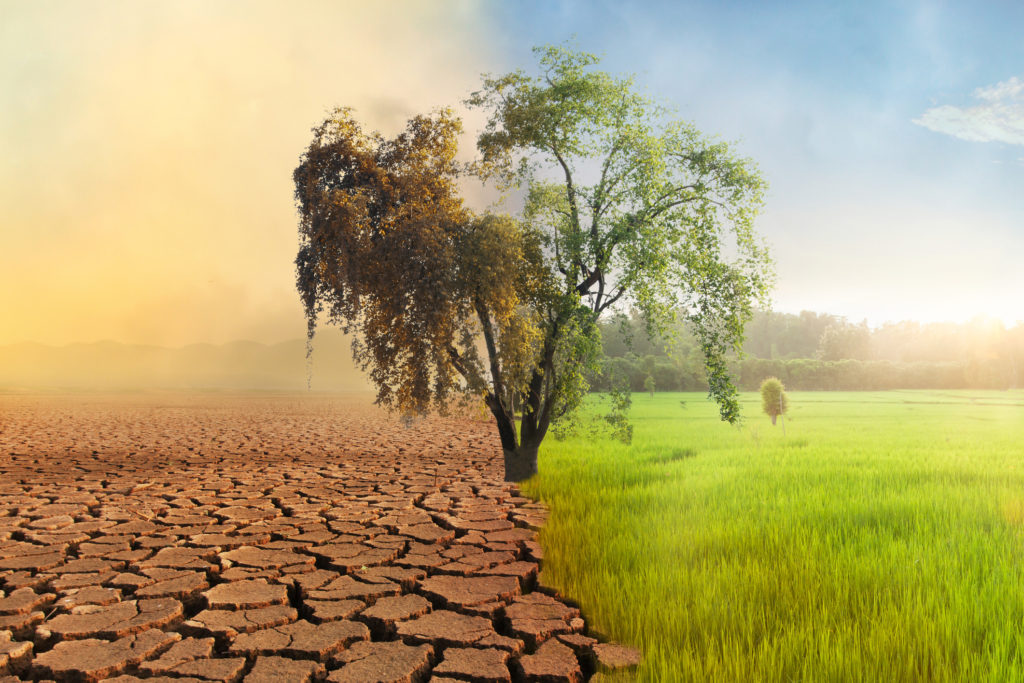
Humanity feels overwhelmed by the sheer destruction of our environment brought about by increasingly devastating natural disasters with their roots in a changing climate. (Photo: SCLI)

The Garden Route Environmental Forum (GREF) is a public platform for environmental management entities in the Southern Cape, and a regional think tank on climate change mitigation and adaption.

MEDIA ENQUIRIES

Cobus Meiring: Chair of the Garden Route Environmental Forum Secretariat

Cell: 083 626 7619

Email: cobus@naturalbridge.co.za


Hanna Kotze: Organisational Culture Consultant, Clinical Social Worker and Trauma Counselling

Mobile Number: 084 341 0059

Email Address: hanna@hannakotze.co.za