
07 October 2026 Media Statement: Protecting Public Health Through Safe Food Handling
Media Statement: Protecting Public Health Through Safe Food Handling
7 October 2026
The spaza shop business sector within the Garden Route District has grown significantly in recent years. With this in mind, it becomes more important by the day to ensure that compliance remains in place at every formal and informal food trader, no matter how big or small.
The Environmental Health Practitioners (EHPs) throughout the country have noted that, specifically spaza shop owners, have developed enterprising methods of supplying and selling food products to the general public at reduced prices. The GRDM recognises the important role that spaza shops play in communities by making everyday food products accessible and affordable.
“We understand that many consumers have limited household budgets and that selling smaller quantities can help families purchase only what they can afford. However, some methods used to repackage or divide food products are not permitted under national food safety legislation because they may create a risk of contamination,” said Johan Compion, Senior Manager: Municipal Health, Waste Management and Air Quality.
To assist spaza shop owners with compliance and ultimately protect consumers of the food products available at these premises, the following important tips are presented in order to comply with relevant legislation in terms of Regulation 638; Regulations Governing General Hygiene Requirements for Food Premises, the Transport of Food and Related Matters (promulgated under the Foodstuffs, Cosmetics and Disinfectants Act, Act 54 of 1972):
Please refrain from the following practices when handling food products in your shop because this is against national Regulations and Acts:
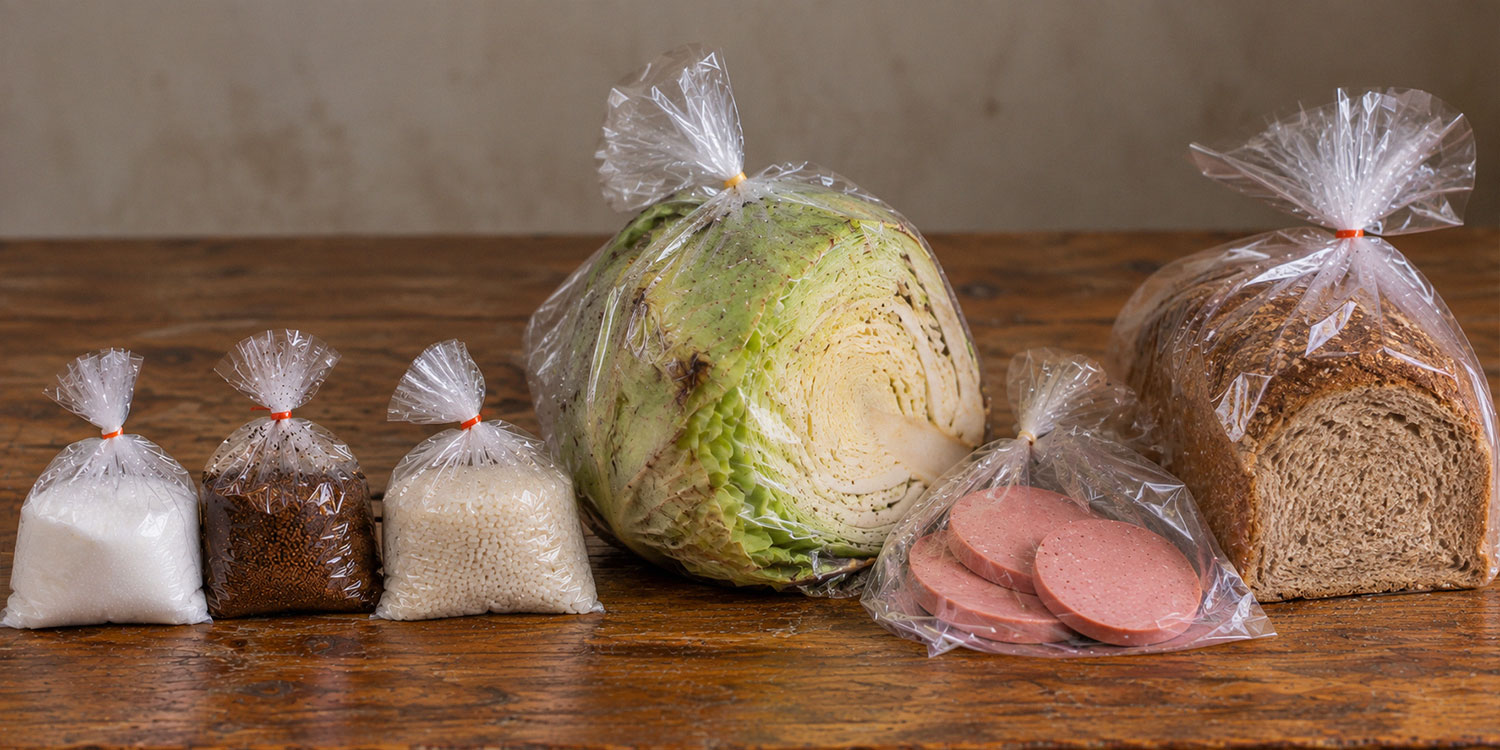
- Repackaging food products into smaller bags or containers (e.g. sugar, coffee and rice) – rather buy small, already originally sealed food products.
- Cutting/division of perishable food products (e.g. cabbage, polony and bread).
If spaza shops repackage food, or cut it up, it may lead to cross-contamination of food and lead to foodborne diseases that cause diarrhoea, nausea, vomiting, stomach cramps, fever and dehydration. Severe infections can lead to kidney failure, liver disease, neurological complications, hospitalisations or death.
The public is also urged to remain vigilant about the importance of food traders being in possession of a valid Certificate of Acceptability. This is particularly important when they sell perishable homemade products such as vetkoek, scones, jams and sauces.
These products must be kept under prescribed conditions (under refrigeration or heating by means of an oven).
It is important to note that the certificate issued to Spaza Shops only allows the selling of food products (unless stated otherwise in the Nature of Handling section of the Certificate of Acceptability).
Who to report safety concerns to:
Johan Compion (entire region)
Senior Manager: Municipal Health, Solid Waste Management and Air Quality
E-mail: info@gardenroute.gov.za
Cell: 082 803 5161
George Municipal Area
Emmy Douglas – Chief: Municipal Health (Outeniqua)
Tel: 044 803 1501 / Cell: 078 457 2824
Klein Karoo & Kannaland Municipal Areas
Desmond Paulse – Manager: Municipal Health (Klein Karoo)
Tel: 044 272 2241 / Cell: 083 678 6530
Mossel Bay Municipal Area
Dr Johann Schoeman – Manager: District Air Quality Management and Municipal Health (Mossel Bay)
Tel: 044 693 0006 / Cell: 083 530 3709
Knysna Municipal Area
James McCarthy – Chief: Knysna
Tel: 044 382 7214 / Cell: 082 805 9417
Bitou Municipal Area
Gawie Vos – Chief: Lakes (Bitou)
Tel: 044 501 1600 / Cell: 083 557 1522
Hessequa Municipal Area
Haemish Herwels – Chief: Hessequa
Tel: 028 713 2438 / Cell: 083 678 6545
If your report is unanswered, please contact communications@gardenroute.gov.za
Feature image caption: Some of the repackaging food often found by EHPS which are not allowed. These smaller portions may seem like a way to make food more affordable and accessible, but it can create food-safety risks when not done under proper hygienic conditions.
ENDS