
24 August 2026 Media Release: Resilient Landscapes: Collaboration in a Changing Climate
Media Release: Resilient Landscapes: Collaboration in a Changing Climate
For immediate release
24 August 2026
The message emerging from recent environmental gatherings is clear: “climate change is no longer a distant threat but a reality demanding action, cooperation and a far greater sense of shared responsibility,” says Cobus Meiring from the Garden Route Environmental Forum (GREF).
The recent Resilient Landscapes Forum, hosted at the Gourikwa Coastal Nature Reserve, followed closely on the Extreme Weather Reflection event hosted at Nelson Mandela University – both gatherings brought together people who understand that environmental resilience cannot be left to government alone.
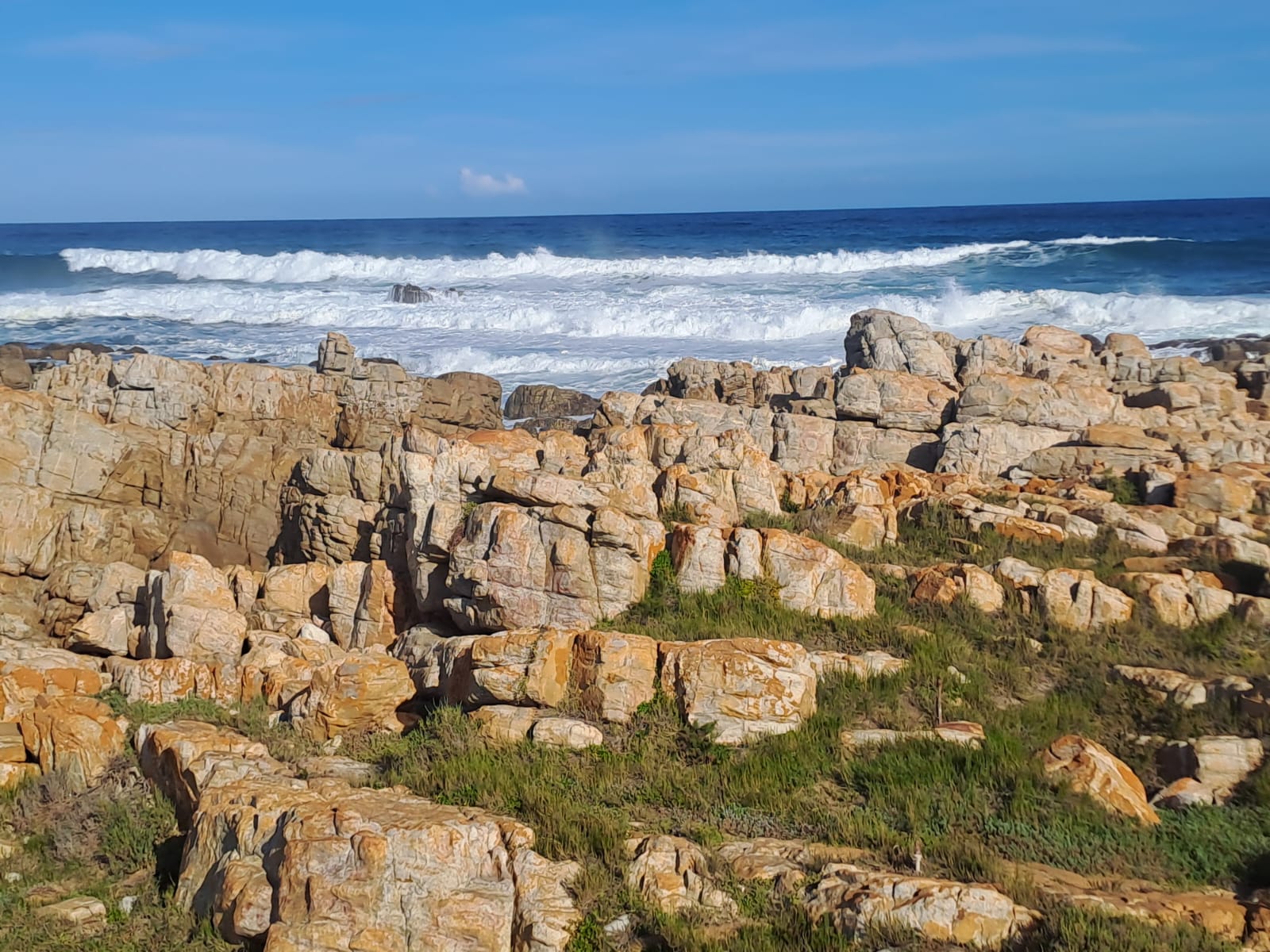
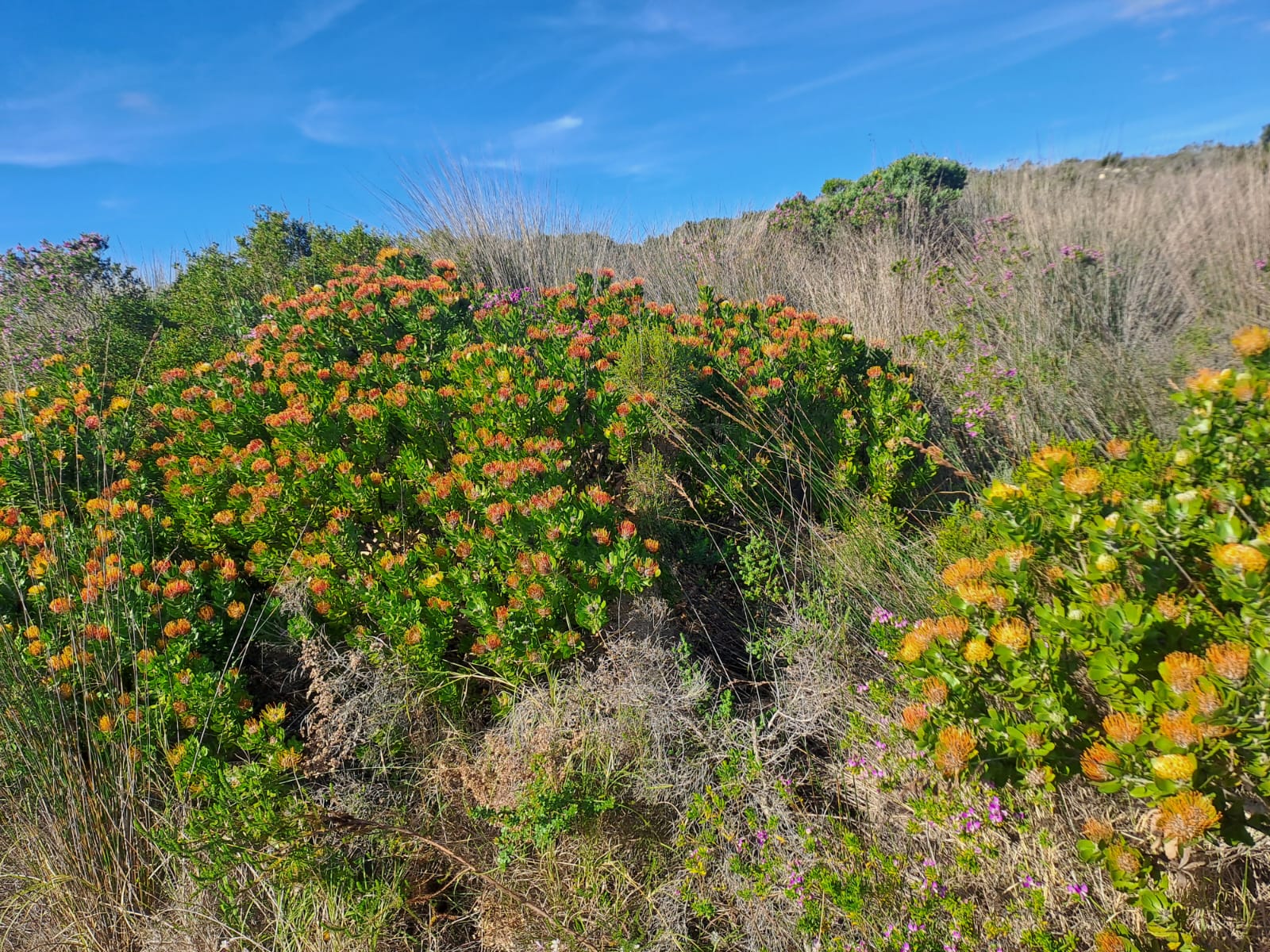
Gourikwa Coastal Nature Reserve showing the Southern Cape coastline and natural landscape with fynbos.
The urgency of these discussions is reinforced by growing global concern about increasingly unpredictable weather patterns and the potential influence of phenomena such as El Niño. Predictions for the Southern Cape do not inspire complacency. Changing weather patterns could bring prolonged drought, destructive floods, wild fire, severe winds and increasingly difficult conditions for both people and the environment.
“Civil society has a vital role to play in environmental management,” says Meiring who attended the event. Forum (GREF), who attended the event. “Forums, conservancies and similar structures provide essential platforms where land managers, academics, communities and government can meet, share knowledge and collectively respond to environmental challenges.”
Government simply does not have the capacity to manage every environmental issue. The protection of natural systems therefore depends increasingly on responsible landowners and land managers taking ownership of the landscapes under their care.
The implications extend well beyond conservation. Agriculture remains a primary driver of the regional economy, and farmers understand the potentially devastating consequences of prolonged drought. Cape Town’s near Day Zero experience demonstrated just how quickly a water crisis can become an economic and social crisis.
The Southern Cape’s coastline, Klein Karoo, forests, rivers, lakes and extraordinary biodiversity are irreplaceable natural assets. Their sustainable future cannot be taken for granted.
The resilience of the Southern Cape will ultimately depend not only on how well we respond to the next extreme weather event, but on how effectively we work together before it arrives. A better cared-for environment remains the foundation of a safer economy and a higher quality of life for all.
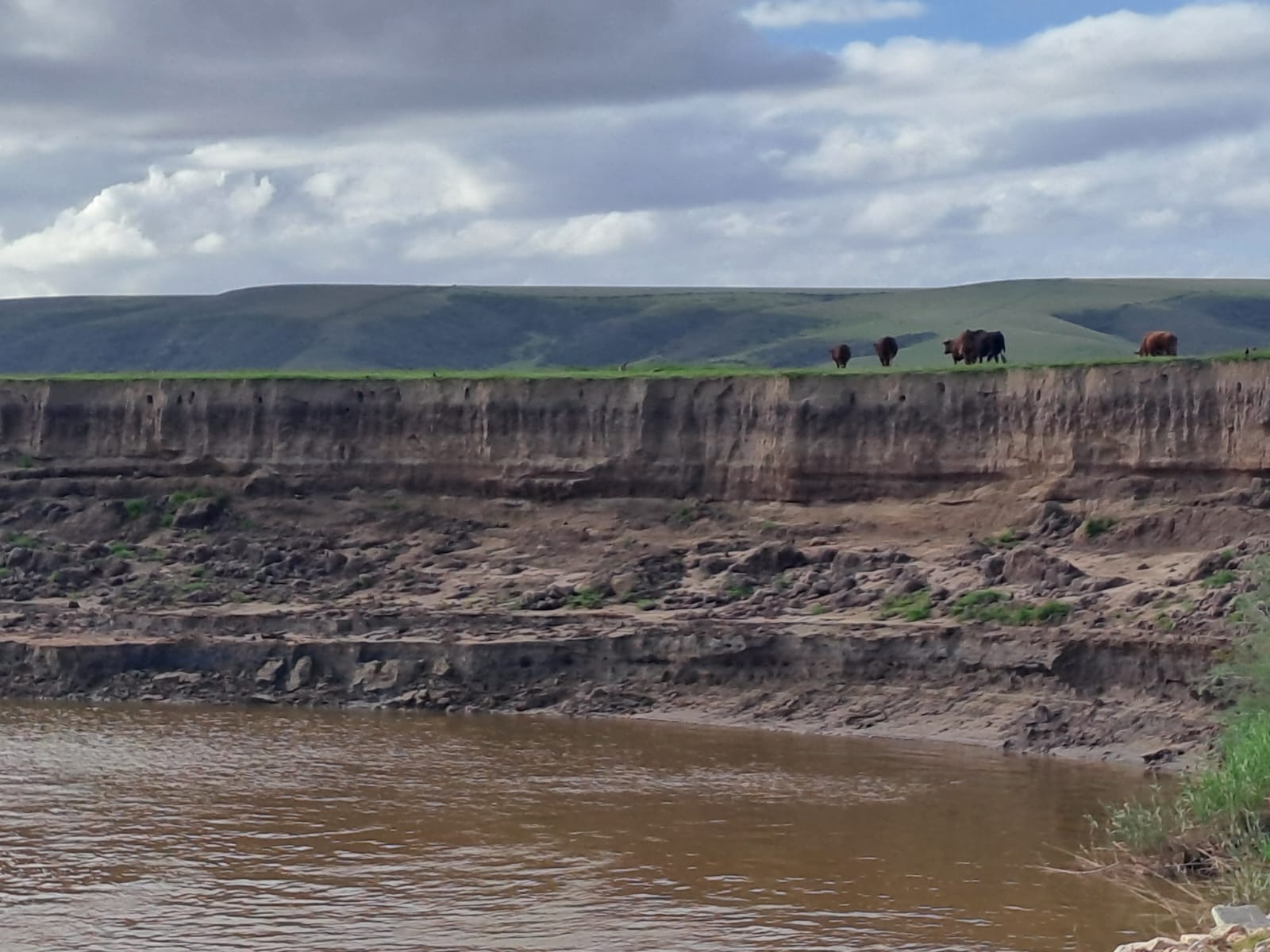
Feature Image: Recent Floods further damaged the eastern Gourits River bank near the estuary and washed away substantial volumes of valuable agricultural land.
The Garden Route Environmnetal Forum (GREF) is a public platform for environmental managers and a climate change think- tank (ww.grefecsf.co.za).
ENDS