
18 May 2026 Public Awareness: Food safety during power outages
Public Awareness: Food safety during power outages
18 May 2026
During the recent storms experienced across the Western Cape, many areas in the Garden Route district were and are still left without electricity for hours and even days. This type of disaster may lead to great food safety risk that a lot of citizens and holiday-goers, are not aware of. During this time, food can spoil quickly if it is not stored or handled properly. Knowing what to do can help protect everyone from foodborne illnesses.
Below find several simple, but important food safety tips.
How to keep your food colder for longer
- One of the most important things to remember during a power outage is to keep refrigerator and freezer doors closed for as long much as possible. Although there is no electricity used while keeping the doors closed, the refrigerator maintains the temperature for an extended time and therefore delays the spoilage of perishable food.
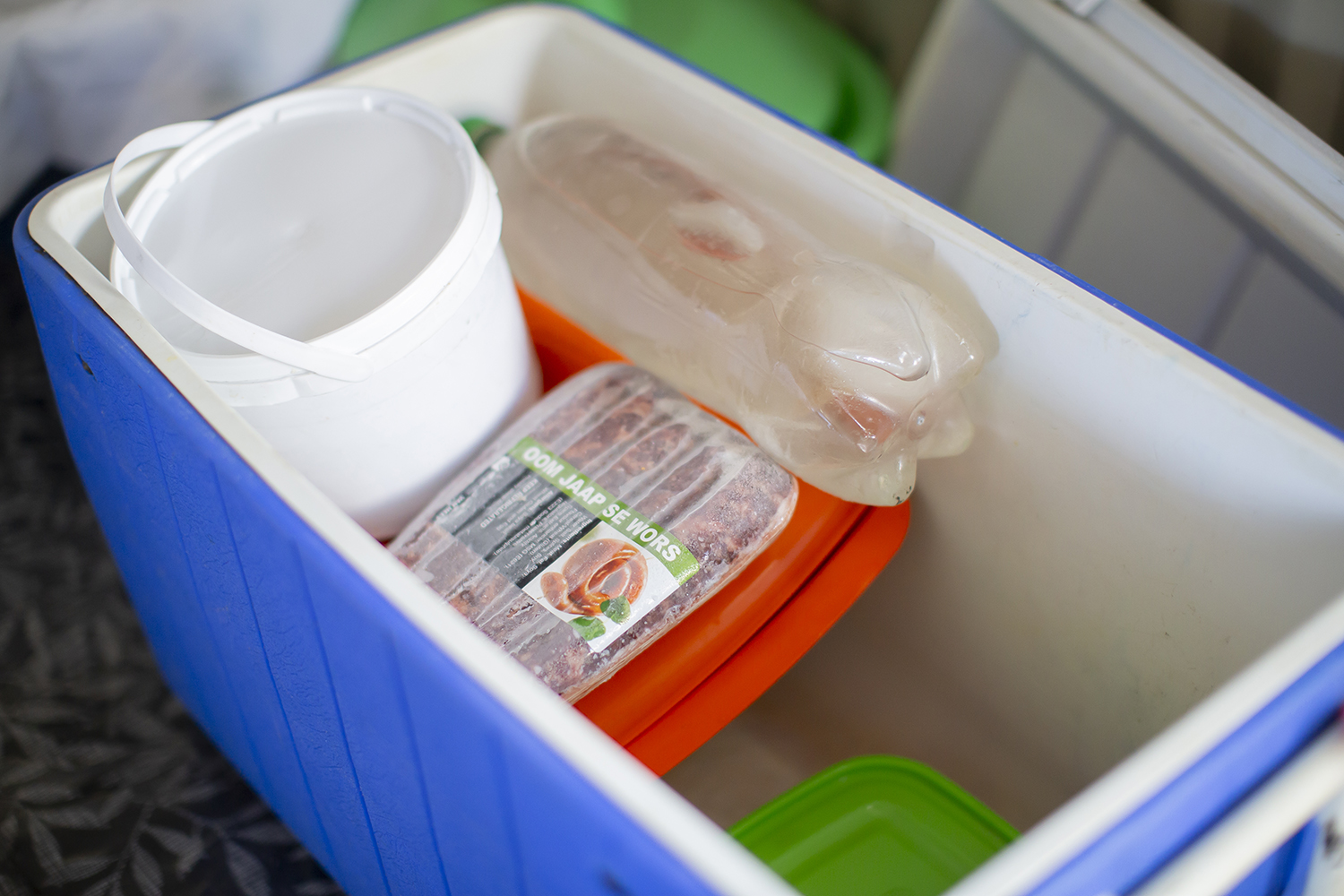
- If the outage in an area continues, consider using a cooler box with ice packs for foods that must remain cold, such as milk, meat, eggs and leftovers.
What are considered high risk foods: Food that spoils quickly?
Raw meat, chicken, seafood, dairy products and cooked leftovers are high-risk foods and should be checked carefully after an outage.
Shelf-stable foods such as tinned goods, unopened juices, peanut butter and dry cereals are generally safer during long power cuts.
Remember these important rules: if food smells strange, looks unusual, or feels warm when it should be cold, throw it away and thawed food cannot be refrozen.
What are safe temperatures?
Food safety depends heavily on temperature. If perishable food has been above safe temperatures for more than two hours, it is safest to discard it.
How to maintain hygiene during storms
- Storms can sometimes affect water supplies. It is best to use safe water or boil the water before use.
- Wash your hands with soap and clean water before handling food. If clean and safe water is limited, use hand sanitiser containing at least 60 percent alcohol.
- Also make sure kitchen surfaces, utensils and containers are kept clean to prevent contamination or cross-contamination.
How can you prepare for emergencies?
Preparation can make a major difference during emergencies. Keep an emergency supply kit with:
- Ice packs
- A food thermometer
- Bottled water
- A torch
- A manual can opener
- Non-perishable foods
Being prepared helps reduce stress and keeps your household safer during extended outages.
For more information or to report unhygienic practices by food handlers, contact the following GRDM offices within the Garden Route:
Johan Compion
Senior Manager: Municipal Health, Solid Waste Management and Air Quality
E-mail: info@gardenroute.gov.za
044 803 1300 / 082 803 516
Klein Karoo & Kannaland
Desmond Paulse – Manager: Municipal Health (Klein Karoo)
94 St John Street, Oudtshoorn
044 272 2241 / 083 678 6530
Mossel Bay
Rinay Cloete – Acting Chief: Municipal Health
C/O Sampson & Marling Street, Ext 23, Mossel Bay
044 693 0006 / 083 530 3709
George Outeniqua
Emmy Douglas – Chief: Municipal Health
Mission Street, Industrial Area, George, 6530
044 803 1501 / 078 457 2824
George & Wilderness
Lusizo Kwetshube – Acting Chief: Municipal Health
Mission Street, Industrial Area, George, 6530
044 803 1599 / 081 555 6992
Knysna
James McCarthy – Chief: Knysna
26A Queen Street, Knysna, 6571
044 382 7214 / 082 805 9417
Bitou
Gawie Vos – Chief: Lakes (Bitou)
4 Virginia street, Plettenberg bay, 6600
044 501 1600 / 083 557 1522
Hessequa
Haemish Herwels – Chief: Hessequa
24 Michell Street, Riversdale, 6670
028 713 2438 / 083 678 6545