
20 November 2026 Media Release: GRDM and Health Department Strengthen Ulwaluko Readiness Through Community Awareness Campaigns
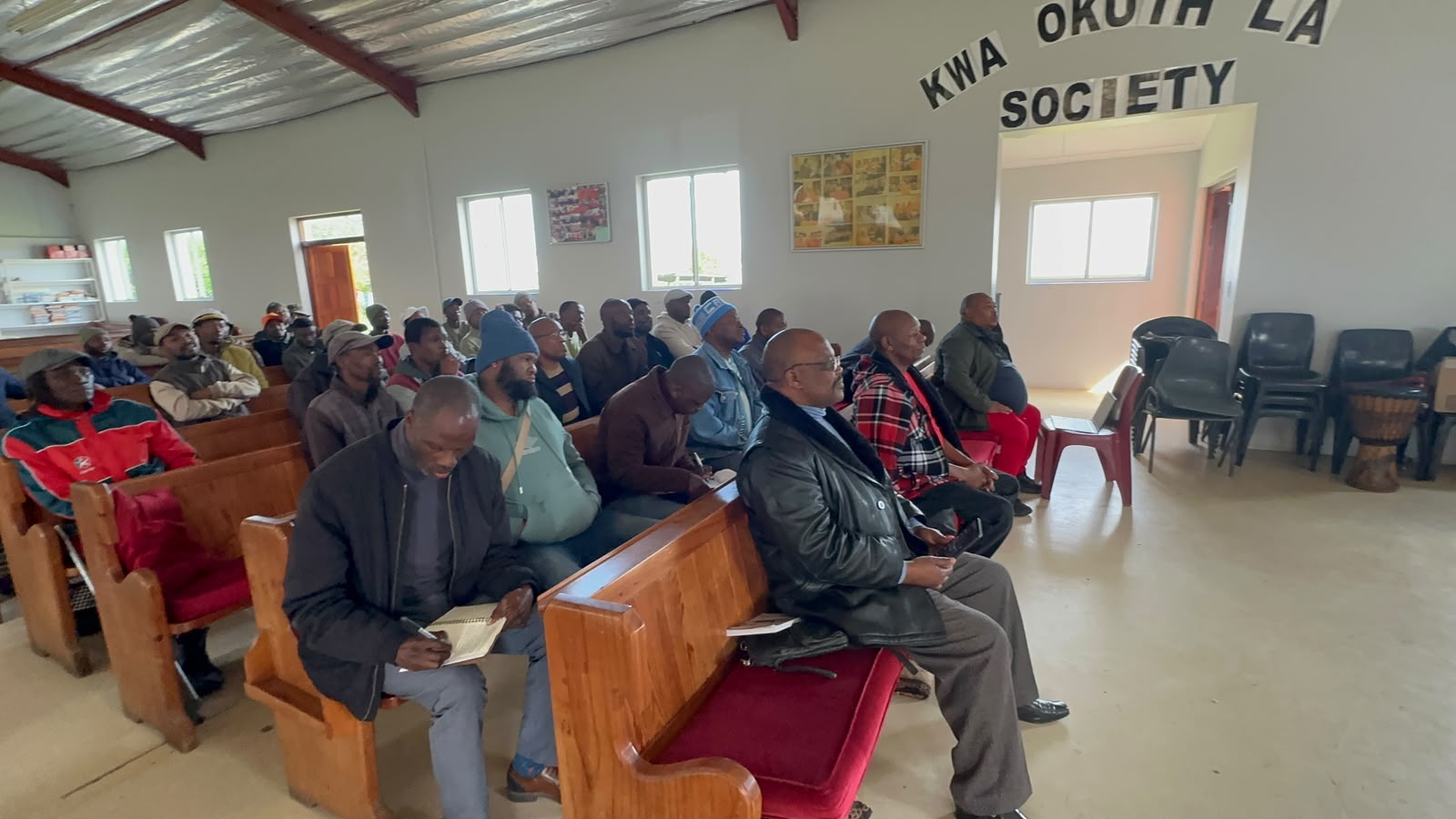
GRDM and Health Department Strengthen Ulwaluko Readiness Through Community Awareness Campaigns
20 November 2026
The Garden Route District Municipality (GRDM), in collaboration with the Western Cape Department of Health and various local stakeholders, have conducted a series of awareness campaigns in Knysna, Sedgefield and Plettenberg Bay to promote the health, safety and well-being of boys preparing to undergo traditional initiation (ulwaluko) during the upcoming summer season.
As part of the readiness programme, representatives from GRDM and the Western Cape Department of Health visited four high schools in Knysna, where 81 boys were reached through educational sessions. The boys were informed about communicable diseases, the importance of abstinence, substance abuse and the harmful effects of drugs and alcohol. Discussions also covered male physiology and the importance of visiting healthcare facilities for medical assessments and advice before entering the initiation season.
In addition to the school visits, awareness sessions were conducted among various communities in Knysna, Sedgefield and Plettenberg Bay. More than 75 parents whose sons will be attending traditional initiation schools this summer were reached.
Preparing safe and suitable initiation sites
A key focus of the community engagements was educating parents about their responsibilities in ensuring that initiation sites (amabhoma) are safe and properly equipped.
Parents were encouraged to ensure that breathable materials are used when constructing amabhoma, rather than black plastic, commonly known in the region as gumplas, which can contribute to excessive heat and poor ventilation.
With the possibility of extreme weather conditions associated with El Niño, including heatwaves and flooding, parents were urged to make use of registered initiation sites only. Registered sites are important to ensure access to essential services, particularly a reliable water supply, and to facilitate possible evacuations should severe weather conditions occur.
Food, water, sanitation and waste management
The importance of proper food preparation and storage was also highlighted. Parents were advised to ensure that initiates receive nutritious meals three times a day. Given the expected hot weather and the limited availability of refrigeration at initiation sites, food should not be prepared in large quantities and left standing for extended periods, as this could lead to food spoilage and foodborne illnesses.
Parents were further reminded of the importance of:
- Ensuring that clean, safe drinking water is available every day.
- Maintaining proper sanitation and hygiene practices at initiation sites.
- Implementing responsible waste management practices.
- Taking appropriate precautions to prevent and minimise the risk of veld and wildfires.
Addressing alcohol and substance abuse
Another important issue raised during the engagements was the use of alcohol by boys before, during and after initiation. Communities were encouraged to recognise underage drinking and substance abuse as serious social challenges that require collective action.
Parents were also urged to reconsider the practice of imiguyo – celebrations held before boys leave for initiation. Concerns were raised about criminal elements and alcohol abuse associated with some of these gatherings. Communities were encouraged to discourage practices that could expose boys and other community members to unnecessary risks.
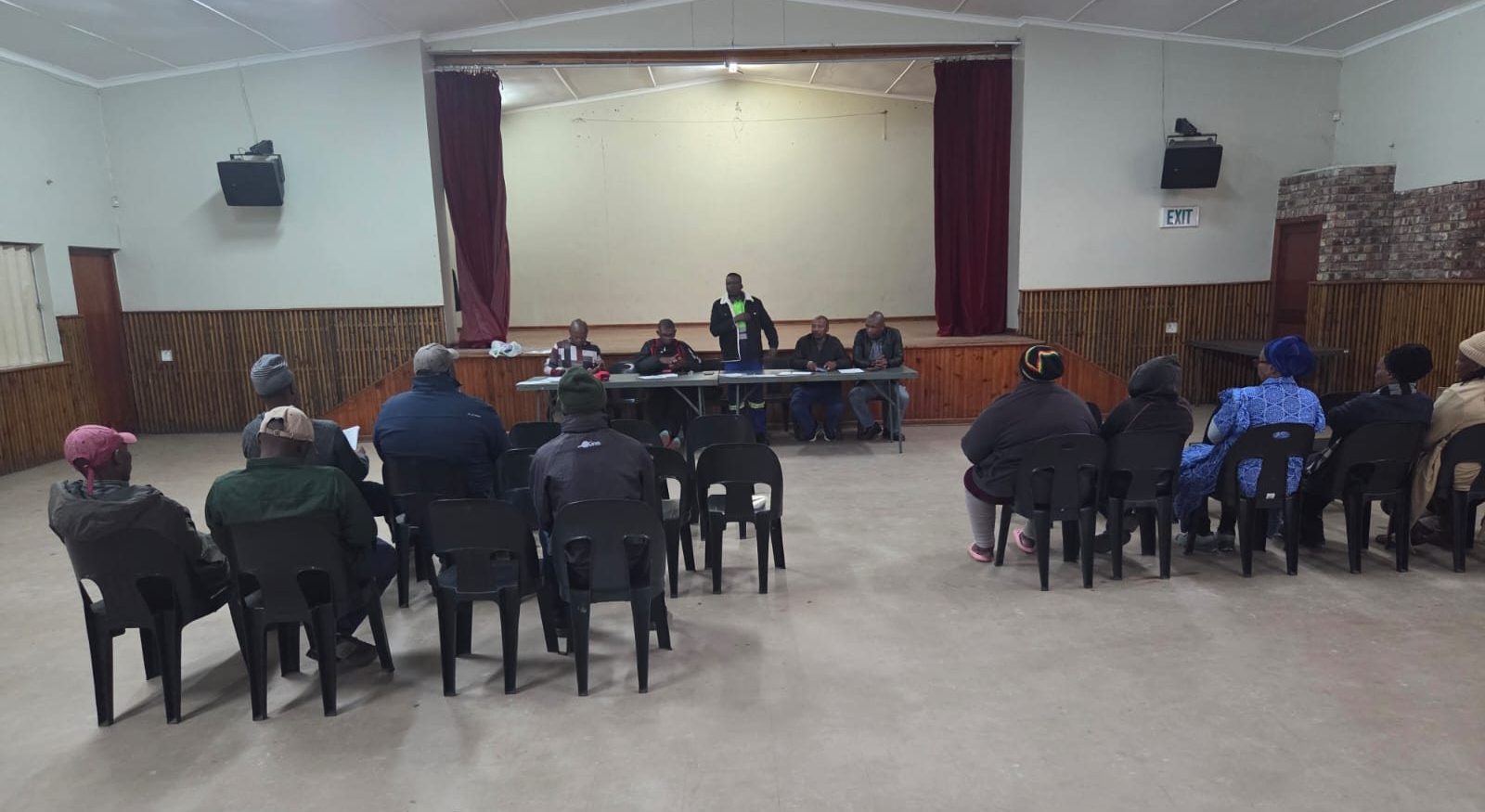
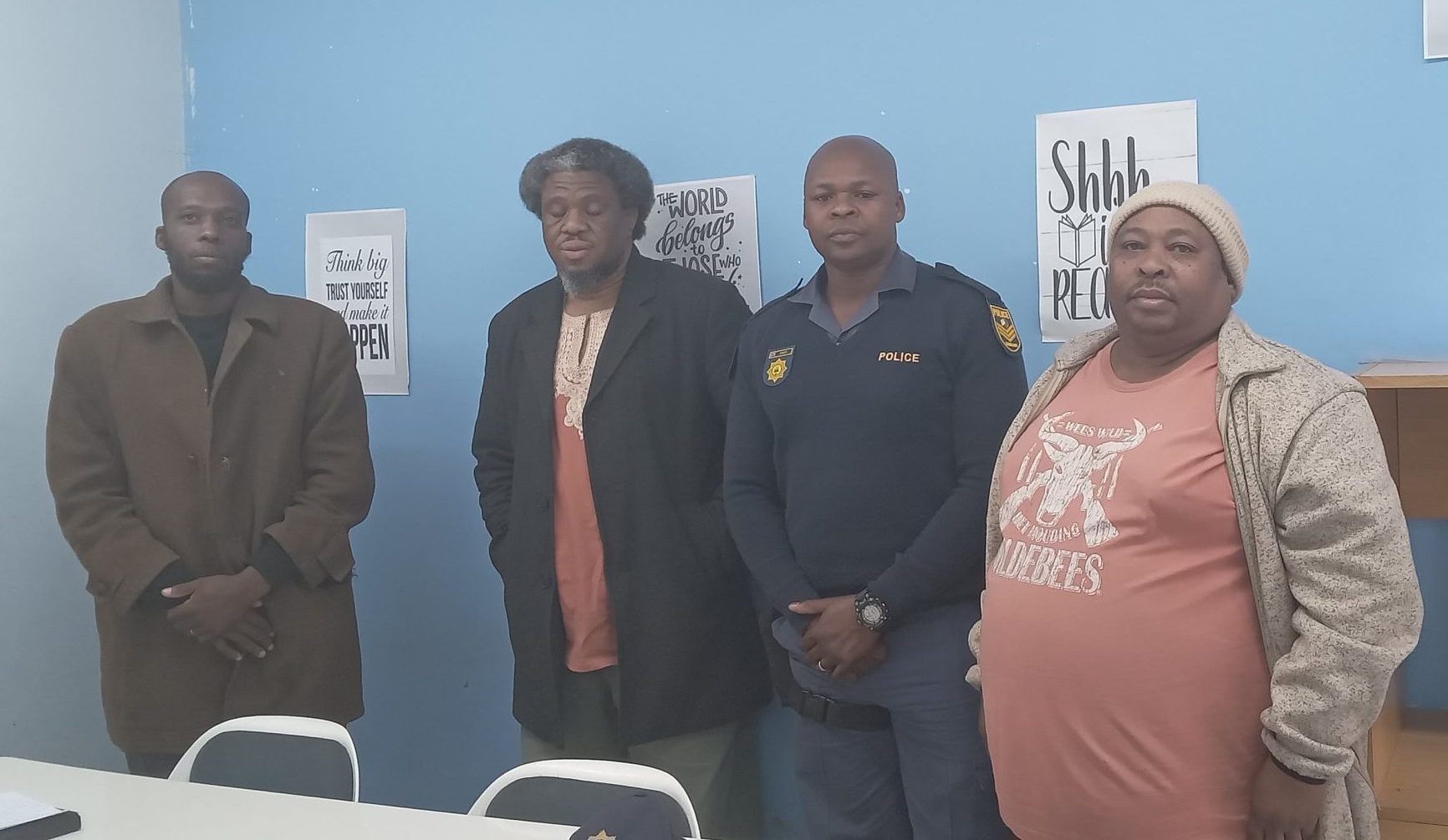
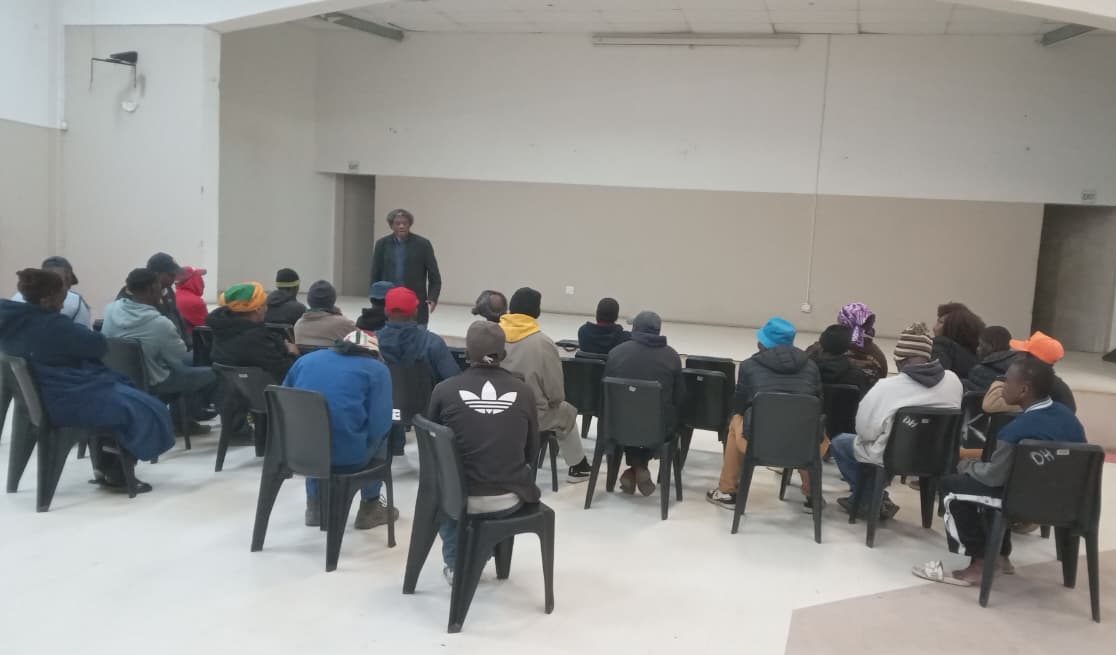
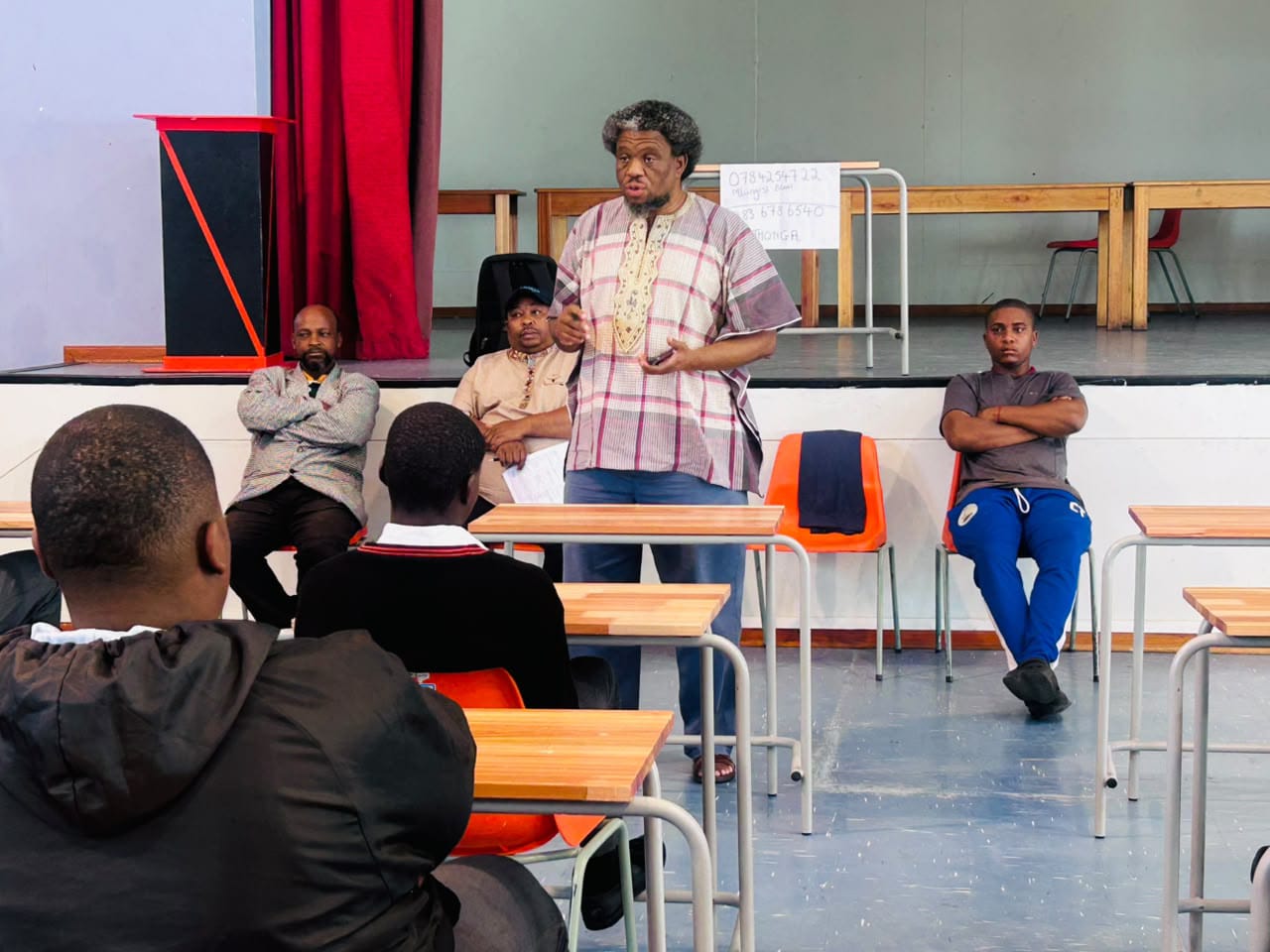
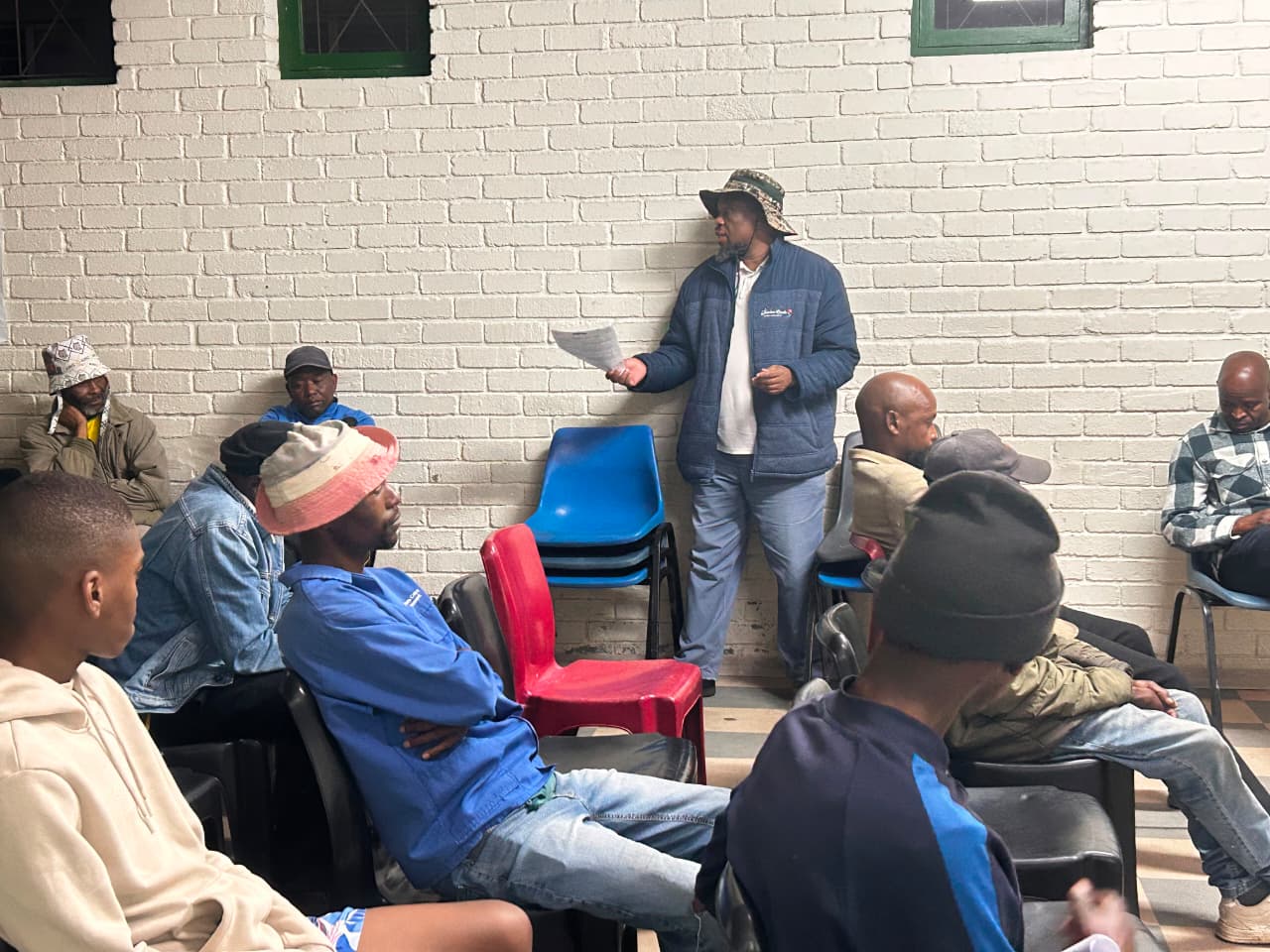
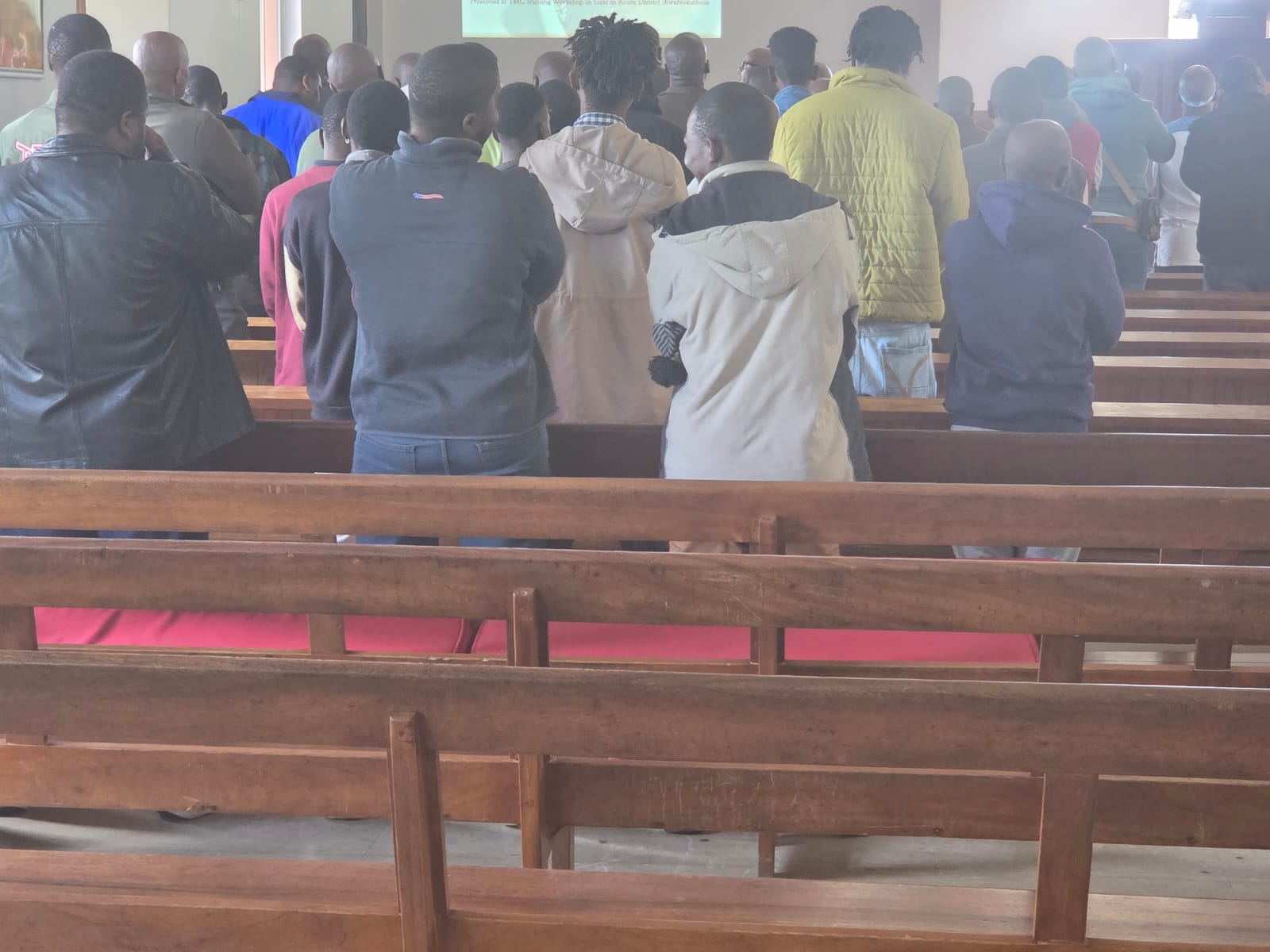
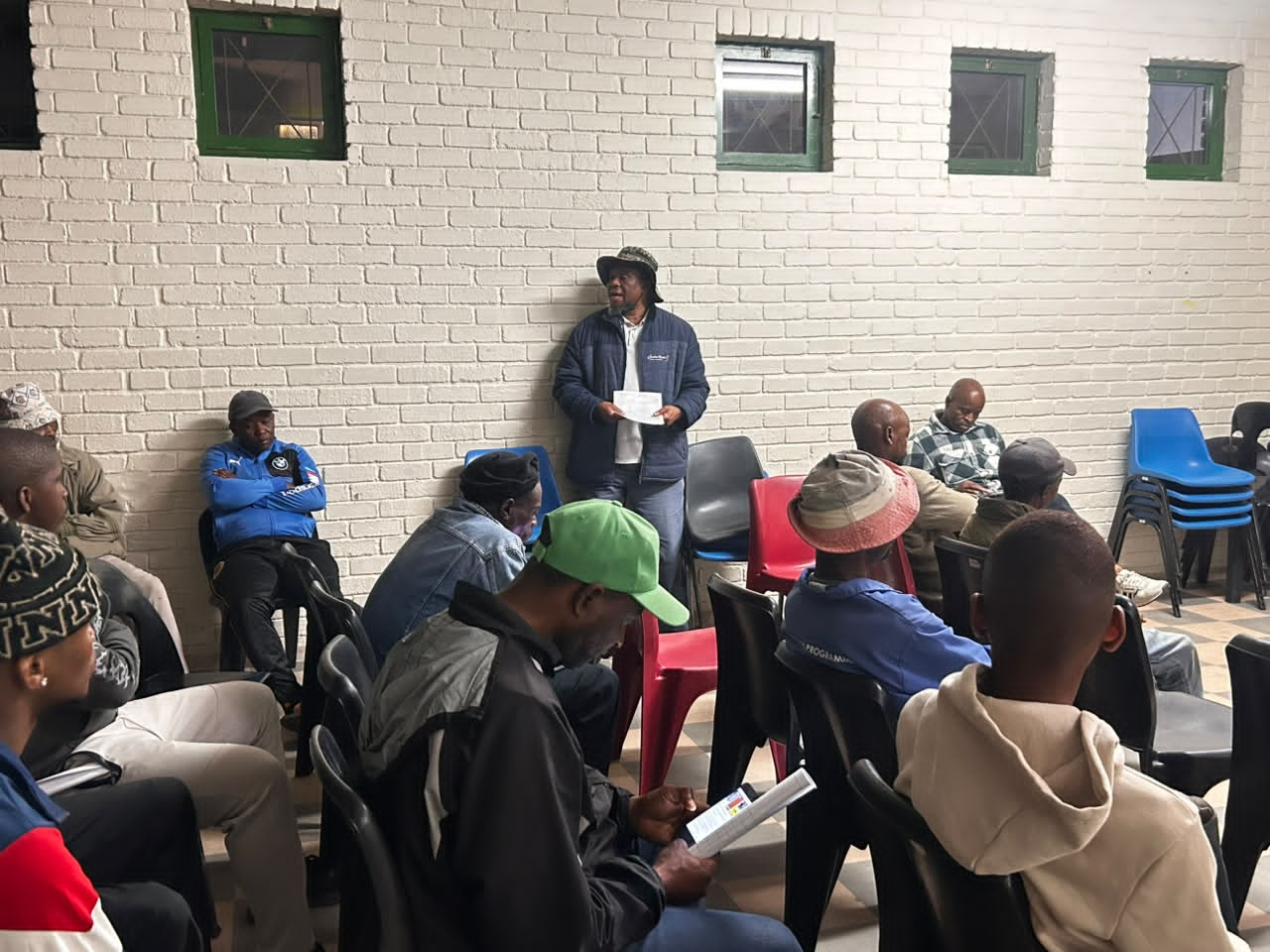
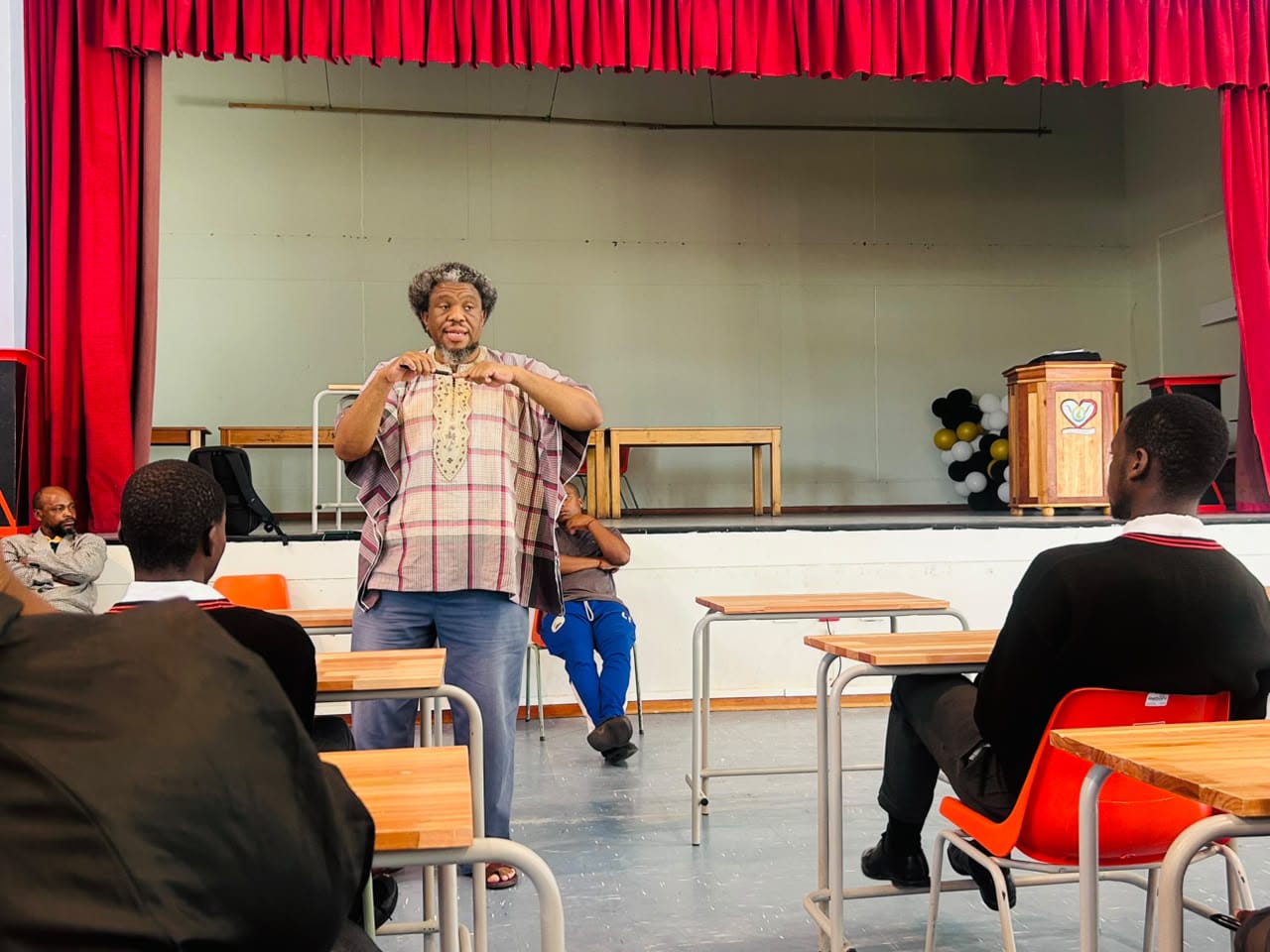
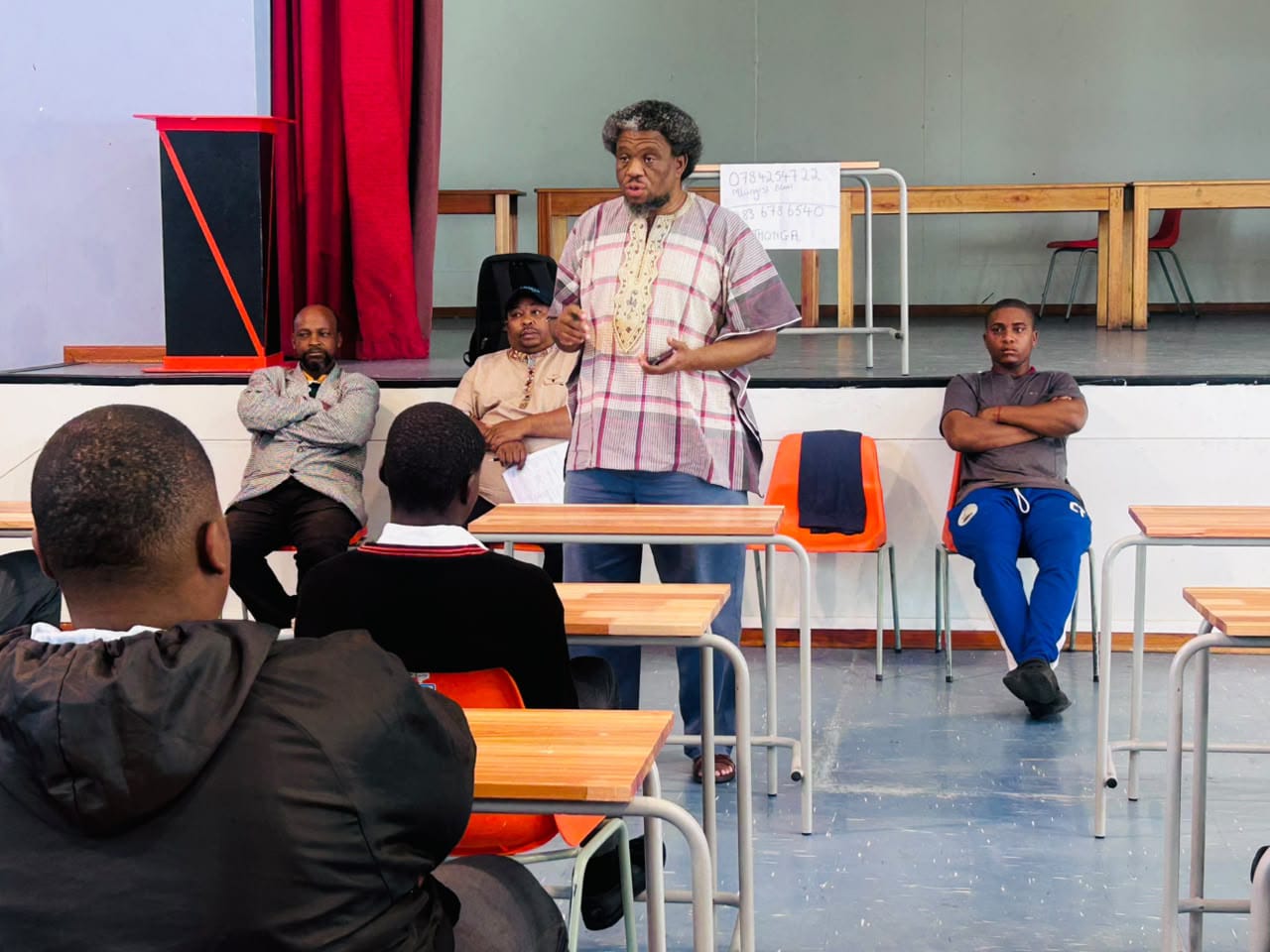
The various stakeholders, representatives and role-players who participated in the events.
A shared responsibility
Ulwaluko is an ongoing educational journey that extends beyond the traditional initiation school and continues when initiates return to their communities. It is ultimately about nurturing responsible, law-abiding citizens who will become respectful members of society and loving fathers of future generations.
GRDM and its partners appeal to parents, families and communities to continue supporting this important cultural practice by prioritising the health, safety and dignity of every initiate.
The municipality extends its sincere appreciation to all stakeholders who contributed to the awareness campaigns, including the Knysna Ulwaluko Forum, the South African Police Service (SAPS), the Western Cape Department of Health, Knysna Municipality, faith-based organisations, amakhankatha and iingcibi, as well as the fathers, mothers, uncles, aunts and other community members who participated.
Their collective involvement demonstrates the importance of working together to preserve and uphold the cultural significance of ulwaluko while ensuring that the tradition is practised responsibly and safely.
Together, we wish all initiates, their families and communities a safe and successful initiation season.
-END-