
08 September 2026 Frequently Asked Questions: Pilchard Herpesvirus-associated Sardine Mortality Event
Frequently Asked Questions: Pilchard Herpesvirus-associated Sardine Mortality Event
08 September 2026
CURRENT SITUATION
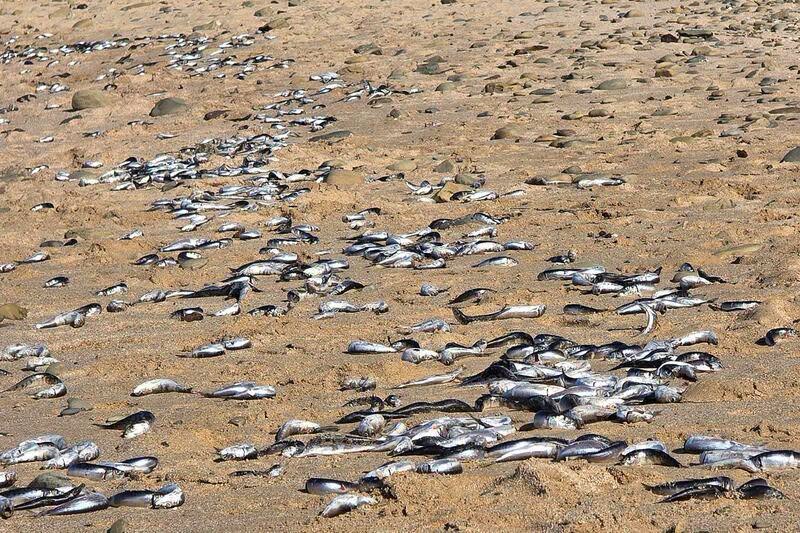
- South Africa is experiencing an unusual sardine mortality event that has now been reported over a very wide geographic area, extending from the Western Cape through the southern and eastern coasts, into the northern Wild Coast and along the Namibian coast.
- Pilchard herpesvirus (PHV) has been confirmed in sardines associated with the mortality event, including sardines collected in Gqeberha. PHV remains the leading explanation for the observed mortalities, although the role of the virus and the possible contribution of environmental factors are still being investigated.
- The full extent and impact of the mortality event are not yet known. The Department of Forestry, Fisheries and the Environment (DFFE) and its scientific partners are continuing to monitor new reports, undertake diagnostic testing and investigate the distribution, scale and progression of the event, as well as its potential implications for the sardine population and the wider marine ecosystem.
PHV is not known to infect people. Commercially produced canned sardines processed under approved conditions remain safe to consume. The public should not collect, eat or feed to pets dead or dying sardines found on beaches or at sea, because of the risks associated with decomposition and contamination.
To read further, please download the below FAQ documents:
Download FAQ document 1
Download FAA document 2
Download FAQ document 3
Download FAQ document 4
Download FAQ document 5
Download FAQ document 6
Image: Supplied by the Department of Forestry, Fisheries and the Environment (DFFE).