
19 June 2025 Understanding the Governance Structure of the Garden Route District Municipality
Understanding the Governance Structure of the Garden Route District Municipality
19 June 2025
Section 1(a) of the Municipal Systems Act 32 of 2000 states that the council of a municipality has the right to-
(a) govern on its own initiative the Local Government affairs of the local community. The Garden Route District Municipality is therefore governed by an elected Municipal Council. These Councillors are either direct representatives from local municipalities, or proportionally elected through their political parties.
Led by an Executive Mayor, the GRDM Council is responsible for decision making and setting policies, the Speaker leads and presides over meetings of the full Council, ensuring order and adherence to rules during Council sittings, while a Municipal Manager is the administrative head, responsible for implementing Council’s policies and managing staff.
The policies are developed by the administration but discussed and workshopped with Councillors by the administration. In some instances, policies are approved while there is a possibility for a Council to reject policies too. Politicians often request policies to be developed in response to concerns raised by members of the public.
What are the legal mandates that define the powers of the GRDM?
The municipality’s functions and powers are defined by various pieces of legislation. Firstly Section 151(2) of the Constitution of South Africa, states that the executive and legislative authority of a municipality is vested in its Municipal Council. Secondly the Municipal Structures Act (Act 117 of 1998) clarifies the powers of district and local municipalities. Section 84(1) specifically outlines the functions of district municipalities while, Section 26 of the Municipal Systems Act guides the municipality’s role in integrated development planning.
Lastly the Municipal Financial Management Act (Act 56 of 2003), designates the Municipal Manager as the Accounting Officer, responsible to guide the financial management processes of the municipality in accordance with this Act. There are many more pieces of legislation, but the above-mentioned are the key ones that provide a framework for Local Government.
Where does the GRDM fit into the three spheres of government (National, Provincial and Local)?
According to Section 40(1) of the Constitution, government in the Republic is constituted as national, provincial, and local spheres of government which are distinctive, interdependent, and interrelated. The district municipality forms part of the local sphere of government. Section 155 of the Constitution explains the establishment of municipalities and categorises them as Category-a are metro municipalities; category-b are local municipalities; and category-c are district municipalities. In the Western Cape there are 5 district municipalities.
It is also important to note that a b-or-c municipality cannot exist in the jurisdiction of an a-municipality (metro). An a-municipality is a merger of a b-and-c municipality.
Why were district municipalities created?
The White Paper of Local Government 1998 under the heading “the need for district government explains the rationale of district municipalities in great detail. District governments were created to address regional challenges that individual local municipalities couldn’t manage alone, such as infrastructure planning and economic development. District municipalities also play a role in supporting and building the capacity of local municipalities that lack resources and administrative capabilities. Section 84 of the Local Government Municipal Structures Act unpacks exactly what services district should be performing. In the year 2000, many district municipalities requested for some of their functions to be given to local municipalities to perform. The structure of municipalities was introduced in 1998 with the Municipal Structures Act (Act 117 of 1998) and was implemented in the year 2000.
How does the GRDM interact with local municipalities?
The district interacts with local municipalities and other spheres of government through 21 Inter Governmental Relations Forums. It further supports local municipalities by coordinating shared services such as:
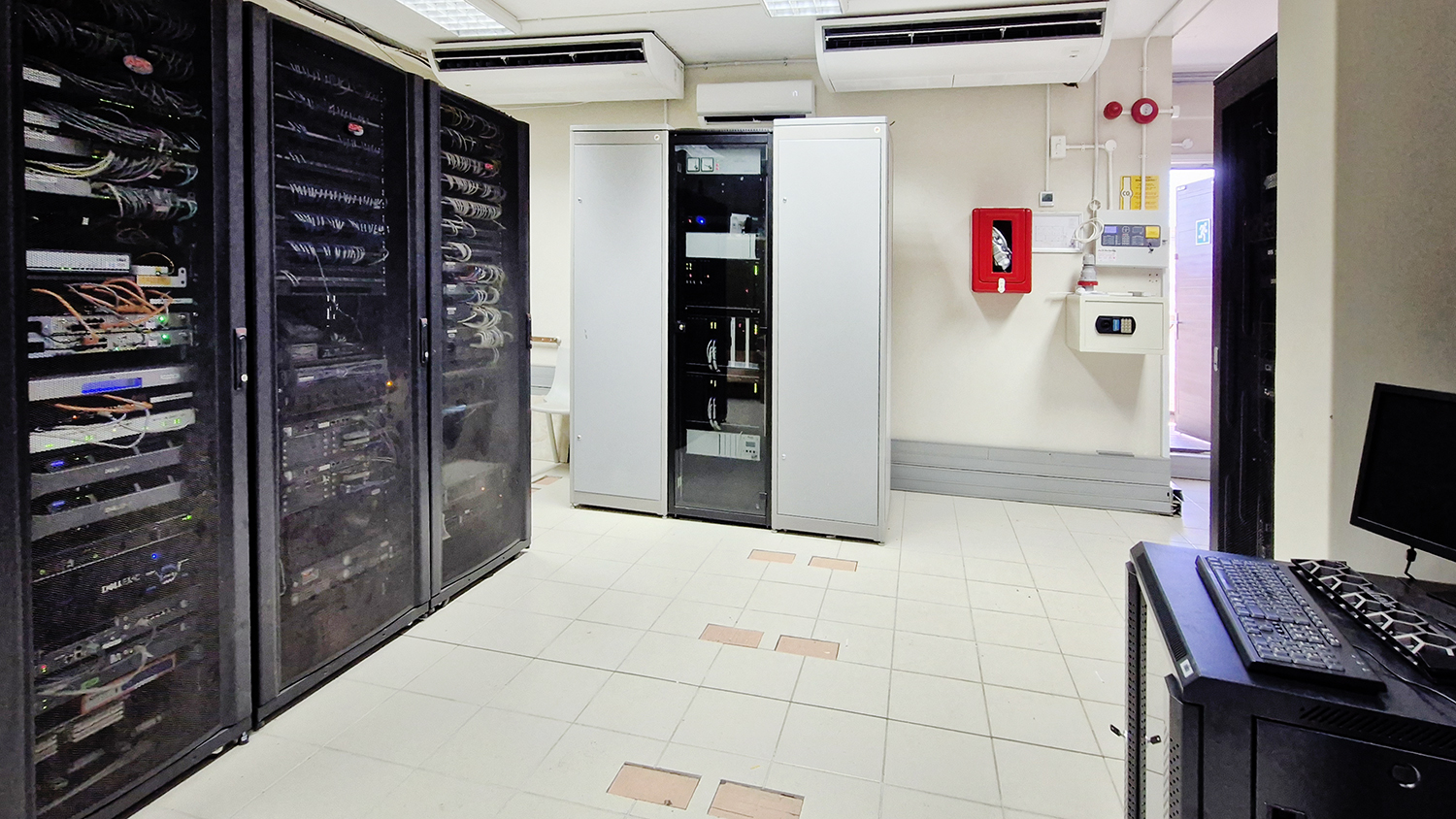

- Geospatial Information System;
- Job evaluation (Shared services with 12 local municipalities);
- Municipal Minimum Competency (5 local municipalities form part of the SLA);
More shared services will be rolled out in the near future.
This collaborative approach helps to ensure that district-wide services and joint planning efforts are coordinated across the district. This is also in line with the Joint District-Metro Approach (JDMA), a governance framework used in the Western Cape, South Africa, to improve coordination between different levels of government. The JDMA aims to align national, provincial, and local priorities through co-planning, co-budgeting, and co-implementation to enhance service delivery.
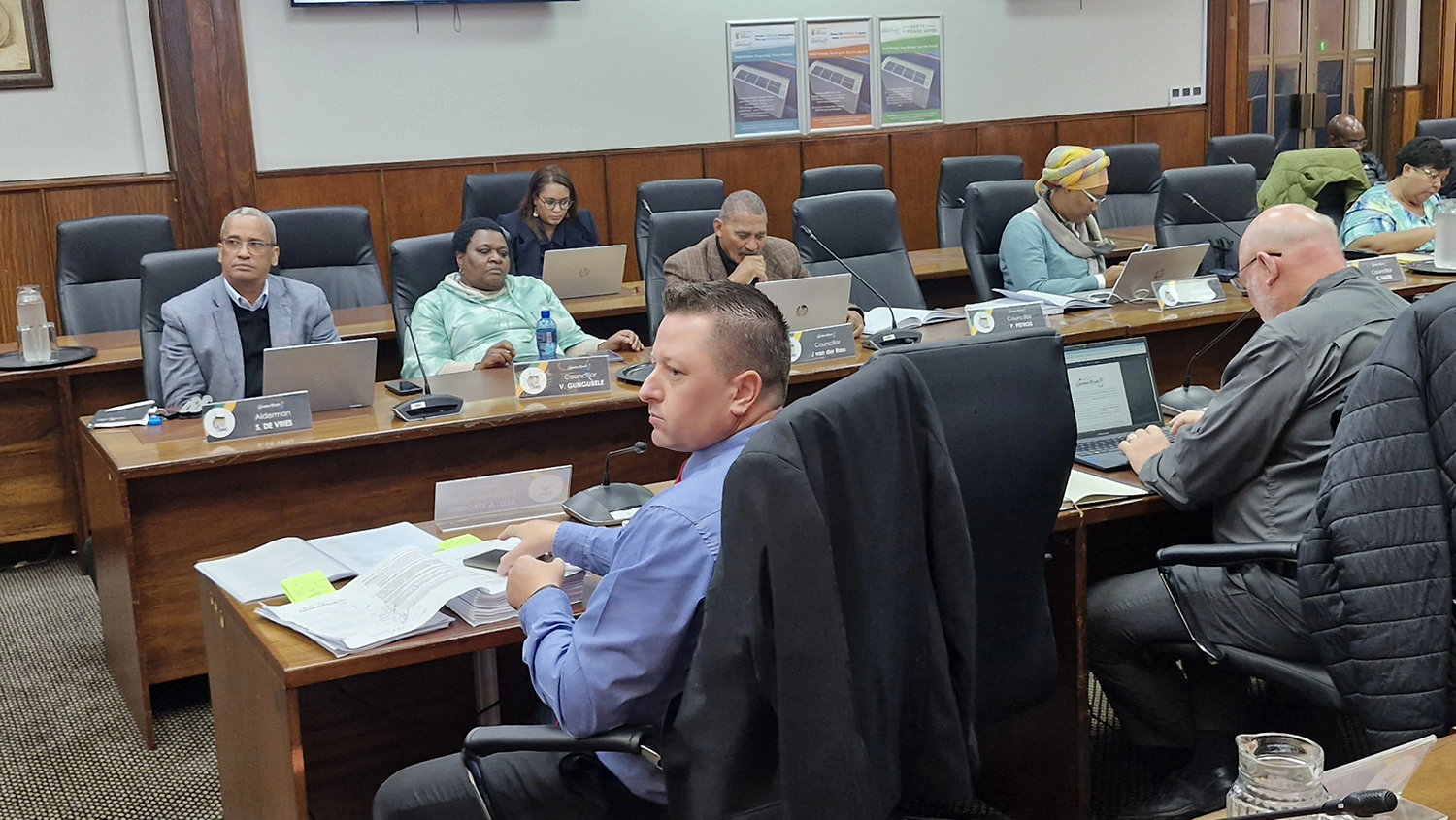
Feature image: A GRDM Council meeting underway with Mayor Andrew Stroebel in the foreground.